Tag: E-Commerce SEO

  • Drone Delivery: When Will It Become Mainstream?

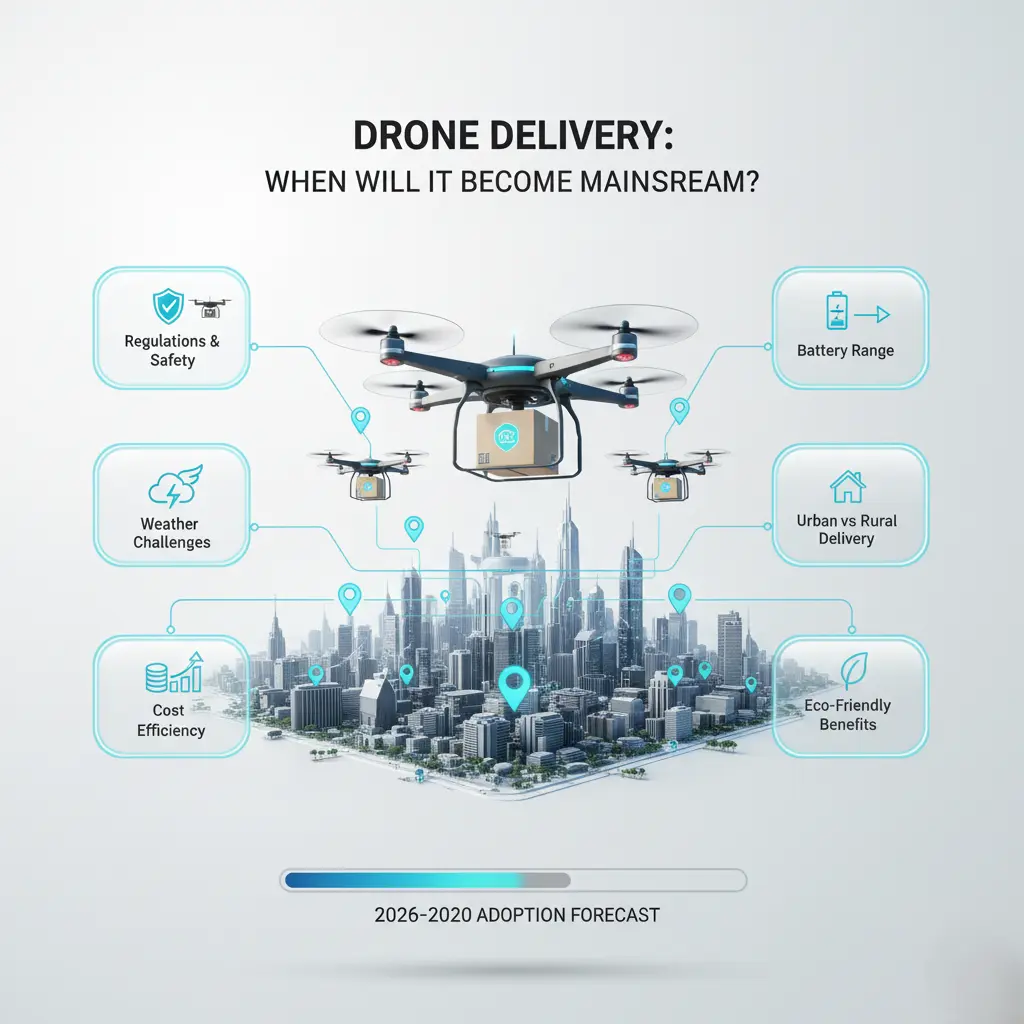
    Drone Delivery: When Will It Become Mainstream?

    The idea of drones delivering packages directly to our doorsteps once felt futuristic, but rapid advancements in technology have made it closer to reality than ever before. Companies like Amazon, Walmart, UPS, and major logistics startups are already testing drone delivery systems, proving that unmanned aerial vehicles (UAVs) can drastically reduce delivery times and operational costs. But with all the excitement, one question still remains: When will drone delivery truly become mainstream?

    The Current State of Drone Delivery

    Drone delivery has made significant progress over the past few years. Many pilot programs are already underway, delivering small packages such as:

    • Medications
    • Groceries
    • Electronics
    • Essential supplies

    These tests have demonstrated drones’ ability to deliver orders within 30 minutes—or even less. However, despite their technological readiness, widespread adoption is still limited by regulatory, infrastructural, and logistical hurdles.

    Key Factors Driving Drone Delivery Adoption

    1. Faster Delivery Expectations

    Consumers expect same-day delivery, and in many cities, they prefer delivery within hours. Drones offer a rapid and reliable solution by:

    • Flying directly to the destination
    • Avoiding road traffic
    • Completing short-distance deliveries faster than vehicles

    This makes drones ideal for urgent or time-sensitive shipments.

    2. Cost Efficiency for Logistics Companies

    Drones reduce fuel consumption, manpower, and operational costs. Once scaled, they can significantly lower the cost per delivery—making last-mile logistics more affordable for companies and customers alike.

    3. Environmental Benefits

    Compared to fuel-based delivery vehicles, drones produce fewer emissions and help create more sustainable logistics operations. This aligns with the global push toward greener supply chain practices.

    4. Technological Advancements

    Improved battery capacity, autonomous navigation, AI-based obstacle detection, and better payload capability are making drones safer and more efficient. These innovations are accelerating the shift to widespread implementation.

    Challenges Slowing Down Mainstream Adoption

    Despite impressive advancements, several challenges are delaying full-scale drone delivery adoption.

    1. Strict Government Regulations

    Aviation authorities worldwide require:

    • Flight approvals
    • Safety certifications
    • Airspace management systems

    Many countries are still developing drone-specific laws. Until regulations become consistent and clear, mass deployment will remain limited.

    2. Safety and Risk Management

    Drones must operate safely above homes, roads, and public spaces. Issues such as:

    • Collisions
    • Weather conditions
    • System failures
    • Privacy concerns

    must be addressed before drone delivery becomes mainstream.

    3. Limited Payload Capacity

    Most delivery drones can only carry 1–5 kg, restricting them to lightweight items. Larger drones are being developed, but they require more robust technology and regulation.

    4. Infrastructure Requirements

    Drone ports, charging stations, communication hubs, and secure drop-off zones need to be built before large-scale implementation becomes realistic.

    When Will Drone Delivery Become Mainstream?

    Most experts predict that drone delivery will gradually enter mainstream logistics within the next 5–10 years, depending on the region. Here’s what the timeline looks like:

    2025–2027: Expansion of Pilot Programs

    • More cities will start test flights
    • Regulatory frameworks will become clearer
    • Grocery, pharmacy, and food delivery industries will adopt drones faster

    2028–2030: Regional Adoption

    • Suburban and rural areas will see frequent drone deliveries
    • Local businesses will integrate drone logistics
    • Drone networks will connect with e-commerce platforms

    2030 and Beyond: Widespread Commercial Adoption

    • Drone highways and dedicated air corridors will be established
    • Large payload drones will handle more types of products
    • Drone delivery could become a standard last-mile solution

    Urban areas may take longer due to airspace complexities, but rural and semi-urban regions will lead the transition.

    Industries That Will Benefit the Most

    1. E-Commerce

    Fast, affordable deliveries will boost customer satisfaction and reduce logistic costs.

    2. Healthcare

    Drones will transport:

    • Emergency medicines
    • Blood samples
    • Vaccines
    • Critical supplies

    Faster delivery can literally save lives.

    3. Food & Grocery Delivery

    On-demand delivery will become even quicker, enhancing convenience for customers and efficiency for businesses.

    4. Agriculture and Rural Services

    Drones will deliver tools, products, and supplies to remote areas underserved by traditional logistics.

    The Future of Drone Delivery

    Drone delivery is more than a trend—it’s a major evolution in logistics. As technology advances and regulations become more supportive, drones are positioned to revolutionize last-mile delivery. They promise:

    • Faster service
    • Lower costs
    • Reduced carbon footprint
    • Greater accessibility for rural communities

    The shift won’t happen overnight, but one thing is certain: drone delivery is not a question of “if” but “when.” And the “when” is getting closer every year.

  • How Paid Ads Can Boost Your Online Store Revenue

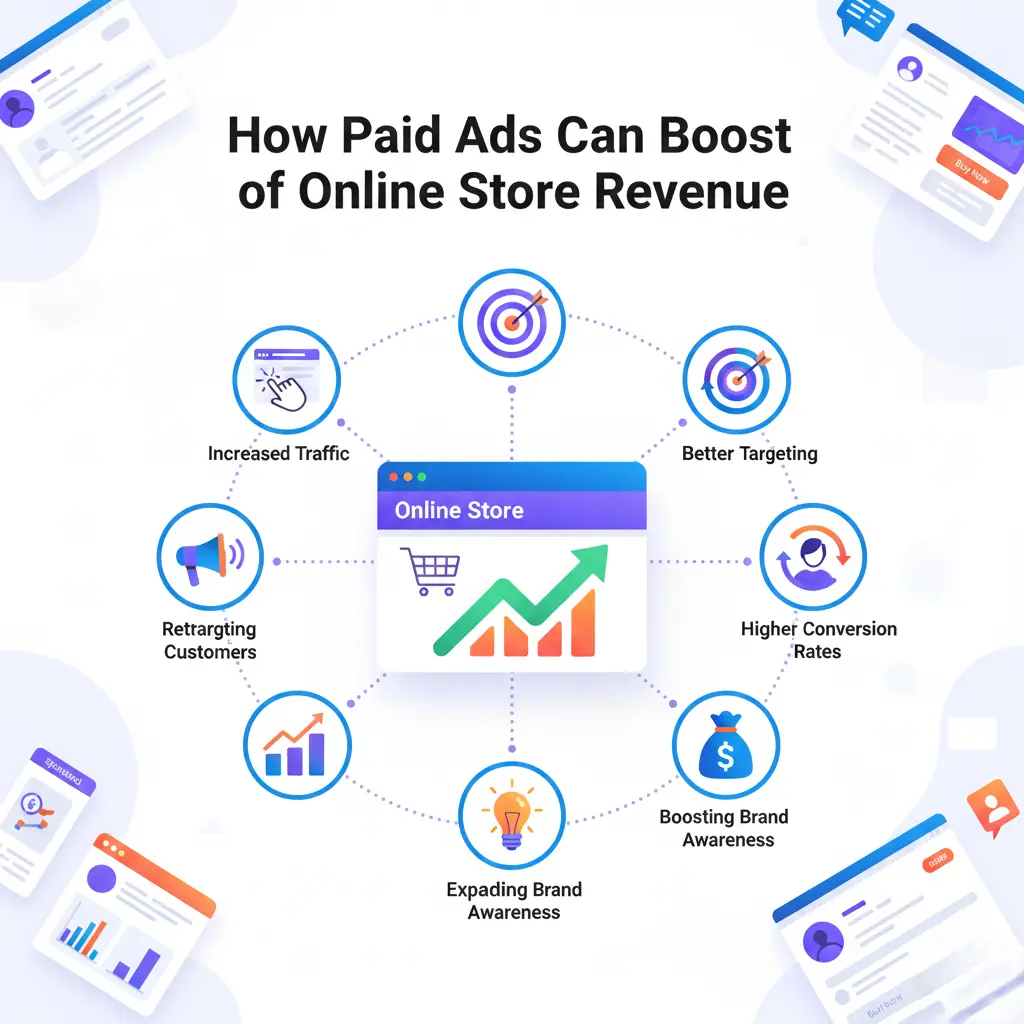
    How Paid Ads Can Boost Your Online Store Revenue

    In today’s highly competitive e-commerce world, getting your products in front of the right audience is more challenging than ever. While organic traffic is valuable, it often takes time and consistency to deliver results. That’s where paid advertising comes into play. Paid ads provide online stores with instant visibility, measurable performance, and predictable growth. When used strategically, they can significantly increase traffic, conversions, and overall revenue.

    1. Paid Ads Put Your Store in Front of a Targeted Audience

    One of the biggest advantages of paid ads is audience targeting. Platforms like Meta Ads, Google Ads, TikTok Ads, and Amazon Ads allow you to reach people who are most likely to buy your products. You can target users based on:

    • Interests and behaviours
    • Demographics
    • Location
    • Search intent
    • Past interactions with your brand

    This ensures your budget is spent on users who actually have an interest in your products, increasing your chances of generating quality sales.

    2. Immediate Traffic and Faster Results

    Unlike SEO, which takes months to build, paid ads can send traffic to your store within minutes. This is extremely beneficial when:

    • Launching a new product
    • Running a limited-time offer
    • Competing in a saturated market
    • Testing new marketing angles

    Fast visibility allows you to drive revenue quickly and gather real-time data to optimize your strategy.

    3. Helps You Retarget Visitors and Recover Lost Sales

    Most online shoppers don’t buy on their first visit. This is where retargeting ads make a huge difference. Retargeting helps you reconnect with:

    • Visitors who viewed products
    • Users who added items to cart
    • Shoppers who abandoned checkout

    By showing them relevant ads reminding them of what they left behind, you can significantly increase your conversion rate and recover lost revenue.

    4. Paid Ads Provide Measurable and Scalable Results

    Every click, conversion, and sale can be tracked through analytics. This gives you full control over your ROI. You can measure:

    • Cost per click (CPC)
    • Cost per acquisition (CPA)
    • Return on ad spend (ROAS)
    • Customer lifetime value (CLV)

    Because paid ads deliver clear data, scaling becomes easier. Once you find a profitable ad campaign, you can simply increase the budget to amplify results.

    5. Enhances Brand Awareness and Visibility

    Paid ads don’t just generate sales—they also boost brand recognition. Even if users don’t purchase immediately, seeing your brand repeatedly builds trust and familiarity. This increases the likelihood of:

    • Higher future conversions
    • Organic searches for your brand
    • Repeat purchases

    A strong online presence is a major driver of long-term revenue growth.

    6. Supports Product Testing and Market Research

    Paid ads are one of the fastest ways to test:

    • New product ideas
    • Pricing strategies
    • Creative designs
    • Marketing messages
    • Offers and bundles

    Instead of guessing what works, you can use real customer data to refine your product strategy. This reduces the risk of stocking products that won’t sell and helps you understand what your audience truly wants.

    7. Helps Improve Organic Performance Over Time

    Successful paid ad campaigns generate traffic, engagement, and signals that improve your website’s overall performance. More clicks, more time on site, and consistent brand visibility can also support:

    • Improved SEO results
    • Higher brand searches
    • Better customer trust

    Paid and organic strategies work best when used together.

    8. Drives Higher Average Order Value (AOV)

    Paid ads allow you to promote:

    • Upsells
    • Cross-sells
    • Bundled products
    • Limited-time offers

    By strategically targeting customers with relevant offers, you can increase the average order value, helping boost overall revenue even further.

    9. Access to AI Optimization and Automation

    In 2026, ad platforms use powerful AI to:

    • Automatically optimize bidding
    • Create dynamic audiences
    • Generate ad creatives
    • Adjust placements for higher performance

    This means you can achieve better results with less manual effort. AI-driven ads help maximize your budget and deliver consistent revenue growth.

    10. Competitive Advantage in Crowded Markets

    If your competitors are running ads and you are not, you lose visibility and potential customers. Paid ads allow you to:

    • Outrank competitors
    • Promote offers more aggressively
    • Capture a larger share of the market

    With the right strategy, even small businesses can compete with large brands.

    Final Thoughts

    Paid ads are one of the most effective ways to increase your online store revenue quickly and consistently. From precise targeting to real-time performance data, retargeting, and AI optimization, paid advertising gives you full control over your growth.

    Whether you’re launching a new product or scaling your e-commerce brand, investing in paid ads can help you drive traffic, improve conversions, and stay ahead of your competitors.

  • Best eCommerce Plugins for WordPress and Shopify

    Best eCommerce Plugins for WordPress and Shopify

    Running an online store on WordPress or Shopify opens up a world of opportunity. But to get the most out of these platforms, you need the right tools. That’s where eCommerce plugins come in. These plugins add essential functionality — from payment gateways and inventory management to SEO and marketing tools. In this blog, we explore the best plugins for WordPress and Shopify to help you run a powerful, efficient, and high-converting online store.

    Why Plugins Matter for eCommerce

    When you build an online store, you rarely get everything out of the box. Plugins help you customize and extend functionality. With the right plugins, you can handle payments, shipping, taxes, inventory, marketing, SEO, and analytics — often without writing a single line of code.

    Top WordPress eCommerce Plugins

    If you run your store on WordPress, these plugins can significantly boost your store’s performance and features.

    WooCommerce

    WooCommerce is arguably the most popular eCommerce plugin for WordPress. It transforms a regular WordPress site into a full-fledged online store. With support for product management, payment gateways, shipping settings, tax handling, and more, WooCommerce is versatile and powerful.

    Easy Digital Downloads

    For stores selling digital products like eBooks, software, or downloadable content, Easy Digital Downloads is a great choice. It’s lightweight and optimized for digital sales, offering features like customer management, download links, and payment integration.

    WPForms

    To enhance user experience and collect customer information, WPForms helps you build contact forms, order forms, or custom forms for your store. Forms can also be used for surveys, feedback, or customer queries — helping you improve satisfaction and support.

    Rank Math SEO or Yoast SEO

    To improve visibility and reach more customers, SEO is key. Plugins like Rank Math SEO or Yoast SEO enable you to optimize your product pages, generate sitemaps, and implement metadata — helping search engines understand your content and boosting organic traffic.

    WP Rocket

    For stores aiming for high performance and fast loading times, WP Rocket is a caching and performance plugin. Faster sites lead to better user experience and higher conversion rates.

    Top Shopify Plugins (Apps)

    If you use Shopify, there are many apps — the Shopify equivalent of plugins — that help improve sales, UX, and marketing. Here are some of the top picks.

    Shopify Email Marketing Apps

    Shopify has many apps for email marketing, helping you build relationships with customers, recover abandoned carts, send promotions, and boost repeat sales.

    Upselling & Cross-Selling Apps

    Apps focused on upselling and cross-selling can increase average order value. They suggest related or complementary products — encouraging customers to add more items before checkout.

    Review & Rating Apps

    Customer reviews build trust. Shopify apps that allow reviews and ratings help new customers make decisions and boost conversions.

    Inventory & Order Management Apps

    For stores dealing with many SKUs and multiple orders, inventory and order-management apps help you track stock, automate reordering, and avoid overselling.

    SEO & Marketing Apps

    To help your store rank better and reach more customers, several Shopify apps offer SEO optimization, social media integration, and marketing automation.

    How to Choose the Right Plugin or App

    Match Plugin with Your Business Needs

    Before installing any plugin, ask yourself what your store needs most. Are you selling physical products, digital items, or services? Do you want to improve speed, SEO, or customer engagement? Choose plugins that match those needs.

    Check Compatibility and Performance

    Too many plugins can slow your site or cause conflicts. Always choose well-rated, regularly updated plugins and test them thoroughly.

    Focus on Security and Reliability

    Payment processing, customer data, and order management involve sensitive information. Use trusted, secure plugins — and keep them updated.

    Prioritize User Experience

    Plugins that improve user experience — such as fast checkout, easy navigation, reliable reviews, or helpful customer support — can significantly boost your conversion rate and customer loyalty.

    Final Thoughts on eCommerce Plugins

    The right eCommerce plugins can turn a simple site into a powerful, scalable online store. For WordPress, plugins like WooCommerce, Easy Digital Downloads, WPForms, Rank Math SEO, and WP Rocket offer a strong foundation. On Shopify, apps focused on email marketing, upselling, reviews, inventory, and SEO help you optimize sales and operations.

    Choose plugins that match your business needs, keep performance in mind, and focus on user experience. With the right tools, your eCommerce store can reach its full potential — and provide customers with a smooth, trustworthy shopping experience.

  • How to Ensure an Efficient Ecommerce Shipping & Delivery Solution

    How to Ensure an Efficient Ecommerce Shipping & Delivery Solution

    An efficient ecommerce shipping and delivery solution is essential for online businesses in today’s competitive market. Consumers expect fast delivery, accurate tracking, and reliable customer service, which makes it crucial for ecommerce brands to optimize every stage of their shipping process. A well-managed system not only enhances customer satisfaction but also improves profitability and drives long-term growth. Below are the key strategies to ensure a seamless and efficient ecommerce shipping operation.

    Optimize Your Order Fulfillment Process

    A strong shipping system begins with an efficient order fulfillment process. When orders are processed quickly and accurately, delivery becomes smoother and more predictable.

    Automate Order Processing

    Using automation tools helps reduce human errors and speeds up order handling. Automated systems can sort orders, verify inventory levels, and generate packing slips—ensuring fast and consistent fulfillment.

    Improve Warehouse Operations

    Efficient warehouse management is crucial for timely shipping. Implement warehouse management systems (WMS), organized picking routes, and real-time inventory updates. These improvements help reduce delays and streamline packing and dispatch.

    Choose Reliable Shipping Partners

    Selecting trusted shipping carriers is one of the most important factors in achieving an efficient ecommerce delivery system.

    Compare Shipping Rates and Services

    Evaluate carriers based on delivery speed, cost, reliability, and coverage. Offering multiple delivery options—such as express, standard, and economy—gives customers flexibility and improves satisfaction.

    Negotiate Better Rates

    Shipping cost plays a major role in profitability. Negotiate discounted rates with carriers or use shipping aggregators to access lower prices without compromising delivery quality.

    Offer Multiple Delivery Options

    Modern customers expect choices. Providing several delivery options increases conversion rates and enhances the buying experience.

    Same-Day and Next-Day Delivery

    Fast delivery options are becoming common in ecommerce. Offering same-day delivery or next-day delivery helps you stay competitive and attract more customers.

    Pickup Points and Locker Systems

    Not all customers want home delivery. Offering pickup points, locker deliveries, or in-store pickup reduces failed deliveries and boosts convenience.

    Use Advanced Tracking and Notifications

    Transparent, real-time tracking is now a standard feature in ecommerce shipping.

    Real-Time Order Tracking

    Implement real-time tracking systems that allow customers to monitor their package at every stage. This reduces customer inquiries and builds trust.

    Proactive Delivery Notifications

    Send regular shipping updates via SMS, email, or app notifications. This helps customers stay informed and minimizes delivery-related anxiety.

    Ensure Efficient Packaging

    Smart packaging plays a critical role in speeding up the shipping process and reducing costs.

    Use the Right Packaging Materials

    Choose durable, lightweight, and eco-friendly packaging. This reduces shipping cost and prevents product damage, ensuring a smooth customer experience.

    Optimize Packaging Sizes

    Avoid oversized boxes or excessive material. Right-sized packaging increases efficiency and reduces carrier fees.

    Streamline Last-Mile Delivery

    Last-mile delivery is often the most expensive and time-consuming part of the shipping process.

    Partner with Local Couriers

    Local courier services can help ensure quicker last-mile delivery within specific regions. They are often more flexible and affordable for local shipments.

    Use Route Optimization Tools

    Advanced routing software helps carriers deliver packages faster and reduces fuel costs. This improves delivery accuracy and overall efficiency.

    Implement a Strong Returns Management System

    A seamless returns process is essential for customer satisfaction and brand loyalty.

    Simplify Returns

    Offer easy return options such as prepaid labels and drop-off locations. A customer-friendly reverse logistics system boosts trust and encourages repeat purchases.

    Analyze Return Patterns

    Study return data to identify frequent issues—such as damaged items or incorrect sizes—and fix them to reduce future returns.

    Enhance Customer Communication

    Clear communication builds trust and plays a vital role in the delivery experience.

    Provide Accurate Delivery Estimates

    Customers appreciate transparency. Offer precise delivery timelines and update them if delays occur.

    Offer Responsive Support

    A strong customer support team can quickly resolve issues related to shipping delays, missing items, or tracking confusion.

    Leverage Technology for Efficiency

    Technology is the backbone of an efficient ecommerce shipping solution.

    Integrate Your Systems

    Integrate your ecommerce platform, inventory system, WMS, and shipping software. This eliminates manual work and ensures all data flows seamlessly.

    Use AI and Analytics

    Artificial intelligence helps predict order volumes, optimize packaging, improve delivery routes, and analyze shipping performance—making your processes smarter and faster.

    Conclusion Ensuring an Efficient Ecommerce Shipping System

    Achieving an efficient ecommerce shipping and delivery solution requires a combination of smart planning, strong partnerships, and modern technology. By optimizing fulfillment, offering flexible delivery options, investing in tracking tools, and focusing on customer satisfaction, ecommerce brands can reduce costs, enhance performance, and deliver exceptional experiences. A streamlined shipping system improves your business reputation and ensures long-term success in the competitive ecommerce world.

  • Logistics & Supply Chain Trends to Watch in 2026

    Logistics & Supply Chain Trends to Watch in 2026

    The world of logistics and supply chain management is rapidly evolving, driven by new technologies, shifting consumer expectations, and global disruptions. As we move deeper into 2026, businesses must stay ahead of emerging trends to remain competitive, efficient, and resilient. This guide explores the most important supply chain trends shaping 2026 and how companies can adapt to succeed.

    The Rise of AI-Driven Supply Chains

    Artificial intelligence continues to revolutionize the industry. In 2026, AI in supply chain is no longer optional—it is a competitive necessity.

    AI for Predictive Analytics

    Predictive analytics powered by AI helps businesses anticipate demand, reduce stockouts, and optimize inventory. Companies now rely on AI forecasting tools to identify patterns, prevent disruptions, and streamline decision-making.

    Automated Warehousing

    2026 sees widespread adoption of warehouse automation, including smart robots, automated picking systems, and AI-powered inventory tracking. Automation reduces labor costs, increases accuracy, and boosts overall efficiency.

    Increased Focus on Supply Chain Resilience

    The last few years proved that resilience is essential. In 2026, companies invest heavily in supply chain resilience to counter global uncertainties.

    Multi-Sourcing Strategies

    Businesses are shifting from dependence on single suppliers to multi-sourcing to minimize risks. This approach provides more flexibility and safeguards against disruptions caused by geopolitical issues or sudden shortages.

    Nearshoring and Reshoring

    To improve responsiveness, many companies now adopt nearshoring and reshoring strategies. These practices reduce lead times, improve quality control, and strengthen regional supply networks.

    Sustainability Becomes a Core Priority

    Consumers and regulators are pressuring companies to adopt greener practices. In 2026, sustainable logistics becomes a major competitive advantage.

    Eco-Friendly Transportation

    Companies are investing in electric trucks, biofuel fleets, and low-emission shipping options to reduce carbon footprints. More cities now support charging networks that make electric freight transport easier and more scalable.

    Green Warehousing

    Energy-efficient warehouses, solar-powered facilities, and waste-reduction initiatives are now industry standards. Businesses with strong ESG strategies gain trust and long-term customer loyalty.

    Digital Twins Transform Operations

    One of the most significant innovations in 2026 is the use of digital twins in supply chain management.

    Real-Time Simulation

    Digital twins allow companies to create a virtual replica of their supply chain. This enables real-time monitoring, scenario testing, and optimization—leading to better performance and lower operational costs.

    Enhanced Risk Management

    With digital twins, businesses can assess risks, simulate disruptions, and improve their crisis response plan. This technology has become essential in industries like manufacturing, pharmaceuticals, and automotive.

    The Growth of Autonomous Logistics

    Automation is advancing beyond warehouses into transport and deliveries.

    Self-Driving Freight Trucks

    Autonomous trucks are becoming more common on long-haul routes in 2026. They improve safety, reduce human error, and increase delivery efficiency.

    Drone Deliveries

    Retailers and logistics providers are expanding drone delivery systems for last-mile logistics. This trend boosts speed, cuts delivery costs, and supports eco-friendly operations.

    Blockchain Ensures Transparency

    Blockchain technology has evolved from a buzzword to a practical tool for improving visibility and transparency.

    Secure Data Sharing

    Blockchain in logistics ensures accurate, tamper-proof data sharing across suppliers, carriers, and partners. This helps in reducing fraud and improving traceability.

    Smart Contracts

    Smart contracts automate transactions, accelerate payments, and reduce paperwork—making supply chain operations more efficient.

    E-Commerce Logistics Continues to Expand

    With the ongoing growth of online shopping, e-commerce logistics remains a major trend in 2026.

    Faster Last-Mile Delivery

    Consumers expect lightning-fast delivery. Companies now rely on micro-fulfillment centers, AI-driven routing, and local distribution hubs to speed up last-mile operations.

    Returns Management Optimization

    Brands invest in reverse logistics systems to simplify and streamline returns. Efficient returns management improves customer satisfaction and reduces losses.

    Hyper-Personalized Supply Chains

    Thanks to advanced data analytics, companies can now create personalized supply chain experiences tailored to customer preferences.

    Customized Delivery Options

    Options like real-time delivery tracking, flexible delivery windows, and personalized packaging create a better customer experience.

    Data-Driven Customer Insights

    Businesses collect and analyze behavioral data to predict shopping trends and adjust supply strategies accordingly.

    Cybersecurity Becomes Critical

    With digital transformation comes increased vulnerability. In 2026, robust supply chain cybersecurity is essential.

    Protecting Digital Infrastructure

    Companies strengthen cyber defenses with advanced encryption, AI-powered threat detection, and secure cloud systems.

    Preventing Data Breaches

    Cyberattacks can shut down operations. Strong cyber-resilience strategies ensure business continuity and protect sensitive supply data.

    Conclusion Logistics & Supply Chain Trends in 2026

    The logistics and supply chain landscape in 2026 is shaped by AI automation, sustainability, digital transformation, and resilience. Businesses that embrace these trends will gain a competitive edge, improve operational efficiency, and build stronger customer relationships. Staying ahead of these innovations ensures a future-ready supply chain that can withstand challenges and capitalize on new opportunities.