Tag: E-Commerce SEO

  • Chatbots for Supply Chain Communication: Revolutionizing Logistics with AI

    Chatbots for Supply Chain Communication: Revolutionizing Logistics with AI

    In today’s fast-paced logistics environment, efficiency and real-time communication are crucial for a smooth supply chain. Companies are increasingly turning to chatbots for supply chain communication to streamline operations, reduce errors, and enhance collaboration across suppliers, manufacturers, and distributors. Leveraging artificial intelligence (AI), these chatbots provide instant support, automate routine tasks, and ensure the right information reaches the right people at the right time.

    What Are Chatbots for Supply Chain Communication?

    Chatbots for supply chain communication are AI-powered virtual assistants designed to facilitate interactions within supply chain networks. They can handle queries about inventory levels, order status, shipment tracking, and delivery schedules without human intervention. Unlike traditional communication methods like emails or phone calls, chatbots provide instant responses and operate 24/7, which is essential for global logistics operations.

    By integrating with enterprise resource planning (ERP) systems, warehouse management software, and shipment tracking platforms, these chatbots enable real-time updates, reducing delays caused by miscommunication or manual processes.

    Benefits of Chatbots in Supply Chains

    1. Improved Communication: Chatbots ensure that all stakeholders—from suppliers to logistics teams—receive consistent, accurate information. This reduces miscommunication and prevents delays.
    2. Faster Response Times: Routine questions about order status, inventory, or delivery schedules can be answered instantly, freeing up human staff for higher-value tasks.
    3. Cost Savings: By automating repetitive tasks, companies save on labor costs while improving efficiency.
    4. 24/7 Availability: Chatbots operate around the clock, making them ideal for global supply chains that span multiple time zones.
    5. Data-Driven Insights: Chatbots collect and analyze interactions, providing valuable insights into bottlenecks, frequently asked questions, and workflow optimization opportunities.

    Use Cases of Chatbots for Supply Chain Communication

    Real-Time Order Tracking

    Customers and internal teams can receive instant updates on shipments through chatbots. By querying the chatbot, users get accurate information about delivery timelines, inventory levels, and potential delays without waiting for a human operator.

    Supplier Collaboration

    Chatbots streamline supplier communication by automatically sending reminders for order confirmations, shipment schedules, and production updates. This reduces the risk of missed deadlines and ensures smooth coordination across the supply chain.

    Warehouse Operations

    In warehouse environments, chatbots integrated with inventory management systems can alert teams about stock shortages, replenishment needs, or incoming shipments. This ensures that warehouses operate efficiently and avoid costly stockouts.

    Customer Service Support

    AI chatbots can handle routine customer queries regarding product availability, shipping updates, or returns. This allows human customer service representatives to focus on more complex issues, improving overall satisfaction.

    Why AI-Powered Supply Chain Chatbots Are Essential

    The modern supply chain is becoming increasingly complex, involving multiple stakeholders, global operations, and fluctuating demands. AI-powered supply chain assistants help companies stay agile by automating communication, providing accurate real-time data, and predicting potential disruptions before they become critical.

    Additionally, chatbots support proactive decision-making. For instance, if a shipment is delayed, the chatbot can automatically notify relevant teams, suggest alternative routes, or trigger adjustments in inventory planning. This level of automation helps businesses maintain continuity and meet customer expectations.

    Future of Chatbots in Supply Chain

    As AI and natural language processing (NLP) technologies advance, chatbots for supply chain communication will become even smarter. Future systems will not only provide real-time updates but also offer predictive analytics, suggest process improvements, and seamlessly integrate with IoT devices for enhanced visibility.

    We can expect chatbots to play a central role in fully automated, digital supply chains where human intervention is minimal but oversight and strategic planning remain essential. Companies that adopt these solutions early will gain a competitive edge by improving efficiency, reducing costs, and enhancing supply chain resilience.

    Conclusion

    Chatbots for supply chain communication are transforming the logistics industry. By automating routine communication, providing real-time updates, and integrating with AI-powered systems, these tools improve efficiency, reduce errors, and enhance collaboration across the supply chain. As businesses continue to embrace digital transformation, chatbots will become indispensable for maintaining seamless, responsive, and intelligent logistics operations.

    Investing in AI chatbots for supply chain communication is no longer just an option—it’s a strategic necessity for companies aiming to optimize their supply chains and deliver exceptional customer experiences.
  • How to Boost Your eCommerce Website Speed

    How to Boost Your eCommerce Website Speed

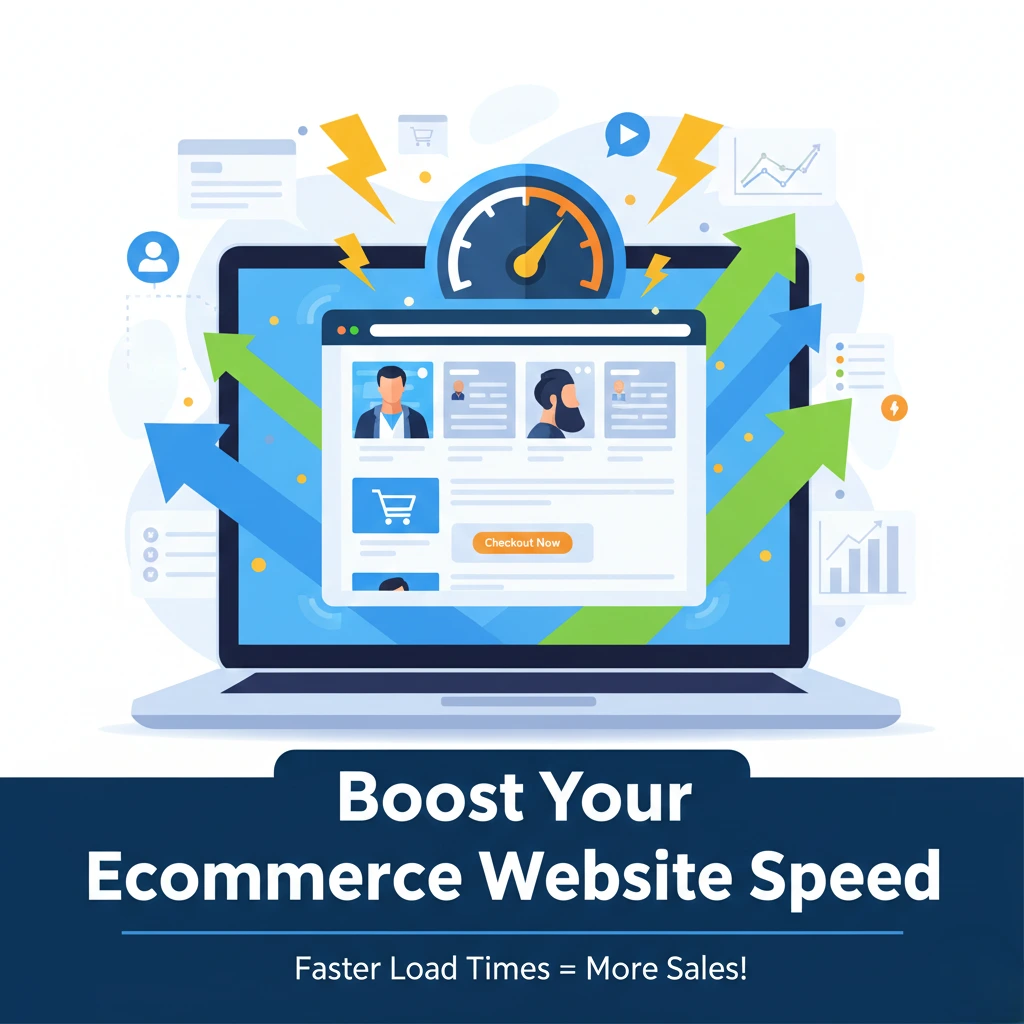
    In the world of online shopping, every second counts. Slow-loading pages frustrate users, increase bounce rates, and cost businesses revenue. Optimizing your eCommerce website speed is no longer optional—it’s essential for a successful online store. A fast website improves user experience, boosts search engine rankings, and increases conversions. In this guide, we’ll explore practical strategies to ensure your store runs smoothly and efficiently.

    Why eCommerce Website Speed Matters

    Shoppers expect instant access to products and information. Studies show that a one-second delay in page load time can reduce conversions by up to 7%. Improving eCommerce website speed not only keeps users happy but also enhances your brand’s credibility.

    Benefits of a Fast Website

    • Higher conversion rates
    • Improved search engine rankings
    • Lower bounce rates
    • Better mobile shopping experience

    A well-optimized site ensures customers enjoy a seamless shopping experience, which is why faster online store performance should be a top priority for every eCommerce business.

    Optimize Images and Media

    Large, uncompressed images are a major cause of slow-loading pages. Optimizing images reduces load times without compromising quality.

    Image Optimization Tips

    • Use WebP or compressed JPEG formats
    • Resize images to match display dimensions
    • Implement lazy loading for below-the-fold content

    Optimizing media is a critical step in improving eCommerce website speed and creating a faster online store.

    Leverage Browser Caching and Content Delivery Networks

    Caching stores parts of your website locally on users’ devices, reducing load times for repeat visits. A Content Delivery Network (CDN) distributes your website’s content across multiple servers worldwide, delivering pages from the nearest location.

    Implementing caching and a CDN is one of the most effective site optimization tips for faster, more reliable page loads. These tools help enhance your eCommerce website speed and ensure consistent performance for all users.

    Minimize HTTP Requests and Code

    Every element on a page—images, scripts, stylesheets—requires an HTTP request. Reducing these requests speeds up your website.

    Steps to Reduce Requests

    • Combine CSS and JavaScript files
    • Remove unnecessary plugins or scripts
    • Use asynchronous loading for non-critical resources

    Efficient code management is a key site optimization tip to achieve a faster, smoother eCommerce website speed.

    Optimize for Mobile

    More than half of online shopping occurs on mobile devices. Mobile users expect fast, responsive websites. Ensure your site is mobile-friendly with fast load times to retain customers.

    Mobile Optimization Strategies

    • Use responsive design
    • Minimize mobile-specific scripts
    • Prioritize above-the-fold content

    Mobile optimization directly impacts eCommerce website speed and helps create a faster online store experience.

    Enable Compression and Reduce Server Response Time

    Enabling Gzip or Brotli compression reduces file sizes for faster downloads. Additionally, a reliable hosting service and optimized server setup decrease server response times.

    Quick Tips

    • Upgrade to a high-performance hosting plan
    • Enable server-side caching
    • Optimize database queries

    These actions are proven site optimization tips that enhance your eCommerce website speed and overall performance.

    Monitor and Test Regularly

    Continuous monitoring ensures your site maintains optimal speed. Tools like Google PageSpeed Insights, GTmetrix, and Pingdom help identify bottlenecks and opportunities for improvement.

    Testing Recommendations

    • Test site speed on multiple devices and locations
    • Track load times after updates or plugin installations
    • Set goals for page load times (under 3 seconds is ideal)

    Regular testing reinforces best practices and ensures a consistently faster online store, improving the eCommerce website speed over time.

    Conclusion

    A fast-loading website is crucial for online sales, customer satisfaction, and SEO. By following these site optimization tips—compressing images, using CDNs, reducing HTTP requests, optimizing for mobile, and monitoring performance—you can achieve an eCommerce website speed that delights customers and maximizes conversions. A faster online store isn’t just a technical advantage; it’s a competitive edge that drives business growth. Focus on speed today, and your customers will thank you tomorrow.

  • Maximize Sales: Paid Ads Strategies for Online Stores

    Maximize Sales: Paid Ads Strategies for Online Stores

    In the competitive world of online shopping, organic traffic alone is often not enough to drive consistent sales. Leveraging eCommerce paid ads is one of the fastest ways to reach targeted audiences, increase conversions, and boost revenue. With the right strategies, paid advertising can complement your marketing efforts and help your online store stand out. This guide will cover actionable strategies to get the most out of your advertising budget.

    Why eCommerce Paid Ads Are Essential

    Online shoppers are bombarded with options, and capturing their attention quickly is critical. eCommerce paid ads allow you to position your products in front of users who are actively searching for similar items. Unlike organic methods, paid ads provide immediate visibility, measurable results, and precise targeting.

    Key Benefits

    • Target customers based on demographics, interests, and behavior
    • Track ROI and adjust campaigns in real-time
    • Increase brand awareness and product visibility
    • Drive traffic to specific product pages or promotions

    For online retailers, integrating eCommerce paid ads into your marketing strategy ensures a steady flow of traffic and higher sales.

    Choosing the Right Platform

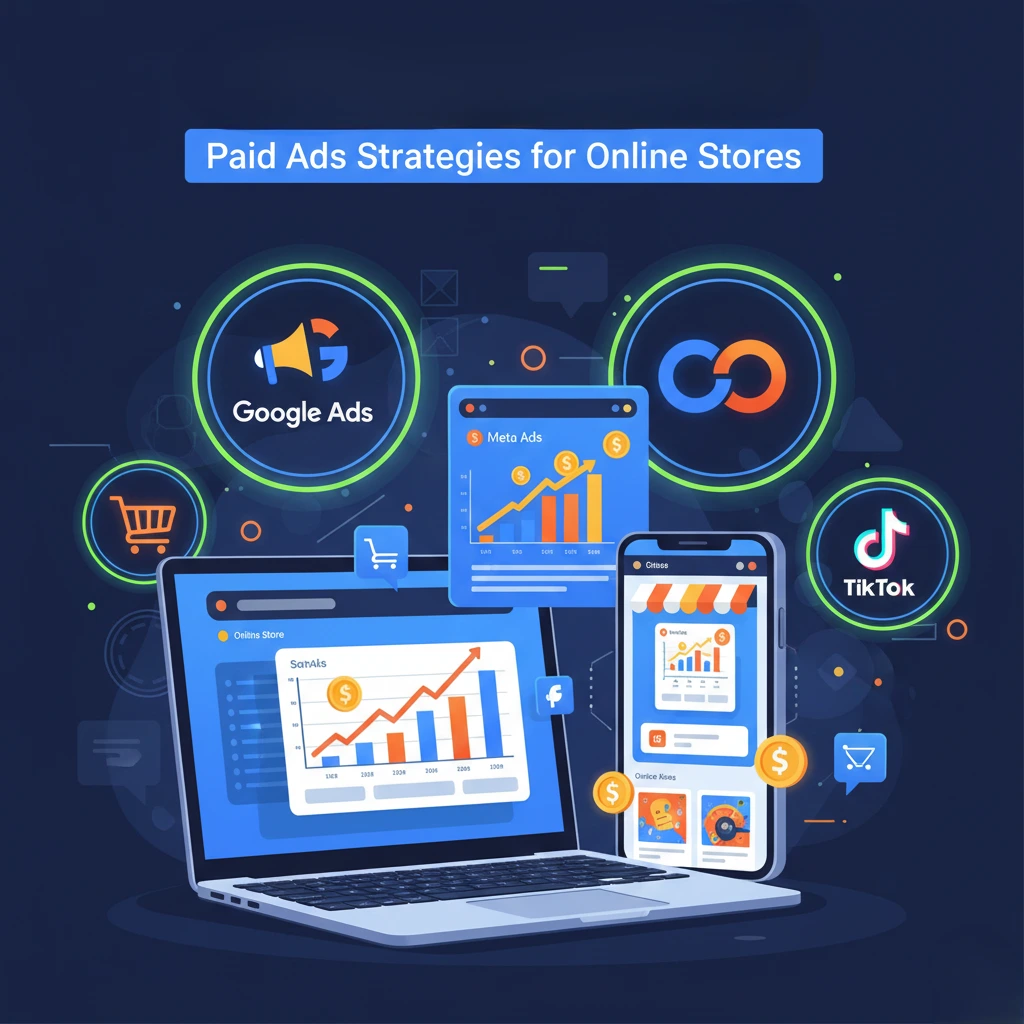
    While there are many advertising platforms, Google Ads remains a top choice for eCommerce businesses. Google Ads for eCommerce allows precise targeting, retargeting, and customizable campaigns that suit any budget. Other platforms like Facebook Ads, Instagram Ads, and TikTok Ads can also be effective depending on your audience.

    Tips for Platform Selection

    • Analyze where your target audience spends most of their time
    • Consider cost-per-click (CPC) and expected ROI
    • Test multiple platforms to see which performs best for your products

    Choosing the right platform is the first step in maximizing the impact of eCommerce paid ads.

    Targeting Strategies for Maximum ROI

    Successful eCommerce paid ads campaigns rely on smart targeting. Understanding your audience ensures every ad dollar is spent efficiently.

    Audience Segmentation

    Segment users by behavior, interests, purchase history, and demographics. Retargeting past visitors or cart abandoners often yields higher conversions than targeting cold traffic.

    Keyword Targeting

    For search campaigns, use keywords that match your customers’ intent. Combining high-intent keywords with compelling ad copy improves click-through rates and ROI. Using Google Ads for eCommerce, you can identify the terms most likely to convert into sales.

    Geo-Targeting and Device Targeting

    Focus on locations where your products are in demand and optimize ads for devices your audience uses most. Tailored campaigns ensure your online store advertising budget delivers results.

    Crafting Effective Ad Copy

    Even the best targeting can fail if your ad copy doesn’t resonate with potential customers. Focus on clear messaging, strong calls-to-action, and highlighting unique selling points.

    Ad Copy Tips

    • Include benefits and features of your products
    • Use urgency with limited-time offers or promotions
    • Test multiple versions to see what drives the best engagement

    Well-crafted ads are a cornerstone of successful eCommerce paid ads campaigns.

    Budgeting and Bidding

    Setting the right budget is essential to prevent overspending while maximizing ROI. Start with a manageable daily budget, monitor performance, and adjust bids based on results. Using automated bidding strategies in Google Ads for eCommerce can save time and improve campaign efficiency.

    Budget Tips

    • Allocate more to high-performing campaigns
    • Reduce spend on underperforming ads
    • Test different bidding strategies to optimize conversions

    Smart budgeting ensures your eCommerce paid ads are cost-effective and results-driven.

    Measuring Success and Optimizing Campaigns

    Regular analysis and optimization are crucial. Track metrics like CTR, conversion rate, cost per acquisition, and ROI to evaluate campaign performance. Adjust targeting, ad copy, or bids based on data. Effective online store advertising relies on continuous improvement and data-driven decisions.

    Key Metrics to Monitor

    • Impressions and clicks
    • Conversion rate per product or ad
    • Return on ad spend (ROAS)
    • Customer acquisition cost

    Consistent monitoring guarantees that your eCommerce paid ads campaigns stay profitable and deliver maximum value.

    Conclusion

    Integrating eCommerce paid ads into your marketing strategy is essential for driving traffic, increasing sales, and growing your brand. By selecting the right platforms, targeting the right audience, crafting compelling ad copy, managing budgets wisely, and continually optimizing performance, you can achieve a highly effective online store advertising strategy. Leveraging tools like Google Ads for eCommerce allows you to reach customers at the right moment, maximize ROI, and create campaigns that drive measurable growth. Start implementing these strategies today, and your paid ads will help your online store thrive in a competitive market.

  • The Ultimate Guide to Handling E-Commerce Returns

    The Ultimate Guide to Handling E-Commerce Returns

    A clear e-commerce returns policy is essential for building customer trust and maintaining a successful online store. How you handle returns can directly impact your reputation, customer loyalty, and overall sales. By combining an effective e-commerce returns policy with smart e-commerce marketing strategies and practical return process tips, you can turn returns into a positive experience.

    Why a Strong E-Commerce Returns Policy Matters

    A well-defined e-commerce returns policy sets clear expectations for your customers. It reduces confusion, minimizes disputes, and encourages buyers to shop with confidence. When paired with effective e-commerce marketing strategies, a transparent returns approach can actually enhance your brand image and increase customer retention.

    Key Elements of an Effective E-Commerce Returns Policy

    To create a customer-friendly e-commerce returns policy, include:

    • Clear timeframes for returns or exchanges
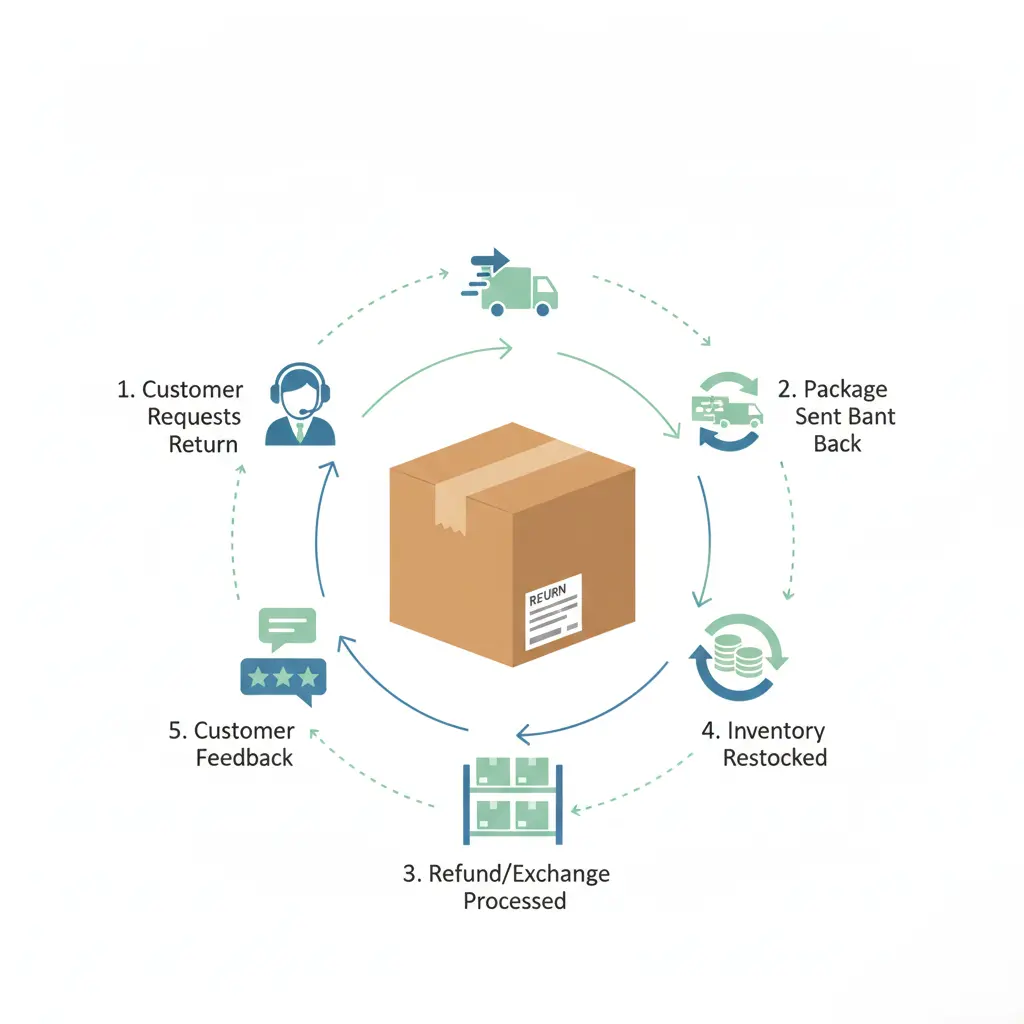
    • Instructions for initiating the return process
    • Conditions for eligible products
    • Refund or replacement details

    Following these return process tips ensures the process is smooth for both your team and the customer, helping reinforce trust in your store.

    Streamlining the Return Process Tips

    Simplifying returns is crucial. Make it easy for customers to request a return, print labels, and track the status. Use automation tools to reduce errors and speed up the workflow. These return process tips work hand-in-hand with your e-commerce returns policy to deliver a hassle-free experience.

    Using Returns to Enhance Sales

    Interestingly, a strong e-commerce returns policy can help boost online sales when combined with effective e-commerce marketing strategies. Customers are more likely to buy when they know returns are easy, which increases overall conversion rates and encourages repeat purchases.

    Communicating Your E-Commerce Returns Policy

    Make your e-commerce returns policy visible on your website, in emails, and during checkout. Clear communication reduces confusion and customer complaints. Integrating your return process tips into marketing messaging can also highlight your store’s commitment to customer satisfaction.

    Conclusion

    A transparent and efficient e-commerce returns policy is more than just a guideline—it’s a powerful tool for customer trust and retention. When combined with smart e-commerce marketing strategies and effective return process tips, it ensures your online store handles returns smoothly while supporting long-term growth. Consistently applying these practices makes your e-commerce returns policy a key driver of customer satisfaction and repeat business.

  • How to Increase Your E-Commerce Sales Fast

    How to Increase Your E-Commerce Sales Fast

    If you’re looking to boost online sales, there are proven techniques that can help your e-commerce business grow quickly. With competition rising, implementing the right strategies is essential for long-term success. Leveraging effective e-commerce marketing strategies and optimizing your store with practical online store tips can make a big difference.

    Proven Ways to Boost Online Sales

    One of the first steps to boost online sales is understanding your audience. Use data analytics to track customer behavior, identify top-selling products, and tailor promotions accordingly. Integrating a personalized shopping experience with smart e-commerce marketing strategies can increase engagement and encourage repeat purchases.

    Optimize Your Website to Boost Online Sales

    Your website is the foundation of your e-commerce business. Fast loading times, clear navigation, mobile-friendly design, and simple checkout processes are critical. Applying these online store tips helps reduce cart abandonment and increases conversions, allowing you to boost online sales consistently.

    Leverage Promotions and Discounts

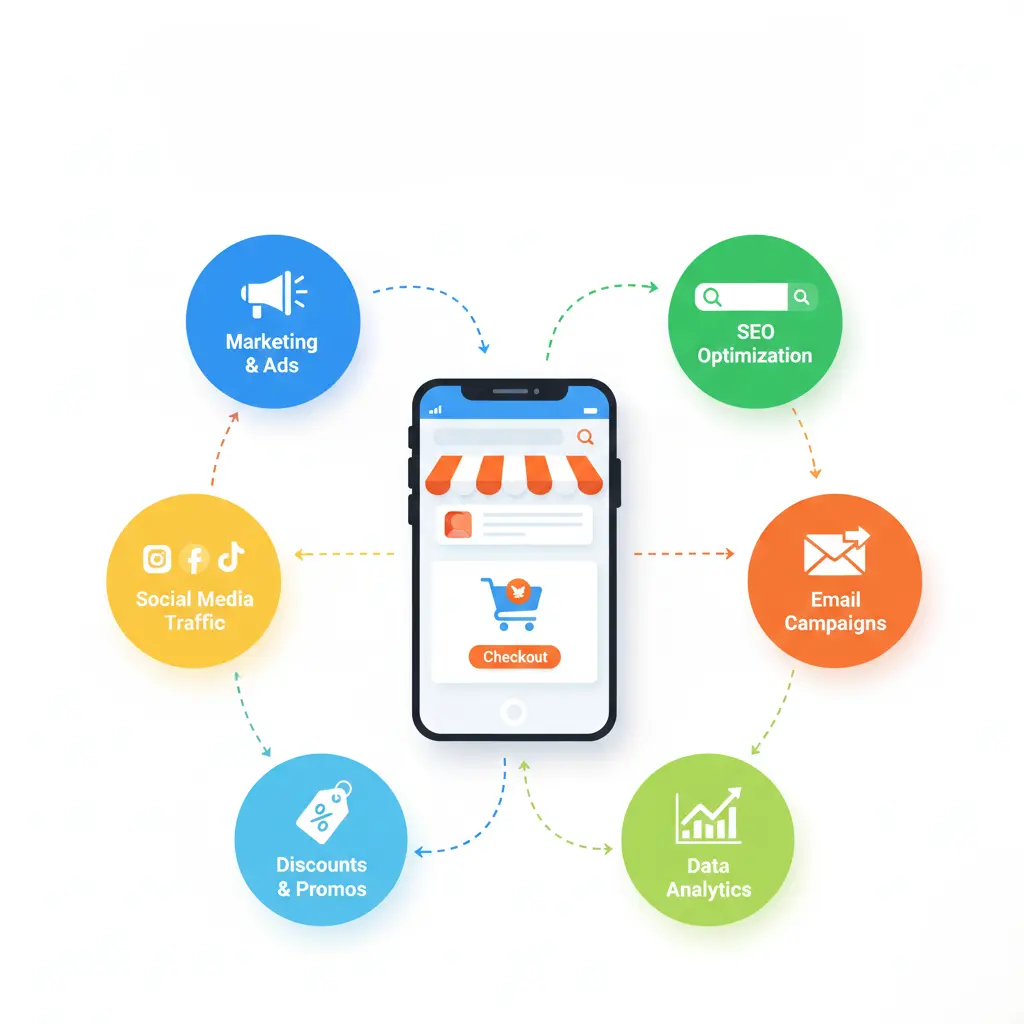
    Offering targeted discounts, bundle deals, or limited-time offers is a practical way to boost online sales quickly. Pair these with email campaigns and retargeting ads as part of your e-commerce marketing strategies to capture both new and returning customers.

    Use Social Media and Influencer Marketing

    Social platforms are powerful tools to boost online sales. Engaging content, social proof, and influencer partnerships can attract potential buyers. Incorporating these tactics into your e-commerce marketing strategies ensures your brand reaches a larger, more targeted audience.

    Improve Customer Experience

    A great customer experience is crucial to boost online sales. Provide fast shipping, responsive customer service, easy returns, and loyalty programs. Following proven online store tips ensures your customers feel valued and are more likely to return, increasing lifetime value.

    Conclusion

    By combining a strong focus on user experience, smart promotions, and effective e-commerce marketing strategies, you can consistently boost online sales. Implementing the best online store tips along with data-driven insights allows your e-commerce business to grow quickly and sustainably. Using these methods strategically ensures your ability to boost online sales now and in the future.

    If you want, I can also create a version with H1, H2, H3 headings highlighting all keywords, so it’s fully SEO-optimized. This usually performs even better for search rankings. Do you want me to do that?