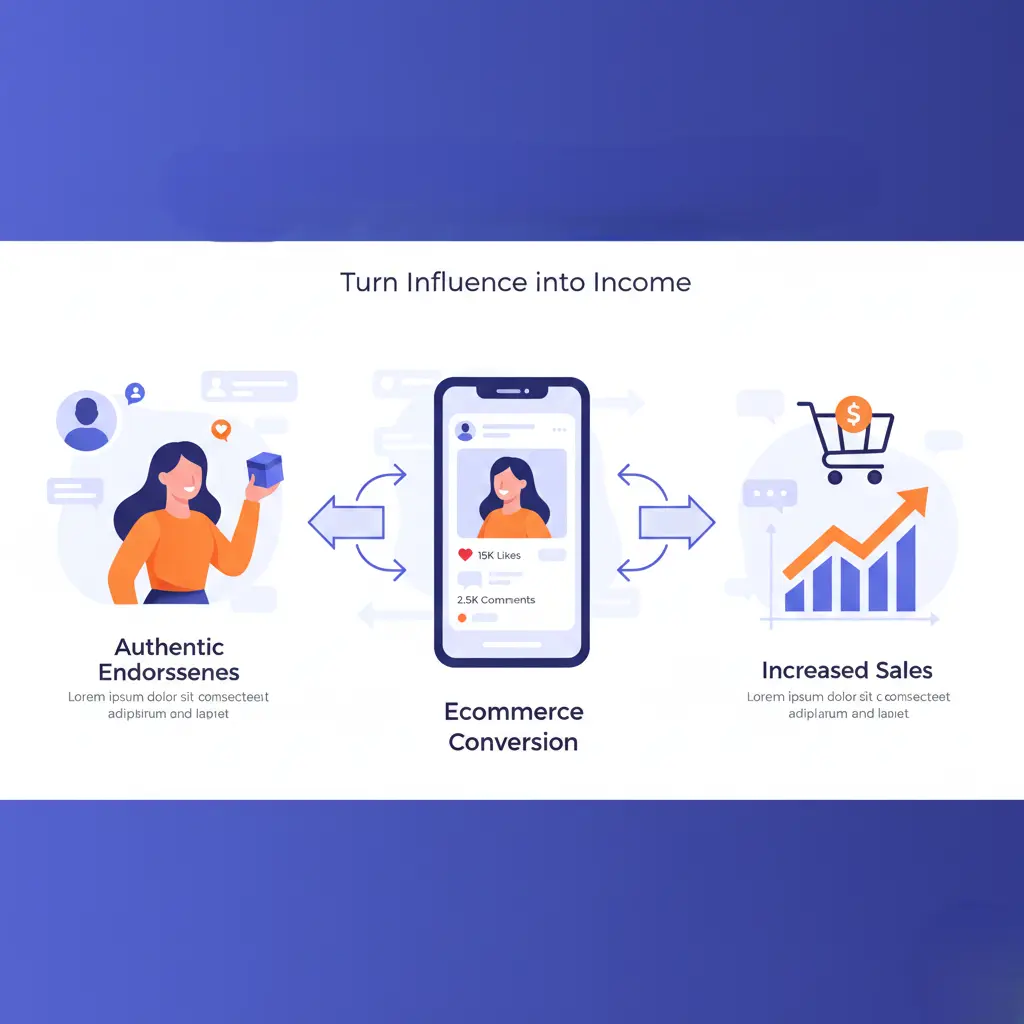
Influencer marketing for e-commerce brands has become one of the most effective strategies to drive traffic, build trust, and increase online sales. With consumers relying more on recommendations from people they trust, influencers help ecommerce businesses connect with their target audience in an authentic and measurable way.
What Is Influencer Marketing in Ecommerce
Influencer marketing involves partnering with content creators who have an engaged following on platforms such as Instagram, TikTok, YouTube, and blogs. These influencers promote products through reviews, tutorials, unboxings, and social media posts.
Why Influencer Marketing Works for Ecommerce Brands
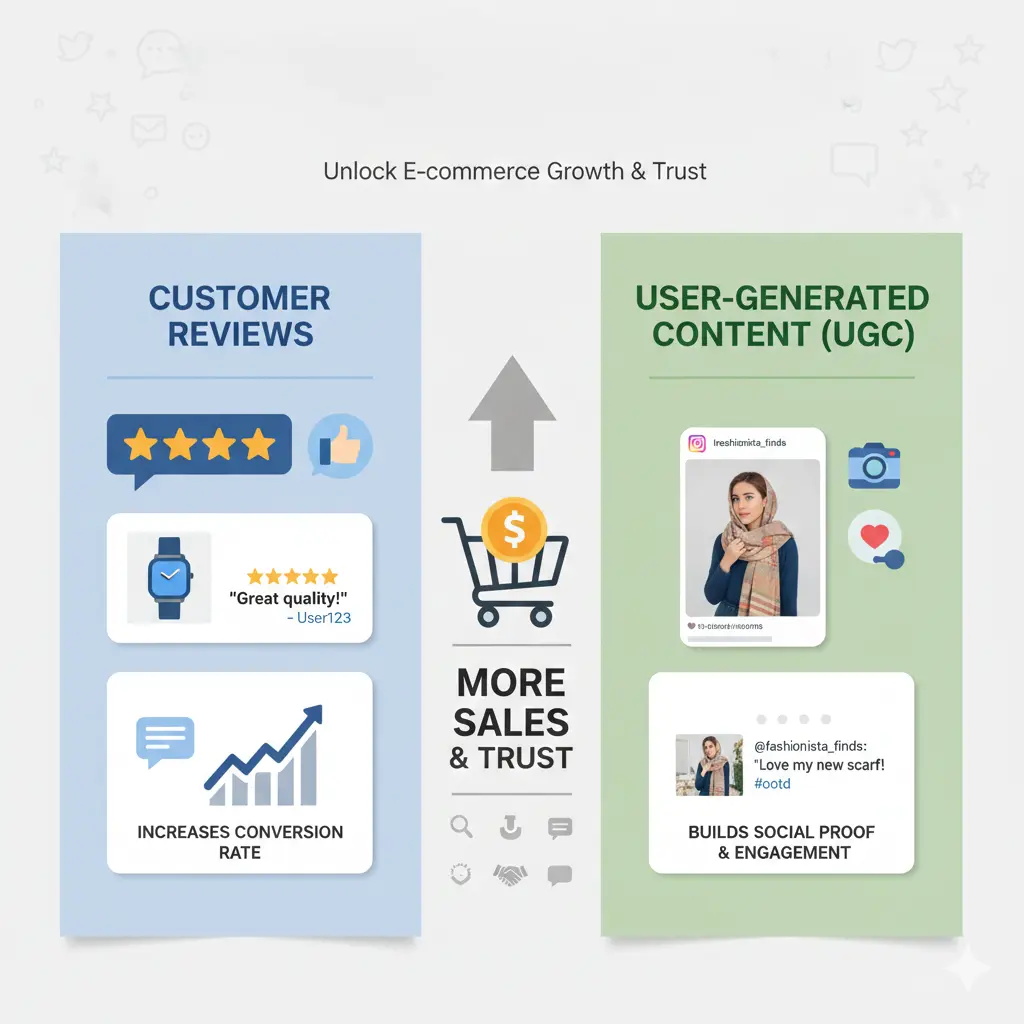
Shoppers trust real people more than traditional ads. Influencers provide social proof, showcase real product usage, and help brands reach niche audiences. This leads to higher engagement, better conversion rates, and stronger brand awareness for ecommerce businesses.
Types of Influencers Ecommerce Brands Can Use
Choosing the right influencer is key to a successful ecommerce influencer marketing strategy.
Micro-Influencers for Higher Engagement
Micro-influencers typically have smaller but highly engaged audiences. They are cost-effective and often generate better trust and interaction, making them ideal for small and mid-sized ecommerce brands.
Macro and Celebrity Influencers for Brand Reach
Macro-influencers and celebrities offer massive exposure. While they require a higher budget, they are effective for product launches and campaigns focused on brand visibility and awareness.
How to Build an Effective Influencer Marketing Strategy
A structured approach ensures long-term success.
Identify the Right Influencers
Focus on influencers whose audience aligns with your target market. Look at engagement rates, content quality, and audience demographics. Relevance is more important than follower count for ecommerce influencer success.
Set Clear Campaign Goals
Define your objectives, such as increasing website traffic, boosting sales, or growing social media followers. Clear goals help measure ROI from influencer marketing and guide campaign execution.
Best Practices for Influencer Content
Authentic content performs better than scripted promotions.
Encourage Creative Freedom
Allow influencers to present your products in their own voice. Authentic storytelling builds trust and improves ecommerce conversion rates.
Use Multiple Content Formats
Product reviews, tutorials, unboxing videos, and live streams provide diverse content that engages different segments of your audience. This improves content visibility across platforms.
Track Performance and Optimize Campaigns
Measuring results is essential for scaling influencer efforts.
Monitor Key Metrics
Track metrics such as click-through rates, conversions, sales, and engagement. Use unique links or discount codes to accurately measure influencer marketing performance.
Build Long-Term Influencer Relationships
Ongoing partnerships create consistency and trust. Long-term collaborations help strengthen brand loyalty and provide sustainable growth for ecommerce brands.
SEO and Influencer Marketing Benefits
Influencer marketing also supports ecommerce SEO strategies. Influencer blogs, social mentions, and backlinks increase brand visibility and drive referral traffic. This improves domain authority and organic search performance.
Increase Trust and Social Proof
Consistent influencer mentions build credibility and reinforce your brand’s reputation. This leads to higher customer confidence and improved purchasing decisions.
Final Thoughts on Influencer Marketing for Ecommerce Brands
Influencer marketing for ecommerce brands is a powerful growth channel when done correctly. By partnering with the right influencers, creating authentic content, and tracking performance, ecommerce businesses can drive sustainable sales growth. With strong execution, influencer marketing enhances brand trust, customer engagement, and long-term revenue in a competitive digital marketplace.