Tag: international shipping

  • Hyperlocal Delivery Business Model Explained

    Hyperlocal Delivery Business Model Explained

    In recent years, the demand for faster and more convenient delivery services has grown rapidly. The concept of hyperlocal delivery has emerged as a powerful solution, connecting local businesses with nearby customers for quick and efficient service. This model is transforming how goods are delivered, especially in urban areas.

    What is Hyperlocal Delivery?

    Hyperlocal delivery refers to the process of delivering goods within a limited geographic area, usually within a few kilometers. It focuses on fulfilling orders from local stores or vendors to customers in real time. For businesses exploring hyperlocal delivery, the goal is to minimize delivery time while maximizing convenience.

    How the Hyperlocal Delivery Model Works

    The business model is simple yet highly effective. It typically involves:

    • A digital platform or app where customers place orders
    • Local merchants or vendors who fulfill those orders
    • Delivery agents who pick up and deliver products

    This system allows businesses to offer on-demand delivery, where customers receive their orders within minutes or hours instead of days.

    Key Components of the Model

    To run a successful hyperlocal delivery business, several components are essential:

    1. Technology Platform
      Mobile apps and websites act as the backbone of the system. These platforms connect customers, vendors, and delivery partners seamlessly.
    2. Local Vendor Network
      Partnering with nearby stores ensures faster order fulfillment and supports small businesses.
    3. Efficient Logistics
      A well-managed fleet of delivery personnel ensures timely and reliable service.
    4. Real-Time Tracking
      Customers expect transparency, so tracking features are a must.

    These elements together create a strong hyperlocal delivery ecosystem that meets modern consumer expectations.

    Role of Local Delivery Apps

    Local delivery apps have made this model more accessible and scalable. They allow users to browse products, compare prices, and place orders instantly. Popular platforms have normalized quick deliveries, making quick commerce a standard expectation.

    For businesses, integrating with local delivery apps can significantly boost reach and customer engagement. These apps are a key driver behind the growth of hyperlocal delivery services worldwide.

    Benefits of Hyperlocal Delivery

    There are several advantages to adopting this model:

    • Faster Deliveries: Orders are fulfilled within hours or even minutes
    • Lower Logistics Costs: Short distances reduce transportation expenses
    • Support for Local Businesses: Encourages customers to shop locally
    • High Customer Satisfaction: Quick service improves user experience

    These benefits make hyperlocal delivery an attractive option for startups and established businesses alike.

    Challenges in the Model

    Despite its advantages, there are challenges to consider:

    • Managing delivery personnel efficiently
    • Handling peak-time demand
    • Ensuring product availability
    • Maintaining consistent service quality

    Overcoming these challenges is crucial for scaling a hyperlocal delivery business successfully.

    Future of Hyperlocal Delivery

    The future looks promising as consumer demand for speed continues to rise. With advancements in technology, automation, and AI, the model is becoming more efficient. The rise of on-demand delivery and quick commerce platforms indicates that instant fulfillment will soon become the norm.

    Businesses investing in hyperlocal delivery today are likely to gain a competitive advantage in the evolving digital marketplace.


    Conclusion

    The hyperlocal delivery model is reshaping the way goods and services reach customers. By leveraging local networks, technology, and efficient logistics, businesses can meet the growing demand for speed and convenience. As local delivery apps and quick commerce continue to expand, this model will play a crucial role in the future of e-commerce.


    FAQs

    1. What is hyperlocal delivery in simple terms?
    It is a delivery model where products are delivered from nearby stores to customers within a short time frame and limited area.

    2. How does hyperlocal delivery differ from traditional delivery?
    Traditional delivery involves long distances and longer timelines, while hyperlocal delivery focuses on nearby locations and faster fulfillment.

    3. Why is hyperlocal delivery becoming popular?
    It offers faster service, supports local businesses, and aligns with the growing demand for convenience and instant delivery.
  • Top Startup E-commerce Platforms for Beginners in 2026

    Top Startup E-commerce Platforms for Beginners in 2026

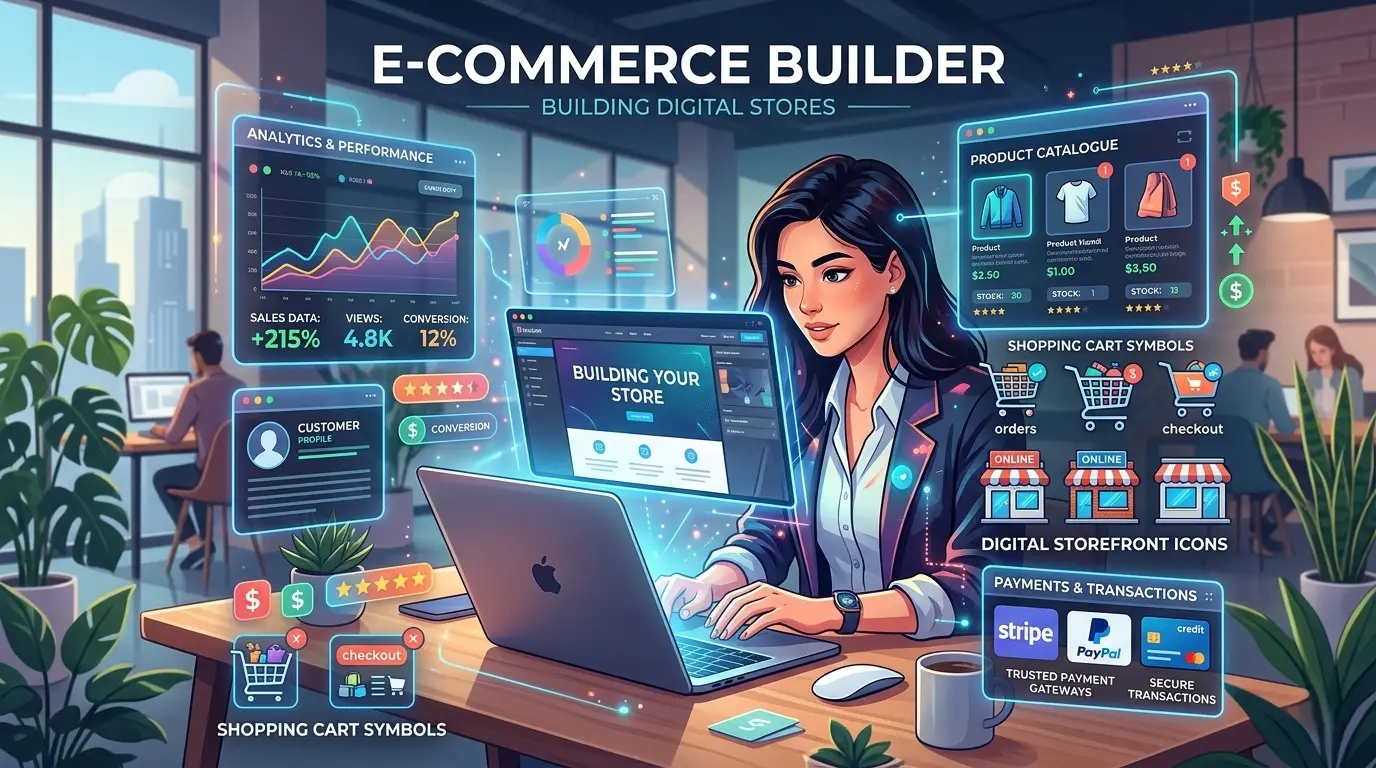
    Starting an online store is easier than ever, but choosing the right platform can make or break your launch. The right solution helps you build a professional storefront, manage products, process payments, and scale as your business grows. For entrepreneurs entering the digital marketplace in 2026, selecting the right Startup E-commerce Platforms is one of the most important early decisions.

    New founders often look for platforms that balance affordability, flexibility, and strong built-in tools. Beyond basic functionality, modern platforms now include automation, analytics, and advanced integrations that simplify store management. Understanding what makes a platform beginner-friendly will help you choose a solution that supports long-term growth.

    What Beginners Should Look for in Startup E-commerce Platforms

    Before choosing among the many Startup E-commerce Platforms available today, beginners should focus on features that reduce technical complexity. A platform should allow you to launch quickly without requiring advanced coding knowledge.

    Ease of use is the first factor. A simple dashboard, drag-and-drop design tools, and clear product management features make it easier for beginners to build and maintain a store.

    Scalability also matters. Many businesses start small but grow rapidly, so the platform should support expanding product catalogs, marketing integrations, and increased traffic without forcing a complete migration later.

    Cost transparency is another important consideration. Beginners should evaluate monthly pricing, transaction fees, and app costs to avoid unexpected expenses.

    Finally, strong SEO features for e-commerce websites help new stores gain visibility on search engines, making it easier for customers to discover products organically.

    Best Startup E-commerce Platforms for Beginners in 2026

    Many founders compare several Startup E-commerce Platforms before making a decision. Each platform offers different strengths depending on business goals, technical experience, and budget.

    Shopify

    Shopify remains one of the most popular Startup E-commerce Platforms for beginners because it provides a fully hosted solution with minimal setup. Entrepreneurs can create a store, upload products, and start selling in a matter of hours.

    Shopify also includes built-in payment processing, marketing integrations, and strong SEO features for e-commerce websites, making it easier for new brands to build search visibility.

    WooCommerce

    For entrepreneurs who prefer flexibility, WooCommerce is another powerful option. Built on the popular WordPress ecosystem, WooCommerce offers extensive customization and access to thousands of plugins.

    Many startups choose WooCommerce because it integrates easily with various small business e-commerce tools, including marketing automation, inventory management, and analytics platforms.

    Wix eCommerce

    Wix eCommerce has evolved significantly and now competes strongly among beginner-focused Startup E-commerce Platforms. Its drag-and-drop website builder makes store design simple, even for users with no technical background.

    The platform also includes built-in marketing tools, product galleries, and mobile optimization features that help startups create visually appealing online stores.

    BigCommerce

    Another platform gaining traction among growing brands is BigCommerce. It offers robust built-in features without relying heavily on third-party apps.

    Many entrepreneurs consider BigCommerce one of the most scalable Startup E-commerce Platforms because it supports large product catalogs, multi-channel selling, and advanced analytics. Businesses that expect rapid growth often find it a strong long-term solution.

    Squarespace

    Squarespace is especially popular with entrepreneurs who prioritize design and brand presentation. Its templates allow startups to create visually compelling storefronts quickly.

    For small product catalogs or niche brands, Squarespace provides a streamlined way to launch an online store while integrating essential small business e-commerce tools such as email marketing and product analytics.

    Why the Right Platform Matters for Startup Success

    Choosing the right platform isn’t just a technical decision—it shapes how efficiently your business operates. The best Startup E-commerce Platforms simplify daily operations while giving entrepreneurs access to automation, marketing insights, and customer data.

    Platforms that integrate well with small business e-commerce tools allow startups to automate inventory tracking, manage orders, and analyze sales performance without complex systems. This efficiency allows founders to focus more on product development, branding, and customer relationships.

    Search visibility is equally important. Platforms that offer strong SEO features for e-commerce websites help businesses optimize product pages, improve site speed, and structure metadata properly. These factors contribute to higher rankings and increased organic traffic.

    For beginners entering the digital marketplace, the ideal platform balances simplicity with scalability. Starting with a reliable solution ensures your store can grow without unnecessary technical challenges.

    FAQs

    What are the best startup e-commerce platforms for beginners?

    Popular options include Shopify, WooCommerce, Wix eCommerce, BigCommerce, and Squarespace. Each platform offers different strengths depending on your budget, customization needs, and technical experience.

    How do I choose the right e-commerce platform for a startup?

    Start by evaluating ease of use, pricing structure, scalability, integrations, and built-in marketing capabilities. Platforms with strong SEO and automation features can help new businesses grow faster.

    Do startup e-commerce platforms support SEO?

    Yes. Most modern platforms include essential SEO tools such as customizable URLs, metadata editing, mobile optimization, and fast page loading. These SEO features help online stores rank higher in search results and attract organic traffic.

  • How to Reduce Shipping Costs in Ecommerce

    How to Reduce Shipping Costs in Ecommerce

    Shipping costs are one of the most significant expenses for online businesses. For small and medium-sized ecommerce stores, high shipping fees can reduce profit margins and impact customer satisfaction. Learning how to reduce shipping costs is crucial for any entrepreneur looking to maximise revenue while keeping customers happy. By implementing effective strategies, businesses can maintain competitive pricing, improve delivery times, and create a more efficient shipping process.

    This guide covers practical methods and insights to help you manage shipping expenses without compromising service quality.

    Understand Your Current Shipping Expenses

    The first step to reduce shipping costs is to analyze your current shipping processes and expenses. Break down costs by carriers, package sizes, weights, and destinations. Identify areas where expenses are unnecessarily high.

    For many ecommerce businesses, overpaying occurs due to inefficient packaging, inconsistent shipping methods, or failure to leverage discounts offered by carriers. Understanding your baseline costs allows you to implement more targeted solutions and optimize shipping workflows.

    Negotiate with Shipping Carriers

    One of the most effective ways to reduce shipping costs is to negotiate directly with carriers. Major shipping companies often offer discounted rates for businesses that ship in higher volumes.

    Even small businesses can access better rates by consolidating shipments or partnering with regional carriers. Many ecommerce platforms integrate with multiple carriers, allowing merchants to compare costs and select the most affordable shipping solution for each order.

    Optimize Packaging to Save Costs

    Packaging plays a critical role in shipping expenses. Oversized boxes or excessive materials can increase both weight and dimensional weight charges. Optimizing your packaging is a practical way to reduce shipping costs.

    Using the right-sized boxes, lightweight protective materials, and standardized packaging can significantly cut costs. In addition, branded packaging should balance marketing appeal with efficiency to avoid unnecessary spending.

    Implement Ecommerce Shipping Strategies

    Adopting smart ecommerce shipping strategies can have a direct impact on profitability. For example, offering flat-rate shipping, free shipping thresholds, or regional shipping options can streamline operations and improve customer experience.

    Many online businesses use fulfillment centers strategically located near major customer bases to minimize distance and transit costs. Multi-location warehousing reduces shipping times and allows for lower rates when orders don’t need to travel across the country.

    Leverage Technology and Automation

    Technology can help ecommerce businesses reduce shipping costs by improving efficiency and reducing errors. Shipping software can automatically select the most cost-effective carrier, print labels, and calculate accurate shipping fees.

    Automated systems also allow merchants to track packages, consolidate shipments, and avoid overpaying for services they don’t need. Leveraging technology simplifies operations while keeping shipping expenses under control.

    Consider Bulk Shipping and Subscription Services

    Another practical way to reduce shipping costs is to use bulk shipping or subscription services. Purchasing shipping labels in bulk often provides substantial discounts compared to paying per shipment.

    Subscription-based solutions offered by carriers can also reduce per-package costs and include added perks like free pickups or priority processing. These affordable shipping solutions help ecommerce businesses maintain consistent shipping performance without overspending.

    Monitor and Adjust Regularly

    Shipping costs are not static, and strategies that work today may need adjustment tomorrow. Regularly monitor your shipping expenses, carrier performance, and customer satisfaction. Track which ecommerce shipping strategies yield the best results and continue refining your approach.

    By staying proactive, you can continuously find new ways to reduce shipping costs, improve delivery efficiency, and maintain a competitive edge in the online marketplace.

    Conclusion

    Reducing shipping costs is essential for sustaining profitability in ecommerce. By analyzing current expenses, negotiating with carriers, optimizing packaging, leveraging technology, and implementing smart ecommerce shipping strategies, online businesses can save money while providing excellent customer service.

    Focusing on efficiency and adopting affordable shipping solutions ensures that your ecommerce business remains competitive and profitable in a highly competitive market. Small changes can lead to significant savings over time, benefiting both your business and your customers.

    FAQs

    How can small businesses reduce shipping costs?

    Small businesses can reduce shipping costs by negotiating rates with carriers, optimizing packaging, using regional fulfillment centers, and leveraging shipping software.

    What is the most affordable shipping solution for ecommerce?

    Affordable shipping solutions include using bulk shipping discounts, regional carriers, subscription-based shipping services, and automated shipping platforms to find the lowest rates.

    Does packaging impact shipping costs?

    Yes, using oversized or heavy packaging can increase shipping fees. Optimizing packaging size and weight is an effective way to reduce shipping costs.

  • Warehouse vs Fulfillment Centers: What’s the Difference?

    Warehouse vs Fulfillment Centers: What’s the Difference?

    Introduction

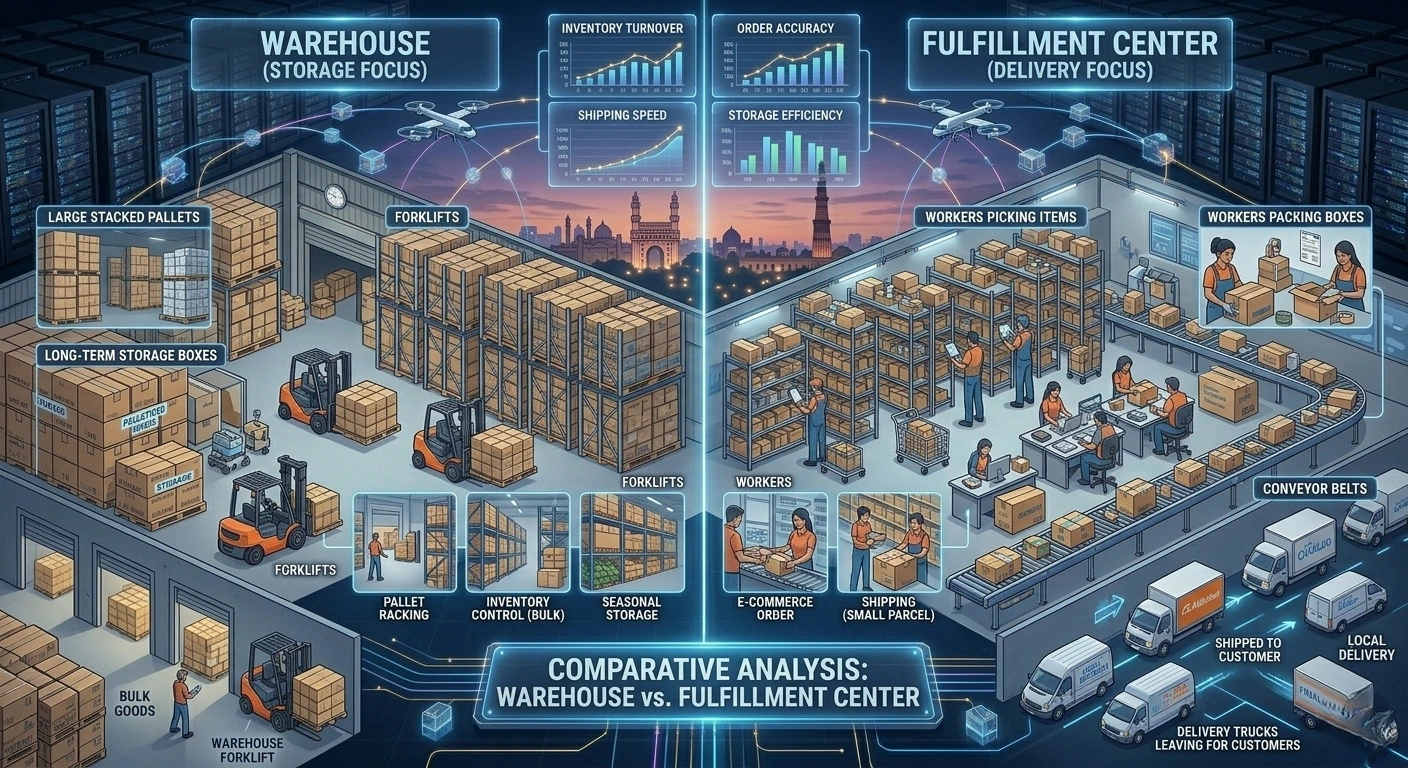
    Businesses that store and ship products often rely on warehouses or fulfillment centers to manage inventory and deliveries. While these two facilities may appear similar, they serve different purposes in the supply chain. Understanding the difference between them is important for companies that want to improve logistics operations and customer satisfaction.

    The concept of Warehouse vs Fulfillment Center is especially important for ecommerce businesses that need fast and accurate order deliveries. Both facilities handle storage and shipping, but the way they operate and the services they provide can vary significantly. Choosing the right option depends on business goals, order volume, and customer expectations.

    What is a Warehouse?

    A warehouse is a large storage facility where businesses keep goods for an extended period before they are sold or distributed. Warehouses are primarily designed for inventory storage and are commonly used by manufacturers, wholesalers, and retailers.

    In the discussion of Warehouse vs Fulfillment Center, a warehouse typically focuses on storing large quantities of products rather than processing individual customer orders. Goods may stay in a warehouse for weeks or even months until they are needed.

    Warehouse operations usually include receiving shipments, organizing inventory, and maintaining stock levels. Many businesses also use warehouse management systems to track inventory and improve efficiency. Warehouses play a vital role in the supply chain because they help businesses manage bulk inventory and maintain product availability.

    What is a Fulfillment Center?

    A fulfillment center is a specialized facility designed to handle the entire order fulfillment process for businesses, especially ecommerce stores. Instead of just storing products, fulfillment centers focus on processing and shipping customer orders quickly.

    When comparing Warehouse vs Fulfillment Center, the key difference lies in how products move through the facility. Fulfillment centers manage high volumes of daily orders and ensure that customers receive their purchases as quickly as possible.

    These facilities provide a variety of fulfillment center services, including inventory storage, order picking, packing, shipping, and returns management. Ecommerce companies often partner with third-party logistics providers that operate fulfillment centers to streamline their logistics operations.

    Because fulfillment centers are built for speed and efficiency, products usually do not remain there for long periods. Instead, they move quickly through the system as orders are processed and shipped.

    Key Differences Between Warehouse and Fulfillment Center

    Understanding the major differences between these two facilities helps businesses make better logistics decisions. The comparison of Warehouse vs Fulfillment Center often focuses on purpose, operations, and order processing.

    Warehouses are mainly used for long-term storage of goods, while fulfillment centers are designed for fast order processing and shipping. Businesses that need to store bulk inventory for extended periods usually prefer warehouses.

    Fulfillment centers, on the other hand, handle individual customer orders and focus on rapid delivery. This makes them ideal for ecommerce businesses that require efficient shipping operations.

    Another difference lies in daily operations. Warehouses generally deal with large shipments moving between suppliers, manufacturers, or retailers. Fulfillment centers handle smaller shipments that go directly to customers.

    Technology and automation are also more common in fulfillment centers because they need to process a high number of orders each day. These advanced systems support fulfillment center services such as order tracking, packing automation, and shipping optimization.

    Warehouse vs Distribution Center

    Many people also compare warehouses with distribution centers when discussing logistics facilities. The topic of warehouse vs distribution center highlights another important distinction in supply chain operations.

    A warehouse mainly focuses on storing goods, while a distribution center is designed to move products quickly through the supply chain. Distribution centers receive products from manufacturers and then distribute them to retailers or customers.

    In many cases, fulfillment centers operate similarly to distribution centers because they process orders and ship products quickly. Understanding the concept of warehouse vs distribution center helps businesses determine which facility best supports their supply chain strategy.

    Which One is Right for Your Business?

    Choosing between the two depends on your business model and logistics needs. The discussion of Warehouse vs Fulfillment Center becomes especially relevant for growing ecommerce companies.

    If your business requires long-term inventory storage and deals with bulk shipments, a warehouse may be the better option. Warehouses are ideal for businesses that supply retailers or maintain large stock levels.

    However, if your company sells products directly to customers online, fulfillment centers may be more suitable. Their ability to manage orders quickly and provide efficient fulfillment center services can significantly improve delivery speed and customer satisfaction.

    Businesses experiencing rapid growth may also benefit from fulfillment centers because they can handle large volumes of orders without requiring companies to manage their own logistics infrastructure.

    Conclusion

    Understanding the difference between Warehouse vs Fulfillment Center is essential for businesses that want to optimize their supply chain operations. While warehouses are designed primarily for storage, fulfillment centers focus on fast order processing and shipping.

    By evaluating their logistics requirements and customer expectations, businesses can determine which solution best supports their operations. Whether a company chooses a warehouse for inventory storage or a fulfillment center for order processing, selecting the right logistics facility can improve efficiency, reduce costs, and enhance the overall customer experience.

  • How to Reduce Shipping Costs for eCommerce in 2026

    How to Reduce Shipping Costs for eCommerce in 2026

    Shipping expenses are one of the largest operational costs for eCommerce businesses. As consumer expectations for fast, affordable delivery grow, learning how to reduce shipping costs has become crucial for profitability and competitiveness. With careful planning, logistics optimization, and smarter packaging practices, eCommerce businesses can streamline operations while maintaining customer satisfaction.

    Why Reducing Shipping Costs Matters

    High shipping expenses directly impact profit margins. Many eCommerce stores struggle to balance speed, reliability, and affordability. Finding ways to reduce shipping costs allows businesses to offer competitive pricing, free shipping options, and improved customer loyalty.

    Beyond cost savings, optimizing shipping processes improves order accuracy, delivery speed, and overall operational efficiency. It also positions brands to adapt to changing market conditions and the evolving eCommerce landscape in 2026.

    Leverage Logistics Optimization

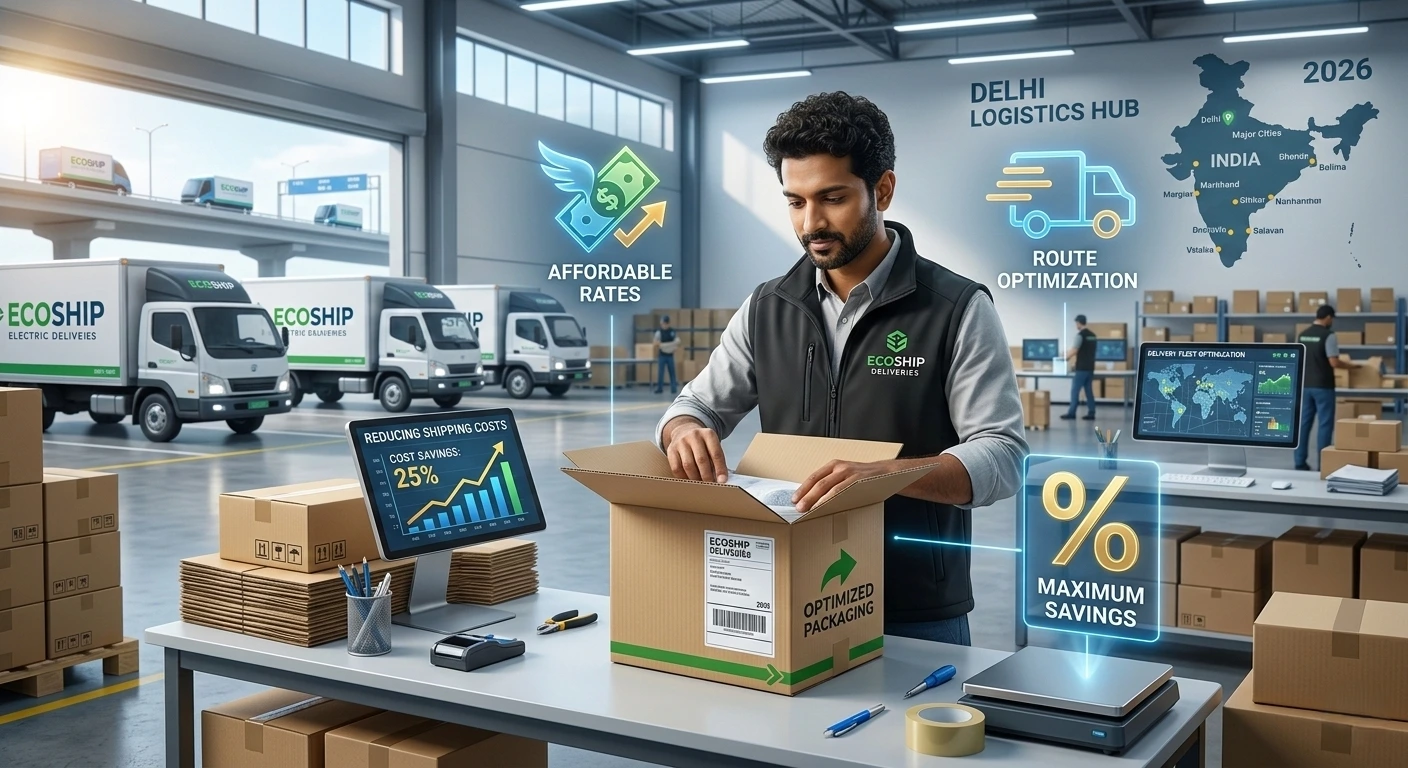
    One of the most effective strategies to reduce shipping costs is implementing logistics optimization. This involves streamlining warehouse operations, selecting the right carriers, and analyzing shipping routes for efficiency.

    • Carrier Negotiation: Partner with carriers that offer volume discounts or flexible pricing based on shipment weight and distance. Comparing multiple carriers ensures you are not overpaying for delivery.
    • Route Optimization: Using software tools to plan the most efficient delivery routes reduces fuel consumption, labor costs, and delivery times.
    • Consolidated Shipments: Combining multiple orders into a single shipment where possible reduces per-package costs and minimizes environmental impact.

    Integrating these practices into your operations allows businesses to reduce shipping costs while improving reliability.

    Smart Packaging for Maximum Efficiency

    Packaging plays a significant role in shipping expenses. Overly large boxes increase dimensional weight charges, while excessive materials raise both costs and environmental impact. Focusing on packaging efficiency is a practical way to reduce shipping costs.

    • Right-Size Packaging: Select packaging that closely matches the size of the product. This minimizes dimensional weight fees charged by carriers.
    • Lightweight Materials: Using lighter yet durable materials lowers shipping weight and reduces cost per shipment.
    • Standardization: Standardizing box sizes for common products can simplify warehouse operations and decrease packaging waste.

    By investing in smarter packaging solutions, eCommerce businesses can cut expenses without compromising product protection.

    Utilize Technology for Shipping Savings

    Technology is a key enabler when it comes to reducing shipping costs. Automated shipping platforms help businesses manage rates, print labels, and select the most cost-effective carriers for each order.

    • Shipping Software: Platforms like multi-carrier shipping solutions analyze rates in real time, ensuring businesses always choose the most affordable option.
    • Predictive Analytics: Using historical data, companies can forecast shipping trends and adjust operations to minimize costs.
    • Inventory Management: Strategically locating inventory closer to customers reduces transit distances and lowers shipping fees.

    Embracing these digital tools ensures eCommerce operations are both scalable and cost-efficient, helping businesses reduce shipping costs while maintaining service quality.

    Bulk Shipping and Subscription Programs

    Encouraging bulk orders or subscription models is another way to reduce shipping costs per unit. Consolidating shipments decreases the number of individual packages and allows carriers to provide discounted rates for higher-volume shipments.

    • Subscription Boxes: Regular, recurring shipments can be optimized for route efficiency and package volume.
    • Order Incentives: Offering discounts or perks for bulk orders encourages customers to buy more per shipment, reducing overall shipping expenses.

    This approach not only reduces costs but also improves customer retention by creating predictable shipping patterns.

    Optimize Returns and Reverse Logistics

    Returns are a major expense in eCommerce. Reducing return-related shipping costs is an often-overlooked strategy to reduce shipping costs overall.

    • Clear Product Descriptions: Accurate images and descriptions reduce the likelihood of returns.
    • Return Consolidation: Using centralized return centers allows for more efficient processing and lower reverse logistics expenses.
    • Incentivize Exchanges: Offering exchanges instead of full returns can minimize shipping costs while keeping customers satisfied.

    By streamlining reverse logistics, businesses can save money and maintain positive customer experiences.

    Final Thoughts

    Effectively reducing shipping costs requires a combination of logistics optimization, packaging efficiency, and strategic technology use. From smarter packaging to route planning and bulk shipping strategies, every decision impacts the bottom line.

    By implementing these practices, eCommerce businesses can deliver faster, more affordable, and reliable shipping to customers while maintaining healthy profit margins. Focusing on efficiency, technology, and process improvement ensures that brands remain competitive in the rapidly evolving eCommerce landscape of 2026, allowing them to reduce shipping costs without sacrificing service quality or customer satisfaction.