
Tag: online shopping

  • Multi Vendor Marketplace Development Guide

    Multi Vendor Marketplace Development Guide

    Building a successful online business requires more than just a great idea—it demands the right structure and technology. A multi vendor marketplace allows multiple sellers to list and sell their products on a single platform, creating a diverse shopping experience for customers. This model has gained immense popularity due to its scalability and profitability.

    Understanding the Marketplace Business Model

    The marketplace business model connects buyers and sellers in one centralized platform. Instead of managing inventory yourself, you allow vendors to handle their own products while you earn commissions or subscription fees. A well-planned multi vendor marketplace creates value by offering a wide range of products while reducing operational complexity for the platform owner.

    This model works well for various industries, including retail, services, and digital products. Businesses can scale quickly by onboarding more vendors, which increases product variety and attracts more customers.

    Ecommerce Platform Development Essentials

    Choosing the right approach to ecommerce platform development is critical. Your platform should be robust, scalable, and user-friendly. Whether you build from scratch or use existing frameworks, focus on performance, security, and flexibility.

    A successful multi vendor marketplace requires features such as product management, order tracking, payment integration, and user dashboards. The platform should also support multiple vendors without compromising speed or user experience.

    Cloud-based solutions and modern frameworks can help ensure your platform grows with your business. Investing in a strong technical foundation will save time and resources in the long run.

    Vendor Management Strategies

    Effective vendor management is key to maintaining quality and consistency. You need a system that allows vendors to easily onboard, manage their products, and track their sales.

    A well-structured multi vendor marketplace should include vendor dashboards, performance analytics, and communication tools. Setting clear guidelines for product listings, pricing, and customer service helps maintain standards across the platform.

    Regular monitoring and feedback can improve vendor performance. Offering training resources and support can also help vendors succeed, which ultimately benefits your marketplace.

    Creating a Seamless Online Marketplace Experience

    User experience plays a major role in the success of any online marketplace. Customers expect fast loading times, easy navigation, and secure transactions.

    Design your platform with a clean interface and intuitive layout. A high-performing multi vendor marketplace ensures that customers can quickly find products, compare options, and complete purchases without friction.

    Search functionality, filters, and personalized recommendations can enhance the shopping experience. Additionally, mobile responsiveness is essential, as a large portion of users shop via smartphones.

    Payment and Commission Structure

    A clear and transparent payment system is essential for both vendors and customers. Your platform should support multiple payment methods and ensure secure transactions.

    In a multi vendor marketplace, you can earn revenue through commissions, subscription plans, or listing fees. Choosing the right pricing strategy depends on your target audience and business goals.

    Automated payment distribution systems can simplify transactions between buyers, sellers, and the platform owner. Transparency in fees and payouts builds trust among vendors.

    Scaling and Marketing Your Marketplace

    Once your platform is live, focus on growth and marketing. Attracting both vendors and customers requires a balanced strategy.

    A growing multi vendor marketplace benefits from digital marketing techniques such as SEO, social media promotion, and email campaigns. Offering incentives to early vendors and customers can help build initial traction.

    Partnerships and collaborations can also expand your reach. As your platform grows, continuously optimize performance and add new features to stay competitive.

    Security and Trust Building

    Security is a critical aspect of any online platform. Protecting user data and ensuring safe transactions should be a top priority.

    Implement strong authentication systems, secure payment gateways, and data encryption. A reliable multi vendor marketplace builds trust by maintaining transparency, offering customer support, and resolving disputes efficiently.

    Customer reviews and ratings also play a significant role in establishing credibility and encouraging repeat purchases.

    Continuous Improvement and Optimization

    Launching your platform is just the beginning. Regular updates and improvements are necessary to stay relevant in a competitive market.

    Analyze user behavior, gather feedback, and identify areas for improvement. A successful multi vendor marketplace evolves with changing customer needs and technological advancements.

    By continuously optimizing your platform, you can enhance performance, improve user satisfaction, and drive long-term growth.

    FAQs

    What is a multi vendor marketplace?

    A multi vendor marketplace is an online platform where multiple sellers can list and sell their products or services to customers in one centralized location.

    How do you manage vendors in a marketplace?

    Vendor management involves onboarding sellers, providing dashboards, setting guidelines, monitoring performance, and offering support to ensure quality and consistency.

    What are the benefits of an online marketplace?

    An online marketplace offers scalability, diverse product offerings, reduced inventory management, and multiple revenue streams through commissions or subscriptions.

  • Product Photography Tips for E-Commerce That Actually Convert

    Product Photography Tips for E-Commerce That Actually Convert

    In e-commerce, your product images are your silent sales team. Shoppers can’t touch or feel products online, so visuals must communicate quality, detail, and trust instantly. This is where Product Photography Tips become essential. Done right, your images can increase conversions, reduce returns, and build brand credibility.

    Why Product Photography Matters

    High-quality product photos influence purchasing decisions more than descriptions or reviews in many cases. Customers judge professionalism, reliability, and value based on what they see. If your images are blurry, inconsistent, or poorly lit, shoppers hesitate. Conversely, well-crafted visuals make products irresistible.

    For e-commerce beginners or seasoned marketers alike, mastering Product Photography Tips is an investment that pays for itself in higher sales.

    1. Invest in Proper Lighting

    Lighting makes or breaks product photos. Natural light works well for small items, but softbox or LED lighting provides control and consistency. Avoid harsh shadows or uneven highlights that distort the product’s appearance.

    Pro Tip: Diffused lighting creates soft, appealing visuals that highlight texture and color without distractions.

    2. Use a Clean Background

    Minimalism works best. White or neutral backgrounds keep the focus on your product and prevent visual clutter. Many marketplaces, like Amazon and Shopify, require white backgrounds for main images.

    Secondary shots can include lifestyle or context images, but the main product photo should be crisp, clean, and clear.

    3. Shoot From Multiple Angles

    Showcase every important feature. Front, side, back, top-down, and close-up shots give customers confidence in what they’re buying. For products with intricate details or textures, macro shots are invaluable.

    When applying Product Photography Tips, think like a shopper: what would you want to see before clicking “Add to Cart”?

    4. Focus on Consistency

    Consistency across your product catalog builds a professional look. Use the same lighting, background, and angle style. Shoppers can compare products easily, and your store feels organized.

    For larger stores, creating a photography template saves time and ensures a cohesive aesthetic across all product images.

    5. Highlight Features and Benefits

    Product images aren’t just about showing the item—they tell a story. Include images that show size, scale, or usability. Lifestyle shots—people using your product—help shoppers imagine it in their own lives.

    These product image tips not only enhance visual appeal but also communicate value clearly.

    6. Optimize for E-Commerce

    High-resolution images are essential, but they must also load quickly. Compress files without losing quality, and use the correct dimensions for desktop and mobile. Google and marketplaces favor fast-loading images for better user experience.

    Also, name your files descriptively and use alt text. This improves SEO and helps shoppers who rely on screen readers.

    7. Test and Iterate

    Even with expert photos, performance can vary. Track which images convert better using A/B testing. Small changes in angle, background, or lighting can impact click-through and conversion rates significantly.

    Remember, Product Photography Tips aren’t one-size-fits-all. Continuous testing ensures your visuals resonate with your audience.

    Final Thoughts

    High-quality product photography is more than a visual necessity—it’s a conversion tool. By following these Product Photography Tips, creating consistent, appealing, and informative images, e-commerce brands can boost sales and strengthen customer trust. Prioritizing lighting, angles, context, and optimization ensures your products not only look good but actually sell.

    Implementing these strategies transforms standard product images into product images that sell, turning casual browsers into loyal customers.


    FAQs

    1. How many product images should I use for each item?

    Use at least 5–7 images showing multiple angles, close-ups, and lifestyle shots. This gives customers confidence and reduces hesitation to buy.

    2. Can I take product photos with a smartphone?

    Yes. Modern smartphones with good cameras can produce high-quality images if you control lighting, background, and stability. A tripod and natural or soft lighting make a huge difference.

    3. Should I edit product photos professionally?

    Editing is recommended to correct colors, remove distractions, and maintain consistency. Avoid over-editing, which can misrepresent the product and lead to returns.

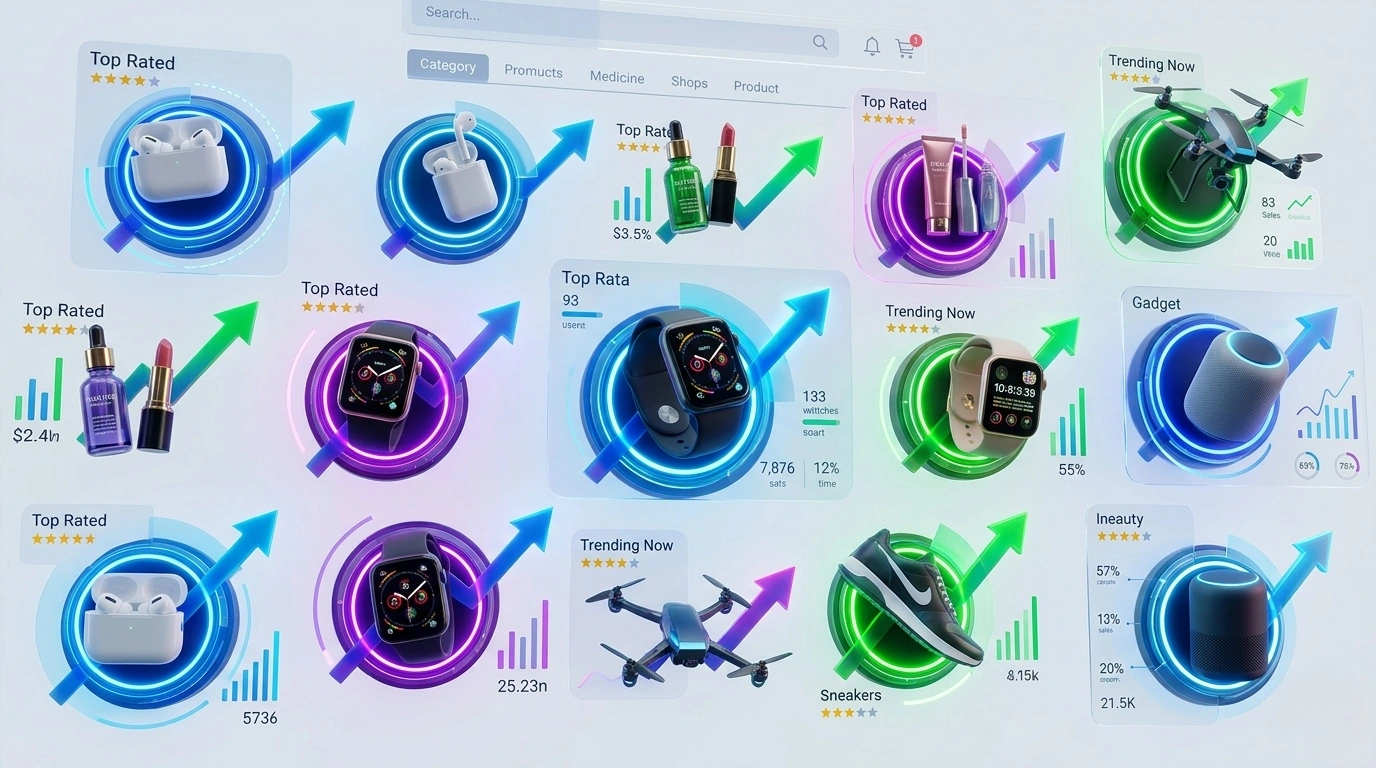
  • Looking for the Latest Trending Products for Your Ecommerce Store?

    Looking for the Latest Trending Products for Your Ecommerce Store?

    The eCommerce industry is growing rapidly, and competition among online sellers is stronger than ever. For entrepreneurs and startups, choosing the right products can determine whether an online store succeeds or struggles. One of the most effective ways to increase sales and attract customers is by offering trending products that match current market demand.

    Consumers are constantly searching for innovative and useful items online. Businesses that identify these opportunities early can build profitable stores and establish a strong presence in the digital marketplace. Whether you are launching a new business or expanding an existing one, understanding product trends is essential for sustainable growth.

    Why Trending Products Matter for Online Stores

    Product trends reflect what customers are currently interested in purchasing. Selling trending products allows online sellers to capitalize on existing demand rather than trying to create demand from scratch.

    When products gain popularity through social media, online reviews, or influencer marketing, they often experience a surge in sales. Businesses that quickly adapt to these market shifts can generate higher revenue and attract a broader customer base.

    For entrepreneurs planning to launch an ecommerce store for startups in Noida, focusing on high-demand items can help create early traction and build customer trust.

    How to Discover the Right Products

    Finding profitable items requires research and a strong understanding of market behavior. Successful online sellers often use tools such as search trend platforms, marketplace analytics, and customer feedback to identify trending products.

    Online marketplaces provide valuable insights into best-selling categories and emerging niches. Social media platforms also play a huge role in shaping buying behavior, as viral content often turns ordinary items into popular products overnight.

    By regularly monitoring these sources, businesses can stay ahead of competitors and adapt their product offerings to changing consumer preferences.

    The Rise of Digital Products in eCommerce

    While physical items dominate many online stores, digital products are becoming increasingly popular. Products such as eBooks, templates, online courses, and software solutions provide additional revenue streams for online businesses.

    Many sellers combine physical trending products with digital products to diversify their offerings. Digital products have several advantages, including low production costs, easy distribution, and unlimited scalability.

    For startups building an ecommerce store for startups in Noida, integrating digital products alongside physical items can create a more flexible and profitable business model.

    Leveraging Data for Better Product Selection

    Data-driven decision-making is a key factor in successful eCommerce businesses. Instead of relying on guesswork, entrepreneurs can analyze market data to determine which trending products are gaining popularity.

    Analytics tools help businesses understand customer behavior, search patterns, and purchasing trends. This information allows store owners to optimize their product listings and focus on items that are more likely to generate sales.

    By using data insights effectively, businesses can reduce risks and make smarter inventory decisions.

    The Role of Social Media in Product Trends

    Social media platforms have a major influence on modern shopping behavior. Platforms like Instagram, TikTok, and YouTube frequently introduce new product trends through influencer marketing and viral content.

    Entrepreneurs who actively follow these platforms can discover trending products before they become widely available in the market. Early adoption often gives businesses a competitive advantage and helps them capture demand faster.

    In addition, engaging with audiences on social media helps build brand awareness and drive traffic to online stores.

    Building a Successful Ecommerce Strategy

    Selecting the right products is only one part of building a successful online store. A well-designed website, effective marketing campaigns, and excellent customer service are equally important.

    Businesses launching an ecommerce store for startups in Noida should focus on creating a smooth shopping experience for customers. This includes clear product descriptions, secure payment options, and fast delivery services.

    When high-demand trending products are combined with strong branding and marketing strategies, businesses can significantly increase their chances of success.

    Preparing for Future eCommerce Opportunities

    The future of online retail continues to evolve with advancements in technology and changing consumer expectations. Businesses that stay informed about industry trends and continuously research trending products will be better prepared to adapt to market changes.

    Entrepreneurs who focus on innovation, customer experience, and smart product selection can build sustainable online businesses. As competition increases, identifying the right trending products and delivering value to customers will remain key factors in long-term eCommerce success.


    FAQs

    1. What are trending products in eCommerce?
    Trending products are items that are currently popular among consumers due to market demand, social media influence, or seasonal trends.

    2. How can I find trending products for my online store?
    You can find trending products by analyzing marketplace best-seller lists, using keyword research tools, monitoring social media trends, and studying customer reviews.

    3. Can digital products be sold in an eCommerce store?
    Yes, digital products such as online courses, templates, eBooks, and software can be sold through an eCommerce store and often provide high profit margins with low production costs.

  • Why Do Customers Prefer Digital Products Over Physical Goods in Some E-Commerce Stores?

    Why Do Customers Prefer Digital Products Over Physical Goods in Some E-Commerce Stores?

    In the rapidly evolving world of e-commerce, digital products have become increasingly popular among customers and entrepreneurs alike. Unlike physical goods, digital products can be delivered instantly, require no shipping, and often provide immediate value to the buyer. This convenience, combined with low costs and scalability, has made them a preferred choice in many online stores.

    Understanding why customers prefer digital items over physical ones can help e-commerce entrepreneurs select the right offerings and grow their business successfully.

    Instant Access and Convenience

    One of the biggest advantages of digital products is instant access. Customers can download or access their purchase immediately after payment. There’s no waiting for shipping, no tracking numbers, and no risk of lost packages.

    For example, someone buying an online course or a graphic design template can start using it right away. This level of convenience makes digital products highly appealing, especially for busy individuals who value efficiency.

    Many trending products for ecommerce store owners capitalize on this convenience, offering products that provide immediate results or solutions to customer problems.

    Lower Costs for Customers and Sellers

    Digital products often cost less than their physical counterparts because there are no manufacturing, storage, or shipping expenses. This pricing advantage appeals to customers looking for affordable solutions while allowing sellers to maintain healthy profit margins.

    For entrepreneurs, this means that the best digital products to sell online can be highly lucrative. Products such as ebooks, templates, and software can be sold repeatedly without significant additional costs, making them a sustainable business model.

    Environmentally Friendly Choice

    More consumers are becoming conscious of their environmental impact. Digital products are eco-friendly since they do not require packaging, shipping, or physical resources.

    Choosing digital products aligns with the values of environmentally aware buyers, enhancing customer satisfaction and brand loyalty. E-commerce stores that offer digital goods can market themselves as sustainable alternatives, which is a growing trend in online shopping.

    Variety and Customization

    Digital products offer an unparalleled range of variety and customization. Customers can choose from multiple formats, themes, or versions tailored to their needs.

    For instance, graphic design templates, stock photos, and music files can be customized to match specific projects, giving customers more control over the final result. This flexibility is a key reason why many customers prefer digital products over physical goods.

    Moreover, e-commerce businesses often track trends to ensure they stock trending products that meet current customer demands, keeping their offerings fresh and relevant.

    Scalability and Accessibility

    Unlike physical goods, digital products can be distributed to an unlimited number of customers without additional inventory or production costs. This scalability allows e-commerce stores to serve a global audience, making it easier to reach more buyers.

    For the customer, this means access to a wide range of products anytime, anywhere. The ability to purchase and download from any device increases convenience, further driving preference for digital items.

    Entrepreneurs can leverage this to offer the best digital products to sell online, including online courses, digital art, and productivity tools, which continue to generate income long after creation.

    Reduced Risk of Returns

    Physical products come with the risk of damage, shipping errors, or dissatisfaction, often resulting in returns or refunds. Digital products minimize these risks because they are delivered directly to the customer in the intended format.

    This reliability makes digital products attractive to buyers and reduces operational headaches for sellers. Customers are more confident making online purchases when they know the product will work as intended without shipping complications.

    Enhancing Customer Experience

    Ultimately, the preference for digital products is tied to a better customer experience. Instant delivery, affordability, eco-friendliness, customization, and low risk all contribute to higher satisfaction.

    E-commerce stores that focus on offering high-quality digital products can build trust and loyalty, encouraging repeat purchases. Tracking trending products for ecommerce store ensures the store stays relevant and continues to meet customer expectations.

    Final Thoughts

    The rise of digital products in e-commerce is driven by customer demand for convenience, affordability, and flexibility. For entrepreneurs, understanding these preferences is key to selecting the right offerings and growing a successful online business.

    By focusing on high-value, trending, and customizable items, sellers can provide exceptional experiences while benefiting from the scalability and profitability that digital products offer. Ultimately, the digital model is not just a trend—it’s a shift in how customers perceive value and convenience in online shopping.


    FAQs

    1. Why do customers prefer digital products over physical goods?
    Customers enjoy instant access, convenience, lower costs, customization, and reduced environmental impact, making digital products more appealing.

    2. What are examples of popular digital products to sell online?
    Popular options include online courses, ebooks, templates, design assets, stock photos, music files, and productivity tools.

    3. Can digital products generate long-term income?
    Yes, because they can be sold repeatedly without additional production costs, digital products are ideal for passive and scalable income.

  • How to Start an Ecommerce Business in 2026

    How to Start an Ecommerce Business in 2026

    Starting an online store has become one of the most popular ways to build a profitable venture in today’s digital economy. With global online shopping continuing to grow, many entrepreneurs are exploring how to launch a successful ecommerce business. In 2026, modern technology, automation tools, and digital marketing strategies have made it easier than ever to enter the online marketplace. However, success still requires careful planning, the right platform, and a strong understanding of your target audience.

    This ecommerce business guide will help you understand the key steps needed to launch and grow a successful online store.

    Choose a Profitable Niche

    The first step in building a successful ecommerce business is selecting the right niche. A niche defines the type of products you sell and the audience you serve. Instead of selling a wide range of unrelated products, it is often better to focus on a specific category.

    For example, you might sell eco-friendly home products, pet supplies, or fitness equipment. Choosing a niche with consistent demand and limited competition can make it easier to stand out in the market. Researching customer needs, trending products, and market gaps is an important part of this process.

    Following proven ecommerce startup tips, entrepreneurs should focus on niches where they have interest or knowledge, as this helps create better marketing and branding strategies.

    Select the Right Ecommerce Platform

    The next important step is choosing the platform where your online store will operate. Many platforms allow beginners to launch an online store without advanced technical skills.

    Popular options include hosted solutions that provide templates, payment integrations, and inventory management tools. These platforms simplify the process of launching an ecommerce business, allowing entrepreneurs to focus more on product sourcing and marketing.

    When choosing a platform, consider factors such as customization options, payment gateways, mobile optimization, and scalability. A flexible platform ensures your store can grow as your business expands.

    Source High-Quality Products

    Product quality plays a crucial role in customer satisfaction and long-term growth. Whether you manufacture your own products, purchase from wholesalers, or use dropshipping, reliable suppliers are essential.

    Many successful entrepreneurs build their ecommerce business by partnering with suppliers who provide consistent product quality and timely delivery. Research supplier reviews, request samples, and test products before selling them.

    Another strategy mentioned in many ecommerce startup tips is private labeling, where businesses sell products under their own brand name. This approach helps create a unique brand identity and improves customer loyalty.

    Build a Professional Online Store

    Your website is the digital storefront of your brand. A well-designed site builds trust and encourages visitors to make purchases. Important elements include clear product descriptions, high-quality images, secure payment options, and easy navigation.

    A strong ecommerce business guide always emphasizes the importance of user experience. If customers find it difficult to browse products or complete purchases, they may leave your store and shop elsewhere.

    Mobile optimization is also essential. A large percentage of online shoppers now use smartphones, so ensuring that your store functions smoothly on mobile devices can significantly improve conversions.

    Develop a Marketing Strategy

    Marketing is the driving force behind every successful ecommerce business. Without effective promotion, even great products may go unnoticed.

    Digital marketing channels such as search engine optimization (SEO), social media marketing, email campaigns, and paid advertisements can help attract potential customers. Creating valuable content and engaging with audiences on social platforms also increases brand visibility.

    One of the most effective ecommerce startup tips is building an email list. Email marketing allows businesses to promote new products, offer discounts, and maintain long-term relationships with customers.

    Focus on Customer Experience

    Customer satisfaction plays a major role in the growth of any online store. Fast shipping, responsive customer support, and clear return policies help build trust and encourage repeat purchases.

    A successful ecommerce business also pays attention to customer feedback. Reviews and ratings provide valuable insights that help improve products and services.

    Providing personalized shopping experiences, such as product recommendations and loyalty rewards, can further enhance customer relationships and increase long-term sales.

    Scale Your Ecommerce Business

    Once your store begins generating consistent sales, the next step is scaling. Expansion strategies may include introducing new products, entering international markets, or investing in advanced marketing campaigns.

    Automation tools can help manage tasks such as inventory tracking, customer service, and order fulfillment. These tools allow entrepreneurs to focus on growth strategies rather than daily operational challenges.

    Scaling an ecommerce business requires careful planning and continuous monitoring of performance metrics such as traffic, conversion rates, and customer retention.

    Conclusion

    Starting an online store in 2026 presents exciting opportunities for aspiring entrepreneurs. With the right niche, reliable suppliers, effective marketing strategies, and a customer-focused approach, anyone can build a successful ecommerce business.

    By following a structured ecommerce business guide and applying proven ecommerce startup tips, beginners can avoid common mistakes and build a strong foundation for long-term success in the digital marketplace.

    FAQs

    How much money is needed to start an ecommerce business?

    The startup cost can vary widely depending on the platform, product sourcing method, and marketing budget. Some online stores can start with a few hundred dollars, while others require larger investments.

    What is the best platform for beginners?

    Many beginners prefer user-friendly platforms that offer ready-made templates, payment integrations, and simple store management tools.

    How long does it take to make profit from an ecommerce store?

    Profit timelines vary depending on marketing strategy, product demand, and competition. Some stores see results within a few months, while others take longer to grow.