Tag: online shopping

  • Alibaba Business Model: How Alibaba Group Transformed Global E-Commerce

    Alibaba Business Model: How Alibaba Group Transformed Global E-Commerce

    The rise of Alibaba Group has reshaped the global retail landscape. Founded in 1999 by Jack Ma, the company created a powerful ecosystem connecting buyers, sellers, and service providers. At the center of this success lies the Alibaba Business Model, a platform-based strategy that revolutionized how people buy and sell products online.

    Unlike traditional retailers that manage inventory and logistics directly, Alibaba focuses on building digital platforms where businesses can interact and trade. This unique approach has helped the company grow into one of the world’s most influential players in global e-commerce.

    Understanding the Alibaba Business Model

    The Alibaba Business Model is built around connecting millions of merchants with consumers through an advanced digital ecosystem. Instead of acting as a conventional retailer, Alibaba provides the technology, infrastructure, and services that enable online transactions.

    Through platforms such as Taobao, Tmall, and AliExpress, the company supports small businesses, brands, and international sellers. These platforms form the backbone of the Alibaba digital marketplace, enabling millions of products to be listed and sold to consumers worldwide.

    This ecosystem approach allows Alibaba to scale rapidly while minimizing operational costs associated with warehousing and inventory.

    Key Components of the Alibaba Business Model

    The Alibaba Business Model relies on multiple interconnected platforms that serve different segments of the market.

    1. Marketplace Platforms

    Alibaba operates several online marketplaces designed for different audiences. Taobao primarily focuses on consumer-to-consumer transactions, while Tmall allows established brands to sell directly to customers. These platforms power the Alibaba digital marketplace and create opportunities for businesses of all sizes.

    2. Revenue Through Services

    Rather than earning primarily through product sales, the Alibaba Business Model generates revenue through advertising, commissions, and premium merchant services. Sellers pay for marketing tools, data insights, and storefront features that help them attract more customers.

    This service-driven approach has made Alibaba e-commerce platforms extremely profitable while also supporting business growth for merchants.

    3. Logistics and Infrastructure

    Although Alibaba does not directly handle most product deliveries, it has developed strong logistics networks through partners and technology platforms. These systems allow sellers to manage shipping efficiently while ensuring that customers receive their orders quickly.

    Such infrastructure strengthens the Alibaba digital marketplace by improving reliability and customer satisfaction.

    How Alibaba Transformed Global E-Commerce

    The Alibaba Business Model changed the traditional rules of online retail in several important ways.

    First, it empowered small and medium-sized businesses. Merchants who previously lacked access to international markets can now reach millions of buyers through Alibaba e-commerce platforms.

    Second, the model focuses on data and technology. Alibaba uses advanced analytics to understand consumer behavior, helping businesses optimize pricing, marketing, and product offerings.

    Third, Alibaba created large-scale shopping events that drive massive sales volumes. One famous example is Singles’ Day, which has become the biggest online shopping event in the world.

    Global Expansion and Digital Innovation

    The Alibaba Business Model also supports cross-border trade by connecting global buyers and sellers. Platforms like AliExpress allow international customers to purchase products directly from Chinese manufacturers and other suppliers.

    In addition, Alibaba continues investing in cloud computing, digital payments, and artificial intelligence. These technologies strengthen the Alibaba digital marketplace and enhance the overall Alibaba e-commerce experience.

    By integrating commerce, technology, and logistics, Alibaba has created a powerful ecosystem that continues to influence global retail trends.

    Lessons from the Alibaba Business Model

    Businesses around the world can learn several important lessons from the Alibaba Business Model. Building a strong digital platform can create long-term value by connecting multiple stakeholders within a single ecosystem. Supporting small businesses and providing tools for growth can also help expand the entire marketplace.

    Finally, focusing on innovation and data-driven decision-making enables companies to adapt quickly to changing consumer behaviors.

    Conclusion

    The Alibaba Business Model has played a crucial role in transforming online retail. By focusing on platform technology, merchant services, and global connectivity, Alibaba built a thriving ecosystem that supports millions of businesses and consumers. As digital commerce continues to evolve, the strategies behind Alibaba’s success will remain an important reference point for companies seeking to compete in the modern e-commerce landscape.

    FAQs

    1. What is the Alibaba Business Model?

    The Alibaba Business Model is a platform-based strategy that connects buyers and sellers through digital marketplaces rather than selling products directly.

    2. How does Alibaba make money?

    Alibaba generates revenue through advertising, commissions, merchant services, and technology solutions offered within its e-commerce ecosystem.

    3. Why is Alibaba important in global e-commerce?

    Alibaba has transformed global trade by enabling small businesses to reach international customers through its digital platforms and advanced marketplace infrastructure.
  • The Future of Autonomous Delivery Vehicles in E‑Commerce

    The Future of Autonomous Delivery Vehicles in E‑Commerce

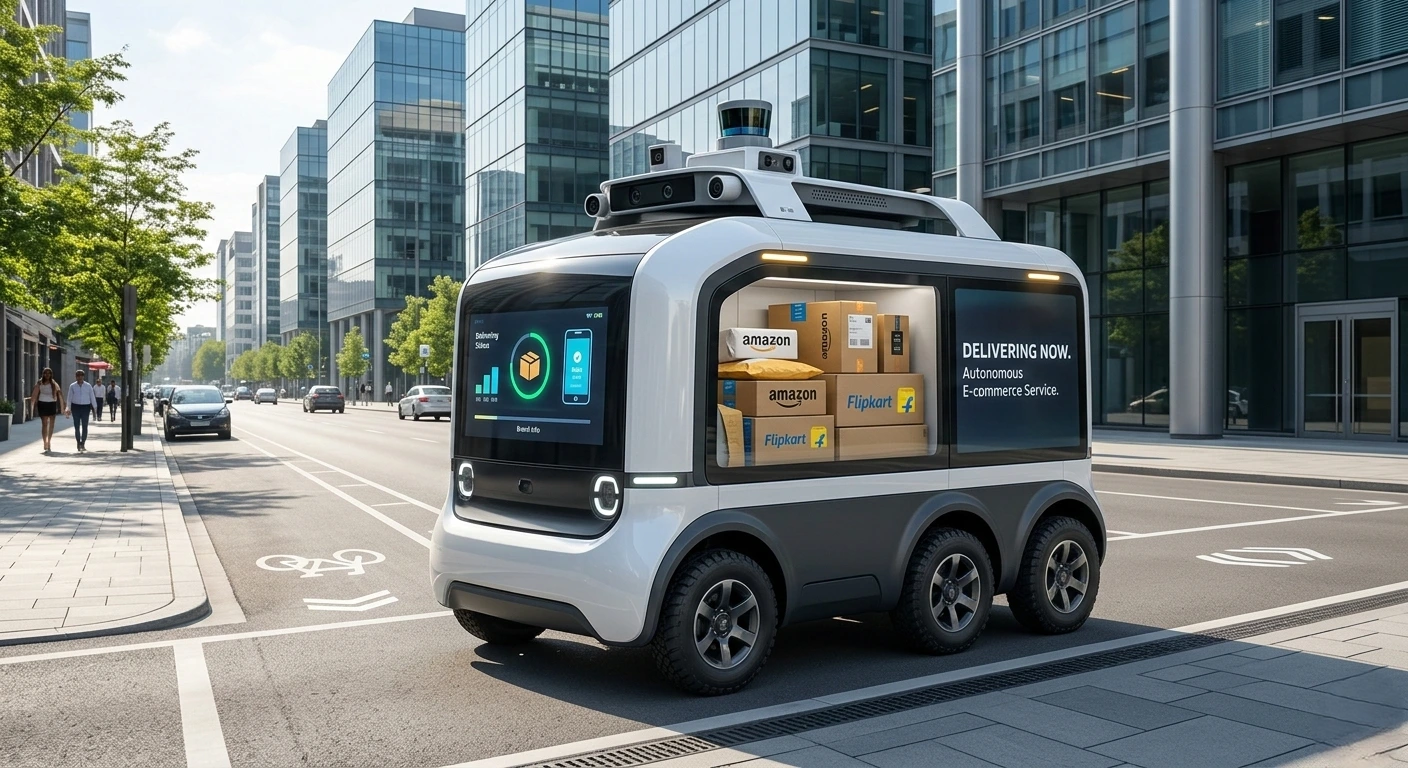
    The rise of e‑commerce has created new demands for faster, more efficient, and reliable delivery systems. Autonomous Delivery Vehicles are emerging as a game‑changer in this landscape, offering solutions to many of the challenges faced by traditional delivery methods. From labour shortages to traffic congestion, these vehicles promise to reshape the way packages reach customers. By leveraging advanced technology, they are becoming a critical component of modern logistics networks and the broader vision of autonomous last‑mile delivery.

    Why Autonomous Delivery Vehicles Are Transformative

    The growth of online shopping has put tremendous pressure on delivery networks. Customers increasingly expect same‑day or two‑hour delivery, which can be difficult to achieve using conventional methods. Autonomous Delivery Vehicles address these challenges by reducing reliance on human drivers and optimizing delivery routes. These vehicles range from small sidewalk robots to larger self‑driving vans capable of navigating urban and suburban streets.

    In addition to improving speed, these vehicles can help reduce delivery costs. By automating routine trips, companies can lower labor expenses and fuel consumption. Many autonomous systems are electric-powered, which also contributes to reducing carbon emissions. As sensor technology, artificial intelligence, and machine learning improve, these vehicles can safely detect obstacles, interact with pedestrians, and navigate complex environments, making them a reliable option for autonomous last‑mile delivery.

    How Autonomous Delivery Vehicles Work

    The process begins at a warehouse or distribution hub, where packages are loaded into autonomous units. These units can then travel independently to designated drop-off points, often using smart lockers or app-based access for secure delivery. Small robotic delivery vehicles food systems are particularly effective in urban areas, as they can navigate sidewalks or designated lanes while minimizing interaction with cars.

    In suburban and rural areas, larger autonomous vans handle longer distances between distribution centers and local delivery points. This combination of vehicle types allows companies to cover different geographies efficiently. The integration of Autonomous Delivery Vehicles into these multi-modal systems ensures faster delivery times and improved service reliability.

    Real-World Deployments and Challenges

    Several companies are already testing Autonomous Delivery Vehicles in real-world scenarios. Grocery chains and food delivery services have deployed robotic delivery vehicles food systems to bring orders directly to customers’ homes. These pilots use advanced mapping, sensors, and real-time communication to ensure accuracy and safety.

    Despite progress, challenges remain. Public safety is a primary concern, especially when autonomous vehicles operate in spaces shared with pedestrians, cyclists, and cars. Regulatory frameworks are still evolving, and companies must demonstrate that their systems are safe and reliable. Public perception is also critical; many people remain cautious about vehicles operating without human drivers. Transparent safety features, robust performance, and responsive customer support are essential for gaining trust.

    Environmental Benefits of Autonomous Delivery Vehicles

    Autonomous Delivery Vehicles can significantly reduce the environmental impact of e‑commerce. By optimizing routes and using electric power, they minimize emissions and traffic congestion. Small sidewalk robots are particularly energy-efficient and help reduce the number of large, fuel-powered vehicles on local streets.

    This shift not only supports sustainability goals but also improves urban living conditions by lowering noise and pollution. Integrating these vehicles into logistics networks demonstrates how technology can enhance both efficiency and environmental responsibility.

    The Future of Autonomous Delivery Vehicles

    As technology continues to advance, Autonomous Delivery Vehicles are likely to become more widespread. Investments from major retailers, tech companies, and logistics providers indicate that this trend will accelerate. AI improvements, infrastructure upgrades, and clearer regulations will enable safer and more efficient operations.

    In the coming years, consumers can expect faster delivery, lower costs, and more reliable service thanks to autonomous systems. Autonomous Delivery Vehicles are transforming the e-commerce logistics landscape, paving the way for an era where deliveries are faster, greener, and more customer-centric. The integration of robotic delivery vehicles food systems and autonomous last‑mile delivery technologies will redefine convenience in online shopping, making it more sustainable and efficient than ever before.

  • Amazon FBA vs 3PL: Which Fulfillment Strategy Truly Powers Growing Brands?

    Amazon FBA vs 3PL: Which Fulfillment Strategy Truly Powers Growing Brands?

    As ecommerce brands scale, fulfillment becomes either a growth engine or a bottleneck. One of the most debated topics among modern sellers is Amazon FBA vs 3PL. Both models promise streamlined logistics, faster shipping, and operational efficiency, but the right choice depends on your sales channels, margins, and long-term strategy.

    In this guide, we’ll break down Amazon FBA vs 3PL in detail so you can confidently choose the best fulfillment model for your growing brand.

    What Is Amazon FBA?

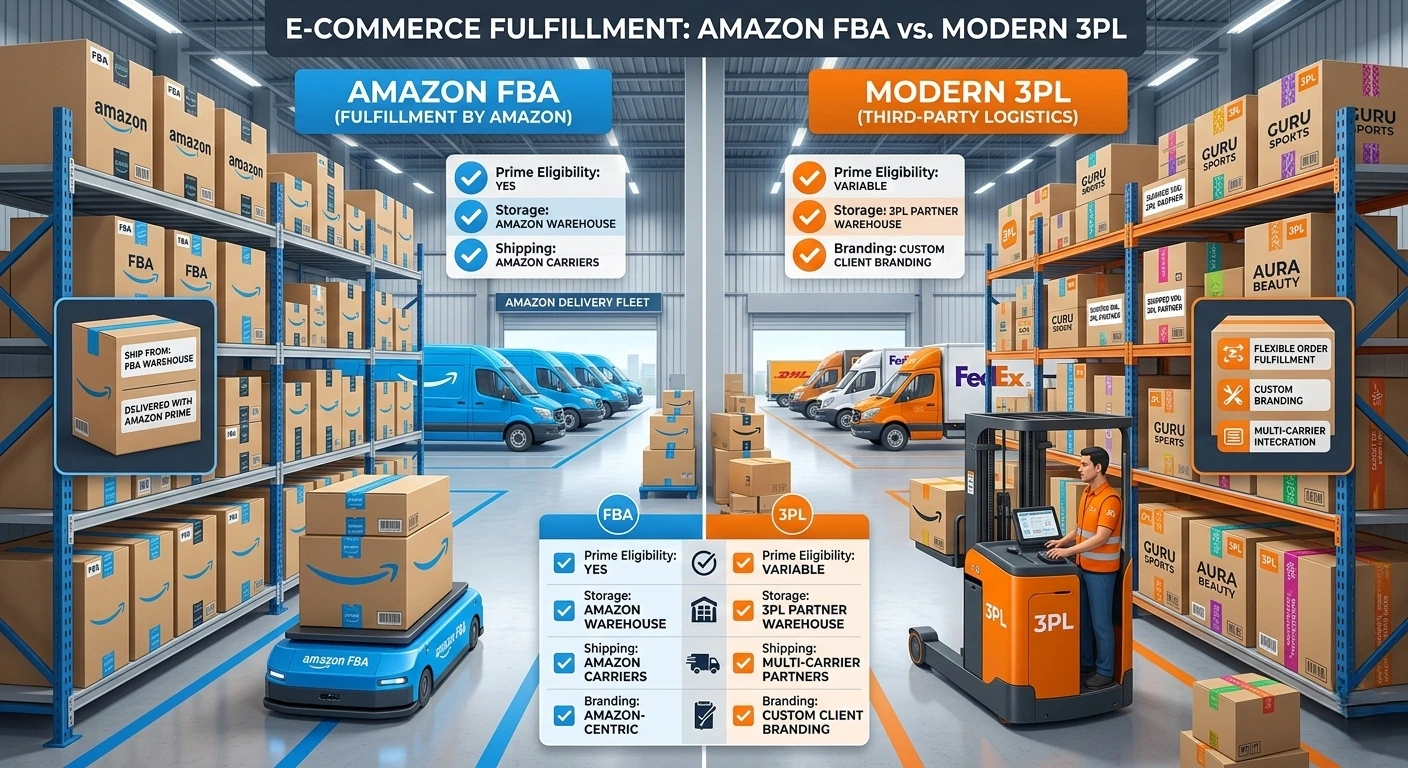
    Amazon offers Fulfillment by Amazon (FBA), a service where sellers store products in Amazon’s warehouses, and Amazon handles picking, packing, shipping, returns, and customer service.

    With FBA, your products qualify for Prime shipping, which can significantly boost conversion rates. For brands selling primarily on Amazon, this is a major advantage.

    However, understanding FBA fees is critical. These include storage fees, fulfillment fees, long-term storage penalties, and seasonal surcharges. While FBA simplifies operations, margins can shrink quickly if inventory turnover slows down.

    Benefits of Amazon FBA

    Prime eligibility and fast shipping
    Access to Amazon’s massive customer base
    Hands-off logistics management
    Built-in customer service and returns handling

    Limitations of Amazon FBA

    Limited branding control
    Complex and rising FBA fees
    Storage limits and restock restrictions
    Multi-channel fulfillment can be costly

    When comparing Amazon FBA vs 3PL, FBA works best for brands heavily dependent on Amazon’s ecosystem.

    What Is a 3PL?

    A Third-Party Logistics (3PL) provider is an independent company that stores inventory and fulfills orders on your behalf. Unlike FBA, a 3PL supports multiple sales channels including your website, marketplaces, and retail distribution.

    Many ecommerce businesses using Shopify rely on a 3PL for Shopify integration to automate order routing and inventory syncing.

    A 3PL offers broader ecommerce fulfillment solutions, including custom packaging, kitting, subscription boxes, and B2B shipping.

    Benefits of Using a 3PL

    Multi-channel fulfillment flexibility
    Stronger branding and packaging customization
    Transparent pricing models
    Better control over inventory distribution

    Limitations of a 3PL

    No built-in marketplace traffic
    You manage customer service separately
    Shipping speeds depend on warehouse locations

    For brands expanding beyond Amazon, Amazon FBA vs 3PL becomes less about convenience and more about control and scalability.

    Cost Comparison: FBA Fees vs 3PL Pricing

    Cost is often the deciding factor in the Amazon FBA vs 3PL debate.

    FBA fees are standardized but can be unpredictable due to peak season surcharges and storage penalties. Long-term storage especially impacts slow-moving products.

    A 3PL typically charges for storage (per pallet, bin, or cubic foot), pick and pack fees, shipping labels, and sometimes onboarding costs. While it may appear more complex, many brands find 3PL pricing more transparent over time.

    If your catalog includes oversized, seasonal, or bundled products, comparing Amazon FBA vs 3PL carefully can reveal major savings opportunities.

    Branding and Customer Experience

    Brand control is another critical factor in Amazon FBA vs 3PL.

    With FBA, orders arrive in Amazon-branded packaging. Customer data is limited, restricting your ability to build direct relationships.

    With a 3PL, you control packaging, inserts, promotional materials, and unboxing experiences. This is essential for DTC brands focused on loyalty and repeat purchases.

    For companies investing in premium ecommerce fulfillment solutions, a 3PL often provides the flexibility required to stand out in competitive markets.

    Multi-Channel Growth and Scalability

    If you plan to sell exclusively on Amazon, FBA may be sufficient. But most modern brands diversify across marketplaces, retail, and direct-to-consumer websites.

    In that scenario, Amazon FBA vs 3PL becomes a scalability question.

    A 3PL for Shopify stores enables seamless fulfillment across your website, Amazon, Walmart, and even wholesale accounts. You avoid splitting inventory across different systems, reducing stockouts and forecasting errors.

    Many growing brands actually adopt a hybrid model, using FBA for Amazon orders and a 3PL for all other channels. When evaluating Amazon FBA vs 3PL, hybrid logistics can offer the best of both worlds.

    Inventory Management and Flexibility

    Inventory restrictions are increasingly common within Amazon’s warehouses. Restock limits can disrupt sales momentum during peak seasons.

    A 3PL typically offers greater flexibility in inbound shipments and storage capacity. For brands launching new SKUs or running flash promotions, that flexibility can be invaluable.

    When analyzing Amazon FBA vs 3PL, consider how much operational control you want over forecasting and replenishment.

    Which Is Better for Growing Brands?

    There is no universal winner in the Amazon FBA vs 3PL comparison. The right solution depends on your growth stage and channel strategy.

    Choose FBA if:

    You sell primarily on Amazon
    Prime eligibility drives most of your revenue
    You prefer hands-off logistics

    Choose a 3PL if:

    You sell across multiple channels
    Branding and customer experience matter deeply
    You want predictable long-term fulfillment costs
    You need flexible ecommerce fulfillment solutions

    For many scaling brands, the smartest move isn’t Amazon FBA vs 3PL as an either-or decision. Instead, it’s about building a fulfillment strategy that evolves with your business.

    By carefully evaluating FBA fees, operational control, and multi-channel expansion plans, you can select the fulfillment infrastructure that supports sustainable, profitable growth.

  • Urban Logistics Hubs: Transforming City Supply Chains for Efficiency and Growth

    Urban Logistics Hubs: Transforming City Supply Chains for Efficiency and Growth

    As cities grow and e-commerce continues to surge, the demand for efficient and responsive supply chains has never been higher. Urban logistics hubs are emerging as a critical solution, enabling businesses to streamline operations, reduce delivery times, and improve sustainability in congested urban areas. These hubs are reshaping the way goods move in and out of cities, creating smarter, faster, and greener supply chains.

    Urban logistics hubs are centralized points within or near cities that consolidate goods from multiple suppliers before distributing them to their final destinations. By strategically locating these facilities, companies can reduce transportation costs, minimize congestion, and enhance the speed of deliveries, particularly in high-density urban environments.

    The Importance of Urban Logistics Hubs

    Urban logistics hubs play a pivotal role in modern supply chains. With the rise of e-commerce and consumer expectations for same-day or next-day delivery, traditional distribution models struggle to keep up. Hubs located close to city centers ensure that businesses can respond quickly to demand, reduce the number of long-distance trips, and optimize delivery routes.

    Key benefits include:

    • Shorter delivery times for consumers
    • Reduced traffic congestion and emissions
    • Cost savings on transportation and fuel
    • Enhanced visibility and control over inventory

    By centralizing distribution, urban logistics hubs enable more predictable and reliable city supply chains, meeting the demands of both businesses and residents.

    Last-Mile Delivery Hubs: Optimizing the Final Stretch

    A crucial function of urban logistics hubs is supporting last-mile delivery hubs. The last mile—the final leg of delivering goods to customers—is often the most complex and costly part of the supply chain. Urban hubs allow companies to stage deliveries closer to their destination, reducing travel distance and time while improving efficiency.

    Key strategies for last-mile optimization include:

    • Consolidating orders to reduce delivery trips
    • Using micro-distribution centers for high-density neighborhoods
    • Employing eco-friendly vehicles such as electric vans or cargo bikes
    • Leveraging real-time route optimization technologies

    With the integration of last-mile delivery hubs, urban logistics hubs not only enhance operational efficiency but also improve the customer experience by ensuring faster, more reliable deliveries.

    Sustainable City Logistics: A Greener Approach

    Urban logistics hubs are also at the forefront of sustainable city logistics. Cities face growing pressure to reduce emissions, lower traffic congestion, and promote eco-friendly practices. By consolidating shipments, optimizing routes, and deploying low-emission vehicles, urban hubs help reduce the environmental footprint of deliveries.

    Sustainable city logistics practices include:

    • Centralizing deliveries to minimize unnecessary trips
    • Encouraging shared logistics networks among multiple businesses
    • Implementing electric or hybrid vehicle fleets
    • Utilizing data analytics to predict demand and reduce idle transport

    These initiatives not only benefit the environment but also enhance corporate responsibility and reduce long-term operational costs.

    Designing Effective Urban Logistics Hubs

    Location is critical. Proximity to major transport arteries, population centers, and commercial districts ensures that hubs can operate efficiently. Additionally, hubs should be equipped with advanced technologies such as inventory management systems, automated sorting, and real-time tracking to manage the flow of goods effectively.

    Other considerations include:

    • Flexible storage options to accommodate varying inventory
    • Scalable operations to handle peak periods and seasonal demand
    • Integration with local regulations and city planning initiatives

    A well-designed urban logistics hub balances operational efficiency, sustainability, and cost-effectiveness while remaining adaptable to future growth and technological advancements.

    Challenges and Opportunities

    While the benefits are clear, urban logistics hubs face challenges, such as limited urban space, rising real estate costs, and regulatory constraints. Innovative solutions, including multi-story logistics centers, partnerships with municipal authorities, and investment in smart technologies, are helping to overcome these barriers.

    Opportunities for growth are also significant. With the continued expansion of e-commerce, rising consumer expectations, and the push for greener operations, urban logistics hubs will become increasingly essential in city supply chains. Companies that strategically invest in these hubs gain a competitive edge by delivering faster, more reliable, and sustainable services.

    The Future of Urban Logistics Hubs

    As cities evolve, urban logistics hubs will be central to creating resilient, efficient, and sustainable supply chains. By combining last-mile delivery hubs with smart, eco-friendly strategies, businesses can optimize operations while reducing congestion and emissions. The integration of technology, data-driven decision-making, and strategic location planning ensures these hubs remain a critical part of modern urban logistics.

    In conclusion, urban logistics hubs are more than storage facilities—they are the backbone of city supply chains. They support faster deliveries, lower environmental impact, and drive economic growth. Companies that embrace this model can meet the demands of modern consumers while contributing to sustainable urban development.

  • How to Choose the Best Shipping Partners for Your Business

    How to Choose the Best Shipping Partners for Your Business

    Shipping plays a critical role in the success of any business, especially for e-commerce companies. Selecting the best shipping partners ensures timely deliveries, customer satisfaction, and cost efficiency. With numerous options available, making the right choice requires careful evaluation of services, reliability, and compatibility with your business needs.

    Choosing the best shipping partners goes beyond simply picking the cheapest provider. It involves analyzing services, tracking capabilities, and delivery speed to ensure a seamless experience for your customers. Using courier comparison tools and exploring modern ecommerce shipping solutions can help streamline this process.

    Why Selecting the Best Shipping Partners Matters

    Reliable shipping partners impact customer trust and retention. Late deliveries, lost packages, or damaged items can harm your reputation. The best shipping partners minimize these risks, ensuring your products reach customers safely and on time.

    Additionally, strategic shipping partnerships can reduce operational costs. By choosing providers that align with your shipping volume and destinations, businesses can negotiate better rates, optimize logistics, and enhance profitability.

    Key Factors to Consider

    Delivery Speed and Reliability

    Delivery time is a major factor when selecting the best shipping partners. Customers expect fast, accurate deliveries, especially in e-commerce. Evaluate potential partners based on their transit times, service level agreements, and historical reliability.

    Coverage and Network

    The reach of a shipping partner matters. Choose providers that cover your target regions efficiently. The best shipping partners often offer domestic and international services, with a strong distribution network to reduce delays.

    Shipping Costs and Flexibility

    While cost shouldn’t be the only consideration, it’s essential to balance price with service quality. Look for shipping partners offering flexible plans, bulk discounts, and transparent pricing. Conduct courier comparison to understand how each option aligns with your budget and requirements.

    Tracking and Technology

    Modern customers expect real-time tracking and updates. Shipping partners with advanced tracking systems enhance transparency and customer satisfaction. Integration with your order management system is a key feature of top ecommerce shipping solutions.

    Customer Service and Support

    Issues can arise during shipping, from delays to damaged goods. Reliable customer support ensures problems are addressed quickly. The best shipping partners provide responsive service, clear communication, and dedicated support channels.

    Using Courier Comparison to Make the Right Choice

    A courier comparison helps businesses evaluate multiple shipping providers on critical factors like cost, delivery time, and reliability. Comparison tools allow you to see which partners offer the best combination of services, ensuring informed decisions.

    Regularly reviewing your shipping strategy through courier comparison can also highlight areas for improvement, helping your business adapt to changing market demands and customer expectations.

    Integration with E-Commerce Shipping Solutions

    Integration with ecommerce shipping solutions simplifies the shipping process. Platforms that automate label printing, tracking updates, and route optimization reduce manual effort and errors.

    The best shipping partners often provide API access or plug-ins that integrate with popular e-commerce platforms. This seamless connection enhances efficiency and improves the overall customer experience.

    Consider Scalability

    As your business grows, your shipping needs will evolve. Choose partners capable of scaling with you. The best shipping partners can handle increased volumes, expand service coverage, and support seasonal spikes without compromising service quality.

    Scalable solutions also allow integration with new ecommerce shipping solutions, ensuring long-term operational flexibility.

    Sustainability and Eco-Friendly Options

    Sustainability is becoming increasingly important. Many shipping partners offer eco-friendly options like carbon-neutral deliveries or reusable packaging. Choosing the best shipping partners with sustainable practices not only supports the environment but also appeals to eco-conscious customers.

    Building Strong Partnerships

    Shipping is a long-term investment. Developing a strong relationship with your best shipping partners can lead to better rates, priority service, and collaborative problem-solving. Communication and mutual understanding are key to maximizing the benefits of these partnerships.

    Final Thoughts

    Choosing the best shipping partners is a critical decision for any business. Factors like delivery speed, reliability, network coverage, cost, and customer support should guide your choice. Leveraging courier comparison tools and modern ecommerce shipping solutions ensures you select providers that align with your goals.

    By investing time in selecting the right shipping partners, businesses can improve efficiency, enhance customer satisfaction, and build a strong foundation for growth. The right partnerships create a seamless shipping experience that supports long-term success and competitiveness in the marketplace.