Tag: online shopping

  • DDP vs DAP: Which Shipping Term Saves You More Money?

    DDP vs DAP: Which Shipping Term Saves You More Money?

    If you import or export goods, you’ve likely come across the terms DDP and DAP shipping. These are Incoterms® used to define who handles costs, responsibilities, and risks during international shipping. Understanding DDP vs DAP shipping is essential for avoiding unexpected fees, delivery delays, and frustrated customers. In this guide, we break down each term clearly so you can choose the right option for your shipments.

    What Does DDP Mean?

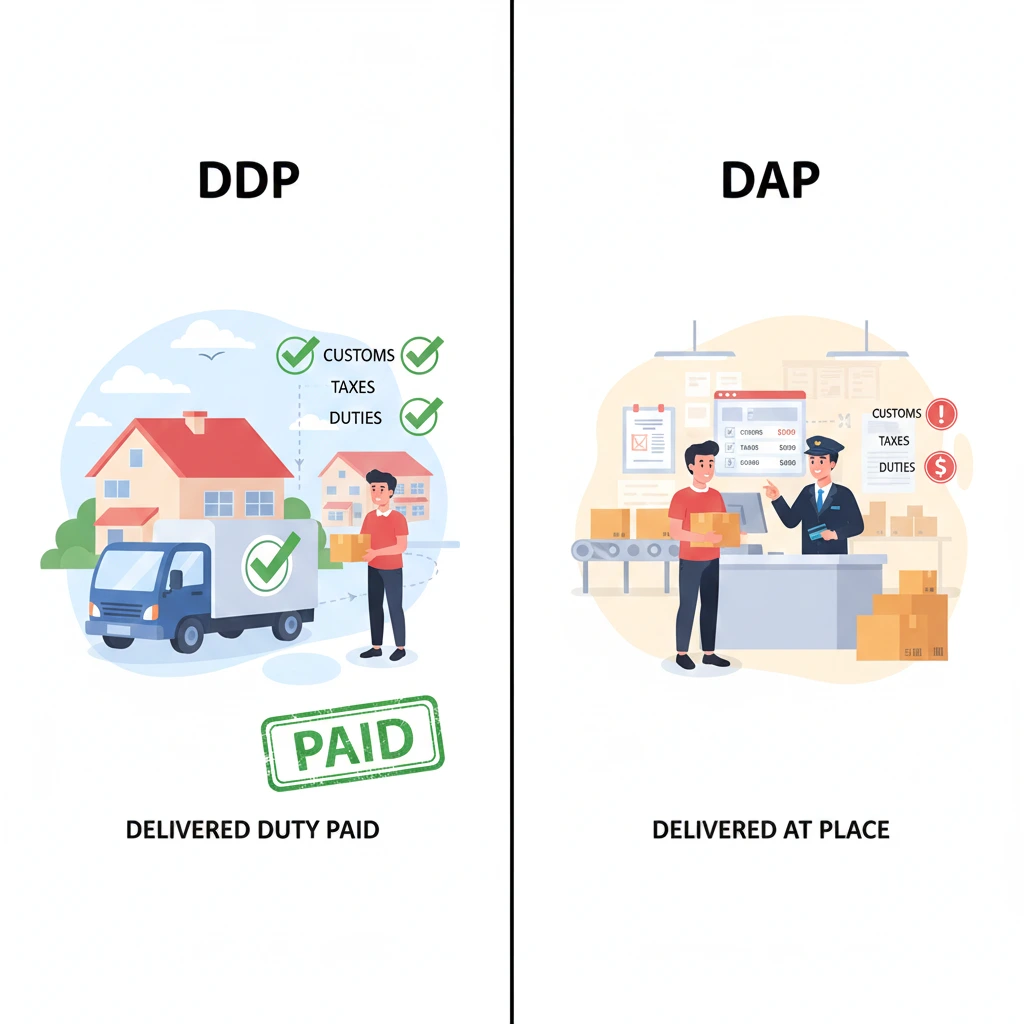
    DDP (Delivered Duty Paid) is a shipping term that places maximum responsibility on the seller. Under DDP shipping, the seller is responsible for:

    • Export customs
    • Shipping and freight
    • Import duties and taxes
    • Customs clearance
    • Final delivery to the buyer

    In simple terms, DDP shipping means the seller handles every part of the shipping process until the product reaches the buyer’s door.

    When to Use DDP

    DDP is ideal when the seller has strong logistics experience or wants to offer a seamless buying experience. It is commonly used in eCommerce, global wholesale, and dropshipping.

    Pros of DDP Shipping

    • Buyer has zero import responsibilities
    • Predictable total landing cost
    • Reduced delays at customs

    Cons of DDP Shipping

    • Seller must know import rules for the buyer’s country
    • Higher upfront costs for the seller
    • Incorrect declarations can create legal issues

    What Does DAP Mean?

    DAP (Delivered At Place) means the seller ships the goods to an agreed location, but the buyer is responsible for import duties, taxes, and customs clearance.

    Under DAP shipping, the seller covers:

    • Export customs
    • Shipping and freight
    • Transport to the delivery location

    The buyer covers:

    • Import duties
    • VAT or GST
    • Customs clearance fees

    When to Use DAP

    DAP is ideal when the buyer is familiar with their local customs regulations and prefers to control the import process.

    Pros of DAP Shipping

    • Lower cost for the seller
    • Buyer can choose their customs broker
    • Reduced risk for exporters

    Cons of DAP Shipping

    • Buyers may face surprise import taxes
    • Customs delays are more common
    • Buyers may not fully understand import requirements

    DDP vs DAP Shipping – The Key Differences

    Understanding the difference between DDP vs DAP shipping comes down to responsibility and cost.

    1. Who Pays Import Duties?

    • DDP: The seller pays import duties
    • DAP: The buyer pays import duties

    This is the biggest difference and the one that most directly affects the customer experience.

    2. Who Handles Customs Clearance?

    • DDP: The seller handles import customs clearance
    • DAP: The buyer must clear customs

    3. Who Bears the Risk?

    Risk shifts at different points depending on the Incoterm.

    • DDP: Seller holds risk until final delivery
    • DAP: Seller holds risk until the goods reach the agreed location (before customs clearance)

    4. Who Has the Most Control?

    • DDP: Seller controls the entire shipping process
    • DAP: Buyer controls the import process

    5. Cost Differences

    DDP is usually more expensive because the seller pays duties and taxes.
    DAP is usually cheaper for the seller but may be more expensive for the buyer at delivery.

    Table: DDP vs DAP at a Glance

    FactorDDPDAP
    Who pays import duties?SellerBuyer
    Who clears customs?SellerBuyer
    Final deliveryTo buyer’s doorTo agreed place (before customs)
    Risk for sellerHighMedium
    Cost for buyerHigher upfront but predictableLower upfront but taxes at delivery

    Which Is Better: DDP or DAP?

    Choosing between DDP vs DAP shipping depends on your role and priorities.

    Best for Sellers

    DDP shipping is better if you want to offer a frictionless buying experience—especially in global eCommerce. Customers prefer knowing the full cost upfront without surprise taxes.

    Best for Buyers

    DAP shipping is better if you prefer handling your own customs clearance or want to choose your own customs broker to reduce costs.

    Common Problems with DDP Shipping

    Although DDP offers convenience, it can also lead to challenges:

    1. Restricted Carrier Policies

    Some couriers have strict rules about third-party customs clearance, making DDP difficult.

    2. Miscalculated Duties

    If the seller miscalculates import taxes, they may face fines or delays.

    3. Country Restrictions

    Certain countries don’t allow DDP shipments due to local regulations.

    Common Problems with DAP Shipping

    DAP is more flexible for sellers, but buyers sometimes struggle with:

    1. Surprise Duty Fees

    Buyers may not know they must pay duties until the carrier requests payment.

    2. Customs Delays

    Incorrect paperwork or missing information can slow down delivery.

    3. Customer Frustration

    Online shoppers often dislike receiving a duty bill at their door.

    How to Choose Between DDP and DAP for Your Business

    Here’s a quick checklist to help you decide:

    Choose DDP if:

    • You want to offer a smooth customer experience
    • You understand international tax rules
    • You want fewer abandoned carts in eCommerce
    • You ship to countries with predictable customs fees

    Choose DAP if:

    • Your buyer prefers handling customs
    • You want to avoid high import taxes
    • Your shipments are high-risk or bulky
    • You’re unfamiliar with the buyer’s customs regulations

    Final Thoughts: DDP vs DAP Shipping – Which One Is Right for You?

    Both DDP and DAP shipping play important roles in international trade. The best choice depends on how much responsibility each party wants to take on. If you want to give your customers a stress-free, all-inclusive delivery, DDP shipping is the better option. But if your buyers prefer controlling customs or you want to avoid import complexities, DAP shipping is the smarter choice.

  • Shipping Insurance: Smart Protection or Wasted Money?

    Shipping Insurance: Smart Protection or Wasted Money?

    When you’re sending valuable or time-sensitive packages, one question often comes to mind: is shipping insurance worth it? Whether you run an eCommerce store or ship personal items, protecting your package from loss, theft, or damage can save you from unnecessary stress and financial loss. In this blog, we’ll break down what shipping insurance is, when you should consider it, and whether the cost truly matches the benefits.

    What Is Shipping Insurance?

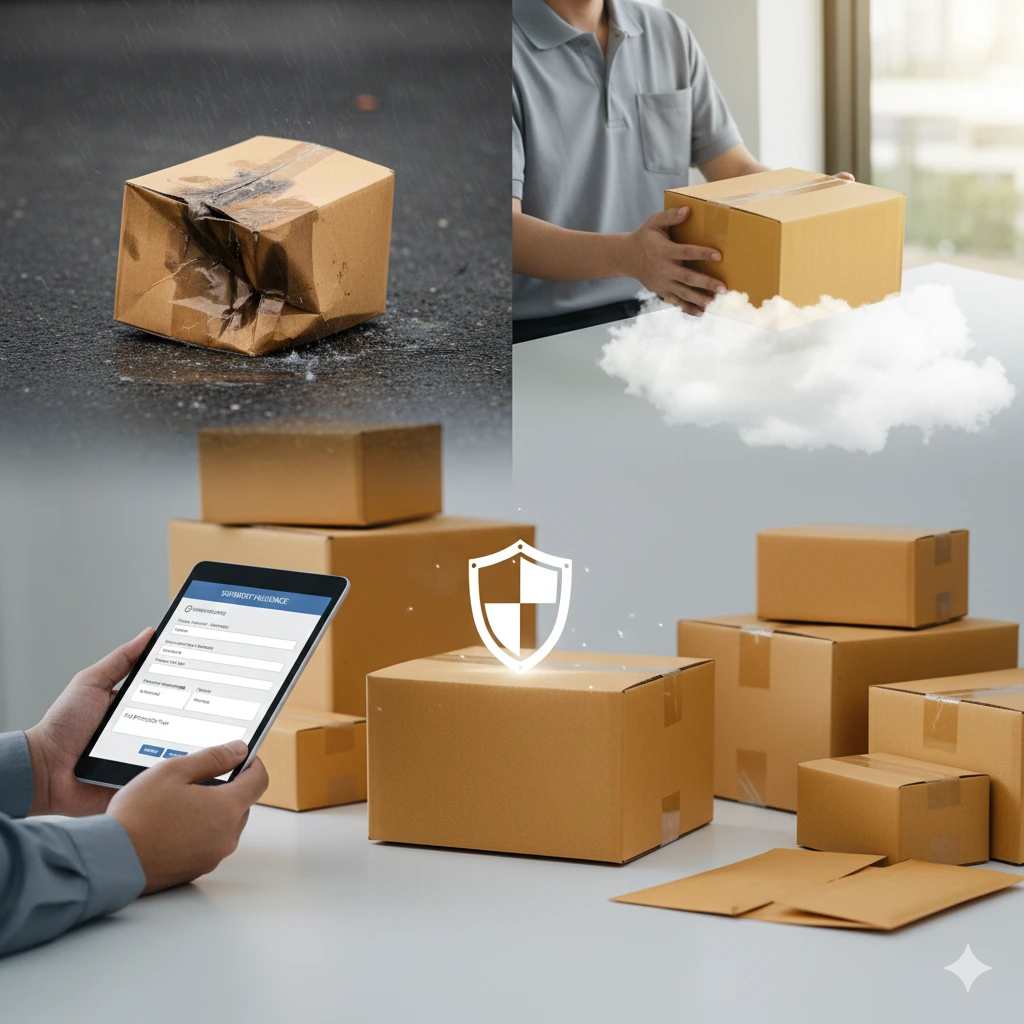
    Shipping insurance is a service that protects your package in case it gets lost, damaged, or stolen during transit. Carriers like UPS, USPS, FedEx, and DHL offer insurance options, while third-party services often provide cheaper rates with broader coverage. For both businesses and individuals, insurance provides peace of mind—especially when sending high-value items.

    Why Do People Choose Shipping Insurance?

    Before asking is shipping insurance worth it, it’s important to understand why people use it at all. Some common reasons include:

    Protection Against Loss

    Packages sometimes go missing due to misrouting, human error, or carrier issues. With shipping insurance, the value of your item is protected.

    Coverage for Damage

    Fragile packages, electronics, and expensive goods are at higher risk. Insurance ensures you’re compensated if the item arrives broken.

    Compensation for Theft

    Package theft has increased dramatically in recent years, especially for doorstep deliveries. Insurance protects you if your parcel is stolen before reaching the recipient.

    When Is Shipping Insurance Worth It?

    Whether or not shipping insurance is worth it depends on several factors:

    1. The Value of Your Item

    If you are shipping something worth more than the carrier’s included coverage—often between $50–$100 depending on the service—insurance becomes a smart choice.

    2. Fragile or High-Risk Items

    Products like electronics, jewelry, glassware, or artwork are more likely to break. For these, shipping insurance is usually recommended.

    3. International Shipments

    International shipping increases the chances of loss, damage, customs delays, or mishandling. Insurance is extremely helpful when items travel long distances through multiple checkpoints.

    4. Business Shipments

    If you run a business, customer trust depends on reliable delivery. Losing an uninsured package could cost you money and reputation. Most eCommerce companies insure at least their high-value orders.

    How Much Does Shipping Insurance Cost?

    Costs vary depending on the carrier, the declared value, and the destination. On average:

    • USPS insurance: A few dollars for packages under $200
    • UPS and FedEx: Slightly higher but with detailed tracking
    • Third-party insurance: Often 30–50% cheaper than carriers

    If you ship frequently, these savings can add up. Many eCommerce sellers choose third-party providers for this reason.

    The Benefits of Shipping Insurance

    Financial Protection

    The biggest reason to get shipping insurance is to avoid paying out of pocket if something goes wrong. A small insurance fee can save you hundreds—or even thousands—of dollars.

    Peace of Mind

    Knowing your package is protected eliminates stress, especially for important items like documents, gifts, or valuable merchandise.

    Enhanced Customer Satisfaction

    For businesses, fast and fair replacements make customers feel more secure shopping with you. Offering insured shipping boosts professionalism and trust.

    The Drawbacks of Shipping Insurance

    Extra Cost

    Although it’s often affordable, the cost can add up for frequent shippers. Small businesses must decide if it’s worth the investment.

    Claim Processes Can Be Slow

    Some carriers have complicated or lengthy claim processes, requiring proof of value and packaging. Third-party insurers are usually faster.

    May Not Cover Everything

    Certain items—cash, perishable goods, or prohibited materials—may not qualify for coverage. Reading the fine print is essential.

    How to Decide If You Need Shipping Insurance

    Consider Your Item’s Value

    If replacing the item would hurt your budget, insurance is a smart choice.

    Think About the Shipping Distance

    Longer shipping routes increase risk. For international shipments, insurance is almost always worth it.

    Evaluate the Recipient’s Location

    Urban areas with high package-theft rates or remote locations with unpredictable delivery conditions add risk.

    Calculate Your Long-Term Costs

    Businesses should analyze annual losses versus insurance expenses. Most find that shipping insurance reduces overall costs.

    Tips for Using Shipping Insurance Effectively

    Keep Proof of Value

    Receipts, invoices, or purchase confirmations make claims easier.

    Package Items Securely

    Carriers may deny claims for poor packaging. Use bubble wrap, padding, and sturdy boxes.

    Use Tracking and Delivery Confirmation

    These services strengthen your claims and improve delivery accuracy.

    Compare Insurance Providers

    Different carriers and third-party companies offer varying rates and coverage. Choose the one that best fits your needs.

    Is Shipping Insurance Worth It for Businesses?

    For eCommerce stores, shipping insurance is typically worth it. Customers expect fast and reliable deliveries, and insurance helps businesses maintain that standard. Lost or damaged packages without insurance can lead to refunds, negative reviews, and profit loss.

    Some businesses use automated insurance platforms that insure every order over a specific value. This ensures consistency and protects the company from unexpected expenses.

    Is Shipping Insurance Worth It for Personal Packages?

    If you’re sending valuable gifts, important legal documents, or fragile items, then yes—personal shippers also benefit from insurance. However, if the item is inexpensive or easily replaceable, you may not need it.

    Final Verdict: Is Shipping Insurance Worth It?

    In most cases, shipping insurance is worth it, especially for high-value, fragile, or international shipments. While the extra cost may seem unnecessary for low-value items, insurance provides essential protection when the risk of loss or damage is high. Whether you’re a small business owner or an individual sending a priceless gift, shipping insurance can save you from financial and emotional stress.

    By evaluating item value, carrier reliability, and shipping risks, you can make an informed decision every time you ship.

  • How to Reduce ACOS for E-Commerce Fulfilment

    How to Reduce ACOS for E-Commerce Fulfilment

    Reducing ACOS (Advertising Cost of Sale) is one of the most important goals for e-commerce brands that rely on paid advertising to drive sales. High ACOS means you are spending too much on ads compared to what you earn, which can cut into profits and make scaling difficult. The secret to lowering ACOS is not just better advertising—it also involves optimising your e-commerce fulfilment, product listings, pricing, and operations. When your fulfilment process is strong, customers receive orders faster, leave better reviews, and increase your conversion rate, all of which directly reduce ACOS.

    In this blog, we explore practical strategies to reduce ACOS through improved fulfilment operations, smarter advertising, and better optimisation across your entire e-commerce workflow.

    Understanding ACOS and Why It Matters

    ACOS is a key metric used in platforms like Amazon Ads, Walmart Ads, and other marketplaces. It is calculated as:

    ACOS = (Ad Spend ÷ Ad Revenue) × 100

    A lower ACOS means your ads are more efficient and generate more revenue relative to the cost. A higher ACOS indicates that your ads are underperforming, either due to low conversion, poor keyword targeting, or operational issues like slow fulfilment and high return rates.

    How E-Commerce Fulfilment Impacts ACOS

    Most sellers focus only on bidding strategies or keywords when trying to lower ACOS, but your fulfilment performance has a huge influence on ad efficiency. Poor fulfilment leads to:

    Lower conversion rate
    Lower product ranking
    Higher return rate
    Poor customer reviews
    Delayed delivery tags on listings
    Reduced Buy Box eligibility

    These issues reduce your conversions, meaning you need to spend more on ads to get the same number of sales. That pushes ACOS up.

    Improving fulfilment increases customer satisfaction, boosts conversions, and raises listing quality—all of which reduce ACOS.

    Top Strategies to Reduce ACOS for E-Commerce Fulfilment

    1. Improve Delivery Speed and Accuracy

    Fast delivery is now an expectation in e-commerce. Customers prefer products that arrive quickly and reliably. Slow fulfilment lowers conversion rates, forcing you to spend more on ads to compensate.

    How to improve delivery speed:
    Use distributed warehousing to store inventory closer to customers
    Leverage a reliable 3PL fulfilment partner
    Use automated systems for order processing
    Improve packaging and picking accuracy

    Faster delivery gives your listings “fast delivery” tags, which increases clicks and conversions—reducing ACOS.

    2. Maintain Healthy Inventory Levels

    Stockouts can destroy your ACOS. When your item runs out of stock, your ads stop converting, but you may still be charged for clicks. After restocking, your listing may lose ranking, increasing advertising costs.

    To avoid this:
    Use real-time inventory tracking
    Implement demand forecasting
    Keep safety stock
    Work with fulfilment partners who send inventory alerts

    Healthy stock levels ensure that your ads always drive conversions, lowering your ACOS.

    3. Improve Product Listings for Higher Conversion

    Well-optimised listings convert more customers from each ad click, reducing ACOS naturally.

    Optimise your listings with:
    High-quality images
    Clear product titles
    SEO-driven descriptions
    Bullet points that highlight benefits
    Accurate specifications
    Strong keywords

    Highlight e-commerce fulfilment features such as fast delivery, easy returns, and local warehousing. These increase customer trust.

    Higher conversion = lower ACOS.

    4. Use Keyword Optimisation and Negative Keywords

    Many brands waste ad spend on irrelevant keywords. This increases clicks but not sales, pushing ACOS higher.

    To fix this:
    Conduct keyword research
    Use negative keywords to filter irrelevant traffic
    Pause low-performing keywords
    Bid higher on high-converting terms
    Test long-tail keywords

    Smarter targeting leads to better ROI and reduces ACOS immediately.

    5. Reduce Return Rates Through Better Fulfilment

    Returns cost money and affect ACOS indirectly: when customers return products, your true profit shrinks, making ACOS look worse.

    Reduce returns by:
    Improving packaging
    Ensuring accurate product descriptions
    Offering reliable order tracking
    Using quality checks during fulfilment

    Lower returns lead to healthier margins and reduced ACOS.

    6. Improve Customer Reviews and Seller Ratings

    A poor rating reduces click-through rate (CTR) and conversion rate. A strong rating improves both, which reduces ACOS.

    Improve ratings by:
    Reliable fulfilment
    Faster shipping
    Proactive customer support
    Automated review requests

    Customers trust listings with strong ratings, which lowers your advertising cost per sale.

    7. Use Smart Pricing Strategies

    Pricing directly affects conversion rate. Even the best ads cannot convert if the price is too high compared to competitors.

    Optimise pricing with:
    Competitive pricing tools
    Bundle offers
    Seasonal discounts
    Inventory-based pricing

    Better pricing increases conversions and decreases ACOS.

    8. Automate Order Processing

    Manual fulfilment is slow and error-prone. Automation reduces fulfilment issues and speeds up delivery.

    Use tools that automate:
    Order routing
    Picking and packing
    Shipping label generation
    Inventory syncing

    Automation improves fulfilment efficiency, increases conversions, and supports lower ACOS.

    9. Use a 3PL to Enhance Fulfilment Efficiency

    A professional 3PL (third-party logistics) provider helps reduce ACOS by improving overall fulfilment performance. A good 3PL provides:

    Fast deliveries
    Optimised warehousing
    Real-time tracking
    Inventory forecasting
    Accurate order processing

    With better fulfilment, your ads convert more efficiently and cost less per sale.

    10. Monitor ACOS and Optimise Regularly

    ACOS should be reviewed frequently. Small improvements in fulfilment or listing quality can cause big changes.

    Monitor:
    Keyword performance
    Click-through rate
    Conversion rate
    Delivery speed
    Return rate
    Inventory levels

    A data-driven approach helps maintain a healthy ACOS over time.

    Final Thoughts

    Lowering ACOS for e-commerce fulfilment is not about cutting ad spend—it is about improving every stage of your selling process. From fast delivery and strong inventory management to optimised product listings and smart keyword targeting, each improvement boosts your conversion rate and reduces ad costs.

    By enhancing fulfilment operations, you build trust with customers, rank better on marketplaces, and make every advertising dollar more effective. This leads to lower ACOS, higher profit margins, and long-term business growth.

  • Top Trends in Logistics: Delivery Innovations in the Last Mile

    Top Trends in Logistics: Delivery Innovations in the Last Mile

    In today’s fast-paced e-commerce world, last‑mile delivery has become one of the most critical—and challenging—aspects of the supply chain. As consumer expectations for speed, transparency, and sustainability grow, logistics companies are pushing the boundaries of innovation. Here are some of the top trends transforming last‑mile logistics and delivery operations.

    The Rise of Autonomous Delivery Vehicles

    One of the most disruptive delivery innovations is the use of autonomous vehicles. Self-driving vans, delivery robots, and even small self-navigating pods are being deployed to handle the last leg of a package’s journey. These autonomous solutions can dramatically reduce labor costs, minimize delivery times, and operate during off-peak hours without human supervision. For logistics companies, investing in robotic delivery systems offers a scalable way to tackle urban congestion and improve overall route efficiency.

    Drones Flying for Faster Deliveries

    Drone delivery is no longer a vision of the future—it’s happening now. Unmanned aerial vehicles (UAVs) are being used to deliver small, lightweight parcels directly to customers’ doorsteps. This technology is especially useful in remote or hard-to-reach areas where traditional vehicle-based delivery is inefficient. With regulatory progress and improvements in battery life, drones are accelerating ultra-fast delivery options and pushing the envelope on how quickly goods can reach customers.

    Micro‑fulfillment and Urban Warehousing

    To shorten delivery distances and speed up order fulfillment, logistics companies are embracing micro‑fulfillment centers in urban areas. These miniature warehouses are often located inside cities and use automated storage and retrieval systems (AS/RS) to rapidly pick and dispatch goods. By bringing inventory closer to customers, micro‑fulfillment helps reduce delivery times, lower transportation costs, and cut greenhouse gas emissions.

    Crowd‑Shipping and Peer‑to‑Peer Delivery

    Another emerging trend is crowd‑shipping, where everyday people act as couriers. In this model, local individuals pick up and deliver packages during their regular commute. This peer-to-peer approach leverages the community to handle last‑mile delivery, reducing reliance on traditional courier networks. It’s efficient, flexible, and scalable—especially in densely populated areas where people are already traveling frequently.

    Smart Routing Powered by AI and Data Analytics

    Advanced route optimization tools powered by AI, machine learning, and big data are reshaping how deliveries are planned. Instead of fixed routes, logistics companies now use real-time traffic data, weather forecasts, and delivery density patterns to dynamically adjust routes. These intelligent systems not only reduce fuel consumption but also improve delivery speed and driver productivity.

    Real‑Time Tracking and Customer Transparency

    Today’s consumers demand full visibility into their shipments—where the package is, when it will arrive, and any potential delays. Logistics providers are responding with real-time tracking systems, mobile delivery apps, and push notifications. Using GPS, IoT sensors, and smart logistics platforms, companies can offer more transparent last‑mile delivery experiences, helping to boost customer satisfaction.

    Eco‑Friendly and Electric Delivery Fleets

    Sustainability is no longer optional. Many logistics firms are switching to electric delivery vehicles, e-bikes, and even cargo scooters to reduce their carbon footprint. These eco‑friendly vehicles are ideal for urban deliveries because they produce fewer emissions, help reduce noise pollution, and are more energy‑efficient in stop-and-go city traffic. Adopting green fleets is becoming a key competitive differentiator for companies focused on sustainable last‑mile logistics.

    Smart Lockers and Pickup Points

    Parcel lockers, parcel boxes, and pickup points are becoming widespread in residential complexes, convenience stores, and public spaces. These contactless delivery options allow customers to collect packages at their convenience, cutting down on failed delivery attempts and reducing the number of miles driven by couriers. Smart lockers with digital access codes or QR-based opening mechanisms improve security and offer a seamless experience.

    Delivery Robots and Sidewalk Couriers

    Ground-level delivery robots are gaining traction, particularly in urban environments. These small autonomous devices travel on sidewalks and pavements, carrying parcels from micro‑hubs to customers’ homes. Equipped with sensors and cameras, these robots can navigate pedestrian areas safely. Robotic couriers offer a cost-effective, last-mile option that complements traditional delivery vehicles.

    Predictive Delivery and Demand Forecasting

    Predictive analytics is playing a growing role in logistics. By analyzing historical order data, seasonal trends, and real-time demand signals, logistics companies can forecast where and when packages will be needed. This capacity to predict demand enables them to position inventory strategically, allocate delivery resources efficiently, and reduce delivery times—all while minimizing costs.

    Subscription-Based Delivery and Scheduled Drops

    Subscription models and scheduled delivery windows are becoming increasingly popular. Customers can choose weekly, monthly, or recurring deliveries for items they regularly need (groceries, personal care products, etc.). Scheduled drops—where customers pick a time slot for delivery—allow logistics providers to batch orders intelligently and optimize delivery routes. This system improves efficiency and greatly enhances the customer experience.

    Augmented Reality (AR) for Delivery Planning

    Augmented Reality (AR) is being experimented with for delivery planning and driver assistance. AR apps can help drivers navigate complex buildings, find apartment units, or identify drop-off locations more easily. In dense or unfamiliar urban areas, AR navigation tools can reduce delivery time, avoid misdeliveries, and improve first‑time delivery success rates.

    Blockchain for Verification & Transparency

    Blockchain technology is being leveraged to increase transparency and security in the supply chain. By using blockchain-powered ledgers, logistics companies can create immutable records of package handling, chain of custody, and delivery confirmation. This helps build trust, reduce fraud, and ensure accountability in the last mile—especially for high-value items or sensitive shipments.

    Robotics and Automation in Sorting

    Advanced automation is not limited to vehicles; it also affects the sorting process. Robotic sorting systems, conveyor belts, and automatic parcel scanners in micro‑fulfillment centers enhance throughput and accuracy. These robotics-driven sorting operations reduce human error and help expedite the movement of packages from warehouse to final delivery.

    Challenges and Considerations

    Even with all these innovations, last‑mile delivery faces significant challenges. Scaling autonomous vehicles and drones requires regulatory approvals and infrastructure investment. Crowd‑shipping raises questions about liability, insurance, and customer trust. Deploying electric fleets demands access to charging infrastructure. Logistics companies must balance innovation with cost management, safety, and operational reliability.

    Looking Ahead: What’s Next for Last‑Mile Innovation?

    The future of the last mile is likely to be even more technology-driven, connected, and sustainable. We can expect wider adoption of hybrid delivery models combining drones, robots, and traditional fleets. 5G-enabled logistics will power real-time data sharing and ultra-low-latency route updates. AI-driven decision-making will further optimize everything from resource allocation to customer communications. With consumer demands climbing—and environmental pressures increasing—next‑generation delivery innovations will continue to reshape the logistics landscape.

  • What is Dead Stock in E-commerce Fulfilment

    What is Dead Stock in E-commerce Fulfilment

    Introduction to Dead Stock in E-commerce

    In the fast-paced world of e-commerce, inventory management plays a critical role in ensuring business efficiency and profitability. One term that frequently arises in discussions about inventory management is dead stock. Understanding what dead stock is, why it occurs, and how to manage it effectively is crucial for e-commerce businesses looking to optimize their fulfilment operations and reduce losses. This blog will provide an in-depth guide to dead stock in e-commerce fulfilment, exploring its causes, impact, and strategies to minimize its occurrence.

    Defining Dead Stock in E-commerce Fulfilment

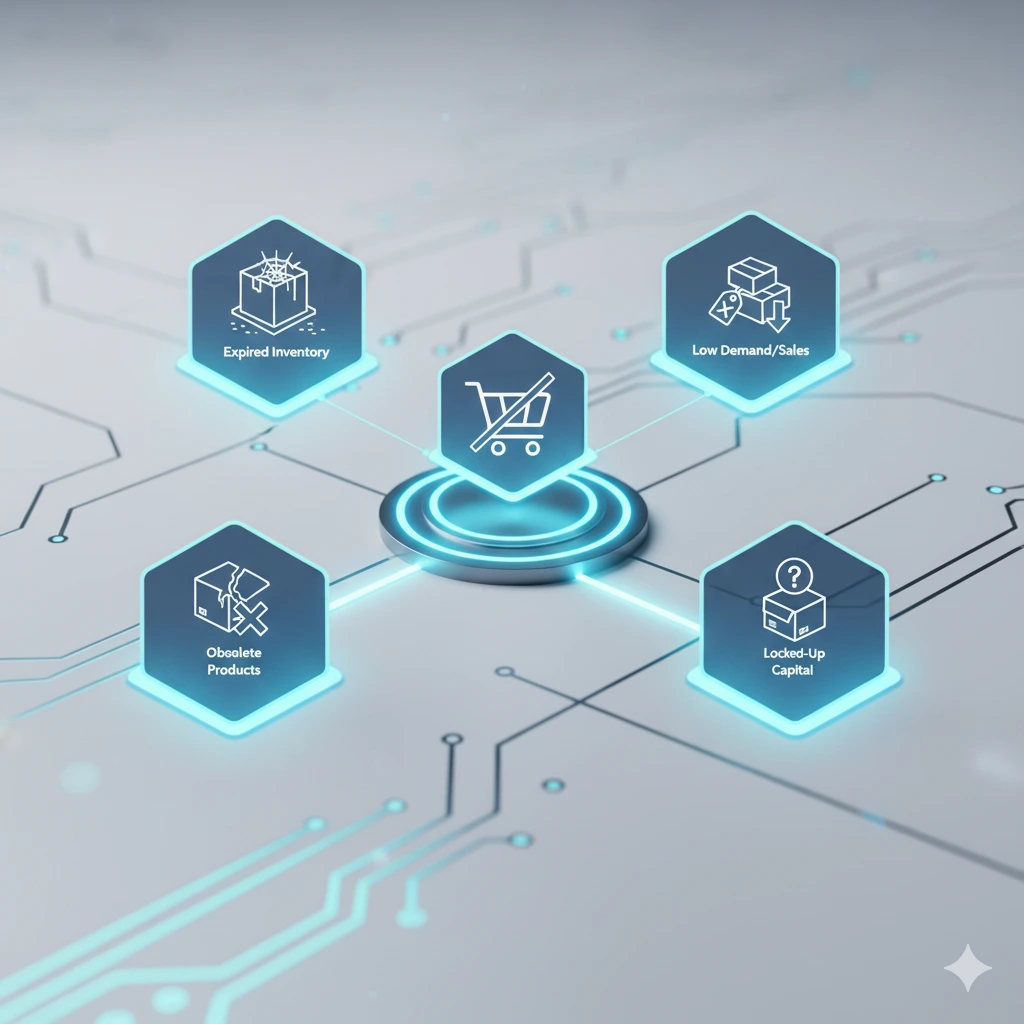
    Dead stock, also known as obsolete inventory, refers to products that remain unsold in a warehouse or storage facility for an extended period. These items are not moving due to lack of demand, seasonal changes, or overstocking. Dead stock ties up valuable storage space, affects cash flow, and can lead to increased operational costs if not managed effectively. In e-commerce, where fast inventory turnover is critical, dead stock can severely impact profitability and overall supply chain efficiency.

    Causes of Dead Stock in E-commerce

    Understanding the reasons behind dead stock is essential for preventing its accumulation. Several factors contribute to dead stock in e-commerce fulfilment:

    1. Poor Demand Forecasting

    Incorrect predictions about customer demand often result in overstocking items that may not sell. Without accurate data on market trends, businesses risk ordering excess inventory that ultimately becomes dead stock.

    2. Seasonal Products

    Products tied to specific seasons or events can become dead stock if not sold within the intended timeframe. For example, holiday-themed merchandise or summer apparel may remain unsold if demand is miscalculated.

    3. Product Obsolescence

    Technological advancements or changing consumer preferences can render certain products obsolete. Electronics, fashion items, and gadgets are particularly prone to becoming dead stock when newer models or trends emerge.

    4. Inefficient Inventory Management

    Lack of proper inventory tracking and warehouse management can lead to dead stock. Without real-time visibility into inventory levels, businesses may reorder products unnecessarily or fail to promote slow-moving items.

    5. Excessive Bulk Ordering

    E-commerce businesses often order in bulk to reduce per-unit costs. While cost-effective, bulk purchasing can result in surplus inventory if sales projections are not accurate, contributing to dead stock accumulation.

    Impact of Dead Stock on E-commerce Fulfilment

    Dead stock has several negative implications for e-commerce businesses, affecting both operational efficiency and financial performance.

    1. Increased Storage Costs

    Dead stock occupies warehouse space that could otherwise be used for faster-moving products. This leads to higher storage costs and reduces the efficiency of warehouse operations.

    2. Cash Flow Issues

    Investing in inventory that does not sell ties up capital, restricting the business’s ability to invest in new products or other growth opportunities.

    3. Reduced Profit Margins

    Dead stock often requires markdowns or clearance sales to move, which can significantly reduce profit margins.

    4. Operational Inefficiency

    Managing dead stock requires additional labor for tracking, moving, and sometimes disposing of unsold items. This can slow down warehouse operations and reduce overall fulfilment efficiency.

    5. Negative Environmental Impact

    In some cases, unsold inventory may be discarded, contributing to waste and environmental concerns. This is increasingly significant in industries where sustainability is a priority for consumers.

    Strategies to Manage Dead Stock in E-commerce Fulfilment

    Effectively managing dead stock involves a combination of proactive inventory planning, data-driven decision-making, and innovative fulfilment strategies.

    1. Implement Accurate Demand Forecasting

    Leveraging data analytics and historical sales data helps businesses predict customer demand more accurately. Predictive analytics can identify trends, seasonal fluctuations, and popular products, reducing the risk of dead stock accumulation.

    2. Use Inventory Management Software

    Modern inventory management systems provide real-time visibility into stock levels, sales trends, and warehouse operations. These tools allow businesses to monitor slow-moving items and make timely decisions about reordering or discounting products.

    3. Optimize Product Lifecycle Management

    Regularly review product performance and lifecycle to identify items that are becoming obsolete. Phasing out slow-selling or outdated products helps prevent dead stock from building up.

    4. Adopt Flexible Purchasing Strategies

    Rather than ordering in large bulk quantities, consider smaller, frequent orders that match current demand. This approach reduces the risk of overstocking and ensures that inventory aligns more closely with actual sales.

    5. Implement Promotions and Discounts

    Offering limited-time promotions, bundle deals, or seasonal discounts can help move slow-selling items before they become dead stock. This not only frees up warehouse space but also generates revenue from otherwise stagnant inventory.

    6. Partner with Third-Party Logistics (3PL) Providers

    3PL providers often offer advanced warehousing solutions, including inventory rotation, real-time tracking, and fulfillment optimization. Collaborating with a 3PL can help businesses manage inventory more efficiently and reduce the impact of dead stock.

    7. Explore Alternative Sales Channels

    Selling slow-moving products through alternative channels such as online marketplaces, outlet stores, or international markets can help reduce dead stock. Multi-channel selling increases product visibility and provides additional opportunities to clear inventory.

    8. Adopt a Returns Management Strategy

    Efficient returns management can help identify defective or unsellable products early, preventing them from becoming dead stock. Implementing processes for restocking, refurbishing, or recycling returned items minimizes inventory losses.

    Conclusion: Minimizing Dead Stock for E-commerce Success

    Dead stock in e-commerce fulfilment poses significant challenges, from increased costs to reduced profitability. Understanding the causes of dead stock and implementing proactive management strategies is essential for maintaining an efficient and profitable supply chain. By leveraging accurate demand forecasting, inventory management software, flexible purchasing strategies, and innovative sales channels, businesses can reduce the risk of dead stock accumulation.

    E-commerce companies that effectively manage dead stock not only improve operational efficiency but also enhance customer satisfaction, boost cash flow, and increase overall profitability. Staying vigilant and data-driven in inventory management ensures that your e-commerce business remains agile, competitive, and capable of meeting evolving market demands.

    Properly addressing dead stock transforms it from a costly liability into an opportunity for optimization and strategic growth within your e-commerce fulfilment operations.