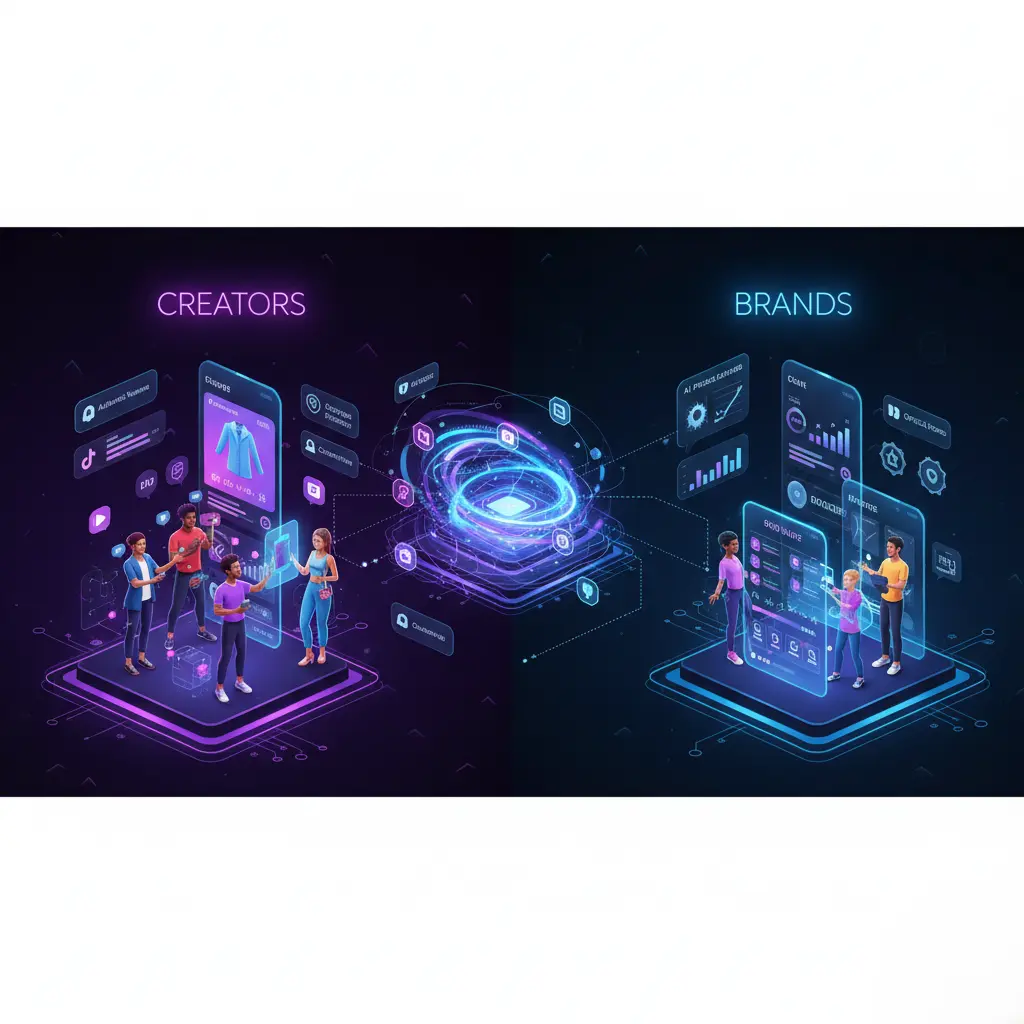
The landscape of ecommerce is evolving faster than ever, and one of the biggest shifts happening today is in product discovery—how consumers find, trust, and purchase new products. For years, brands dominated the discovery pathway through traditional advertising, influencer partnerships, and polished marketing campaigns. But a new era has emerged where creators—individual content makers, micro-influencers, streamers, and niche community leaders—are shaping purchase decisions in a far more authentic and powerful way. As 2026 approaches, the question becomes clear: Creators vs. brands—who will truly lead product discovery? This blog explores the forces reshaping discovery, how creators are disrupting traditional marketing, and what the future holds for both sides.
Why Product Discovery Has Experienced a Major Shift
Consumers today want more than well-designed ads or brand promises. They want trust, relatability, transparency, and real experiences. Social media platforms, creator-driven content, livestream shopping, niche communities, and user-generated reviews have made it easier for shoppers to discover products from individuals they trust more than corporate brands. As a result, creators hold immense influence over how consumers decide what to buy.
This shift didn’t happen overnight. It emerged from years of declining trust in traditional advertising, the rise of social commerce, and the explosive growth of platforms like TikTok, YouTube, and Instagram. As algorithms prioritize real experiences and storytelling, creators have become the new gatekeepers of product discovery.
The Power of Creators in Shaping Consumer Purchasing Decisions
Creators have something brands often struggle to build: authentic relationships. Their influence comes from personal storytelling, consistent engagement, and the ability to present products in natural, relatable ways. When a creator shares a product, it feels like a recommendation from a friend rather than a sales pitch.
Authenticity Beats Traditional Advertising
Consumers today can recognize scripted ads instantly. Their attention gravitates toward creators who share honest reviews, pros and cons, and real-life demonstrations. Because creators communicate naturally and without corporate jargon, shoppers feel more confident in their recommendations. This authenticity gives creators an edge in product discovery, especially for younger audiences who distrust traditional advertising.
Creators Understand Community Psychology
Brand campaigns often target broad demographics, but creators build communities based on shared passions—beauty, gaming, tech, fashion, wellness, home décor, or niche hobbies. Their audience trusts them because of shared interests. When creators introduce a product, it resonates deeply because it fits the community’s needs. This targeted approach makes discovery faster, more natural, and more effective than many traditional brand strategies.
Storytelling Drives Emotional Connection
Creators excel at storytelling—showing how a product fits into daily life, solves a problem, or enhances a routine. They create trends organically, turning simple recommendations into viral movements. Brands rarely spark trends alone; creators ignite them through relatable narratives and consistent content.
How Brands Are Fighting to Stay Relevant in Product Discovery
Brands are not stepping back—they’re evolving, investing in advanced marketing technology, AI-driven personalization, and deeper community building. While creators currently hold an advantage, brands still have powerful tools at their disposal.
Strong Branding and Ownership of Customer Experience
Brands control the shopping experience from beginning to end. They can build loyalty programs, email flows, premium packaging, strong return policies, and customer support systems that creators cannot replicate. This gives brands a unique ability to retain customers even if creators lead them to discover the product.
Advanced Data, AI, and Personalization Tools
Brands are investing in AI-powered recommendations, dynamic ads, predictive analytics, and personalized user journeys. These innovations allow them to deliver tailored discovery experiences across their websites and apps. While creators introduce customers to products, brands can use AI to maintain engagement and drive repeat purchases.
Strategic Partnerships With Creators
Rather than competing, brands increasingly partner with creators to boost discovery. Co-branded products, creator-led campaigns, livestream events, and affiliate programs amplify reach and trust. The result is a hybrid discovery ecosystem where creators play the front-facing role while brands provide infrastructure and credibility.
The Rise of Community Commerce and User-Driven Discovery
A major trend shaping the future is community commerce, where online communities—not brands—collectively influence purchase decisions. From Reddit threads to TikTok “for you” pages to niche Facebook groups, communities are becoming powerful engines of product discovery.
Micro-Influencers and Nano-Creators Are Driving Niche Discovery
Smaller creators, who often have fewer than 10,000 followers, generate higher engagement and stronger trust. Their recommendations feel more personal and less commercial. As a result, niche communities will increasingly define which products gain traction and which don’t.
User-Generated Content (UGC) Has Become the New Advertising
Shoppers search for real photos, unboxing videos, and everyday reviews before they trust a brand. UGC has become a form of social proof that drives conversion more than brand campaigns. Platforms like TikTok amplify UGC quickly, pushing certain products into viral fame.
Will Creators Completely Replace Brands in Product Discovery?
The answer is not a simple yes or no. Instead, the future of ecommerce will be shaped by a blend of creator influence and brand credibility, each playing a distinct role.
Creators Will Lead Awareness and Initial Discovery
Creators will continue shaping trends, sharing authentic experiences, and introducing products to their communities. Their ability to capture attention and create viral moments ensures they stay at the top of the discovery funnel. This is especially true for beauty, fashion, tech, home goods, and wellness categories.
Brands Will Lead Trust, Consistency, and Long-Term Loyalty
Once a consumer discovers a product through a creator, the brand must reinforce trust with quality, reliability, customer support, and consistent communication. Brands win loyalty through service, not just discovery. They will continue owning the shopping journey and post-purchase experience.
Collaboration Will Dominate the Future
Rather than competing, creators and brands will operate together. Co-creation, affiliate programs, creator-led product lines, and long-term partnerships will become industry standards. The brands that thrive will be those that empower creators to lead discovery while maintaining a strong, customer-focused identity.
Final Thoughts Who Will Lead Product Discovery in the Future?
Creators have undoubtedly become the most influential voices in product discovery. Their authenticity, storytelling, and ability to connect with communities put them ahead of traditional brand-led marketing. However, brands still hold critical roles in customer trust, product quality, and long-term loyalty.
The future of ecommerce isn’t creators versus brands—it’s creators with brands. Those who embrace collaboration, authenticity, and community-driven marketing will lead product discovery in 2026 and beyond.
Leave a Reply