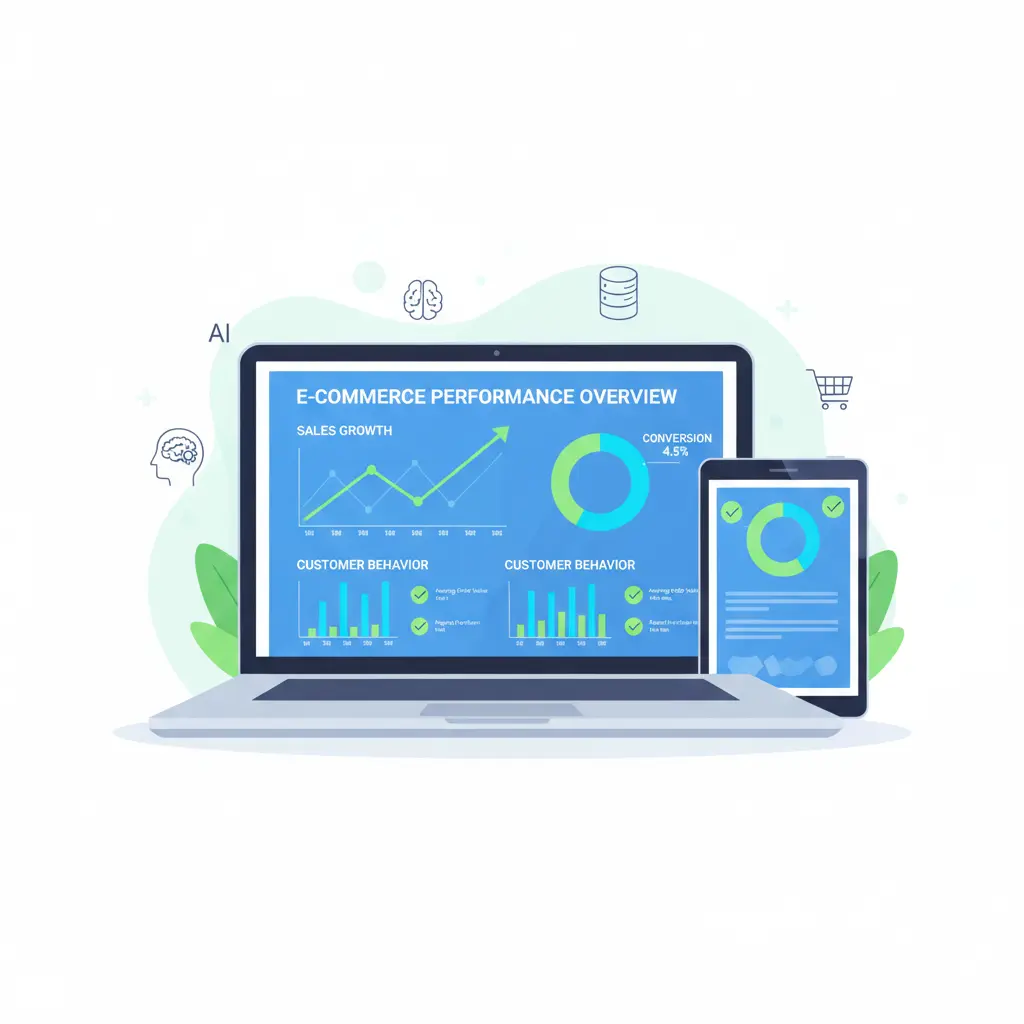
In today’s competitive digital marketplace, data analytics has become a critical tool for businesses looking to increase revenue and optimise marketing strategies. Leveraging data-driven insights helps companies understand customer behaviour, identify trends, and make smarter decisions that directly impact online sales growth.
What is Data Analytics in E-Commerce?
Data analytics refers to the process of collecting, processing, and analyzing data to extract actionable insights. In the context of e-commerce, this includes tracking metrics such as website traffic, conversion rates, customer demographics, purchasing behavior, and more. By analyzing these patterns, businesses can optimize their sales strategies, improve customer experience, and maximize revenue.
How Data Analytics Boosts Online Sales
1. Understanding Customer Behavior
Knowing how customers interact with your website is vital for boosting online sales. Data analytics tools track user behavior, such as pages visited, products viewed, and cart abandonment rates. These insights allow marketers to personalize offers, optimize product placement, and create targeted campaigns that increase conversion rates.
2. Optimizing Marketing Campaigns
Leveraging data analytics allows businesses to measure the effectiveness of marketing campaigns. By analyzing metrics like click-through rates, ad engagement, and ROI, companies can allocate resources efficiently and focus on campaigns that generate the highest revenue. Marketing performance optimization ensures that every marketing dollar contributes to online sales growth.
3. Enhancing Customer Experience
A seamless customer experience is essential for boosting online sales. Analytics can identify friction points in the customer journey, such as slow-loading pages or complicated checkout processes. By addressing these issues, businesses can reduce bounce rates, improve satisfaction, and increase repeat purchases.
4. Predicting Trends and Demand
Predictive analytics uses historical data to forecast future trends and customer demand. Businesses can anticipate popular products, seasonal spikes, and inventory needs. This proactive approach allows companies to optimize stock levels, plan promotions, and maximize e-commerce revenue.
Tools to Leverage Data Analytics
Several tools help businesses make the most of data analytics for online sales:
- Google Analytics – Tracks website traffic and user behavior
- Hotjar – Provides heatmaps and session recordings
- Tableau – Visualizes complex data for strategic decisions
- HubSpot – Combines marketing analytics with CRM insights
Using these tools, businesses can turn raw data into actionable strategies for boosting online sales.
Conclusion
Leveraging data analytics is no longer optional for e-commerce businesses—it’s essential. From understanding customer behavior to optimizing marketing campaigns and predicting trends, data-driven strategies empower companies to make smarter decisions and maximize revenue. Implementing robust data analytics practices ensures sustained online sales growth, stronger customer engagement, and long-term business success.
Leave a Reply