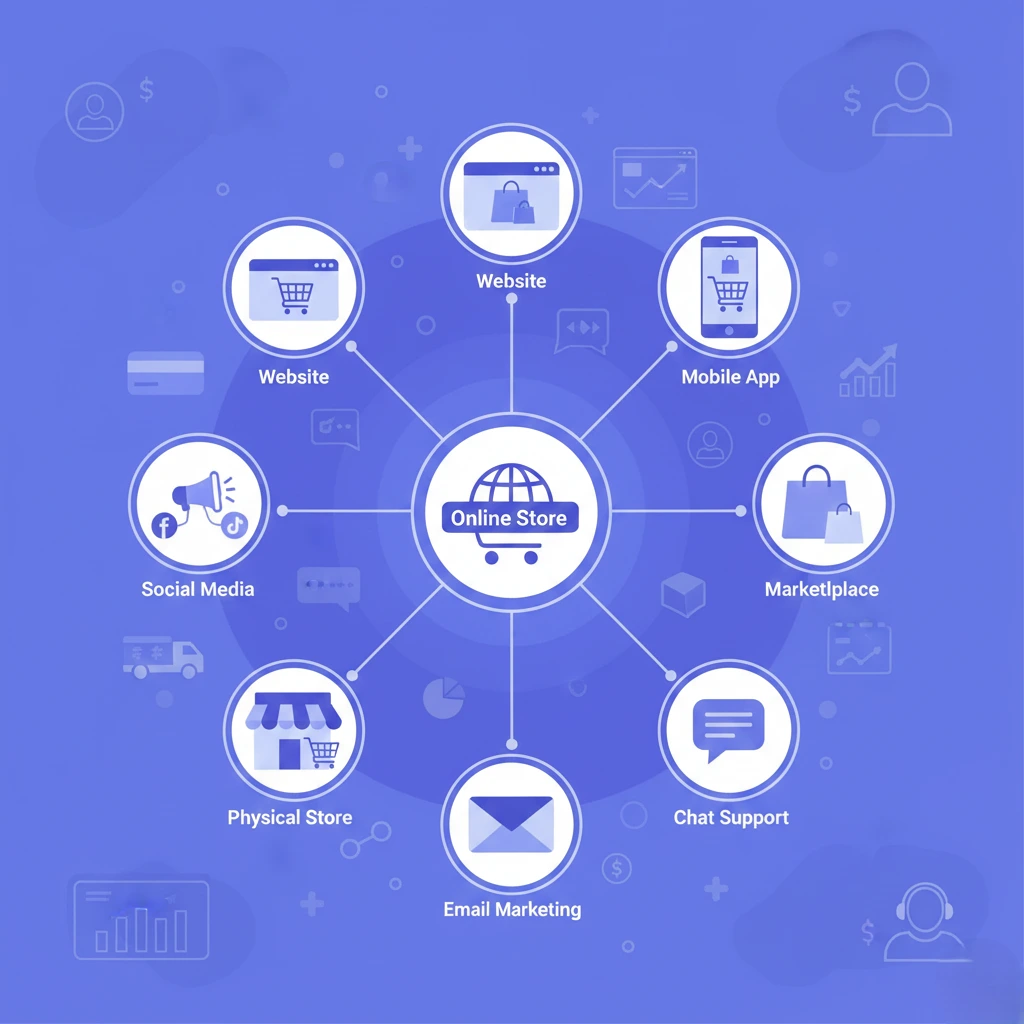
In today’s competitive digital marketplace, businesses can no longer rely on a single sales channel. Customers expect seamless experiences whether they shop online, in-store, through mobile apps, or on social media. This is where omnichannel ecommerce becomes essential. It focuses on creating a unified and consistent shopping experience across every touchpoint.
If you want to increase customer satisfaction, improve brand loyalty, and boost revenue, understanding omnichannel ecommerce is critical. Let’s explore what it means, how it works, and how to build an effective strategy.
What Is Omnichannel eCommerce?
Omnichannel ecommerce is a strategy that integrates all sales and communication channels to deliver a seamless customer experience. Unlike multichannel selling, where businesses operate on several platforms independently, an omnichannel approach connects them into one cohesive system.
For example, a customer might browse products on a mobile app, add items to their cart on a desktop website, and complete the purchase in-store. With omnichannel ecommerce, their information, preferences, and shopping cart remain synchronized across platforms.
This level of integration creates a frictionless journey that modern consumers expect.
Omnichannel vs Multichannel Selling
While multichannel selling allows businesses to list products on multiple platforms—such as websites, marketplaces, and physical stores—those channels often operate separately. Inventory, customer data, and marketing efforts may not be synchronized.
Omnichannel ecommerce, on the other hand, connects every channel through centralized data systems. This means:
- Unified inventory management
- Consistent pricing across platforms
- Integrated customer profiles
- Coordinated marketing campaigns
The key difference lies in retail integration. Instead of managing channels independently, businesses unify operations to create a seamless brand experience.
Why Omnichannel Strategy Matters
Consumers today interact with brands across multiple devices and platforms before making a purchase. They might discover a product on Instagram, research it on a website, and buy it in-store. If these touchpoints feel disconnected, it can lead to frustration and lost sales.
An effective omnichannel ecommerce strategy helps businesses:
- Increase customer retention
- Improve personalization
- Reduce cart abandonment
- Enhance brand consistency
- Optimize inventory management
By aligning online and offline channels, brands can deliver convenience and flexibility, which are key drivers of customer loyalty.
Key Components of Omnichannel eCommerce
To successfully implement omnichannel ecommerce, businesses must focus on several critical components.
1. Centralized Data Management
Data is the foundation of omnichannel ecommerce. All customer interactions, purchase history, and browsing behavior should feed into one centralized system. This enables personalized recommendations and targeted marketing.
2. Integrated Inventory Systems
Retail integration requires real-time inventory visibility across warehouses, stores, and online platforms. Customers should be able to check product availability and choose flexible fulfillment options like buy online, pick up in-store (BOPIS).
3. Consistent Brand Messaging
Consistency builds trust. From social media ads to in-store displays, messaging and pricing should remain aligned. This ensures that customers experience the same brand identity across all channels.
4. Flexible Fulfillment Options
Modern shoppers expect convenience. Offering options such as curbside pickup, home delivery, and easy returns strengthens your omnichannel ecommerce strategy.
Benefits of Omnichannel Integration
Retail integration through omnichannel ecommerce offers measurable benefits for businesses of all sizes.
First, it improves customer experience. Shoppers can move seamlessly between platforms without losing progress or encountering inconsistent information.
Second, it enhances data insights. By combining information from all channels, businesses gain a deeper understanding of customer behavior and purchasing patterns.
Third, it boosts revenue opportunities. When customers engage with a brand across multiple touchpoints, they are more likely to make repeat purchases.
Challenges to Consider
Although omnichannel ecommerce provides significant advantages, it also comes with challenges. Implementing unified systems requires investment in technology, staff training, and logistics. Businesses must ensure their platforms communicate effectively to avoid data silos.
Additionally, managing multichannel selling while transitioning to an integrated system can be complex. Companies need a clear roadmap and scalable technology solutions to maintain operational efficiency.
How to Build an Effective Omnichannel Strategy
If you’re ready to implement omnichannel ecommerce, follow these steps:
- Audit your current channels and identify gaps in integration.
- Invest in technology that supports centralized customer and inventory data.
- Align marketing teams to create consistent cross-channel messaging.
- Prioritize customer experience in every decision.
- Measure performance and continuously optimize.
The goal is not just to sell in more places but to connect those places in a meaningful way.
Final Thoughts
In a world where customers expect seamless interactions, omnichannel ecommerce is no longer optional—it’s essential. While multichannel selling expands your reach, true retail integration ensures that every channel works together harmoniously.
By focusing on data synchronization, consistent messaging, and flexible fulfillment options, businesses can create memorable shopping experiences that drive long-term loyalty and growth. When implemented effectively, omnichannel ecommerce becomes a powerful competitive advantage in today’s evolving retail landscape.
Leave a Reply