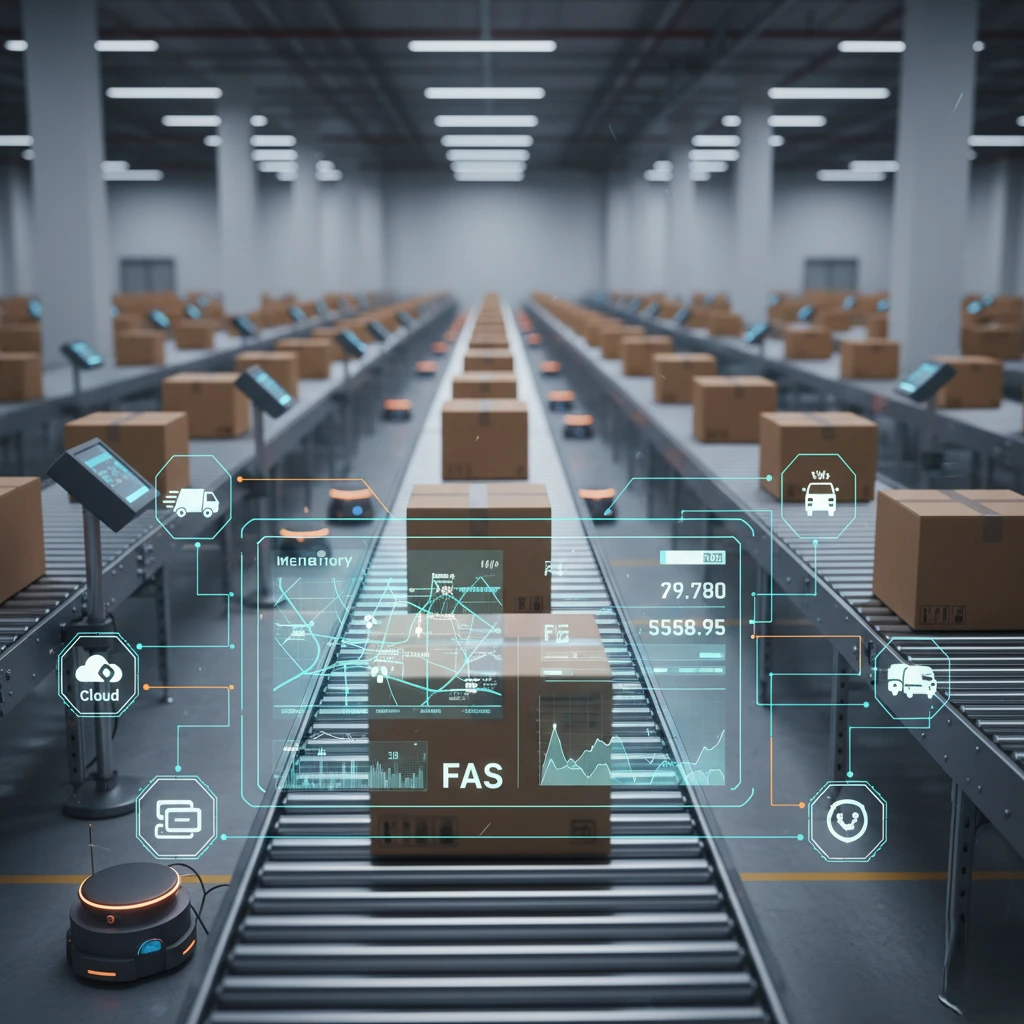
In the fast-moving world of ecommerce, customers expect fast delivery, accurate order processing, and seamless shopping experiences. Businesses that fail to meet these expectations often lose customers to competitors who can. This is where Fulfilment as a Service (FaaS) comes in. As online shopping continues to expand, more brands are turning to FaaS solutions to streamline operations, reduce costs, and improve customer satisfaction. But what exactly is FaaS, and why is it becoming a game-changer for companies of all sizes? This blog explores everything you need to know.
Understanding Fulfilment as a Service FaaS
Fulfilment as a Service is a modern logistics model in which ecommerce businesses outsource their storage, packaging, and shipping operations to specialized fulfilment providers. These providers use advanced technology, automation, and strategically located warehouses to handle order fulfilment efficiently. With FaaS, brands gain access to professional logistics capabilities without needing to invest heavily in warehouses, staff, or shipping infrastructure.
In simple terms, FaaS lets companies focus on marketing, product development, and growth while experts handle the behind-the-scenes logistics. This makes it especially valuable for startups and mid-sized businesses that want to scale operations quickly and cost-effectively.
How Fulfilment as a Service Works
To understand the value of FaaS, it helps to look at how the process typically works:
1. Inventory Storage
Businesses send their products to the fulfilment provider’s warehouse. These facilities often include high-tech systems, climate-controlled spaces, and optimized storage layouts. With smart inventory management, brands always know what’s in stock and where it’s stored.
2. Order Processing
When a customer places an order online, the FaaS system automatically receives the order details. Because everything is integrated through API-based platforms, the fulfilment center can pick, pack, and ship the item immediately.
3. Packaging and Labelling
The fulfilment provider uses standardized or custom packaging depending on the brand’s needs. Many providers offer eco-friendly packaging or custom-branded boxes, which improve customer experience.
4. Shipping and Delivery
The FaaS partner works with multiple carriers, ensuring fast and cost-effective delivery. Businesses benefit from bulk-shipping discounts, real-time tracking, and flexible delivery options.
5. Returns Management
Managing returns can be complicated, but FaaS providers streamline the process by inspecting returned items, updating inventory levels, and restocking products efficiently.
Key Benefits of Fulfilment as a Service
1. Cost Reduction
One of the biggest advantages of FaaS is cost savings. Brands don’t need to invest in warehouses, staff, technology, or logistics equipment. Instead, they pay for fulfilment based on usage. By leveraging shared warehouse spaces and bulk-shipping rates, businesses can reduce overhead and lower shipping expenses.
2. Fast and Accurate Delivery
Consumers expect faster delivery than ever before. Thanks to automated fulfilment systems, AI-driven inventory tracking, and strategically placed warehouses, FaaS providers ensure orders reach customers quickly and accurately.
3. Scalability
Seasonal demand spikes can challenge internal operations. With Fulfilment as a Service, businesses can scale up or down as needed without worrying about temporary staff, additional storage, or shipping loads. This flexibility helps brands adapt to market trends effortlessly.
4. Access to Advanced Technology
Modern fulfilment providers invest in cutting-edge tools including warehouse automation, robotic picking systems, and real-time analytics. Small and medium businesses often lack the budget for this technology on their own, but through FaaS, they gain access to enterprise-level solutions.
5. Improved Customer Experience
A seamless fulfilment process leads to shorter delivery times, fewer errors, and better communication. With features like real-time order tracking, custom packaging, and reliable returns processing, customer satisfaction significantly increases.
Why Businesses Are Adopting Fulfilment as a Service
Many ecommerce companies struggle with managing fulfilment as order volumes grow. Errors increase, delays become more common, and warehouse operations become overwhelming. By adopting FaaS, businesses eliminate these bottlenecks.
Additionally, global ecommerce expansion requires businesses to fulfil orders across regions and countries. Many FaaS providers offer international fulfilment networks, helping brands reach global markets faster while keeping shipping costs manageable.
The rise of omnichannel retailing has also contributed to the popularity of FaaS. Businesses selling through multiple platforms—websites, marketplaces, and social media—need centralized fulfilment systems. FaaS unifies all channels into one simplified logistics solution.
Who Should Use FaaS?
Startups and Small Businesses
New businesses benefit from FaaS because it removes the need for upfront logistics investment. Instead of worrying about warehousing and shipping, they can focus on product innovation and brand building.
Growing Ecommerce Brands
Brands experiencing rapid growth often struggle with scaling operations. FaaS ensures they can expand into new markets and handle increasing order volumes without disruptions.
Global Retailers
Companies selling internationally can use FaaS providers with worldwide networks to reduce delivery times and shipping costs.
Subscription-Box Companies
Subscription businesses require timely, recurring orders. FaaS providers streamline and automate this process.
How to Choose the Right Fulfilment as a Service Provider
When selecting a FaaS partner, consider these key factors:
Technology Integration
Choose a provider that easily integrates with your ecommerce platform through API systems, automated tracking, and analytics dashboards.
Warehouse Locations
Providers with multiple, strategically located warehouses reduce shipping times and costs.
Shipping Pricing
Look for transparent pricing, discounted carrier rates, and flexible delivery options.
Return Management
A strong returns system is essential for maintaining customer satisfaction.
Custom Packaging Options
If brand identity is important, choose a provider offering custom branding, packaging inserts, and unboxing experiences.
The Future of FaaS
As ecommerce continues to evolve, Fulfilment as a Service will become even more integral. We can expect increased automation, smarter AI-driven logistics systems, and more sustainable fulfilment practices. FaaS is shifting from a convenience to a necessity, helping businesses stay competitive in a high-demand market.
Conclusion
Fulfilment as a Service FaaS is transforming ecommerce by offering flexible, efficient, and scalable logistics solutions. Whether you’re a startup looking to reduce costs or a large retailer aiming to expand globally, FaaS provides the tools and technology needed to streamline operations and deliver exceptional customer experiences. By adopting a reliable fulfilment service, businesses can stay focused on growth while the experts handle logistics behind the scenes.
Leave a Reply