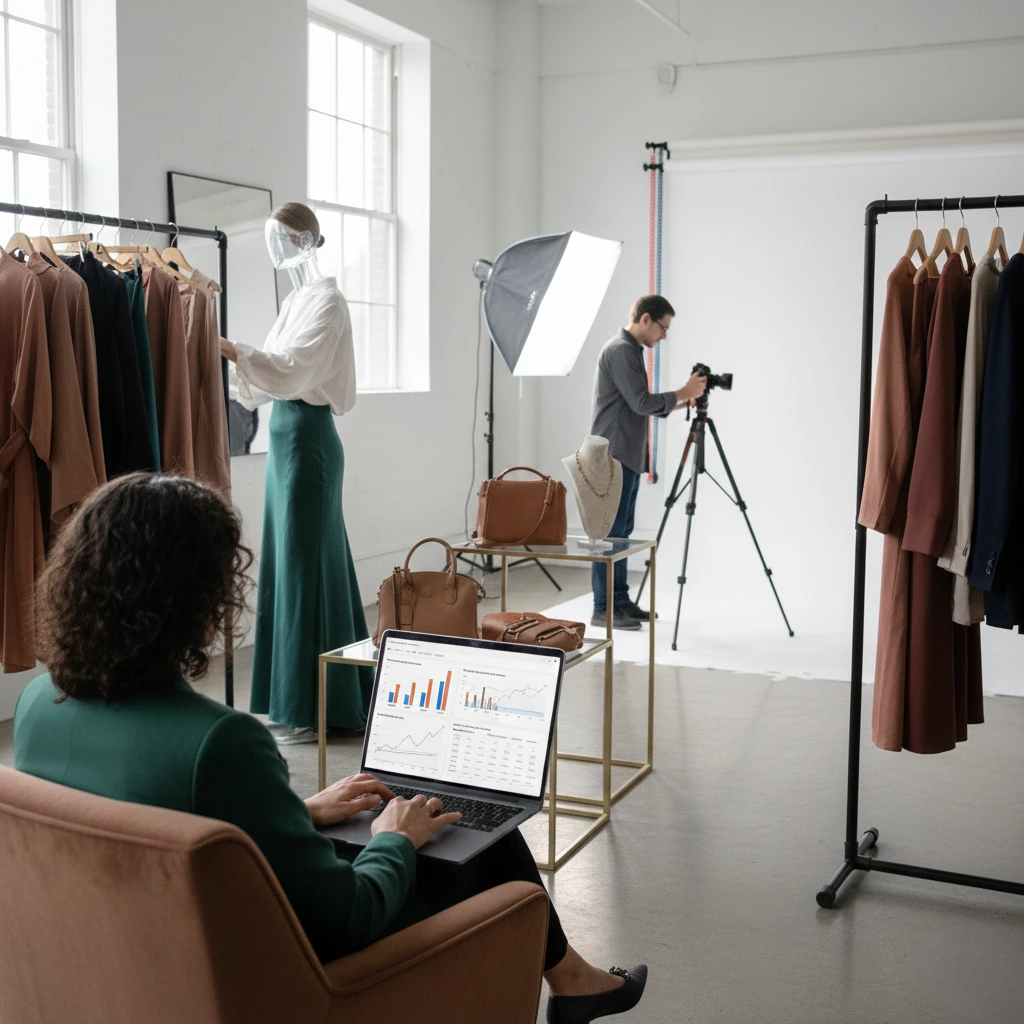
The fashion industry is one of the most dynamic and competitive markets in the world. To succeed, businesses must not only design appealing products but also understand how to effectively sell fashion products in a way that attracts, engages, and retains customers. Whether you are an emerging designer, an e-commerce retailer, or a boutique owner, mastering the art of fashion sales strategies is crucial to growing your brand and increasing revenue.
Understanding the Fashion Market
Before you can successfully sell in the fashion industry, you need to understand the market and its trends. The fashion industry is heavily influenced by seasonality, consumer preferences, and cultural movements. Keeping up with the latest trends, knowing your target audience, and identifying niche markets are all key to developing a strong sales strategy.
Key aspects to consider:
- Consumer demographics and behavior
- Market segments (luxury, fast fashion, sustainable fashion)
- Seasonal trends and emerging styles
- Competitive landscape
Understanding these factors helps you craft a tailored approach to fashion sales that resonates with your customers.
Building a Strong Brand Identity
A powerful brand identity is essential to selling fashion products. Fashion consumers are drawn not just to clothing or accessories but also to the story and lifestyle behind a brand. Your brand should communicate your values, style, and unique selling proposition.
To create a strong fashion brand:
- Develop a distinctive logo, color palette, and design aesthetic
- Craft a compelling brand story
- Maintain consistent branding across all platforms, including social media, websites, and packaging
- Showcase authenticity and transparency
A recognizable brand identity helps your products stand out in a crowded fashion marketplace.
Leveraging E-Commerce and Online Presence
In today’s digital age, a robust online presence is essential for fashion sales. E-commerce allows brands to reach a global audience, increase visibility, and drive revenue.
Key strategies for selling fashion online include:
- Creating an intuitive and mobile-friendly e-commerce website
- Utilizing high-quality product images and videos
- Offering detailed product descriptions and sizing guides
- Integrating user reviews and testimonials to build trust
Additionally, leveraging social media platforms like Instagram, TikTok, and Pinterest allows fashion brands to showcase products, engage with followers, and drive traffic to their online stores.
Understanding Your Target Audience
Knowing your audience is critical for effective fashion sales strategies. Different consumers have distinct preferences, spending habits, and buying motivations. By analyzing data and conducting market research, you can tailor your products, messaging, and promotions to meet their needs.
Tips for targeting the right audience:
- Segment your customers by age, lifestyle, or buying behavior
- Monitor trends in your niche market
- Offer personalized recommendations and promotions
- Use social listening to understand customer sentiment
Understanding your audience ensures your fashion marketing efforts are more effective and conversions increase.
Creating an Effective Fashion Sales Strategy
To sell in the fashion industry successfully, you need a comprehensive sales strategy that covers product, pricing, placement, and promotion.
Product strategy
Ensure your products align with your brand identity and meet consumer expectations. Focus on quality, unique designs, and consistent inventory.
Pricing strategy
Competitive pricing is vital, but consider your brand positioning. Luxury fashion commands higher prices, while fast fashion relies on affordability.
Distribution channels
Decide whether to sell exclusively online, through retail stores, or a combination of both. Partnering with marketplaces or boutiques can expand your reach.
Promotional strategy
Use social media campaigns, influencer marketing, email marketing, and seasonal promotions to drive sales. Offer incentives like discounts, loyalty programs, or free shipping to encourage purchases.
Leveraging Influencer and Social Media Marketing
Influencers and social media play a significant role in driving fashion sales today. Collaborating with influencers who align with your brand helps reach new audiences and build credibility.
Effective social media strategies include:
- Sharing behind-the-scenes content and product launches
- Engaging with followers through stories, polls, and live sessions
- Running targeted ads to reach your ideal audience
- Encouraging user-generated content to showcase real-life product use
Social media marketing strengthens brand presence and drives conversions in the fashion industry.
Providing Exceptional Customer Experience
Customer experience can make or break your fashion business. Buyers expect seamless interactions, fast shipping, easy returns, and excellent customer support.
Key elements of a strong fashion customer experience:
- Responsive customer service
- Easy-to-navigate online stores
- Clear return and exchange policies
- Personalization and loyalty programs
A positive customer experience increases repeat purchases and generates word-of-mouth marketing, which is invaluable in the fashion sector.
Tracking Performance and Optimizing Strategies
To succeed in the fashion industry, you need to continuously monitor your sales performance and optimize strategies based on data. Key performance indicators (KPIs) to track include:
- Sales conversion rates
- Average order value
- Customer retention rates
- Website traffic and engagement
- Social media reach and interactions
Analyzing these metrics allows you to identify areas for improvement and adapt your fashion sales strategies for better results.
Final Thoughts
Selling in the fashion industry requires a combination of creativity, market understanding, and strategic execution. By building a strong brand, leveraging digital platforms, understanding your target audience, and continuously optimizing your fashion sales strategies, you can drive growth and establish a loyal customer base. The key is to stay adaptable, track trends, and provide a memorable shopping experience that keeps customers coming back.
Leave a Reply