Author: vCuestore_blogs

  • A Guide to Reverse Logistics and Returns for E-commerce

    A Guide to Reverse Logistics and Returns for E-commerce

    In the fast-growing world of online shopping, customer expectations are higher than ever. From fast delivery to easy returns, everything plays a crucial role in shaping overall satisfaction. One area that many businesses overlook is reverse logistics, a key component of the e-commerce ecosystem. As return rates continue to rise, especially in fashion, electronics, and consumer goods, having a strong e-commerce returns strategy has become essential for maintaining trust, efficiency, and profitability.

    What Is Reverse Logistics?

    Reverse logistics refers to the process of moving products from customers back to the retailer or manufacturer. Unlike traditional shipping, which focuses on getting products to buyers, reverse logistics manages returned items, exchanges, recycling, refurbishment, and restocking. This process ensures that returned products are handled efficiently, minimizing costs and maximizing customer satisfaction.

    Common parts of the reverse logistics process include:

    • Product returns
    • Replacement or exchanges
    • Repairs and refurbishment
    • Recycling or disposal
    • Restocking and redistribution

    Efficient reverse logistics can help e-commerce businesses reduce waste, cut costs, and improve brand loyalty.

    Why Returns Matter in E-commerce

    Returns are a natural part of online shopping. Since customers cannot physically inspect products, return rates tend to be higher compared to in-store purchases. This makes an effective e-commerce returns policy essential.

    A clear and customer-friendly returns process helps:

    • Build trust and confidence
    • Increase conversion rates
    • Encourage repeat purchases
    • Reduce customer service issues

    On the other hand, a complicated or costly returns process can damage a brand’s reputation and drive customers toward competitors.

    The Reverse Logistics Workflow

    To manage returns smoothly, businesses must understand each step of the reverse logistics workflow.

    Customer return initiation

    The process begins when a customer requests a return, usually through an online portal or customer support. A clear, simple interface improves customer satisfaction and reduces return-related inquiries.

    Product shipping back to the warehouse

    Once approved, customers send the item back. Pre-paid labels, drop-off locations, and easy packaging significantly improve the overall return experience.

    Inspection and processing

    After receiving the product, the warehouse team examines its condition. This determines whether it should be restocked, repaired, recycled, or disposed of.

    Refund or exchange

    Once the return is processed, the customer receives a refund or replacement. Fast refunds are crucial for a great e-commerce returns experience.

    Benefits of a Strong Reverse Logistics System

    A well-structured reverse logistics system can create both operational and financial advantages.

    Cost savings

    Proper returns management helps reduce shipping costs, labor expenses, and product loss.

    Enhanced customer satisfaction

    Customers value brands that offer hassle-free returns. A smooth experience increases loyalty and repeat purchases.

    Improved inventory management

    Returned items that are quickly inspected and restocked help maintain healthy inventory levels.

    Sustainability

    Recycling, refurbishing, or repurposing items supports environmentally friendly practices and reduces waste.

    Common Challenges in E-commerce Returns

    Even with a great system in place, businesses can face challenges. Understanding these helps create better solutions.

    High return volumes

    Industries like fashion and electronics often see high return rates, which require strong returns management processes.

    Fraudulent returns

    Some customers misuse return policies, costing businesses money.

    Slow processing

    Delays in refunds or product inspections lead to poor customer satisfaction.

    Shipping costs

    Reverse shipping can be expensive without optimized logistics.

    Addressing these challenges helps streamline the entire reverse logistics operation.

    Best Practices for Managing Reverse Logistics

    To create a seamless and efficient e-commerce returns strategy, businesses should follow proven best practices.

    Create a clear and transparent returns policy

    Your policy should outline timelines, conditions, costs, and instructions. A transparent returns policy reduces confusion and builds trust.

    Offer multiple return options

    Give customers choices such as drop-off points, pickup services, or in-store returns (if applicable).

    Use automation tools

    Automated returns portals make the process faster for customers and reduce manual workload for teams.

    Track and analyze return data

    Understanding why customers return products helps improve product quality, descriptions, and sizing accuracy. This makes data-driven returns management essential.

    Partner with reliable logistics providers

    Working with efficient carriers ensures faster reverse shipping and better customer satisfaction.

    The Role of Technology in Reverse Logistics

    Technology is transforming how businesses handle reverse logistics. From AI-powered forecasting to automated return labels, digital tools improve speed, accuracy, and customer experience.

    Key technologies include:

    • Real-time tracking
    • Warehouse automation
    • Smart return portals
    • Data analytics
    • Chatbots for customer support

    Technology creates a more efficient, scalable e-commerce returns process that can grow with the business.

    Creating a Customer-Centric Returns Experience

    Today’s customers expect convenience. To stay competitive, brands must make their returns experience as effortless as possible.

    Ways to improve customer experience:

    • Provide pre-paid return labels
    • Keep the process simple and intuitive
    • Offer fast refunds or store credit
    • Communicate status updates
    • Provide 24/7 support

    A positive experience can turn a potential loss into a repeat customer.

    The Future of Reverse Logistics in E-commerce

    As online shopping continues to expand, reverse logistics will become increasingly important. Trends shaping the future include:

    • Sustainability and eco-friendly packaging
    • Increased automation
    • AI-driven demand and return predictions
    • More flexible return policies
    • Fast, low-cost return shipping solutions

    Businesses that invest in a strong e-commerce returns strategy today will gain a major competitive advantage tomorrow.

    Final Thoughts

    Reverse logistics is no longer a back-end process—it’s a critical part of the customer journey. By creating a smooth, efficient, and customer-focused returns system, e-commerce brands can reduce costs, improve satisfaction, and build long-term loyalty. The key is understanding how returns flow, using technology to optimize operations, and offering a transparent, stress-free experience.

  • Things to Consider When Choosing a Fulfilment Company

    Things to Consider When Choosing a Fulfilment Company

    Selecting the right fulfilment company is one of the most important decisions for any e-commerce business. A reliable partner can streamline your operations, cut costs, and enhance customer satisfaction—while the wrong one can lead to delays, errors, and lost revenue. To help you make an informed choice, this guide covers the essential things to consider when choosing a fulfilment company, highlighting key factors that ensure smooth, scalable, and efficient order management.

    Understand Your Business Needs

    Before you begin searching, take time to understand your specific operational requirements. Every business has unique demands related to storage, order volume, product type, and shipping methods. Clarifying these needs helps you find a provider that aligns with your goals.

    Location and Warehouse Network

    Strategic Location

    A fulfilment partner’s warehouse location plays a huge role in delivery speed and cost-efficiency. Choosing a provider with strategically located fulfilment centres helps reduce shipping time and minimise costs. Look for companies that offer national or global coverage if you serve customers across multiple regions.

    Multi-Warehouse Advantage

    A fulfilment company with multiple warehouses offers added benefits such as faster delivery options, distributed inventory, and reduced risk during peak seasons. Keywords like “nationwide fulfilment network” and “multi-location warehousing” can guide your search.

    Technology and Software Integration

    Seamless Integrations

    Modern e-commerce relies on automation. Ensure the fulfilment provider offers easy integration with your e-commerce platforms such as Shopify, WooCommerce, Amazon, or eBay. The system should automatically sync orders, track inventory, and update shipping details.

    Real-Time Inventory Tracking

    A reliable provider should offer real-time inventory management, enabling you to monitor stock levels and avoid overselling. Access to a detailed dashboard improves forecasting and helps you make stronger business decisions.

    Order Accuracy Through Automation

    Automated systems help reduce picking and packing errors. Ask potential partners about tools like barcode scanning, batch processing, and automated sorting systems.

    Cost Structure and Transparency

    Understanding pricing is crucial, as fulfilment costs directly impact profitability. Review the provider’s pricing model carefully.

    Typical Costs Include

    • Storage fees
    • Picking and packing fees
    • Receiving charges
    • Shipping rates
    • Special handling fees

    Look for transparent pricing with no hidden charges. The ideal partner offers customised plans with cost-effective fulfilment solutions that scale with your business.

    Shipping Speed and Carrier Options

    Fast Shipping Capabilities

    Consumers expect quick and reliable shipping. The right fulfilment company should have strong relationships with reputable carriers and offer multiple delivery options such as standard, express, and international shipping.

    Discounted Shipping Rates

    Many fulfilment companies negotiate lower shipping rates with carriers due to high volumes. This can significantly reduce your operational costs, making it easier to offer competitive shipping prices to customers.

    Scalability and Growth Potential

    Handling Peak Seasons

    Choose a partner capable of managing sudden increases in order volume, especially during holidays, product launches, or promotional events. A scalable fulfilment provider ensures your business can grow without interruptions.

    Long-Term Partnership

    Your fulfilment needs may change as your business expands. A company with robust infrastructure, flexible services, and advanced technology can support you throughout your growth journey.

    Packaging Quality and Customisation

    Professional Packaging

    The packaging your customers receive is part of your brand identity. A dependable fulfilment company should use secure, high-quality packaging to protect your products during transit.

    Custom Packaging Options

    If your brand relies heavily on presentation, look for providers offering custom packaging, branded inserts, eco-friendly materials, or gift-wrapping options. These add a premium feel to the customer experience.

    Returns Management (Reverse Logistics)

    Hassle-Free Returns

    Returns are a natural part of e-commerce. Choose a fulfilment company that offers efficient returns processing, including inspection, restocking, and customer notifications. Smooth reverse logistics improves customer satisfaction and minimises financial losses.

    Transparent Return Policies

    Ask the provider how they handle return costs and processing time. A clear, structured method ensures a seamless experience for both you and your buyers.

    Customer Service and Support

    Dedicated Account Management

    A reliable fulfilment partner should provide prompt customer support through email, phone, or chat. A dedicated account manager helps you resolve issues quickly and ensures strong communication.

    Problem-Solving Response Time

    Whether it’s lost parcels, slow delivery, or tracking issues, the speed at which the fulfilment company responds matters. Look for providers known for responsive customer service and proactive problem-solving.

    Experience and Reputation

    Industry Expertise

    A company with years of experience in your product category understands the specific challenges involved. Look for fulfilment providers that specialise in your niche—whether it’s fashion, electronics, beauty, or subscription boxes.

    Reviews and Testimonials

    Check online reviews, case studies, and client testimonials. Feedback from other businesses gives insight into reliability, accuracy, and overall performance.

    Security and Compliance

    Warehouse Security

    Your fulfilment partner should prioritise security through surveillance systems, controlled access, safe storage methods, and damage prevention measures.

    Compliance with Regulations

    Depending on your product type, certain compliance measures may be necessary—such as handling fragile goods, medical supplies, or restricted items. Ensure the company follows legal and industry-specific regulations.

    Value-Added Services

    Many fulfilment companies now offer additional services that elevate the customer experience:

    • Kitting and assembly
    • Subscription box fulfilment
    • Cross-docking
    • Product labeling
    • Quality inspection

    These value-added fulfilment services can significantly enhance your operations and brand image.

    Final Thoughts

    Choosing the right fulfilment company is more than outsourcing logistics—it’s selecting a long-term partner that supports your growth, enhances customer experience, and improves operational efficiency. By considering factors such as location, technology, pricing, scalability, customer service, and packaging quality, you’ll be better equipped to find a provider who matches your business goals.

  • Inventory Valuation Methods for Stock Management

    Inventory Valuation Methods for Stock Management

    Effective stock management plays a crucial role in maintaining healthy cash flow, accurate reporting, and long-term profitability. To manage inventory efficiently, businesses must understand the different inventory valuation methods used to determine the cost of goods sold (COGS) and the value of remaining stock. Choosing the right valuation method affects pricing decisions, tax calculations, and strategic planning. In this guide, we explore the main inventory valuation methods for stock management, how each works, and which industries benefit most from them.

    Why Inventory Valuation Matters

    Inventory is often one of the biggest assets a business holds. Without accurate valuation, financial statements become unreliable, profit margins are miscalculated, and forecasting becomes difficult. The right inventory valuation method ensures that your stock value reflects real market conditions while giving you insight into operational performance. Popular methods like FIFO, LIFO, and Weighted Average Cost influence your COGS and ending inventory differently, which is why selecting the best one for your business is essential.

    FIFO First In First Out

    How FIFO Works

    The FIFO method assumes the first items purchased are the first items sold. It is commonly used in industries where products have expiration dates, such as food, cosmetics, and pharmaceuticals. FIFO often reflects the natural flow of inventory, especially for businesses that rotate stock regularly.

    Advantages of FIFO

    FIFO is widely preferred because it results in accurate stock rotation, reducing spoilage and waste. When prices rise, FIFO typically gives a higher ending inventory value and lower COGS, which can improve reported profits. The method is also simple to implement and aligns well with real warehouse operations.

    Best Use Cases

    FIFO is ideal for businesses managing perishable goods or items with limited shelf life. It is also suitable for companies looking for a valuation method accepted globally under accounting standards.

    Highlighted Keywords: FIFO method, first in first out, inventory rotation, accurate stock valuation

    LIFO Last In First Out

    How LIFO Works

    The LIFO method assumes the most recently purchased items are sold first. It is used in regions where regulations allow this approach, though it is not accepted under IFRS. LIFO can be beneficial when product prices fluctuate frequently.

    Advantages of LIFO

    During inflation, LIFO results in higher COGS and lower taxable income, making it a tax-efficient method in some cases. It also aligns recent costs with current revenues, providing more realistic profit calculations during periods of rising prices.

    Best Use Cases

    LIFO suits industries where inventory costs change rapidly such as metals, fuel, chemicals, and construction materials. However, businesses must ensure compliance with local accounting laws before using this method.

    Highlighted Keywords: LIFO method, last in first out, inventory valuation under inflation, reducing taxable income

    Weighted Average Cost WAC

    How WAC Works

    The Weighted Average Cost method calculates the average cost of all units available during a given period. This average is applied to both COGS and ending inventory, offering a balanced approach that smooths out price fluctuations.

    Advantages of WAC

    The WAC method is simple and efficient, especially for businesses that handle large quantities of identical items. It prevents large swings in inventory value, providing consistent stock valuation and reducing administrative burden.

    Best Use Cases

    Manufacturers, wholesalers, and retailers dealing with bulk products often prefer WAC. It is ideal for companies wanting a reliable and easy-to-manage valuation method.

    Highlighted Keywords: weighted average inventory, average cost method, consistent inventory valuation, inventory costing method

    Specific Identification Method

    How This Method Works

    The Specific Identification Method assigns an exact cost to each individual inventory unit. This method tracks every item separately, making it suitable for high-value or unique products.

    Advantages

    This method provides the highest level of accuracy because each item’s cost is uniquely recorded. Businesses can determine exact profit margins for each sale, improving financial clarity.

    Best Use Cases

    Industries selling luxury goods, custom-built items, vehicles, artwork, or machinery rely heavily on this method because each unit is easily identifiable.

    Highlighted Keywords: specific identification inventory, unique item valuation, high-value stock management

    Standard Cost Method

    How Standard Costing Works

    Under the Standard Cost Method, inventory is valued using predetermined costs based on expected production expenses. Differences between actual and standard costs are recorded as variances.

    Advantages

    Standard costing provides predictable budgeting, simplifies cost control, and helps identify inefficiencies. It is especially effective in manufacturing environments where production processes are repetitive.

    Best Use Cases

    Electronics manufacturers, packaging companies, and factories that mass-produce goods benefit greatly from this method because it streamlines cost tracking.

    Highlighted Keywords: standard costing, production cost analysis, manufacturing inventory valuation

    How to Choose the Right Inventory Valuation Method

    Choosing the best method depends on your industry, financial goals, and regulatory requirements. Consider the following factors:

    Nature of Products

    Perishable goods need FIFO, while high-value unique products require Specific Identification.

    Price Fluctuations

    Industries experiencing frequent price changes may benefit from LIFO or WAC.

    Financial and Tax Considerations

    Some methods influence taxes significantly. For instance, LIFO may reduce taxable income during inflation but is not allowed everywhere.

    Operational Simplicity

    If you want an easy method with minimal administrative work, WAC or Standard Costing is ideal.

    Why Inventory Valuation Matters for Stock Management

    Accurately valuing inventory helps you:

    • Maintain accurate financial statements
    • Plan better with improved forecasting
    • Set more profitable pricing strategies
    • Prevent stockouts and overstocking
    • Improve supply chain efficiency
    • Analyse true operational costs

    With the right method, businesses can confidently manage stock levels, improve cash flow, and strengthen overall supply chain performance.

    Highlighted Keywords: stock management, accurate inventory value, COGS calculation, inventory control methods

    Final Thoughts

    Understanding different inventory valuation methods is essential for effective stock management. Whether you choose FIFO, LIFO, Weighted Average Cost, Specific Identification, or Standard Costing, the right method will support accurate reporting, stable margins, and long-term business success. By selecting the approach that best fits your products and financial strategy, you empower your business to operate more efficiently and competitively.

  • How to Add Value to Your E-Commerce Products

    How to Add Value to Your E-Commerce Products

    In today’s competitive online marketplace, simply offering a good product is no longer enough. Shoppers now compare features, pricing, reviews, and brand reputation before making a purchase. To stand out, every online seller must learn how to add value to e-commerce products and create an irresistible buying experience. When you focus on boosting perceived value, your conversions rise, customer loyalty increases, and your brand gains long-term credibility. In this comprehensive guide, you’ll discover powerful strategies to elevate your products, enhance customer satisfaction, and position your store above the competition.

    Why Adding Value Matters in E-Commerce

    The digital shopping environment gives customers endless choices. This means a buyer can easily leave your store and purchase from a competitor within seconds. By integrating value addition strategies, you reduce this risk, improve customer trust, and motivate buyers to complete purchases confidently. Adding value doesn’t always mean lowering prices or increasing product cost. Instead, it involves enhancing the overall experience around your product—from presentation and performance to customer support.

    When you strengthen your offering with unique selling points, customers feel they are receiving more than a product—they’re investing in a solution. This emotional connection encourages long-term loyalty and repeat purchases.

    Understand Your Customers’ Needs

    To effectively increase value, start with understanding what your customers truly need. Conduct research to identify their pain points, motivations, and shopping behaviors. Use customer reviews, surveys, and analytics to gather insights. When you tailor your products and messaging based on real needs, you naturally create a more compelling offer.

    Strong value is created when you align your product features with what buyers care about most. This helps you emphasize high-value keywords such as “premium quality,” “exclusive features,” “improved performance,” and “customer-focused design.”

    Improve Product Quality and Presentation

    Enhancing Quality

    One of the most effective ways to add value is by improving the quality of the product itself. Even small upgrades—like better materials, enhanced durability, or improved packaging—can significantly increase perceived worth. Buyers are often willing to pay more for products labeled as “high-quality,” “long-lasting,” or “premium-grade.”

    Elevate Product Presentation

    Presentation plays a major role in online shopping. Since customers can’t physically touch the product, visuals are crucial. Use high-resolution images, 360-degree views, and detailed product videos to showcase every angle. Clear and persuasive descriptions with SEO-optimized keywords like “best e-commerce products,” “value-packed,” or “enhanced features” improve both visibility and conversion rates.

    Offer Exceptional Customer Service

    Fast Response Times

    Buyers quickly lose interest if they must wait too long for responses. Offering quick customer support via chatbots, email, or live chat significantly increases customer satisfaction.

    Easy Returns and Guarantees

    Policies such as “money-back guarantee,” “hassle-free returns,” or “free replacements” enhance trust and reduce purchase anxiety. These phrases act as strong value-driven keywords that improve your search visibility and reassure customers.

    Add Bundles and Extra Perks

    Product Bundling

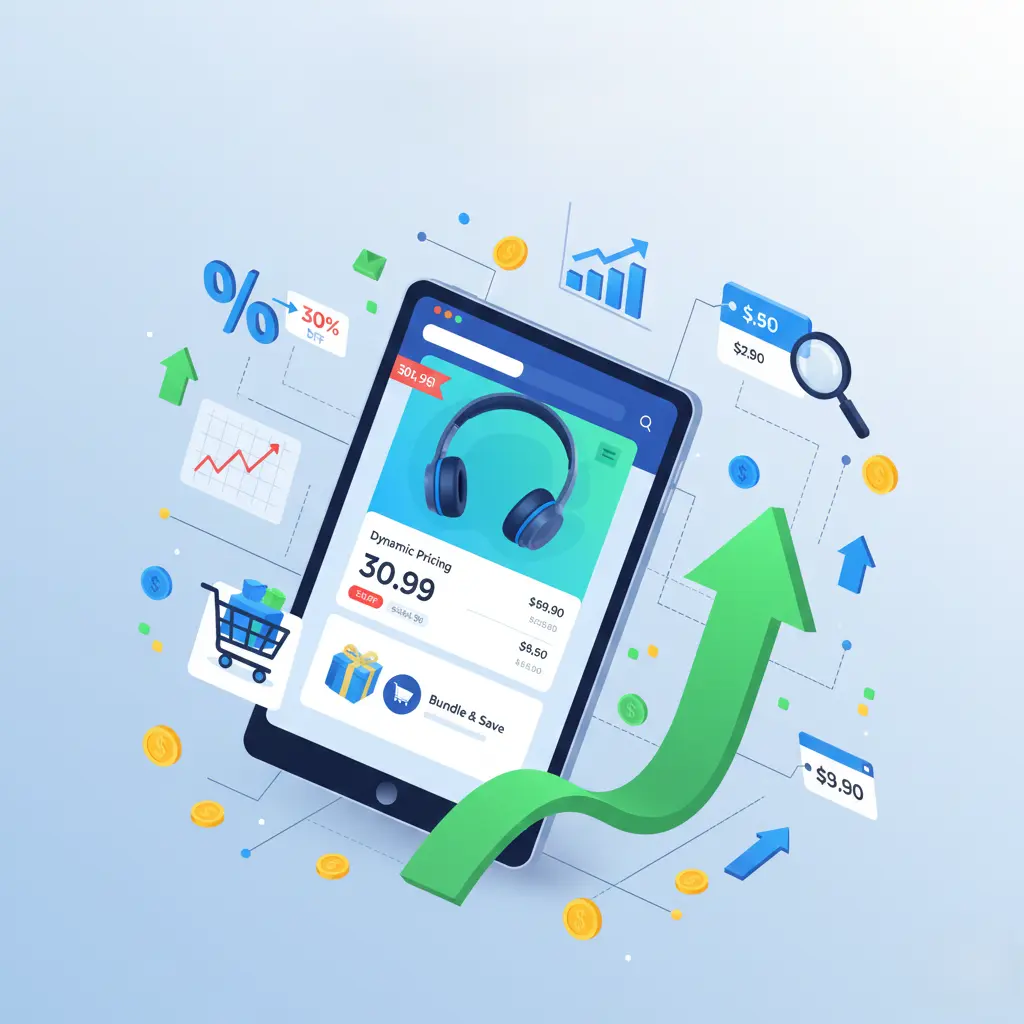
    Bundles allow you to offer more value without drastically reducing your margins. By combining related items, customers feel they are getting more for their money. Bundle phrases like “exclusive bundle deal,” “value-added combo,” and “complete package” help increase sales.

    Freebies and Bonuses

    Small freebies such as downloadable guides, discount codes for future purchases, or sample products create a memorable experience. Even a simple “free gift with purchase” can significantly enhance perceived value.

    Highlight Social Proof and Customer Reviews

    Customer Testimonials

    Displaying positive reviews gives your store credibility. Use “verified customer reviews,” “real user experiences,” and “top-rated product” as keywords to emphasize trustworthiness.

    Influencer Endorsements

    Partnering with influencers or content creators who align with your niche can tremendously increase perceived value. Phrases like “recommended by experts,” or “trusted by influencers” help boost confidence among potential buyers.

    Provide Detailed Product Information

    In-Depth Product Guides

    Buyers appreciate when a store provides clear usage instructions, sizing details, comparison charts, or maintenance tips. Content such as “how-to guides,” “product care tips,” and “expert recommendations” boosts engagement and positions your brand as helpful and knowledgeable.

    Transparent Specifications

    Share accurate, easy-to-understand specifications. Keywords such as “detailed specs,” “transparent information,” and “complete description” make your product page more trustworthy.

    Optimize Your Store for Better User Experience

    Fast Loading Speeds

    Slow websites turn customers away. Optimize your site for faster loading times to improve user satisfaction and search rankings.

    Mobile-Friendly Design

    Most online shoppers use mobile devices. A mobile-responsive design ensures a seamless shopping experience.

    Easy Navigation

    Improve your site structure so customers can find products quickly. Simplicity increases conversions and reduces bounce rates.

    Personalize the Customer Experience

    Offering personalized recommendations and content increases the perceived value of every product you sell. Use browsing history and customer data to suggest related items or tailor promotions. Phrases like “personalized suggestions,” “custom offers,” and “tailored experience” resonate well with modern shoppers.

    Add Educational Content to Boost Value

    Blogs and Articles

    Publishing informative blogs that relate to your product niche helps educate customers and position your brand as an authority. SEO-driven keywords like “product benefits,” “best tips,” and “expert insights” help attract organic traffic.

    Tutorials and Videos

    Educational videos help explain how to use the product effectively. When customers understand how to use something properly, they value it more and are less likely to return it.

    Offer Fast and Reliable Shipping

    Shipping is a major factor in purchase decisions. Highlight keywords such as “fast shipping,” “secure packaging,” and “trackable delivery” to reassure customers.

    Offering express shipping options or free shipping above a threshold also increases value perception and encourages larger purchases.

    Build a Strong Brand Identity

    A well-defined brand identity increases trust. Use consistent colors, a memorable logo, and a clear mission. Communicate your brand values through keywords like “ethically made,” “eco-friendly materials,” and “customer-first brand.”

    Final Thoughts

    Adding value to your e-commerce products is a strategic process that involves enhancing both the product itself and the overall shopping experience. When you focus on quality, clarity, trust, and customer satisfaction, you naturally increase the perceived worth of your offerings. By applying these methods—and highlighting strong SEO keywords throughout—you can boost engagement, improve conversions, and build a loyal customer base.

  • Generate Revenue for Your E-Commerce Business with Affiliate Programs

    Generate Revenue for Your E-Commerce Business with Affiliate Programs

    In today’s competitive e-commerce market, simply relying on direct sales may not be enough. One of the most effective ways to increase revenue for your e-commerce business is through affiliate programs. Affiliate marketing allows businesses to leverage a network of partners to promote products, driving sales while paying commissions only when conversions happen. In this guide, we’ll explore how affiliate programs can help your business grow, the benefits, strategies, and tips for maximizing results.

    What Are Affiliate Programs?

    Affiliate programs are partnerships where individuals or other businesses (affiliates) promote your products in exchange for a commission on each sale, lead, or action generated through their unique referral link. This system is performance-based, meaning you pay for actual results rather than advertising upfront.

    How Affiliate Marketing Works

    1. Sign up affiliates: You invite marketers, bloggers, influencers, or other businesses to join your program.
    2. Provide tracking links: Each affiliate receives a unique referral link to track clicks and conversions.
    3. Affiliate promotes products: Affiliates use blogs, social media, email, or other channels to drive traffic.
    4. Track sales and pay commissions: You monitor sales from each affiliate and reward them with a commission.

    Benefits of Using Affiliate Programs for Your E-Commerce Business

    1. Cost-Effective Marketing

    Unlike traditional advertising, affiliate marketing only requires payment when a sale is made. This reduces wasted ad spend and ensures every dollar contributes directly to revenue.

    2. Expand Your Reach

    Affiliates have their own audience. By leveraging affiliate networks, your products reach customers you might not access through organic traffic or paid ads.

    3. Boost Sales and Revenue

    With more people promoting your products, affiliate programs can significantly increase sales volume, especially during seasonal campaigns or product launches.

    4. Build Credibility and Trust

    Affiliates often have loyal audiences who trust their recommendations. When they endorse your product, it builds credibility and increases conversion rates.

    5. Scalable Growth

    Affiliate marketing scales with your business. You can start with a small number of affiliates and grow your program over time without proportional increases in marketing costs.

    Choosing the Right Affiliate Program Model

    Different affiliate models suit different e-commerce businesses. The most common include:

    Pay-Per-Sale (PPS)

    Affiliates earn a percentage of the sale value. This is the most common model for e-commerce stores.

    Pay-Per-Click (PPC)

    Affiliates earn based on the number of clicks generated. PPC is less common in e-commerce but useful for lead generation.

    Pay-Per-Lead (PPL)

    Affiliates earn a commission when a visitor completes an action, such as signing up for a newsletter or creating an account.

    Hybrid Models

    Some programs combine multiple structures, offering a base payment plus commissions for sales.

    Tips to Maximize Revenue with Affiliate Programs

    1. Choose Affiliates Strategically

    Select affiliates whose audience aligns with your target customers. Look for bloggers, influencers, or niche websites that can genuinely promote your product.

    2. Offer Competitive Commissions

    Attractive commissions motivate affiliates to promote your products more actively. Consider tiered incentives for top-performing affiliates.

    3. Provide Marketing Resources

    Make it easy for affiliates to succeed by providing banners, images, email templates, and product descriptions. The easier it is for them to promote your products, the higher your revenue potential.

    4. Monitor Performance

    Track clicks, sales, and conversions to identify top-performing affiliates. Use analytics to optimize the program and remove underperforming affiliates.

    5. Communicate Regularly

    Maintain a strong relationship with affiliates through regular updates, newsletters, and support. Motivated affiliates are more likely to generate consistent sales.

    6. Promote Seasonal Campaigns

    Encourage affiliates to focus on seasonal promotions, holidays, or product launches. Time-sensitive campaigns often drive more conversions.

    Common Mistakes to Avoid in Affiliate Marketing

    1. Overpaying Low-Quality Affiliates: Focus on performance rather than volume.
    2. Ignoring Tracking and Analytics: Without tracking, you won’t know which affiliates drive revenue.
    3. Neglecting Affiliate Communication: Poor communication can lead to decreased engagement.
    4. Offering Confusing Commission Structures: Keep commissions simple and transparent to motivate affiliates.

    Platforms to Run Your Affiliate Program

    Several platforms make managing affiliate programs easy:

    • ShareASale – Popular for e-commerce stores and small businesses.
    • CJ Affiliate – Large network with international reach.
    • Rakuten Marketing – Known for strong analytics and tracking tools.
    • Shopify Affiliate Apps – Built-in options for Shopify stores.
    • Impact – Flexible platform for enterprise and mid-sized businesses.

    Choose a platform that aligns with your store size, product type, and affiliate goals.

    How Affiliate Programs Increase Long-Term Revenue

    When implemented strategically, affiliate marketing doesn’t just provide short-term sales. It can:

    • Build brand awareness through multiple channels.
    • Strengthen customer trust via influencer endorsements.
    • Encourage repeat purchases when affiliates promote new products.
    • Reduce marketing costs while increasing ROI.

    Over time, a well-managed affiliate program can become a sustainable revenue stream that grows alongside your e-commerce business.

    Final Thoughts: Why Your E-Commerce Business Needs Affiliate Programs

    Affiliate programs are one of the most effective ways to generate revenue for your e-commerce business. They provide a cost-effective, scalable, and credible way to reach new customers, boost sales, and grow your brand. By choosing the right affiliates, offering competitive commissions, and tracking performance carefully, you can turn affiliate marketing into a long-term revenue engine.

    For e-commerce businesses looking to compete in today’s digital landscape, ignoring affiliate programs means missing out on a major growth opportunity. Start planning your affiliate strategy today and watch your sales and revenue soar.