Category: E-Commerce

  • Ecommerce Fulfillment Strategies for Fast Delivery

    Ecommerce Fulfillment Strategies for Fast Delivery

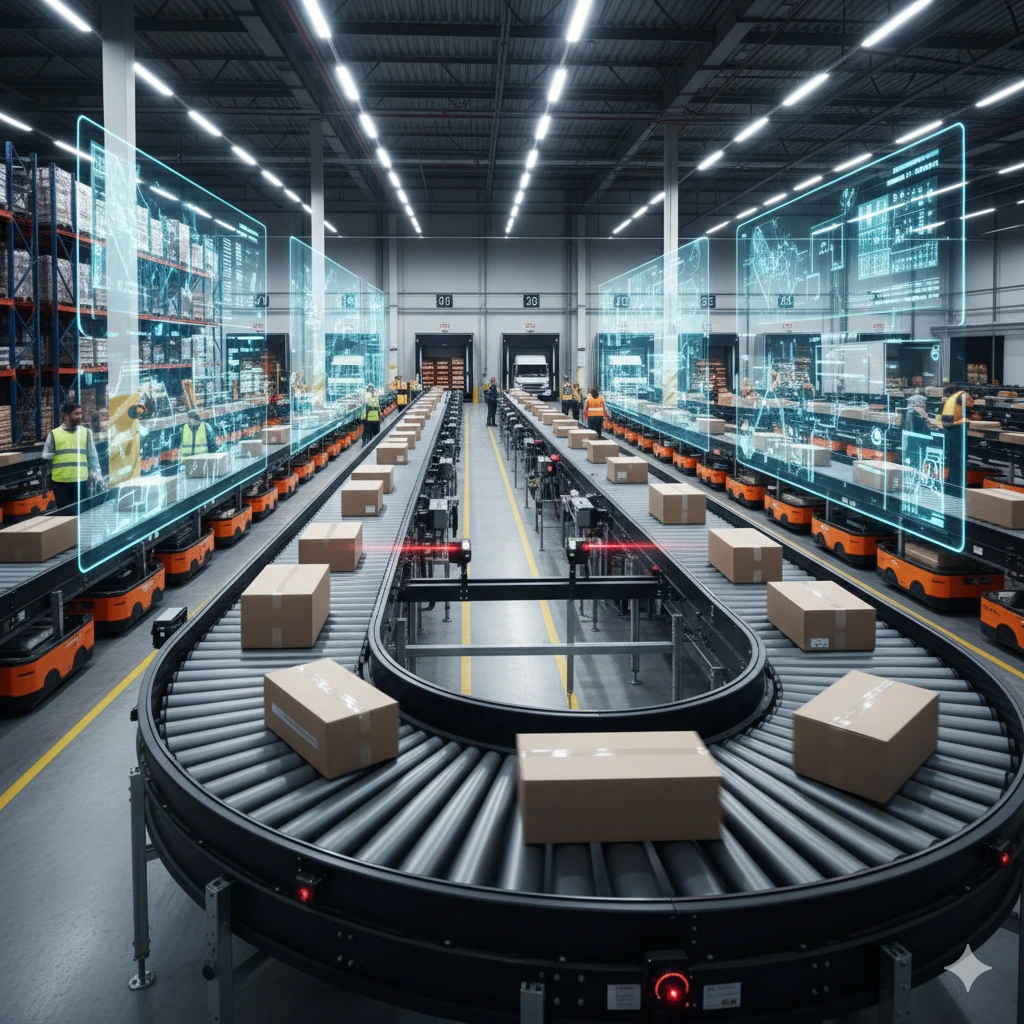
    Fast delivery is no longer a luxury in online retail. It is an expectation. Customers want their orders processed quickly, shipped efficiently, and delivered without errors. That is why Ecommerce Fulfillment plays a critical role in the success of modern online stores. Businesses that optimise their operations can reduce costs, improve customer satisfaction, and gain a competitive edge.

    Why Fast Delivery Matters in Online Retail

    Consumers compare shipping speeds before making purchasing decisions. Major retailers like Amazon have set high standards with same-day and next-day delivery. As a result, smaller businesses must refine their Ecommerce Fulfillment strategies to compete effectively.

    Fast delivery increases repeat purchases, improves brand trust, and reduces cart abandonment rates. A streamlined process ensures that orders move quickly from checkout to the customer’s doorstep.

    Building a Strong Ecommerce Fulfillment Foundation

    A successful Ecommerce Fulfillment system begins with organized operations. From inventory storage to order processing, every step must be carefully managed to avoid delays.

    Inventory accuracy is crucial. When stock levels are not updated in real time, businesses risk overselling or backorders. Implementing automation tools ensures accurate tracking and faster order processing.

    Another important factor is strategic warehouse location. Placing inventory closer to customers reduces shipping times and transportation costs. Many businesses distribute products across multiple fulfillment centers to improve delivery speed nationwide.

    Leveraging Third-Party Logistics (3PL)

    What is Third-Party Logistics (3PL)?

    Third-party logistics, commonly known as 3PL, refers to outsourcing storage, packing, and shipping to specialized providers. Instead of managing warehousing internally, businesses partner with logistics experts who handle daily operations.

    Benefits of Using 3PL Providers

    Using third-party logistics providers allows companies to scale quickly without heavy infrastructure investment. These providers already have warehouse networks, trained staff, and shipping partnerships in place.

    For growing brands, Ecommerce Fulfillment becomes easier with 3PL support. Businesses can focus on marketing, product development, and customer experience while logistics professionals manage distribution.

    Additionally, 3PL companies often negotiate better shipping rates due to high-volume contracts with carriers. This reduces operational costs and improves delivery timelines.

    When to Consider 3PL

    If order volumes increase rapidly or storage space becomes limited, outsourcing may be the right move. Companies expanding internationally also benefit from global 3PL networks that simplify cross-border shipping.

    The Role of a Warehouse Management System

    A warehouse management system is essential for maintaining speed and accuracy. This software controls inventory tracking, order picking, packing workflows, and shipping coordination.

    Real-Time Inventory Tracking

    A warehouse management system provides real-time visibility into stock levels. This reduces human error and prevents delays caused by misplaced items.

    Faster Picking and Packing

    Advanced systems use barcode scanning and automated picking routes to speed up operations. Employees can locate products quickly, reducing processing time and improving Ecommerce Fulfillment efficiency.

    Data-Driven Decision Making

    Analytics from a warehouse management system help businesses identify slow-moving products, peak demand periods, and fulfillment bottlenecks. With these insights, companies can continuously improve operations.

    Multi-Warehouse Distribution Strategy

    Distributing inventory across multiple locations shortens transit times. By storing products in regional hubs, businesses reduce the distance between warehouse and customer.

    This approach strengthens Ecommerce Fulfillment performance by cutting shipping zones and enabling faster ground delivery options. It also minimizes risks associated with supply chain disruptions in a single location.

    However, managing multiple warehouses requires careful coordination. That is where integrated software systems and third-party logistics partners provide strong support.

    Automation and Technology Integration

    Automation is transforming Ecommerce Fulfillment. Robotics, AI-powered inventory forecasting, and automated sorting systems reduce labor costs and processing time.

    For example, companies like Shopify integrate fulfillment technology with online storefronts, allowing seamless order synchronization. This ensures faster communication between sales platforms and warehouses.

    Automated shipping label generation and carrier selection tools also accelerate dispatch. The fewer manual steps involved, the faster the order moves through the pipeline.

    Optimizing Last-Mile Delivery

    The last mile is often the most expensive and time-consuming stage of shipping. Partnering with reliable carriers and offering multiple delivery options improves customer satisfaction.

    Businesses should provide tracking updates and estimated delivery times to build trust. Clear communication reduces support inquiries and enhances the overall Ecommerce Fulfillment experience.

    Local courier partnerships can further reduce delivery times in metropolitan areas. Some companies even explore micro-fulfillment centers to serve dense urban regions more efficiently.

    Returns Management and Reverse Logistics

    Fast delivery must be matched with smooth returns. A clear and simple return policy builds buyer confidence. Efficient reverse logistics ensures returned items are processed quickly and restocked when possible.

    An optimized Ecommerce Fulfillment process includes automated return approvals, prepaid labels, and systematic inspection procedures to minimize delays.

    Final Thoughts

    Speed, accuracy, and scalability define successful online retail operations. By combining advanced technology, strategic warehouse placement, and third-party logistics partnerships, businesses can create a powerful fulfillment ecosystem.

    A strong warehouse management system supports inventory accuracy, while distributed storage and automation accelerate delivery times. When implemented effectively, Ecommerce Fulfillment becomes a competitive advantage rather than an operational challenge.

    Businesses that invest in streamlined processes today will not only meet customer expectations but exceed them, building loyalty and long-term growth in the evolving ecommerce landscape.


  • Real-Time E‑Commerce Tracking: Boost Sales and Customer Satisfaction with Instant Insights

    Real-Time E‑Commerce Tracking: Boost Sales and Customer Satisfaction with Instant Insights

    In today’s fast-paced online retail world, customers expect speed, transparency, and accuracy. Delays or uncertainty in delivery can lead to dissatisfaction and lost sales. Real-time e-commerce tracking has emerged as a game-changing solution, providing both businesses and customers with instant visibility into every stage of the order process. By offering accurate, up-to-the-minute information, businesses can improve operational efficiency and enhance the customer experience.

    Why Real-Time E-Commerce Tracking Matters

    Gone are the days when shipping updates were limited to generic emails or vague timelines. Modern consumers demand detailed insights, from warehouse processing to doorstep delivery. Real-time e-commerce tracking allows businesses to monitor orders continuously, detect issues early, and provide proactive updates to customers.

    Key benefits include:

    • Increased customer satisfaction through transparency
    • Reduced inquiries and support costs
    • Faster response to delivery delays or errors
    • Enhanced operational efficiency and planning

    With real-time visibility, businesses can not only track shipments but also anticipate problems and adapt quickly, ensuring smooth order fulfillment.

    Enhancing Customer Experience with Live Order Tracking

    One of the most valuable aspects of real-time e-commerce tracking is live order tracking. This feature empowers customers to see exactly where their order is in the supply chain, providing peace of mind and reducing anxiety. From dispatch notifications to expected delivery times, live updates create a seamless shopping experience.

    Benefits of live order tracking include:

    • Transparency throughout the delivery process
    • Reduced call center traffic, as customers can self-check
    • Strengthened trust and brand loyalty
    • Higher repeat purchase rates

    By integrating live order tracking into your e-commerce platform, businesses can turn shipping into a competitive advantage rather than a logistical headache.

    Optimizing Deliveries with GPS-Enabled Technology

    To fully leverage real-time e-commerce tracking, many companies now use GPS-enabled deliveries. This technology allows both businesses and customers to pinpoint the exact location of a package in transit. Delivery teams can optimize routes, avoid delays, and provide accurate ETAs, while customers can plan to receive their packages without uncertainty.

    GPS-enabled deliveries enhance tracking accuracy and provide actionable insights, such as:

    • Predicting delivery windows with precision
    • Adjusting routes dynamically to avoid traffic or weather delays
    • Monitoring driver performance and efficiency
    • Improving overall delivery reliability

    When combined with real-time tracking, GPS-enabled deliveries create a comprehensive, end-to-end solution for managing e-commerce logistics.

    Driving Sales with Transparency

    Businesses that offer real-time e-commerce tracking see measurable impacts on sales. Transparency builds customer confidence, encouraging shoppers to complete purchases, particularly for high-value or time-sensitive items. In addition, tracking features can reduce cart abandonment rates, as customers feel reassured that their order will arrive on time and can be monitored every step of the way.

    Promoting real-time tracking as part of your value proposition also differentiates your brand in a competitive market. Shoppers are more likely to choose a retailer that provides full visibility over one that does not, turning tracking into a marketing advantage.

    Integrating Real-Time E-Commerce Tracking into Operations

    Implementing effective real-time tracking involves more than software—it requires operational alignment. Businesses should integrate tracking systems with inventory management, shipping carriers, and customer service platforms. Automation ensures that updates are pushed instantly, minimizing manual errors and delays.

    Best practices include:

    • Syncing warehouse systems with tracking platforms
    • Providing proactive alerts for delays or issues
    • Offering multiple access points for customers, including apps, websites, and SMS
    • Collecting and analyzing tracking data to optimize fulfillment strategies

    A well-integrated system ensures real-time e-commerce tracking delivers maximum value for both business and consumer.

    The Future of E-Commerce Logistics

    As technology advances, real-time e-commerce tracking will evolve to offer even greater precision and predictive capabilities. AI-powered insights could anticipate delivery delays before they occur, and integration with autonomous vehicles or drones may further reduce shipping times. The combination of live order tracking and GPS-enabled deliveries is just the beginning of a fully transparent, responsive, and customer-centric logistics ecosystem.

    Conclusion

    Real-time e-commerce tracking is no longer a luxury—it’s a necessity for modern online retailers. By providing live order updates and leveraging GPS-enabled deliveries, businesses can improve efficiency, reduce customer anxiety, and boost sales. Transparency, speed, and reliability are critical factors in driving loyalty and repeat purchases, and real-time tracking addresses all three.

    Investing in a robust real-time tracking system positions your brand for long-term success, enhances operational insights, and delivers the seamless experience today’s shoppers expect. With instant visibility and actionable insights, companies can turn logistics into a competitive advantage, ensuring that every order arrives on time, every time.

  • Urban Logistics Hubs: Transforming City Supply Chains for Efficiency and Growth

    Urban Logistics Hubs: Transforming City Supply Chains for Efficiency and Growth

    As cities grow and e-commerce continues to surge, the demand for efficient and responsive supply chains has never been higher. Urban logistics hubs are emerging as a critical solution, enabling businesses to streamline operations, reduce delivery times, and improve sustainability in congested urban areas. These hubs are reshaping the way goods move in and out of cities, creating smarter, faster, and greener supply chains.

    Urban logistics hubs are centralized points within or near cities that consolidate goods from multiple suppliers before distributing them to their final destinations. By strategically locating these facilities, companies can reduce transportation costs, minimize congestion, and enhance the speed of deliveries, particularly in high-density urban environments.

    The Importance of Urban Logistics Hubs

    Urban logistics hubs play a pivotal role in modern supply chains. With the rise of e-commerce and consumer expectations for same-day or next-day delivery, traditional distribution models struggle to keep up. Hubs located close to city centers ensure that businesses can respond quickly to demand, reduce the number of long-distance trips, and optimize delivery routes.

    Key benefits include:

    • Shorter delivery times for consumers
    • Reduced traffic congestion and emissions
    • Cost savings on transportation and fuel
    • Enhanced visibility and control over inventory

    By centralizing distribution, urban logistics hubs enable more predictable and reliable city supply chains, meeting the demands of both businesses and residents.

    Last-Mile Delivery Hubs: Optimizing the Final Stretch

    A crucial function of urban logistics hubs is supporting last-mile delivery hubs. The last mile—the final leg of delivering goods to customers—is often the most complex and costly part of the supply chain. Urban hubs allow companies to stage deliveries closer to their destination, reducing travel distance and time while improving efficiency.

    Key strategies for last-mile optimization include:

    • Consolidating orders to reduce delivery trips
    • Using micro-distribution centers for high-density neighborhoods
    • Employing eco-friendly vehicles such as electric vans or cargo bikes
    • Leveraging real-time route optimization technologies

    With the integration of last-mile delivery hubs, urban logistics hubs not only enhance operational efficiency but also improve the customer experience by ensuring faster, more reliable deliveries.

    Sustainable City Logistics: A Greener Approach

    Urban logistics hubs are also at the forefront of sustainable city logistics. Cities face growing pressure to reduce emissions, lower traffic congestion, and promote eco-friendly practices. By consolidating shipments, optimizing routes, and deploying low-emission vehicles, urban hubs help reduce the environmental footprint of deliveries.

    Sustainable city logistics practices include:

    • Centralizing deliveries to minimize unnecessary trips
    • Encouraging shared logistics networks among multiple businesses
    • Implementing electric or hybrid vehicle fleets
    • Utilizing data analytics to predict demand and reduce idle transport

    These initiatives not only benefit the environment but also enhance corporate responsibility and reduce long-term operational costs.

    Designing Effective Urban Logistics Hubs

    Location is critical. Proximity to major transport arteries, population centers, and commercial districts ensures that hubs can operate efficiently. Additionally, hubs should be equipped with advanced technologies such as inventory management systems, automated sorting, and real-time tracking to manage the flow of goods effectively.

    Other considerations include:

    • Flexible storage options to accommodate varying inventory
    • Scalable operations to handle peak periods and seasonal demand
    • Integration with local regulations and city planning initiatives

    A well-designed urban logistics hub balances operational efficiency, sustainability, and cost-effectiveness while remaining adaptable to future growth and technological advancements.

    Challenges and Opportunities

    While the benefits are clear, urban logistics hubs face challenges, such as limited urban space, rising real estate costs, and regulatory constraints. Innovative solutions, including multi-story logistics centers, partnerships with municipal authorities, and investment in smart technologies, are helping to overcome these barriers.

    Opportunities for growth are also significant. With the continued expansion of e-commerce, rising consumer expectations, and the push for greener operations, urban logistics hubs will become increasingly essential in city supply chains. Companies that strategically invest in these hubs gain a competitive edge by delivering faster, more reliable, and sustainable services.

    The Future of Urban Logistics Hubs

    As cities evolve, urban logistics hubs will be central to creating resilient, efficient, and sustainable supply chains. By combining last-mile delivery hubs with smart, eco-friendly strategies, businesses can optimize operations while reducing congestion and emissions. The integration of technology, data-driven decision-making, and strategic location planning ensures these hubs remain a critical part of modern urban logistics.

    In conclusion, urban logistics hubs are more than storage facilities—they are the backbone of city supply chains. They support faster deliveries, lower environmental impact, and drive economic growth. Companies that embrace this model can meet the demands of modern consumers while contributing to sustainable urban development.

  • E-commerce Analytics Tools to Track Customer Behavior and Sales

    E-commerce Analytics Tools to Track Customer Behavior and Sales

    In the competitive world of online retail, understanding your audience is crucial. Businesses need data-driven insights to make informed decisions, improve sales, and enhance customer experience. This is where E-commerce analytics comes into play. By leveraging the right tools, you can track customer behavior, optimize your website, and increase revenue effectively.

    In this article, we’ll explore key E-commerce analytics tools, how they track customer behavior, and ways to use data to boost your e-commerce success.

    What is E-commerce Analytics?

    E-commerce analytics refers to the process of collecting, analyzing, and interpreting data from an online store. This data helps businesses understand how customers interact with their website, which products perform best, and what drives sales. Unlike basic web analytics, e-commerce analytics focuses specifically on online shopping metrics, such as:

    • Conversion rates
    • Average order value
    • Cart abandonment rates
    • Customer lifetime value
    • Product performance

    By tracking these metrics, brands gain actionable insights into customer behavior and purchasing patterns.

    Why Tracking Customer Behavior Matters

    Understanding customer behavior is essential for increasing sales and improving the shopping experience. Analytics tools reveal:

    • Which pages attract the most attention
    • Where customers drop off during the checkout process
    • Products frequently purchased together
    • Patterns in repeat purchases

    With this information, you can tailor marketing campaigns, optimize website design, and create personalized experiences. Businesses that leverage E-commerce analytics to study customer behavior are better equipped to anticipate needs and boost customer satisfaction.

    Top E-commerce Analytics Tools

    Several tools make it easy for online businesses to monitor customer behavior and track sales performance. Here are some of the best E-commerce analytics solutions:

    1. Google Analytics 4 (GA4)

    GA4 is a powerful free tool that tracks website traffic and user interactions. Its e-commerce tracking features include:

    • Conversion tracking
    • Product performance insights
    • Funnel analysis

    GA4 helps businesses understand customer behavior from the first visit to purchase.

    2. Shopify Analytics

    For Shopify users, the built-in analytics dashboard provides:

    • Sales and revenue reports
    • Customer acquisition insights
    • Product-specific performance

    This allows online merchants to adjust strategies based on real-time E-commerce analytics.

    3. Hotjar

    Hotjar focuses on user experience by providing heatmaps, session recordings, and surveys. It tracks customer behavior visually, showing exactly how users interact with your website and identifying friction points in the buying process.

    4. Mixpanel

    Mixpanel is a behavioral analytics platform that focuses on customer behavior across multiple touchpoints. It enables:

    • Event-based tracking
    • Cohort analysis
    • Funnel optimization

    Businesses can use Mixpanel to see how specific actions drive conversions.

    5. Kissmetrics

    Kissmetrics specializes in tracking customer behavior over time. It provides insights into:

    • Customer lifetime value
    • Purchase patterns
    • Retention rates

    This tool is especially useful for subscription-based e-commerce businesses.

    How to Use E-commerce Analytics Effectively

    Using E-commerce analytics tools is only half the battle. To maximize their value:

    1. Set clear goals – Identify what you want to measure, such as sales, conversion rates, or customer retention.
    2. Track the right metrics – Focus on KPIs that directly impact your revenue and growth.
    3. Analyze customer behavior – Understand how visitors navigate your site, what products they prefer, and where they drop off.
    4. Take action – Use insights to improve product pages, refine marketing campaigns, and enhance the checkout process.
    5. Test and iterate – Regularly review analytics and adjust strategies to continuously optimize performance.

    By consistently monitoring E-commerce analytics and customer behavior, businesses can make data-driven decisions that improve sales, reduce cart abandonment, and boost overall customer satisfaction.

    Benefits of E-commerce Analytics

    Investing in E-commerce analytics offers several advantages:

    • Improved understanding of customer behavior
    • Enhanced marketing campaign performance
    • Optimized pricing and promotions
    • Increased customer retention and loyalty
    • Identification of high-performing products

    In a competitive e-commerce environment, businesses that effectively use analytics gain a significant edge over competitors.

    Conclusion

    E-commerce analytics is no longer optional for online businesses. Tracking customer behavior and analyzing sales data allows brands to make informed decisions, enhance user experience, and drive revenue growth. Whether you use tools like Google Analytics, Shopify Analytics, Hotjar, Mixpanel, or Kissmetrics, the insights gained can transform how you approach marketing, sales, and product development.

    By integrating E-commerce analytics into your daily operations, you can understand your customers better, predict trends, and build a successful, data-driven e-commerce business that thrives in 2026 and beyond.

  • E-commerce Marketing Automation Tools That Save Time and Increase Sales

    E-commerce Marketing Automation Tools That Save Time and Increase Sales

    Running a successful online store involves more than just listing products. Modern businesses rely on data-driven strategies to engage customers, streamline workflows, and boost sales. E-commerce marketing has evolved beyond simple email blasts or social media posts. Today, automation is the key to scaling efficiently without compromising customer experience.

    In this article, we’ll explore the role of e-commerce marketing, highlight the best marketing automation tools, and explain how they save time while increasing revenue.

    What is E-commerce Marketing?

    E-commerce marketing refers to the strategies and tactics businesses use to promote products or services online. The goal is to attract potential buyers, convert them into customers, and retain them for future sales. Unlike traditional marketing, online marketing relies heavily on data insights and digital channels such as email, social media, search engines, and paid ads.

    Key benefits of e-commerce marketing include:

    • Reaching a wider audience globally
    • Targeting specific customer segments
    • Tracking performance with measurable results
    • Personalizing campaigns to improve engagement

    However, manually managing campaigns across multiple channels can be time-consuming, which is where marketing automation tools come in.

    Why Marketing Automation Tools Matter

    Marketing automation tools help businesses automate repetitive tasks such as email campaigns, social media posting, customer segmentation, and lead nurturing. These tools not only save time but also enhance efficiency, allowing teams to focus on strategy rather than manual execution.

    With automation, businesses can:

    • Send personalized emails based on customer behavior
    • Trigger messages for abandoned carts or special promotions
    • Schedule social media posts across multiple platforms
    • Monitor and analyze campaign performance in real time

    By integrating marketing automation tools into your workflow, you can maximize the effectiveness of e-commerce marketing campaigns and improve ROI.

    Top E-commerce Marketing Automation Tools

    Several platforms have become indispensable for online stores looking to scale their e-commerce marketing efforts:

    1. Klaviyo

    Klaviyo specializes in email and SMS marketing automation for e-commerce stores. It allows businesses to:

    • Segment customers based on purchase history
    • Automate welcome sequences and cart recovery emails
    • Personalize promotions for higher engagement

    2. HubSpot

    HubSpot provides a comprehensive suite for CRM, email marketing, and automation. Key features include:

    • Automated workflows for lead nurturing
    • Behavioral tracking of visitors and buyers
    • Integrated analytics for campaign performance

    3. Omnisend

    Omnisend is designed for multi-channel automation, including email, SMS, and push notifications. Its features include:

    • Pre-built automation templates
    • Customer segmentation and targeting
    • Performance tracking to optimize campaigns

    4. ActiveCampaign

    ActiveCampaign focuses on combining email marketing with CRM automation. Benefits include:

    • Personalized customer journeys
    • Automated follow-ups and abandoned cart reminders
    • Detailed reporting for continuous improvement

    5. Shopify Flow

    For Shopify users, Shopify Flow automates backend processes and marketing tasks. It enables:

    • Trigger-based workflows for customer actions
    • Inventory alerts and product recommendations
    • Streamlined marketing campaigns with minimal manual input

    All these marketing automation tools enhance the effectiveness of e-commerce marketing by allowing brands to deliver timely, personalized experiences without spending hours on manual tasks.

    How E-commerce Marketing Automation Boosts Sales

    Automation improves the efficiency of e-commerce marketing campaigns, which directly impacts sales. Here’s how:

    1. Personalization at Scale – Automated workflows can deliver tailored offers based on browsing history or purchase behavior.
    2. Timely Engagement – Triggered messages, such as abandoned cart emails, remind customers to complete purchases.
    3. Consistency Across Channels – Automation ensures campaigns run smoothly across email, social media, and SMS.
    4. Data-Driven Decisions – Analytics from automated tools help identify high-performing campaigns and areas needing improvement.
    5. Customer Retention – Re-engagement campaigns automatically nurture repeat buyers, increasing lifetime value.

    By leveraging these benefits, businesses can see measurable improvements in conversions and revenue.

    Implementing E-commerce Marketing Automation

    To maximize results from e-commerce marketing, follow these steps:

    • Choose the right tools – Select platforms that integrate with your store and marketing channels.
    • Map customer journeys – Identify touchpoints and create automation workflows for each stage.
    • Segment your audience – Group customers by behavior, purchase history, or preferences for targeted campaigns.
    • Test and optimize – Monitor performance metrics and adjust workflows for higher engagement.

    When used correctly, marketing automation tools allow businesses to scale their e-commerce marketing efforts efficiently while providing personalized experiences to customers.

    Conclusion

    In the modern online retail landscape, e-commerce marketing is no longer about manually posting ads or sending generic emails. Marketing automation tools have revolutionized the way businesses engage customers, save time, and increase sales. From email sequences to multi-channel campaigns, these tools empower businesses to work smarter, not harder.

    By strategically implementing automation, online stores can deliver timely, personalized experiences that drive revenue growth. The combination of smart e-commerce marketing strategies and effective marketing automation tools is the formula for long-term success in 2026 and beyond.