Category: E-Commerce

  • Same-Day vs. Next-Day Delivery: Customer Preferences

    Same-Day vs. Next-Day Delivery: Customer Preferences

    In today’s fast-paced ecommerce world, delivery speed plays a critical role in shaping customer satisfaction. Shoppers increasingly expect quick and reliable shipping when making online purchases. Understanding the debate of same-day vs next-day delivery is essential for online retailers seeking to meet consumer expectations and stay competitive.

    Offering the right delivery options can influence purchase decisions, brand loyalty, and repeat business. By analyzing customer delivery preferences and understanding the benefits of fast shipping options, businesses can optimize their logistics strategy and improve overall customer experience.

    Why Delivery Speed Matters

    Fast delivery has become a key factor for online shoppers. Research shows that customers are more likely to abandon a cart if shipping is slow or unclear. The rise of platforms like Amazon and Walmart, which offer rapid delivery services, has set high expectations across the ecommerce industry.

    Consumers value transparency in delivery times. Providing clear choices, whether same-day vs next-day delivery, allows customers to select what suits their schedule and urgency. Offering multiple options also caters to varying needs—from urgent orders to planned purchases.

    Understanding Customer Delivery Preferences

    Every shopper has unique requirements. Some prioritize speed, while others weigh cost, reliability, or convenience. A growing segment of consumers now prefers fast shipping options even if it comes at a slightly higher price.

    Surveys indicate that customer delivery preferences often depend on the type of product. For example:

    • Essentials or urgent items, like groceries or gifts, often require same-day delivery.
    • Larger purchases or non-urgent items can be satisfied with next-day delivery.

    Understanding these preferences allows retailers to optimize warehouse placement, inventory management, and courier partnerships, ensuring faster fulfillment without sacrificing efficiency.

    Same-Day vs Next-Day Delivery: Key Differences

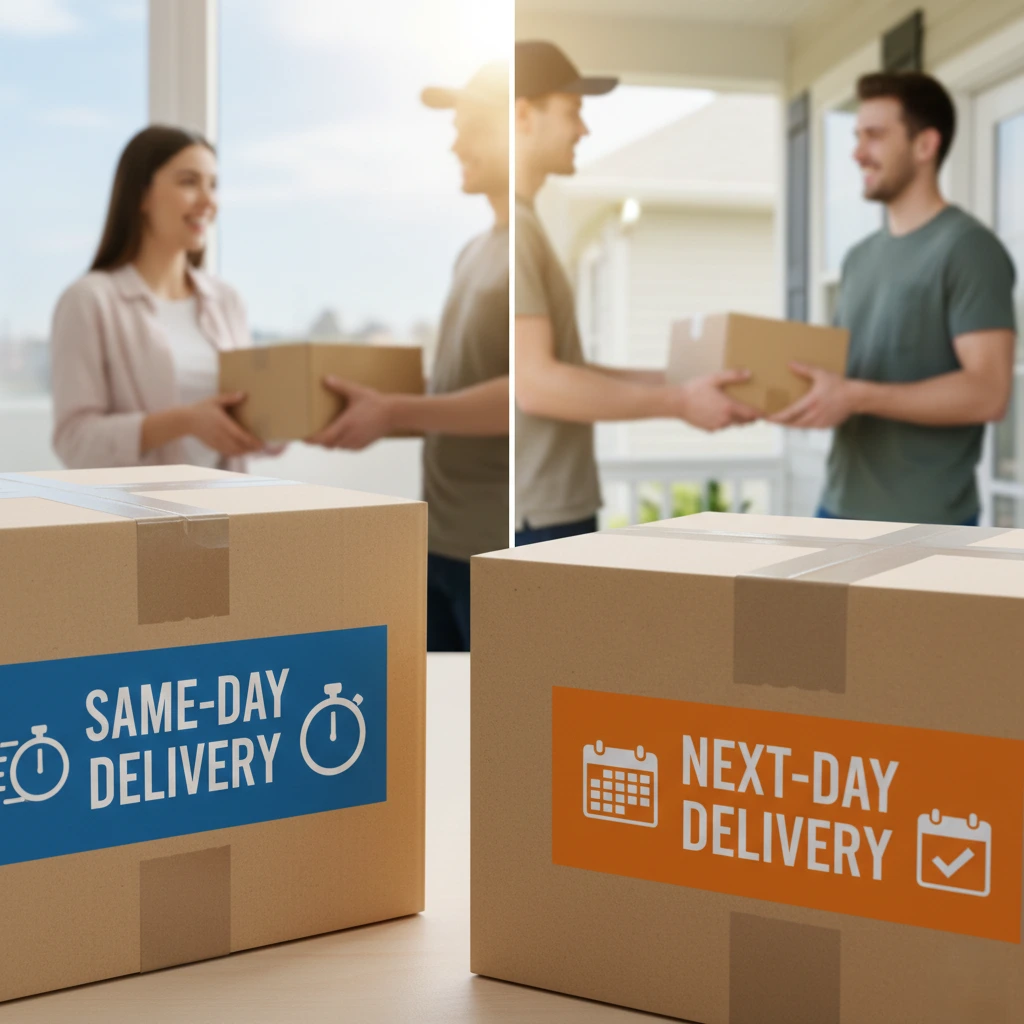
    Same-day delivery offers the fastest option, promising customers their order within hours. This option is ideal for urgent needs, last-minute gifts, or time-sensitive purchases.

    Next-day delivery guarantees arrival by the following day, balancing speed with cost efficiency. It is suitable for customers who want fast shipping but do not require immediate fulfillment.

    Retailers must consider factors such as:

    • Operational capabilities: Not all businesses can manage same-day logistics efficiently.
    • Cost implications: Same-day delivery often comes with higher expenses.
    • Geographical coverage: Urban areas are easier to serve than rural locations.

    Offering both options allows customers to choose based on urgency and budget, aligning with customer delivery preferences while maintaining operational efficiency.

    Advantages of Fast Shipping Options

    Investing in fast shipping options benefits both the retailer and the customer. Key advantages include:

    • Increased customer satisfaction: Quick deliveries enhance the shopping experience.
    • Higher conversion rates: Shoppers are more likely to complete a purchase when delivery is fast and reliable.
    • Competitive advantage: Brands offering same-day vs next-day delivery stand out in a crowded market.
    • Encourages repeat business: Consistently meeting or exceeding delivery expectations fosters loyalty.

    By analyzing order patterns and delivery demands, businesses can implement the most effective fulfillment strategy, ensuring that speed does not compromise accuracy or quality.

    Challenges of Offering Same-Day Delivery

    While same-day vs next-day delivery is attractive to customers, same-day delivery presents operational challenges. Retailers must maintain:

    • Sufficient inventory across multiple locations
    • Efficient picking, packing, and dispatch processes
    • Real-time tracking and communication systems

    Despite these hurdles, the benefits of meeting urgent customer needs often outweigh the logistical complexity, especially in competitive markets.

    Implementing the Right Strategy

    Retailers should leverage data to understand customer delivery preferences. Key steps include:

    • Segmenting customers by urgency and location
    • Offering clear delivery options at checkout
    • Using fulfillment centers strategically located near high-demand areas
    • Communicating shipping times transparently

    Balancing fast shipping options with operational costs ensures profitability while keeping customers satisfied.

    Conclusion

    In conclusion, same-day vs next-day delivery is more than a logistics decision—it is a critical component of the modern shopping experience. By recognizing customer delivery preferences and offering flexible fast shipping options, retailers can increase satisfaction, drive conversions, and enhance loyalty.

    Businesses that successfully implement these strategies gain a competitive edge, meet rising expectations, and build trust with their customers. Whether through rapid same-day fulfillment or reliable next-day delivery, speed and convenience remain key drivers in today’s ecommerce landscape.

  • Best AI Chatbots For Ecommerce Website

    Best AI Chatbots For Ecommerce Website

    In today’s fast-paced digital world, providing instant and personalized customer service is essential for online businesses. One of the most effective tools for achieving this is an AI chatbot for online store. These intelligent assistants can handle customer queries, guide shoppers through products, and even boost sales without the need for constant human intervention.

    Ecommerce businesses, from small Shopify shops to large online marketplaces, are increasingly relying on AI chatbots to improve customer experience and streamline operations. By integrating an AI chatbot for online store, merchants can reduce response times, enhance engagement, and provide support 24/7.

    Why Your Online Store Needs an AI Chatbot

    Customer expectations are evolving. Shoppers now demand instant responses, personalized recommendations, and seamless navigation. An AI chatbot for online store meets these needs by:

    • Answering frequently asked questions instantly
    • Assisting with product selection based on preferences
    • Providing order status updates and shipping information
    • Offering promotions or discounts during checkout

    Implementing an AI chatbot reduces the workload on support teams while improving conversion rates. Studies show that businesses using AI chatbots for ecommerce see higher engagement, faster response times, and increased customer satisfaction.

    Top AI Chatbots for Shopify

    For Shopify store owners, AI chatbots are a game-changer. Shopify’s ecosystem supports multiple AI-powered chat solutions, allowing store owners to enhance customer service efficiently. Some AI chatbots for Shopify include:

    1. Tidio – Offers live chat combined with AI-powered automated responses. It helps reduce cart abandonment and engages visitors proactively.
    2. Octane AI – Specializes in personalized messaging, quiz-style product recommendations, and automating customer conversations.
    3. Shopify Ping with Kit – Integrates directly with Shopify stores, providing marketing automation and personalized customer interactions.

    These tools are designed specifically for ecommerce platforms, making it easy to implement an AI chatbot for online store without extensive technical expertise.

    How AI Chatbots Improve the Customer Experience

    The primary advantage of using an AI chatbot for online store is enhanced customer experience. Chatbots can mimic human conversations while maintaining consistency and accuracy. Key benefits include:

    • Instant Support: Customers no longer have to wait for email replies or live chat availability.
    • Personalization: Chatbots can recommend products based on browsing behavior, purchase history, or customer preferences.
    • 24/7 Availability: Regardless of time zones, your store is always ready to assist shoppers.
    • Lead Generation: Bots can capture visitor information, suggest products, and guide them toward checkout.

    By combining automation with intelligent responses, businesses can create a seamless shopping experience that feels personal and attentive.

    Choosing the Right AI Chatbot

    Not all AI chatbots are created equal. When selecting an AI chatbot for online store, consider:

    • Integration Capabilities: Can it easily connect with Shopify, WooCommerce, or other platforms?
    • Customization Options: Can you tailor responses, workflows, and product suggestions?
    • Analytics & Reporting: Does it provide insights on customer interactions and engagement?
    • Multichannel Support: Can it communicate through social media, email, and website chat?

    Tools like Tidio and Octane AI are excellent starting points, especially for Shopify users, because they offer pre-built templates, AI-powered automation, and analytics for better decision-making.

    Future of AI Chatbots in Ecommerce

    The rise of AI chatbots is only accelerating. Advances in natural language processing, machine learning, and predictive analytics allow bots to handle complex queries, suggest complementary products, and even detect purchase intent. Businesses adopting these technologies gain a competitive edge, improving both efficiency and revenue.

    Using top AI chatbots ensures your online store can scale operations, reduce human error, and maintain consistent, high-quality support. Moreover, integrating an AI chatbot for online store creates opportunities for upselling, cross-selling, and proactive engagement without adding extra staff.

    Final Thoughts

    Incorporating an AI chatbot for online store is no longer optional—it’s a strategic investment. From answering questions and assisting with purchases to personalized recommendations and lead generation, chatbots are transforming the ecommerce experience. Shopify store owners and other online retailers can benefit immensely from AI chatbots for Shopify and top AI chatbots, which combine automation, intelligence, and convenience.

    By leveraging these tools, businesses can enhance customer satisfaction, streamline operations, and ultimately drive more sales, making AI chatbots an essential component of any successful ecommerce strategy.

  • How Automated Warehouses Are Changing the Game

    How Automated Warehouses Are Changing the Game

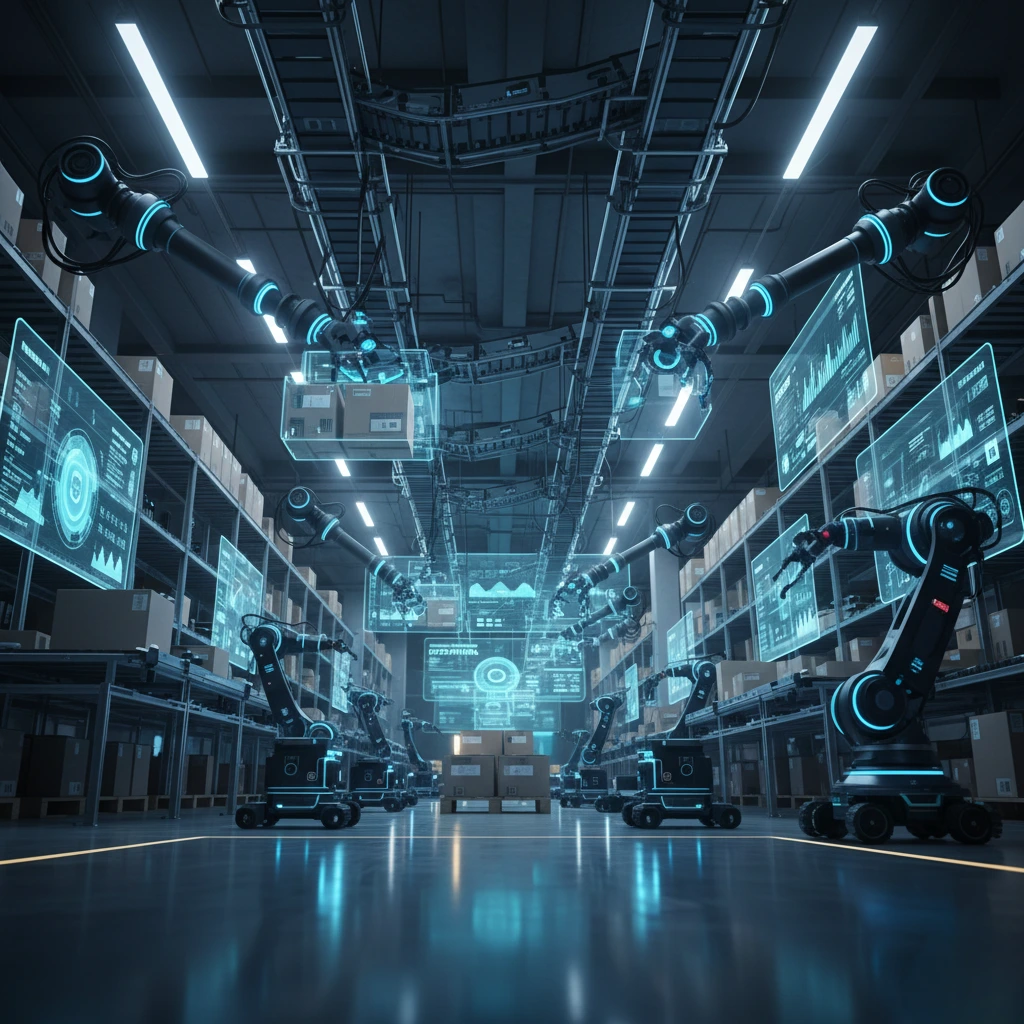
    The logistics industry is undergoing a major transformation. With the rise of e-commerce, faster delivery expectations, and complex inventory demands, businesses are turning to automated warehouses to streamline operations and stay competitive. These high-tech facilities leverage robotics, AI, and intelligent systems to optimize every aspect of storage, picking, and shipping, reshaping the way goods move from suppliers to customers.

    What Are Automated Warehouses?

    Automated warehouses are facilities that use technology to perform traditional manual tasks, such as picking, packing, sorting, and inventory management. By incorporating advanced robotics, conveyor systems, and software solutions, these warehouses minimize human error, improve efficiency, and reduce labor costs. Unlike conventional warehouses, automated systems operate 24/7 with consistent speed and precision.

    The backbone of this revolution is robotics in logistics, which enables machines to handle repetitive tasks such as moving pallets, picking individual items, or stacking products. When paired with warehouse management software, the system can track inventory in real time, optimize storage space, and even predict demand patterns.

    The Role of Robotic Picking

    One of the most impactful technologies in automated warehouses is robotic picking. These systems use robotic arms or mobile robots equipped with sensors and AI algorithms to locate, select, and transport items. Robotic picking reduces errors, increases speed, and allows warehouses to handle a larger variety of products, from small electronics to bulky household items.

    For example, in e-commerce fulfillment, robots can pick multiple SKUs simultaneously, reducing the time it takes to prepare orders. This capability is especially crucial for automated fulfillment centers, where speed and accuracy directly affect customer satisfaction.

    Benefits of Automated Warehouses

    1. Increased Efficiency: Automated systems process orders faster than humans, reducing order cycle times and boosting throughput.
    2. Accuracy and Reliability: Robotics in logistics drastically reduces picking and packing errors, ensuring customers receive the right products.
    3. Cost Savings: While initial investments are high, businesses save on labor costs, reduce waste, and improve inventory management.
    4. Scalability: Automated warehouses can easily adapt to seasonal spikes or rapid growth without significant operational changes.
    5. Data-Driven Insights: Integrated systems provide real-time analytics, helping managers make smarter decisions about inventory, layout, and workflow.

    Real-World Applications

    Many leading companies have already embraced automated warehouses to gain a competitive edge. Amazon, for instance, uses a combination of robotic picking, conveyor belts, and automated guided vehicles to handle millions of orders daily. Similarly, companies in the food, electronics, and retail sectors use automated fulfillment centers to reduce turnaround times and improve accuracy.

    Robotics in logistics is not limited to picking. Robots can transport pallets, handle heavy loads, and even perform quality checks. This multi-functional approach ensures every step of the supply chain is optimized, reducing delays and increasing overall productivity.

    Future of Automated Warehouses

    The future of automated warehouses looks promising. As AI, machine learning, and robotics continue to advance, these facilities will become even smarter and more efficient. We can expect fully autonomous warehouses where human intervention is minimal, except for supervision and maintenance. Integration with drones, autonomous vehicles, and IoT devices will further enhance inventory visibility and order fulfillment capabilities.

    Moreover, automated fulfillment centers will expand beyond traditional retail and e-commerce into industries such as healthcare, pharmaceuticals, and manufacturing. Robotics in logistics will enable these sectors to handle sensitive or high-value items safely and efficiently, setting new standards for speed and accuracy.

    Conclusion

    Automated warehouses are more than just a trend—they are the future of supply chain management. By leveraging robotics, AI, and intelligent software, these facilities optimize efficiency, accuracy, and scalability while reducing operational costs. With robotics in logistics transforming how products are stored, picked, and shipped, businesses adopting automated systems are positioning themselves for long-term success.

    Investing in automated fulfillment centers is no longer optional; it’s essential for companies aiming to meet modern customer expectations and thrive in a competitive market. As technology continues to evolve, the line between traditional warehouses and fully autonomous operations will blur, creating a smarter, faster, and more resilient supply chain.

  • Chatbots for Supply Chain Communication: Revolutionizing Logistics with AI

    Chatbots for Supply Chain Communication: Revolutionizing Logistics with AI

    In today’s fast-paced logistics environment, efficiency and real-time communication are crucial for a smooth supply chain. Companies are increasingly turning to chatbots for supply chain communication to streamline operations, reduce errors, and enhance collaboration across suppliers, manufacturers, and distributors. Leveraging artificial intelligence (AI), these chatbots provide instant support, automate routine tasks, and ensure the right information reaches the right people at the right time.

    What Are Chatbots for Supply Chain Communication?

    Chatbots for supply chain communication are AI-powered virtual assistants designed to facilitate interactions within supply chain networks. They can handle queries about inventory levels, order status, shipment tracking, and delivery schedules without human intervention. Unlike traditional communication methods like emails or phone calls, chatbots provide instant responses and operate 24/7, which is essential for global logistics operations.

    By integrating with enterprise resource planning (ERP) systems, warehouse management software, and shipment tracking platforms, these chatbots enable real-time updates, reducing delays caused by miscommunication or manual processes.

    Benefits of Chatbots in Supply Chains

    1. Improved Communication: Chatbots ensure that all stakeholders—from suppliers to logistics teams—receive consistent, accurate information. This reduces miscommunication and prevents delays.
    2. Faster Response Times: Routine questions about order status, inventory, or delivery schedules can be answered instantly, freeing up human staff for higher-value tasks.
    3. Cost Savings: By automating repetitive tasks, companies save on labor costs while improving efficiency.
    4. 24/7 Availability: Chatbots operate around the clock, making them ideal for global supply chains that span multiple time zones.
    5. Data-Driven Insights: Chatbots collect and analyze interactions, providing valuable insights into bottlenecks, frequently asked questions, and workflow optimization opportunities.

    Use Cases of Chatbots for Supply Chain Communication

    Real-Time Order Tracking

    Customers and internal teams can receive instant updates on shipments through chatbots. By querying the chatbot, users get accurate information about delivery timelines, inventory levels, and potential delays without waiting for a human operator.

    Supplier Collaboration

    Chatbots streamline supplier communication by automatically sending reminders for order confirmations, shipment schedules, and production updates. This reduces the risk of missed deadlines and ensures smooth coordination across the supply chain.

    Warehouse Operations

    In warehouse environments, chatbots integrated with inventory management systems can alert teams about stock shortages, replenishment needs, or incoming shipments. This ensures that warehouses operate efficiently and avoid costly stockouts.

    Customer Service Support

    AI chatbots can handle routine customer queries regarding product availability, shipping updates, or returns. This allows human customer service representatives to focus on more complex issues, improving overall satisfaction.

    Why AI-Powered Supply Chain Chatbots Are Essential

    The modern supply chain is becoming increasingly complex, involving multiple stakeholders, global operations, and fluctuating demands. AI-powered supply chain assistants help companies stay agile by automating communication, providing accurate real-time data, and predicting potential disruptions before they become critical.

    Additionally, chatbots support proactive decision-making. For instance, if a shipment is delayed, the chatbot can automatically notify relevant teams, suggest alternative routes, or trigger adjustments in inventory planning. This level of automation helps businesses maintain continuity and meet customer expectations.

    Future of Chatbots in Supply Chain

    As AI and natural language processing (NLP) technologies advance, chatbots for supply chain communication will become even smarter. Future systems will not only provide real-time updates but also offer predictive analytics, suggest process improvements, and seamlessly integrate with IoT devices for enhanced visibility.

    We can expect chatbots to play a central role in fully automated, digital supply chains where human intervention is minimal but oversight and strategic planning remain essential. Companies that adopt these solutions early will gain a competitive edge by improving efficiency, reducing costs, and enhancing supply chain resilience.

    Conclusion

    Chatbots for supply chain communication are transforming the logistics industry. By automating routine communication, providing real-time updates, and integrating with AI-powered systems, these tools improve efficiency, reduce errors, and enhance collaboration across the supply chain. As businesses continue to embrace digital transformation, chatbots will become indispensable for maintaining seamless, responsive, and intelligent logistics operations.

    Investing in AI chatbots for supply chain communication is no longer just an option—it’s a strategic necessity for companies aiming to optimize their supply chains and deliver exceptional customer experiences.

  • How to Boost Your eCommerce Website Speed

    How to Boost Your eCommerce Website Speed

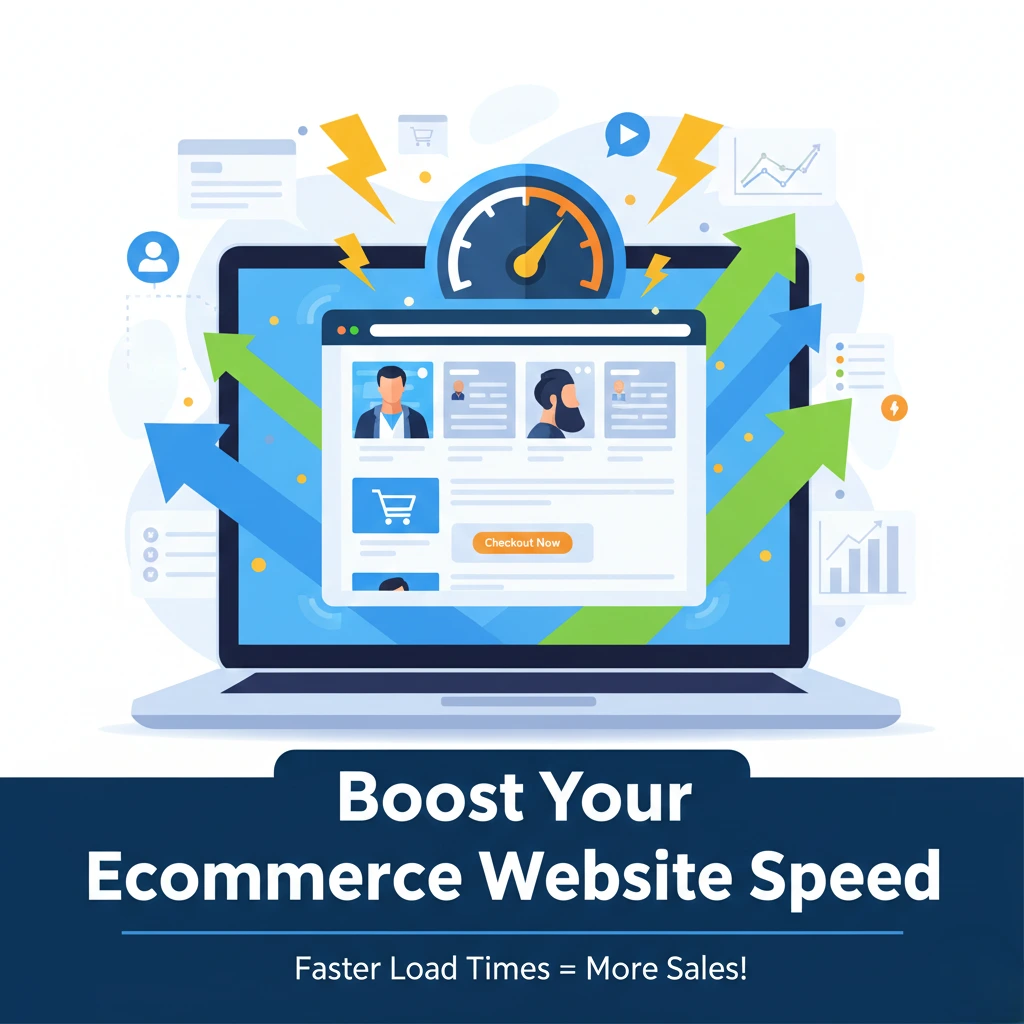
    In the world of online shopping, every second counts. Slow-loading pages frustrate users, increase bounce rates, and cost businesses revenue. Optimizing your eCommerce website speed is no longer optional—it’s essential for a successful online store. A fast website improves user experience, boosts search engine rankings, and increases conversions. In this guide, we’ll explore practical strategies to ensure your store runs smoothly and efficiently.

    Why eCommerce Website Speed Matters

    Shoppers expect instant access to products and information. Studies show that a one-second delay in page load time can reduce conversions by up to 7%. Improving eCommerce website speed not only keeps users happy but also enhances your brand’s credibility.

    Benefits of a Fast Website

    • Higher conversion rates
    • Improved search engine rankings
    • Lower bounce rates
    • Better mobile shopping experience

    A well-optimized site ensures customers enjoy a seamless shopping experience, which is why faster online store performance should be a top priority for every eCommerce business.

    Optimize Images and Media

    Large, uncompressed images are a major cause of slow-loading pages. Optimizing images reduces load times without compromising quality.

    Image Optimization Tips

    • Use WebP or compressed JPEG formats
    • Resize images to match display dimensions
    • Implement lazy loading for below-the-fold content

    Optimizing media is a critical step in improving eCommerce website speed and creating a faster online store.

    Leverage Browser Caching and Content Delivery Networks

    Caching stores parts of your website locally on users’ devices, reducing load times for repeat visits. A Content Delivery Network (CDN) distributes your website’s content across multiple servers worldwide, delivering pages from the nearest location.

    Implementing caching and a CDN is one of the most effective site optimization tips for faster, more reliable page loads. These tools help enhance your eCommerce website speed and ensure consistent performance for all users.

    Minimize HTTP Requests and Code

    Every element on a page—images, scripts, stylesheets—requires an HTTP request. Reducing these requests speeds up your website.

    Steps to Reduce Requests

    • Combine CSS and JavaScript files
    • Remove unnecessary plugins or scripts
    • Use asynchronous loading for non-critical resources

    Efficient code management is a key site optimization tip to achieve a faster, smoother eCommerce website speed.

    Optimize for Mobile

    More than half of online shopping occurs on mobile devices. Mobile users expect fast, responsive websites. Ensure your site is mobile-friendly with fast load times to retain customers.

    Mobile Optimization Strategies

    • Use responsive design
    • Minimize mobile-specific scripts
    • Prioritize above-the-fold content

    Mobile optimization directly impacts eCommerce website speed and helps create a faster online store experience.

    Enable Compression and Reduce Server Response Time

    Enabling Gzip or Brotli compression reduces file sizes for faster downloads. Additionally, a reliable hosting service and optimized server setup decrease server response times.

    Quick Tips

    • Upgrade to a high-performance hosting plan
    • Enable server-side caching
    • Optimize database queries

    These actions are proven site optimization tips that enhance your eCommerce website speed and overall performance.

    Monitor and Test Regularly

    Continuous monitoring ensures your site maintains optimal speed. Tools like Google PageSpeed Insights, GTmetrix, and Pingdom help identify bottlenecks and opportunities for improvement.

    Testing Recommendations

    • Test site speed on multiple devices and locations
    • Track load times after updates or plugin installations
    • Set goals for page load times (under 3 seconds is ideal)

    Regular testing reinforces best practices and ensures a consistently faster online store, improving the eCommerce website speed over time.

    Conclusion

    A fast-loading website is crucial for online sales, customer satisfaction, and SEO. By following these site optimization tips—compressing images, using CDNs, reducing HTTP requests, optimizing for mobile, and monitoring performance—you can achieve an eCommerce website speed that delights customers and maximizes conversions. A faster online store isn’t just a technical advantage; it’s a competitive edge that drives business growth. Focus on speed today, and your customers will thank you tomorrow.