Category: Technology

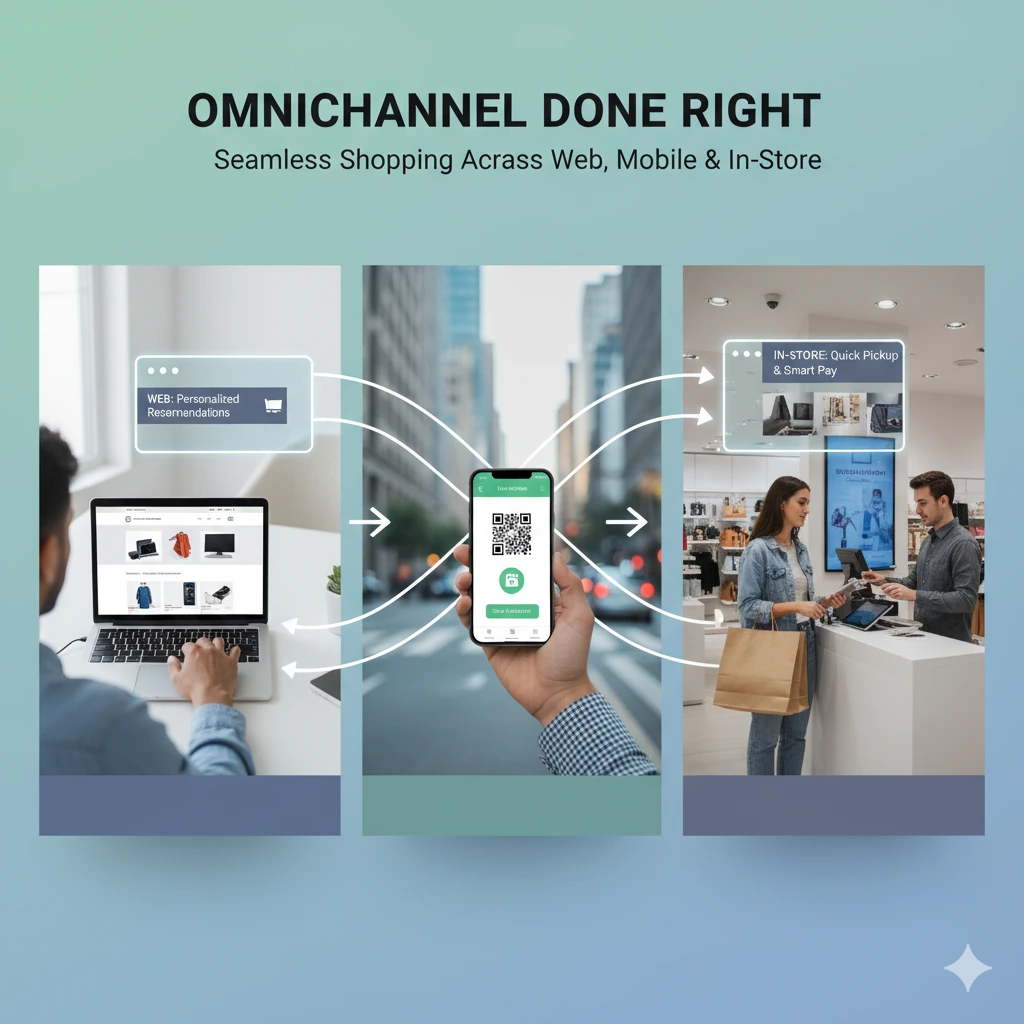
  • Omnichannel Done Right: Seamless Shopping Across Web, Mobile & In-Store

    Omnichannel Done Right: Seamless Shopping Across Web, Mobile & In-Store

    In today’s fast-paced digital economy, the way consumers shop has evolved dramatically. Modern shoppers expect convenience, personalization, and consistency across every touchpoint whether browsing online, scrolling through a mobile app, or walking into a physical store. This transformation has given rise to a powerful retail strategy known as omnichannel commerce. When executed correctly, omnichannel retailing creates a unified customer journey that drives engagement, loyalty, and long-term growth.

    Understanding Omnichannel Retail

    Omnichannel retail refers to an integrated shopping experience where customers can interact with a brand seamlessly across multiple channels—web, mobile, social media, and brick-and-mortar stores. The key word here is seamless. It’s not just about being present on every platform; it’s about connecting them so customers can move effortlessly between them. For example, a shopper might discover a product on Instagram, read reviews on a website, check availability on a mobile app, and complete the purchase in-store—all without a hiccup.

    In contrast to multichannel retail, where each platform operates independently, omnichannel retail ensures data and experiences flow smoothly. This means inventory, customer profiles, and purchase histories are synchronized in real time, giving brands the ability to deliver hyper-personalized and frictionless interactions.

    Why Omnichannel Strategy Matters in 2025

    As digital transformation accelerates, brands that fail to create connected experiences risk losing customers to competitors who do. According to recent retail trends, consumers now demand personalized shopping journeys, flexible delivery options, and instant customer support across all channels. The rise of AI-driven analytics, mobile commerce, and social shopping has made omnichannel integration more crucial than ever.

    Moreover, the post-pandemic shift in consumer behavior has blurred the lines between physical and digital retail. Shoppers want to browse online and pick up in-store through BOPIS (Buy Online, Pick Up In Store) models. They expect consistent pricing, real-time stock visibility, and personalized recommendations. Brands that master this orchestration stand out as leaders in customer experience.

    The Building Blocks of a Successful Omnichannel Experience

    1. Unified Customer Data

    At the core of a seamless omnichannel strategy lies unified data management. Every interaction—from browsing behavior to purchase history—should feed into a centralized system like a Customer Data Platform (CDP). This unified profile empowers brands to recognize each customer across channels and provide consistent, personalized experiences. For example, a CDP allows a brand to remember a shopper’s preferences whether they log in on desktop, mobile, or visit a store.

    2. Consistent Brand Messaging

    An omnichannel brand maintains the same tone, visuals, and messaging across all touchpoints. Consistency fosters trust and strengthens brand identity. Whether it’s an email campaign, an in-app push notification, or an in-store poster, the brand should communicate one coherent message. Using AI-driven personalization, companies can adapt content dynamically based on user behavior without losing authenticity.

    3. Smart Inventory Management

    One of the biggest frustrations for shoppers is discovering an item is unavailable after they’ve decided to buy it. Real-time inventory synchronization ensures customers always see accurate stock information, regardless of where they shop. Advanced retail management software can automate stock updates and even suggest optimal fulfillment options such as ship-from-store or click-and-collect to improve efficiency and reduce costs.

    4. Integrated Payment and Checkout Systems

    A seamless checkout process can make or break the customer experience. Omnichannel retailers must offer flexible payment options—credit cards, mobile wallets, BNPL (Buy Now, Pay Later), and contactless in-store payments. Integrating secure, unified payment gateways ensures that transactions across web, app, and store are effortless and consistent, reducing cart abandonment and boosting conversion rates.

    5. Connected Customer Service

    Customer support should be as seamless as the shopping journey itself. Omnichannel customer service allows agents to access complete customer histories across chat, email, phone, and in-person interactions. Tools like AI chatbots, live chat, and CRM integrations help deliver faster, context-aware assistance, enhancing satisfaction and loyalty.

    How Mobile Commerce Elevates the Omnichannel Journey

    Mobile devices are now the glue holding omnichannel experiences together. With the rise of mobile-first design and progressive web apps (PWAs), shoppers can browse, buy, and engage anytime, anywhere. Mobile apps not only streamline purchases but also enable geolocation marketing, push notifications, and loyalty rewards, bridging the gap between online discovery and offline engagement.

    For instance, when customers walk near a store, they can receive personalized offers through mobile alerts encouraging in-store visits. Similarly, mobile scanning tools allow users to check product details or compare prices instantly. This level of integration enhances engagement and turns every interaction into a conversion opportunity.

    Bridging the Gap Between Digital and Physical Stores

    The future of retail lies in phygital experiences—a blend of physical and digital elements. Smart retailers use technology like QR codes, AR (Augmented Reality), and IoT-enabled devices to enrich in-store experiences. For example, digital mirrors and virtual try-ons help customers visualize products before purchasing, while staff equipped with tablets can access real-time customer insights to personalize recommendations.

    In-store analytics, powered by AI and IoT, track foot traffic and product interaction data, allowing brands to refine layouts and optimize inventory placement. When digital and physical insights merge, brands can deliver superior experiences and anticipate customer needs.

    Leveraging Social Commerce and Content Integration

    In 2025, social commerce continues to rise as a dominant sales channel. Platforms like Instagram, TikTok, and Pinterest are not just for inspiration—they’re direct storefronts. Integrating these platforms into an omnichannel strategy allows shoppers to move from social engagement to purchase with a single tap. Influencer marketing, user-generated content (UGC), and shoppable posts enhance authenticity and trust.

    Content marketing also plays a major role in keeping customers engaged across channels. Personalized blogs, video tutorials, and email newsletters can nurture relationships and drive repeat purchases. When all content aligns with the brand’s omnichannel voice, it builds long-term loyalty.

    Data Analytics and Personalization: The Omnichannel Advantage

    Modern omnichannel retail thrives on data-driven decision-making. By analyzing customer behavior across all platforms, brands can forecast demand, refine marketing strategies, and predict future trends. AI-powered analytics tools can segment audiences, optimize pricing, and recommend products with precision. Personalization is no longer optional—it’s a competitive necessity.

    When customers feel understood, they are more likely to return. Personalized emails, targeted ads, and relevant push notifications create a sense of belonging that strengthens emotional connection with the brand.

    The Future of Omnichannel Shopping

    The future of omnichannel shopping lies in deeper integration and automation. With advancements in AI, machine learning, and 5G connectivity, customer experiences will become even more intuitive and immersive. Emerging technologies such as virtual reality shopping, voice commerce, and predictive fulfillment will redefine convenience and personalization.

    Brands that invest now in omnichannel infrastructure will be best positioned to adapt to these changes and lead the next generation of retail innovation. The ultimate goal is simple—to make shopping effortless, enjoyable, and unforgettable, no matter where it happens.

    Conclusion

    Omnichannel done right is about putting the customer at the center of every interaction. By connecting web, mobile, and in-store experiences through unified data, consistent messaging, and intelligent technology, brands can deliver seamless journeys that drive satisfaction and loyalty. As retail continues to evolve, businesses that embrace omnichannel strategies today will become the leaders of tomorrow’s connected commerce landscape.

  • Minimalist Design & Speed: Why Faster, Cleaner Sites Win in 2026

    Minimalist Design & Speed: Why Faster, Cleaner Sites Win in 2026

    As we enter 2026, the web is more crowded, competitive, and cluttered than ever before. Users are overwhelmed with choices, attention spans are shrinking, and search algorithms are evolving faster than design trends. Amid all the noise, one principle continues to define digital success: simplicity wins. Minimalist design—paired with ultra-fast performance—isn’t just a style anymore; it’s a strategic advantage.

    Today’s leading brands are embracing minimalism and speed to create seamless, distraction-free experiences that capture attention, build trust, and boost conversions. In 2026, the formula is clear: less clutter + faster load times = higher engagement and better rankings.

    The Rise of Minimalist Design in the Digital Era

    Minimalist design is built on the idea that “less is more.” It emphasizes clarity, functionality, and visual harmony, removing unnecessary elements to highlight what truly matters. But minimalism is more than white space and simple typography—it’s a design philosophy rooted in purpose, performance, and user experience (UX).

    In the past, minimalism was often viewed as a trend. Today, it’s the foundation of modern web design, driven by three major forces:

    1. User Behavior: People no longer have the patience for cluttered layouts or slow-loading pages.
    2. AI and Automation: Smart systems demand clean, structured interfaces for effective interaction.
    3. SEO and Performance: Google’s Core Web Vitals and SGE (Search Generative Experience) now prioritize speed, simplicity, and usability.

    Minimalism isn’t about removing design—it’s about removing friction.

    Why Speed Matters More Than Ever in 2026

    Website speed has always been crucial, but in 2026, it’s a make-or-break factor. According to recent UX studies, even a one-second delay in load time can reduce conversions by up to 20%. On mobile, that number doubles.

    The modern web is mobile-first, voice-activated, and AI-integrated. Users expect instant results, whether they’re browsing, buying, or booking. In this high-performance environment, a slow website is a silent killer of brand trust and revenue.

    How Speed Impacts Business Outcomes

    • SEO Rankings: Google’s algorithms heavily reward fast-loading sites with better visibility.
    • User Experience: Quick-loading pages reduce bounce rates and boost engagement.
    • Conversion Rates: Fast checkout experiences lead to higher sales and customer retention.
    • Brand Perception: Users associate speed with professionalism and reliability.

    Speed isn’t just technical—it’s psychological. A site that loads instantly feels more modern, more credible, and more human.

    Minimalism Meets Performance: The Perfect Partnership

    Minimalism and speed naturally complement each other. A cleaner design uses fewer elements, smaller file sizes, and simplified code—making sites lighter and faster by default.

    Here’s how minimalism directly fuels performance:

    1. Fewer Visual Elements = Faster Load Times: Minimalist pages avoid heavy graphics, animations, and scripts that slow performance.
    2. Streamlined Navigation: Fewer distractions mean faster user journeys and more conversions.
    3. Optimized Mobile Experience: Simplicity ensures perfect responsiveness across all screen sizes.
    4. Better AI Readability: Clean layouts and semantic HTML help AI crawlers and search engines interpret content accurately.

    Minimalist design isn’t about artistic restraint—it’s about engineering precision.

    The Psychology Behind Minimalist Design

    Humans crave clarity. In a digital world filled with noise, minimalism creates mental calm. It guides attention to key actions and information without sensory overload.

    Studies show that minimalist interfaces increase user satisfaction and retention rates by over 35%. The visual hierarchy, breathing space, and clean typography enhance comprehension and focus.

    In essence, minimalism doesn’t just look better—it feels better. It builds emotional connection through simplicity, mirroring the mindfulness and clarity consumers seek in their lives.

    Design Trends Defining Minimalism in 2026

    Minimalism has evolved. Today’s minimalist websites blend aesthetic simplicity with technological sophistication. Here are the leading trends shaping 2026:

    1. Micro-Interactions and Subtle Motion

    Instead of flashy animations, modern sites use micro-interactions—tiny, purposeful movements that guide users intuitively. These animations improve feedback and engagement without compromising speed.

    2. Bold Typography and Negative Space

    Typography becomes the hero of minimalist design. Clean sans-serif fonts, oversized headings, and balanced whitespace create impact while maintaining simplicity.

    3. Neutral Color Palettes with Accent Highlights

    Muted tones paired with bold accents (like neon lines or gradient buttons) help maintain visual interest without clutter.

    4. Functional Minimalism

    Every element must have a purpose—whether it’s guiding navigation, conveying emotion, or driving conversion. Decorative design is replaced by intentional design.

    5. Dark Mode and Energy Efficiency

    Beyond aesthetics, dark mode supports sustainability by reducing energy consumption on OLED screens, aligning with the eco-conscious web movement.

    How to Optimize Your Website for Speed in 2026

    Minimalism sets the visual tone, but true performance requires technical precision. Here’s how to ensure your minimalist site delivers maximum speed:

    1. Use Next-Gen Image Formats: Adopt WebP and AVIF for high-quality, lightweight visuals.
    2. Enable Lazy Loading: Load images and videos only when they appear in the viewport.
    3. Minify CSS and JavaScript: Remove unnecessary code to reduce load time.
    4. Implement a CDN (Content Delivery Network): Distribute content globally for faster access.
    5. Adopt Server-Side Rendering (SSR): Improve SEO and speed for dynamic content.
    6. Prioritize Core Web Vitals: Optimize for LCP, FID, and CLS—Google’s key UX metrics.

    In 2026, technical performance is design.

    The SEO Advantage of Minimalism

    Minimalist design doesn’t just enhance aesthetics—it improves search performance. Clean code structures and fast load times make websites more crawlable for search engines.

    Moreover, minimalist layouts often deliver clearer information architecture, which helps AI-driven search systems like Google’s SGE understand and summarize your content accurately.

    A well-optimized minimalist site ranks higher, loads faster, and earns more featured visibility in generative and visual search results.

    The Business Case for Minimalism and Speed

    Minimalist, high-speed websites consistently outperform complex, slow ones in engagement and profitability. Data from 2025 shows that:

    • Sites loading in under 2 seconds had 40% higher conversion rates.
    • Minimalist product pages saw 27% more engagement than heavily designed alternatives.
    • Brands adopting minimalist UX reported lower maintenance costs and higher accessibility scores.

    Minimalism is not cost-cutting—it’s value-maximizing. It aligns with both business goals and user psychology.

    Case Studies: Brands Winning with Minimalism

    • Apple: The pioneer of design simplicity continues to dominate by merging minimalism with flawless performance. Every pixel has purpose, every page loads instantly.
    • Airbnb: Uses clean layouts, high-impact visuals, and fast-loading UI to simplify decision-making.
    • Notion: Combines minimal aesthetics with functional depth, creating an interface that feels intuitive and lightning-fast.

    These brands prove that minimalism isn’t about emptiness—it’s about clarity, speed, and purpose.

    Future of Web Design: Minimal, Intelligent, Instant

    Looking ahead, AI, automation, and voice interfaces will demand even simpler digital ecosystems. Websites will evolve into adaptive, data-driven experiences that load instantly and speak directly to user intent.

    Expect:

    • AI-assisted UI design that auto-optimizes for load speed and clarity.
    • Voice and gesture navigation replacing traditional menus.
    • Predictive content delivery powered by generative AI.
    • Lightweight frameworks like Astro and Svelte dominating front-end performance.

    In short, the future web will be minimal, intelligent, and instant—built for humans, powered by machines.

    Final Thoughts

    As 2026 unfolds, digital success will belong to brands that simplify, accelerate, and humanize their online experiences. Minimalist design and speed are not opposing forces—they are two sides of the same coin, working together to create clarity, efficiency, and connection.

    A fast, clean website reflects more than technical mastery—it reflects respect for your audience’s time and attention. In a world where milliseconds matter, simplicity isn’t just beautiful—it’s profitable.

    In 2026 and beyond, the winners won’t be the loudest or flashiest—they’ll be the fastest, clearest, and most intentional.

  • Immersive Marketing: AR, VR & the Experience Shift That Brands Can’t Ignore

    Immersive Marketing: AR, VR & the Experience Shift That Brands Can’t Ignore

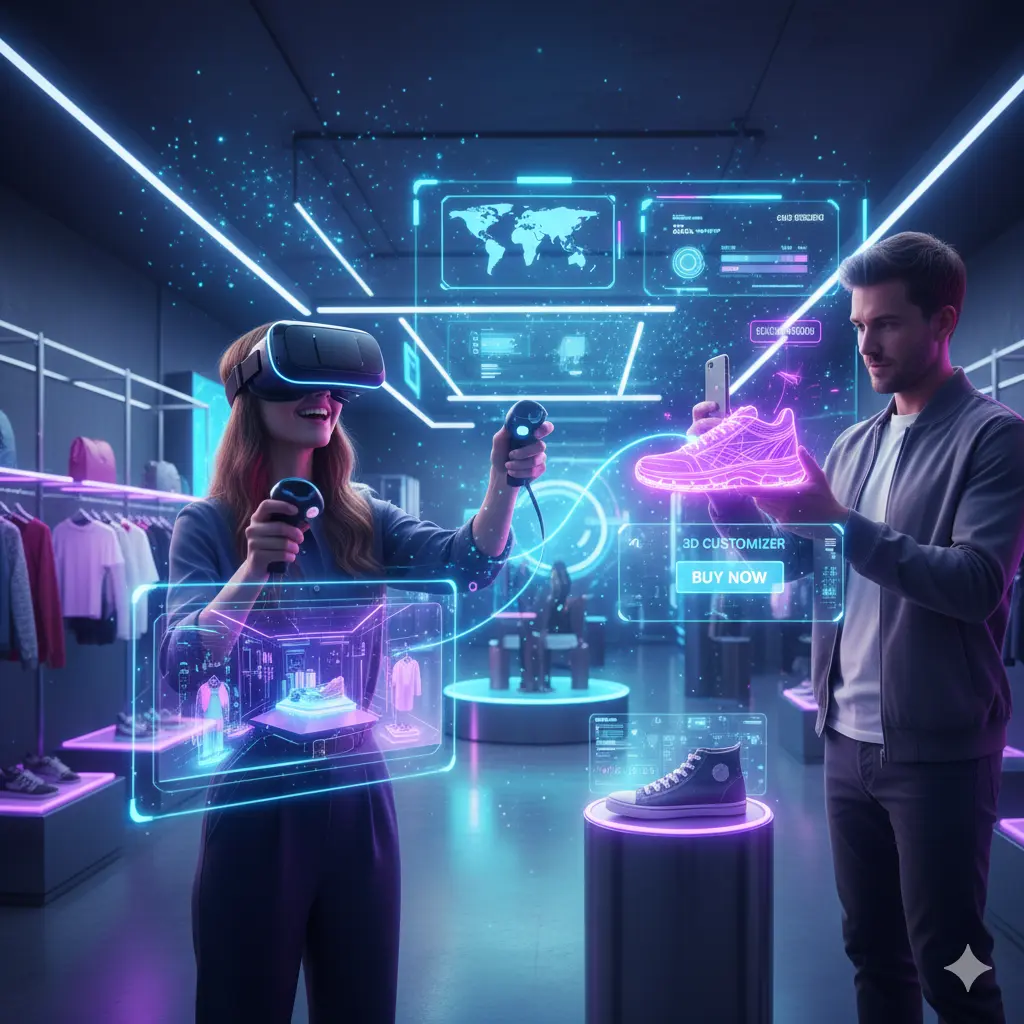
    The world of marketing is evolving faster than ever, and brands are no longer just selling products — they’re selling experiences. Augmented Reality (AR) and Virtual Reality (VR) have emerged as transformative tools that allow consumers to engage with brands in ways that were once unimaginable. From virtual try-ons to immersive brand storytelling, these technologies are shifting consumer expectations and redefining how brands connect with their audiences.

    The Rise of Immersive Marketing

    Immersive marketing leverages AR, VR, and mixed reality to create interactive, engaging, and memorable experiences. Unlike traditional advertising, which relies on static visuals or passive consumption, immersive experiences actively involve the consumer.

    Brands across industries — from fashion and retail to real estate and automotive — are adopting these technologies to provide deeper engagement. By offering hands-on virtual experiences, brands can differentiate themselves, increase brand recall, and drive customer loyalty.

    AR vs VR: Understanding the Difference

    Augmented Reality (AR) overlays digital content onto the real world. Examples include AR filters on Instagram, Snapchat, or virtual try-on tools for eyewear and cosmetics. AR enhances reality rather than replacing it, making it ideal for interactive marketing campaigns.

    Virtual Reality (VR), on the other hand, creates a fully immersive digital environment. VR experiences can transport users to virtual showrooms, interactive brand worlds, or product simulations. While VR requires more hardware like headsets, it delivers a highly engaging and memorable experience.

    Both technologies enable brands to interact with consumers on a deeper level, transforming traditional marketing into a multi-sensory journey.

    Why Brands Can’t Ignore the Experience Shift

    Consumer expectations are evolving. Today’s audiences crave interactive, personalized, and memorable experiences rather than simple advertisements. Immersive marketing fulfills this demand by:

    • Allowing try-before-you-buy experiences online
    • Creating gamified interactions that engage users
    • Delivering storytelling that resonates emotionally

    For example, IKEA’s AR app lets customers visualize furniture in their homes before making a purchase, enhancing confidence and reducing returns. Similarly, Nike’s VR campaigns provide interactive storytelling that immerses users in the brand’s ethos, forging a stronger emotional connection.

    The Role of AR in Retail and E-Commerce

    AR has revolutionized retail and e-commerce by bridging the gap between online and offline experiences. Consumers can use AR to try on clothes, experiment with makeup, or see how furniture fits into their homes. This not only enhances the shopping experience but also boosts conversion rates and reduces cart abandonment.

    Social media platforms have amplified the impact of AR. Filters, lenses, and interactive AR ads allow brands to engage younger audiences while collecting valuable data on preferences and behaviors. AR creates a fun, interactive, and shareable experience, turning users into brand ambassadors.

    VR: Redefining Storytelling and Engagement

    While AR enhances reality, VR replaces it entirely, offering fully immersive brand experiences. VR is particularly powerful for storytelling, training, and simulations. Travel brands, for instance, use VR to transport users to destinations, giving them a taste of the experience before booking. Automotive brands allow users to explore cars virtually, from interior features to test drives.

    VR creates emotional engagement, a key factor in driving brand loyalty. When consumers feel immersed in a narrative, they form stronger memories and connections to the brand. This level of engagement is hard to achieve with traditional media.

    Measuring the Impact of Immersive Marketing

    Investing in AR and VR is not just about novelty; it’s about measurable outcomes. Brands track engagement rates, dwell time, conversion rates, and social shares to assess the effectiveness of immersive campaigns. High engagement often translates into increased sales, brand awareness, and customer retention.

    Additionally, immersive marketing provides data-driven insights. Interactions within AR and VR environments can reveal user preferences, behavior patterns, and engagement points, allowing brands to optimize future campaigns.

    Challenges and Considerations

    Despite its potential, immersive marketing comes with challenges:

    • Cost and accessibility: VR hardware and AR app development require investment
    • User adoption: Not all consumers are familiar with immersive technologies
    • Content creation: Developing high-quality AR/VR experiences demands creativity and technical expertise

    Brands must weigh these factors and start small, experimenting with AR filters, interactive apps, or VR showrooms before scaling immersive campaigns. The key is to deliver value and usability, not just gimmicks.

    The Future of Brand Experiences

    The future of marketing is experiential. As AR glasses, VR headsets, and mixed reality devices become mainstream, immersive marketing will become a standard rather than a novelty. Brands that adopt these technologies early will set new benchmarks for engagement, personalization, and loyalty.

    AI integration will further enhance immersive experiences, creating adaptive and personalized interactions. Imagine entering a virtual store where every product is curated based on your preferences, or attending a live virtual concert tailored to your music tastes. Immersive marketing will redefine how consumers interact, shop, and experience brands.

    Conclusion: Embracing the Experience Shift

    AR and VR are no longer optional tools for brands — they are essential components of modern marketing. Immersive marketing allows brands to create memorable experiences, strengthen emotional connections, and differentiate themselves in an increasingly crowded digital landscape.

    The shift from traditional advertising to experiential engagement is clear. Brands that embrace AR, VR, and immersive storytelling will not only capture attention but also build lasting loyalty in an age where consumers crave interaction, personalization, and authenticity.

  • The Ultimate Guide to Safe Online Shopping in 2025

    The Ultimate Guide to Safe Online Shopping in 2025

    Why Safe Online Shopping Matters More Than Ever


    In 2025, online shopping has become the go-to method for millions of consumers worldwide. With just a few clicks, you can order anything—from groceries to gadgets—delivered straight to your door. But as e-commerce continues to grow, so do cyber threats. Scammers, hackers, and fake websites are becoming more sophisticated, targeting unsuspecting shoppers with convincing schemes. That’s why learning how to shop safely online is no longer optional—it’s essential. Protecting your data, money, and identity ensures you can enjoy the convenience of digital shopping without falling victim to online fraud.

    Recognizing Trusted E-Commerce Stores


    The first step toward safe online shopping is knowing where to buy. Always choose trusted and reputable e-commerce stores like Amazon, eBay, or official brand websites. Look for clear contact information, customer service numbers, and verified business addresses. Check for HTTPS in the website’s URL—it means the site is secure and encrypts your data. Avoid deals that seem too good to be true, especially from unknown sellers. Reading reviews and checking ratings can also help confirm whether a store is legitimate.

    Understanding the Importance of Secure Payment Methods


    When shopping online, choosing the right payment method can make a big difference in security. Use credit cards, digital wallets, or trusted payment platforms like PayPal, Google Pay, or Apple Pay instead of debit cards. These methods often include fraud protection and dispute resolution in case of unauthorized transactions. Avoid wire transfers, cryptocurrency, or direct bank transfers for unknown sellers—they’re nearly impossible to trace or recover. Always confirm that the payment gateway is secure and never enter card details on pop-up pages or unfamiliar links.

    Protecting Your Personal and Financial Information


    Data protection is at the heart of safe online shopping. Avoid sharing unnecessary personal information—legitimate stores don’t need your Social Security number or banking passwords. Create strong, unique passwords for each shopping account, combining letters, numbers, and symbols. Enable two-factor authentication (2FA) whenever possible for an extra layer of protection. Using a virtual private network (VPN) while shopping on public Wi-Fi can also keep your data secure from hackers trying to intercept your connection.

    Spotting Fake Websites and Online Scams


    Cybercriminals often create fake websites that mimic real stores to trick shoppers. These fraudulent sites can steal your payment information or deliver counterfeit products. To identify scams, look for spelling errors, poor-quality images, and strange domain names. Avoid clicking on links from unsolicited emails or social media ads claiming massive discounts. If a website lacks secure payment options or customer reviews, it’s best to move on. You can also use online tools like Whois to verify when and where a website was registered—scam sites are often very new.

    Staying Safe on Mobile Shopping Apps


    In 2025, more than 70% of e-commerce transactions happen on smartphones. While mobile apps make shopping easy, they also introduce new security risks. Download apps only from official stores like Google Play or Apple App Store. Check the app’s developer details, permissions, and user ratings. Be cautious of fake apps that mimic popular retailers—they may steal your data or display misleading ads. Keep your mobile device’s software and security patches updated to guard against malware and data theft.

    The Role of Cybersecurity in Online Shopping


    Modern cybersecurity measures are more advanced than ever, yet they rely on user awareness to be effective. Many e-commerce platforms use AI-driven fraud detection, end-to-end encryption, and biometric authentication to safeguard user information. Still, individual vigilance is crucial. Avoid saving payment details on every website, and regularly review your bank and credit card statements for unusual activity. The best defense against cyber threats is a proactive mindset combined with up-to-date digital protection.

    How to Handle Suspicious Emails and Phishing Attempts


    Phishing emails remain one of the most common online threats in 2025. These scams often appear as official messages from banks, retailers, or shipping companies, urging you to click on links or share information. Always check the sender’s email address and avoid downloading attachments from unknown sources. Legitimate companies will never ask for sensitive data via email. If you suspect an email is fake, go directly to the company’s official website instead of using the provided links.

    Safe Shopping Habits for Everyday Shoppers


    Building smart shopping habits helps maintain long-term online safety. Shop only from secure networks—avoid making purchases over public Wi-Fi. Log out after each session, especially when using shared or public devices. Regularly update your browser and antivirus software to protect against new threats. Consider using privacy-focused browsers or password managers to keep your online accounts safe. By developing these habits, you can reduce the chances of cyberattacks while enjoying a seamless shopping experience.

    The Importance of Reading Return and Refund Policies


    Before buying anything online, take a moment to read the return and refund policies. Reputable stores clearly outline procedures for product returns, replacements, and cancellations. Fraudulent websites often have vague or hidden terms designed to prevent refunds. Understanding store policies also helps manage expectations and avoid disappointment if something goes wrong with your purchase. Transparency is a hallmark of trustworthy e-commerce platforms, so don’t skip this step.

    Leveraging Technology for Safer Online Shopping


    Emerging technologies are making online shopping safer and smarter. Blockchain-based payment systems are adding transparency and traceability to transactions. Biometric authentication, such as fingerprint or facial recognition, ensures only you can access your accounts. AI-powered security systems can now detect unusual spending behavior and alert you instantly. These innovations are transforming how consumers protect themselves online, turning technology into a powerful ally in cybersecurity.

    How to Recover from an Online Scam


    If you ever fall victim to an online scam, act quickly. Contact your bank or payment provider immediately to report unauthorized charges and freeze your account if necessary. File a complaint with your local consumer protection agency and report the website to cybersecurity authorities. Change your passwords for all connected accounts and run a full security scan on your devices. Recovering from a scam can be stressful, but taking swift action minimizes damage and prevents further losses.

    Final Thoughts: Shop Smart, Stay Safe, and Enjoy the Convenience


    Online shopping in 2025 offers unparalleled convenience and variety—but it also demands awareness and responsibility. By sticking to trusted stores, using secure payment methods, and staying alert for scams, you can shop confidently and safely. Embrace tools like VPNs, password managers, and two-factor authentication to protect your data. The future of e-commerce is bright, filled with innovation and accessibility, but safety must always come first. With these best practices, you can enjoy the freedom of digital shopping while keeping your information and finances secure every step of the way.

  • Everyday Tech Gadgets That Can Simplify Your Life

    Everyday Tech Gadgets That Can Simplify Your Life

    Why Everyday Tech Gadgets Are Essential in 2025


    In 2025, technology continues to play a central role in making our lives easier, more efficient, and connected. From smart home devices to wearable tech, everyday gadgets are no longer luxury items—they’re essential tools for managing time, improving productivity, and enhancing comfort. Whether you’re a busy professional, a student, or someone who simply wants to make daily routines more efficient, the right tech gadgets can save time, reduce stress, and increase convenience. The rise of AI-powered devices and smart automation means that simple tasks like turning on lights, managing schedules, or monitoring health can now be handled seamlessly.

    Smart Home Gadgets for Ultimate Convenience


    Smart home gadgets are among the most popular tech tools in 2025. Devices like smart speakers, voice-controlled lights, and automated thermostats can streamline daily routines and save energy. Smart plugs and outlets allow you to control appliances remotely, while Wi-Fi-enabled security cameras and doorbells offer peace of mind. Even kitchen appliances are getting smarter with Wi-Fi-enabled coffee makers, robotic vacuum cleaners, and intelligent refrigerators that track grocery inventory. These gadgets reduce the time spent on mundane tasks and make home management more efficient, allowing you to focus on what truly matters.

    Wearable Tech for Health and Productivity


    Wearable technology has evolved far beyond simple step counters. In 2025, smartwatches, fitness bands, and health-monitoring devices help track sleep, heart rate, oxygen levels, and even stress. These gadgets provide real-time insights into your health, motivating you to make better lifestyle choices. Wearables can also simplify work and communication by syncing notifications, emails, and reminders directly to your wrist. Whether you’re tracking workouts, managing a hectic schedule, or monitoring personal health, wearable tech provides actionable insights while keeping everything at your fingertips.

    Wireless Gadgets That Reduce Clutter


    Wireless technology has revolutionized how we interact with everyday gadgets. Wireless headphones, charging pads, and smart speakers reduce cable clutter while offering flexibility and portability. Bluetooth-enabled devices like keyboards, mice, and printers make workspaces cleaner and more organized. Portable wireless chargers and power banks ensure that your devices remain powered on the go. By eliminating tangled wires and cumbersome setups, wireless gadgets simplify daily life and improve efficiency, whether at home, work, or while traveling.

    AI-Powered Gadgets for Smarter Living


    Artificial intelligence (AI) has become a game-changer for everyday tech. AI-powered gadgets, including robotic vacuums, smart assistants, and intelligent lighting systems, can learn user habits and optimize their performance over time. For example, AI thermostats adjust temperatures automatically based on your schedule, while smart assistants help manage calendars, answer questions, and even automate shopping lists. These gadgets save time, increase productivity, and personalize your environment, making life not just easier, but smarter.

    Tech Gadgets for Home Entertainment


    Entertainment is another area where everyday gadgets enhance convenience. Smart TVs, streaming devices, and wireless sound systems provide access to endless content without complex setups. Virtual reality (VR) headsets and gaming consoles offer immersive experiences, while smart projectors can turn any room into a mini theater. These gadgets are designed to integrate seamlessly with other smart home devices, allowing you to control lighting, sound, and even room ambiance through voice commands or mobile apps. Enjoying leisure activities has never been easier or more connected.

    Productivity Tools That Make Work Easier


    Technology is not just for home convenience—it also enhances productivity. Digital planners, note-taking tablets, and wireless keyboards help manage tasks efficiently. Noise-canceling headphones reduce distractions in busy environments, while smart desk lamps with adjustable brightness improve focus. AI-powered software and gadgets automate repetitive tasks, organize data, and even suggest optimized workflows. For remote workers and students, these tools create a more productive environment, allowing you to accomplish more in less time.

    Eco-Friendly Tech Gadgets


    In 2025, eco-conscious consumers are also seeking technology that supports sustainability. Solar-powered chargers, energy-efficient smart bulbs, and low-power devices reduce environmental impact while simplifying daily life. Smart plugs and energy-monitoring systems help track electricity usage, encouraging responsible energy consumption. By integrating eco-friendly tech gadgets into your lifestyle, you not only make tasks more convenient but also contribute to a greener, more sustainable world.

    Portable Gadgets for On-the-Go Convenience


    Life is busy, and portable gadgets make it easier to stay connected and efficient while traveling. Portable Bluetooth speakers, compact drones, handheld projectors, and foldable keyboards provide convenience wherever you go. Wireless earbuds and pocket-sized power banks ensure you’re always ready for work or leisure. These portable gadgets are lightweight, easy to carry, and designed to integrate with smartphones and other devices, making them indispensable tools for people with active lifestyles.

    Tips for Choosing the Right Everyday Tech Gadgets


    When selecting tech gadgets to simplify your life, consider the following: identify tasks you want to streamline, choose gadgets compatible with your existing devices, and prioritize durability and user-friendliness. Check for customer reviews, warranty information, and energy efficiency ratings. Selecting gadgets that truly fit your lifestyle ensures that technology enhances your daily routines instead of creating additional complexity.

    The Future of Everyday Tech Gadgets


    The future of tech gadgets in 2025 and beyond is focused on integration, personalization, and automation. Smart homes will become more interconnected, wearable tech will offer deeper health insights, and AI will continue to make devices smarter and more intuitive. Everyday gadgets will increasingly anticipate needs, streamline tasks, and enhance comfort, making technology an invisible but essential partner in our daily lives. The goal is simple: to save time, reduce stress, and improve overall quality of life.

    Final Thoughts: Simplify Your Life with the Right Tech Gadgets


    Everyday tech gadgets are no longer optional—they’re essential for managing modern life efficiently. From smart home devices and wearable tech to AI-powered assistants and wireless gadgets, these tools save time, improve productivity, and enhance comfort. By integrating these gadgets into your daily routines, you can automate tasks, monitor health, enjoy seamless entertainment, and stay organized, all while keeping life simple and efficient. Investing in the right tech gadgets in 2025 is an investment in convenience, productivity, and a smarter, more connected lifestyle.