
Category: Technology

  • How AI is Revolutionizing Product Recommendations and Personalization

    How AI is Revolutionizing Product Recommendations and Personalization

    In the ever-evolving world of e-commerce, businesses are constantly searching for innovative ways to engage customers and drive sales. One of the most transformative technologies reshaping this landscape is Artificial Intelligence (AI). Through machine learning algorithms, predictive analytics, and data-driven insights, AI is revolutionizing product recommendations and personalization, helping brands deliver exactly what customers want before they even ask for it. This level of smart personalization is not just improving customer experiences but also redefining how online stores operate, compete, and grow.

    The Power of AI in Product Recommendations

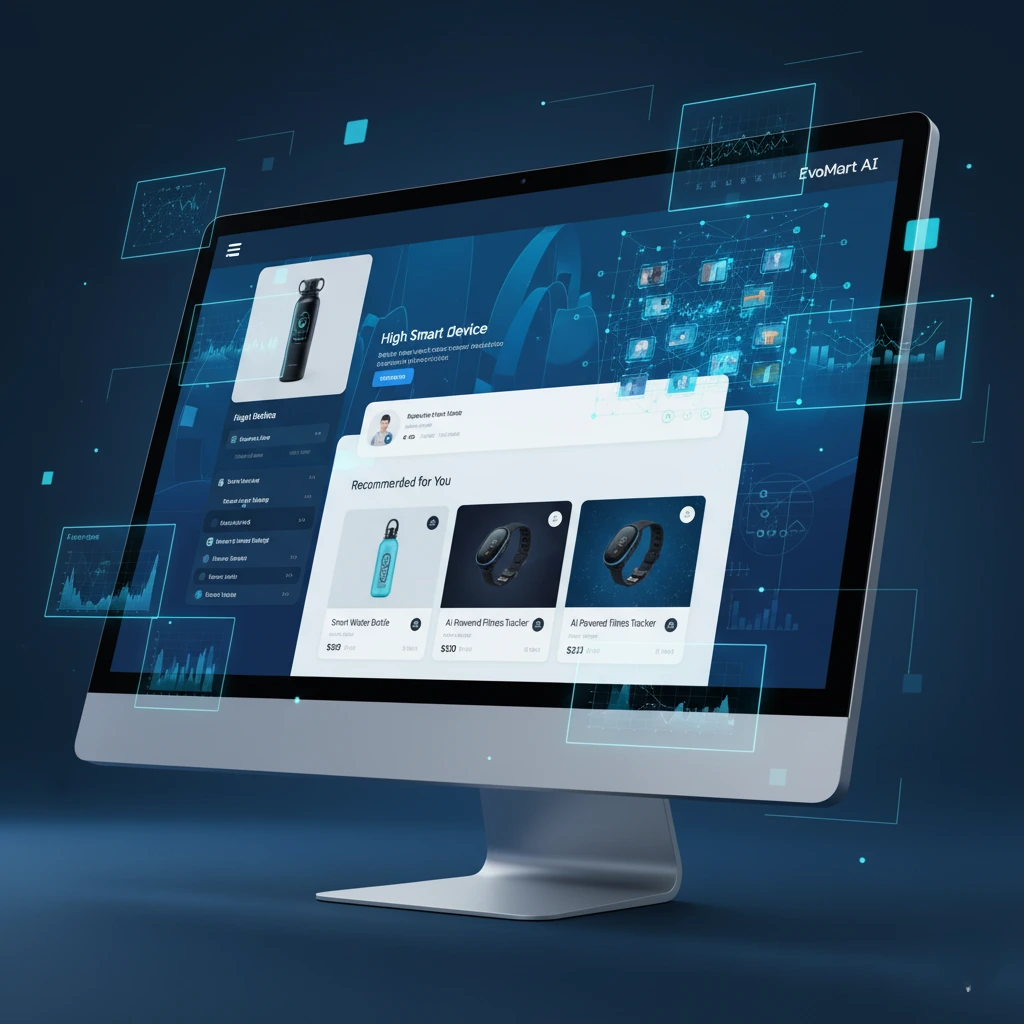
    AI-powered product recommendations have become the backbone of modern e-commerce platforms like Amazon, Netflix, and Spotify. When customers browse a website or app, every click, scroll, and purchase provides valuable data that AI systems can analyze. Using machine learning, these systems identify behavioral patterns, preferences, and purchase histories to predict what products a shopper is most likely to buy next. This process is far more advanced than traditional recommendation systems, which relied solely on simple filters such as “people who bought this also bought that.” Instead, AI integrates millions of data points in real time, creating hyper-personalized experiences tailored to each individual user.

    Data-Driven Personalization at Scale

    One of the main reasons AI-driven recommendations are so powerful is their ability to process massive amounts of unstructured data. From browsing behavior to social media interactions, AI can interpret diverse forms of information and translate them into actionable insights. For example, if a user spends time viewing running shoes and fitness apparel, the AI system can automatically recommend complementary items such as water bottles or smartwatches. Over time, the system learns from user feedback, continuously refining its predictions. This creates a feedback loop that enhances accuracy and ensures each customer sees the most relevant products, boosting both engagement and conversion rates.

    Beyond Recommendations: Total Personalization

    Tailoring the Entire Customer Journey

    Personalization in e-commerce extends beyond simple product suggestions. AI enables businesses to customize the entire customer journey. From personalized email campaigns to dynamic website layouts, AI algorithms ensure every touchpoint reflects the shopper’s preferences and intent. For instance, when a returning customer logs into an online store, the homepage can automatically display products aligned with their previous searches or recent purchases. Similarly, AI-powered chatbots can provide tailored recommendations based on real-time queries, improving customer support and driving additional sales. This seamless integration of personalization not only enhances user satisfaction but also builds long-term loyalty.

    Predictive Analytics and Anticipatory Marketing

    One of the most notable impacts of AI on personalization is its ability to predict customer needs before they arise. Predictive analytics allow businesses to anticipate what customers might want next by analyzing historical data, market trends, and contextual factors. For example, an AI system might recognize that a customer who purchased a winter jacket last year is likely to be interested in a new coat as the cold season approaches. By proactively suggesting such products, e-commerce brands can stay ahead of customer expectations and increase their chances of repeat purchases. This proactive approach to marketing transforms the shopping experience from reactive to anticipatory, giving brands a significant competitive edge.

    AI in Pricing and Promotions

    AI also plays a crucial role in optimizing pricing and promotions, another key aspect of personalization. Dynamic pricing algorithms use AI to analyze demand, competitor pricing, and customer behavior in real time, adjusting prices to maximize sales and profitability. This ensures that customers receive personalized discounts or offers based on their buying patterns and preferences. For example, a customer who frequently buys high-end electronics might be shown premium product bundles, while a price-sensitive shopper could receive special promotions on budget-friendly alternatives. This level of customization enhances perceived value and encourages faster purchase decisions.

    Operational Benefits for E-Commerce Brands

    In addition to enhancing customer experience, AI-driven personalization benefits businesses through increased operational efficiency. Automation reduces the need for manual data analysis, allowing marketing teams to focus on creative strategy rather than repetitive tasks. By using AI tools, brands can segment audiences more precisely, target ads more effectively, and measure campaign performance with higher accuracy. The result is a smarter, data-driven marketing approach that reduces waste and maximizes ROI. Moreover, the insights gathered through AI analytics help businesses understand emerging trends, identify underperforming products, and refine inventory management.

    Visual and Voice-Based Personalization

    Another area where AI is making waves is visual and voice-based personalization. Visual recognition technology allows AI systems to analyze product images and user-uploaded photos to suggest visually similar items. For instance, if a shopper uploads a picture of a dress they love, the AI can instantly recommend similar designs available on the website. Voice commerce, powered by AI assistants like Alexa and Google Assistant, is also transforming how people shop. By understanding natural language and voice commands, these systems can provide product recommendations and facilitate hands-free shopping, offering customers a more convenient and intuitive experience.

    Ethical AI and Consumer Trust

    Ethical considerations also come into play when using AI for personalization. While customers appreciate relevant recommendations, they also value their privacy. Transparency about data collection and responsible use of AI are essential to maintaining trust. Brands must ensure that their AI systems comply with data protection laws such as GDPR and that customers have control over their personal information. The goal should be to create personalization that feels helpful rather than intrusive. When done ethically, AI-driven personalization can enhance relationships between brands and customers, fostering trust and long-term loyalty.

    The Future of AI in Personalization

    As AI technology continues to evolve, the future of product recommendations and personalization looks even more promising. Emerging technologies such as generative AI, augmented reality, and contextual AI will push personalization to new heights. Generative AI can create personalized product descriptions, visuals, and ad copy tailored to individual users, while augmented reality can allow customers to virtually “try on” products before purchasing. Contextual AI, on the other hand, will make personalization even more adaptive, considering external factors like weather, time, and location to offer more relevant suggestions. These advancements will make online shopping more engaging, interactive, and intuitive than ever before.

    Conclusion

    AI is fundamentally transforming how e-commerce brands interact with customers. Through advanced algorithms and real-time learning, businesses can now deliver personalized shopping experiences that not only meet but exceed customer expectations. From predictive recommendations to dynamic pricing and automated marketing, AI is driving a new era of intelligent commerce. For brands that embrace this technology, the rewards are substantial—higher engagement, stronger loyalty, and increased revenue. For consumers, AI-driven personalization means a smoother, smarter, and more enjoyable shopping experience. As technology continues to advance, one thing is certain: AI will remain at the heart of e-commerce innovation, reshaping how we discover, interact with, and purchase products online.
  • How AI Product Recommendations for Online Shopping Are Changing the Way We Buy

    How AI Product Recommendations for Online Shopping Are Changing the Way We Buy

    Have you ever browsed an online store, and suddenly the perfect product appeared—something you didn’t even know you wanted, but ended up buying instantly? That’s not magic. It’s the power of AI product recommendations for online shopping.

    In 2025, artificial intelligence is not just a tech buzzword—it’s one of the biggest drivers of e-commerce growth. From suggesting items based on past behavior to customizing homepages in real time, AI is transforming the way brands engage with shoppers.

    Let’s explore how it works, why it matters, and how you can use it to boost your own online business.


    🧠 What Are AI Product Recommendations?

    AI (Artificial Intelligence) uses machine learning algorithms to analyze massive amounts of data—like your browsing habits, previous purchases, time spent on pages, or even what others with similar tastes have bought.

    Based on this data, AI product recommendations for online shopping can suggest:

    • Related products (“You might also like…”)
    • Bestsellers based on your location
    • Recently viewed or abandoned cart items
    • Personalized discounts or bundles

    It’s smarter than manual cross-selling and much faster.


    🚀 Why It Works So Well

    In traditional shopping, a salesperson might guide you toward the right choice. Online, AI plays that role—only better. Here’s why AI product recommendations for online shopping are so effective:

    • Personalized Experience: No two customers are shown the same products. This customization increases engagement and trust.
    • Faster Decisions: Shoppers don’t have to scroll endlessly. The best-fit items are already waiting for them.
    • Higher Conversions: Suggested products that match customer intent have a much higher chance of being purchased.
    • Increased Average Order Value (AOV): When customers are shown relevant add-ons or bundles, they’re more likely to spend more.

    In fact, major brands like Amazon, Netflix, and Shopify stores report that over 30% of their revenue comes from AI-based recommendations.


    🔍 Use Cases Across Industries

    AI product recommendations for online shopping aren’t just for tech giants. They’re being used across every niche:

    • Fashion: Recommending outfits based on style history or trends
    • Electronics: Suggesting accessories or upgrades
    • Beauty: Personalized skincare or makeup routines
    • Grocery: Suggesting weekly reorders or seasonal products

    Whether you’re a large online marketplace or a small niche Shopify store, AI can be integrated affordably using tools like:

    • Shopify apps (LimeSpot, Wiser)
    • WooCommerce plugins
    • Custom solutions via APIs (like Amazon Personalize)

    📈 The Future of AI in E-commerce

    In 2025 and beyond, AI product recommendations for online shopping will evolve even further with:

    • Voice commerce: Suggesting products via smart assistants like Alexa or Google Assistant
    • Visual search: Recommending items based on images or screenshots
    • Emotional AI: Detecting moods to adjust product suggestions accordingly

    With shoppers expecting more personalization and less effort, businesses that adopt AI will stay ahead of the curve.


    ✅ Final Thought

    If you’re running an online store and haven’t embraced AI product recommendations for online shopping, you’re leaving money on the table. Customers want a smooth, intuitive, and personalized experience—and AI delivers exactly that.

    Investing in AI today is an investment in higher conversions, better customer loyalty, and smarter business growth.


    ❓Frequently Asked Questions

    1. Are AI product recommendations only for big businesses like Amazon?

    Answer:
    No! Many small to mid-sized businesses now use affordable AI tools that integrate with platforms like Shopify, WooCommerce, and BigCommerce. You don’t need a massive tech team to benefit from AI.


    2. Do AI recommendations really improve sales?

    Answer:
    Yes. Brands using AI product recommendations for online shopping often see a 10–30% increase in conversions and a higher average order value due to smarter upselling and cross-selling.


    3. Is customer data safe when using AI for product recommendations?

    Answer:
    Reputable AI platforms follow strict data protection laws (like GDPR). Most tools use anonymized, behavior-based data rather than personal identifiers to make suggestions safely and securely.

  • Embracing the Future: Mobile‑First Ecommerce Website Design Trends You Need to Know

    Embracing the Future: Mobile‑First Ecommerce Website Design Trends You Need to Know

    In 2025, mobile shopping isn’t the future—it’s the present. More than 70% of online purchases now happen on smartphones, which means your ecommerce store must deliver a fast, seamless, and mobile-optimized experience. That’s where mobile‑first ecommerce website design trends come in.

    Brands that focus on mobile-first design aren’t just improving looks—they’re increasing speed, engagement, and conversion.


    🚀 What Is Mobile‑First Design?

    Mobile-first design means building your ecommerce website for smartphones and small screens first, then expanding the design for tablets and desktops. This approach ensures your most valuable customers—mobile users—get the best experience from the start.


    🔥 Top Mobile‑First Ecommerce Website Design Trends in 2025

    1. Thumb-Friendly Navigation

    Menus, buttons, and product filters are placed where your thumb naturally lands. Easy access = better UX.

    2. Minimalist Layouts with Bold CTAs

    Clean, focused pages with large images and clear calls-to-action are key. Shoppers don’t want clutter—they want speed.

    3. Mobile Checkout Optimization

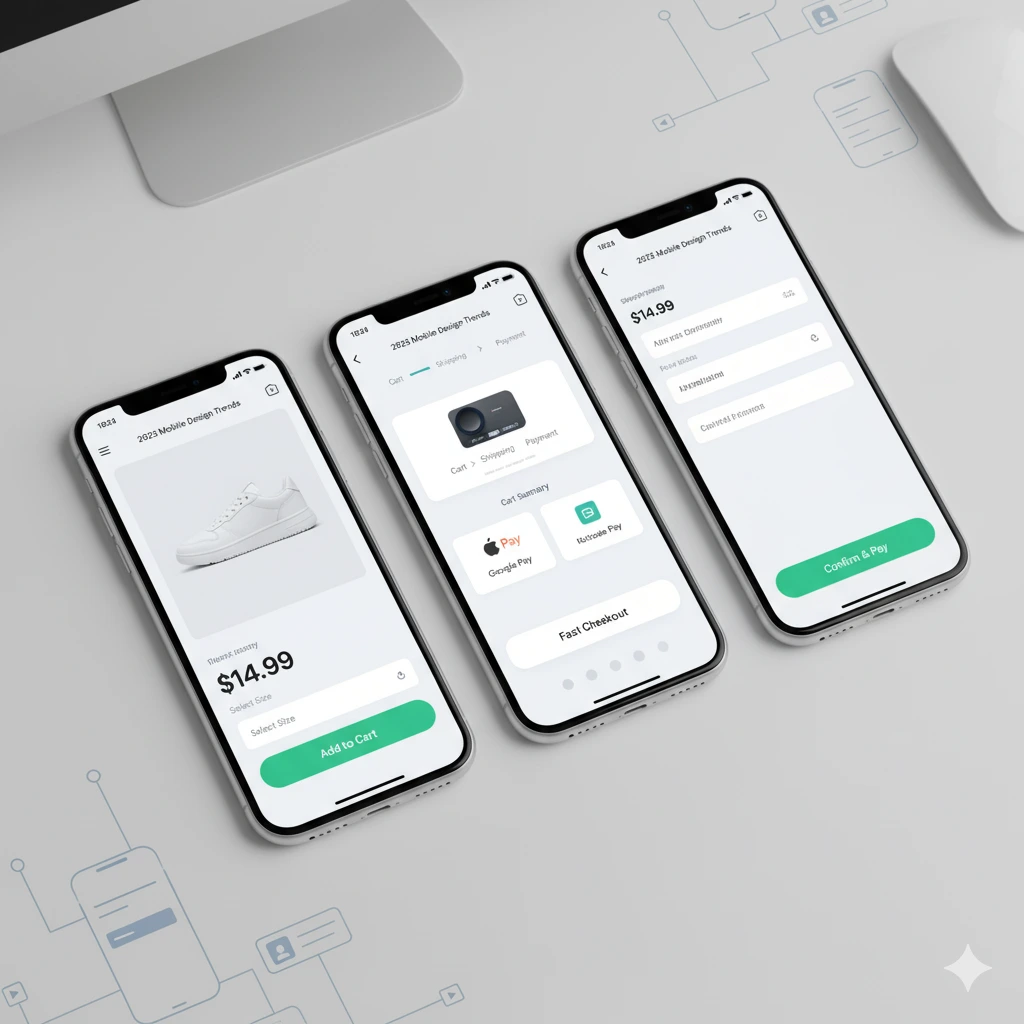
    No one wants to pinch and zoom to fill out forms. One-click checkout, auto-filled fields, and wallet integrations (Apple Pay, Google Pay) are part of modern mobile‑first ecommerce website design trends.

    4. Progressive Web Apps (PWAs)

    PWAs offer app-like experiences without the download. They load faster, work offline, and boost engagement—perfect for mobile-first design.

    5. Voice Search and Smart Filters

    As voice assistants grow, expect more users to search with voice. Mobile-first design now includes speech-friendly interfaces and simplified navigation.


    📈 Why These Trends Matter

    With mobile devices driving the majority of online traffic, following mobile‑first ecommerce website design trends means:

    • Higher conversion rates
    • Faster page loading
    • Lower bounce rates
    • Improved SEO (Google prioritizes mobile-optimized pages)
    • Better customer satisfaction

    Simply put, your mobile design is now your main storefront.


    Final Thoughts

    If you’re still designing your ecommerce site with desktop first, it’s time to rethink. In 2025, mobile‑first ecommerce website design trends are not optional—they’re essential to staying relevant and competitive in a mobile-driven market.


    ❓Frequently Asked Questions

    1. Is mobile-first design only for big brands?

    Answer:
    No. Whether you’re a small startup or an enterprise, mobile-first design benefits everyone. It improves user experience, boosts sales, and helps your brand grow—especially among younger, mobile-native audiences.


    2. What’s the difference between responsive and mobile-first design?

    Answer:
    Responsive design adapts to different screens, starting with desktop. Mobile-first design starts with mobile, ensuring the mobile version is prioritized and fully optimized from the beginning.


    3. How can I check if my ecommerce site is mobile-optimized?

    Answer:
    Use tools like Google’s Mobile-Friendly Test or Lighthouse audit. Or, test your site manually on multiple phones to see how fast it loads, how easy it is to navigate, and if checkout is smooth.