
Tag: automation

  • Simplify, Automate, Grow: Best Ecommerce Management Tools

    Simplify, Automate, Grow: Best Ecommerce Management Tools

    Running an online store can be overwhelming without the right systems in place. From tracking inventory to processing orders and analyzing customer behavior, ecommerce operations require attention to detail and efficiency. That’s where ecommerce management tools come in. These platforms streamline workflows, reduce errors, and help businesses scale faster.

    In 2026, the most successful online retailers rely on ecommerce management tools to automate repetitive tasks, manage orders efficiently, and gain actionable insights. When paired with ecommerce automation tools, these systems save time and allow entrepreneurs to focus on growth and customer satisfaction.

    Why Ecommerce Management Tools Are Essential

    Managing an online store involves multiple moving parts—inventory, order processing, shipping, and customer communication. Without proper tools, these tasks can become time-consuming and prone to mistakes. Ecommerce management tools consolidate these processes into one platform, improving accuracy and efficiency.

    By integrating order management, inventory tracking, and reporting, businesses can monitor operations in real-time. Automation reduces human error, ensures timely delivery, and improves the customer experience, which ultimately drives higher sales and retention.

    Key Features to Look For

    Not all ecommerce management tools are created equal. When evaluating options, focus on features that simplify daily operations and support growth.

    Inventory and Order Management

    Accurate inventory tracking is crucial to prevent stockouts or overselling. Look for tools that automatically update stock levels across multiple sales channels and alert you when items run low. Integrated order management ensures every purchase is recorded, processed, and shipped efficiently.

    Automation Capabilities

    Ecommerce automation tools can handle repetitive tasks like sending order confirmation emails, generating shipping labels, or updating inventory. Automation not only saves time but also improves accuracy and consistency, reducing the risk of errors that can harm your reputation.

    Analytics and Reporting

    Ecommerce management tools should provide detailed insights into sales trends, customer behavior, and product performance. Analytics help identify best-selling items, optimize pricing, and make informed marketing decisions. Reports also highlight operational bottlenecks, enabling proactive problem-solving.

    Integration with Other Platforms

    Seamless integration with ecommerce platforms, payment gateways, shipping providers, and marketing tools is essential. The more connected your systems, the easier it is to automate workflows and maintain a cohesive operation.

    Top Ecommerce Management Tools in 2026

    Several platforms stand out for their ability to streamline ecommerce operations and support growth.

    • Shopify Plus offers integrated order management, inventory tracking, and extensive app support for automation.
    • BigCommerce provides multi-channel selling, robust analytics, and flexible inventory management.
    • WooCommerce paired with plugins enables a highly customizable system for automating repetitive tasks and managing orders efficiently.
    • TradeGecko (QuickBooks Commerce) specializes in inventory and order management, making it ideal for growing businesses.

    These tools combine core ecommerce management features with ecommerce automation tools to simplify operations and enhance productivity.

    Benefits of Using Ecommerce Management Tools

    Time Savings

    By automating repetitive processes, store owners can focus on strategy, marketing, and customer engagement rather than manual data entry.

    Improved Accuracy

    Automation reduces human error in order processing, inventory updates, and reporting. Accurate operations prevent stockouts, delayed shipments, and unhappy customers.

    Scalability

    As your store grows, manual management becomes unsustainable. Ecommerce management tools support growth by handling higher order volumes, multi-channel operations, and complex workflows without additional staff.

    Enhanced Customer Experience

    Timely order fulfillment, accurate stock availability, and proactive communication create a smoother customer journey. Satisfied customers are more likely to return and recommend your store.

    Tips for Maximizing the Impact of Ecommerce Tools

    • Automate wherever possible: Set up rules for inventory updates, order notifications, and customer communications.
    • Regularly review analytics: Identify trends and adjust inventory, pricing, or marketing strategies accordingly.
    • Integrate all platforms: Ensure your ecommerce management tools connect with your ecommerce automation tools, payment gateways, and shipping providers for seamless operations.
    • Train your team: Even with automation, your team should understand workflows to manage exceptions and maintain efficiency.

    Final Thoughts

    Ecommerce management tools are no longer optional—they are essential for running a successful online store in 2026. By combining order management, inventory tracking, analytics, and ecommerce automation tools, businesses can simplify operations, reduce errors, and focus on growth.

    Investing in the right ecommerce management tools allows you to automate repetitive tasks, improve operational efficiency, and provide a superior customer experience. With the right setup, your online store can scale effectively while maintaining accuracy and efficiency, positioning your business for long-term success.

  • Same-Day vs. Next-Day Delivery: Customer Preferences

    Same-Day vs. Next-Day Delivery: Customer Preferences

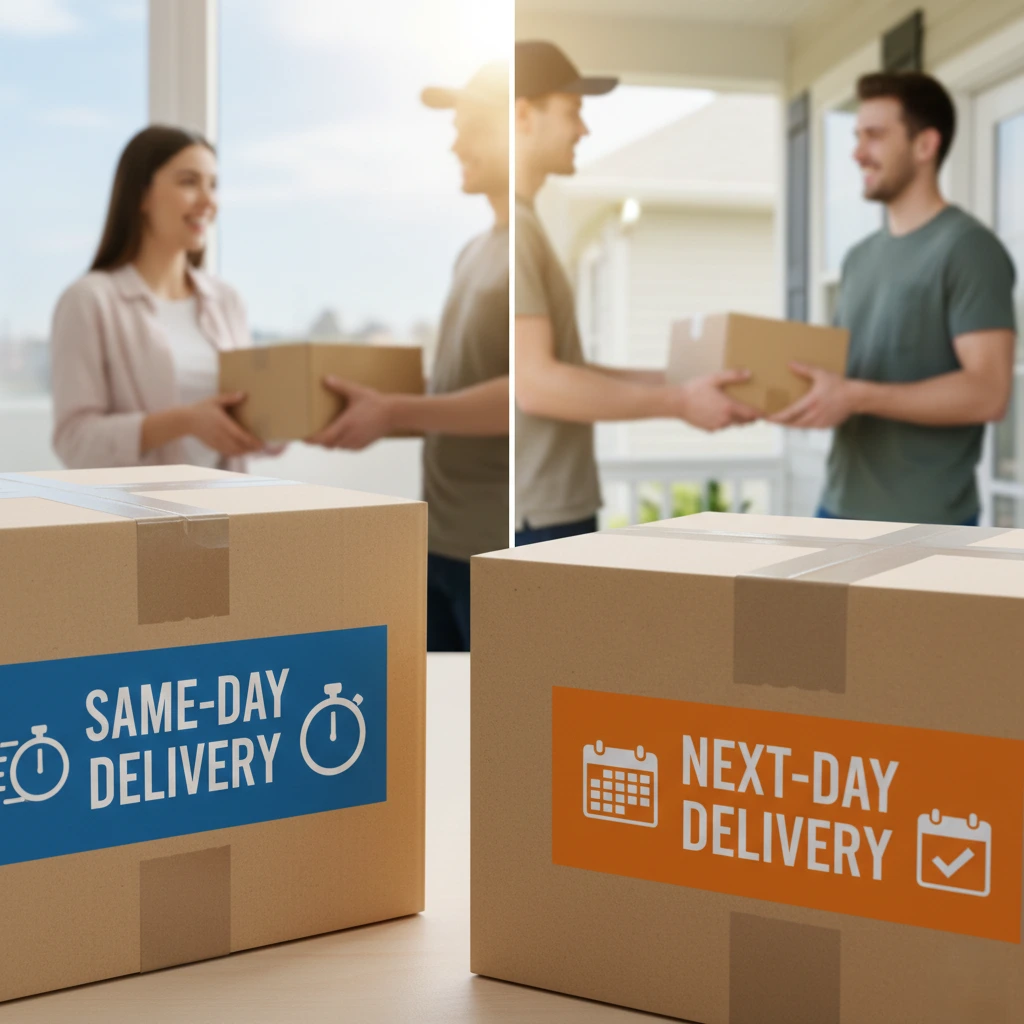
    In today’s fast-paced ecommerce world, delivery speed plays a critical role in shaping customer satisfaction. Shoppers increasingly expect quick and reliable shipping when making online purchases. Understanding the debate of same-day vs next-day delivery is essential for online retailers seeking to meet consumer expectations and stay competitive.

    Offering the right delivery options can influence purchase decisions, brand loyalty, and repeat business. By analyzing customer delivery preferences and understanding the benefits of fast shipping options, businesses can optimize their logistics strategy and improve overall customer experience.

    Why Delivery Speed Matters

    Fast delivery has become a key factor for online shoppers. Research shows that customers are more likely to abandon a cart if shipping is slow or unclear. The rise of platforms like Amazon and Walmart, which offer rapid delivery services, has set high expectations across the ecommerce industry.

    Consumers value transparency in delivery times. Providing clear choices, whether same-day vs next-day delivery, allows customers to select what suits their schedule and urgency. Offering multiple options also caters to varying needs—from urgent orders to planned purchases.

    Understanding Customer Delivery Preferences

    Every shopper has unique requirements. Some prioritize speed, while others weigh cost, reliability, or convenience. A growing segment of consumers now prefers fast shipping options even if it comes at a slightly higher price.

    Surveys indicate that customer delivery preferences often depend on the type of product. For example:

    • Essentials or urgent items, like groceries or gifts, often require same-day delivery.
    • Larger purchases or non-urgent items can be satisfied with next-day delivery.

    Understanding these preferences allows retailers to optimize warehouse placement, inventory management, and courier partnerships, ensuring faster fulfillment without sacrificing efficiency.

    Same-Day vs Next-Day Delivery: Key Differences

    Same-day delivery offers the fastest option, promising customers their order within hours. This option is ideal for urgent needs, last-minute gifts, or time-sensitive purchases.

    Next-day delivery guarantees arrival by the following day, balancing speed with cost efficiency. It is suitable for customers who want fast shipping but do not require immediate fulfillment.

    Retailers must consider factors such as:

    • Operational capabilities: Not all businesses can manage same-day logistics efficiently.
    • Cost implications: Same-day delivery often comes with higher expenses.
    • Geographical coverage: Urban areas are easier to serve than rural locations.

    Offering both options allows customers to choose based on urgency and budget, aligning with customer delivery preferences while maintaining operational efficiency.

    Advantages of Fast Shipping Options

    Investing in fast shipping options benefits both the retailer and the customer. Key advantages include:

    • Increased customer satisfaction: Quick deliveries enhance the shopping experience.
    • Higher conversion rates: Shoppers are more likely to complete a purchase when delivery is fast and reliable.
    • Competitive advantage: Brands offering same-day vs next-day delivery stand out in a crowded market.
    • Encourages repeat business: Consistently meeting or exceeding delivery expectations fosters loyalty.

    By analyzing order patterns and delivery demands, businesses can implement the most effective fulfillment strategy, ensuring that speed does not compromise accuracy or quality.

    Challenges of Offering Same-Day Delivery

    While same-day vs next-day delivery is attractive to customers, same-day delivery presents operational challenges. Retailers must maintain:

    • Sufficient inventory across multiple locations
    • Efficient picking, packing, and dispatch processes
    • Real-time tracking and communication systems

    Despite these hurdles, the benefits of meeting urgent customer needs often outweigh the logistical complexity, especially in competitive markets.

    Implementing the Right Strategy

    Retailers should leverage data to understand customer delivery preferences. Key steps include:

    • Segmenting customers by urgency and location
    • Offering clear delivery options at checkout
    • Using fulfillment centers strategically located near high-demand areas
    • Communicating shipping times transparently

    Balancing fast shipping options with operational costs ensures profitability while keeping customers satisfied.

    Conclusion

    In conclusion, same-day vs next-day delivery is more than a logistics decision—it is a critical component of the modern shopping experience. By recognizing customer delivery preferences and offering flexible fast shipping options, retailers can increase satisfaction, drive conversions, and enhance loyalty.

    Businesses that successfully implement these strategies gain a competitive edge, meet rising expectations, and build trust with their customers. Whether through rapid same-day fulfillment or reliable next-day delivery, speed and convenience remain key drivers in today’s ecommerce landscape.

  • Using Influencer Marketing to Grow Your Online Store

    Using Influencer Marketing to Grow Your Online Store

    Influencer marketing has become one of the most effective strategies for online retailers looking to increase visibility, build trust, and boost sales. By leveraging the reach and credibility of influencers, brands can connect with highly engaged audiences in a way that feels authentic and personal. If you want to grow your online store, influencer marketing can be a game-changer when implemented strategically.

    What Is Influencer Marketing?

    Influencer marketing involves partnering with individuals who have a significant following on social media or other online platforms to promote products or services. These influencers have the power to shape opinions, influence purchase decisions, and increase brand awareness.

    In the context of ecommerce, using influencer marketing can help you grow your online store by reaching audiences who are already interested in your niche or product category.

    Benefits of Influencer Marketing for Your Online Store

    1. Builds Trust and Credibility – People trust recommendations from influencers they follow more than traditional ads. A genuine endorsement can enhance your brand’s credibility and help you grow your online store.
    2. Expands Reach – Influencers provide access to audiences that your brand may not be able to reach on its own, increasing exposure and potential customer base.
    3. Drives Conversions – Influencer campaigns often result in higher engagement and conversions, especially when the content includes product demonstrations, reviews, or tutorials. This directly helps you grow your online store.
    4. Improves SEO and Social Presence – Collaborations can generate backlinks, user-generated content, and social signals that strengthen your online presence and help you grow your online store.

    How to Use Influencer Marketing to Grow Your Online Store

    1. Identify the Right Influencers

    Choosing influencers who align with your brand values, target audience, and niche is crucial. Micro-influencers with smaller, highly engaged audiences can often deliver better ROI than large influencers with passive followers. Partnering with the right influencer can accelerate your efforts to grow your online store.

    2. Set Clear Goals

    Decide what you want to achieve with influencer marketing. Goals can include increasing brand awareness, driving traffic to your online store, boosting sales, or collecting user-generated content. Clear goals help measure campaign success.

    3. Create Authentic Campaigns

    Authenticity is key in influencer marketing. Allow influencers creative freedom to present your product naturally. Sponsored content should feel genuine rather than forced to resonate with audiences and encourage purchases, which is essential to grow your online store.

    4. Offer Incentives and Track Performance

    Provide influencers with discount codes, affiliate links, or exclusive offers for their followers. Tracking clicks, sales, and engagement helps determine ROI and refine future campaigns.

    5. Build Long-Term Relationships

    Rather than one-off promotions, consider building long-term partnerships with influencers. Continuous collaboration strengthens trust with audiences and turns influencers into brand ambassadors who consistently support your online store.

    Conclusion

    Influencer marketing is a powerful strategy to grow your online store. By selecting the right influencers, creating authentic campaigns, and measuring performance, you can increase brand awareness, drive traffic, and boost sales. With thoughtful planning and consistent execution, influencer marketing can become a cornerstone of your online store’s growth strategy.

  • Future of eCommerce: Predictions for the Next 5 Years

    Future of eCommerce: Predictions for the Next 5 Years

    The world of eCommerce is evolving at lightning speed. With rapid technological advancements, changing consumer behavior, and global market growth, businesses need to stay ahead of trends to remain competitive. In this blog, we explore predictions for the future of eCommerce over the next five years and how businesses can prepare for the changes ahead.

    AI and Machine Learning Will Drive Personalization

    Artificial Intelligence (AI) and machine learning are set to transform eCommerce like never before. Online stores will increasingly offer hyper-personalized experiences, using AI to predict customer preferences, recommend products, and optimize pricing in real time.

    Shoppers can expect:

    • Personalized product recommendations based on past behavior
    • Dynamic pricing for better deals
    • Tailored marketing messages through email, social media, and mobile notifications

    Businesses leveraging AI for personalization will see higher engagement and conversion rates.

    Voice Commerce Will Become Mainstream

    With smart speakers and voice assistants becoming household staples, voice commerce is expected to grow rapidly. Consumers will use voice commands to search for products, place orders, and track deliveries.

    By 2028, experts predict a significant percentage of online transactions will be completed via voice, especially for:

    • Groceries and household items
    • Subscription services
    • Quick reorders of frequently purchased products

    Brands that optimize for voice search will gain a competitive advantage in accessibility and convenience.

    Augmented Reality (AR) and Virtual Reality (VR) Will Enhance Shopping

    The integration of AR and VR in online shopping will allow consumers to experience products virtually before buying. Customers can:

    • Try on clothes or accessories using AR mirrors
    • Visualize furniture or home décor in their own space
    • Attend virtual showrooms and product demonstrations

    These technologies will reduce return rates and increase consumer confidence, especially for industries like fashion, furniture, and electronics.

    Mobile Commerce Will Dominate

    Mobile devices already account for a significant share of eCommerce sales. In the next five years, mCommerce will dominate global online shopping due to:

    • Faster mobile internet speeds (5G and beyond)
    • Improved app experiences
    • Mobile wallets and instant payment options

    Businesses will need mobile-first strategies to capture on-the-go consumers and provide seamless checkout experiences.

    Sustainability and Ethical Shopping Will Influence Decisions

    Consumers are becoming more conscious of sustainability and ethical practices. Over the next five years, eCommerce brands that prioritize:

    • Eco-friendly packaging
    • Transparent supply chains
    • Ethical sourcing and production

    …will attract loyal, socially conscious shoppers. Sustainability will become a major differentiator in competitive markets.

    Subscription Models and Direct-to-Consumer (DTC) Growth

    Subscription-based services and direct-to-consumer models will continue to expand. Consumers prefer convenience, curated experiences, and personalized products delivered to their doorsteps. Businesses adopting DTC strategies will benefit from:

    • Higher profit margins
    • Better customer insights
    • Stronger brand loyalty

    Predictive Analytics Will Improve Inventory and Supply Chains

    Data-driven decision-making will become the norm. Predictive analytics will allow retailers to:

    • Forecast demand accurately
    • Optimize inventory levels
    • Reduce shipping costs and delivery times

    This technology will help businesses reduce waste, increase efficiency, and improve customer satisfaction.

    Final Thoughts

    The future of eCommerce over the next five years will be shaped by AI, AR/VR, voice commerce, mobile-first strategies, sustainability, and predictive analytics. Brands that embrace these trends early will gain a competitive edge, offering seamless, personalized, and innovative shopping experiences.

    Consumers will enjoy faster, smarter, and more ethical online shopping, while businesses will benefit from higher engagement, loyalty, and profitability. Staying ahead of these trends is no longer optional—it’s essential for survival in the rapidly evolving eCommerce landscape.

  • Video Marketing Ideas for Ecommerce Products That Drive Sales

    Video Marketing Ideas for Ecommerce Products That Drive Sales

    Video marketing ideas for ecommerce products have become essential for brands looking to increase engagement, build trust, and boost conversions. With shorter attention spans and growing competition, videos help customers understand products faster and make confident buying decisions. In this blog, you’ll discover proven video marketing ideas for ecommerce products that can help you attract, engage, and convert more customers.

    Why Video Marketing for Ecommerce Products Is Important

    Video content allows shoppers to see products in action rather than imagining how they work. Effective video marketing for ecommerce products can:
    Increase conversion rates and average order value
    Reduce product return rates
    Improve customer trust and brand credibility
    Enhance SEO and time on site

    When done right, ecommerce videos create an emotional connection that static images and text cannot.

    Product Demo Videos

    Show How the Product Works

    Product demonstration videos are one of the most effective video marketing ideas for ecommerce products. These videos show real use cases, features, and benefits in a clear and engaging way. Focus on:
    Key features and unique selling points
    Step-by-step usage
    Real-life scenarios

    Demo videos help customers visualize ownership, which directly influences purchase decisions.

    Customer Testimonial Videos

    Build Trust with Social Proof

    Customer testimonial videos are powerful because they show real people sharing real experiences. These video marketing ideas for ecommerce products work well because:
    They reduce buyer hesitation
    They increase credibility and authenticity
    They answer common customer objections

    Encourage customers to talk about how your product solved a problem and improved their life.

    Unboxing Videos

    Create Excitement Around Your Product

    Unboxing videos are popular video marketing ideas for ecommerce products that tap into curiosity and anticipation. These videos highlight:
    Packaging quality
    First impressions
    Included accessories or bonuses

    Unboxing videos help set expectations and create a premium feel around your brand.

    Behind-the-Scenes Videos

    Humanize Your Ecommerce Brand

    Behind-the-scenes videos show the people and processes behind your products. These video marketing ideas for ecommerce products can include:
    Product manufacturing or sourcing
    Quality control processes
    Team introductions

    This content builds transparency and emotional connection, which strengthens brand loyalty.

    Educational and How-To Videos

    Help Customers Get More Value

    Educational videos position your brand as an authority. These video marketing ideas for ecommerce products focus on:
    Tips and best practices
    Maintenance or care instructions
    Creative ways to use the product

    By helping customers succeed with your product, you increase satisfaction and repeat purchases.

    Short-Form Social Media Videos

    Capture Attention Quickly

    Short-form videos are ideal for platforms like Instagram Reels, TikTok, and YouTube Shorts. These video marketing ideas for ecommerce products work best when they:
    Highlight one key benefit
    Use trends or challenges
    Include clear calls to action

    Short videos are highly shareable and drive traffic back to your ecommerce store.

    Comparison Videos

    Help Shoppers Make Decisions

    Comparison videos directly address buyer uncertainty. These video marketing ideas for ecommerce products compare:
    Your product vs competitors
    Different versions of your own products
    Price vs value considerations

    Honest comparisons build trust and reduce friction in the buying process.

    User-Generated Content Videos

    Leverage Your Customers as Creators

    User-generated content is one of the most authentic video marketing ideas for ecommerce products. Encourage customers to share:
    Product reviews
    Usage clips
    Creative product hacks

    UGC videos perform well on social media and can be repurposed across your marketing channels.

    Live Video Shopping

    Drive Real-Time Engagement

    Live video shopping combines entertainment and ecommerce. These video marketing ideas for ecommerce products allow you to:
    Show products live
    Answer customer questions instantly
    Offer limited-time promotions

    Live videos create urgency and increase conversion rates.

    Turning Video Ideas into Sales

    The success of video marketing ideas for ecommerce products depends on consistency, quality, and distribution. Optimize videos for SEO with keyword-rich titles and descriptions, add them to product pages, and promote them across social platforms. When strategically implemented, video marketing can significantly increase visibility, trust, and revenue for your ecommerce business.