Tag: automation

  • Product Returns Management – 6 Best Practices to Follow

    Product Returns Management – 6 Best Practices to Follow

    In today’s competitive retail and e-commerce landscape, effective product returns management has become an essential part of customer satisfaction and long-term business success. As online shopping continues to grow, customers expect easy, transparent and convenient return processes. A well-structured returns strategy helps businesses minimize losses, build trust and turn returns into opportunities for improved loyalty. To help brands streamline their operations, here are six best practices that can transform the way you handle product returns and increase overall efficiency.

    1. Create a Clear and Customer-Friendly Return Policy

    A strong return policy is the foundation of effective returns management. Customers feel more confident making a purchase when the return terms are simple and easy to understand. A confusing or hidden policy can lead to frustration and distrust, ultimately harming your brand reputation.

    What Your Return Policy Should Include

    A clear timeline such as 30 or 60 days
    Specific return conditions like unused items, original tags and packaging
    Details about refund methods such as store credit, full refund or exchange
    Information about return shipping fees, whether free or customer-paid
    How customers can initiate a return

    A transparent policy reduces customer service queries and helps manage expectations from the start. It also ensures customers feel supported throughout the post-purchase journey.

    2. Use Technology to Automate and Streamline the Process

    Modern businesses rely heavily on automation to manage high return volumes. Investing in return management software or a smart returns portal allows you to handle requests quickly and accurately. Technology reduces manual work, minimizes errors and provides real-time updates to both customers and staff.

    Benefits of Automated Returns Tools

    Automated return labels for easy shipping
    Self-service portals where customers can initiate returns anytime
    Real-time tracking updates to enhance customer confidence
    Centralized return data for better decision-making

    Automation ensures faster processing, improves accuracy and allows your team to focus on more critical operational tasks. It also enhances the overall customer experience, making your brand appear more reliable and professional.

    3. Offer Multiple Return and Exchange Options

    Customers love flexibility, and offering multiple return options can significantly increase satisfaction. Every shopper has different preferences—some prefer to return items in-store, while others may want a doorstep pickup. The more choices you offer, the more convenient the process becomes.

    Common Return Methods to Offer

    In-store returns for customers who want instant refunds or exchanges
    Courier pickup for easy at-home returns
    Drop-off points at partner stores or lockers
    Instant or easy exchange options to encourage continued shopping

    Providing flexible return methods shows customers that your brand values convenience and service. This strategy also increases the likelihood of retaining customers even after a return, turning a potentially negative experience into a positive one.

    4. Inspect Returned Products Quickly and Accurately

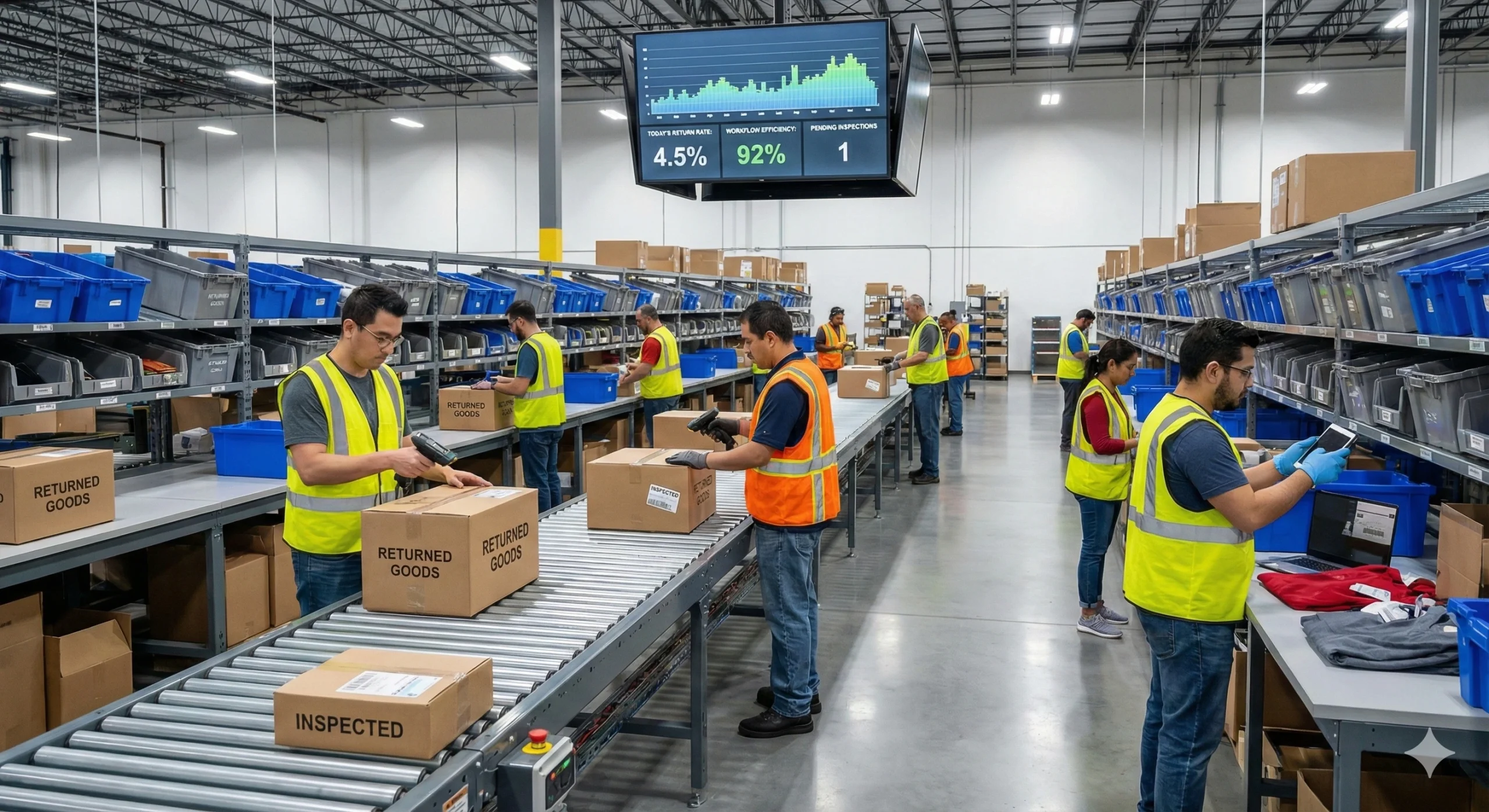
    Efficient product inspection is critical for minimizing losses and maintaining inventory accuracy. Once a returned product arrives, it should go through a standardized inspection process to determine whether it can be resold, repaired or recycled.

    Steps for Effective Product Inspection

    Check the product condition for damage or defects
    Verify that all accessories and packaging are included
    Classify the item as new, resellable or unsellable
    Update your inventory system in real time
    Document return reasons for future analysis

    Accurate inspections help prevent fraud, reduce restocking errors and speed up the refund process. They also ensure products re-enter inventory quickly, helping maintain healthy stock levels.

    5. Reduce Returns by Improving Product Information and Quality

    A large percentage of returns result from inaccurate product descriptions, misleading images or poor-quality products. By improving product information and quality control, businesses can dramatically reduce return rates.

    How to Reduce Return Rates

    Use high-quality product photos showing multiple angles
    Provide detailed product descriptions with measurements, materials and benefits
    Include size guides and comparison charts
    Display authentic customer reviews and Q&A
    Implement stronger quality control checks before shipping

    The more accurate your product information is, the more confident customers will feel when making a purchase. Reduced returns mean lower costs, higher profits and improved customer satisfaction.

    6. Analyze Return Data to Improve Operations

    Return data is a powerful tool for understanding customer behavior and identifying problem areas in your business. An effective returns management system should track patterns such as frequent return reasons, product defects or packaging issues. By analyzing this information, businesses can make smarter decisions.

    Key Areas to Analyze

    Products with the highest return rates
    Common reasons customers return items
    Suppliers with recurring quality problems
    Packaging issues that cause damage
    Seasonal or trend-based return behavior

    Using data-driven insights helps refine product listings, improve manufacturing quality, optimize packaging and enhance customer communication. Over time, this reduces return volume and increases operational efficiency.

    Why Product Returns Management Matters for Business Growth

    A strong returns management strategy has a direct impact on customer satisfaction, brand loyalty and long-term revenue. Customers who experience easy returns are more likely to shop again, even if their first purchase didn’t meet expectations. On the other hand, complicated return processes can break trust and push customers toward competitors.

    Effective returns management also reduces operational costs. By processing returns quickly, businesses can restock items faster, minimize inventory losses and streamline supply chain operations. Additionally, brands that use return insights to improve product quality and information often see fewer returns in the future.

    Tips for Creating a Strong Returns Management Workflow

    For small and large businesses alike, the key is to design a structured workflow that ensures speed, transparency and accuracy. Train customer service teams to handle return queries professionally, use automation wherever possible and create clear communication channels for customers. Also, consider offering incentives such as store credit or easy exchanges to encourage customers to stay with your brand.

    By focusing on continuous improvement, businesses can turn returns into valuable learning opportunities and create a stronger shopping experience overall.

    Final Thoughts

    Managing product returns effectively is crucial for building trust and ensuring customer satisfaction. By implementing these six best practices—clear policies, automation, flexible options, accurate inspections, improved product data and data-driven analysis—businesses can create a smooth, efficient and customer-friendly returns process. With the right strategy, returns can become a powerful tool for growth, loyalty and long-term success. If you want, I can also write meta descriptions, add SEO keywords or create a second blog in the same style.


  • How Automation is Revolutionising Logistics Operations

    How Automation is Revolutionising Logistics Operations

    The logistics industry is undergoing a massive transformation thanks to automation technologies. From warehouses to last-mile delivery, automation in logistics is streamlining processes, reducing costs, and improving efficiency. Businesses worldwide are adopting automated logistics solutions to stay competitive in a fast-paced market.

    Benefits of Automation in Logistics

    Automation is reshaping logistics operations in several ways. Automated systems reduce human error, increase productivity, and enhance supply chain visibility. Some key benefits include:

    • Increased operational efficiency
    • Real-time tracking and monitoring
    • Optimized inventory management
    • Reduced labor costs
    • Faster order fulfillment

    By integrating automation technologies into their operations, logistics companies can respond faster to customer demands while maintaining accuracy and reliability.

    Types of Automation in Logistics

    There are various types of logistics automation technologies being implemented across the industry:

    Warehouse Automation

    Warehouse automation includes technologies like automated guided vehicles (AGVs), robotic picking systems, and automated sorting machines. These systems streamline inventory handling, reduce errors, and increase warehouse throughput. Smart warehouses leverage AI and IoT sensors to optimize storage and retrieval processes, improving overall efficiency.

    Transportation Automation

    Transportation automation focuses on optimizing fleet management and delivery processes. Autonomous delivery vehicles, route optimization software, and real-time tracking systems ensure timely and cost-effective deliveries. Companies are also using predictive analytics to anticipate delays and improve supply chain planning.

    Supply Chain Automation

    Supply chain automation integrates technology across procurement, inventory management, and distribution. ERP systems, AI-powered demand forecasting, and automated order processing allow businesses to maintain seamless operations. Automation in supply chains ensures better resource allocation, minimizes stockouts, and reduces operational bottlenecks.

    Impact of Automation on Workforce

    While automation in logistics improves efficiency, it also changes the workforce dynamics. Routine manual tasks are increasingly handled by machines, allowing employees to focus on strategic and analytical roles. Companies are investing in employee training programs to upskill workers for technology-driven logistics operations.

    Challenges in Implementing Logistics Automation

    Despite its benefits, logistics automation comes with challenges:

    • High initial investment costs
    • Integration with existing systems
    • Data security and privacy concerns
    • Maintenance and technical support requirements

    Businesses must carefully plan their automation strategy and choose scalable solutions that align with their operational goals.

    Future Trends in Logistics Automation

    The future of automated logistics looks promising. Emerging trends include:

    • AI-driven predictive logistics for smarter decision-making
    • Autonomous drones and vehicles for faster deliveries
    • IoT-enabled supply chain networks for real-time visibility
    • Robotic process automation (RPA) for administrative tasks

    These innovations are expected to revolutionize logistics operations, making them more agile, efficient, and customer-focused.

    Conclusion

    Automation is revolutionising logistics operations by improving efficiency, reducing costs, and enhancing customer satisfaction. Companies adopting automated logistics solutions gain a competitive advantage in today’s dynamic market. As technology continues to evolve, the integration of AI, robotics, and IoT will further transform logistics, creating smarter and more resilient supply chains.

  • The Role of Technology in Modern Warehousing

    The Role of Technology in Modern Warehousing

    The global supply chain has changed significantly over the last decade, driven by eCommerce growth, consumer expectations for fast shipping, and rising operational costs. These pressures have pushed companies to adopt smarter systems and digital tools to keep up. Technology in modern warehousing isn’t just a convenience—it’s a necessity for survival.

    Why Technology Matters in Today’s Warehouses

    Traditional warehousing methods can no longer meet the demands of modern logistics. Manual processes slow down operations, increase error rates, and create inefficiencies that cost businesses time and money. Technology offers solutions that enhance productivity, improve accuracy, reduce labor burdens, and provide real-time insights.

    Key Benefits of Technology in Modern Warehousing

    • Faster order fulfillment
    • Higher inventory accuracy
    • Improved worker safety
    • Lower operational costs
    • Enhanced decision-making with real-time data
    • Streamlined workflows from receiving to shipping

    These advantages highlight why digital transformation is at the core of warehouse success.

    How Warehouse Automation Is Revolutionizing Operations

    Automation is one of the biggest drivers of change in modern warehousing. Automated solutions help warehouses complete tasks more efficiently while reducing errors caused by manual labor.

    Automated Storage and Retrieval Systems ASRS

    ASRS systems use machines to automatically store and retrieve goods. These systems increase space utilization, speed up picking time, and minimize human error. Instead of workers walking long distances, robotic shuttles bring items directly to them.

    Autonomous Mobile Robots AMRs

    AMRs are intelligent robots that move around a warehouse without human intervention. They transport goods, assist with picking, and improve workflow efficiency. Their ability to navigate changing environments makes them more flexible than traditional automated guided vehicles.

    Conveyor and Sorting Automation

    Conveyor belts and automated sorting machines help warehouses process large volumes of orders quickly. These systems support eCommerce operations where fast, error-free delivery is essential.

    Artificial Intelligence AI Powering Smarter Warehousing

    AI plays a key role in modern warehousing by enhancing decision-making, forecasting demand, and optimizing workflows.

    AI-Driven Inventory Management

    AI software can predict inventory needs, reduce stockouts, and prevent overstock situations. It analyzes purchasing habits, seasonal trends, and supply chain data to ensure businesses always have the right products at the right time.

    Intelligent Demand Forecasting

    AI tools use historical data and market insights to forecast demand accurately. This helps companies plan staffing, inventory, and shipping schedules more effectively.

    AI in Quality Control

    AI-powered scanners and cameras inspect products for defects faster and more accurately than manual checks. This technology reduces returns and enhances customer satisfaction.

    The Power of Data Analytics in Warehouse Optimization

    Data analytics transforms raw information into actionable insights, enabling warehouse managers to make smarter decisions.

    Real-Time Tracking and Monitoring

    Modern warehouses use sensors, RFID tags, and IoT devices to track inventory movement and equipment conditions. This level of visibility helps prevent lost or misplaced items and ensures operations run smoothly.

    Performance Metrics and KPIs

    Analytics tools track key performance indicators such as picking accuracy, order lead time, and workforce productivity. Managers can use this data to identify bottlenecks and implement improvements.

    Predictive Maintenance

    Using IoT sensors, warehouses can predict when equipment needs maintenance before it breaks down. This reduces downtime, cuts repair costs, and keeps operations running efficiently.

    How Robotics Is Enhancing Efficiency and Safety

    Robotics is no longer futuristic—it’s a standard part of modern warehousing.

    Picking and Packing Robots

    Robotic arms and pickers handle repetitive tasks like selecting products from shelves and packing boxes. These robots work faster than humans and reduce the risk of injuries from repetitive movements.

    Automated Palletizers and Depalletizers

    These machines stack and unstack pallets with precision, eliminating the need for heavy lifting and improving worker safety.

    Collaborative Robots Cobots

    Cobots work alongside humans, assisting with tasks that require strength, precision, or repetition. They improve efficiency without eliminating the human workforce.

    Cloud Technology and Warehouse Management Systems WMS

    Cloud-based warehouse management systems play a critical role in connecting all aspects of modern warehousing.

    Centralized Real-Time Control

    A cloud-based WMS gives managers real-time visibility into inventory levels, order status, and worker productivity—accessible from anywhere.

    Improved Scalability

    As businesses grow, cloud systems scale easily without large hardware investments.

    Integration With Other Technologies

    WMS platforms integrate seamlessly with robotics, IoT devices, analytics tools, and eCommerce platforms, creating a unified ecosystem.

    The Rise of IoT in Smart Warehousing

    The Internet of Things is one of the most influential technologies in modern warehousing.

    IoT Sensors for Inventory and Equipment

    Sensors monitor everything from temperature and humidity to product movement and machine health, ensuring quality control and safety.

    Connected Forklifts and Vehicles

    IoT-enabled forklifts track usage, send safety alerts, and help prevent accidents.

    Environmental Monitoring

    Sensors maintain ideal conditions for temperature-sensitive products like food or pharmaceuticals.

    How Technology Improves Warehouse Safety

    Modern warehouses use technology to create a safer environment for workers.

    Wearable Tech

    Devices like smart helmets and vests monitor worker health and provide alerts in dangerous situations.

    Automated Safety Systems

    Robots reduce the need for hazardous tasks like climbing ladders or moving heavy inventory.

    Collision Avoidance Sensors

    Sensors on vehicles and machinery help prevent accidents and workplace injuries.

    The Future of Technology in Modern Warehousing

    Looking ahead, the future of warehousing will be driven by even smarter innovations.

    Emerging Technologies to Watch

    • Drone inventory scanning
    • Fully autonomous warehouses
    • Advanced robotics that mimic human dexterity
    • Augmented reality for training and picking
    • Blockchain for transparent supply chain tracking

    These advancements will continue shaping warehouses into more efficient, intelligent, and resilient operations.

    Final Thoughts: Technology Is the Backbone of Modern Warehousing

    Technology has transformed modern warehousing from traditional storage spaces into dynamic, data-driven, automated ecosystems. Businesses that embrace warehouse automation, AI, data analytics, robotics, IoT, and cloud-based systems position themselves for long-term success in an increasingly competitive market.

    The role of technology in modern warehousing is only growing—and companies willing to innovate will lead the future of logistics, productivity, and customer satisfaction.

  • The Benefits of Outsourcing Order Fulfilment

    The Benefits of Outsourcing Order Fulfilment

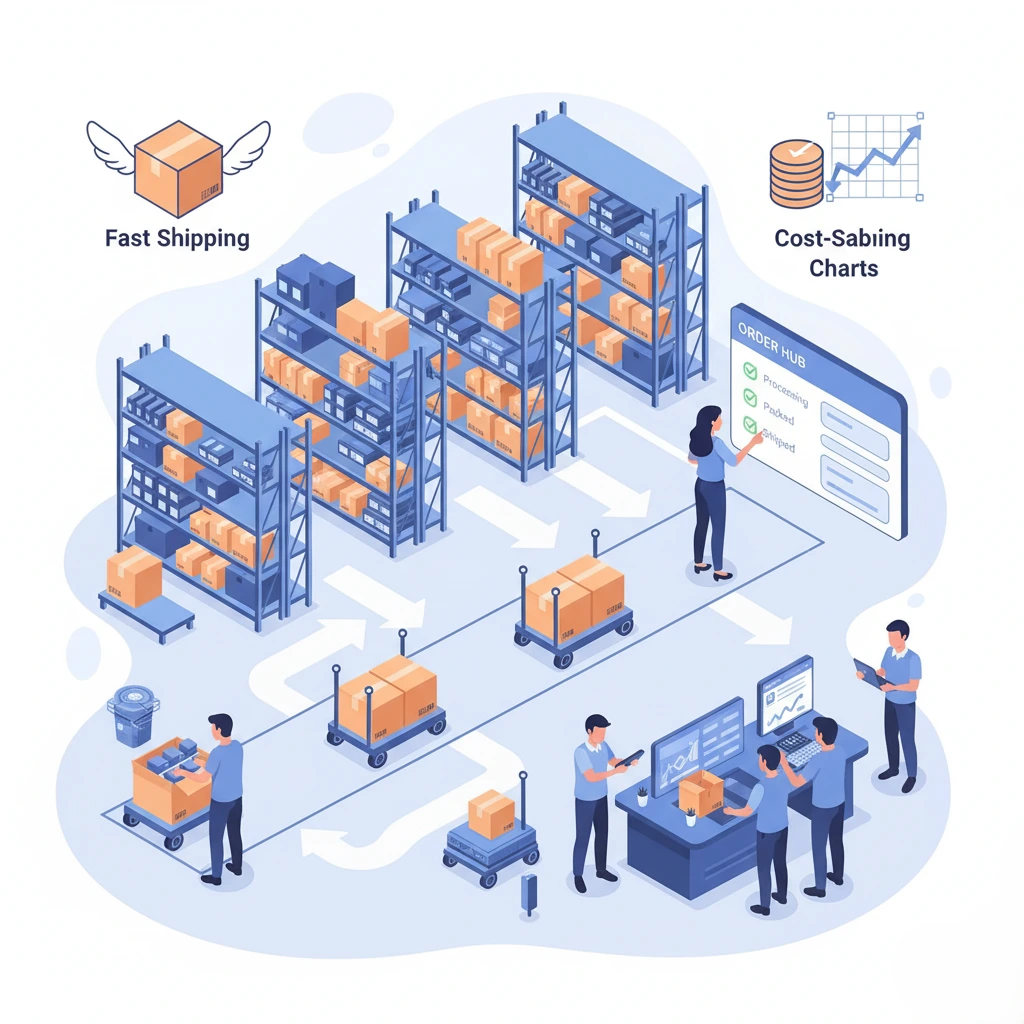
    Outsourcing order fulfilment has quickly become one of the most effective strategies for growing businesses that want to streamline operations, cut costs, and improve customer satisfaction. With consumer expectations higher than ever, companies need fast shipping, accurate packing, and consistent delivery performance. Managing all of this in-house can be challenging, especially for small and mid-sized brands. That’s where third-party logistics providers come in. In this blog, we’ll explore the benefits of outsourcing order fulfilment and why it could be the competitive advantage your business needs.

    What Is Outsourcing Order Fulfilment?

    Outsourcing order fulfilment means handing over your storage, packing, and shipping processes to a specialist logistics company, often known as a 3PL. Instead of spending time on inventory management, shipping labels, returns, and customer queries about delivery, you allow experts to handle these responsibilities. This provides your company with more time and resources to focus on growth, marketing, and product development. For many brands, outsourcing is not just a convenience—it’s a powerful step toward scaling efficiently.

    Why Businesses Turn to Outsourced Fulfilment

    The rise of eCommerce and shifting customer expectations have pushed companies to consider outsourcing order fulfilment. A single delay or delivery mistake can cost repeat business, affect brand reputation, and lead to negative reviews. Efficient fulfilment is no longer optional; it’s essential. Outsourcing helps businesses keep up with demand spikes, reduce operational pressure, and deliver reliable service. Whether you’re a fast-growing online shop or an established retail brand, outsourcing provides an opportunity to stay competitive without overextending internal resources.

    Cost Savings and Increased Efficiency

    Reduced Operating Costs

    One of the biggest benefits of outsourcing order fulfilment is cost reduction. When you manage fulfilment internally, you must pay for warehouse space, staff, equipment, packing materials, and software. These expenses can quickly grow, especially during peak seasons or unexpected surges in demand. Outsourcing eliminates the need for high overheads because 3PL providers already have established infrastructure. You pay only for the space and services you use, making costs more predictable and scalable.

    More Efficient Operations

    Fulfilment companies are designed for high-accuracy, high-volume operations. They use advanced technology, automated systems, and trained staff to ensure orders are processed quickly and correctly. This reduces human error, improves speed, and enhances the customer experience. Instead of worrying about picking, packing, and shipping, your internal team can focus on strategic tasks that drive sales and brand development.

    Faster Shipping and Better Customer Satisfaction

    Access to Multiple Warehouses

    A major advantage of outsourcing is access to a network of fulfilment centres. Many 3PLs operate multiple warehouses across regions or even countries. This allows your products to be stored closer to your customers, reducing shipping times and costs. Faster delivery leads to higher customer satisfaction, which increases loyalty and repeat purchases.

    Improved Delivery Performance

    Fulfilment providers have strong relationships with major carriers and often negotiate discounted rates. This means your customers benefit from faster shipping at competitive prices. Outsourcing also ensures consistent delivery performance during busy periods like holidays, which can be difficult for small businesses to manage in-house.

    Scalability and Flexibility for Growth

    Easily Handle Seasonal Surges

    If your business experiences seasonal peaks, outsourcing order fulfilment gives you the flexibility to scale up or down as needed. A 3PL can quickly adapt to changing order volumes without requiring you to hire temporary staff or extend warehouse space. This flexibility helps maintain smooth operations during high-demand periods.

    Support for Business Expansion

    Outsourcing allows your business to grow without logistical limitations. Whether you’re launching new products, expanding into new markets, or entering international sales channels, fulfilment partners can support you with the necessary infrastructure. Instead of worrying about how to manage bigger operations, you can focus on expanding your brand.

    Access to Advanced Technology

    Real-Time Inventory Tracking

    Most fulfilment providers use sophisticated inventory management systems that allow you to track stock levels, order status, and shipping updates in real time. This level of visibility is essential for making informed decisions about product restocking, marketing campaigns, and forecasting. Having accurate data at your fingertips helps prevent stockouts and overselling.

    Automation and Optimisation

    Automation is a key component of modern order fulfilment. From automatic order routing to smart packaging solutions, fulfilment centres use technology to optimise every step of the process. This increases accuracy, reduces delays, and ensures efficient operations. For small businesses lacking their own advanced systems, outsourcing provides access to tools that would otherwise be too costly.

    Better Return Management

    Smooth and Hassle-Free Returns

    Handling returns can be time-consuming and complicated. Outsourcing return logistics ensures that items are inspected, processed, restocked, or disposed of according to your policies. A seamless returns process boosts customer trust and improves the overall shopping experience.

    Data Insights from Returns

    3PLs also provide detailed reports on return trends, helping you identify product defects, sizing issues, or packaging problems. This insight helps you improve product quality and reduce future returns.

    More Time to Focus on What Matters

    Focus on Core Business Activities

    When logistics is handled by professionals, you gain more time to focus on marketing, product development, customer engagement, and other high-value tasks. This leads to stronger growth and a better use of internal resources.

    Reduced Stress and Workload

    Managing fulfilment can be overwhelming, especially when order volumes rise. Outsourcing reduces stress and workload for your team, creating a more efficient and focused work environment.

    How Outsourcing Order Fulfilment Strengthens Your Brand

    Enhances Professionalism

    A smooth and reliable delivery experience reflects positively on your brand. Customers remember brands that ship quickly, communicate clearly, and deliver without issues. Outsourcing helps maintain a consistent, professional standard of service.

    Supports Long-Term Growth

    With better logistics, your business is equipped to handle long-term growth. Outsourced fulfilment provides the stability and support you need to evolve, expand, and stay ahead of competitors.

    Conclusion

    Outsourcing order fulfilment offers countless advantages, from reducing costs and improving efficiency to enhancing customer satisfaction and supporting business expansion. By partnering with a reliable 3PL provider, you gain access to advanced technology, expert support, and scalable solutions that help your business grow smoothly and sustainably. In a fast-paced eCommerce world, the brands that succeed are the ones that work smarter—not harder. Outsourcing fulfilment is one of the smartest strategies you can adopt to ensure long-term success and create a seamless experience for your customers.

  • Smart Shipping Secrets How to Pack Large Items for Shipping and Logistics

    Smart Shipping Secrets How to Pack Large Items for Shipping and Logistics

    When it comes to e-commerce and global trade, packing plays a critical role in ensuring safe and efficient delivery. Knowing how to pack large items for shipping and logistics is a vital skill for businesses and individuals who want to prevent damage, reduce costs, and improve customer satisfaction. Whether you are sending furniture, machinery, or oversized electronics, the right packing strategy can make all the difference.

    Understanding the Challenges of Shipping Large Items

    Shipping large or bulky items comes with unique challenges. These items often exceed standard shipping dimensions, require special handling, and may need customized packaging materials. Without proper preparation, businesses risk delays, damage, or high logistics costs.

    Large shipments can also attract extra fees from carriers, especially if they require freight shipping, palletization, or custom crating. Therefore, understanding the logistics involved before you pack your items can save you both time and money.

    Why Proper Packing Matters in Logistics

    Proper packing is more than just placing an item in a box. In the logistics industry, packing determines the safety, efficiency, and overall success of the shipping process. Poor packing can lead to damaged goods, insurance claims, and unhappy customers.

    From a business perspective, investing in quality packaging reduces returns and strengthens your reputation for reliability. For individuals, it ensures that valuable or fragile items arrive safely at their destination.

    Step-by-Step Guide on How to Pack Large Items for Shipping

    Let’s dive into the essential steps on how to pack large items for shipping and logistics effectively.

    Step 1 Assess Your Item and Shipping Method

    Start by evaluating the type, size, and weight of the item you are shipping. Determine if it’s fragile, heavy, or irregularly shaped. Knowing these details helps you choose the right packing materials and shipping method.

    For very large or heavy items, consider using freight shipping services or palletized shipping instead of standard parcel services. Freight carriers are better equipped to handle oversized goods safely.

    Step 2 Choose the Right Packing Materials

    The right materials are essential for protecting large items during transit. Common materials include:

    • Heavy-duty cardboard boxes for lightweight but large items
    • Wooden crates for heavy or delicate machinery
    • Foam padding and bubble wrap for cushioning
    • Stretch wrap or shrink film to secure items and prevent dust
    • Edge protectors to safeguard corners
    • Pallets for easy loading and unloading

    Always use durable materials rated for the item’s weight and size. Cutting corners here can lead to expensive damage during transportation.

    Step 3 Disassemble When Possible

    If your large item can be disassembled, do so before packing. For example, remove the legs from tables or the wings from large equipment. This not only reduces the package size but also makes handling easier.

    Place small components like screws, bolts, and brackets in labeled plastic bags and tape them securely to the main part of the item. Clear labeling ensures that reassembly is simple when the package arrives.

    Step 4 Protect Every Surface

    Before you pack the item, wrap all surfaces with protective materials. For furniture, use moving blankets, foam sheets, or corrugated cardboard. For delicate machinery, anti-static bubble wrap can help prevent damage caused by vibration or moisture.

    Always pay special attention to corners, edges, and glass components, which are most vulnerable to impact.

    Step 5 Use Proper Cushioning and Support

    Cushioning is one of the most important steps in packing large items for shipping. Line the bottom of the box or crate with several inches of padding material such as foam or air pillows.

    Once the item is placed inside, fill any empty spaces with packing peanuts or crumpled kraft paper to prevent shifting during transit. The goal is to ensure the item stays immobile throughout the journey.

    Step 6 Seal and Reinforce the Package

    Use industrial-grade packing tape to seal all seams and edges securely. Reinforce the bottom and top with multiple layers of tape, especially if the package is heavy. For crates, use screws or nails instead of regular tape.

    Label the package clearly with handling instructions such as Fragile, This Side Up, or Heavy. Proper labeling helps carriers handle the shipment carefully.

    Step 7 Secure the Shipment on a Pallet

    When shipping large or heavy items, it’s best to use a pallet for stability and safety. Pallets make it easier for forklifts and loaders to move your shipment without causing damage.

    Use straps or shrink wrap to secure the item firmly to the pallet. Make sure that the weight is evenly distributed and nothing hangs over the edge, as overhanging parts can get damaged during loading or unloading.

    Step 8 Consider Insurance and Tracking

    Even with the best packing methods, accidents can happen. Always choose a shipping insurance plan that covers the value of your goods. Additionally, use tracking services to monitor your shipment in real time.

    Having insurance and tracking in place not only protects your investment but also gives peace of mind throughout the shipping process.

    Best Practices for Packing Large Items

    To further enhance your packing and logistics efficiency, keep these best practices in mind:

    Use Standard Pallet Sizes

    Using standard pallet dimensions (48×40 inches in the US) ensures compatibility with most carriers and warehouses. It also reduces additional handling fees.

    Distribute Weight Evenly

    Avoid placing all the weight on one side of the box or crate. Uneven loads can shift during transit and cause damage.

    Avoid Overpacking

    Overpacking can cause stress on packaging materials and lead to ruptures. Always ensure your package is compact yet not overstuffed.

    Label Clearly and Accurately

    Include both the sender’s and receiver’s contact details on the outer and inner layers of the packaging. Accurate labeling ensures smooth customs clearance and delivery.

    Common Mistakes to Avoid When Packing Large Items

    Even experienced shippers can make costly mistakes. Here are a few to avoid:

    • Using weak or reused boxes for heavy items
    • Ignoring palletization for oversized shipments
    • Forgetting to use internal padding
    • Skipping moisture protection in humid environments
    • Not checking carrier size and weight limits

    Avoiding these pitfalls will save you from delays, extra costs, and customer complaints.

    The Role of Logistics in Shipping Large Items

    Efficient logistics management ensures that your large items move safely through every stage of transportation. A reliable logistics partner can help with packaging guidance, freight booking, customs documentation, and delivery coordination.

    Choosing a logistics company with global experience and modern technology can streamline your shipping operations and provide real-time visibility.

    Final Thoughts on How to Pack Large Items for Shipping and Logistics

    Mastering how to pack large items for shipping and logistics is essential for businesses that handle oversized or high-value products. The right packing approach prevents damage, minimizes costs, and enhances customer satisfaction.

    As e-commerce and global trade continue to expand, efficient packing and logistics practices will become even more crucial. By following these professional steps and best practices, you can ensure your large shipments arrive safely, securely, and on time.

    Whether you are an online seller, manufacturer, or individual shipper, investing in proper packaging and logistics solutions will pay off in every successful delivery.