Tag: automation

  • Plug-and-Play Automation for Small E-Stores: Your 30-Day Setup Guide

    Plug-and-Play Automation for Small E-Stores: Your 30-Day Setup Guide

    Running a small e-commerce store is exciting, but it can also feel overwhelming when you’re managing everything — inventory, emails, social media, orders, and customer support. The good news? You don’t need a massive tech team or complex software to compete with big brands. In 2025, plug-and-play automation tools have changed the game, giving small e-stores the power to automate operations, improve sales, and grow effortlessly. This 30-day setup guide will show you exactly how to bring automation to your store — fast, simple, and affordable.

    Why Automation Matters for Small E-Stores

    In the age of AI-driven e-commerce, automation isn’t a luxury — it’s a necessity. Manual processes slow you down and increase the risk of errors. E-commerce automation helps you save time, cut costs, and focus on what really matters: growth and customer satisfaction.

    Whether you’re running a Shopify store, WooCommerce site, or selling on marketplaces like Etsy or Amazon, automation lets you streamline everything — from marketing and order fulfillment to inventory management and customer engagement. The best part? You can start small, test what works, and scale as your store grows.

    Week 1: Automate Your Basics – Inventory, Orders & Emails

    The first step in your 30-day plan is to build the foundation. Start by automating tasks that take up the most time daily.

    1. Inventory Management:
    Use tools like Shopify Flow, Cin7, or Zoho Inventory to automatically update stock levels when items sell. Set low-stock alerts and automate purchase orders so you never run out of bestsellers. This is the backbone of predictive inventory automation, a top trend in 2025.

    2. Order Processing:
    Integrate your store with shipping apps like ShipStation, EasyShip, or AfterShip to automate order printing, labeling, and tracking. Customers get instant updates on their deliveries, improving the customer experience without extra effort.

    3. Welcome & Abandoned Cart Emails:
    Email marketing automation is one of the most powerful tools for small stores. Platforms like Klaviyo, Omnisend, or Mailchimp allow you to create trigger-based email flows that welcome new users, recover abandoned carts, and send order confirmations automatically. These emails not only boost engagement but can also recover up to 20% of lost sales.

    At the end of week one, your store should already feel lighter and more organized. You’ve taken the first big step toward hands-free e-commerce management.

    Week 2: Streamline Marketing with Smart Automation

    Once your operations are under control, it’s time to grow your sales using marketing automation.

    1. Social Media Scheduling:
    Tools like Buffer, Later, and Hootsuite let you plan a month’s worth of posts in a single day. With AI content assistants, you can generate captions, hashtags, and graphics automatically. The goal is to stay active across platforms like Instagram, TikTok, and Pinterest without manual posting.

    2. Ad Campaign Automation:
    Use Meta Ads Manager or Google Ads Smart Campaigns to automate targeting, bidding, and performance optimization. In 2025, AI-powered ad automation ensures your campaigns reach the right audience at the right time — even while you sleep.

    3. Customer Segmentation:
    Personalization drives sales. Use your email platform’s AI segmentation to create groups based on behavior, such as “first-time buyers,” “repeat customers,” or “cart abandoners.” Then send personalized offers and product recommendations automatically.

    By the end of week two, your marketing will start running like a self-sustaining engine. You’ll attract more visitors, convert more leads, and save hours every week.

    Week 3: Level Up with Chatbots & Customer Service Automation

    Now that sales and marketing are rolling, it’s time to improve your customer support automation. Fast, consistent communication builds trust — and you can automate that too.

    1. Chatbots for 24/7 Support:
    Install a chatbot like Tidio, Zendesk Chat, or Intercom. These tools can answer FAQs, track orders, and even help customers find the right product. Advanced AI chatbots in 2025 can understand context, offer personalized suggestions, and escalate complex issues to humans when needed.

    2. Automated Ticketing:
    If you receive customer queries through email or social media, use HelpDesk or Freshdesk to create automated workflows. Tickets get categorized, prioritized, and routed to the right person — no manual sorting required.

    3. Feedback & Review Requests:
    Set up an automatic follow-up email that asks for reviews a few days after order delivery. Customer reviews increase your credibility and improve your SEO ranking. Use apps like Judge.me or Loox to collect and display them beautifully.

    After week three, your small store will start feeling like a professional, scalable business that can handle dozens or even hundreds of daily orders with ease.

    Week 4: Optimize and Scale Your Automation System

    With your key automations in place, week four is all about optimization and integration. This is where you make your systems smarter and more connected.

    1. Analytics and Reporting Automation:
    Use Google Analytics 4, Metorik, or Supermetrics to automate your reporting dashboards. These platforms pull data from your e-commerce store, ads, and emails, then visualize everything in one place. Real-time insights mean you can make fast, data-backed decisions.

    2. Workflow Integration with Zapier or Make:
    Automation tools like Zapier and Make (formerly Integromat) let you connect apps that don’t natively integrate. For example, you can automatically add new customers from Shopify to your CRM, send them a welcome email, and log their purchase history in Google Sheets — all without lifting a finger.

    3. Testing and Optimization:
    Run A/B tests for your automated emails, chatbots, and ads. Small tweaks — like changing subject lines or button colors — can increase your conversion rates dramatically. AI testing tools now use predictive analytics to suggest changes automatically based on audience behavior.

    Bonus: Sustainability and Smart Automation

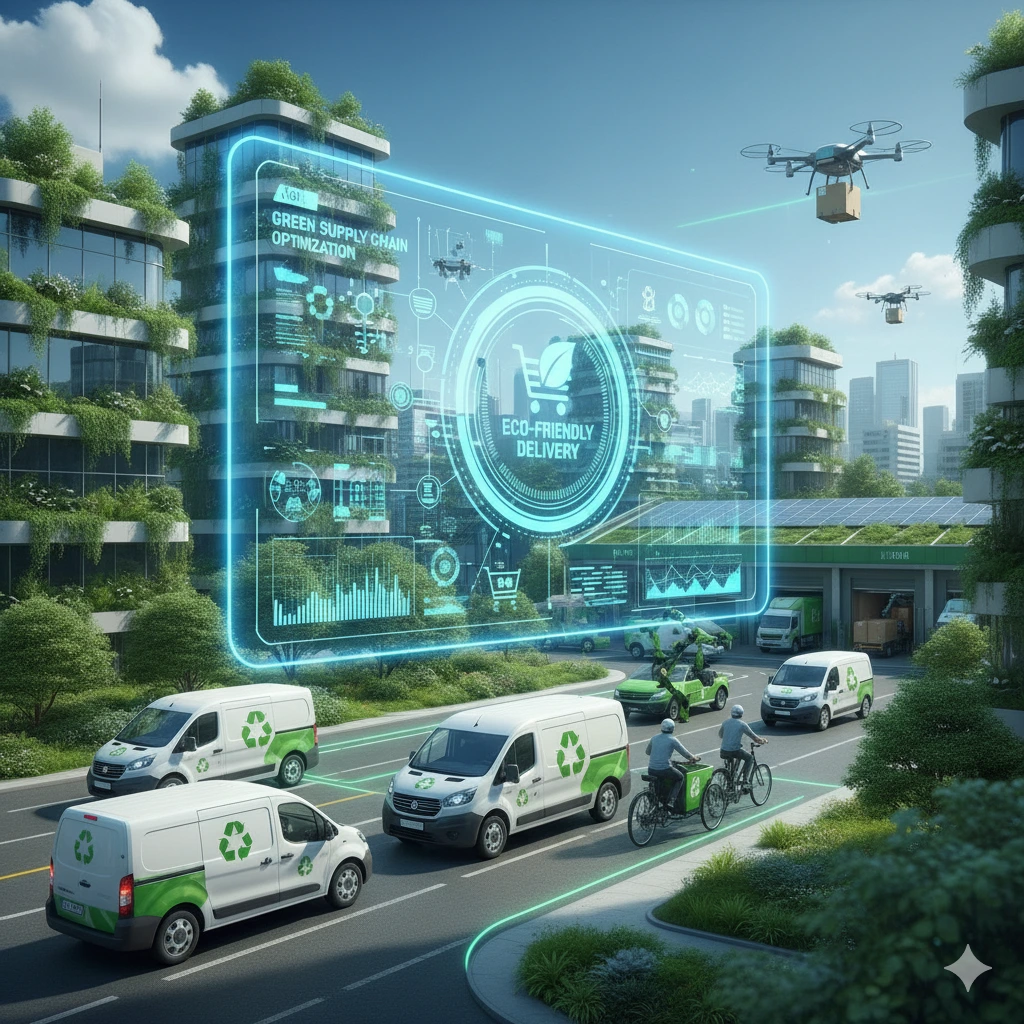
    As e-commerce grows, sustainability matters more than ever. Use automation to make your small store eco-friendly and efficient. Implement smart packaging systems, eco-shipping preferences, and AI route optimization for delivery. Consumers in 2025 prefer brands that combine technology with responsibility.

    The 30-Day Outcome

    By the end of this 30-day plug-and-play automation setup, you’ll have a fully optimized store that practically runs itself. You’ll:

    • Save up to 10–15 hours a week on manual tasks
    • Reduce fulfillment errors by 50% or more
    • Improve customer satisfaction with instant responses
    • Boost conversions through personalized, automated marketing

    Your store will not only look more professional but also perform like one. The key is to keep evolving — review your automations monthly, track performance, and adopt new AI tools as they emerge.

    The Future is Automated

    In 2025, the most successful small e-stores aren’t those with the biggest budgets — they’re the ones using smart automation wisely. Plug-and-play automation levels the playing field, letting you compete with big brands by working smarter, not harder.

    From AI-powered inventory systems to chatbots that sell for you, automation is no longer a dream — it’s your growth strategy. Start today, follow this 30-day plan, and watch your online store transform into a lean, efficient, and profitable business built for the future of e-commerce automation.

  • Voice, Visual & Virtual: Shopping in the 2025 Metaverse Era

    Voice, Visual & Virtual: Shopping in the 2025 Metaverse Era

    The world of e-commerce is changing faster than ever, and 2025 has become the year where voice, visual, and virtual experiences redefine how we shop online. With consumers craving personalization, immersion, and instant gratification, metaverse shopping has stepped up as the ultimate retail revolution. This new era merges AI, AR, VR, and automation to create experiences that are more human, engaging, and addictive than traditional e-commerce.

    In the past, online shopping meant scrolling through endless product pages, adding items to a cart, and waiting for delivery. But the digital transformation of retail is far beyond that now. Today, customers can walk into a virtual store, interact with digital avatars, test products in augmented reality, and even talk to AI voice assistants who guide them through the entire shopping journey. Welcome to the future of retail—where your virtual identity and shopping experience are seamlessly connected.

    The Rise of Voice Commerce

    One of the biggest breakthroughs in e-commerce automation is voice commerce. Smart devices like Alexa, Google Assistant, and Siri have already entered millions of homes, but in 2025, their capabilities have skyrocketed. Voice commands now control entire shopping journeys—from product search to payment confirmation. Shoppers simply say, “Order me a new pair of running shoes,” and automation takes care of the rest.

    Brands are investing heavily in voice search optimization, a vital SEO trend for 2025. As more users shift to hands-free browsing, optimizing product listings with long-tail keywords, conversational content, and AI-driven recommendations has become essential. For example, instead of typing “best smartwatch,” users now say, “What’s the best smartwatch for fitness tracking under $300?” This subtle shift demands that brands rethink their content strategy to match real-world speech patterns.

    Voice commerce also adds a personal touch to automation. AI assistants remember user preferences, suggest personalized deals, and can even use predictive analytics to anticipate future purchases. With AI-powered personalization and voice-enabled shopping bots, brands are not just selling—they’re building relationships.

    Visual Commerce: Seeing is Believing

    In 2025, visuals dominate the digital landscape. With shorter attention spans and rising expectations for authenticity, visual commerce has become the new frontier. It combines AI, image recognition, and augmented reality to make product discovery interactive and fun. Instead of relying on static photos, customers now experience 3D product views, virtual try-ons, and AR-powered product demos right from their smartphones.

    Retail giants and small brands alike are embracing tools like Shopify AR, Snap AR Shopping, and Instagram Visual Search to make products come alive. Imagine pointing your camera at a friend’s sneakers and instantly finding the same model online with a “Buy Now” button. That’s the power of visual search technology—instant identification and seamless conversion.

    In this visual-first era, user-generated content plays a massive role too. Reviews, real-life videos, and influencer partnerships fuel social commerce automation. Platforms like TikTok Shop and Instagram Checkout have blurred the lines between content and commerce, turning every post, reel, and story into a potential sale. The mantra of the year? “If you can see it, you can shop it.”

    Virtual Shopping in the Metaverse

    Now comes the most exciting transformation: virtual shopping in the metaverse. The metaverse—a shared digital world powered by VR and blockchain technology—has evolved into a trillion-dollar marketplace. Here, shoppers explore immersive 3D environments, interact with brands as avatars, and even attend live fashion shows or product launches virtually.

    Major brands like Nike, Gucci, and Samsung are already leading the way with virtual stores and NFT-based loyalty programs. In 2025, virtual malls are not science fiction—they are thriving ecosystems where digital identities and real-world purchases merge. Customers can browse new collections, pay using crypto wallets, and receive both digital goods for avatars and physical items delivered to their doorsteps.

    The beauty of metaverse e-commerce lies in its automation. Every aspect—from customer service chatbots to logistics tracking—is integrated through AI, machine learning, and IoT-powered systems. This automation ensures hyper-personalization, efficiency, and 24/7 engagement, all while reducing operational costs for businesses.

    The Role of Automation in a Virtual World

    Behind the glitz of voice, visual, and virtual experiences lies the real driver—e-commerce automation. In 2025, automation isn’t just about convenience; it’s about scalability and data-driven precision. Smart systems now manage inventory forecasting, dynamic pricing, personalized marketing, and predictive customer behavior.

    For example, automation tools powered by machine learning algorithms can analyze millions of interactions in real time, adjusting promotions or stock levels automatically. Chatbots and AI shopping assistants provide instant answers, improving the customer experience while reducing human workload.

    Even logistics have entered the automation wave with robotic fulfilment centers, drone deliveries, and micro-warehousing. These technologies shorten delivery times, enhance sustainability, and give smaller retailers a chance to compete with global giants.

    Sustainability Meets Smart Tech

    Another 2025 trend redefining e-commerce is sustainable automation. Consumers are becoming eco-conscious, pushing brands to adopt green logistics, recyclable packaging, and carbon-neutral delivery. Technologies like AI route optimization and smart inventory management help minimize waste and energy use. Virtual stores also reduce the need for physical outlets, cutting down environmental impact.

    In the metaverse, sustainability takes a digital twist. Virtual fashion reduces material waste, and NFT-based digital goods are becoming collectibles with zero carbon footprint. Brands that combine eco-friendly automation with immersive technology are earning customer trust faster than ever.

    The Power of Data and Personalization

    As automation grows, so does the importance of data-driven personalization. Every click, voice command, and virtual movement generates valuable insights. Businesses can now predict what customers want before they even ask, thanks to AI analytics and predictive modeling.

    This level of personalization makes shopping feel natural, even intuitive. Imagine walking into a virtual mall, and the store layout automatically adjusts to display your favorite categories, colors, and price ranges. That’s not the future—it’s happening right now.

    Challenges in the New Shopping Reality

    Of course, the rise of AI-powered e-commerce and metaverse automation comes with challenges. Data privacy, digital identity theft, and ethical AI use are major concerns. Consumers need assurance that their data is secure and that automation doesn’t lead to manipulation or bias.

    Regulators worldwide are catching up with AI transparency laws, while brands are focusing on trust-building strategies through blockchain verification and secure payment gateways. The key to success in this new era is balance—innovation without intrusion.

    What’s Next for E-Commerce Automation?

    Looking beyond 2025, the fusion of voice, visual, and virtual will continue to evolve. We can expect mixed reality shopping, wearable-integrated payments, and even emotion-recognition AI that tailors offers based on mood. The future of shopping will be fluid, personal, and powered by automation at every level.

    For businesses, now is the time to invest in AI tools, automation platforms, and immersive tech that bridge the gap between digital and physical worlds. For consumers, the future promises a more convenient, personalized, and sustainable way to shop.

    In the end, e-commerce in 2025 isn’t just about selling—it’s about storytelling, experience, and connection. The brands that embrace voice commerce, visual AI, and metaverse automation are the ones that will define the next decade of digital retail.

    The line between reality and virtuality is fading fast. And in this new world, every voice command, every virtual try-on, and every AI-powered recommendation brings us closer to a future where shopping feels more like living.

  • Predictive Inventory, Automation & Logistics: Making Back-End Smarter

    Predictive Inventory, Automation & Logistics: Making Back-End Smarter

    In today’s hyper-connected commerce ecosystem, customer expectations are at an all-time high. Shoppers demand fast delivery, accurate availability, and flawless order fulfillment. Behind the scenes, this requires a smarter, data-driven, and fully connected supply chain. Businesses are realizing that the key to operational excellence lies in predictive inventory management, automation, and intelligent logistics. By integrating AI, machine learning, and robotics, organizations can optimize their back-end operations to reduce waste, cut costs, and enhance customer satisfaction.

    The Shift Toward Predictive and Automated Supply Chains

    The global supply chain landscape has transformed dramatically over the past decade. Traditional, reactive inventory models can no longer keep up with demand fluctuations, global disruptions, and shifting consumer behavior. Predictive systems powered by AI and big data analytics are enabling companies to move from reactive management to proactive optimization.

    Predictive inventory management uses real-time data, historical sales trends, and external factors such as weather, seasonality, and social sentiment to forecast demand accurately. This technology not only prevents stockouts but also reduces overstocking and capital waste. When combined with automation and smart logistics, it forms the foundation of a self-optimizing, intelligent back-end ecosystem.

    Why Predictive Inventory Matters

    Inventory management has always been a delicate balancing act. Too much stock locks up cash flow and increases storage costs, while too little leads to missed sales and dissatisfied customers. Predictive inventory changes this equation by introducing data-driven precision.

    Using machine learning algorithms, businesses can identify patterns and predict product demand at granular levels—down to specific regions, stores, or even customer segments. For example, an AI system might forecast increased demand for snow boots in a particular city based on temperature forecasts and social media mentions. These insights empower supply-chain teams to align procurement, manufacturing, and distribution in real time.

    Moreover, predictive systems continuously learn and adapt. As new data flows in, algorithms refine forecasts, improving accuracy over time. This results in smarter replenishment strategies, optimized lead times, and minimal waste—key pillars of sustainable supply-chain management.

    The Role of Automation in Modern Logistics

    Automation is revolutionizing logistics operations by eliminating manual inefficiencies and improving speed, accuracy, and scalability. From warehouse robotics to automated guided vehicles (AGVs) and AI-driven order picking, automation ensures seamless coordination between inventory, order fulfillment, and delivery.

    1. Warehouse Robotics and Smart Fulfillment

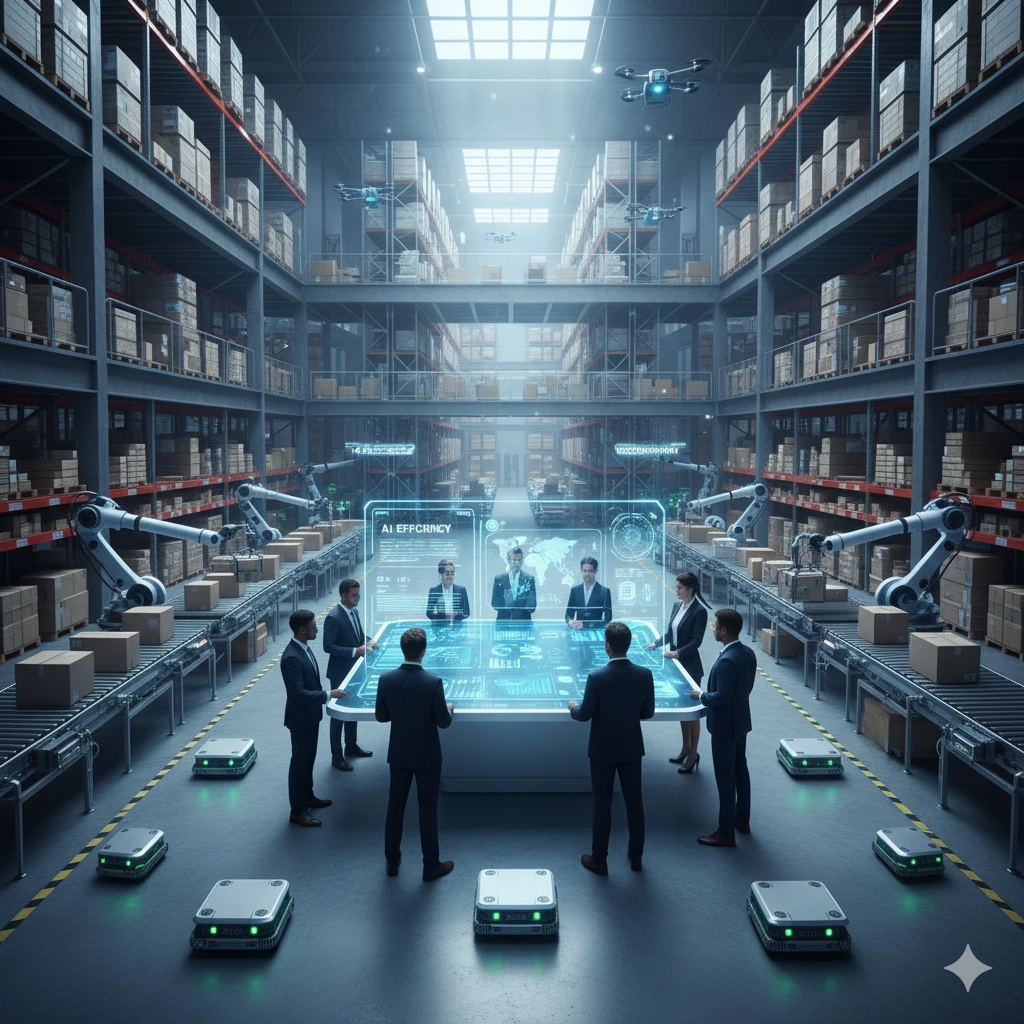
    Modern fulfillment centers are rapidly evolving into robot-powered hubs. Robots handle repetitive tasks like sorting, packing, and palletizing with unmatched efficiency. Automated Storage and Retrieval Systems (AS/RS) use robotics and sensors to optimize space utilization and retrieve items faster than human workers. This automation not only enhances throughput but also reduces operational errors.

    Companies like Amazon, Ocado, and DHL have already integrated AI-enabled robotics into their warehouses, achieving near-24/7 operations and improved order accuracy. Smaller businesses are following suit with affordable robotic solutions that scale alongside growth.

    2. Automated Inventory Tracking and IoT Integration

    Automation extends beyond physical movement. The Internet of Things (IoT) plays a crucial role in real-time inventory tracking. Smart sensors, RFID tags, and GPS systems monitor stock levels, temperature, and location across the supply chain. Data collected from these devices flows into centralized platforms where AI systems analyze patterns and trigger automatic restocking or alerts when anomalies occur.

    For instance, an IoT-enabled warehouse can automatically reorder items that reach a low threshold or reroute shipments to avoid delays. This level of automation reduces human error and enables real-time visibility—a core requirement of next-generation logistics.

    3. Robotic Process Automation (RPA) in Logistics Planning

    Beyond physical automation, Robotic Process Automation (RPA) is streamlining administrative logistics tasks. RPA bots can process invoices, manage orders, update ERP systems, and even coordinate with suppliers. By automating repetitive data entry and reporting tasks, logistics teams can focus on strategic planning and exception management instead of routine operations.

    Predictive Logistics: From Data to Decision

    Predictive logistics takes supply-chain optimization to the next level by anticipating disruptions and making intelligent decisions in advance. Through AI-powered simulations, businesses can model “what-if” scenarios—such as weather disruptions, fuel shortages, or sudden demand spikes—and develop contingency plans automatically.

    Predictive analytics also enhances route optimization. By analyzing traffic data, weather forecasts, and delivery windows, AI systems can recommend the most efficient paths for transportation. This reduces fuel costs, delivery times, and carbon emissions.

    Furthermore, predictive maintenance ensures that logistics assets like trucks, forklifts, and conveyors remain in top condition. IoT sensors monitor equipment performance and detect signs of wear before failures occur, preventing costly downtime.

    How Predictive and Automated Systems Work Together

    Predictive intelligence and automation are most powerful when combined. Predictive analytics identifies what needs to happen, while automation executes those decisions instantly. This synergy creates a self-regulating supply chain capable of adapting in real time.

    For example, if predictive analytics forecasts a surge in demand for certain products, automation can trigger immediate production adjustments, update warehouse allocations, and modify shipping routes without human intervention. This integration ensures agile and resilient logistics operations, even in volatile markets.

    Benefits of a Smarter Back-End Ecosystem

    1. Cost Efficiency and Waste Reduction

    By aligning production and inventory with real-time demand, predictive systems minimize overproduction and excess storage costs. Automation further cuts labor expenses, reduces errors, and accelerates throughput. Together, these technologies drive significant cost optimization while promoting sustainability.

    2. Faster Fulfillment and Improved Accuracy

    Automation enables faster order processing and real-time visibility into inventory. Predictive insights ensure the right products are available at the right time. This combination results in faster delivery times, fewer stockouts, and improved customer satisfaction, critical factors in today’s competitive retail environment.

    3. Enhanced Agility and Resilience

    Predictive logistics allows companies to prepare for disruptions before they occur. Whether it’s a global supply shortage or a sudden demand spike, AI-driven systems can adjust sourcing, production, and distribution strategies instantly. This agility builds supply-chain resilience, helping businesses stay ahead in uncertain times.

    4. Sustainability and Responsible Operations

    Smarter logistics reduces waste, optimizes energy use, and lowers carbon emissions. Predictive models help companies forecast demand more accurately, reducing overproduction, while automated systems streamline delivery routes for minimal environmental impact. This supports ESG and sustainability goals, a growing priority in modern business strategies.

    Future Trends in Predictive and Automated Logistics

    The future of supply-chain management will be dominated by hyper-automation and AI-driven orchestration. Technologies such as digital twins, blockchain traceability, and edge computing will further enhance predictive precision and transparency.

    Digital twins will allow companies to simulate and monitor entire supply chains in real time, testing the impact of decisions before implementing them. Blockchain will provide immutable proof of product movement, ensuring trust and accountability. Meanwhile, AI-driven decision engines will automate complex logistical workflows, enabling autonomous supply chains that can self-optimize continuously.

    As 5G connectivity expands, real-time communication between machines, sensors, and control systems will enable near-instant responses to market changes. The combination of predictive analytics, automation, and logistics intelligence will define the future of smart supply chains—fast, transparent, and resilient.

    Conclusion

    Predictive inventory, automation, and logistics are revolutionizing how businesses operate behind the scenes. By blending AI-powered forecasting, real-time automation, and intelligent logistics, organizations can transform traditional back-end operations into smart, responsive ecosystems.

    In a world driven by speed, data, and sustainability, companies that invest in predictive and automated technologies today will not only streamline operations but also secure a long-term competitive edge. The back-end may be invisible to customers—but when it’s smart, predictive, and connected, it becomes the true engine of future-ready business success.