Tag: customer service

  • Best Payment Gateways for eCommerce: Choosing the Right Solution

    Best Payment Gateways for eCommerce: Choosing the Right Solution

    Selecting the right payment solution is one of the most critical decisions for any online business. Reliable checkout experiences build trust, reduce cart abandonment, and protect customer data. That’s why choosing the best ecommerce payment gateways is essential for long-term success and strong ecommerce security.

    Why ecommerce payment gateways matter for online businesses

    Payment gateways act as the bridge between your store and your customer’s bank. They securely process transactions, verify payments, and ensure sensitive data is protected. High-performing ecommerce payment gateways not only improve conversion rates but also strengthen your store’s reputation by providing safe and seamless checkout experiences.

    Customers expect fast payments, multiple payment options, and zero friction—anything less can cost you sales.

    Key features to look for in ecommerce payment gateways

    Not all gateways are created equal. When evaluating ecommerce payment gateways, focus on these essential features:

    • Strong encryption and fraud detection for ecommerce security
    • Support for multiple payment methods (cards, wallets, BNPL)
    • Fast transaction processing and minimal downtime
    • Easy integration with your eCommerce platform
    • Transparent pricing and transaction fees

    The right gateway should grow with your business while keeping customer data protected.

    Top ecommerce payment gateways used by online stores

    Here are some widely trusted options that balance performance and ecommerce security:

    • PayPal – Popular worldwide, easy setup, and trusted by customers
    • Stripe – Developer-friendly with advanced customization options
    • Square – Ideal for businesses selling online and in physical stores
    • Authorize.net – Known for reliability and strong fraud prevention
    • Adyen – Enterprise-level solution with global payment support

    Each of these ecommerce payment gateways offers different strengths depending on your store size, target market, and technical needs.

    How ecommerce payment gateways impact ecommerce security

    Security is non-negotiable in online payments. The best ecommerce payment gateways comply with PCI DSS standards, use tokenization, and deploy real-time fraud monitoring. These measures protect both merchants and customers from data breaches, chargebacks, and unauthorized transactions.

    Strong ecommerce security builds customer confidence, making shoppers more likely to complete purchases and return in the future.

    Choosing the right ecommerce payment gateways for your store

    When selecting among ecommerce payment gateways, consider your audience, geographic reach, and average transaction value. International stores may need multi-currency support, while smaller businesses might prioritize ease of use and low setup costs.

    Testing your checkout flow and monitoring performance metrics can help you refine your choice over time.

    Final thoughts on ecommerce payment gateways

    Your payment gateway is more than just a transaction tool—it’s a trust signal. By choosing reliable ecommerce payment gateways with strong ecommerce security, you create a smoother buying experience and protect your customers at every step. Invest wisely, and your checkout process will become a powerful driver of growth for your eCommerce business.

  • How to Become a Social Selling Specialist

    How to Become a Social Selling Specialist

    Introduction: Why Social Selling Matters

    In 2026, social media has transformed from a marketing channel to a direct sales powerhouse. Brands and professionals are increasingly using platforms like LinkedIn, Instagram, and TikTok to engage prospects and close deals. Learning how to become a Social Selling Specialist can help you leverage social media effectively to drive revenue, build relationships, and position yourself as an industry expert.

    This guide breaks down the essential steps to master social selling and stand out in a competitive market.

    Step 1: Understand Social Selling Fundamentals

    Before diving into tactics, it’s crucial to grasp what social selling really is.

    Build Relationships Over Transactions

    Unlike traditional sales, social selling focuses on nurturing connections rather than pushing products. Professionals who know How to Become a Social Selling Specialist prioritize trust, engagement, and value creation.

    Learn Platform-Specific Strategies

    Each social platform has unique features for social selling. LinkedIn is ideal for B2B networking, Instagram works for visual storytelling, and TikTok helps capture attention with short, engaging content.

    Step 2: Develop Your Personal Brand

    A strong personal brand builds credibility and attracts leads naturally.

    Optimize Your Profiles

    Make your profiles professional, consistent, and keyword-rich. Adding a clear value proposition helps prospects quickly understand your expertise. Building authority is a key step in learning How to Become a Social Selling Specialist.

    Share Valuable Content

    Post content that educates, entertains, or inspires your audience. High-quality content reinforces your brand and demonstrates thought leadership, which is central to social selling success.

    Step 3: Master Relationship-Building Skills

    Engagement is the heart of social selling.

    Connect and Interact Authentically

    Comment on posts, reply to messages, and join discussions. Genuine interactions are what separate social selling specialists from traditional salespeople. Knowing How to Become a Social Selling Specialist means consistently nurturing your network.

    Use Social Listening

    Monitor trends, mentions, and conversations relevant to your niche. This helps you provide timely solutions and strengthens your credibility.

    Step 4: Leverage Tools and Analytics

    Technology can amplify your social selling efforts.

    CRM and Automation Tools

    Use platforms that track leads, schedule posts, and manage relationships efficiently. Professionals who understand How to Become a Social Selling Specialist know how to integrate tools without losing the personal touch.

    Track Metrics

    Monitor engagement, click-throughs, and conversion rates. Data-driven insights help refine strategies and optimize results over time.

    Step 5: Continuously Learn and Adapt

    The social media landscape evolves rapidly.

    Stay Updated on Trends

    Attend webinars, read industry blogs, and follow thought leaders. The ability to adapt is critical for anyone aiming to Become a Social Selling Specialist.

    Practice Consistency

    Consistency in posting, engagement, and learning solidifies your reputation and helps you grow a reliable network.

    Conclusion: Your Path to Becoming a Social Selling Expert

    Learning how to become a Social Selling Specialist requires strategy, persistence, and continuous improvement. By understanding social selling fundamentals, building a strong personal brand, mastering relationship-building, leveraging tools, and staying updated on trends, you can position yourself as a sought-after professional in the digital sales space.

    With dedication, your social selling skills will not only generate leads but also create long-lasting professional relationships that drive success in 2026.

  • Ecommerce Customer Journey Mapping: Improve UX and Boost Conversions

    Ecommerce Customer Journey Mapping: Improve UX and Boost Conversions

    Introduction: Understanding the Digital Buying Path

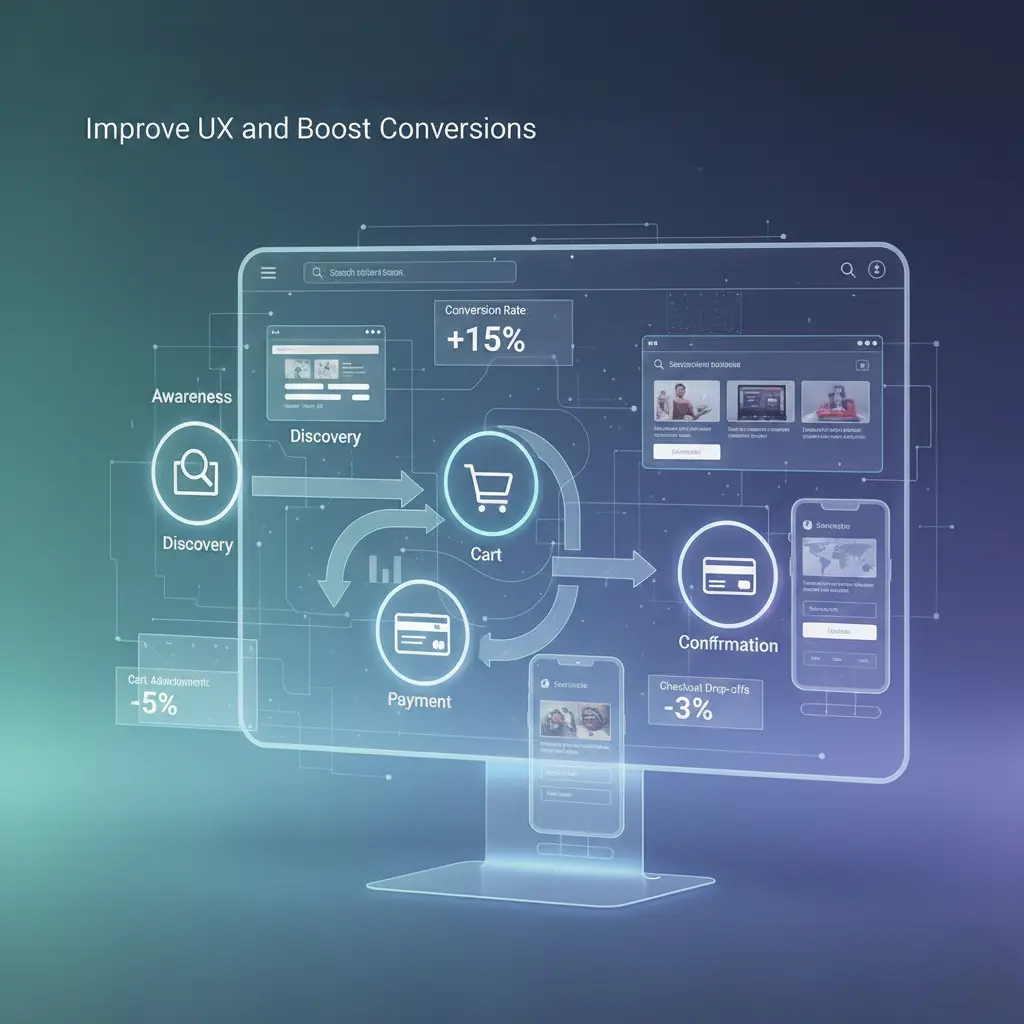
    In the competitive world of online retail, understanding how customers interact with your brand is critical. Ecommerce Customer Journey Mapping helps businesses visualize every touchpoint a customer experiences, from initial awareness to post-purchase engagement. By clearly mapping this journey, brands can identify gaps, remove friction, and create seamless shopping experiences that drive conversions and loyalty.

    What Is Ecommerce Customer Journey Mapping?

    Ecommerce Customer Journey Mapping is the process of analyzing and documenting each step a customer takes while interacting with an online store. This includes website visits, product searches, cart actions, checkout, and follow-up communication.

    Why Customer Journey Mapping Matters

    When businesses apply Ecommerce Customer Journey Mapping, they gain deeper insight into customer behavior, preferences, and pain points. This understanding enables more personalized interactions and smarter marketing strategies.

    Key Stages of the Ecommerce Customer Journey

    Awareness Stage

    At this stage, customers discover your brand through search engines, social media, or paid ads. Clear messaging and strong brand presence are essential. Effective Ecommerce Customer Journey Mapping ensures that first impressions are engaging and relevant.

    Consideration Stage

    Customers compare products, read reviews, and evaluate options. Product descriptions, visuals, and trust signals play a crucial role here. Mapping this stage helps brands address objections and guide customers toward confident decisions.

    Purchase Stage

    The checkout process is where many conversions are won or lost. A complicated or slow checkout can lead to cart abandonment. Through Ecommerce Customer Journey Mapping, businesses can simplify payments, reduce steps, and improve conversion rates.

    Post-Purchase Experience and Retention

    Customer Support and Communication

    After a purchase, timely order updates, support access, and clear return policies are essential. These touchpoints are often overlooked, yet they strongly influence customer satisfaction.

    Using Ecommerce Customer Journey Mapping, brands can optimize post-purchase interactions and turn one-time buyers into repeat customers.

    Loyalty and Advocacy

    Happy customers are more likely to leave reviews and recommend your store. Loyalty programs and personalized offers enhance long-term value. A well-defined journey map helps nurture these relationships effectively.

    Benefits of Ecommerce Customer Journey Mapping

    Improved Personalization

    With accurate journey insights, brands can deliver personalized product recommendations and targeted campaigns.

    Higher Conversion Rates

    By identifying friction points, Ecommerce Customer Journey Mapping allows businesses to streamline processes and reduce drop-offs.

    Stronger Brand Relationships

    Understanding customer needs at every stage builds trust and emotional connection.

    Conclusion: Turn Insights Into Growth

    Ecommerce Customer Journey Mapping is not a one-time exercise but an ongoing strategy for growth. When businesses continuously analyze and refine the customer journey, they create smoother experiences, stronger engagement, and higher revenue. By focusing on the full journey, brands can stay competitive and customer-centric in the evolving ecommerce landscape.

  • Stripe: Driving the New Era of E-Commerce

    Stripe: Driving the New Era of E-Commerce

    Stripe is transforming how online businesses accept payments and scale globally. In today’s fast-moving digital economy, seamless transactions, security, and flexibility are critical for success. Modern online stores need payment solutions that are reliable, developer-friendly, and built for growth, and that is exactly what Stripe delivers.

    The Evolution of E-Commerce Payments

    E-commerce has evolved far beyond simple online checkouts. Customers now expect fast payments, multiple currency options, digital wallets, and secure experiences across devices. Traditional payment systems often struggle to keep up with these demands, creating friction that can lead to abandoned carts and lost revenue. This shift has opened the door for innovative payment technology that supports global commerce at scale, and Stripe is at the forefront of this change.

    How Modern Payment Infrastructure Supports Growth

    With Stripe, businesses gain access to a powerful payment infrastructure designed for startups, enterprises, and global brands alike. Online merchants can accept credit cards, digital wallets, and local payment methods from customers around the world. This flexibility allows businesses to expand into new markets without rebuilding their payment systems from scratch.

    Developer-Friendly and Scalable Technology

    The Stripe platform is known for its robust APIs and clear documentation, making integration simple for development teams. Companies can customize their checkout experience, automate billing, and manage subscriptions with ease. As businesses grow, the technology scales smoothly, supporting higher transaction volumes without compromising performance or security.

    Security and Compliance at the Core

    Using Stripe allows businesses to meet strict security and compliance standards. Built-in fraud detection, encryption, and compliance with global regulations help protect both merchants and customers. This focus on security builds trust, which is essential for long-term success in e-commerce.

    Empowering the Subscription Economy

    Recurring revenue models are a major part of modern online business. Subscription services, SaaS platforms, and membership-based websites rely on reliable recurring billing systems. As e-commerce grows, Stripe continues to support these models with automated invoicing, flexible pricing structures, and detailed analytics that help businesses understand customer behaviour.

    Enhancing the Global Customer Experience

    A successful e-commerce strategy is centered on the customer experience. Fast checkouts, localized payment options, and transparent pricing all contribute to higher conversion rates. Payment platforms that support multiple currencies and languages help businesses reach international audiences while maintaining a smooth user journey.

    The Future of Online Commerce

    Stripe is shaping the future of digital payments by enabling innovation across industries. From small online stores to global marketplaces, businesses are building faster, smarter, and more customer-focused e-commerce experiences. As online shopping continues to expand worldwide, modern payment solutions like Stripe will remain a key driver of sustainable growth and digital transformation.

  • Influencer Marketing for Ecommerce Brands

    Influencer Marketing for Ecommerce Brands

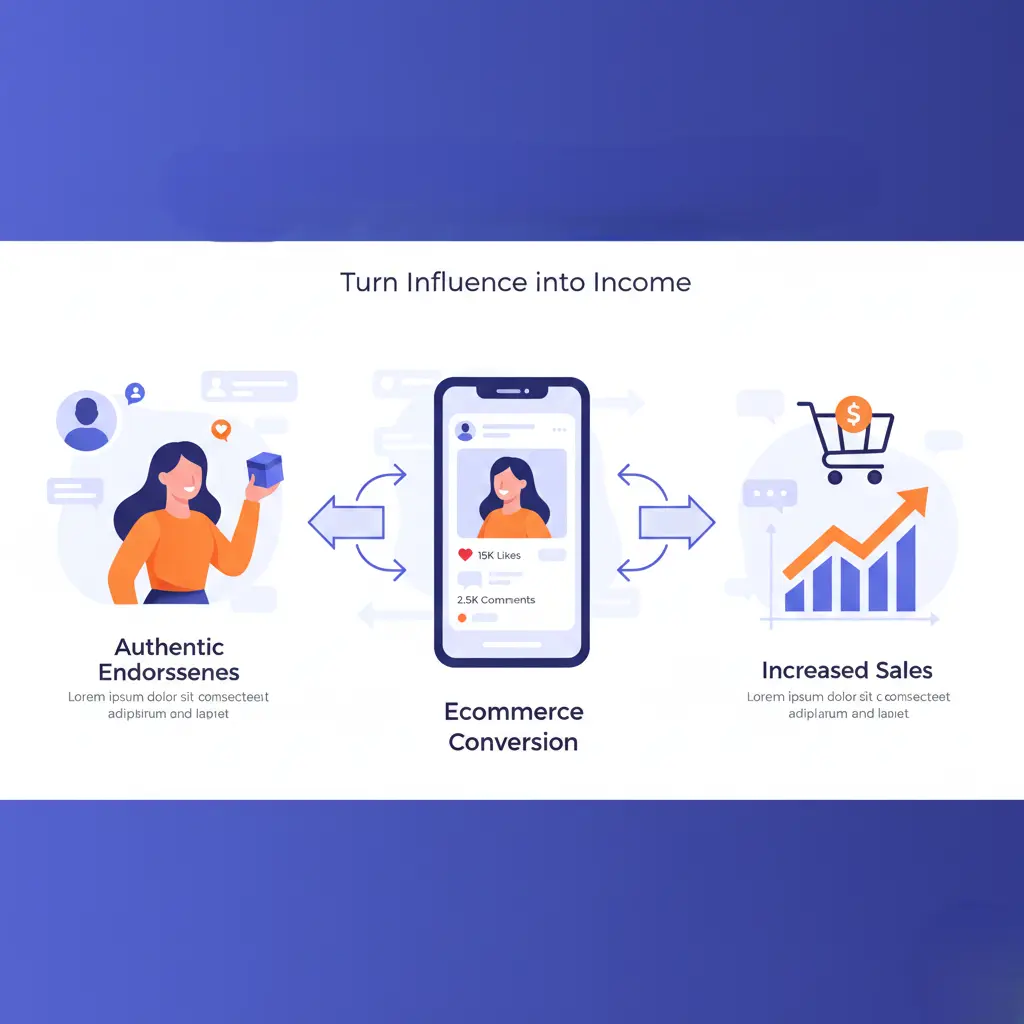
    Influencer marketing for e-commerce brands has become one of the most effective strategies to drive traffic, build trust, and increase online sales. With consumers relying more on recommendations from people they trust, influencers help ecommerce businesses connect with their target audience in an authentic and measurable way.

    What Is Influencer Marketing in Ecommerce

    Influencer marketing involves partnering with content creators who have an engaged following on platforms such as Instagram, TikTok, YouTube, and blogs. These influencers promote products through reviews, tutorials, unboxings, and social media posts.

    Why Influencer Marketing Works for Ecommerce Brands

    Shoppers trust real people more than traditional ads. Influencers provide social proof, showcase real product usage, and help brands reach niche audiences. This leads to higher engagement, better conversion rates, and stronger brand awareness for ecommerce businesses.

    Types of Influencers Ecommerce Brands Can Use

    Choosing the right influencer is key to a successful ecommerce influencer marketing strategy.

    Micro-Influencers for Higher Engagement

    Micro-influencers typically have smaller but highly engaged audiences. They are cost-effective and often generate better trust and interaction, making them ideal for small and mid-sized ecommerce brands.

    Macro and Celebrity Influencers for Brand Reach

    Macro-influencers and celebrities offer massive exposure. While they require a higher budget, they are effective for product launches and campaigns focused on brand visibility and awareness.

    How to Build an Effective Influencer Marketing Strategy

    A structured approach ensures long-term success.

    Identify the Right Influencers

    Focus on influencers whose audience aligns with your target market. Look at engagement rates, content quality, and audience demographics. Relevance is more important than follower count for ecommerce influencer success.

    Set Clear Campaign Goals

    Define your objectives, such as increasing website traffic, boosting sales, or growing social media followers. Clear goals help measure ROI from influencer marketing and guide campaign execution.

    Best Practices for Influencer Content

    Authentic content performs better than scripted promotions.

    Encourage Creative Freedom

    Allow influencers to present your products in their own voice. Authentic storytelling builds trust and improves ecommerce conversion rates.

    Use Multiple Content Formats

    Product reviews, tutorials, unboxing videos, and live streams provide diverse content that engages different segments of your audience. This improves content visibility across platforms.

    Track Performance and Optimize Campaigns

    Measuring results is essential for scaling influencer efforts.

    Monitor Key Metrics

    Track metrics such as click-through rates, conversions, sales, and engagement. Use unique links or discount codes to accurately measure influencer marketing performance.

    Build Long-Term Influencer Relationships

    Ongoing partnerships create consistency and trust. Long-term collaborations help strengthen brand loyalty and provide sustainable growth for ecommerce brands.

    SEO and Influencer Marketing Benefits

    Influencer marketing also supports ecommerce SEO strategies. Influencer blogs, social mentions, and backlinks increase brand visibility and drive referral traffic. This improves domain authority and organic search performance.

    Increase Trust and Social Proof

    Consistent influencer mentions build credibility and reinforce your brand’s reputation. This leads to higher customer confidence and improved purchasing decisions.

    Final Thoughts on Influencer Marketing for Ecommerce Brands

    Influencer marketing for ecommerce brands is a powerful growth channel when done correctly. By partnering with the right influencers, creating authentic content, and tracking performance, ecommerce businesses can drive sustainable sales growth. With strong execution, influencer marketing enhances brand trust, customer engagement, and long-term revenue in a competitive digital marketplace.