Tag: customer service

  • How to Build a Dropshipping Store

    How to Build a Dropshipping Store

    Building a dropshipping store is one of the most popular ways for beginners to start an online business with low investment and minimal risk. You don’t need to buy inventory, manage a warehouse, or ship products yourself. Instead, your supplier sends items directly to your customers while you focus on marketing, branding, and customer experience. If you want to start your own ecommerce journey, this guide will show you how to build a dropshipping store step by step.

    What Is Dropshipping?

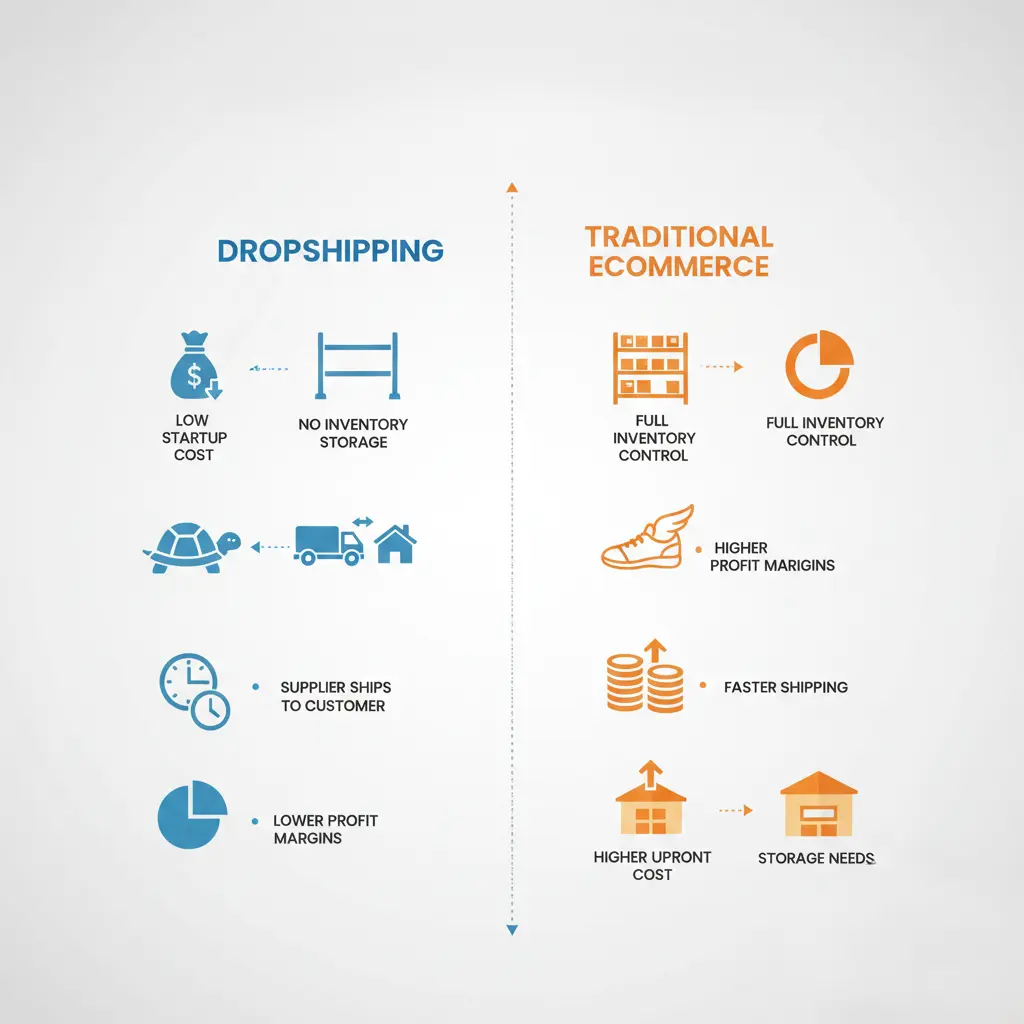
    Dropshipping is a business model where you sell products online without holding inventory. When someone orders from your store, you forward the request to your supplier, who ships the product to your customer. This makes dropshipping a low-cost and beginner-friendly business option.

    Why Dropshipping Is a Great Business Model

    Low Investment

    You only pay for products after customers buy them. No need for bulk purchases.

    No Inventory or Shipping Hassle

    Your supplier handles packing, stocking, and delivery.

    Flexible and Scalable

    Start small and grow as your sales increase. You can operate your store from anywhere.

    Wide Product Options

    Sell items in niches like beauty, electronics, fashion, home decor, fitness, and more.

    Step 1: Choose a Profitable Niche

    Your dropshipping niche determines the success of your store. Choose a niche that is:

    • In high demand
    • Not overly competitive
    • Easy to market
    • Profitable

    How to Pick the Right Niche

    • Look for trending products
    • Check social media demand
    • Research competition on platforms like Amazon, Etsy, or AliExpress
    • Avoid fragile or complicated items

    Some popular dropshipping niches include pet products, phone accessories, eco-friendly items, and skincare gadgets.

    Step 2: Research Your Competitors

    Before building your store, identify key competitors.

    What to Analyze

    • Their pricing strategy
    • Best-selling products
    • Marketing tactics
    • Customer reviews
    • Shipping times

    Tools like Google Trends, SimilarWeb, and ad libraries help you understand which products perform well.

    Step 3: Find Reliable Dropshipping Suppliers

    Your supplier plays a major role in your store’s reputation.

    Where to Find Suppliers

    • AliExpress
    • CJDropshipping
    • Spocket
    • SaleHoo
    • Oberlo alternatives

    Qualities of a Good Supplier

    • Fast shipping
    • High-quality products
    • Responsive customer service
    • Positive reviews
    • Clear pricing

    Building a relationship with your supplier helps ensure smoother operations.

    Step 4: Pick the Right Ecommerce Platform

    Choose a platform to build and manage your dropshipping store.

    Popular Platforms

    • Shopify (most beginner-friendly)
    • WooCommerce (for WordPress users)
    • Wix (simple and customizable)
    • BigCommerce

    Shopify is the top choice because it integrates easily with dropshipping apps.

    Step 5: Create Your Online Store

    Key Steps to Set Up Your Store

    1. Choose a domain name related to your niche
    2. Select a clean, mobile-friendly theme
    3. Add your logo and brand colors
    4. Organize your product categories
    5. Add essential pages like:
      • About Us
      • Contact
      • Privacy Policy
      • Shipping Policy
      • Return Policy

    A professional, trustworthy store increases conversions.

    Step 6: Add Products to Your Store

    Import products from your supplier using tools like:

    • DSers
    • Spocket
    • Zendrop

    Optimize Your Product Listings

    Your listing should include:

    • Clear titles
    • High-quality images
    • Engaging descriptions
    • Benefits-focused details
    • Pricing and offers

    Use keywords like best dropshipping products, trending niche items, and online store essentials for SEO.

    Step 7: Set Up Payment Methods

    Offer multiple payment options to avoid losing customers.

    Common Payment Methods

    • Credit/Debit cards
    • PayPal
    • Stripe
    • Razorpay (India)
    • Apple Pay / Google Pay

    Secure and flexible payment gateways increase trust.

    Step 8: Create a Strong Marketing Strategy

    Now it’s time to drive traffic to your store.

    Top Dropshipping Marketing Methods

    • Facebook & Instagram Ads – Fastest way to get sales
    • TikTok Organics – Viral short videos
    • Influencer Marketing – Partner with micro-influencers
    • SEO Blogs – Attract long-term organic traffic
    • Email Marketing – Convert visitors into customers

    A strong marketing plan is essential because dropshipping is competitive.

    Step 9: Optimize Your Store for Conversions

    Make it easy for customers to buy.

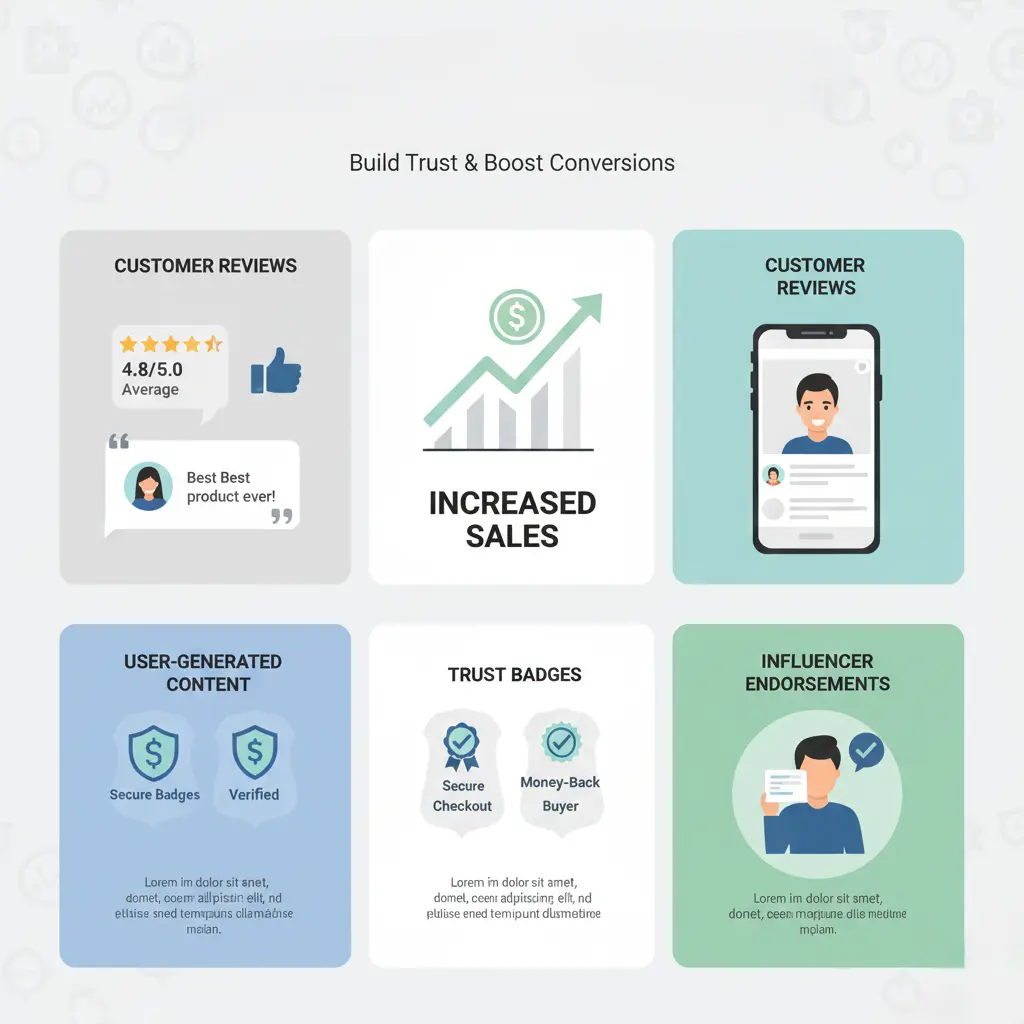
    Conversion Boosting Tips

    • Use clear CTAs
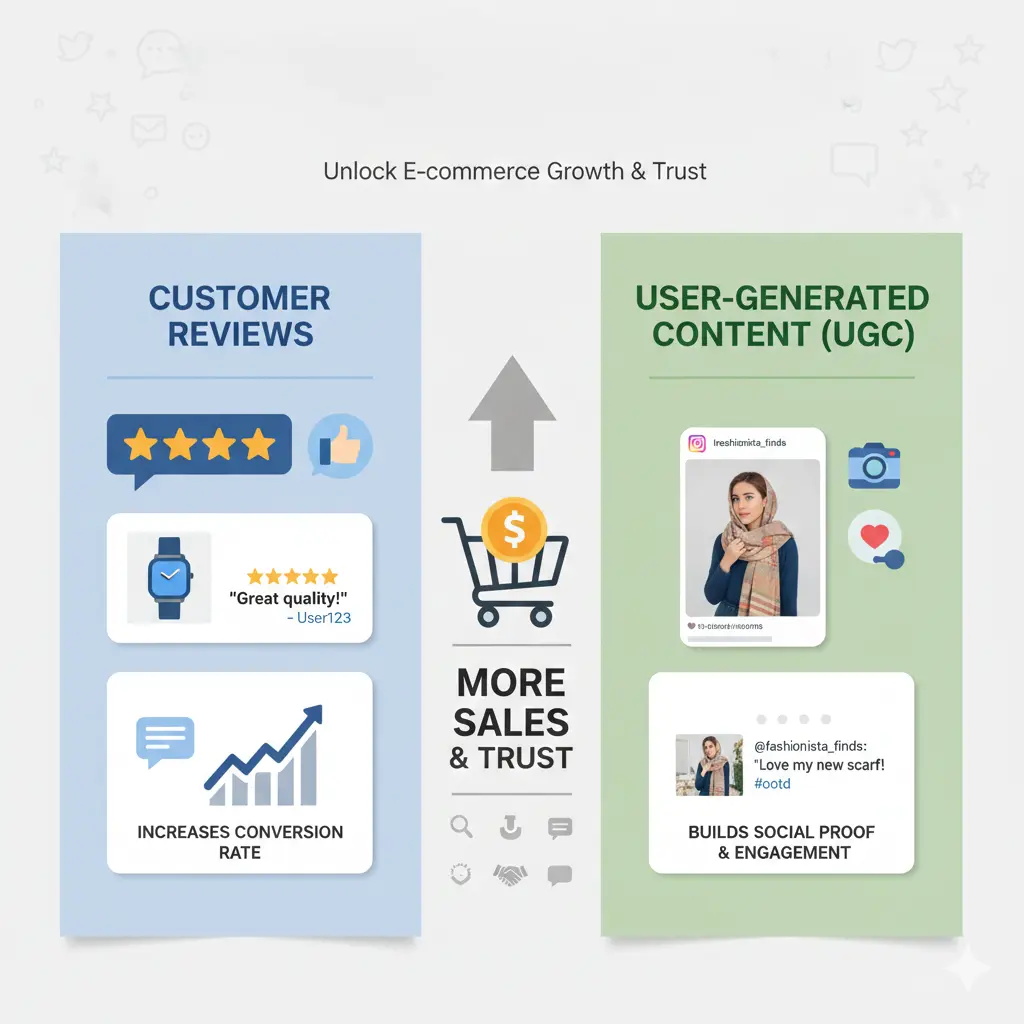
    • Add customer reviews
    • Show trust badges
    • Offer limited-time deals
    • Provide free shipping threshold
    • Maintain fast loading speeds

    Small improvements can significantly increase your sales.

    Step 10: Test, Analyze, and Scale Your Business

    Start by testing 2–3 products. Track results using tools like:

    • Google Analytics
    • Facebook Ads Manager
    • Shopify Analytics

    How to Scale Your Dropshipping Store

    • Increase ad budget
    • Expand product lines
    • Create bundles
    • Work with influencers
    • Improve customer experience

    Scaling is easier once you find your winning products.

    Common Mistakes to Avoid

    1. Choosing Too Broad a Niche

    Focus on a specific audience.

    2. Selling Low-Quality Items

    Quality issues lead to refunds and bad reviews.

    3. Ignoring Branding

    A unique brand stands out among competitors.

    4. Slow Shipping Times

    Customers expect fast delivery—choose suppliers wisely.

    5. Not Investing in Marketing

    Marketing is the backbone of a successful dropshipping business.

    Conclusion

    Learning how to build a dropshipping store is easier than most people think. With the right niche, reliable suppliers, a strong marketing plan, and consistent optimization, you can build a profitable online business even as a beginner. Dropshipping lets you start small, test products without risk, and eventually scale into a full-time income.

  • Digital Identity & Blockchain Verification in Ecommerce A Future-Ready Transformation

    Digital Identity & Blockchain Verification in Ecommerce A Future-Ready Transformation

    Digital identity has become one of the most influential elements shaping the future of ecommerce. As online shopping grows and fraud becomes more sophisticated, retailers are turning toward advanced verification technologies to protect customers, secure transactions, and create trust. One of the most powerful innovations powering this transformation is blockchain verification, a system that ensures data authenticity, transparency, and security like never before. Understanding how digital identity and blockchain verification in ecommerce work is essential for businesses preparing for the next era of online retail. This blog explores how blockchain-based identity systems are changing ecommerce in 2025 and beyond.

    What Is Digital Identity in Ecommerce?

    Digital identity refers to the online information that identifies a user, including their name, email, payment credentials, address, biometrics, and transaction history. Every online shopper leaves a digital footprint, and ecommerce platforms use these details to authenticate purchases, personalize shopping experiences, and prevent fraud. But traditional identity systems often rely on centralized databases, which are vulnerable to hacking and data breaches. This is where blockchain technology introduces a groundbreaking shift, creating decentralized identity solutions that offer higher security and user control.

    How Blockchain Verification Enhances Online Security

    Blockchain verification uses cryptography and distributed ledger technology to authenticate identity-related data. Instead of storing information on a single central server, blockchain spreads encrypted data across a network of computers. This decentralization eliminates single points of failure and makes it difficult for hackers to manipulate or steal sensitive data. For ecommerce brands, blockchain-based verification helps ensure that every user, transaction, and digital asset can be independently validated without relying on third-party intermediaries. This leads to stronger trust between retailers and consumers and significantly reduces identity fraud.

    Benefits of Digital Identity and Blockchain Verification in Ecommerce

    Higher Security for Customers and Retailers

    One of the biggest advantages of blockchain verification in ecommerce is enhanced security. Because blockchain data cannot be altered without network consensus, identity theft becomes far more difficult. Customers no longer need to worry about their personal information being stored in vulnerable databases, and retailers can reduce losses associated with fraudulent transactions. Blockchain also supports advanced authentication methods such as biometrics, multi-factor verification, and zero-knowledge proofs, making ecommerce platforms safer and more trustworthy.

    Faster, More Reliable Verification Processes

    Traditional verification methods—such as SMS codes, email confirmations, or third-party authentication—can introduce friction into the shopping experience. Blockchain simplifies verification by enabling instant identity checks without depending on external systems. This results in smoother onboarding, quicker checkout processes, and fewer abandoned carts. For customers, this can significantly improve convenience, while retailers can increase conversion rates.

    Reduced Fraud and Chargebacks

    Fraudulent purchases and chargebacks are major concerns for ecommerce businesses. Blockchain verification minimizes the risk by ensuring that transactions are conducted only by verified users with authenticated identities. Because blockchain transactions leave an immutable trail, disputes are easier to resolve and fraudulent activities are easier to trace. Retailers gain greater control over their transactions, while customers enjoy safer shopping experiences.

    User-Controlled Identity Ownership

    One of the most revolutionary concepts in blockchain-based digital identity is self-sovereign identity (SSI). Instead of companies controlling customer data, blockchain allows users to manage and share only the information necessary for a transaction. This gives consumers greater privacy and reduces the likelihood of large-scale data breaches. Customers can verify their age, address, or identity using encrypted credentials without revealing unnecessary personal details.

    How Ecommerce Companies Are Using Blockchain for Verification

    Secure Customer Onboarding

    Blockchain identity systems make it possible for ecommerce platforms to verify new users instantly. Instead of collecting large amounts of personal data, retailers can request digital identity tokens stored on a blockchain. This speeds up registration and reduces risks associated with data handling.

    Blockchain-Verified Payments

    Payments are more secure when linked to blockchain-based digital identities. Ecommerce stores can integrate decentralized identity verification into checkout systems to authenticate users without exposing their financial information. This enhances trust in payment gateways and reduces fraud.

    Supply Chain Verification

    Blockchain verification does not only apply to customer identity—it can also authenticate products. Ecommerce stores can use blockchain to verify product origins, track shipments, and prove authenticity. This is especially valuable for luxury goods, pharmaceuticals, electronics, and sustainable products. When customers can see the verified history of a product, trust increases and counterfeit risks decrease.

    The Role of AI in Enhancing Blockchain-Based Digital Identity

    Artificial intelligence is becoming a powerful companion to blockchain verification. AI can analyze customer behavior, detect anomalies, and assist in risk assessment. When combined with blockchain’s immutable data structure, AI makes ecommerce verification smarter and more adaptive. For example, AI can quickly identify unusual purchasing patterns, while blockchain ensures the identity information is secure and reliable. Together, AI and blockchain create a seamless verification ecosystem for future ecommerce stores.

    Challenges of Implementing Blockchain Verification in Ecommerce

    Despite its advantages, blockchain identity systems still face challenges. One issue is adoption—many ecommerce platforms still rely on traditional databases and may find it costly or complex to transition to blockchain technology. Scalability is another concern, as blockchain networks must handle large transaction volumes efficiently. Additionally, regulatory compliance varies across countries, requiring ecommerce brands to navigate diverse digital identity laws. However, as blockchain tools mature and become more user-friendly, these challenges are expected to decrease significantly.

    What the Future Holds for Digital Identity in Ecommerce

    The future of ecommerce will rely heavily on secure, frictionless, and user-controlled identity systems. Blockchain verification is expected to become a standard feature for online retailers by 2026 and beyond. As decentralized identity solutions gain acceptance, customers will enjoy greater privacy, quicker onboarding, and safer transactions. Businesses will benefit from reduced fraud, enhanced trust, and improved operational efficiency. Ultimately, digital identity and blockchain verification in ecommerce will shape a new era of transparency, security, and customer empowerment.

    Final Thoughts on Blockchain Verification in Ecommerce

    Digital identity and blockchain verification are redefining how ecommerce operates. With rising cybersecurity threats and growing customer expectations, retailers must adopt advanced verification systems to stay competitive. Blockchain offers the perfect combination of decentralization, security, and trust—making it an ideal solution for the future of online shopping. Ecommerce businesses that embrace blockchain early will gain a significant edge in customer trust, operational efficiency, and long-term growth.

  • Best eCommerce Platforms for Beginners

    Best eCommerce Platforms for Beginners

    Choosing the right eCommerce platform is a crucial step when starting an online store. The platform you pick affects how easily you can build, manage, and scale your business. For beginners — especially those without heavy technical skills — the ideal platform is user-friendly, cost-effective, and offers essential tools out of the box. In this article, we explore the best eCommerce platforms for beginners, their advantages, and how to choose the right one for your business.

    Why Choosing the Right Platform Matters

    Your choice of eCommerce platform directly impacts store setup speed, user experience, payment processing, site maintenance, and long-term scalability. A beginner-friendly platform saves time and reduces the learning curve, so you can focus on products, marketing, and growth instead of technical hassles.

    Key Factors to Consider

    When evaluating platforms, consider:

    • Ease of use and setup
    • Built-in payment gateway support
    • Theme and design flexibility
    • Hosting and security included
    • SEO and marketing tools
    • Scalability as your store grows

    With these criteria in mind, here are top platforms that beginners often prefer.

    Shopify — Great All-Rounder for Beginners

    What Makes Shopify Ideal

    Shopify stands out as one of the most beginner-friendly eCommerce platforms available. Its intuitive interface allows you to build a store without needing to code. With built-in hosting and SSL security, store setup is quick. Shopify also supports multiple payment methods and offers a wide variety of themes and apps to enhance store functionality.

    When Shopify Works Best

    Shopify is ideal if you want a fast, easy-to-launch store, possibly selling products, dropshipping, or scaling later on. Its hosted setup means you don’t worry about server management or technical maintenance.

    WooCommerce — Powerful Option for WordPress Users

    Why WooCommerce Appeals to Many

    WooCommerce is a powerful eCommerce plugin for WordPress. If your website is already on WordPress or you prefer flexibility, WooCommerce gives you heavy customization and control over how your store works. You can choose your own hosting, themes, and even tailor checkout, shipping, and payment logic.

    When WooCommerce Works Best

    WooCommerce works best if you value customization, already use WordPress, and don’t mind handling updates and hosting. It’s ideal for bloggers, content-heavy sites, or stores needing custom features.

    BigCommerce — Scalable for Growing Stores

    Why Consider BigCommerce

    BigCommerce provides a robust solution that balances ease of use and advanced features. It includes built-in hosting, security, and a range of templates. BigCommerce also supports multi-channel selling and offers good SEO tools — helpful if you plan to scale.

    When BigCommerce Is a Good Fit

    BigCommerce is suitable if you expect to grow your store beyond a small side business — perhaps selling internationally or across channels. It’s a more “grown-up” platform that still remains manageable for beginners.

    Wix eCommerce — Easy Visual Builder & Hosting Included

    What Makes Wix eCommerce Beginner-Friendly

    Wix eCommerce (or Wix with eCommerce features) is perfect if you want a simple drag-and-drop builder. It includes hosting, themes, and basic eCommerce functionality, making it possible to launch quickly. You don’t need coding knowledge — just pick a template, add products, and configure payment.

    Best Use Cases for Wix

    Wix eCommerce works best for small inventories, simple product catalogs, or first-time store owners testing the waters. It’s less ideal for large stores but great for beginners with modest ambitions.

    Squarespace Commerce — Beautiful Design & Simplicity

    Why Squarespace Commerce Stands Out

    Squarespace Commerce offers elegant design templates and a clean interface that appeals to users focused on branding and aesthetic. It includes hosting and eCommerce features in one package, making build-out straightforward.

    Who Should Use Squarespace Commerce

    If presentation, design, and brand storytelling matter most — e.g., for boutiques, artists, or content-driven stores — Squarespace Commerce is a solid choice. It may not scale as easily for huge catalogs, but for curated stores it works beautifully.

    Considerations Before You Decide

    Before you finalize a platform, ask yourself:

    • What’s the size of your product catalog?
    • Do you need advanced features or simplicity?
    • How much customization and control do you want?
    • Do you expect to scale quickly?
    • What’s your comfort level with technical tasks like hosting, updates, and security?

    Beginner-friendly platforms trade some flexibility for ease — but for many first-time store owners, that trade-off is worth it.

    Summary: Which Platform Should You Pick?

    Your Need / SituationRecommended Platform
    Quickest launch with minimal effortShopify
    Already using WordPress and need flexibilityWooCommerce
    Plan to scale and sell internationallyBigCommerce
    Want simple drag-and-drop builderWix eCommerce
    Focus on design, branding, aesthetic appealSquarespace Commerce

    Final Thoughts

    Selecting the right eCommerce platform for beginners sets the tone for your online store’s future. For most first-time sellers, Shopify offers simplicity, fast setup, and scalability. For those who want full control and customization, WooCommerce delivers flexibility — while BigCommerce, Wix, and Squarespace each cater to different needs based on scale, design focus, and technical comfort.

    Decide based on your business goals, technical comfort, and long-term vision. With the right platform, you’ll be ready to build, launch, and grow your store with confidence.

  • How to Start an eCommerce Store from Scratch

    How to Start an eCommerce Store from Scratch

    Starting an eCommerce store from scratch is one of the best ways to build a profitable online business. With the right approach, tools, and strategy, anyone can launch a successful digital storefront. Whether you want to sell handmade products, dropship items, or build a full-scale brand, this guide will walk you through every essential step.

    Choose Your Niche and Products

    The first step in launching an eCommerce business is deciding what you will sell. Choosing the right niche helps you target a specific audience and reduces competition.

    Tips for Selecting a Profitable Niche

    • Look for products with strong demand
    • Avoid overly saturated markets
    • Consider your interests and expertise
    • Check competitors to see what’s trending
    • Review market gaps you can fill

    Selecting a niche that you understand makes marketing and scaling easier.

    Conduct Market Research

    Thorough market research ensures you understand your audience, competition, and pricing expectations. Analyze customer pain points, buying behavior, and preferred shopping platforms.

    Key Research Areas

    • Competitor pricing and product range
    • Keyword search trends
    • Customer reviews
    • Social media trends
    • Industry growth reports

    Research helps you validate whether your products can succeed before you invest heavily.

    Choose the Right eCommerce Platform

    Your eCommerce platform is the foundation of your online store. Popular options include:
    • Shopify
    • WooCommerce
    • BigCommerce
    • Wix eCommerce
    • Squarespace Commerce

    Shopify is ideal for beginners due to its ease of use, while WooCommerce works best for WordPress users who need customization.

    Set Up Your Online Store

    Once you pick a platform, you can begin building your store. Focus on creating a professional customer experience.

    Essential Store Setup Steps

    • Choose a clean, mobile-friendly theme
    • Add product categories
    • Upload high-quality images
    • Write clear product descriptions
    • Set up a secure checkout
    • Configure shipping settings
    • Add legal pages like Privacy Policy and Terms

    A polished store boosts trust and increases conversions.

    Brand Your eCommerce Business

    Branding is one of the most important parts of starting an eCommerce store. Strong branding helps you stand out and connect with customers emotionally.

    Branding Elements to Focus On

    Logo and color palette
    Brand voice and tone
    Packaging style
    Brand story
    Value proposition

    Consistent branding improves recognition and customer loyalty.

    Set Up Payment Gateways

    To accept payments, integrate reliable payment gateways into your store. Most platforms support providers like PayPal, Stripe, Apple Pay, Google Pay, and traditional credit cards.

    Choose gateways that offer security, low fees, and global accessibility if you plan to sell internationally.

    Create and Optimize Your Product Listings

    Product listings determine whether customers click “Add to Cart.” High-quality listings are non-negotiable.

    Tips for Optimizing Listings

    • Use SEO-optimized keywords
    • Add multiple product images
    • Include videos if possible
    • Highlight key features and benefits
    • Use bullet points for readability
    • Add customer reviews to build trust

    Optimized listings improve search visibility and conversion rates.

    Set Up Shipping and Fulfillment

    Decide how you will deliver products to your customers. Options include:
    • Self-shipping
    • Third-party logistics (3PL)
    • Dropshipping suppliers

    Your method will depend on your business model, product size, and order volume. Ensure your shipping policy is transparent and easy to understand.

    Use SEO to Drive Traffic

    Search engine optimization is crucial for generating organic traffic. Without it, customers won’t discover your store.

    Important SEO Steps

    • Optimize product pages with eCommerce SEO keywords
    • Write unique meta titles and descriptions
    • Improve website speed
    • Add internal links
    • Publish helpful blogs targeting buyer intent
    • Create backlinks through outreach

    Strong SEO ensures long-term growth and visibility.

    Use Social Media to Promote Your Store

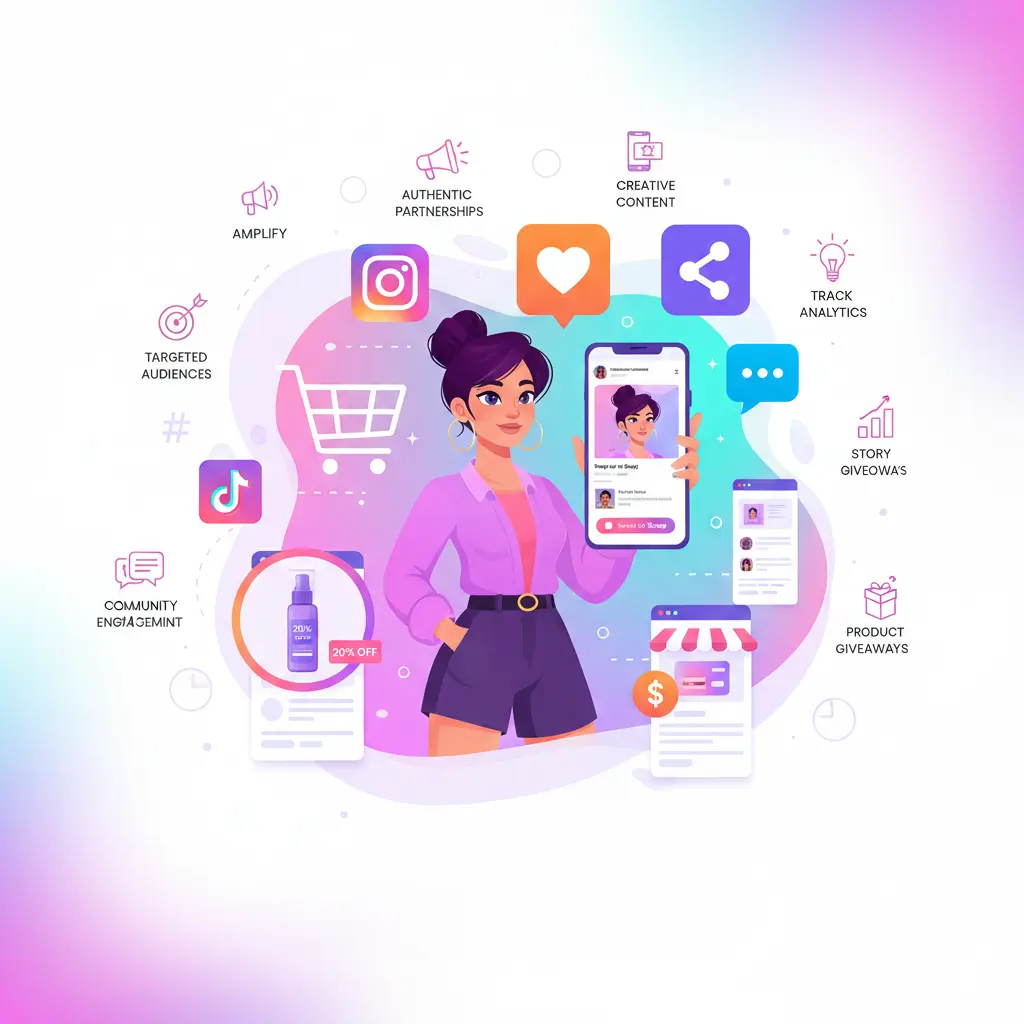
    Social platforms are powerful tools for driving traffic and boosting brand awareness. Use Instagram, TikTok, Facebook, Pinterest, and YouTube to showcase your products.

    Social Media Tips

    • Post high-quality visuals
    • Use trending audio and hashtags
    • Collaborate with influencers
    • Run giveaways
    • Share behind-the-scenes content
    • Create educational posts about your niche

    Social media helps build a community that supports your store.

    Run Paid Ads to Boost Sales

    Paid advertising can speed up growth, especially in competitive markets. Platforms like Meta Ads, Google Ads, TikTok Ads, and Pinterest Ads allow you to target specific audiences.

    Paid Ad Strategies

    • Use retargeting ads for abandoned carts
    • Promote best-selling products
    • Test different creatives
    • Use lookalike audiences
    • Track performance through analytics

    Paid ads help you scale quickly once you validate your product.

    Launch Email Marketing Campaigns

    Email is one of the most profitable channels for eCommerce marketing. Set up automated email flows such as:
    • Welcome series
    • Abandoned cart reminders
    • Product recommendations
    • Post-purchase follow-ups
    • Holiday promotions

    Email keeps customers engaged and increases repeat purchases.

    Provide Amazing Customer Service

    Customer experience can make or break your online store. Offer fast responses, clear communication, and hassle-free returns.

    Customer Service Tips

    • Add live chat or chatbots
    • Respond to messages within 24 hours
    • Offer transparent policies
    • Personalize support when possible
    • Collect feedback to improve

    Great service turns first-time buyers into loyal customers.

    Prepare for Launch

    Before going live, double-check everything. Test your checkout, product links, payment gateways, and mobile responsiveness.

    Final Launch Checklist

    • Test multiple payment methods
    • Check email notifications
    • Review product descriptions
    • Fix any broken links
    • Set up analytics and tracking
    • Test shipping settings

    A smooth launch builds confidence and encourages customers to return.

    Final Thoughts

    Starting an eCommerce store from scratch may seem overwhelming, but with the right steps, tools, and mindset, you can build a successful online business. From choosing your niche to optimizing your store and running marketing campaigns, each step brings you closer to creating a profitable digital brand. With consistency and strategy, your eCommerce store can grow and thrive for years to come.

  • Types of eCommerce Business Models B2B B2C C2C D2C

    Types of eCommerce Business Models B2B B2C C2C D2C

    The world of eCommerce continues to grow rapidly, and understanding the different eCommerce business models is essential for anyone starting or scaling an online business. Whether you’re launching a startup or expanding an existing brand, knowing how each model works can help you choose the right path for your goals. The four most common types are B2B, B2C, C2C, and D2C. Each model has unique advantages, challenges, and opportunities for growth.

    What Are eCommerce Business Models

    An eCommerce business model explains how a company sells products or services online, who it sells to, and how it makes money. These models define the relationship between the buyer and the seller. Understanding them helps you make smart decisions around marketing, pricing, logistics, and customer experience. Let’s explore the main types in detail.

    B2B Business to Business

    B2B eCommerce involves transactions between two businesses. In this model, one company sells products or services to another company rather than directly to the end consumer. Examples include wholesalers, manufacturers, and service providers selling software, equipment, or bulk items to other companies.

    Key Features of B2B eCommerce

    • Larger order values because businesses often buy in bulk
    • Longer decision-making process since multiple stakeholders are involved
    • Strong focus on long-term relationships and repeat purchasing
    • Custom pricing and negotiation based on order size or contract terms

    Many B2B companies use platforms like Alibaba, Uline, or industry-specific portals to handle orders efficiently. As digital transformation grows, more B2B transactions are moving online to streamline the buying process.

    B2C Business to Consumer

    B2C eCommerce is the most common and widely recognized model. In this type, businesses sell products directly to individual consumers through online stores or marketplaces. Popular examples include Amazon, Walmart, ASOS, and countless Shopify brands.

    Key Features of B2C eCommerce

    • Shorter buying cycles because consumers make faster decisions
    • Focus on user experience, branding, and emotional purchase triggers
    • Competitive pricing and fast delivery expectations
    • Marketing relies heavily on SEO, social media, and paid ads

    B2C is ideal for entrepreneurs who want to sell directly to everyday shoppers. It offers huge market potential but also higher competition.

    C2C Consumer to Consumer

    C2C eCommerce allows individuals to sell products or services to other individuals. The platform does not own the products but provides a space where buyers and sellers can connect. Well-known C2C platforms include eBay, Facebook Marketplace, OLX, Etsy, and Poshmark.

    Key Features of C2C eCommerce

    • Sellers are typically individuals, not businesses
    • Platforms earn money through listing fees, transaction fees, or commissions
    • Ideal for reselling used items, handmade products, or collectibles
    • Builds trust through ratings, reviews, and secure payment systems

    C2C continues to grow as the resale economy and sustainability trends become more popular.

    D2C Direct to Consumer

    D2C eCommerce is a modern model where brands sell their products directly to consumers without relying on traditional retailers, distributors, or wholesalers. This approach has skyrocketed with the rise of social media and online branding. Popular D2C brands include Warby Parker, Glossier, Gymshark, and Allbirds.

    Key Features of D2C eCommerce

    • Full control over branding, pricing, and customer experience
    • Higher profit margins because middlemen are removed
    • Strong reliance on digital marketing, influencer partnerships, and content creation
    • Direct access to customer data for personalized marketing

    D2C gives brands complete ownership of their customer relationships, making it an attractive model for new-age entrepreneurs.

    Choosing the Right eCommerce Model for Your Business

    Selecting the right eCommerce business model depends on your target audience, product type, and long-term goals. If you want to supply products to other companies, B2B is the best fit. If you want to sell directly to regular shoppers, B2C is ideal. If you prefer running a marketplace-style business, C2C is the way to go. For brands seeking complete independence and stronger customer connections, D2C is highly effective.

    Final Thoughts

    Understanding the different eCommerce business models helps you create a solid foundation for your online business. Whether you choose B2B, B2C, C2C, or D2C, each model offers valuable opportunities in today’s digital economy. By choosing the right approach and aligning it with your marketing, operations, and customer experience strategies, you can build a sustainable and successful eCommerce business.