Tag: E-Commerce SEO

  • What is Dead Stock in E-commerce Fulfilment

    What is Dead Stock in E-commerce Fulfilment

    Introduction to Dead Stock in E-commerce

    In the fast-paced world of e-commerce, inventory management plays a critical role in ensuring business efficiency and profitability. One term that frequently arises in discussions about inventory management is dead stock. Understanding what dead stock is, why it occurs, and how to manage it effectively is crucial for e-commerce businesses looking to optimize their fulfilment operations and reduce losses. This blog will provide an in-depth guide to dead stock in e-commerce fulfilment, exploring its causes, impact, and strategies to minimize its occurrence.

    Defining Dead Stock in E-commerce Fulfilment

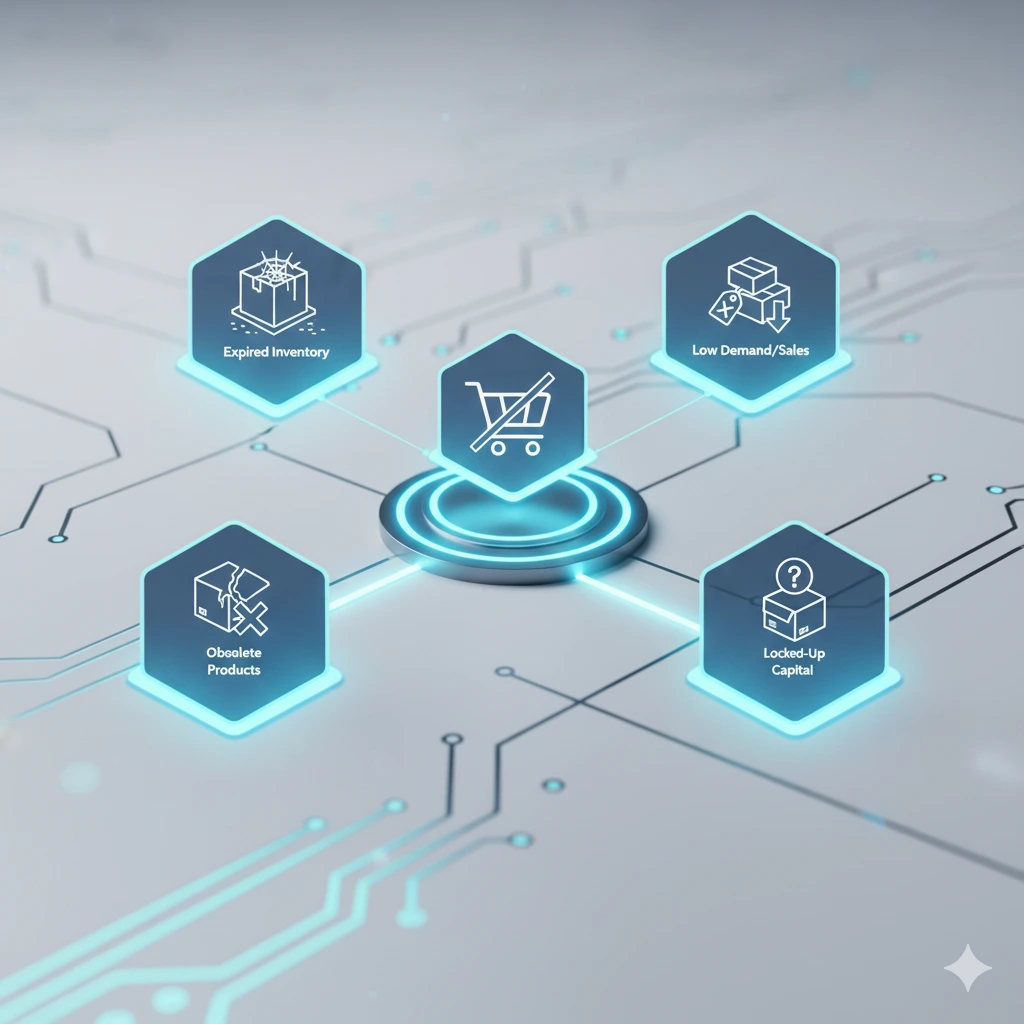
    Dead stock, also known as obsolete inventory, refers to products that remain unsold in a warehouse or storage facility for an extended period. These items are not moving due to lack of demand, seasonal changes, or overstocking. Dead stock ties up valuable storage space, affects cash flow, and can lead to increased operational costs if not managed effectively. In e-commerce, where fast inventory turnover is critical, dead stock can severely impact profitability and overall supply chain efficiency.

    Causes of Dead Stock in E-commerce

    Understanding the reasons behind dead stock is essential for preventing its accumulation. Several factors contribute to dead stock in e-commerce fulfilment:

    1. Poor Demand Forecasting

    Incorrect predictions about customer demand often result in overstocking items that may not sell. Without accurate data on market trends, businesses risk ordering excess inventory that ultimately becomes dead stock.

    2. Seasonal Products

    Products tied to specific seasons or events can become dead stock if not sold within the intended timeframe. For example, holiday-themed merchandise or summer apparel may remain unsold if demand is miscalculated.

    3. Product Obsolescence

    Technological advancements or changing consumer preferences can render certain products obsolete. Electronics, fashion items, and gadgets are particularly prone to becoming dead stock when newer models or trends emerge.

    4. Inefficient Inventory Management

    Lack of proper inventory tracking and warehouse management can lead to dead stock. Without real-time visibility into inventory levels, businesses may reorder products unnecessarily or fail to promote slow-moving items.

    5. Excessive Bulk Ordering

    E-commerce businesses often order in bulk to reduce per-unit costs. While cost-effective, bulk purchasing can result in surplus inventory if sales projections are not accurate, contributing to dead stock accumulation.

    Impact of Dead Stock on E-commerce Fulfilment

    Dead stock has several negative implications for e-commerce businesses, affecting both operational efficiency and financial performance.

    1. Increased Storage Costs

    Dead stock occupies warehouse space that could otherwise be used for faster-moving products. This leads to higher storage costs and reduces the efficiency of warehouse operations.

    2. Cash Flow Issues

    Investing in inventory that does not sell ties up capital, restricting the business’s ability to invest in new products or other growth opportunities.

    3. Reduced Profit Margins

    Dead stock often requires markdowns or clearance sales to move, which can significantly reduce profit margins.

    4. Operational Inefficiency

    Managing dead stock requires additional labor for tracking, moving, and sometimes disposing of unsold items. This can slow down warehouse operations and reduce overall fulfilment efficiency.

    5. Negative Environmental Impact

    In some cases, unsold inventory may be discarded, contributing to waste and environmental concerns. This is increasingly significant in industries where sustainability is a priority for consumers.

    Strategies to Manage Dead Stock in E-commerce Fulfilment

    Effectively managing dead stock involves a combination of proactive inventory planning, data-driven decision-making, and innovative fulfilment strategies.

    1. Implement Accurate Demand Forecasting

    Leveraging data analytics and historical sales data helps businesses predict customer demand more accurately. Predictive analytics can identify trends, seasonal fluctuations, and popular products, reducing the risk of dead stock accumulation.

    2. Use Inventory Management Software

    Modern inventory management systems provide real-time visibility into stock levels, sales trends, and warehouse operations. These tools allow businesses to monitor slow-moving items and make timely decisions about reordering or discounting products.

    3. Optimize Product Lifecycle Management

    Regularly review product performance and lifecycle to identify items that are becoming obsolete. Phasing out slow-selling or outdated products helps prevent dead stock from building up.

    4. Adopt Flexible Purchasing Strategies

    Rather than ordering in large bulk quantities, consider smaller, frequent orders that match current demand. This approach reduces the risk of overstocking and ensures that inventory aligns more closely with actual sales.

    5. Implement Promotions and Discounts

    Offering limited-time promotions, bundle deals, or seasonal discounts can help move slow-selling items before they become dead stock. This not only frees up warehouse space but also generates revenue from otherwise stagnant inventory.

    6. Partner with Third-Party Logistics (3PL) Providers

    3PL providers often offer advanced warehousing solutions, including inventory rotation, real-time tracking, and fulfillment optimization. Collaborating with a 3PL can help businesses manage inventory more efficiently and reduce the impact of dead stock.

    7. Explore Alternative Sales Channels

    Selling slow-moving products through alternative channels such as online marketplaces, outlet stores, or international markets can help reduce dead stock. Multi-channel selling increases product visibility and provides additional opportunities to clear inventory.

    8. Adopt a Returns Management Strategy

    Efficient returns management can help identify defective or unsellable products early, preventing them from becoming dead stock. Implementing processes for restocking, refurbishing, or recycling returned items minimizes inventory losses.

    Conclusion: Minimizing Dead Stock for E-commerce Success

    Dead stock in e-commerce fulfilment poses significant challenges, from increased costs to reduced profitability. Understanding the causes of dead stock and implementing proactive management strategies is essential for maintaining an efficient and profitable supply chain. By leveraging accurate demand forecasting, inventory management software, flexible purchasing strategies, and innovative sales channels, businesses can reduce the risk of dead stock accumulation.

    E-commerce companies that effectively manage dead stock not only improve operational efficiency but also enhance customer satisfaction, boost cash flow, and increase overall profitability. Staying vigilant and data-driven in inventory management ensures that your e-commerce business remains agile, competitive, and capable of meeting evolving market demands.

    Properly addressing dead stock transforms it from a costly liability into an opportunity for optimization and strategic growth within your e-commerce fulfilment operations.

  • How to Choose the Right 3PL Provider for Your Business

    How to Choose the Right 3PL Provider for Your Business

    Introduction to Choosing a 3PL Provider

    In today’s competitive business environment, supply chain efficiency plays a critical role in ensuring customer satisfaction and profitability. One of the most effective ways to optimize your supply chain is by partnering with a reliable third-party logistics (3PL) provider. However, choosing the right 3PL provider for your business can be challenging. The decision impacts not only your operational efficiency but also your brand reputation. This blog will guide you through the key considerations, benefits, and strategies to select the ideal 3PL provider that aligns with your business goals.

    Understanding the Role of a 3PL Provider

    A 3PL provider offers outsourced logistics services that include warehousing, transportation, order fulfillment, inventory management, and distribution. By leveraging a 3PL, businesses can focus on their core competencies while experts manage the complexities of logistics. Modern 3PL providers often incorporate advanced technologies such as warehouse management systems (WMS), transportation management systems (TMS), and real-time tracking to enhance supply chain visibility.

    Key Benefits of Partnering with a 3PL Provider

    1. Cost Efficiency: Outsourcing logistics can reduce overhead costs associated with warehousing, transportation, and labor.
    2. Scalability: 3PL providers allow businesses to scale operations up or down based on demand without significant capital investment.
    3. Expertise and Technology: 3PLs bring industry expertise and technology that small or mid-sized businesses may not have internally.
    4. Improved Customer Experience: Faster delivery, accurate order fulfillment, and reliable tracking improve customer satisfaction and loyalty.

    Factors to Consider When Choosing a 3PL Provider

    1. Evaluate Your Business Needs

    Before selecting a 3PL provider, clearly define your business requirements. Consider factors such as order volume, storage space needs, delivery regions, and product types. Are you looking for a full-service 3PL that handles end-to-end logistics or a specialized provider for warehousing or last-mile delivery? Understanding your business needs ensures you choose a provider that aligns with your operational goals.

    2. Assess Industry Experience and Expertise

    Not all 3PL providers have experience in every industry. When choosing a 3PL provider, look for one with expertise in your sector. For example, if you deal with perishable goods, a 3PL experienced in temperature-controlled logistics is essential. Providers with industry-specific knowledge are better equipped to handle unique challenges and regulatory requirements.

    3. Technology Capabilities

    In the age of e-commerce and data-driven operations, technology is a critical factor in selecting a 3PL provider. Evaluate their technology stack, including warehouse management systems, transportation management systems, and inventory tracking software. Real-time data visibility, analytics, and automation capabilities can significantly improve efficiency and decision-making.

    4. Geographic Coverage and Network

    The geographic reach of a 3PL provider is crucial for businesses looking to expand their distribution footprint. Consider whether the provider has strategically located warehouses and transportation networks to ensure fast delivery times. A strong logistics network helps reduce shipping costs and ensures timely fulfillment, especially for businesses operating nationally or internationally.

    5. Service Flexibility and Customization

    Every business has unique logistics needs. Choose a 3PL provider that offers flexible and customizable solutions rather than a one-size-fits-all approach. Services such as kitting, packaging, reverse logistics, and same-day delivery options can provide a competitive edge and enhance customer satisfaction.

    6. Reputation and References

    Research the reputation of potential 3PL providers by reading reviews, case studies, and industry testimonials. Ask for references and speak directly with their existing clients to understand their performance, reliability, and responsiveness. A trustworthy 3PL provider will have a proven track record of delivering consistent and high-quality logistics services.

    7. Cost Structure and Transparency

    While cost should not be the only deciding factor, it is critical to understand the provider’s pricing model. Evaluate how they charge for warehousing, transportation, fulfillment, and additional services. Transparent pricing and clear contract terms ensure there are no hidden fees, helping you make an informed decision while staying within budget.

    8. Risk Management and Compliance

    A reliable 3PL provider must adhere to industry regulations and safety standards. Assess their risk management practices, including insurance coverage, compliance certifications, and contingency planning for supply chain disruptions. Choosing a compliant and risk-aware provider reduces potential legal and operational issues for your business.

    Steps to Select the Right 3PL Provider

    Step 1: Define Your Goals and Expectations

    Start by outlining your business objectives, logistics challenges, and expected outcomes from partnering with a 3PL. Clear goals will help you communicate your requirements effectively and evaluate providers objectively.

    Step 2: Shortlist Potential Providers

    Research potential 3PL providers based on their services, industry experience, technology capabilities, and geographic reach. Create a shortlist of providers that best align with your business needs.

    Step 3: Conduct Detailed Evaluations

    Interview shortlisted providers, request proposals, and analyze their capabilities. Assess their technological infrastructure, operational processes, and ability to handle your product types and volumes. Pay attention to their flexibility and willingness to tailor solutions to your requirements.

    Step 4: Visit Facilities and Review Operations

    Whenever possible, visit the 3PL provider’s warehouses and distribution centers to understand their operational efficiency, security measures, and staff expertise. Observing operations firsthand provides valuable insight into their capabilities.

    Step 5: Negotiate Terms and Service Level Agreements (SLAs)

    Discuss pricing, service expectations, and key performance indicators (KPIs) with your chosen provider. Ensure the contract includes detailed SLAs covering order accuracy, delivery times, and response times for issues. A well-defined SLA ensures accountability and minimizes potential disputes.

    Step 6: Implement and Monitor Performance

    After selecting your 3PL provider, implement the partnership with clear communication and integration of technology systems. Continuously monitor performance against agreed KPIs to ensure the provider meets your expectations. Regular performance reviews help identify areas for improvement and strengthen the partnership.

    Conclusion: Making the Right 3PL Choice

    Choosing the right 3PL provider for your business is a strategic decision that can significantly impact your supply chain efficiency, operational costs, and customer satisfaction. By evaluating your business needs, assessing provider expertise, technology, geographic coverage, and reputation, you can select a partner that adds value to your logistics operations. A strong 3PL partnership not only helps streamline your supply chain but also provides flexibility, scalability, and a competitive edge in today’s dynamic market.

    Investing time in carefully selecting a 3PL provider ensures long-term success, enhances customer experience, and positions your business for growth in an increasingly complex logistics landscape.

  • How E-Commerce Automation Improves Customer Satisfaction

    How E-Commerce Automation Improves Customer Satisfaction

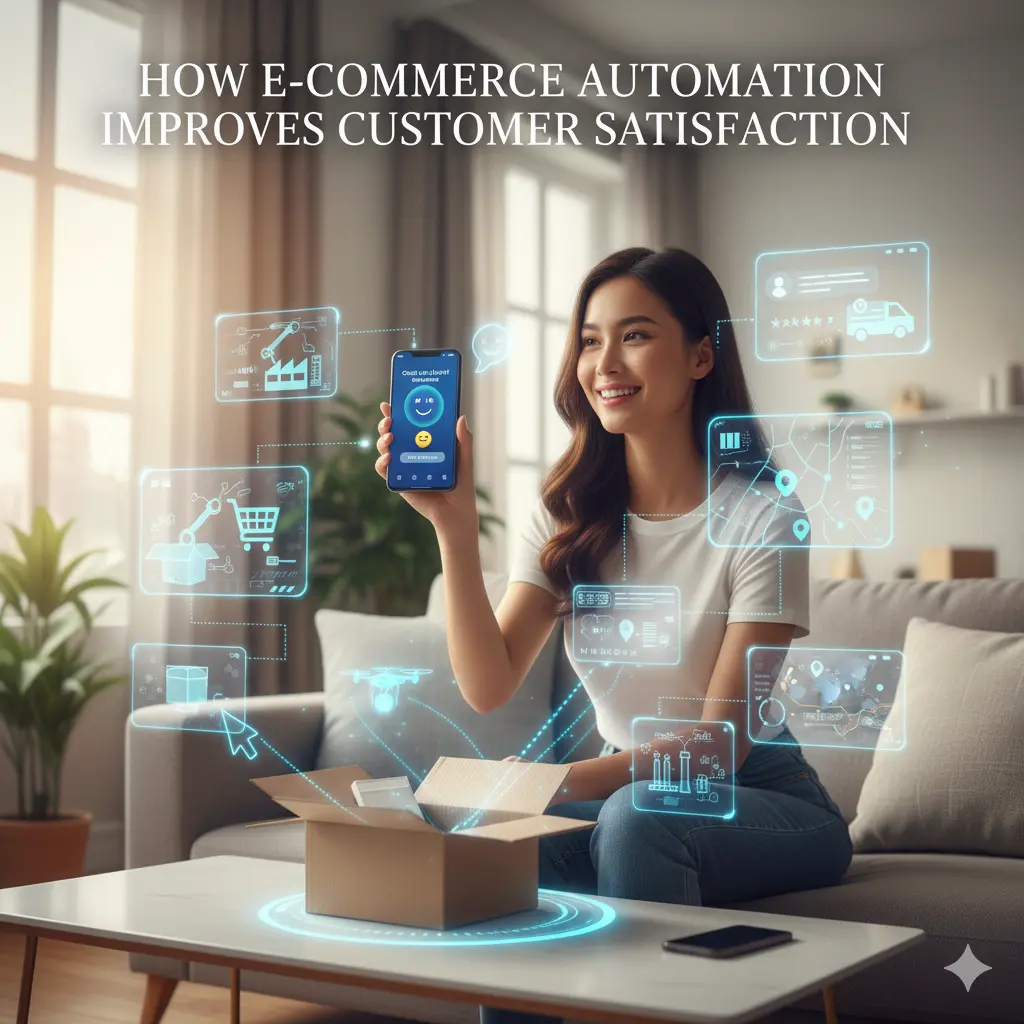
    In the fast-paced world of online shopping, customer satisfaction is a key differentiator for e-commerce businesses. Shoppers expect fast delivery, personalized experiences, accurate information, and seamless transactions. Meeting these expectations manually can be challenging, especially as order volumes grow. This is where e-commerce automation comes into play. Automation streamlines operations, reduces errors, and enhances the overall customer experience. By leveraging intelligent systems across inventory management, marketing, order fulfillment, and customer support, businesses can improve satisfaction, build loyalty, and drive long-term growth.

    What is E-Commerce Automation?

    E-commerce automation refers to the use of technology to perform repetitive, time-consuming tasks without human intervention. Automation can involve artificial intelligence (AI), machine learning, robotics, and software platforms that optimize workflows across the entire e-commerce ecosystem. From sending personalized emails to managing warehouse inventory and shipping orders, automation ensures efficiency and accuracy while allowing teams to focus on strategic initiatives.

    Key Areas of E-Commerce Automation

    • Inventory Management: Automated stock monitoring and replenishment prevent out-of-stock issues.
    • Order Processing and Fulfillment: Streamlines order verification, packing, and shipping.
    • Customer Support: AI chatbots handle queries instantly, providing 24/7 assistance.
    • Marketing and Personalization: Automated campaigns target customers with tailored promotions.
    • Analytics and Reporting: Real-time insights guide business decisions and improve customer experiences.

    Faster and More Accurate Order Fulfillment

    One of the most critical factors in customer satisfaction is timely and accurate delivery. E-commerce automation optimizes the fulfillment process, ensuring that orders are processed, packed, and shipped efficiently.

    Automated Order Verification

    Automation ensures that every order is checked for accuracy, including payment verification, shipping details, and product availability. This reduces errors, prevents delays, and minimizes the likelihood of returns. Customers receive exactly what they ordered, enhancing trust and satisfaction.

    Robotic Warehousing and Smart Picking

    Automated warehouses use robotics and conveyor systems to locate, pick, and package items quickly. This speeds up the fulfillment process, reduces human error, and allows businesses to scale operations during peak seasons without compromising service quality.

    Predictive Inventory Management

    AI-powered systems analyze sales patterns and forecast demand to maintain optimal stock levels. This reduces the risk of out-of-stock situations or overstocking, ensuring that customers can always find the products they want. Reliable inventory management directly improves the shopping experience.

    Personalized Shopping Experiences

    Modern customers expect personalized experiences that reflect their interests and preferences. E-commerce automation allows businesses to deliver tailored recommendations, content, and promotions at scale.

    AI-Driven Product Recommendations

    By analyzing browsing history, purchase behavior, and preferences, AI algorithms suggest products that match a customer’s interests. Personalized recommendations increase the likelihood of purchase and make the shopping experience more relevant and enjoyable.

    Automated Marketing Campaigns

    Automation enables targeted email campaigns, push notifications, and social media ads that respond to customer actions. For example, abandoned cart reminders, personalized discounts, or product updates can be sent automatically, prompting engagement and boosting conversion rates.

    Dynamic Website Personalization

    Automated tools can adjust website content, product listings, and banners based on user behavior in real time. Visitors see relevant products first, making navigation easier and increasing the chances of completing a purchase.

    Improved Customer Support

    Customer service is a critical touchpoint that significantly affects satisfaction. Automation ensures fast, consistent, and round-the-clock support.

    AI-Powered Chatbots

    Chatbots handle common inquiries such as order tracking, returns, product information, and FAQs instantly. They provide instant responses 24/7, reducing wait times and frustration for customers.

    Automated Ticketing Systems

    When complex issues arise, automation can categorize, prioritize, and assign support tickets to the right team members. This ensures that problems are resolved quickly and efficiently, keeping customers happy.

    Proactive Issue Resolution

    AI tools can detect potential issues, such as delayed shipments or payment failures, and automatically notify customers with solutions. Proactive communication prevents dissatisfaction and builds trust.

    Faster Shipping and Delivery

    Delivery speed is a major factor in customer satisfaction. Automation helps e-commerce businesses optimize logistics for faster and more reliable shipping.

    Route Optimization

    AI-driven systems analyze traffic, weather, and delivery schedules to determine the fastest and most efficient routes. This reduces shipping times and ensures that products reach customers on schedule.

    Real-Time Tracking

    Automated tracking systems provide customers with live updates on their order status. Transparency builds confidence and reduces anxiety about delayed deliveries.

    Flexible Delivery Options

    Automation allows businesses to offer flexible options such as same-day delivery, scheduled delivery, or smart locker pick-ups. Customers appreciate the convenience and control over how and when they receive their orders.

    Enhanced Returns and Refunds

    Returns are an inevitable part of e-commerce. Automation simplifies the returns process, reducing friction and improving customer satisfaction.

    Automated Returns Processing

    AI systems guide customers through the return process, generate labels automatically, and update inventory in real time. Quick and hassle-free returns improve the overall shopping experience.

    Refund Automation

    Automated systems process refunds faster, minimizing the wait time for customers and reinforcing trust in the brand. Customers are more likely to return to a store that handles returns efficiently.

    Data-Driven Insights for Continuous Improvement

    Automation provides access to valuable customer data that helps e-commerce businesses continually enhance the shopping experience.

    Customer Behavior Analysis

    AI tools track customer interactions, preferences, and purchase patterns to identify trends. Insights from this data guide product offerings, marketing campaigns, and website optimization.

    Performance Monitoring

    Automated analytics dashboards track KPIs such as delivery times, conversion rates, and customer feedback. Businesses can quickly identify bottlenecks and make improvements that directly impact satisfaction.

    Predictive Customer Service

    By analyzing historical data, AI predicts potential issues before they occur, allowing businesses to proactively address concerns and prevent negative experiences.

    Conclusion

    E-commerce automation is no longer a luxury; it is essential for delivering a superior customer experience. By streamlining order fulfillment, personalizing the shopping journey, enhancing customer support, optimizing delivery, and simplifying returns, automation directly contributes to higher customer satisfaction. Businesses that embrace automation can meet growing customer expectations, reduce errors, and build loyalty that drives long-term success.

  • From Click to Delivery: The Role of Automation in Seamless E-Commerce Logistics

    From Click to Delivery: The Role of Automation in Seamless E-Commerce Logistics

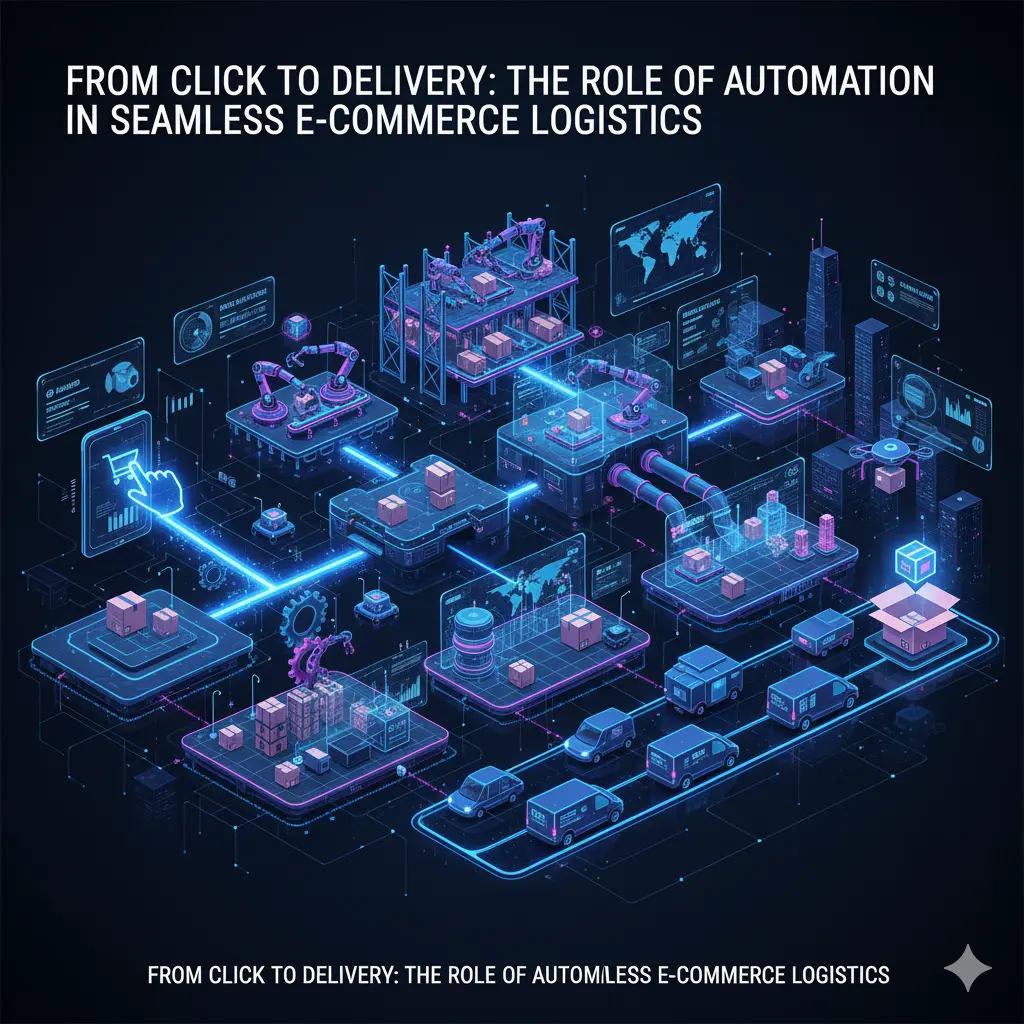
    E-commerce has transformed the way consumers shop, providing convenience and accessibility like never before. However, a great online shopping experience doesn’t end with a click—it extends to how quickly and efficiently products reach customers. In today’s competitive market, seamless logistics can make or break an e-commerce business. Automation is revolutionizing the entire supply chain, from order processing to last-mile delivery, ensuring that the journey from click to delivery is faster, smarter, and more reliable.

    Understanding E-Commerce Logistics

    E-commerce logistics encompasses the entire process of getting a product from the warehouse to the customer’s doorstep. This includes inventory management, order processing, picking and packing, shipping, and last-mile delivery. Traditional logistics often involve manual operations, which can be time-consuming and prone to errors. Automated systems are now bridging these gaps, improving accuracy, efficiency, and customer satisfaction.

    Why Logistics Matter in E-Commerce

    Fast, reliable delivery is one of the top factors influencing online purchase decisions. Customers expect real-time tracking, predictable delivery times, and error-free orders. Poor logistics can lead to delayed shipments, lost packages, or damaged goods, resulting in dissatisfied customers and negative reviews. Automation addresses these challenges by streamlining operations and reducing human error.

    Automation in Inventory Management

    Efficient inventory management is the backbone of successful e-commerce logistics. Automated inventory systems track stock levels in real time, preventing stockouts and overstock situations.

    Real-Time Stock Monitoring

    Automation allows businesses to monitor inventory across multiple warehouses simultaneously. AI-powered systems predict demand trends, identify slow-moving products, and suggest restocking schedules. This ensures that popular items are always available while minimizing excess inventory, reducing costs, and increasing customer satisfaction.

    Smart Warehousing

    Automated warehouses use robotics and conveyor systems to optimize storage, picking, and packing processes. Robots can quickly locate products, reduce human errors, and accelerate order fulfillment. These systems not only save labor costs but also increase the speed at which orders are processed, enabling faster deliveries.

    Streamlining Order Processing

    The moment a customer clicks “buy,” order processing begins. Automation makes this step seamless and error-free, which is critical for a positive e-commerce experience.

    Automated Order Verification

    AI systems automatically verify order details, payment confirmation, and shipping information. This reduces mistakes caused by manual entry and ensures orders are ready for fulfillment without delays.

    Integration with Supply Chain Partners

    Automated systems integrate with suppliers, manufacturers, and third-party logistics providers to ensure smooth operations. Orders are instantly communicated to relevant parties, inventory is updated in real time, and shipping schedules are optimized for efficiency.

    Enhancing Fulfillment with Automation

    Order fulfillment is often the most time-sensitive aspect of logistics. Automation accelerates this process while maintaining accuracy and reducing operational costs.

    Robotic Picking and Packing

    Robots can pick products from shelves, package them efficiently, and label them for shipment. These systems minimize human error, speed up the packing process, and maintain consistency, especially during peak shopping seasons.

    AI-Optimized Packaging

    AI can determine the most efficient packaging size for each order, reducing material waste and shipping costs. Proper packaging also ensures that products arrive in perfect condition, improving customer satisfaction.

    Automated Shipping and Delivery

    Shipping is the final step in e-commerce logistics and often the most visible to customers. Automation enhances speed, accuracy, and transparency throughout this stage.

    Route Optimization

    AI-powered systems analyze traffic patterns, weather conditions, and delivery schedules to determine the fastest and most cost-effective routes. This reduces delivery times and fuel costs while ensuring timely arrivals.

    Real-Time Tracking

    Automation enables real-time tracking of packages from the warehouse to the customer’s doorstep. Customers receive instant updates via email or mobile apps, increasing transparency and trust.

    Last-Mile Delivery Innovations

    Last-mile delivery is the most expensive and challenging part of e-commerce logistics. Automation is revolutionizing this phase with innovations such as delivery drones, autonomous vehicles, and smart lockers. These solutions reduce human labor, increase speed, and provide flexible delivery options for customers.

    Benefits of Automation in E-Commerce Logistics

    Implementing automation across logistics processes offers several advantages for both businesses and customers.

    Faster Delivery Times

    Automated warehouses, robotic picking, and AI-driven route optimization significantly reduce the time between order placement and delivery, meeting customer expectations for same-day or next-day shipping.

    Improved Accuracy

    Automation minimizes human errors in inventory management, order processing, and packaging. Accurate orders reduce returns, enhance customer satisfaction, and build brand loyalty.

    Cost Efficiency

    By streamlining operations, reducing labor costs, and optimizing shipping routes, automation lowers operational expenses. Businesses can reinvest these savings into growth, marketing, or enhanced customer experiences.

    Scalability

    Automated systems handle high volumes of orders efficiently, making it easier for businesses to scale operations during peak seasons, sales, or promotions without compromising quality or speed.

    Challenges and Considerations

    While automation offers significant benefits, businesses must consider certain challenges.

    Initial Investment

    Implementing automated systems requires upfront capital for technology, robotics, and software. However, long-term savings and increased efficiency often outweigh the initial costs.

    System Integration

    Automation works best when integrated across the entire supply chain. Businesses must ensure compatibility between inventory systems, order management platforms, and shipping solutions.

    Workforce Adaptation

    Automation may require reskilling employees to manage, monitor, and maintain automated systems. Proper training ensures a smooth transition and maximizes the benefits of technology.

    The Future of E-Commerce Logistics

    The future of e-commerce logistics will be increasingly automated, data-driven, and customer-centric. Emerging technologies such as AI-powered demand forecasting, autonomous delivery vehicles, drone logistics, and blockchain-based tracking are poised to further enhance efficiency, reduce costs, and improve transparency. Businesses that embrace automation now will be better positioned to meet customer expectations and gain a competitive advantage in the rapidly evolving e-commerce landscape.

    Conclusion

    From click to delivery, automation is transforming e-commerce logistics into a seamless, efficient, and customer-focused process. By leveraging AI, robotics, and automated systems in inventory management, order processing, fulfillment, and delivery, businesses can reduce errors, speed up operations, lower costs, and enhance customer satisfaction. In today’s fast-paced e-commerce world, seamless logistics is not just an operational goal—it is a key driver of customer loyalty, repeat purchases, and long-term business success. Adopting automation in logistics ensures that every click results in a smooth, reliable, and satisfying delivery experience for your customers.

  • Boosting E-Commerce Conversions with AI and Automation

    Boosting E-Commerce Conversions with AI and Automation

    In today’s highly competitive online marketplace, e-commerce businesses are constantly seeking innovative ways to increase conversions, reduce cart abandonment, and enhance customer experiences. One of the most powerful strategies emerging in recent years is the integration of AI and automation into e-commerce operations. From personalized product recommendations to automated email marketing and smart pricing strategies, AI and automation are transforming how businesses engage with customers and drive sales. Understanding these tools and implementing them effectively can significantly boost e-commerce conversions while streamlining operational efficiency.

    The Role of AI in E-Commerce

    Artificial intelligence (AI) leverages machine learning, natural language processing, and predictive analytics to understand customer behavior and make real-time decisions. For e-commerce, AI is not just about data collection; it’s about transforming that data into actionable insights that improve conversion rates.

    Personalized Product Recommendations

    One of the most effective ways AI boosts conversions is through personalized recommendations. By analyzing browsing history, purchase patterns, and user preferences, AI algorithms can suggest products that a customer is more likely to purchase. This personalized approach increases the likelihood of cross-selling and upselling, resulting in higher average order values.

    Predictive Analytics for Customer Behavior

    AI-powered predictive analytics allows businesses to anticipate customer actions. For example, by analyzing past behavior, AI can identify which visitors are likely to abandon their carts or which products may interest returning customers. Businesses can then proactively target these users with tailored offers, reminders, or incentives, improving the chances of conversion.

    Chatbots and Virtual Assistants

    AI-driven chatbots provide instant customer support and guidance, answering questions, recommending products, and assisting with checkout. Unlike traditional support systems, AI chatbots can operate 24/7 and handle multiple queries simultaneously. This immediate assistance reduces friction in the buying process and increases customer satisfaction, ultimately boosting conversion rates.

    Automation in E-Commerce Operations

    Automation complements AI by executing repetitive tasks and workflows without human intervention. Automation in e-commerce not only saves time but also ensures consistency, accuracy, and scalability, all of which contribute to higher conversions.

    Automated Email Marketing

    Email marketing remains one of the most powerful tools for increasing sales, and automation takes it to the next level. Automated emails can be triggered by specific actions, such as cart abandonment, product browsing, or purchase anniversaries. Personalized, timely emails remind customers about items they are interested in and often include incentives, such as discounts or free shipping, which can dramatically improve conversion rates.

    Dynamic Pricing Automation

    AI-driven pricing automation analyzes market trends, competitor prices, and customer behavior to optimize pricing in real time. Dynamic pricing ensures that products remain competitive while maximizing profit margins. By offering timely discounts or promotional pricing based on customer demand, businesses can increase purchase likelihood and improve conversion rates.

    Inventory and Order Management

    Automating inventory and order management reduces the risk of stockouts or overselling, which can frustrate customers and lead to lost sales. Real-time inventory tracking ensures that product availability is always accurate, while automated reorder alerts help maintain stock levels. Smooth operations result in higher customer trust and repeat purchases.

    Enhancing User Experience Through AI and Automation

    A seamless and enjoyable shopping experience is crucial for converting visitors into buyers. AI and automation play a key role in optimizing every aspect of the customer journey.

    Personalized Website Experiences

    AI can dynamically adjust website content based on visitor preferences. Personalized homepage banners, product listings, and search results increase engagement by showing users products they are most likely to purchase. Automated recommendation engines can also suggest complementary items during checkout, encouraging larger baskets.

    Streamlined Checkout Process

    Complex checkout processes are a major reason for cart abandonment. Automation simplifies this step by pre-filling forms, offering multiple payment options, and securely saving user information. AI can detect and prevent potential fraud in real time, ensuring a safe shopping environment. A smooth, hassle-free checkout experience increases the likelihood of completing a purchase.

    Customer Retention and Loyalty Programs

    Automation makes loyalty programs easier to manage and more effective. AI can analyze customer behavior to offer personalized rewards, points, or discounts, encouraging repeat purchases. Automated reminders and updates keep customers engaged with your brand, building long-term loyalty and increasing overall conversion rates.

    Key Metrics to Measure AI and Automation Impact

    To fully understand the effectiveness of AI and automation in boosting conversions, businesses should monitor relevant performance metrics.

    Conversion Rate

    Track the percentage of visitors who complete a purchase. Compare pre- and post-implementation of AI and automation strategies to measure effectiveness.

    Average Order Value (AOV)

    AI-driven recommendations and upselling can increase the AOV. Monitor changes in average spending per transaction to evaluate impact.

    Cart Abandonment Rate

    Automated reminders and personalized incentives can reduce abandoned carts. Tracking this metric helps optimize targeted campaigns.

    Customer Lifetime Value (CLV)

    Automation in retention strategies, such as loyalty programs and personalized email campaigns, contributes to higher CLV, ensuring long-term profitability.

    Customer Engagement

    Measure engagement metrics like click-through rates, time on site, and interaction with chatbots or AI-powered tools. Higher engagement often correlates with increased conversions.

    Challenges and Considerations

    While AI and automation offer tremendous benefits, implementing these technologies requires careful planning.

    Data Privacy and Security

    Collecting and using customer data responsibly is crucial. Ensure compliance with data protection regulations and prioritize transparency to maintain customer trust.

    Integration with Existing Systems

    Seamless integration with your e-commerce platform, CRM, and marketing tools is necessary for AI and automation to function effectively. Evaluate vendors carefully and consider scalability.

    Continuous Monitoring and Optimization

    AI and automated systems are not “set it and forget it.” Ongoing monitoring, testing, and optimization are required to maintain accuracy, relevance, and effectiveness in boosting conversions.

    Future Trends in E-Commerce AI and Automation

    The future of e-commerce lies in smarter, more predictive, and fully integrated systems. Emerging trends include AI-driven visual search, voice commerce, hyper-personalized marketing, and fully automated fulfillment centers. Businesses that adopt these innovations early are likely to gain a competitive advantage and achieve higher conversion rates.

    Final Thoughts on Boosting E-Commerce Conversions with AI and Automation

    AI and automation are no longer optional for e-commerce businesses—they are essential tools for driving growth, improving efficiency, and enhancing customer experiences. By leveraging personalized recommendations, predictive analytics, automated marketing campaigns, dynamic pricing, and streamlined checkout processes, businesses can significantly boost e-commerce conversions. The combination of AI and automation creates a powerful ecosystem where operational efficiency meets customer-centric strategies, resulting in higher sales, improved loyalty, and long-term success. Investing in these technologies today prepares your business for a future where data-driven decisions and intelligent automation define online retail success.