Tag: E-Commerce SEO

  • What is the Future of Ecommerce? Trends Shaping Online Shopping in 2025 and Beyond

    What is the Future of Ecommerce? Trends Shaping Online Shopping in 2025 and Beyond

    The ecommerce industry is evolving faster than ever, driven by technology, changing consumer behavior and global digital transformation. Businesses that want to stay ahead must understand where ecommerce is heading and how to adapt their strategies. So, what is the future of ecommerce? It’s smarter, faster, more personalized and more immersive than anything we’ve seen before. Let’s explore the top trends that will define online shopping in the years to come.

    The Rise of AI-Powered Shopping

    Artificial intelligence is transforming every part of ecommerce, from product discovery to customer service.

    AI Personalization

    Consumers now expect personalized experiences. AI-driven recommendations, dynamic pricing and tailored product suggestions are becoming the new standard.

    AI Chatbots and Virtual Assistants

    Brands are using AI chatbots to provide 24/7 customer support, answer questions instantly and guide shoppers through their journey. AI reduces response time and improves customer satisfaction.

    AI in Inventory & Demand Forecasting

    Smart algorithms help stores predict demand, avoid stockouts and optimize logistics. This leads to faster delivery and better customer experience.

    The Explosion of Mobile Commerce

    Mobile shopping continues to grow rapidly as smartphones become the primary device for online browsing.

    Key Mobile Commerce Trends

    • One-click checkouts
    • Mobile wallets like Apple Pay, Google Pay and UPI
    • Mobile-first ecommerce design
    • App-based loyalty programs

    The future of ecommerce is mobile-first, meaning brands must prioritize fast, responsive mobile experiences.

    Social Commerce Is Becoming Mainstream

    Social media platforms are quickly transforming into shopping destinations.

    Why Social Commerce Is Booming

    • Influencer-driven shopping
    • In-app checkout on Instagram, Facebook and TikTok
    • Shoppable posts and live product demos
    • High engagement and impulse buying

    Platforms like TikTok Shop and Instagram Shopping are blending entertainment with ecommerce, creating a new way for brands to reach customers.

    AR & VR Will Revolutionize Online Shopping

    Augmented reality (AR) and virtual reality (VR) are making online shopping more interactive and immersive.

    AR in Ecommerce

    • Try-on experiences for fashion and accessories
    • Virtual furniture placement
    • Real-time product previews

    VR in Ecommerce

    • Virtual showrooms
    • Digital store walkthroughs
    • Immersive brand experiences

    Virtual shopping reduces uncertainty and increases purchase confidence.

    The Growth of Voice Commerce

    Voice-powered devices like Alexa, Siri and Google Assistant are pushing voice commerce into the mainstream.

    Voice Commerce Trends

    • Voice-enabled product search
    • Reordering frequently purchased items
    • Voice-assisted shopping lists

    As voice recognition improves, more households will shop through smart speakers.

    Sustainability Will Become a Core Purchase Driver

    Consumers are becoming more eco-conscious, and brands must adapt.

    Sustainable Ecommerce Practices

    • Eco-friendly packaging
    • Carbon-neutral deliveries
    • Ethical sourcing
    • Transparent supply chains

    Brands that embrace sustainability build trust and long-term loyalty.

    Faster, Smarter and More Flexible Deliveries

    Shipping expectations are changing dramatically.

    Future of Ecommerce Logistics

    • Same-day and 2-hour deliveries
    • Drone delivery systems
    • Robot-powered warehouses
    • Smart inventory placement

    Speed and convenience will continue to define customer satisfaction.

    Direct-to-Consumer (DTC) Brands Will Dominate

    More brands are cutting out middlemen and selling directly to customers.

    Benefits of DTC

    • Higher profit margins
    • Better customer relationships
    • More control over branding
    • Access to first-party data

    The future belongs to brands that understand and communicate directly with their customers.

    Subscription Models Are Growing

    Subscription-based ecommerce is expanding across industries—from meals to beauty to software.

    Why Subscriptions Work

    • Predictable revenue
    • Higher customer retention
    • Customizable plans
    • Improved customer experience

    Consumers love convenience, and subscription models deliver exactly that.

    Blockchain and Crypto Will Transform Payments

    Blockchain technology is bringing transparency and security to online transactions.

    Ecommerce and Blockchain Trends

    • Cryptocurrency payments
    • Smart contracts
    • Supply chain verification
    • Fraud reduction

    As adoption grows, blockchain will reshape trust in ecommerce.

    Omnichannel Will Be the Standard, Not an Option

    The lines between online and offline shopping are blurring.

    What Omnichannel Looks Like

    • Buy online, pick up in-store (BOPIS)
    • Unified inventory systems
    • Seamless cross-device experiences
    • Consistent branding across platforms

    Customers expect a smooth, connected journey everywhere they interact with a brand.

    Final Thoughts

    So, what is the future of ecommerce? It’s intelligent, personalized and deeply integrated with everyday life. From AI-driven shopping experiences to AR try-ons and voice-powered purchases, ecommerce is entering a new era of innovation. Brands that adopt these technologies early will build stronger customer relationships, increase conversions and dominate the digital marketplace in 2025 and beyond.


  • Top 10 Game-Changing Tools Every Dropshipper Needs to Succeed in 2025

    Top 10 Game-Changing Tools Every Dropshipper Needs to Succeed in 2025

    The world of dropshipping is more competitive than ever, and the secret to standing out is using the right tools to automate tasks, discover winning products and manage operations smoothly. Whether you’re just starting or scaling your store, the right dropshipping tools can save time, reduce costs and boost conversions. This blog highlights the best tools for dropshipping in 2025 to help you grow faster and smarter.

    Why You Need the Best Dropshipping Tools

    Successful dropshippers don’t rely on guesswork. They use powerful apps to streamline product sourcing, automate fulfillment and optimize marketing. With the right dropshipping software, you can:

    • Find winning products before competitors
    • Automate order management
    • Improve customer experience
    • Boost your store’s profitability
    • Scale your business with minimal effort

    Now let’s dive into the must-have tools that make dropshipping easier and more profitable.

    1. Shopify – Best All-in-One Ecommerce Platform

    If you want a reliable and user-friendly platform, Shopify is unbeatable. It offers thousands of integrations, fast store setup and excellent support.

    Key Features

    • Easy store customization
    • Built-in SEO tools
    • Smooth payment gateway integration
    • Scalable for beginners and pros

    2. Oberlo (Alternatives) – Product Importing Made Easy

    Although Oberlo is discontinued, several strong replacements offer the same features. Tools like DSers, Spocket and Zendrop now lead the market.

    Why It’s Useful

    • Import products directly to your store
    • Sync orders automatically
    • Choose from thousands of suppliers

    3. DSers – Official AliExpress Dropshipping Partner

    DSers is the go-to tool for AliExpress product sourcing.

    Key Benefits

    • Bulk order placement
    • Multiple supplier mapping
    • Faster product importing
    • Cost-effective plans

    If you source from AliExpress, DSers is essential.

    4. Spocket – Best for US & EU Products

    If fast shipping is your priority, Spocket is one of the best dropshipping tools.

    Highlights

    • High-quality US and EU suppliers
    • Faster delivery times
    • Branded invoicing
    • Better product quality

    This helps reduce refunds and improve customer satisfaction.

    5. Zendrop – Automation Powerhouse

    Zendrop simplifies dropshipping with automated order fulfillment and custom branding.

    Key Features

    • Express shipping
    • Automated tracking updates
    • Custom product options
    • Private labeling possibilities

    Ideal for dropshippers ready to scale.

    6. AutoDS – All-in-One Dropshipping Management Tool

    Looking for a complete automation solution? AutoDS handles everything from product research to delivery.

    Best Features

    • Real-time price monitoring
    • Automated stock updates
    • One-click product importing
    • Advanced product research tool

    Perfect for high-volume sellers.

    7. Canva – Create Stunning Product Images & Ads

    Visuals play a huge role in conversion rates. Canva is your best friend for creating ads, banners and infographics.

    Why Dropshippers Love It

    • Drag-and-drop design
    • Ready-made ad templates
    • Great for social media content
    • No design experience needed

    8. Google Trends – Identify Trending Products

    Before you invest in a product, check demand through Google Trends.

    Benefits

    • Spot rising product trends
    • Compare keyword popularity
    • Make data-driven decisions

    This tool prevents you from selling products with declining interest.

    9. AdSpy – Discover High-Converting Ad Examples

    If you want to uncover winning ads and product ideas, AdSpy is incredibly powerful.

    Key Features

    • Search Facebook and Instagram ads
    • Filter by engagement
    • Analyze competitors’ strategies

    Knowing what works helps you design better campaigns.

    10. Klaviyo – Best Email Marketing Tool for Dropshipping

    Email marketing remains essential, and Klaviyo helps automate campaigns that boost conversions.

    Features

    • Abandoned cart automation
    • Customer segmentation
    • Personalized email flows

    Email automation can increase revenue without additional ad spend.

    Bonus Tool: ChatGPT – Your AI Dropshipping Assistant

    AI is transforming ecommerce, and ChatGPT is a must-use tool.

    How It Helps

    • Write product descriptions
    • Generate ad copy
    • Create SEO-optimized content
    • Build customer support scripts

    AI saves time and enhances your marketing strategy.

    Final Thoughts

    Running a successful dropshipping business requires the right combination of strategy and tools. By using these best dropshipping tools, you can streamline operations, scale faster and stay ahead of the competition. Whether you’re sourcing products, creating content or automating your store, the right tools will give you the confidence and efficiency to grow your ecommerce brand in 2025 and beyond.

  • The Beginner’s Guide to Instagram and Facebook Shop

    The Beginner’s Guide to Instagram and Facebook Shop

    Selling online has never been easier, thanks to Instagram Shop and Facebook Shop. These two platforms give businesses a powerful way to showcase products, reach new customers, and generate sales directly through social media. Whether you’re just starting an online store or expanding your digital presence, this beginner-friendly guide will help you understand how to set up, manage, and grow your social commerce business on both platforms. Here is your complete Beginner’s Guide to Instagram and Facebook Shop.

    What Are Instagram and Facebook Shops?

    Instagram Shop and Facebook Shop are digital storefronts that allow businesses to display and sell products inside the Meta ecosystem. Customers can browse items without leaving the app and even check out directly, depending on your region. For beginners, these platforms offer a low-cost, easy-to-use way to enter the world of social commerce.

    Key Benefits

    Increased reach, built-in audience targeting, seamless shopping experience, and direct product discovery through posts, stories, and ads.

    1. Set Up Your Meta Business Account

    To use Instagram Shop and Facebook Shop, you first need a Meta Business Account and a connected Business Page.

    How to Get Started

    Create (or convert) your Instagram account into a Professional Business Account. Link your Instagram profile to your Facebook Page through the Meta Business Suite. Having everything connected makes it easier to manage your catalog, insights, and messages from one place.

    2. Upload Your Product Catalog

    A product catalog is the foundation of your shop. This contains your product names, images, prices, and descriptions. You can upload it manually or connect it to an e-commerce platform like Shopify or WooCommerce.

    Catalog Tips

    Use high-quality images, keep titles clear, and write SEO-friendly descriptions. Make sure your prices and stock levels are updated regularly.

    3. Set Up Your Instagram Shop

    Once your catalog is ready, you can enable Instagram Shopping. Meta will review your account for eligibility, which usually takes a few days.

    After Approval

    You can tag products in posts, reels, stories, and even livestreams. Product tags make it easy for users to move from content to checkout instantly.

    4. Set Up Your Facebook Shop

    Your Facebook Shop appears on your business page under the “Shop” tab. It acts as a mini store where visitors can browse collections, view product details, and purchase items.

    Shop Features

    Customize your shop layout, create product collections like “New Arrivals,” and add featured items to guide customer browsing.

    5. Optimize Your Product Listings

    Great product listings increase clicks and conversions. Use clear, bright images and write detailed descriptions highlighting features and benefits.

    SEO Optimization Tips

    Include keywords like “handmade jewelry,” “organic skincare,” “affordable fashion,” or category-specific terms your customers search for. Add multiple images and short videos to make listings more compelling.

    6. Use Shopping Tags in Your Content

    Shopping tags are one of the biggest advantages of Instagram and Facebook Shops. They allow you to turn your content into direct sales opportunities.

    Where to Use Tags

    Use tags in posts, reels, stories, and carousel ads. Influencers can also tag your products through Branded Content partnerships, boosting your visibility even further.

    7. Promote Your Products with Meta Ads

    Paid advertising helps you reach more customers and increase conversions. Meta Ads allow precise audience targeting based on interests, behavior, and demographics.

    Ad Formats to Try

    Collection Ads, Carousel Ads, Reels Ads, and Product Catalog Sales Ads. Use retargeting ads to reach customers who viewed your products but didn’t buy.

    8. Engage with Your Audience

    Social commerce thrives on engagement. Responding quickly to comments and DMs helps build trust and encourages purchases.

    Ways to Increase Engagement

    Use Instagram Stories daily, host live product demos, post user-generated content, and share behind-the-scenes videos. Engaged audiences convert at a higher rate.

    9. Track Performance with Insights

    Meta provides powerful insights to analyze your store’s performance. You can view data such as product views, clicks, add-to-cart actions, and purchases.

    What to Monitor

    Best-selling products, traffic sources, customer demographics, and conversion rates. Use this data to improve your strategy and refine your product catalog.

    10. Build Trust with Social Proof

    Customers rely on social proof before purchasing from a new business. The more authentic engagement you show, the faster your shop grows.

    Effective Ways to Build Trust

    Showcase customer reviews, share real unboxing videos, post testimonials, and highlight repeat buyers. Social proof increases credibility and boosts sales.

    Final Thoughts

    Instagram and Facebook Shops offer the perfect entry point for beginners to start selling online with minimal cost and maximum visibility. By setting up your product catalog, optimizing your listings, using shopping tags, and promoting your products through Meta Ads, you can build a profitable presence on both platforms. With consistent engagement and smart analytics, your shop can grow quickly and attract loyal customers. If you’re ready to begin your journey in social commerce, Instagram and Facebook Shop are the best places to start.

  • The 2026 Guide to Selling on Amazon and Meesho

    The 2026 Guide to Selling on Amazon and Meesho

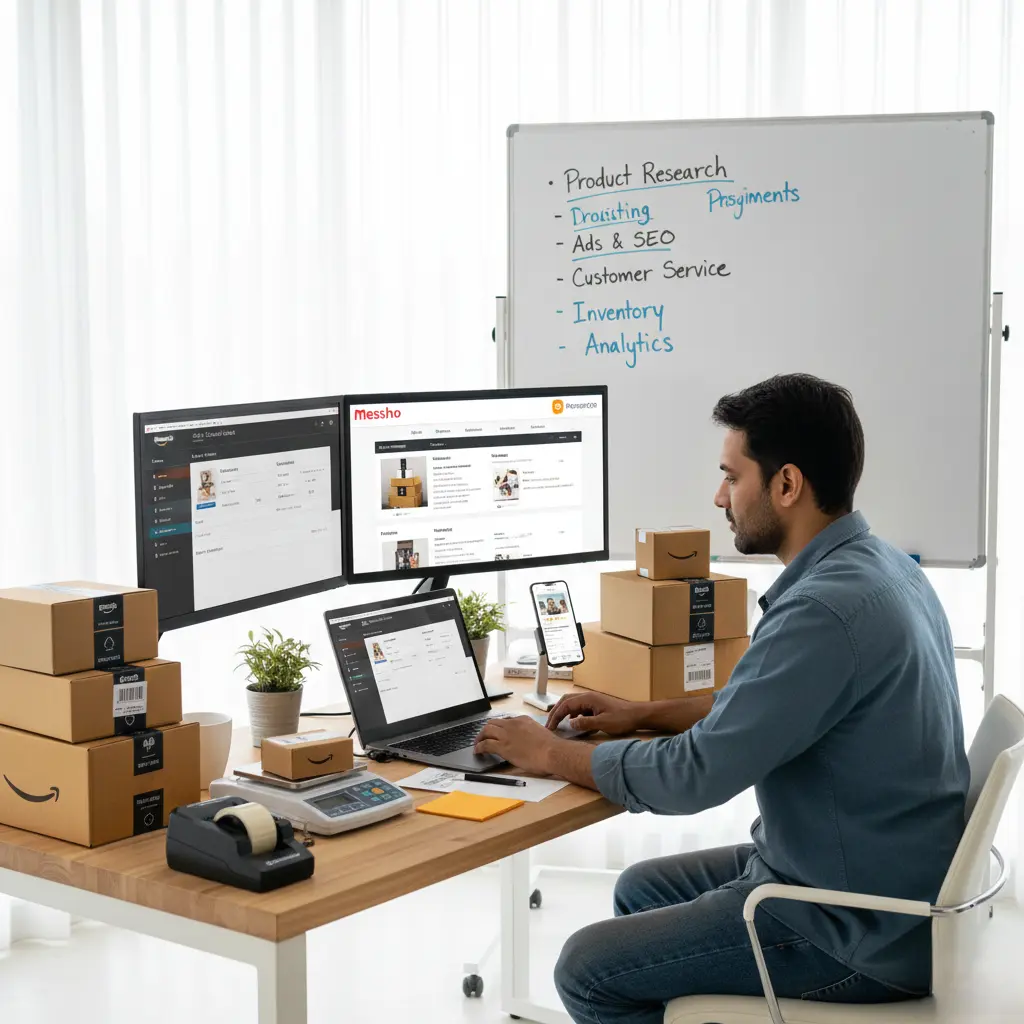
    E-commerce in 2026 continues to evolve rapidly, offering sellers more opportunities than ever before. Platforms like Amazon and Meesho have become essential marketplaces for small businesses, D2C brands, and aspiring entrepreneurs looking to scale online. Whether you want to reach global buyers on Amazon or tap into India’s fast-growing social commerce market through Meesho, this guide breaks down everything you need to succeed. Here is your complete 2026 guide to selling on Amazon and Meesho.

    Why Amazon and Meesho Matter in 2026

    Amazon remains one of the world’s most trusted online marketplaces, offering sellers access to millions of active customers, advanced logistics through FBA (Fulfilled by Amazon), and powerful advertising tools.

    Meesho, on the other hand, has become India’s leading zero-commission platform for small sellers, social sellers, and resellers. Its mobile-first, low-cost entry model makes it ideal for entrepreneurs entering e-commerce for the first time.

    Together, these platforms cover both global e-commerce and affordable social commerce, giving sellers a balanced growth ecosystem.

    Selling on Amazon in 2026

    1. Set Up Your Amazon Seller Account

    To begin, register either as an Individual Seller or Professional Seller based on your business size. Ensure your documents—such as GST number, PAN, bank account, and business address—are accurate and up to date.

    Key Tip

    In 2026, Amazon’s verification system has become faster, but accuracy in documentation is essential for account approval without delays.

    2. Choose the Right Fulfillment Method

    Amazon offers multiple fulfillment options:

    Fulfilled by Amazon (FBA)

    Amazon stores, packs, and ships your products. This boosts your Buy Box chances and helps you scale faster.

    Fulfilled by Merchant (FBM)

    You store and dispatch orders yourself, ideal for custom or bulky products.

    Easy Ship

    Amazon picks up and delivers your orders without storing your products.

    Selecting the right method is crucial for your profits, product category, and delivery speed.

    3. Optimize Product Listings for SEO

    A winning Amazon listing includes:

    • High-quality images
    • SEO-optimized titles
    • Keyword-rich bullet points
    • A compelling product description
    • Backend keywords

    Why It Matters

    Amazon’s A9 algorithm in 2026 rewards listings with strong SEO, high click-through rates, and positive customer engagement.

    4. Price Competitively

    Pricing in 2026 is more dynamic, with Amazon automatically suggesting optimized prices based on demand and competition.

    Smart Pricing Strategy

    Use Automated Pricing to stay competitive without manually updating prices every day.

    5. Use Amazon Advertising

    Amazon Ads have become essential for new sellers. Use:

    • Sponsored Products
    • Sponsored Brands
    • Sponsored Display Ads

    Advertising Tip

    Start with low-budget automatic campaigns, then refine with manual keyword targeting once you gather data.

    Selling on Meesho in 2026

    1. Register as a Meesho Seller

    Meesho allows sellers to join with minimal paperwork. You can sell as a:

    • Manufacturer
    • Distributor
    • Reseller
    • Small retail business

    Advantage

    Meesho’s zero commission model helps sellers retain maximum margins—making it ideal for beginners.

    2. Upload Quality Product Listings

    High-quality images, simple titles, and clear descriptions are essential on Meesho. Users on this platform prefer straightforward listings and budget-friendly items.

    SEO Tip

    Use keywords based on customer search behavior, such as affordable kurti,” “trendy home décor,” “budget smartphone accessories,” etc.

    3. Use Meesho’s Logistics Network

    Meesho offers a strong logistics system with:

    • Low delivery charges
    • Doorstep pickup
    • Real-time tracking

    Benefit

    Sellers don’t need third-party couriers or a warehouse; Meesho handles it all.

    4. Focus on Competitive Pricing

    Meesho is a price-sensitive marketplace. Keep your products affordable while maintaining profit margins.

    Pricing Tip

    Source products directly from manufacturers or wholesalers to reduce cost per unit.

    5. Maintain High Ratings and Fast Order Processing

    Customer satisfaction is crucial. Higher ratings increase product visibility and help you rank better in search results.

    Ways to Improve Ratings

    • Ship items quickly
    • Provide accurate descriptions
    • Avoid poor-quality packaging
    • Respond quickly to customer queries

    Amazon vs. Meesho: Which Should You Choose in 2026?

    Best For Amazon

    • Global selling
    • Premium products
    • Fast scaling
    • Strong advertising tools

    Best For Meesho

    • Budget-friendly products
    • Small home businesses
    • Social selling
    • Simple onboarding

    Many successful sellers use both platforms to diversify their customer base and maximize revenue.

    Tips for Selling Successfully on Both Platforms

    1. Maintain Quality and Consistency

    Customers in 2026 are more quality-conscious than ever. Providing consistent product quality builds long-term trust.

    2. Keep Inventory Updated

    Use inventory management tools to avoid stockouts and overselling.

    3. Use Data and Analytics

    Both Amazon and Meesho offer dashboards to help monitor:

    • Sales trends
    • Traffic
    • Conversion rate
    • Customer behavior

    4. Expand Your Product Range

    Start small, then add more products once you understand customer preferences.

    5. Invest in Branding

    Strong branding—packaging, logo, tone—helps you stand out in crowded marketplaces.

    Final Thoughts

    Selling on Amazon and Meesho in 2026 provides incredible opportunities for entrepreneurs of all levels. Amazon offers reach, scalability, and global trust, while Meesho delivers affordability, simplicity, and powerful social commerce tools. By optimizing your listings, pricing strategically, and focusing on quality, you can thrive on both platforms and build a profitable online business. The future of e-commerce is bright—now is the perfect time to start.

  • 5 Top Tips for Shipping IT Equipment

    5 Top Tips for Shipping IT Equipment

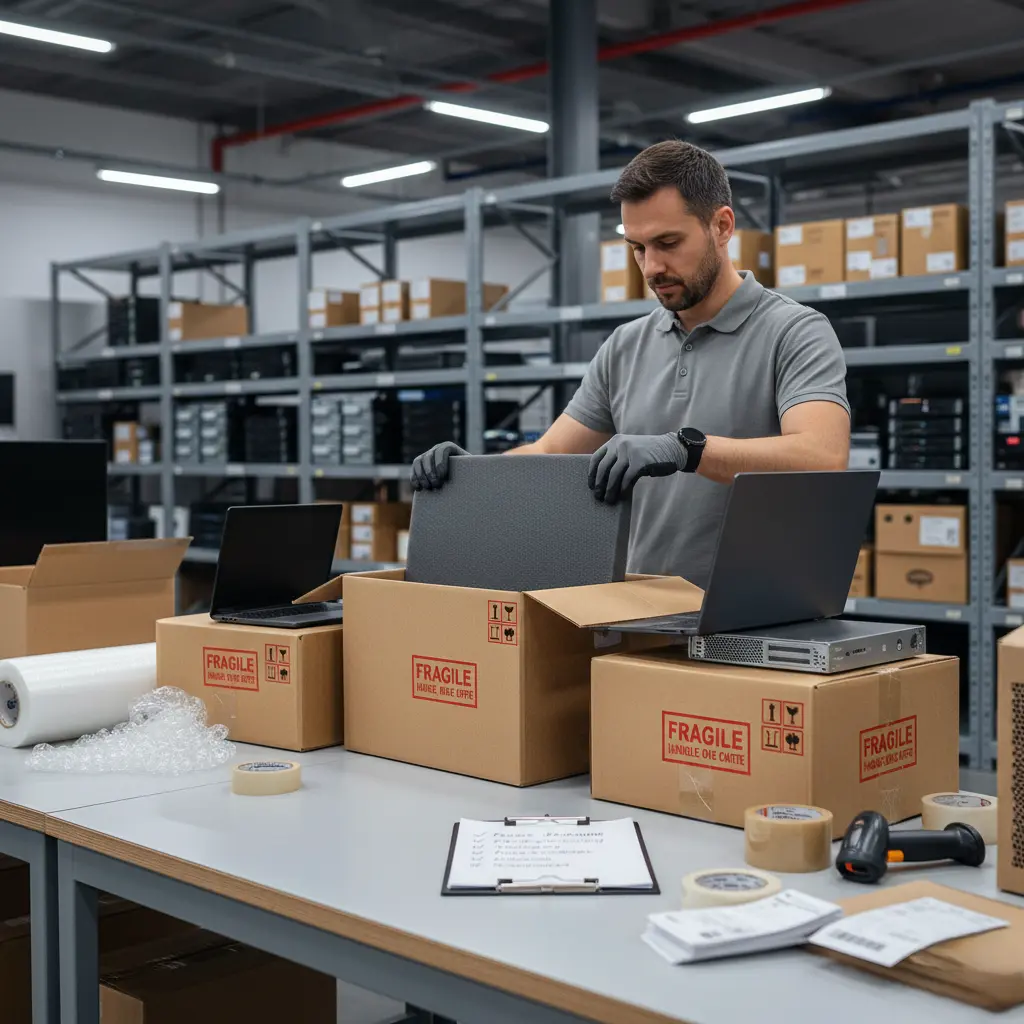
    Shipping IT equipment requires careful planning, proper packaging, and the right logistics strategy to ensure your devices arrive safely and on time. From servers and laptops to networking hardware and data storage devices, these items are often fragile, high-value, and sensitive to damage. Whether you’re moving office tech, sending devices to remote employees, or delivering equipment to clients, following best practices is essential. Here are 5 top tips for shipping IT equipment safely and efficiently.

    1. Use High-Quality Protective Packaging

    The most important step in shipping IT equipment is using strong, protective packaging. Devices like computers, routers, and monitors are easily damaged by impact, moisture, or static electricity.

    How to Package IT Equipment Properly

    Use anti-static bags for components such as motherboards, hard drives, and memory modules. Wrap items with bubble wrap, secure them in foam inserts, and choose double-wall shipping boxes for maximum protection. Fill empty spaces with cushioning to prevent movement during transit. High-quality packaging significantly reduces the risk of breakage.

    2. Secure Cables, Accessories, and Components

    Loose cables and accessories can cause internal damage if they move around inside the box. They can also get lost if not stored correctly.

    Best Way to Organize Accessories

    Place cables, power adapters, keyboards, mice, and other accessories in separate sealed bags. Label each bag clearly to keep items organized. For devices with removable parts—such as batteries or toners—ship them separately when possible. Keeping everything secure ensures that delicate components stay intact and arrive ready for use.

    3. Choose a Reliable Shipping Carrier

    Not all shipping carriers handle fragile electronics equally. IT equipment often requires specialized handling, tracking, and insurance coverage.

    What to Look for in a Carrier

    Select a carrier with experience in transporting electronic equipment, and check whether they offer fragile item handling, real-time tracking, and insurance options. For high-value shipments, consider using a courier that offers white-glove delivery or secure transport services. A trustworthy carrier reduces the risk of damage, delays, or loss.

    4. Add Proper Labeling and Documentation

    Clear labeling helps keep your shipment safe and ensures smooth delivery. IT equipment may include sensitive materials that require specific handling.

    Essential Labels and Documents

    Attach labels such as Fragile, Handle With Care, and This Side Up on all sides of the box. Include a printed packing list, warranty information, and return instructions inside the package. If shipping internationally, prepare customs documents for electronic goods to avoid delays. Organized labeling and documentation make the shipping process faster and more secure.

    5. Protect Data Before Shipping

    When shipping devices like laptops, desktops, servers, or storage systems, data protection is critical. You should never send equipment containing sensitive information without proper precautions.

    How to Secure Data Before Shipping

    Back up all important files, remove personal data, and perform a secure factory reset if possible. For servers and enterprise hardware, consider encrypting drives or shipping storage devices separately. Keeping customer and business data secure protects you from data breaches and ensures compliance with privacy regulations.

    Final Thoughts

    Shipping IT equipment safely requires a combination of proper packaging, organized accessories, reliable carriers, accurate labeling, and strong data protection practices. By following these 5 top tips for shipping IT equipment, you can reduce the risk of damage, prevent data loss, and ensure that devices reach their destination in perfect working condition. Whether you’re sending a single laptop or moving an entire IT infrastructure, careful planning makes all the difference.