Tag: E-Commerce SEO

  • Blockchain in Supply Chain: Improving Transparency and Traceability

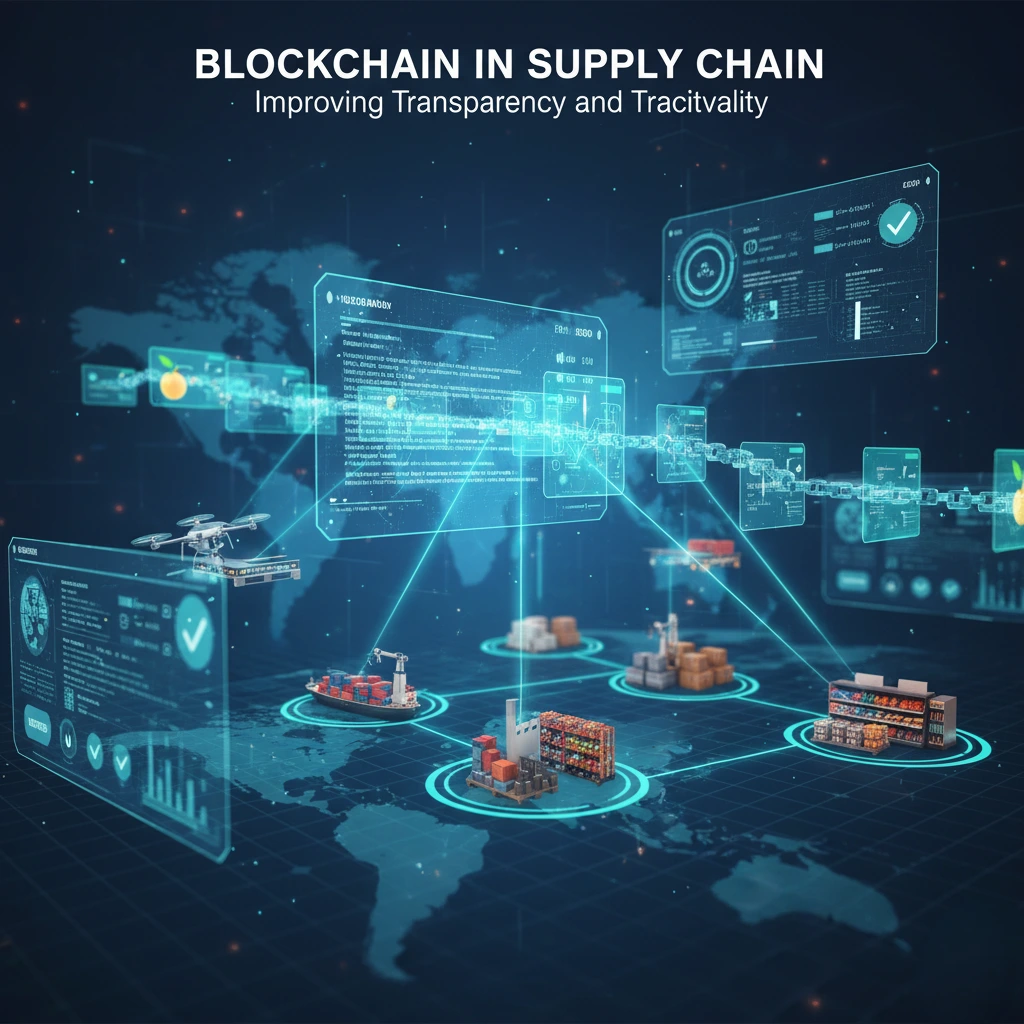
    Blockchain in Supply Chain: Improving Transparency and Traceability

    Introduction

    In a world where global trade is increasingly digital and interconnected, supply chain transparency has become a vital factor for businesses and consumers alike. From tracking the origin of raw materials to verifying the authenticity of final products, organizations are under growing pressure to ensure every step of their supply chain is traceable, ethical, and secure. Enter blockchain technology—a decentralized digital ledger that promises to revolutionize how we track goods, verify authenticity, and build trust across global logistics networks. In 2025, blockchain in supply chain management is no longer just a buzzword—it’s a practical solution for creating accountability, preventing fraud, and improving operational efficiency.

    Understanding Blockchain in Supply Chain Management

    Blockchain is a distributed database that records transactions across multiple computers in a secure and immutable way. Each transaction, or “block,” is linked to the previous one, forming a “chain” that cannot be altered retroactively. This structure ensures data integrity, transparency, and security—three pillars that address many long-standing supply chain challenges.

    In traditional supply chains, multiple parties—from manufacturers to distributors and retailers—use separate databases, often leading to information silos, delays, and inconsistencies. Blockchain eliminates these inefficiencies by creating a single source of truth accessible to all authorized stakeholders in real time.

    Why Transparency and Traceability Matter

    Consumers today care deeply about where their products come from, how they’re made, and whether ethical and sustainable practices are followed. This demand for visibility is reshaping global trade. Industries like food and agriculture, pharmaceuticals, and luxury goods are especially focused on traceability to combat counterfeit products, ensure safety, and prove ethical sourcing.

    For example, in the food industry, a blockchain-based system can trace a product’s journey from farm to shelf in seconds, providing instant access to information about its origin, transportation conditions, and expiration dates. In the pharmaceutical sector, blockchain helps track medications through the entire distribution chain, reducing the risk of counterfeit drugs entering the market—a major concern that costs the industry billions every year.

    Key Benefits of Blockchain in Supply Chain

    1. Enhanced Transparency
      Every transaction on a blockchain is recorded and visible to all participants with permissioned access. This eliminates hidden practices and ensures accountability at each stage of the supply chain. Companies can no longer manipulate records or hide unethical sourcing practices, fostering a culture of honesty and compliance.
    2. Real-Time Traceability
      Blockchain allows for real-time monitoring of goods as they move through the supply chain. When paired with Internet of Things (IoT) devices and RFID tags, businesses can track shipments with exact location, temperature, and handling data. This improves quality control and reduces losses due to spoilage or mismanagement.
    3. Reduced Fraud and Counterfeiting
      Because blockchain records are immutable, it becomes nearly impossible to falsify information. Each product can have a unique digital identity linked to the blockchain, ensuring authenticity and significantly reducing fraud. This is especially crucial for luxury goods, electronics, and pharmaceuticals.
    4. Improved Efficiency and Cost Reduction
      Automating supply chain processes with smart contracts—self-executing agreements written into blockchain code—can eliminate intermediaries and reduce administrative costs. Payments, shipments, and quality checks can be triggered automatically when conditions are met, improving speed and reliability.
    5. Regulatory Compliance and Auditability
      Blockchain’s transparent recordkeeping simplifies compliance with regulations related to safety, sustainability, and trade. Auditors can easily verify transactions, product histories, and certifications, reducing the time and cost of compliance reporting.

    Real-World Examples of Blockchain in Supply Chains

    Leading corporations have already begun integrating blockchain into their operations:

    • Walmart uses blockchain to track the origin of food products, ensuring freshness and safety. They can now trace a mango’s journey from farm to store in just 2.2 seconds—a process that previously took days.
    • Maersk, one of the largest shipping companies in the world, partnered with IBM to create TradeLens, a blockchain-based logistics platform that streamlines documentation and provides end-to-end visibility across global shipping routes.
    • De Beers leverages blockchain to track diamonds from mine to market, guaranteeing conflict-free sourcing and maintaining consumer trust in their ethical standards.
    • Pfizer and Moderna are exploring blockchain solutions to monitor vaccine distribution and maintain data integrity throughout the cold chain logistics process.

    These examples demonstrate blockchain’s ability to improve efficiency, trust, and compliance in complex, multi-stakeholder supply chains.

    Challenges in Blockchain Adoption

    Despite its potential, blockchain adoption in supply chain management still faces several challenges:

    1. Integration Complexity: Implementing blockchain requires alignment among multiple partners with different systems and technologies.
    2. Scalability Issues: As supply chains generate vast amounts of data, maintaining a decentralized ledger that updates in real time can be resource-intensive.
    3. Regulatory Uncertainty: Different regions have varying data privacy and blockchain regulations, complicating cross-border operations.
    4. Cost of Implementation: Setting up blockchain infrastructure and training staff require significant upfront investment, which can deter small and medium-sized enterprises (SMEs).
    5. Data Accuracy: While blockchain ensures data can’t be altered once entered, it cannot verify the accuracy of the data at the point of entry. Human errors or false inputs can still occur.

    The Role of Emerging Technologies

    Blockchain’s full potential is realized when combined with other advanced technologies. Artificial Intelligence (AI) can analyze blockchain data to predict supply chain disruptions, while IoT sensors feed real-time data about shipment conditions. Big Data analytics help identify patterns that improve demand forecasting and inventory management. Together, these technologies create a more connected, intelligent, and transparent supply chain ecosystem.

    Sustainability and Ethical Impact

    Sustainability is a major driver for blockchain adoption. As consumers increasingly prioritize eco-friendly products, companies are turning to blockchain to verify environmental claims. For instance, blockchain can record data on carbon emissions, waste management, and recycling efforts across the supply chain. This level of transparency allows consumers to make informed decisions while holding brands accountable for their sustainability promises.

    In industries like coffee, cocoa, and fashion, blockchain is helping verify that materials are ethically sourced and workers are treated fairly. This not only enhances brand reputation but also promotes corporate social responsibility (CSR).

    Future of Blockchain in Supply Chain

    By 2030, experts predict that blockchain will become an integral part of most major supply chains, forming the backbone of digital supply chain transformation. Governments and international trade organizations are developing standards to ensure interoperability between blockchain systems. As these frameworks mature, businesses that adopt blockchain early will have a competitive edge in transparency, efficiency, and trustworthiness.

    In addition, decentralized finance (DeFi) could play a growing role in supply chain financing, allowing suppliers to access faster payments based on blockchain-verified transactions. This innovation can help smaller suppliers improve cash flow and stability.

    Conclusion

    Blockchain is transforming supply chain management by creating unprecedented levels of transparency and traceability. It enables stakeholders to share trusted data, streamline logistics, and strengthen consumer confidence. While challenges remain, the benefits far outweigh the hurdles—especially in a global economy increasingly defined by digital trust and accountability.

    For businesses aiming to future-proof their operations, investing in blockchain supply chain solutions is no longer optional—it’s essential. The future of logistics lies in trustless trust, where every product’s journey is transparent, every transaction is verified, and every stakeholder operates with integrity.

  • Subscription 3.0 – Smarter, Flexible, and Sustainable Subscription Models

    Subscription 3.0 – Smarter, Flexible, and Sustainable Subscription Models

    The Evolution of Subscription Commerce

    The subscription economy has evolved far beyond simple monthly boxes and recurring billing. From entertainment platforms like Netflix to software services and even everyday essentials, subscriptions have changed how people consume. However, consumers today demand more control, personalization, and sustainability. This shift has given rise to Subscription 3.0 — a new era of smarter, flexible, and eco-conscious subscription models designed for the modern digital shopper.

    In the early stages, Subscription 1.0 focused on convenience and automation. People enjoyed the ease of having products delivered regularly without reordering. Subscription 2.0 introduced personalization, allowing customers to tailor their subscriptions to their preferences. But now, as markets mature and customer expectations rise, Subscription 3.0 focuses on empowerment, adaptability, and responsible consumption.

    Smarter Subscriptions Driven by AI and Data

    One of the defining features of Subscription 3.0 is intelligence. Artificial Intelligence and machine learning have made it possible for brands to anticipate customer needs before they are even expressed. AI-powered predictive analytics can track user behavior, purchase history, and preferences to deliver hyper-personalized subscription experiences.

    For instance, beauty brands now use AI to recommend products that match a subscriber’s skin tone, climate, and past purchases. Streaming services like Spotify and Netflix already utilize machine learning to personalize content delivery, and e-commerce companies are quickly catching up. These AI-driven subscription models not only increase customer satisfaction but also reduce churn rates by providing continuous value.

    Data-driven insights also allow businesses to forecast demand, optimize inventory, and minimize waste — crucial factors for profitability and sustainability. With the right integration of predictive AI, companies can deliver smarter, faster, and more relevant experiences, turning casual shoppers into long-term subscribers.

    Flexibility as the New Loyalty

    The rigid subscription models of the past are no longer appealing to modern consumers. Today’s subscribers want the freedom to pause, modify, or cancel their plans at any time. Flexibility has become the new definition of customer loyalty.

    Subscription 3.0 is all about adaptability. Brands are offering customizable delivery schedules, interchangeable product choices, and on-demand subscription management through mobile apps. For example, fitness brands now allow members to switch between online and in-person classes, while food subscription services let customers change meal plans weekly based on dietary needs or lifestyle shifts.

    This flexibility builds trust. When customers know they are in control, they are more likely to stay subscribed. Moreover, transparent pricing, easy cancellation policies, and seamless user interfaces help create a positive brand experience. In 2025, subscription flexibility isn’t a bonus feature — it’s a fundamental expectation.

    Sustainability at the Core

    Another key pillar of Subscription 3.0 is sustainability. Modern consumers are increasingly conscious of their environmental impact, and they expect the brands they support to share their values. Sustainable subscription models prioritize eco-friendly packaging, carbon-neutral shipping, and products made from responsibly sourced materials.

    Circular economy concepts are becoming central to subscription commerce. Brands are introducing programs that allow customers to return used items for recycling or reuse. For example, fashion subscription services like Rent the Runway and Nuuly promote clothing reuse and reduce textile waste. Similarly, refillable subscription systems for household goods, beauty products, and cleaning supplies are gaining momentum.

    In addition, companies are leveraging blockchain technology to provide supply chain transparency, ensuring that every product delivered aligns with ethical and environmental standards. Subscription 3.0 embraces sustainability not just as a trend but as a core value — one that appeals to eco-aware customers and builds long-term brand equity.

    The Role of Technology in Subscription 3.0

    Technology is the backbone of modern subscription models. From AI-driven personalization to secure payment systems and data analytics, tech innovations are reshaping the subscription experience. The rise of Internet of Things (IoT) devices adds a new dimension — smart products that can automatically reorder supplies when running low.

    For example, a connected coffee machine might track usage and place an automatic order for coffee pods before they run out. Similarly, fitness wearables can suggest nutrition or training subscriptions based on performance metrics. These smart subscription ecosystems merge convenience with intelligence, making daily life more efficient for consumers.

    Blockchain also enhances trust and transparency by providing immutable records of transactions, ensuring that every recurring payment and delivery is verifiable. Additionally, modern CRM systems powered by AI help brands predict churn and send proactive engagement offers to retain customers.

    Personalization and Customer Experience

    Personalization remains the cornerstone of successful subscription models. With access to big data and behavioral insights, brands can tailor every touchpoint of the customer journey. From onboarding surveys to dynamic pricing and personalized rewards, every interaction can be optimized for relevance.

    Customers no longer want generic experiences. They expect brands to know their preferences and anticipate their needs. Subscription 3.0 uses predictive personalization, which analyzes micro-interactions — clicks, pauses, and even voice data — to deliver curated product selections or exclusive content.

    Moreover, the integration of emotion AI and conversational commerce allows customers to interact naturally with chatbots for assistance or recommendations. This seamless blend of automation and empathy enhances satisfaction while maintaining efficiency.

    Economic and Social Impact

    The shift to smarter, flexible, and sustainable subscription models also impacts the global economy. Businesses benefit from predictable revenue streams and improved customer retention, while consumers enjoy better value and convenience. However, the true value lies in fostering long-term relationships rather than short-term transactions.

    Subscription 3.0 supports local economies by enabling small businesses to launch scalable subscription services through digital platforms. It also promotes conscious consumption — customers buy only what they need when they need it, reducing waste and overproduction.

    Socially, the rise of ethical and transparent brands helps rebuild consumer trust in e-commerce. As more companies adopt fair trade practices, renewable packaging, and carbon offsetting initiatives, subscription commerce becomes a powerful vehicle for positive change.

    The Future of Subscription 3.0

    Looking ahead, the subscription economy is expected to reach trillions in global market value. Future models will integrate AI, blockchain, and green technology even more seamlessly. The focus will move from “ownership” to “access,” as consumers prioritize experiences and convenience over accumulation.

    We may also see the rise of metaverse subscriptions, offering digital goods, experiences, and memberships across virtual spaces. As augmented and virtual reality become mainstream, immersive subscription experiences will redefine engagement and retention.

    Ultimately, Subscription 3.0 is not just about recurring payments — it’s about building sustainable relationships through technology, personalization, and ethical practices. Brands that embrace flexibility, data intelligence, and eco-conscious innovation will lead the next wave of e-commerce growth.

    Conclusion

    Subscription 3.0 represents the evolution of consumer commerce — smarter, flexible, and sustainable. It aligns technology with human values, offering meaningful, convenient, and responsible experiences. Businesses that invest in AI-driven personalization, adaptable subscription plans, and green initiatives will not only retain customers but also create lasting impact.

    As consumers continue to demand transparency and choice, the brands that listen, adapt, and innovate will thrive. Subscription 3.0 isn’t just a trend — it’s the future of e-commerce, redefining how we buy, connect, and sustain in a digital-first world.

  • Sustainability & Ethical Commerce: What Online Brands Must Do Now

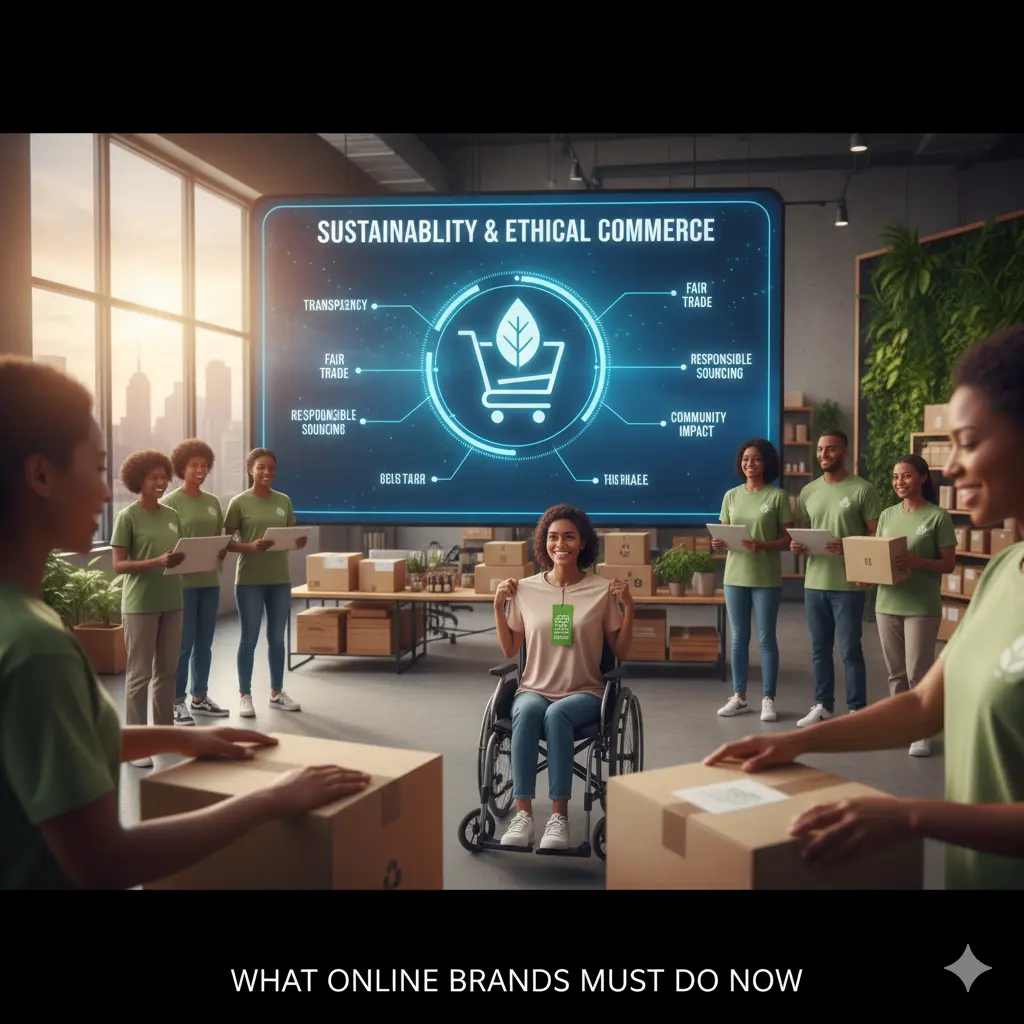
    Sustainability & Ethical Commerce: What Online Brands Must Do Now

    In the digital-first era, where consumer awareness and transparency define brand loyalty, sustainability and ethical commerce are no longer optional—they’re essential. Modern consumers, especially Gen Z and Millennials, are holding online brands accountable for the environmental and social impact of their operations. They want to know that the companies they support are making conscious choices—from product sourcing and packaging to labor practices and carbon footprint reduction.

    For e-commerce brands, the message is clear: building a sustainable and ethical business isn’t just about doing good—it’s about staying relevant, competitive, and profitable in an era where values drive purchasing decisions.

    The Rise of Conscious Consumerism

    The shift toward sustainability is powered by a new generation of conscious consumers. According to a 2024 NielsenIQ report, 78% of global shoppers say sustainability influences their purchasing decisions. Consumers are choosing brands that reflect their values—favoring eco-friendly packaging, fair labor, and transparent sourcing.

    This change represents a massive opportunity for online retailers. By embedding sustainability into their core strategy, brands can differentiate themselves, attract loyal audiences, and future-proof their business against evolving regulations and market demands.

    What Ethical Commerce Really Means

    Ethical commerce goes beyond “greenwashing” or using buzzwords like “eco-friendly.” It’s about creating a business model rooted in integrity and respect—for people, planet, and profit. True ethical commerce covers three main pillars:

    1. Environmental Responsibility: Reducing carbon emissions, minimizing waste, and promoting circular economy practices.
    2. Social Responsibility: Ensuring fair labor, diversity, and community impact across the supply chain.
    3. Economic Sustainability: Building transparent business models that prioritize long-term value over short-term gain.

    Together, these principles form the foundation of a sustainable digital brand—one that balances innovation with responsibility.

    Why Online Brands Must Act Now

    1. Consumers Demand Transparency

    Digital shoppers have unprecedented access to information. With a few clicks, they can research a brand’s supply chain, carbon footprint, and labor policies. If a company’s ethics don’t align with their values, they’ll switch to a competitor instantly. Transparency is no longer optional—it’s a trust currency.

    2. Regulations Are Tightening

    Governments worldwide are introducing stricter ESG (Environmental, Social, and Governance) standards. From carbon labeling to anti-greenwashing laws, online retailers that fail to comply risk financial penalties and reputational damage. Proactive sustainability efforts safeguard brands from future regulatory disruptions.

    3. Competitive Advantage

    Ethical commerce isn’t just about compliance—it’s a powerful differentiator. Sustainable brands enjoy higher engagement, stronger customer loyalty, and better employee retention. In an age of saturated markets, doing good is the new growth strategy.

    Practical Steps for Building a Sustainable Online Brand

    1. Audit Your Supply Chain

    Start with a sustainability audit. Identify where your products come from, how they’re made, and who’s involved in the process. Partner only with suppliers who follow fair labor practices and sustainable production methods. Tools like Sedex and EcoVadis can help assess ethical performance across your supply chain.

    2. Adopt Eco-Friendly Packaging

    Packaging is often a brand’s biggest environmental impact point. Use biodegradable, recyclable, or compostable materials. Minimize excess packaging and eliminate single-use plastics. Brands like Patagonia and Lush have set strong examples by integrating sustainable packaging at every level.

    3. Embrace Carbon Neutrality

    Offset your emissions by investing in renewable energy, carbon capture, or reforestation projects. Many brands use certified programs such as ClimatePartner or Carbonfund.org to achieve neutrality. Displaying your carbon status builds trust and demonstrates accountability.

    4. Promote Circular Economy Practices

    Encourage product reuse, recycling, and upcycling. Offer repair programs, resale platforms, or buy-back incentives. Brands like Levi’s and IKEA are leading the way by helping customers extend the lifecycle of products and reduce waste.

    5. Showcase Ethical Storytelling

    Use your brand’s storytelling power to highlight the real impact behind your products. Share authentic narratives about artisans, eco-initiatives, or community projects. Consumers resonate with stories that connect human experience with purpose.

    6. Partner with Ethical Influencers

    Collaborate with creators who genuinely advocate for sustainability and transparency. Influencer partnerships should focus on education and awareness rather than simple promotion. Authentic voices amplify your brand’s ethical commitment.

    Leveraging Technology for Sustainable Impact

    Digital innovation is key to scaling ethical commerce. Online brands can use technology to make sustainability measurable and actionable:

    • AI for Supply Chain Transparency: Track and analyze sourcing, logistics, and production emissions in real time.
    • Blockchain for Traceability: Use blockchain to verify authenticity and ethical sourcing of materials.
    • Data Analytics for Optimization: Identify inefficiencies in operations that contribute to waste or excess energy use.
    • Augmented Reality (AR): Reduce product returns (and carbon footprint) by enabling virtual try-ons and better product visualization.

    By combining sustainability with technology, brands can create a data-driven, transparent, and efficient ecosystem that benefits both business and the planet.

    Building Consumer Trust Through Ethical Practices

    Trust is the cornerstone of modern e-commerce. When consumers believe in your ethical commitments, they’re more likely to engage, advocate, and return. Here’s how to cultivate that trust:

    • Certifications and Labels: Obtain recognized certifications such as Fair Trade, B Corp, or FSC to validate your claims.
    • Transparent Communication: Share impact reports, progress updates, and sustainability goals openly on your website.
    • Community Involvement: Support local initiatives, donate to environmental causes, or collaborate with NGOs that align with your values.

    Every ethical decision—no matter how small—strengthens your relationship with conscious consumers.

    Avoiding Greenwashing

    As sustainability becomes mainstream, some brands engage in greenwashing—making exaggerated or false claims about their eco efforts. Consumers are quick to spot it, and the backlash can be severe. To avoid this, ensure your messaging is:

    • Evidence-Based: Support claims with data and certifications.
    • Specific: Avoid vague terms like “eco-friendly” without context.
    • Consistent: Ensure your sustainability message aligns across all marketing and operations.

    Transparency and honesty will always win over perfection. Consumers don’t expect brands to be flawless—they expect them to be authentic and committed to progress.

    The Future of Ethical E-Commerce

    The next phase of online retail will be defined by regenerative business models, not just sustainable ones. Future-forward brands will aim to restore ecosystems, empower communities, and design products for longevity.

    Emerging trends include:

    • Regenerative Packaging: Materials that return nutrients to the environment.
    • AI-Powered Sustainability Analytics: Predicting carbon impact before production.
    • Decentralized Ethical Marketplaces: Platforms connecting conscious consumers directly with ethical producers.

    As technology, ethics, and commerce converge, the line between profitability and responsibility will blur. The brands that succeed will be those that see sustainability as innovation, not obligation.

    Final Thoughts

    Sustainability and ethical commerce are not marketing trends—they’re the future of business. Online brands that act with transparency, accountability, and purpose will earn more than customer loyalty—they’ll earn cultural relevance.

    In a world facing climate change, social inequality, and digital overconsumption, brands have a moral and strategic duty to lead with responsibility. The call to action is clear: be sustainable, be ethical, and be the change your customers expect to see.

  • E-Commerce Logistics Made Easy: Tips for Faster Delivery and Happy Customers

    E-Commerce Logistics Made Easy: Tips for Faster Delivery and Happy Customers

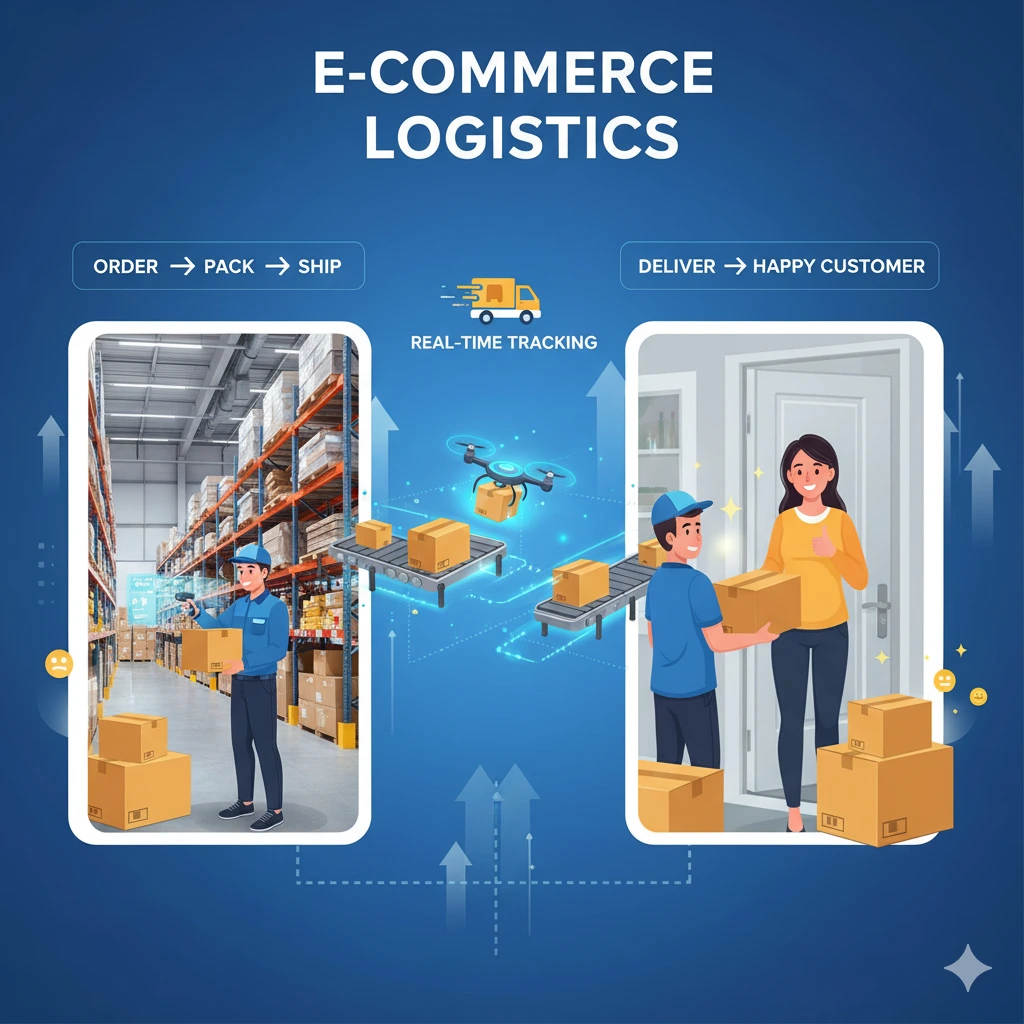
    In the fast-paced world of e-commerce, delivery speed and reliability can make or break a customer’s experience. Even if your products are top-notch, slow or complicated shipping can lead to abandoned carts, negative reviews, and lost repeat business. Streamlining logistics is not just about moving packages—it’s about creating a seamless, satisfying customer journey.

    Why Efficient E-Commerce Logistics Matters

    • Customer Satisfaction: Fast, reliable deliveries enhance trust and loyalty.
    • Competitive Advantage: In a crowded online market, quick shipping differentiates your brand.
    • Lower Operational Costs: Efficient logistics reduces errors, returns, and wastage.
    • Scalability: A streamlined system allows your business to grow without chaos.

    Step 1: Choose the Right Shipping Partners

    Partnering with reliable logistics providers is crucial. Consider:

    • Coverage: Ensure they deliver to all your target areas efficiently.
    • Speed: Compare standard, express, and same-day delivery options.
    • Pricing: Look for competitive rates without compromising reliability.
    • Technology: Track shipments, integrate APIs, and automate notifications for smoother operations.

    Combining multiple couriers for domestic and international shipments can also minimize delays and optimize costs.

    Step 2: Optimize Your Inventory

    Inventory management is the backbone of fast delivery. Tips include:

    • Centralized Inventory: Keep your stock in one location or strategically distribute it across multiple warehouses.
    • Real-Time Stock Updates: Avoid selling products that are out of stock, which leads to cancellations and unhappy customers.
    • Demand Forecasting: Use historical data and trends to predict popular products and stock them in advance.

    A well-organized inventory ensures that orders are fulfilled quickly and accurately.

    Step 3: Automate Order Processing

    Manual order processing slows down shipping and increases the risk of errors. Consider:

    • E-Commerce Platform Integration: Automate order data flow from your store to the logistics provider.
    • Automated Picking and Packing: Use barcode scanners and software to reduce mistakes.
    • Shipment Notifications: Automatically update customers with tracking information to enhance transparency.

    Automation not only speeds up delivery but also improves operational efficiency.

    Step 4: Offer Multiple Delivery Options

    Customers appreciate choice. Offering multiple options can improve satisfaction:

    • Standard Shipping: Cost-effective, suitable for non-urgent orders.
    • Express Delivery: For customers willing to pay a premium for speed.
    • Scheduled Delivery: Lets customers choose convenient delivery times.
    • Click-and-Collect: In-store pickup or locker options for local customers.

    Providing flexibility increases convenience and reduces the likelihood of missed deliveries.

    Step 5: Focus on Packaging

    Efficient logistics isn’t just about speed; packaging plays a key role:

    • Protect Products: Reduce damage with sturdy, appropriate packaging materials.
    • Compact Packaging: Minimize box sizes to save on shipping costs.
    • Branded Packaging: Creates a memorable unboxing experience, boosting customer loyalty.

    Smart packaging protects your products while reinforcing your brand identity.

    Step 6: Leverage Technology

    Modern logistics relies heavily on technology. Useful tools include:

    • Route Optimization Software: Reduces delivery times and fuel costs.
    • Inventory Management Systems: Tracks stock levels, predicts demand, and triggers reorders.
    • Customer Communication Tools: Automated SMS/email notifications for shipping updates.
    • Analytics Dashboards: Monitor delivery times, returns, and courier performance to improve operations.

    Investing in technology helps scale your logistics smoothly and efficiently.

    Step 7: Handle Returns Efficiently

    Returns are inevitable in e-commerce. A smooth returns process:

    • Builds trust and encourages repeat purchases.
    • Reduces customer frustration with clear policies and quick refunds.
    • Minimizes operational disruption when integrated with your logistics system.

    Offer prepaid return labels, easy pickup options, and automated refund notifications to make returns hassle-free.

    Step 8: Monitor Performance and Improve

    Continuous improvement is essential:

    • Track delivery times, customer complaints, and missed deliveries.
    • Collect feedback from customers about shipping experience.
    • Optimize warehouse layout, courier partnerships, and route planning based on data.

    Even small tweaks can significantly improve delivery speed and customer satisfaction.

    Conclusion

    Efficient e-commerce logistics is more than just moving packages from point A to B. It’s a critical part of the customer experience. By choosing reliable partners, optimizing inventory, automating processes, offering flexible delivery, and leveraging technology, you can ensure faster deliveries, happier customers, and higher repeat business.

    Happy customers lead to positive reviews, brand loyalty, and long-term growth. In e-commerce, logistics excellence isn’t optional—it’s a competitive necessity.