Tag: e-commerce

  • E-commerce Analytics Tools to Track Customer Behavior and Sales

    E-commerce Analytics Tools to Track Customer Behavior and Sales

    In the competitive world of online retail, understanding your audience is crucial. Businesses need data-driven insights to make informed decisions, improve sales, and enhance customer experience. This is where E-commerce analytics comes into play. By leveraging the right tools, you can track customer behavior, optimize your website, and increase revenue effectively.

    In this article, we’ll explore key E-commerce analytics tools, how they track customer behavior, and ways to use data to boost your e-commerce success.

    What is E-commerce Analytics?

    E-commerce analytics refers to the process of collecting, analyzing, and interpreting data from an online store. This data helps businesses understand how customers interact with their website, which products perform best, and what drives sales. Unlike basic web analytics, e-commerce analytics focuses specifically on online shopping metrics, such as:

    • Conversion rates
    • Average order value
    • Cart abandonment rates
    • Customer lifetime value
    • Product performance

    By tracking these metrics, brands gain actionable insights into customer behavior and purchasing patterns.

    Why Tracking Customer Behavior Matters

    Understanding customer behavior is essential for increasing sales and improving the shopping experience. Analytics tools reveal:

    • Which pages attract the most attention
    • Where customers drop off during the checkout process
    • Products frequently purchased together
    • Patterns in repeat purchases

    With this information, you can tailor marketing campaigns, optimize website design, and create personalized experiences. Businesses that leverage E-commerce analytics to study customer behavior are better equipped to anticipate needs and boost customer satisfaction.

    Top E-commerce Analytics Tools

    Several tools make it easy for online businesses to monitor customer behavior and track sales performance. Here are some of the best E-commerce analytics solutions:

    1. Google Analytics 4 (GA4)

    GA4 is a powerful free tool that tracks website traffic and user interactions. Its e-commerce tracking features include:

    • Conversion tracking
    • Product performance insights
    • Funnel analysis

    GA4 helps businesses understand customer behavior from the first visit to purchase.

    2. Shopify Analytics

    For Shopify users, the built-in analytics dashboard provides:

    • Sales and revenue reports
    • Customer acquisition insights
    • Product-specific performance

    This allows online merchants to adjust strategies based on real-time E-commerce analytics.

    3. Hotjar

    Hotjar focuses on user experience by providing heatmaps, session recordings, and surveys. It tracks customer behavior visually, showing exactly how users interact with your website and identifying friction points in the buying process.

    4. Mixpanel

    Mixpanel is a behavioral analytics platform that focuses on customer behavior across multiple touchpoints. It enables:

    • Event-based tracking
    • Cohort analysis
    • Funnel optimization

    Businesses can use Mixpanel to see how specific actions drive conversions.

    5. Kissmetrics

    Kissmetrics specializes in tracking customer behavior over time. It provides insights into:

    • Customer lifetime value
    • Purchase patterns
    • Retention rates

    This tool is especially useful for subscription-based e-commerce businesses.

    How to Use E-commerce Analytics Effectively

    Using E-commerce analytics tools is only half the battle. To maximize their value:

    1. Set clear goals – Identify what you want to measure, such as sales, conversion rates, or customer retention.
    2. Track the right metrics – Focus on KPIs that directly impact your revenue and growth.
    3. Analyze customer behavior – Understand how visitors navigate your site, what products they prefer, and where they drop off.
    4. Take action – Use insights to improve product pages, refine marketing campaigns, and enhance the checkout process.
    5. Test and iterate – Regularly review analytics and adjust strategies to continuously optimize performance.

    By consistently monitoring E-commerce analytics and customer behavior, businesses can make data-driven decisions that improve sales, reduce cart abandonment, and boost overall customer satisfaction.

    Benefits of E-commerce Analytics

    Investing in E-commerce analytics offers several advantages:

    • Improved understanding of customer behavior
    • Enhanced marketing campaign performance
    • Optimized pricing and promotions
    • Increased customer retention and loyalty
    • Identification of high-performing products

    In a competitive e-commerce environment, businesses that effectively use analytics gain a significant edge over competitors.

    Conclusion

    E-commerce analytics is no longer optional for online businesses. Tracking customer behavior and analyzing sales data allows brands to make informed decisions, enhance user experience, and drive revenue growth. Whether you use tools like Google Analytics, Shopify Analytics, Hotjar, Mixpanel, or Kissmetrics, the insights gained can transform how you approach marketing, sales, and product development.

    By integrating E-commerce analytics into your daily operations, you can understand your customers better, predict trends, and build a successful, data-driven e-commerce business that thrives in 2026 and beyond.

  • E-commerce Marketing Automation Tools That Save Time and Increase Sales

    E-commerce Marketing Automation Tools That Save Time and Increase Sales

    Running a successful online store involves more than just listing products. Modern businesses rely on data-driven strategies to engage customers, streamline workflows, and boost sales. E-commerce marketing has evolved beyond simple email blasts or social media posts. Today, automation is the key to scaling efficiently without compromising customer experience.

    In this article, we’ll explore the role of e-commerce marketing, highlight the best marketing automation tools, and explain how they save time while increasing revenue.

    What is E-commerce Marketing?

    E-commerce marketing refers to the strategies and tactics businesses use to promote products or services online. The goal is to attract potential buyers, convert them into customers, and retain them for future sales. Unlike traditional marketing, online marketing relies heavily on data insights and digital channels such as email, social media, search engines, and paid ads.

    Key benefits of e-commerce marketing include:

    • Reaching a wider audience globally
    • Targeting specific customer segments
    • Tracking performance with measurable results
    • Personalizing campaigns to improve engagement

    However, manually managing campaigns across multiple channels can be time-consuming, which is where marketing automation tools come in.

    Why Marketing Automation Tools Matter

    Marketing automation tools help businesses automate repetitive tasks such as email campaigns, social media posting, customer segmentation, and lead nurturing. These tools not only save time but also enhance efficiency, allowing teams to focus on strategy rather than manual execution.

    With automation, businesses can:

    • Send personalized emails based on customer behavior
    • Trigger messages for abandoned carts or special promotions
    • Schedule social media posts across multiple platforms
    • Monitor and analyze campaign performance in real time

    By integrating marketing automation tools into your workflow, you can maximize the effectiveness of e-commerce marketing campaigns and improve ROI.

    Top E-commerce Marketing Automation Tools

    Several platforms have become indispensable for online stores looking to scale their e-commerce marketing efforts:

    1. Klaviyo

    Klaviyo specializes in email and SMS marketing automation for e-commerce stores. It allows businesses to:

    • Segment customers based on purchase history
    • Automate welcome sequences and cart recovery emails
    • Personalize promotions for higher engagement

    2. HubSpot

    HubSpot provides a comprehensive suite for CRM, email marketing, and automation. Key features include:

    • Automated workflows for lead nurturing
    • Behavioral tracking of visitors and buyers
    • Integrated analytics for campaign performance

    3. Omnisend

    Omnisend is designed for multi-channel automation, including email, SMS, and push notifications. Its features include:

    • Pre-built automation templates
    • Customer segmentation and targeting
    • Performance tracking to optimize campaigns

    4. ActiveCampaign

    ActiveCampaign focuses on combining email marketing with CRM automation. Benefits include:

    • Personalized customer journeys
    • Automated follow-ups and abandoned cart reminders
    • Detailed reporting for continuous improvement

    5. Shopify Flow

    For Shopify users, Shopify Flow automates backend processes and marketing tasks. It enables:

    • Trigger-based workflows for customer actions
    • Inventory alerts and product recommendations
    • Streamlined marketing campaigns with minimal manual input

    All these marketing automation tools enhance the effectiveness of e-commerce marketing by allowing brands to deliver timely, personalized experiences without spending hours on manual tasks.

    How E-commerce Marketing Automation Boosts Sales

    Automation improves the efficiency of e-commerce marketing campaigns, which directly impacts sales. Here’s how:

    1. Personalization at Scale – Automated workflows can deliver tailored offers based on browsing history or purchase behavior.
    2. Timely Engagement – Triggered messages, such as abandoned cart emails, remind customers to complete purchases.
    3. Consistency Across Channels – Automation ensures campaigns run smoothly across email, social media, and SMS.
    4. Data-Driven Decisions – Analytics from automated tools help identify high-performing campaigns and areas needing improvement.
    5. Customer Retention – Re-engagement campaigns automatically nurture repeat buyers, increasing lifetime value.

    By leveraging these benefits, businesses can see measurable improvements in conversions and revenue.

    Implementing E-commerce Marketing Automation

    To maximize results from e-commerce marketing, follow these steps:

    • Choose the right tools – Select platforms that integrate with your store and marketing channels.
    • Map customer journeys – Identify touchpoints and create automation workflows for each stage.
    • Segment your audience – Group customers by behavior, purchase history, or preferences for targeted campaigns.
    • Test and optimize – Monitor performance metrics and adjust workflows for higher engagement.

    When used correctly, marketing automation tools allow businesses to scale their e-commerce marketing efforts efficiently while providing personalized experiences to customers.

    Conclusion

    In the modern online retail landscape, e-commerce marketing is no longer about manually posting ads or sending generic emails. Marketing automation tools have revolutionized the way businesses engage customers, save time, and increase sales. From email sequences to multi-channel campaigns, these tools empower businesses to work smarter, not harder.

    By strategically implementing automation, online stores can deliver timely, personalized experiences that drive revenue growth. The combination of smart e-commerce marketing strategies and effective marketing automation tools is the formula for long-term success in 2026 and beyond.

  • 3PL vs 4PL: Key Differences Explained

    3PL vs 4PL: Key Differences Explained

    As businesses grow and supply chains become more complex, many companies turn to logistics outsourcing to improve efficiency and reduce costs. But when it comes to choosing a logistics partner, a common question arises: 3PL vs 4PL — which model is right for your business?

    Understanding the difference between these two logistics solutions is essential for making informed decisions. In this guide, we’ll break down the key distinctions between 3PL vs 4PL, how they operate, and which option may best suit your operational needs.

    What Is 3PL?

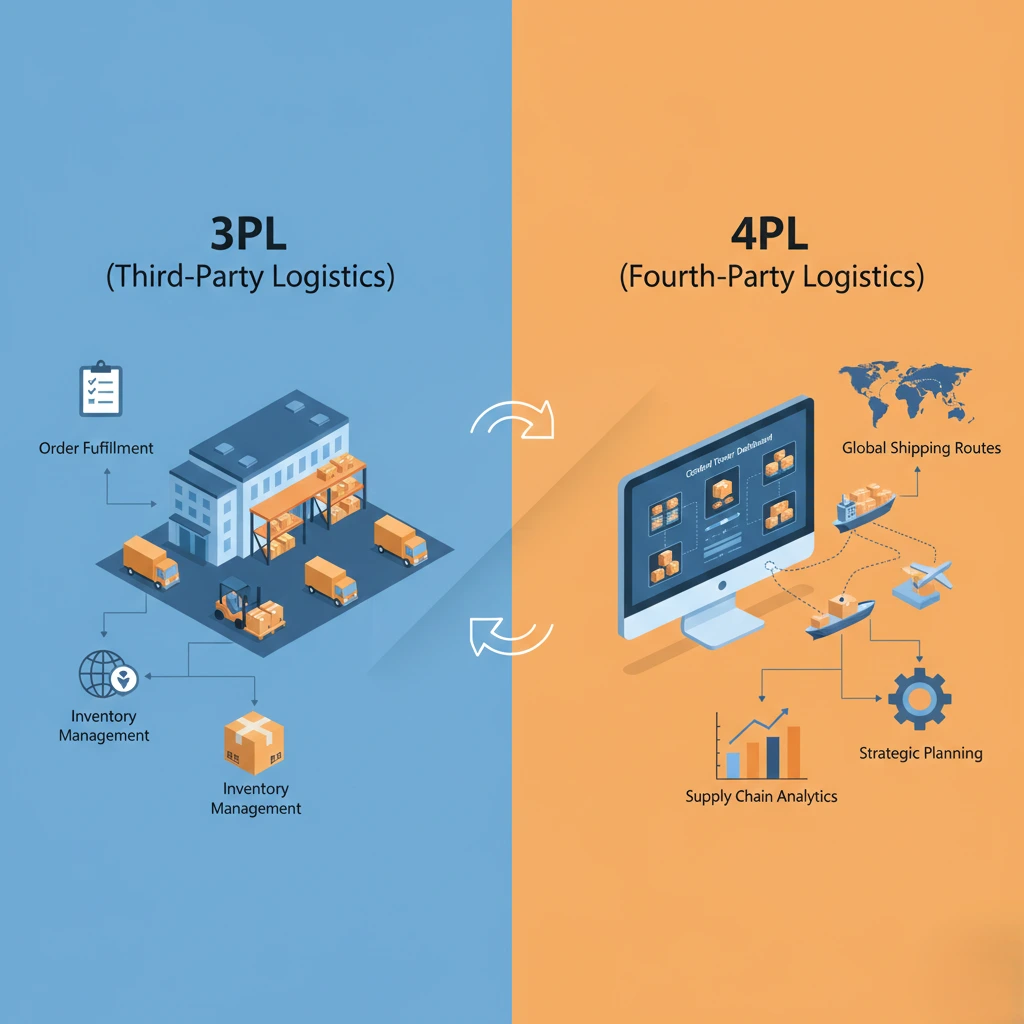
    Third party logistics (3PL) providers handle specific logistics functions on behalf of a business. These services typically include warehousing, transportation, order fulfillment, inventory management, and shipping.

    Companies use third party logistics providers to manage day-to-day logistics operations without investing heavily in infrastructure. For example, an eCommerce brand may partner with a 3PL to store products in a warehouse and ship orders directly to customers.

    When analyzing 3PL vs 4PL, it’s important to note that 3PL companies focus primarily on execution. They perform logistics tasks but usually do not oversee the entire supply chain strategy.

    What Is 4PL?

    A 4PL (Fourth Party Logistics) provider takes a more strategic and comprehensive role. Instead of simply managing transportation or warehousing, a 4PL oversees the entire supply chain. They often act as a single point of contact between the business and multiple third party logistics providers.

    In the comparison of 3PL vs 4PL, a 4PL acts as a supply chain integrator. They manage logistics strategy, coordinate multiple service providers, optimize processes, and leverage technology to improve efficiency.

    In many cases, a 4PL does not own warehouses or trucks. Instead, they manage resources and relationships to streamline logistics outsourcing at a higher level.

    Key Differences Between 3PL and 4PL

    Understanding 3PL vs 4PL requires examining several core differences.

    1. Scope of Services

    A 3PL typically manages specific operational tasks such as shipping, warehousing, and distribution. Their focus is on execution.

    A 4PL, however, oversees the entire supply chain network. They handle coordination, strategy, analytics, and performance monitoring. In short, 3PL vs 4PL differs mainly in operational execution versus strategic management.

    2. Level of Control

    With a 3PL, businesses often retain significant control over logistics strategy while outsourcing operational functions.

    With a 4PL, the provider assumes broader control and responsibility for logistics planning and vendor management. This makes logistics outsourcing more centralized and streamlined.

    3. Complexity of Supply Chain

    For smaller companies with straightforward shipping needs, a 3PL may be sufficient. However, large enterprises with global supply chains often benefit from the oversight provided in a 3PL vs 4PL comparison, where a 4PL manages multiple logistics partners under one unified strategy.

    4. Technology and Data Integration

    A 4PL typically offers advanced analytics, supply chain visibility tools, and integrated technology platforms. They focus on optimizing performance across all partners.

    While many third party logistics providers offer technology solutions, their systems usually focus on their own operations rather than integrating multiple vendors.

    Benefits of 3PL

    Choosing a 3PL can offer several advantages:

    • Reduced operational costs
    • Access to established logistics networks
    • Scalable warehousing and distribution
    • Improved delivery times

    For businesses new to logistics outsourcing, a 3PL often provides a practical starting point. It allows companies to focus on core competencies like marketing and product development while outsourcing fulfillment and shipping.

    Benefits of 4PL

    A 4PL offers benefits that go beyond execution:

    • End-to-end supply chain visibility
    • Strategic optimization
    • Vendor management
    • Improved risk management

    In complex supply chains, the 3PL vs 4PL decision often comes down to whether a company needs operational support or strategic oversight. A 4PL provides holistic management that aligns logistics with long-term business goals.

    Which One Should You Choose?

    When evaluating 3PL vs 4PL, consider your company’s size, supply chain complexity, and internal expertise.

    If you need help with warehousing, transportation, and order fulfillment, partnering with a third party logistics provider may be the right move.

    If your business operates across multiple regions, works with numerous carriers, or struggles with supply chain coordination, a 4PL might provide better long-term value.

    Budget also plays a role. A 4PL typically involves a higher investment but may deliver greater efficiencies in complex operations.

    Final Thoughts

    The debate around 3PL vs 4PL isn’t about which model is better overall—it’s about which one aligns with your business needs. A 3PL focuses on executing logistics tasks efficiently, while a 4PL provides strategic oversight and supply chain integration.

    As supply chains continue to evolve, logistics outsourcing becomes increasingly important for maintaining competitiveness. By understanding the key differences between 3PL vs 4PL, businesses can choose the right partner to streamline operations, reduce costs, and support long-term growth.

  • Omnichannel eCommerce Strategy Explained

    Omnichannel eCommerce Strategy Explained

    In today’s competitive digital marketplace, businesses can no longer rely on a single sales channel. Customers expect seamless experiences whether they shop online, in-store, through mobile apps, or on social media. This is where omnichannel ecommerce becomes essential. It focuses on creating a unified and consistent shopping experience across every touchpoint.

    If you want to increase customer satisfaction, improve brand loyalty, and boost revenue, understanding omnichannel ecommerce is critical. Let’s explore what it means, how it works, and how to build an effective strategy.

    What Is Omnichannel eCommerce?

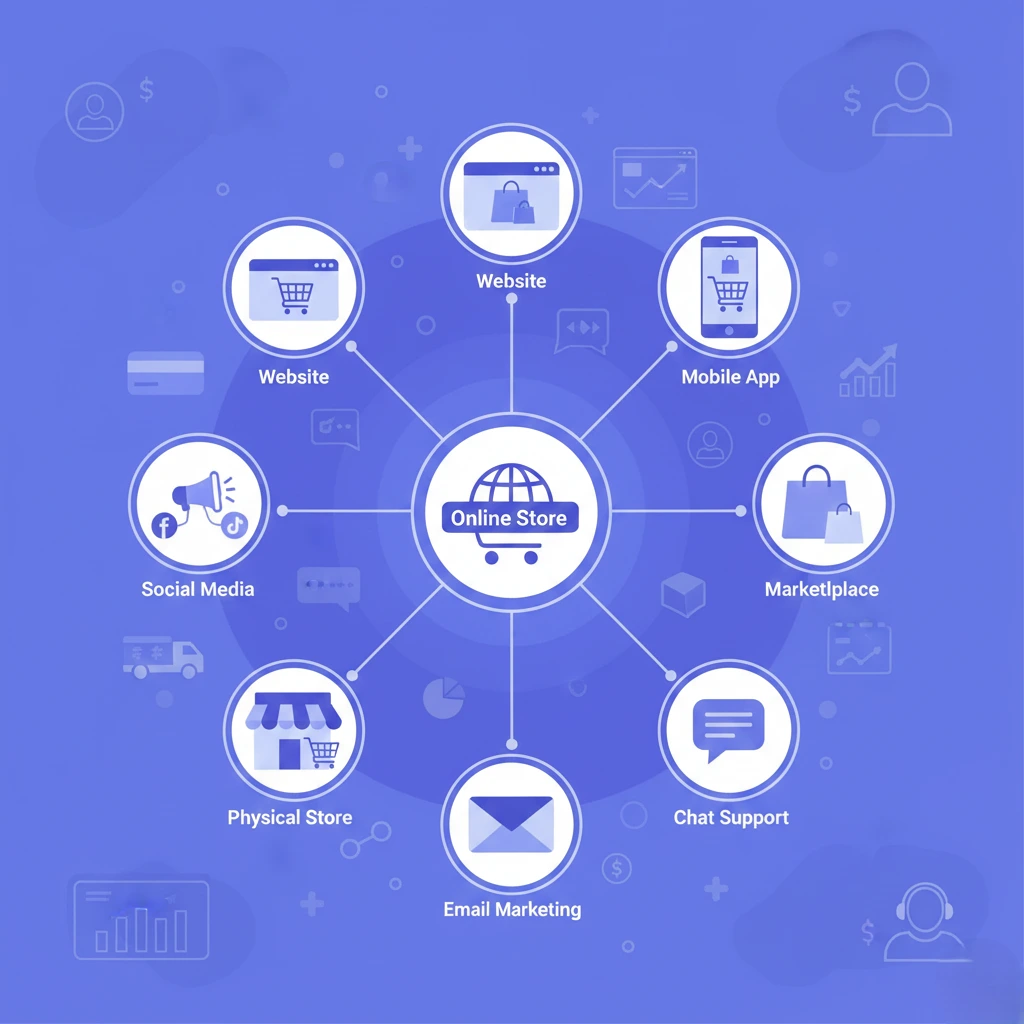
    Omnichannel ecommerce is a strategy that integrates all sales and communication channels to deliver a seamless customer experience. Unlike multichannel selling, where businesses operate on several platforms independently, an omnichannel approach connects them into one cohesive system.

    For example, a customer might browse products on a mobile app, add items to their cart on a desktop website, and complete the purchase in-store. With omnichannel ecommerce, their information, preferences, and shopping cart remain synchronized across platforms.

    This level of integration creates a frictionless journey that modern consumers expect.

    Omnichannel vs Multichannel Selling

    While multichannel selling allows businesses to list products on multiple platforms—such as websites, marketplaces, and physical stores—those channels often operate separately. Inventory, customer data, and marketing efforts may not be synchronized.

    Omnichannel ecommerce, on the other hand, connects every channel through centralized data systems. This means:

    • Unified inventory management
    • Consistent pricing across platforms
    • Integrated customer profiles
    • Coordinated marketing campaigns

    The key difference lies in retail integration. Instead of managing channels independently, businesses unify operations to create a seamless brand experience.

    Why Omnichannel Strategy Matters

    Consumers today interact with brands across multiple devices and platforms before making a purchase. They might discover a product on Instagram, research it on a website, and buy it in-store. If these touchpoints feel disconnected, it can lead to frustration and lost sales.

    An effective omnichannel ecommerce strategy helps businesses:

    • Increase customer retention
    • Improve personalization
    • Reduce cart abandonment
    • Enhance brand consistency
    • Optimize inventory management

    By aligning online and offline channels, brands can deliver convenience and flexibility, which are key drivers of customer loyalty.

    Key Components of Omnichannel eCommerce

    To successfully implement omnichannel ecommerce, businesses must focus on several critical components.

    1. Centralized Data Management

    Data is the foundation of omnichannel ecommerce. All customer interactions, purchase history, and browsing behavior should feed into one centralized system. This enables personalized recommendations and targeted marketing.

    2. Integrated Inventory Systems

    Retail integration requires real-time inventory visibility across warehouses, stores, and online platforms. Customers should be able to check product availability and choose flexible fulfillment options like buy online, pick up in-store (BOPIS).

    3. Consistent Brand Messaging

    Consistency builds trust. From social media ads to in-store displays, messaging and pricing should remain aligned. This ensures that customers experience the same brand identity across all channels.

    4. Flexible Fulfillment Options

    Modern shoppers expect convenience. Offering options such as curbside pickup, home delivery, and easy returns strengthens your omnichannel ecommerce strategy.

    Benefits of Omnichannel Integration

    Retail integration through omnichannel ecommerce offers measurable benefits for businesses of all sizes.

    First, it improves customer experience. Shoppers can move seamlessly between platforms without losing progress or encountering inconsistent information.

    Second, it enhances data insights. By combining information from all channels, businesses gain a deeper understanding of customer behavior and purchasing patterns.

    Third, it boosts revenue opportunities. When customers engage with a brand across multiple touchpoints, they are more likely to make repeat purchases.

    Challenges to Consider

    Although omnichannel ecommerce provides significant advantages, it also comes with challenges. Implementing unified systems requires investment in technology, staff training, and logistics. Businesses must ensure their platforms communicate effectively to avoid data silos.

    Additionally, managing multichannel selling while transitioning to an integrated system can be complex. Companies need a clear roadmap and scalable technology solutions to maintain operational efficiency.

    How to Build an Effective Omnichannel Strategy

    If you’re ready to implement omnichannel ecommerce, follow these steps:

    1. Audit your current channels and identify gaps in integration.
    2. Invest in technology that supports centralized customer and inventory data.
    3. Align marketing teams to create consistent cross-channel messaging.
    4. Prioritize customer experience in every decision.
    5. Measure performance and continuously optimize.

    The goal is not just to sell in more places but to connect those places in a meaningful way.

    Final Thoughts

    In a world where customers expect seamless interactions, omnichannel ecommerce is no longer optional—it’s essential. While multichannel selling expands your reach, true retail integration ensures that every channel works together harmoniously.

    By focusing on data synchronization, consistent messaging, and flexible fulfillment options, businesses can create memorable shopping experiences that drive long-term loyalty and growth. When implemented effectively, omnichannel ecommerce becomes a powerful competitive advantage in today’s evolving retail landscape.

  • How to Reduce Shipping Costs for eCommerce in 2026

    How to Reduce Shipping Costs for eCommerce in 2026

    Shipping expenses are one of the largest operational costs for eCommerce businesses. As consumer expectations for fast, affordable delivery grow, learning how to reduce shipping costs has become crucial for profitability and competitiveness. With careful planning, logistics optimization, and smarter packaging practices, eCommerce businesses can streamline operations while maintaining customer satisfaction.

    Why Reducing Shipping Costs Matters

    High shipping expenses directly impact profit margins. Many eCommerce stores struggle to balance speed, reliability, and affordability. Finding ways to reduce shipping costs allows businesses to offer competitive pricing, free shipping options, and improved customer loyalty.

    Beyond cost savings, optimizing shipping processes improves order accuracy, delivery speed, and overall operational efficiency. It also positions brands to adapt to changing market conditions and the evolving eCommerce landscape in 2026.

    Leverage Logistics Optimization

    One of the most effective strategies to reduce shipping costs is implementing logistics optimization. This involves streamlining warehouse operations, selecting the right carriers, and analyzing shipping routes for efficiency.

    • Carrier Negotiation: Partner with carriers that offer volume discounts or flexible pricing based on shipment weight and distance. Comparing multiple carriers ensures you are not overpaying for delivery.
    • Route Optimization: Using software tools to plan the most efficient delivery routes reduces fuel consumption, labor costs, and delivery times.
    • Consolidated Shipments: Combining multiple orders into a single shipment where possible reduces per-package costs and minimizes environmental impact.

    Integrating these practices into your operations allows businesses to reduce shipping costs while improving reliability.

    Smart Packaging for Maximum Efficiency

    Packaging plays a significant role in shipping expenses. Overly large boxes increase dimensional weight charges, while excessive materials raise both costs and environmental impact. Focusing on packaging efficiency is a practical way to reduce shipping costs.

    • Right-Size Packaging: Select packaging that closely matches the size of the product. This minimizes dimensional weight fees charged by carriers.
    • Lightweight Materials: Using lighter yet durable materials lowers shipping weight and reduces cost per shipment.
    • Standardization: Standardizing box sizes for common products can simplify warehouse operations and decrease packaging waste.

    By investing in smarter packaging solutions, eCommerce businesses can cut expenses without compromising product protection.

    Utilize Technology for Shipping Savings

    Technology is a key enabler when it comes to reducing shipping costs. Automated shipping platforms help businesses manage rates, print labels, and select the most cost-effective carriers for each order.

    • Shipping Software: Platforms like multi-carrier shipping solutions analyze rates in real time, ensuring businesses always choose the most affordable option.
    • Predictive Analytics: Using historical data, companies can forecast shipping trends and adjust operations to minimize costs.
    • Inventory Management: Strategically locating inventory closer to customers reduces transit distances and lowers shipping fees.

    Embracing these digital tools ensures eCommerce operations are both scalable and cost-efficient, helping businesses reduce shipping costs while maintaining service quality.

    Bulk Shipping and Subscription Programs

    Encouraging bulk orders or subscription models is another way to reduce shipping costs per unit. Consolidating shipments decreases the number of individual packages and allows carriers to provide discounted rates for higher-volume shipments.

    • Subscription Boxes: Regular, recurring shipments can be optimized for route efficiency and package volume.
    • Order Incentives: Offering discounts or perks for bulk orders encourages customers to buy more per shipment, reducing overall shipping expenses.

    This approach not only reduces costs but also improves customer retention by creating predictable shipping patterns.

    Optimize Returns and Reverse Logistics

    Returns are a major expense in eCommerce. Reducing return-related shipping costs is an often-overlooked strategy to reduce shipping costs overall.

    • Clear Product Descriptions: Accurate images and descriptions reduce the likelihood of returns.
    • Return Consolidation: Using centralized return centers allows for more efficient processing and lower reverse logistics expenses.
    • Incentivize Exchanges: Offering exchanges instead of full returns can minimize shipping costs while keeping customers satisfied.

    By streamlining reverse logistics, businesses can save money and maintain positive customer experiences.

    Final Thoughts

    Effectively reducing shipping costs requires a combination of logistics optimization, packaging efficiency, and strategic technology use. From smarter packaging to route planning and bulk shipping strategies, every decision impacts the bottom line.

    By implementing these practices, eCommerce businesses can deliver faster, more affordable, and reliable shipping to customers while maintaining healthy profit margins. Focusing on efficiency, technology, and process improvement ensures that brands remain competitive in the rapidly evolving eCommerce landscape of 2026, allowing them to reduce shipping costs without sacrificing service quality or customer satisfaction.