
Tag: Influencer Marketing

  • Top Logistics Technology Trends in 2026: Transforming Supply Chains

    Top Logistics Technology Trends in 2026: Transforming Supply Chains

    The logistics industry is evolving at a breakneck pace. In 2026, staying competitive means understanding the Logistics Technology Trends shaping supply chains. From AI-powered route optimization to IoT-enabled tracking, technology is no longer a supporting tool—it’s the backbone of efficient, resilient logistics operations.

    Why Logistics Technology Trends Matter

    Supply chains have faced unprecedented disruptions in recent years. Companies that adopt emerging logistics technologies gain better visibility, faster deliveries, and lower operational costs. Businesses that ignore these trends risk inefficiency, delays, and lost revenue.

    Understanding Logistics Technology Trends helps logistics managers, e-commerce brands, and supply chain professionals plan strategically, invest wisely, and stay ahead of competitors.

    1. AI in Logistics

    Artificial intelligence is transforming supply chain management. Predictive analytics allows companies to anticipate demand, reduce stockouts, and optimize inventory levels. AI also improves route planning, helping fleets avoid traffic, reduce fuel consumption, and meet delivery deadlines consistently.

    Robotic process automation (RPA) powered by AI streamlines administrative tasks, such as order processing and shipment tracking, freeing staff to focus on higher-value activities.

    When exploring Logistics Technology Trends, AI in logistics remains the most impactful driver of operational efficiency and cost savings.

    2. IoT in Supply Chain

    The Internet of Things is connecting products, vehicles, and warehouses in real time. IoT sensors track location, temperature, humidity, and handling conditions, ensuring perishable or fragile goods arrive in perfect condition.

    IoT dashboards provide actionable insights, allowing managers to detect bottlenecks, reduce delays, and improve overall supply chain responsiveness. Combining IoT data with AI analytics enhances predictive maintenance and fleet optimization.

    3. Autonomous Vehicles and Drones

    Self-driving trucks and delivery drones are no longer futuristic concepts—they’re being deployed to reduce last-mile delivery costs and improve speed. Autonomous logistics vehicles can operate 24/7, minimize human error, and reduce labor costs, reshaping how goods move from warehouses to customers.

    These innovations are a critical part of Logistics Technology Trends, driving efficiency and redefining delivery standards in 2026.

    4. Blockchain for Transparency

    Blockchain technology ensures supply chain transparency and traceability. Every shipment is recorded in an immutable ledger, making it easier to verify authenticity, prevent fraud, and comply with regulations.

    Companies adopting blockchain gain customer trust, improve accountability, and streamline auditing processes, positioning them ahead of competitors who rely on traditional record-keeping.

    5. Robotics and Automation in Warehouses

    Robotic picking, packing, and sorting systems increase warehouse efficiency dramatically. Automated guided vehicles (AGVs) transport goods with precision, while smart conveyor systems reduce human error.

    By integrating robotics with AI and IoT, warehouses can operate seamlessly, even under high demand, which makes this a standout entry in current Logistics Technology Trends.

    6. Sustainable Logistics Technologies

    Sustainability is no longer optional. Electric delivery vehicles, energy-efficient warehouses, and route optimization for lower carbon emissions are increasingly critical. Logistics companies adopting green technologies not only comply with regulations but also appeal to environmentally conscious consumers.

    Tracking carbon footprints using IoT sensors and AI analytics allows companies to continually refine and improve eco-friendly practices.

    7. Cloud-Based Supply Chain Platforms

    Cloud technology enables real-time collaboration among suppliers, manufacturers, and logistics partners. Cloud platforms allow for dynamic inventory management, order tracking, and data analytics, reducing errors and speeding decision-making.

    For supply chain leaders, leveraging cloud systems is now a baseline expectation in modern logistics, aligning with broader Logistics Technology Trends for efficiency and scalability.

    Final Thoughts

    The logistics landscape in 2026 is driven by technology. From AI in logistics to IoT in supply chain, these innovations enhance speed, accuracy, and transparency. Companies that embrace these Logistics Technology Trends position themselves to reduce costs, improve customer satisfaction, and future-proof their operations. Ignoring these trends is no longer an option—innovation is the new competitive edge.


    FAQs

    1. Which logistics technology trend will have the biggest impact in 2026?

    AI in logistics is expected to have the most significant influence, optimizing routes, predicting demand, and automating processes across the supply chain.

    2. How does IoT improve supply chain efficiency?

    IoT provides real-time tracking of products, vehicles, and warehouse conditions, enabling predictive maintenance, faster issue resolution, and better inventory management.

    3. Are autonomous vehicles and drones widely used today?

    Yes, pilot programs and limited commercial deployments are underway, especially for last-mile delivery and long-haul trucking, and adoption is expected to grow rapidly in 2026.

  • Product Photography Tips for E-Commerce That Actually Convert

    Product Photography Tips for E-Commerce That Actually Convert

    In e-commerce, your product images are your silent sales team. Shoppers can’t touch or feel products online, so visuals must communicate quality, detail, and trust instantly. This is where Product Photography Tips become essential. Done right, your images can increase conversions, reduce returns, and build brand credibility.

    Why Product Photography Matters

    High-quality product photos influence purchasing decisions more than descriptions or reviews in many cases. Customers judge professionalism, reliability, and value based on what they see. If your images are blurry, inconsistent, or poorly lit, shoppers hesitate. Conversely, well-crafted visuals make products irresistible.

    For e-commerce beginners or seasoned marketers alike, mastering Product Photography Tips is an investment that pays for itself in higher sales.

    1. Invest in Proper Lighting

    Lighting makes or breaks product photos. Natural light works well for small items, but softbox or LED lighting provides control and consistency. Avoid harsh shadows or uneven highlights that distort the product’s appearance.

    Pro Tip: Diffused lighting creates soft, appealing visuals that highlight texture and color without distractions.

    2. Use a Clean Background

    Minimalism works best. White or neutral backgrounds keep the focus on your product and prevent visual clutter. Many marketplaces, like Amazon and Shopify, require white backgrounds for main images.

    Secondary shots can include lifestyle or context images, but the main product photo should be crisp, clean, and clear.

    3. Shoot From Multiple Angles

    Showcase every important feature. Front, side, back, top-down, and close-up shots give customers confidence in what they’re buying. For products with intricate details or textures, macro shots are invaluable.

    When applying Product Photography Tips, think like a shopper: what would you want to see before clicking “Add to Cart”?

    4. Focus on Consistency

    Consistency across your product catalog builds a professional look. Use the same lighting, background, and angle style. Shoppers can compare products easily, and your store feels organized.

    For larger stores, creating a photography template saves time and ensures a cohesive aesthetic across all product images.

    5. Highlight Features and Benefits

    Product images aren’t just about showing the item—they tell a story. Include images that show size, scale, or usability. Lifestyle shots—people using your product—help shoppers imagine it in their own lives.

    These product image tips not only enhance visual appeal but also communicate value clearly.

    6. Optimize for E-Commerce

    High-resolution images are essential, but they must also load quickly. Compress files without losing quality, and use the correct dimensions for desktop and mobile. Google and marketplaces favor fast-loading images for better user experience.

    Also, name your files descriptively and use alt text. This improves SEO and helps shoppers who rely on screen readers.

    7. Test and Iterate

    Even with expert photos, performance can vary. Track which images convert better using A/B testing. Small changes in angle, background, or lighting can impact click-through and conversion rates significantly.

    Remember, Product Photography Tips aren’t one-size-fits-all. Continuous testing ensures your visuals resonate with your audience.

    Final Thoughts

    High-quality product photography is more than a visual necessity—it’s a conversion tool. By following these Product Photography Tips, creating consistent, appealing, and informative images, e-commerce brands can boost sales and strengthen customer trust. Prioritizing lighting, angles, context, and optimization ensures your products not only look good but actually sell.

    Implementing these strategies transforms standard product images into product images that sell, turning casual browsers into loyal customers.


    FAQs

    1. How many product images should I use for each item?

    Use at least 5–7 images showing multiple angles, close-ups, and lifestyle shots. This gives customers confidence and reduces hesitation to buy.

    2. Can I take product photos with a smartphone?

    Yes. Modern smartphones with good cameras can produce high-quality images if you control lighting, background, and stability. A tripod and natural or soft lighting make a huge difference.

    3. Should I edit product photos professionally?

    Editing is recommended to correct colors, remove distractions, and maintain consistency. Avoid over-editing, which can misrepresent the product and lead to returns.

  • How to Reduce Shipping Costs in Ecommerce

    How to Reduce Shipping Costs in Ecommerce

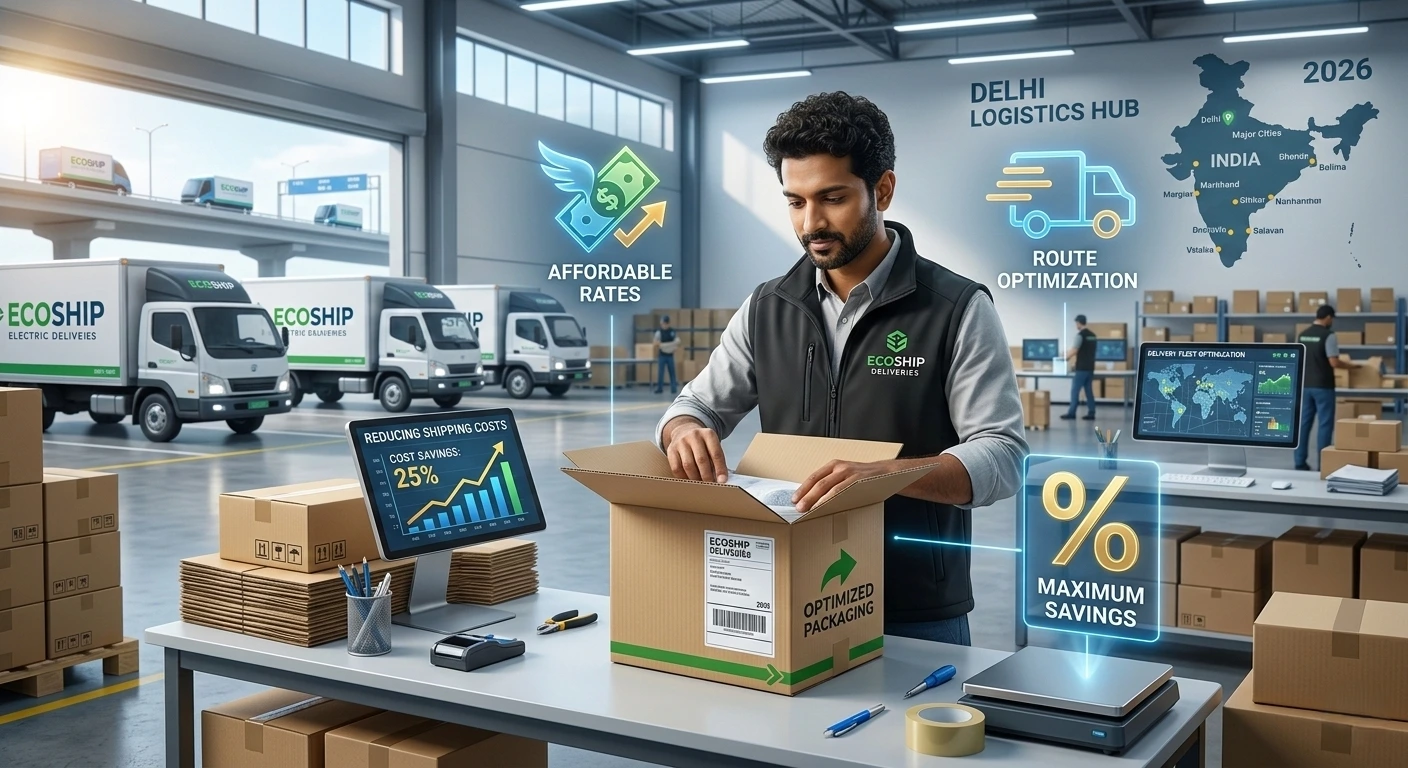
    Shipping costs are one of the most significant expenses for online businesses. For small and medium-sized ecommerce stores, high shipping fees can reduce profit margins and impact customer satisfaction. Learning how to reduce shipping costs is crucial for any entrepreneur looking to maximise revenue while keeping customers happy. By implementing effective strategies, businesses can maintain competitive pricing, improve delivery times, and create a more efficient shipping process.

    This guide covers practical methods and insights to help you manage shipping expenses without compromising service quality.

    Understand Your Current Shipping Expenses

    The first step to reduce shipping costs is to analyze your current shipping processes and expenses. Break down costs by carriers, package sizes, weights, and destinations. Identify areas where expenses are unnecessarily high.

    For many ecommerce businesses, overpaying occurs due to inefficient packaging, inconsistent shipping methods, or failure to leverage discounts offered by carriers. Understanding your baseline costs allows you to implement more targeted solutions and optimize shipping workflows.

    Negotiate with Shipping Carriers

    One of the most effective ways to reduce shipping costs is to negotiate directly with carriers. Major shipping companies often offer discounted rates for businesses that ship in higher volumes.

    Even small businesses can access better rates by consolidating shipments or partnering with regional carriers. Many ecommerce platforms integrate with multiple carriers, allowing merchants to compare costs and select the most affordable shipping solution for each order.

    Optimize Packaging to Save Costs

    Packaging plays a critical role in shipping expenses. Oversized boxes or excessive materials can increase both weight and dimensional weight charges. Optimizing your packaging is a practical way to reduce shipping costs.

    Using the right-sized boxes, lightweight protective materials, and standardized packaging can significantly cut costs. In addition, branded packaging should balance marketing appeal with efficiency to avoid unnecessary spending.

    Implement Ecommerce Shipping Strategies

    Adopting smart ecommerce shipping strategies can have a direct impact on profitability. For example, offering flat-rate shipping, free shipping thresholds, or regional shipping options can streamline operations and improve customer experience.

    Many online businesses use fulfillment centers strategically located near major customer bases to minimize distance and transit costs. Multi-location warehousing reduces shipping times and allows for lower rates when orders don’t need to travel across the country.

    Leverage Technology and Automation

    Technology can help ecommerce businesses reduce shipping costs by improving efficiency and reducing errors. Shipping software can automatically select the most cost-effective carrier, print labels, and calculate accurate shipping fees.

    Automated systems also allow merchants to track packages, consolidate shipments, and avoid overpaying for services they don’t need. Leveraging technology simplifies operations while keeping shipping expenses under control.

    Consider Bulk Shipping and Subscription Services

    Another practical way to reduce shipping costs is to use bulk shipping or subscription services. Purchasing shipping labels in bulk often provides substantial discounts compared to paying per shipment.

    Subscription-based solutions offered by carriers can also reduce per-package costs and include added perks like free pickups or priority processing. These affordable shipping solutions help ecommerce businesses maintain consistent shipping performance without overspending.

    Monitor and Adjust Regularly

    Shipping costs are not static, and strategies that work today may need adjustment tomorrow. Regularly monitor your shipping expenses, carrier performance, and customer satisfaction. Track which ecommerce shipping strategies yield the best results and continue refining your approach.

    By staying proactive, you can continuously find new ways to reduce shipping costs, improve delivery efficiency, and maintain a competitive edge in the online marketplace.

    Conclusion

    Reducing shipping costs is essential for sustaining profitability in ecommerce. By analyzing current expenses, negotiating with carriers, optimizing packaging, leveraging technology, and implementing smart ecommerce shipping strategies, online businesses can save money while providing excellent customer service.

    Focusing on efficiency and adopting affordable shipping solutions ensures that your ecommerce business remains competitive and profitable in a highly competitive market. Small changes can lead to significant savings over time, benefiting both your business and your customers.

    FAQs

    How can small businesses reduce shipping costs?

    Small businesses can reduce shipping costs by negotiating rates with carriers, optimizing packaging, using regional fulfillment centers, and leveraging shipping software.

    What is the most affordable shipping solution for ecommerce?

    Affordable shipping solutions include using bulk shipping discounts, regional carriers, subscription-based shipping services, and automated shipping platforms to find the lowest rates.

    Does packaging impact shipping costs?

    Yes, using oversized or heavy packaging can increase shipping fees. Optimizing packaging size and weight is an effective way to reduce shipping costs.

  • How to Start an Ecommerce Business in 2026

    How to Start an Ecommerce Business in 2026

    Starting an online store has become one of the most popular ways to build a profitable venture in today’s digital economy. With global online shopping continuing to grow, many entrepreneurs are exploring how to launch a successful ecommerce business. In 2026, modern technology, automation tools, and digital marketing strategies have made it easier than ever to enter the online marketplace. However, success still requires careful planning, the right platform, and a strong understanding of your target audience.

    This ecommerce business guide will help you understand the key steps needed to launch and grow a successful online store.

    Choose a Profitable Niche

    The first step in building a successful ecommerce business is selecting the right niche. A niche defines the type of products you sell and the audience you serve. Instead of selling a wide range of unrelated products, it is often better to focus on a specific category.

    For example, you might sell eco-friendly home products, pet supplies, or fitness equipment. Choosing a niche with consistent demand and limited competition can make it easier to stand out in the market. Researching customer needs, trending products, and market gaps is an important part of this process.

    Following proven ecommerce startup tips, entrepreneurs should focus on niches where they have interest or knowledge, as this helps create better marketing and branding strategies.

    Select the Right Ecommerce Platform

    The next important step is choosing the platform where your online store will operate. Many platforms allow beginners to launch an online store without advanced technical skills.

    Popular options include hosted solutions that provide templates, payment integrations, and inventory management tools. These platforms simplify the process of launching an ecommerce business, allowing entrepreneurs to focus more on product sourcing and marketing.

    When choosing a platform, consider factors such as customization options, payment gateways, mobile optimization, and scalability. A flexible platform ensures your store can grow as your business expands.

    Source High-Quality Products

    Product quality plays a crucial role in customer satisfaction and long-term growth. Whether you manufacture your own products, purchase from wholesalers, or use dropshipping, reliable suppliers are essential.

    Many successful entrepreneurs build their ecommerce business by partnering with suppliers who provide consistent product quality and timely delivery. Research supplier reviews, request samples, and test products before selling them.

    Another strategy mentioned in many ecommerce startup tips is private labeling, where businesses sell products under their own brand name. This approach helps create a unique brand identity and improves customer loyalty.

    Build a Professional Online Store

    Your website is the digital storefront of your brand. A well-designed site builds trust and encourages visitors to make purchases. Important elements include clear product descriptions, high-quality images, secure payment options, and easy navigation.

    A strong ecommerce business guide always emphasizes the importance of user experience. If customers find it difficult to browse products or complete purchases, they may leave your store and shop elsewhere.

    Mobile optimization is also essential. A large percentage of online shoppers now use smartphones, so ensuring that your store functions smoothly on mobile devices can significantly improve conversions.

    Develop a Marketing Strategy

    Marketing is the driving force behind every successful ecommerce business. Without effective promotion, even great products may go unnoticed.

    Digital marketing channels such as search engine optimization (SEO), social media marketing, email campaigns, and paid advertisements can help attract potential customers. Creating valuable content and engaging with audiences on social platforms also increases brand visibility.

    One of the most effective ecommerce startup tips is building an email list. Email marketing allows businesses to promote new products, offer discounts, and maintain long-term relationships with customers.

    Focus on Customer Experience

    Customer satisfaction plays a major role in the growth of any online store. Fast shipping, responsive customer support, and clear return policies help build trust and encourage repeat purchases.

    A successful ecommerce business also pays attention to customer feedback. Reviews and ratings provide valuable insights that help improve products and services.

    Providing personalized shopping experiences, such as product recommendations and loyalty rewards, can further enhance customer relationships and increase long-term sales.

    Scale Your Ecommerce Business

    Once your store begins generating consistent sales, the next step is scaling. Expansion strategies may include introducing new products, entering international markets, or investing in advanced marketing campaigns.

    Automation tools can help manage tasks such as inventory tracking, customer service, and order fulfillment. These tools allow entrepreneurs to focus on growth strategies rather than daily operational challenges.

    Scaling an ecommerce business requires careful planning and continuous monitoring of performance metrics such as traffic, conversion rates, and customer retention.

    Conclusion

    Starting an online store in 2026 presents exciting opportunities for aspiring entrepreneurs. With the right niche, reliable suppliers, effective marketing strategies, and a customer-focused approach, anyone can build a successful ecommerce business.

    By following a structured ecommerce business guide and applying proven ecommerce startup tips, beginners can avoid common mistakes and build a strong foundation for long-term success in the digital marketplace.

    FAQs

    How much money is needed to start an ecommerce business?

    The startup cost can vary widely depending on the platform, product sourcing method, and marketing budget. Some online stores can start with a few hundred dollars, while others require larger investments.

    What is the best platform for beginners?

    Many beginners prefer user-friendly platforms that offer ready-made templates, payment integrations, and simple store management tools.

    How long does it take to make profit from an ecommerce store?

    Profit timelines vary depending on marketing strategy, product demand, and competition. Some stores see results within a few months, while others take longer to grow.

  • Urban Logistics Hubs: Transforming City Supply Chains for Efficiency and Growth

    Urban Logistics Hubs: Transforming City Supply Chains for Efficiency and Growth

    As cities grow and e-commerce continues to surge, the demand for efficient and responsive supply chains has never been higher. Urban logistics hubs are emerging as a critical solution, enabling businesses to streamline operations, reduce delivery times, and improve sustainability in congested urban areas. These hubs are reshaping the way goods move in and out of cities, creating smarter, faster, and greener supply chains.

    Urban logistics hubs are centralized points within or near cities that consolidate goods from multiple suppliers before distributing them to their final destinations. By strategically locating these facilities, companies can reduce transportation costs, minimize congestion, and enhance the speed of deliveries, particularly in high-density urban environments.

    The Importance of Urban Logistics Hubs

    Urban logistics hubs play a pivotal role in modern supply chains. With the rise of e-commerce and consumer expectations for same-day or next-day delivery, traditional distribution models struggle to keep up. Hubs located close to city centers ensure that businesses can respond quickly to demand, reduce the number of long-distance trips, and optimize delivery routes.

    Key benefits include:

    • Shorter delivery times for consumers
    • Reduced traffic congestion and emissions
    • Cost savings on transportation and fuel
    • Enhanced visibility and control over inventory

    By centralizing distribution, urban logistics hubs enable more predictable and reliable city supply chains, meeting the demands of both businesses and residents.

    Last-Mile Delivery Hubs: Optimizing the Final Stretch

    A crucial function of urban logistics hubs is supporting last-mile delivery hubs. The last mile—the final leg of delivering goods to customers—is often the most complex and costly part of the supply chain. Urban hubs allow companies to stage deliveries closer to their destination, reducing travel distance and time while improving efficiency.

    Key strategies for last-mile optimization include:

    • Consolidating orders to reduce delivery trips
    • Using micro-distribution centers for high-density neighborhoods
    • Employing eco-friendly vehicles such as electric vans or cargo bikes
    • Leveraging real-time route optimization technologies

    With the integration of last-mile delivery hubs, urban logistics hubs not only enhance operational efficiency but also improve the customer experience by ensuring faster, more reliable deliveries.

    Sustainable City Logistics: A Greener Approach

    Urban logistics hubs are also at the forefront of sustainable city logistics. Cities face growing pressure to reduce emissions, lower traffic congestion, and promote eco-friendly practices. By consolidating shipments, optimizing routes, and deploying low-emission vehicles, urban hubs help reduce the environmental footprint of deliveries.

    Sustainable city logistics practices include:

    • Centralizing deliveries to minimize unnecessary trips
    • Encouraging shared logistics networks among multiple businesses
    • Implementing electric or hybrid vehicle fleets
    • Utilizing data analytics to predict demand and reduce idle transport

    These initiatives not only benefit the environment but also enhance corporate responsibility and reduce long-term operational costs.

    Designing Effective Urban Logistics Hubs

    Location is critical. Proximity to major transport arteries, population centers, and commercial districts ensures that hubs can operate efficiently. Additionally, hubs should be equipped with advanced technologies such as inventory management systems, automated sorting, and real-time tracking to manage the flow of goods effectively.

    Other considerations include:

    • Flexible storage options to accommodate varying inventory
    • Scalable operations to handle peak periods and seasonal demand
    • Integration with local regulations and city planning initiatives

    A well-designed urban logistics hub balances operational efficiency, sustainability, and cost-effectiveness while remaining adaptable to future growth and technological advancements.

    Challenges and Opportunities

    While the benefits are clear, urban logistics hubs face challenges, such as limited urban space, rising real estate costs, and regulatory constraints. Innovative solutions, including multi-story logistics centers, partnerships with municipal authorities, and investment in smart technologies, are helping to overcome these barriers.

    Opportunities for growth are also significant. With the continued expansion of e-commerce, rising consumer expectations, and the push for greener operations, urban logistics hubs will become increasingly essential in city supply chains. Companies that strategically invest in these hubs gain a competitive edge by delivering faster, more reliable, and sustainable services.

    The Future of Urban Logistics Hubs

    As cities evolve, urban logistics hubs will be central to creating resilient, efficient, and sustainable supply chains. By combining last-mile delivery hubs with smart, eco-friendly strategies, businesses can optimize operations while reducing congestion and emissions. The integration of technology, data-driven decision-making, and strategic location planning ensures these hubs remain a critical part of modern urban logistics.

    In conclusion, urban logistics hubs are more than storage facilities—they are the backbone of city supply chains. They support faster deliveries, lower environmental impact, and drive economic growth. Companies that embrace this model can meet the demands of modern consumers while contributing to sustainable urban development.