Tag: Influencer Marketing

  • Smart Shipping Secrets How to Pack Large Items for Shipping and Logistics

    Smart Shipping Secrets How to Pack Large Items for Shipping and Logistics

    When it comes to e-commerce and global trade, packing plays a critical role in ensuring safe and efficient delivery. Knowing how to pack large items for shipping and logistics is a vital skill for businesses and individuals who want to prevent damage, reduce costs, and improve customer satisfaction. Whether you are sending furniture, machinery, or oversized electronics, the right packing strategy can make all the difference.

    Understanding the Challenges of Shipping Large Items

    Shipping large or bulky items comes with unique challenges. These items often exceed standard shipping dimensions, require special handling, and may need customized packaging materials. Without proper preparation, businesses risk delays, damage, or high logistics costs.

    Large shipments can also attract extra fees from carriers, especially if they require freight shipping, palletization, or custom crating. Therefore, understanding the logistics involved before you pack your items can save you both time and money.

    Why Proper Packing Matters in Logistics

    Proper packing is more than just placing an item in a box. In the logistics industry, packing determines the safety, efficiency, and overall success of the shipping process. Poor packing can lead to damaged goods, insurance claims, and unhappy customers.

    From a business perspective, investing in quality packaging reduces returns and strengthens your reputation for reliability. For individuals, it ensures that valuable or fragile items arrive safely at their destination.

    Step-by-Step Guide on How to Pack Large Items for Shipping

    Let’s dive into the essential steps on how to pack large items for shipping and logistics effectively.

    Step 1 Assess Your Item and Shipping Method

    Start by evaluating the type, size, and weight of the item you are shipping. Determine if it’s fragile, heavy, or irregularly shaped. Knowing these details helps you choose the right packing materials and shipping method.

    For very large or heavy items, consider using freight shipping services or palletized shipping instead of standard parcel services. Freight carriers are better equipped to handle oversized goods safely.

    Step 2 Choose the Right Packing Materials

    The right materials are essential for protecting large items during transit. Common materials include:

    • Heavy-duty cardboard boxes for lightweight but large items
    • Wooden crates for heavy or delicate machinery
    • Foam padding and bubble wrap for cushioning
    • Stretch wrap or shrink film to secure items and prevent dust
    • Edge protectors to safeguard corners
    • Pallets for easy loading and unloading

    Always use durable materials rated for the item’s weight and size. Cutting corners here can lead to expensive damage during transportation.

    Step 3 Disassemble When Possible

    If your large item can be disassembled, do so before packing. For example, remove the legs from tables or the wings from large equipment. This not only reduces the package size but also makes handling easier.

    Place small components like screws, bolts, and brackets in labeled plastic bags and tape them securely to the main part of the item. Clear labeling ensures that reassembly is simple when the package arrives.

    Step 4 Protect Every Surface

    Before you pack the item, wrap all surfaces with protective materials. For furniture, use moving blankets, foam sheets, or corrugated cardboard. For delicate machinery, anti-static bubble wrap can help prevent damage caused by vibration or moisture.

    Always pay special attention to corners, edges, and glass components, which are most vulnerable to impact.

    Step 5 Use Proper Cushioning and Support

    Cushioning is one of the most important steps in packing large items for shipping. Line the bottom of the box or crate with several inches of padding material such as foam or air pillows.

    Once the item is placed inside, fill any empty spaces with packing peanuts or crumpled kraft paper to prevent shifting during transit. The goal is to ensure the item stays immobile throughout the journey.

    Step 6 Seal and Reinforce the Package

    Use industrial-grade packing tape to seal all seams and edges securely. Reinforce the bottom and top with multiple layers of tape, especially if the package is heavy. For crates, use screws or nails instead of regular tape.

    Label the package clearly with handling instructions such as Fragile, This Side Up, or Heavy. Proper labeling helps carriers handle the shipment carefully.

    Step 7 Secure the Shipment on a Pallet

    When shipping large or heavy items, it’s best to use a pallet for stability and safety. Pallets make it easier for forklifts and loaders to move your shipment without causing damage.

    Use straps or shrink wrap to secure the item firmly to the pallet. Make sure that the weight is evenly distributed and nothing hangs over the edge, as overhanging parts can get damaged during loading or unloading.

    Step 8 Consider Insurance and Tracking

    Even with the best packing methods, accidents can happen. Always choose a shipping insurance plan that covers the value of your goods. Additionally, use tracking services to monitor your shipment in real time.

    Having insurance and tracking in place not only protects your investment but also gives peace of mind throughout the shipping process.

    Best Practices for Packing Large Items

    To further enhance your packing and logistics efficiency, keep these best practices in mind:

    Use Standard Pallet Sizes

    Using standard pallet dimensions (48×40 inches in the US) ensures compatibility with most carriers and warehouses. It also reduces additional handling fees.

    Distribute Weight Evenly

    Avoid placing all the weight on one side of the box or crate. Uneven loads can shift during transit and cause damage.

    Avoid Overpacking

    Overpacking can cause stress on packaging materials and lead to ruptures. Always ensure your package is compact yet not overstuffed.

    Label Clearly and Accurately

    Include both the sender’s and receiver’s contact details on the outer and inner layers of the packaging. Accurate labeling ensures smooth customs clearance and delivery.

    Common Mistakes to Avoid When Packing Large Items

    Even experienced shippers can make costly mistakes. Here are a few to avoid:

    • Using weak or reused boxes for heavy items
    • Ignoring palletization for oversized shipments
    • Forgetting to use internal padding
    • Skipping moisture protection in humid environments
    • Not checking carrier size and weight limits

    Avoiding these pitfalls will save you from delays, extra costs, and customer complaints.

    The Role of Logistics in Shipping Large Items

    Efficient logistics management ensures that your large items move safely through every stage of transportation. A reliable logistics partner can help with packaging guidance, freight booking, customs documentation, and delivery coordination.

    Choosing a logistics company with global experience and modern technology can streamline your shipping operations and provide real-time visibility.

    Final Thoughts on How to Pack Large Items for Shipping and Logistics

    Mastering how to pack large items for shipping and logistics is essential for businesses that handle oversized or high-value products. The right packing approach prevents damage, minimizes costs, and enhances customer satisfaction.

    As e-commerce and global trade continue to expand, efficient packing and logistics practices will become even more crucial. By following these professional steps and best practices, you can ensure your large shipments arrive safely, securely, and on time.

    Whether you are an online seller, manufacturer, or individual shipper, investing in proper packaging and logistics solutions will pay off in every successful delivery.

  • AI, Automation & Real-Time Visibility: The New Logistics Playbook for E-Commerce in 2025

    AI, Automation & Real-Time Visibility: The New Logistics Playbook for E-Commerce in 2025

    As e-commerce continues to redefine global trade, logistics has emerged as its beating heart. In 2025, the pace of innovation is accelerating faster than ever, powered by artificial intelligence, automation, and real-time visibility. Together, these technologies are rewriting the rules of efficiency, reliability, and customer satisfaction. The new logistics playbook isn’t just about moving goods—it’s about delivering intelligence, speed, and transparency across every touchpoint of the supply chain.

    The Evolution of Logistics in the E-Commerce Era

    Over the past decade, e-commerce logistics has evolved from a support function into a strategic differentiator. Consumer expectations have shifted dramatically: same-day delivery, order tracking, and flawless returns are now standard. To keep up, companies are turning to AI-driven logistics automation and real-time data visibility as key enablers of performance.

    In 2025, the e-commerce industry faces mounting pressure to optimize costs, reduce delivery times, and enhance customer experiences—all while maintaining sustainability and resilience. The solution lies in leveraging technology to make logistics not only faster but also smarter.

    The Rise of Intelligent Supply Chains

    Today’s logistics networks are no longer linear or reactive—they are dynamic, data-driven ecosystems. From predictive demand planning to intelligent routing and autonomous delivery systems, AI and automation are enabling logistics networks that can think, adapt, and self-correct in real time. This shift marks the beginning of what experts call the “Smart Logistics Revolution.”

    AI: The Brain Behind the New Logistics Playbook

    Artificial Intelligence is the cornerstone of modern logistics. It empowers e-commerce companies to analyze massive amounts of data, identify inefficiencies, and make intelligent decisions across the supply chain.

    Predictive Analytics and Demand Forecasting

    AI algorithms process real-time sales data, weather conditions, local events, and consumer behavior patterns to predict product demand with unprecedented accuracy. This ensures that inventory is positioned in the right place at the right time, reducing stockouts and overstocking.

    For example, AI-driven demand forecasting allows fulfillment centers to prepare for seasonal surges, flash sales, and regional buying trends. The result is optimized warehousing, lower operational costs, and faster order fulfillment.

    Route Optimization and Last-Mile Efficiency

    AI also plays a vital role in optimizing delivery routes. Advanced algorithms consider multiple factors—traffic conditions, delivery density, road closures, and even fuel efficiency—to find the fastest and most cost-effective routes. This not only improves delivery times but also reduces carbon emissions and enhances driver productivity.

    In 2025, many logistics players are integrating AI-powered route optimization tools with real-time visibility platforms, ensuring continuous tracking and adaptive decision-making during deliveries.

    Automation: The Engine Driving E-Commerce Logistics

    While AI acts as the brain, automation serves as the muscle behind modern logistics operations. From warehouse robotics to autonomous vehicles, automation technologies are revolutionizing how goods move from warehouse shelves to consumers’ doorsteps.

    Smart Warehousing and Robotics

    The modern warehouse is no longer a chaotic maze of manual labor—it’s a synchronized ecosystem powered by automated guided vehicles (AGVs), robotic arms, and smart conveyor systems. These robots work alongside human workers, picking, packing, and sorting items with incredible accuracy and speed.

    Automation minimizes human error, enhances operational throughput, and allows businesses to handle large order volumes—especially during festive or flash-sale periods—without compromising delivery timelines.

    Drones and Autonomous Delivery Vehicles

    2025 is witnessing a major leap in drone and autonomous vehicle technology. E-commerce giants are piloting drone deliveries in urban and semi-urban areas, cutting delivery times from hours to minutes. Ground-based autonomous vehicles are also being deployed for last-mile deliveries, particularly in gated communities and business districts.

    These automated delivery methods not only improve efficiency but also support sustainability goals by reducing fuel consumption and congestion in urban centers.

    Real-Time Visibility: The Backbone of Customer Trust

    In today’s digital-first economy, real-time visibility has become synonymous with customer confidence. Shoppers want to know exactly where their order is at every stage—from dispatch to doorstep. For businesses, visibility translates to better control, reduced losses, and improved accountability.

    IoT and Connected Logistics

    The Internet of Things (IoT) is a game-changer for logistics visibility. Smart sensors and RFID tags enable companies to monitor shipments, track temperature-sensitive goods, and ensure the integrity of every delivery in real time.

    IoT devices also feed continuous data into analytics dashboards, allowing logistics managers to respond instantly to disruptions—whether it’s a route delay, a vehicle breakdown, or a weather-related challenge. This real-time data sharing creates a seamless, transparent supply chain ecosystem.

    Visibility Beyond Delivery

    Real-time visibility doesn’t end at last-mile tracking. It extends into reverse logistics, helping businesses manage returns efficiently. By integrating visibility tools into every stage of the logistics process, companies can minimize losses, speed up refunds, and enhance customer satisfaction—key factors that determine brand loyalty in 2025.

    The Human Element in a Tech-Driven Logistics World

    While AI and automation dominate logistics innovation, the human element remains essential. Technology enhances capabilities, but human decision-making, empathy, and creativity continue to drive customer-centric logistics strategies.

    In 2025, logistics professionals are evolving from manual operators to data interpreters and strategic planners, using AI-generated insights to make better business decisions. Upskilling the workforce in digital tools, robotics management, and analytics will be critical to maintaining a balance between automation and human oversight.

    Sustainability Through Smart Logistics

    Another defining aspect of the 2025 logistics playbook is sustainability. E-commerce companies are under growing pressure to reduce carbon footprints and adopt eco-friendly practices.

    AI and automation enable smarter energy usage, efficient fleet management, and reduced waste through precise inventory control. Many logistics networks are transitioning to electric vehicles (EVs) and carbon-neutral warehouses, demonstrating how technology can align operational excellence with environmental responsibility.

    Challenges on the Road Ahead

    Despite the transformative benefits of AI, automation, and visibility, challenges remain. High implementation costs, data privacy concerns, and infrastructure disparities can slow down adoption—especially for small and mid-sized logistics players.

    However, as technology becomes more accessible and cloud-based logistics platforms gain traction, the barriers are gradually falling. Collaboration between tech startups, logistics providers, and government initiatives will further accelerate this digital transformation.

    The Future of Logistics in 2025 and Beyond

    The logistics industry in 2025 stands at the intersection of intelligence, automation, and visibility. The new playbook is built on data-driven agility, where every movement in the supply chain is measurable, predictable, and optimizable.

    E-commerce companies that harness AI and automation effectively will achieve not just faster deliveries but also smarter, greener, and more resilient operations. Real-time visibility will continue to be the linchpin of customer trust, shaping how consumers perceive reliability in the online shopping experience.

    In essence, the future of logistics is not just about moving goods—it’s about moving with intelligence, precision, and purpose. The integration of AI, automation, and real-time visibility marks the dawn of a new era where logistics becomes the ultimate competitive advantage in the e-commerce landscape.

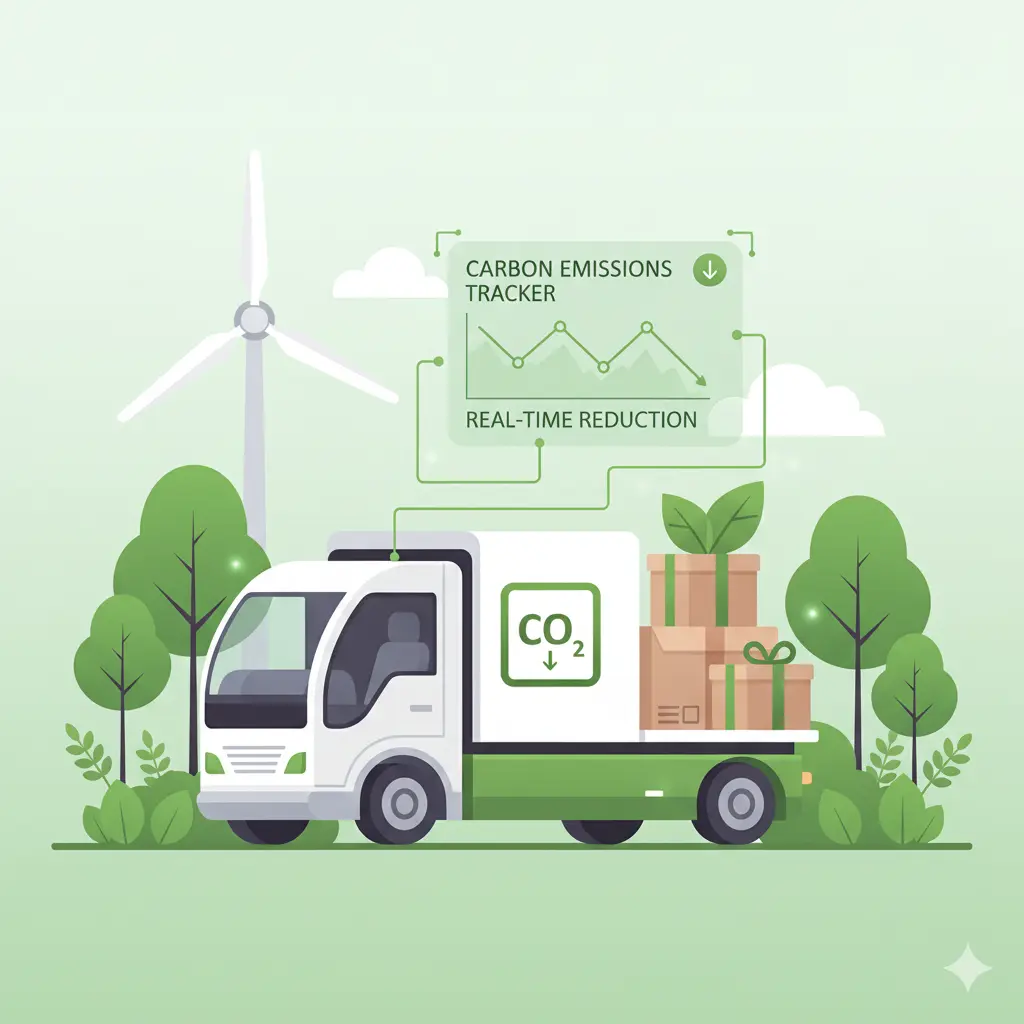
  • Carbon-Neutral E-Commerce – Platforms That Track and Offset Shipping Emissions

    Carbon-Neutral E-Commerce – Platforms That Track and Offset Shipping Emissions

    The Green Revolution in Online Shopping

    E-commerce has transformed the way we buy, sell, and interact with products. However, as the global digital marketplace grows, so does its environmental footprint. Every click-to-cart, warehouse shipment, and doorstep delivery contributes to carbon emissions — an issue that conscious consumers are no longer willing to ignore. In response, a new wave of innovation has emerged: carbon-neutral e-commerce.

    Carbon-neutral e-commerce platforms are revolutionizing how businesses approach sustainability by tracking, reducing, and offsetting the carbon emissions generated through shipping and operations. These platforms represent a bold step toward eco-friendly digital commerce, aligning with global sustainability goals while meeting the expectations of environmentally aware consumers.

    Understanding Carbon-Neutral E-Commerce

    To understand the concept, we need to look at the lifecycle of an online order. From production and packaging to transport and delivery, every stage produces greenhouse gas (GHG) emissions. Carbon-neutral e-commerce aims to measure these emissions accurately and then neutralize their impact through reduction strategies and verified carbon offset programs.

    Carbon neutrality doesn’t mean zero emissions — it means balancing the emissions produced by removing or offsetting an equivalent amount from the atmosphere. E-commerce brands achieve this by investing in renewable energy projects, forest restoration, and sustainable technologies. The result is a shopping experience that is not only convenient but also environmentally responsible.

    Tracking Shipping Emissions with Technology

    The backbone of carbon-neutral e-commerce is emission tracking technology. Today’s advanced logistics and AI-powered tools can calculate the carbon footprint of each transaction, from packaging materials to delivery distance.

    Platforms such as Shopify, WooCommerce, and BigCommerce have already introduced carbon tracking integrations that estimate emissions for every shipment. Using real-time data from carriers and fulfillment centers, these systems help businesses visualize their total impact.

    For instance, machine learning algorithms analyze shipment routes, modes of transport, and package weights to determine precise carbon output. This level of transparency empowers both companies and customers to make informed, sustainable decisions. Some platforms even display carbon data at checkout, allowing shoppers to understand the environmental cost of their purchase — a growing trend known as eco-transparency.

    Offsetting Through Verified Carbon Programs

    Once emissions are calculated, the next step is carbon offsetting — compensating for emissions by funding projects that absorb or reduce CO₂ elsewhere. Many e-commerce platforms now partner with certified organizations that manage reforestation, renewable energy, and community-based sustainability projects.

    For example, some companies automatically contribute a small portion of each sale toward carbon offset initiatives. Customers can also choose to add carbon offsets at checkout, creating a collaborative effort toward sustainability. Verified programs such as Gold Standard, Verra, and Carbonfund.org ensure that every offset contribution results in measurable environmental impact.

    By integrating offset APIs directly into e-commerce platforms, businesses can streamline the process, making carbon neutrality effortless and traceable. This transparency builds trust and credibility, especially among eco-conscious consumers who value accountability.

    Sustainable Shipping and Packaging Innovations

    Tracking and offsetting emissions are essential steps, but the ultimate goal is reduction. Many brands are now reimagining their logistics systems to minimize emissions before they occur.

    One major focus area is sustainable packaging. Biodegradable materials, recycled paper, and compostable plastics are replacing traditional packaging. Some companies have even introduced “minimalist packaging” — reducing excess materials without compromising product safety.

    Shipping innovations are also reshaping the carbon landscape. Electric delivery fleets, bike couriers, and consolidated shipping routes help lower emissions dramatically. Large logistics providers such as DHL, UPS, and FedEx are investing in green delivery technologies and carbon-neutral shipping options. By combining eco-friendly packaging with smarter logistics, e-commerce brands are moving from reactive offsetting to proactive reduction.

    The Role of Consumer Awareness and Demand

    Modern shoppers are more environmentally conscious than ever. According to recent studies, more than 70% of online consumers prefer brands that are transparent about their sustainability practices. As a result, carbon-neutral shopping has become a powerful differentiator.

    Displaying a “Carbon-Neutral Certified” badge on product pages can significantly influence purchasing decisions. Consumers feel empowered when they know their purchases support a healthier planet. This behavioral shift has inspired many e-commerce companies to integrate green marketing into their branding strategies.

    Moreover, as Gen Z and millennial consumers continue to dominate the online market, sustainability is no longer optional — it’s a necessity. Brands that fail to address environmental impact risk losing relevance in a marketplace driven by conscious consumption.

    Blockchain and Data Transparency

    To enhance trust and verification, blockchain technology is emerging as a key player in carbon-neutral e-commerce. By recording every emission, offset, and transaction on a transparent ledger, blockchain ensures that sustainability claims are authentic and traceable.

    This technology eliminates greenwashing — the act of making false or exaggerated environmental claims — by providing verifiable proof of carbon offset activities. In the near future, consumers may be able to scan a QR code on a product and view the exact carbon reduction project their purchase supported.

    Additionally, smart contracts could automate offset contributions, ensuring that every order automatically triggers an equivalent carbon offset. This combination of blockchain and sustainability has the potential to redefine trust in online commerce.

    Business Benefits of Carbon-Neutral Practices

    Going carbon-neutral isn’t just good for the planet — it’s good for business. Adopting eco-friendly practices enhances brand reputation, attracts new customer segments, and fosters long-term loyalty. Studies show that sustainable brands enjoy higher customer retention rates and stronger word-of-mouth referrals.

    From a financial perspective, investing in renewable energy and efficient logistics can also reduce operational costs over time. Moreover, governments worldwide are introducing incentives and tax benefits for businesses that commit to green initiatives.

    Carbon-neutral e-commerce positions companies as industry leaders and future-ready enterprises. It demonstrates a commitment to corporate social responsibility (CSR) and aligns with Environmental, Social, and Governance (ESG) standards — critical metrics for investors and partners.

    Challenges and the Road Ahead

    While the benefits are significant, achieving carbon neutrality in e-commerce is not without challenges. Accurately tracking emissions across complex supply chains can be difficult, especially for small and medium-sized businesses. Additionally, carbon offset programs require continuous monitoring to ensure real-world impact.

    However, advancements in AI, automation, and logistics optimization are gradually simplifying the process. Industry collaborations and standardization efforts are also helping businesses of all sizes adopt greener operations.

    In the next few years, we can expect to see AI-driven sustainability dashboards, real-time emission monitoring, and automated offset integration become standard features in major e-commerce platforms.

    The Future of Carbon-Neutral E-Commerce

    The future of e-commerce is green, data-driven, and transparent. As consumers continue to prioritize environmental responsibility, carbon-neutral platforms will become the new norm. Businesses that lead the transition will not only protect the planet but also future-proof their brands.

    Carbon-neutral e-commerce represents more than a technological advancement — it’s a cultural shift. It reflects a new era of accountability, where every purchase contributes to a more sustainable world.

    Conclusion

    The rise of carbon-neutral e-commerce signals a turning point in digital retail. By tracking, reducing, and offsetting shipping emissions, brands can deliver both products and purpose. Through innovative technology, eco-friendly logistics, and transparent partnerships, e-commerce is evolving into a force for environmental good.

    As we move toward a greener future, one thing is clear — the brands that take responsibility for their carbon footprint will lead the next generation of online retail. Carbon-neutral e-commerce is not just a trend; it’s the foundation of a sustainable digital economy.

  • Subscription 3.0 – Smarter, Flexible, and Sustainable Subscription Models

    Subscription 3.0 – Smarter, Flexible, and Sustainable Subscription Models

    The Evolution of Subscription Commerce

    The subscription economy has evolved far beyond simple monthly boxes and recurring billing. From entertainment platforms like Netflix to software services and even everyday essentials, subscriptions have changed how people consume. However, consumers today demand more control, personalization, and sustainability. This shift has given rise to Subscription 3.0 — a new era of smarter, flexible, and eco-conscious subscription models designed for the modern digital shopper.

    In the early stages, Subscription 1.0 focused on convenience and automation. People enjoyed the ease of having products delivered regularly without reordering. Subscription 2.0 introduced personalization, allowing customers to tailor their subscriptions to their preferences. But now, as markets mature and customer expectations rise, Subscription 3.0 focuses on empowerment, adaptability, and responsible consumption.

    Smarter Subscriptions Driven by AI and Data

    One of the defining features of Subscription 3.0 is intelligence. Artificial Intelligence and machine learning have made it possible for brands to anticipate customer needs before they are even expressed. AI-powered predictive analytics can track user behavior, purchase history, and preferences to deliver hyper-personalized subscription experiences.

    For instance, beauty brands now use AI to recommend products that match a subscriber’s skin tone, climate, and past purchases. Streaming services like Spotify and Netflix already utilize machine learning to personalize content delivery, and e-commerce companies are quickly catching up. These AI-driven subscription models not only increase customer satisfaction but also reduce churn rates by providing continuous value.

    Data-driven insights also allow businesses to forecast demand, optimize inventory, and minimize waste — crucial factors for profitability and sustainability. With the right integration of predictive AI, companies can deliver smarter, faster, and more relevant experiences, turning casual shoppers into long-term subscribers.

    Flexibility as the New Loyalty

    The rigid subscription models of the past are no longer appealing to modern consumers. Today’s subscribers want the freedom to pause, modify, or cancel their plans at any time. Flexibility has become the new definition of customer loyalty.

    Subscription 3.0 is all about adaptability. Brands are offering customizable delivery schedules, interchangeable product choices, and on-demand subscription management through mobile apps. For example, fitness brands now allow members to switch between online and in-person classes, while food subscription services let customers change meal plans weekly based on dietary needs or lifestyle shifts.

    This flexibility builds trust. When customers know they are in control, they are more likely to stay subscribed. Moreover, transparent pricing, easy cancellation policies, and seamless user interfaces help create a positive brand experience. In 2025, subscription flexibility isn’t a bonus feature — it’s a fundamental expectation.

    Sustainability at the Core

    Another key pillar of Subscription 3.0 is sustainability. Modern consumers are increasingly conscious of their environmental impact, and they expect the brands they support to share their values. Sustainable subscription models prioritize eco-friendly packaging, carbon-neutral shipping, and products made from responsibly sourced materials.

    Circular economy concepts are becoming central to subscription commerce. Brands are introducing programs that allow customers to return used items for recycling or reuse. For example, fashion subscription services like Rent the Runway and Nuuly promote clothing reuse and reduce textile waste. Similarly, refillable subscription systems for household goods, beauty products, and cleaning supplies are gaining momentum.

    In addition, companies are leveraging blockchain technology to provide supply chain transparency, ensuring that every product delivered aligns with ethical and environmental standards. Subscription 3.0 embraces sustainability not just as a trend but as a core value — one that appeals to eco-aware customers and builds long-term brand equity.

    The Role of Technology in Subscription 3.0

    Technology is the backbone of modern subscription models. From AI-driven personalization to secure payment systems and data analytics, tech innovations are reshaping the subscription experience. The rise of Internet of Things (IoT) devices adds a new dimension — smart products that can automatically reorder supplies when running low.

    For example, a connected coffee machine might track usage and place an automatic order for coffee pods before they run out. Similarly, fitness wearables can suggest nutrition or training subscriptions based on performance metrics. These smart subscription ecosystems merge convenience with intelligence, making daily life more efficient for consumers.

    Blockchain also enhances trust and transparency by providing immutable records of transactions, ensuring that every recurring payment and delivery is verifiable. Additionally, modern CRM systems powered by AI help brands predict churn and send proactive engagement offers to retain customers.

    Personalization and Customer Experience

    Personalization remains the cornerstone of successful subscription models. With access to big data and behavioral insights, brands can tailor every touchpoint of the customer journey. From onboarding surveys to dynamic pricing and personalized rewards, every interaction can be optimized for relevance.

    Customers no longer want generic experiences. They expect brands to know their preferences and anticipate their needs. Subscription 3.0 uses predictive personalization, which analyzes micro-interactions — clicks, pauses, and even voice data — to deliver curated product selections or exclusive content.

    Moreover, the integration of emotion AI and conversational commerce allows customers to interact naturally with chatbots for assistance or recommendations. This seamless blend of automation and empathy enhances satisfaction while maintaining efficiency.

    Economic and Social Impact

    The shift to smarter, flexible, and sustainable subscription models also impacts the global economy. Businesses benefit from predictable revenue streams and improved customer retention, while consumers enjoy better value and convenience. However, the true value lies in fostering long-term relationships rather than short-term transactions.

    Subscription 3.0 supports local economies by enabling small businesses to launch scalable subscription services through digital platforms. It also promotes conscious consumption — customers buy only what they need when they need it, reducing waste and overproduction.

    Socially, the rise of ethical and transparent brands helps rebuild consumer trust in e-commerce. As more companies adopt fair trade practices, renewable packaging, and carbon offsetting initiatives, subscription commerce becomes a powerful vehicle for positive change.

    The Future of Subscription 3.0

    Looking ahead, the subscription economy is expected to reach trillions in global market value. Future models will integrate AI, blockchain, and green technology even more seamlessly. The focus will move from “ownership” to “access,” as consumers prioritize experiences and convenience over accumulation.

    We may also see the rise of metaverse subscriptions, offering digital goods, experiences, and memberships across virtual spaces. As augmented and virtual reality become mainstream, immersive subscription experiences will redefine engagement and retention.

    Ultimately, Subscription 3.0 is not just about recurring payments — it’s about building sustainable relationships through technology, personalization, and ethical practices. Brands that embrace flexibility, data intelligence, and eco-conscious innovation will lead the next wave of e-commerce growth.

    Conclusion

    Subscription 3.0 represents the evolution of consumer commerce — smarter, flexible, and sustainable. It aligns technology with human values, offering meaningful, convenient, and responsible experiences. Businesses that invest in AI-driven personalization, adaptable subscription plans, and green initiatives will not only retain customers but also create lasting impact.

    As consumers continue to demand transparency and choice, the brands that listen, adapt, and innovate will thrive. Subscription 3.0 isn’t just a trend — it’s the future of e-commerce, redefining how we buy, connect, and sustain in a digital-first world.

  • Omnichannel Done Right: Seamless Shopping Across Web, Mobile & In-Store

    Omnichannel Done Right: Seamless Shopping Across Web, Mobile & In-Store

    In today’s fast-paced digital economy, the way consumers shop has evolved dramatically. Modern shoppers expect convenience, personalization, and consistency across every touchpoint whether browsing online, scrolling through a mobile app, or walking into a physical store. This transformation has given rise to a powerful retail strategy known as omnichannel commerce. When executed correctly, omnichannel retailing creates a unified customer journey that drives engagement, loyalty, and long-term growth.

    Understanding Omnichannel Retail

    Omnichannel retail refers to an integrated shopping experience where customers can interact with a brand seamlessly across multiple channels—web, mobile, social media, and brick-and-mortar stores. The key word here is seamless. It’s not just about being present on every platform; it’s about connecting them so customers can move effortlessly between them. For example, a shopper might discover a product on Instagram, read reviews on a website, check availability on a mobile app, and complete the purchase in-store—all without a hiccup.

    In contrast to multichannel retail, where each platform operates independently, omnichannel retail ensures data and experiences flow smoothly. This means inventory, customer profiles, and purchase histories are synchronized in real time, giving brands the ability to deliver hyper-personalized and frictionless interactions.

    Why Omnichannel Strategy Matters in 2025

    As digital transformation accelerates, brands that fail to create connected experiences risk losing customers to competitors who do. According to recent retail trends, consumers now demand personalized shopping journeys, flexible delivery options, and instant customer support across all channels. The rise of AI-driven analytics, mobile commerce, and social shopping has made omnichannel integration more crucial than ever.

    Moreover, the post-pandemic shift in consumer behavior has blurred the lines between physical and digital retail. Shoppers want to browse online and pick up in-store through BOPIS (Buy Online, Pick Up In Store) models. They expect consistent pricing, real-time stock visibility, and personalized recommendations. Brands that master this orchestration stand out as leaders in customer experience.

    The Building Blocks of a Successful Omnichannel Experience

    1. Unified Customer Data

    At the core of a seamless omnichannel strategy lies unified data management. Every interaction—from browsing behavior to purchase history—should feed into a centralized system like a Customer Data Platform (CDP). This unified profile empowers brands to recognize each customer across channels and provide consistent, personalized experiences. For example, a CDP allows a brand to remember a shopper’s preferences whether they log in on desktop, mobile, or visit a store.

    2. Consistent Brand Messaging

    An omnichannel brand maintains the same tone, visuals, and messaging across all touchpoints. Consistency fosters trust and strengthens brand identity. Whether it’s an email campaign, an in-app push notification, or an in-store poster, the brand should communicate one coherent message. Using AI-driven personalization, companies can adapt content dynamically based on user behavior without losing authenticity.

    3. Smart Inventory Management

    One of the biggest frustrations for shoppers is discovering an item is unavailable after they’ve decided to buy it. Real-time inventory synchronization ensures customers always see accurate stock information, regardless of where they shop. Advanced retail management software can automate stock updates and even suggest optimal fulfillment options such as ship-from-store or click-and-collect to improve efficiency and reduce costs.

    4. Integrated Payment and Checkout Systems

    A seamless checkout process can make or break the customer experience. Omnichannel retailers must offer flexible payment options—credit cards, mobile wallets, BNPL (Buy Now, Pay Later), and contactless in-store payments. Integrating secure, unified payment gateways ensures that transactions across web, app, and store are effortless and consistent, reducing cart abandonment and boosting conversion rates.

    5. Connected Customer Service

    Customer support should be as seamless as the shopping journey itself. Omnichannel customer service allows agents to access complete customer histories across chat, email, phone, and in-person interactions. Tools like AI chatbots, live chat, and CRM integrations help deliver faster, context-aware assistance, enhancing satisfaction and loyalty.

    How Mobile Commerce Elevates the Omnichannel Journey

    Mobile devices are now the glue holding omnichannel experiences together. With the rise of mobile-first design and progressive web apps (PWAs), shoppers can browse, buy, and engage anytime, anywhere. Mobile apps not only streamline purchases but also enable geolocation marketing, push notifications, and loyalty rewards, bridging the gap between online discovery and offline engagement.

    For instance, when customers walk near a store, they can receive personalized offers through mobile alerts encouraging in-store visits. Similarly, mobile scanning tools allow users to check product details or compare prices instantly. This level of integration enhances engagement and turns every interaction into a conversion opportunity.

    Bridging the Gap Between Digital and Physical Stores

    The future of retail lies in phygital experiences—a blend of physical and digital elements. Smart retailers use technology like QR codes, AR (Augmented Reality), and IoT-enabled devices to enrich in-store experiences. For example, digital mirrors and virtual try-ons help customers visualize products before purchasing, while staff equipped with tablets can access real-time customer insights to personalize recommendations.

    In-store analytics, powered by AI and IoT, track foot traffic and product interaction data, allowing brands to refine layouts and optimize inventory placement. When digital and physical insights merge, brands can deliver superior experiences and anticipate customer needs.

    Leveraging Social Commerce and Content Integration

    In 2025, social commerce continues to rise as a dominant sales channel. Platforms like Instagram, TikTok, and Pinterest are not just for inspiration—they’re direct storefronts. Integrating these platforms into an omnichannel strategy allows shoppers to move from social engagement to purchase with a single tap. Influencer marketing, user-generated content (UGC), and shoppable posts enhance authenticity and trust.

    Content marketing also plays a major role in keeping customers engaged across channels. Personalized blogs, video tutorials, and email newsletters can nurture relationships and drive repeat purchases. When all content aligns with the brand’s omnichannel voice, it builds long-term loyalty.

    Data Analytics and Personalization: The Omnichannel Advantage

    Modern omnichannel retail thrives on data-driven decision-making. By analyzing customer behavior across all platforms, brands can forecast demand, refine marketing strategies, and predict future trends. AI-powered analytics tools can segment audiences, optimize pricing, and recommend products with precision. Personalization is no longer optional—it’s a competitive necessity.

    When customers feel understood, they are more likely to return. Personalized emails, targeted ads, and relevant push notifications create a sense of belonging that strengthens emotional connection with the brand.

    The Future of Omnichannel Shopping

    The future of omnichannel shopping lies in deeper integration and automation. With advancements in AI, machine learning, and 5G connectivity, customer experiences will become even more intuitive and immersive. Emerging technologies such as virtual reality shopping, voice commerce, and predictive fulfillment will redefine convenience and personalization.

    Brands that invest now in omnichannel infrastructure will be best positioned to adapt to these changes and lead the next generation of retail innovation. The ultimate goal is simple—to make shopping effortless, enjoyable, and unforgettable, no matter where it happens.

    Conclusion

    Omnichannel done right is about putting the customer at the center of every interaction. By connecting web, mobile, and in-store experiences through unified data, consistent messaging, and intelligent technology, brands can deliver seamless journeys that drive satisfaction and loyalty. As retail continues to evolve, businesses that embrace omnichannel strategies today will become the leaders of tomorrow’s connected commerce landscape.