Tag: Influencer Marketing

  • eCommerce Website Optimization Tips to Boost Sales

    eCommerce Website Optimization Tips to Boost Sales

    Running an online store is not just about attracting visitors. The real success lies in turning those visitors into customers. This is where eCommerce website optimization plays a critical role. By improving usability, performance, and user experience, businesses can increase trust and encourage shoppers to complete purchases, ultimately improving conversion rates and revenue.

    Why eCommerce Website Optimization Matters

    Effective eCommerce website optimization focuses on removing friction from the buying journey. When users can easily find products, understand value, and check out without frustration, they are more likely to convert. Even small improvements, such as faster load times or clearer calls to action, can have a significant impact on conversion rates. In a competitive market, optimization is often the difference between browsing and buying.

    A well-optimized store also builds credibility. Clear navigation, professional design, and consistent messaging help customers feel confident about making a purchase, which directly supports higher conversion rates.

    Key Strategies to Improve Conversions

    Optimizing an online store requires a combination of technical improvements, design decisions, and customer-focused content. Below are the most effective strategies to apply.

    Improve Site Speed with eCommerce Website Optimization

    Site speed is one of the strongest factors influencing user behavior. Slow-loading pages increase bounce rates and reduce trust. Through eCommerce website optimization, you can compress images, reduce unnecessary scripts, and use reliable hosting to ensure fast load times. Faster websites provide smoother experiences, which leads to higher engagement and better conversion rates.

    Optimize Product Pages for Better Decisions

    Product pages are where conversions happen. Strong visuals, detailed descriptions, clear pricing, and visible reviews all help users make confident decisions. Applying eCommerce website optimization to product pages ensures that key information is easy to scan and understand. When customers feel informed, they are far more likely to complete a purchase, improving overall conversion rates.

    Streamline the Checkout Process

    A complicated checkout process is one of the most common reasons for cart abandonment. Using eCommerce website optimization, businesses can reduce the number of steps, offer guest checkout options, and display multiple payment methods. A simple and secure checkout experience reassures customers and encourages them to finalize their purchase, directly boosting conversion rates.

    Enhance Mobile Experience

    A large portion of online shopping happens on mobile devices. Mobile-friendly design is no longer optional. Buttons should be easy to tap, text should be readable, and navigation should be intuitive. Optimizing the mobile experience supports better engagement and helps maintain strong conversion rates across all devices.

    Build Trust and Reduce Friction

    Trust signals such as security badges, customer reviews, return policies, and clear contact information reduce hesitation. When users feel safe and supported, they are more likely to convert. These elements work together with technical and design improvements to strengthen conversion rates over time.

    Measure and Continuously Improve

    Optimization is not a one-time task. Tracking user behavior through analytics, heatmaps, and conversion funnels helps identify problem areas. Testing changes and refining strategies allows businesses to adapt to user expectations and maintain strong performance. Consistent monitoring ensures that improvements continue to positively impact conversion rates.

    Conclusion

    Improving conversions requires a strategic and user-focused approach. By prioritizing eCommerce website optimization, businesses can create faster, clearer, and more trustworthy online stores. When combined with ongoing analysis and refinement, these efforts lead to higher conversion rates, better customer experiences, and sustainable eCommerce growth.

  • Using Influencer Marketing to Grow Your Online Store

    Using Influencer Marketing to Grow Your Online Store

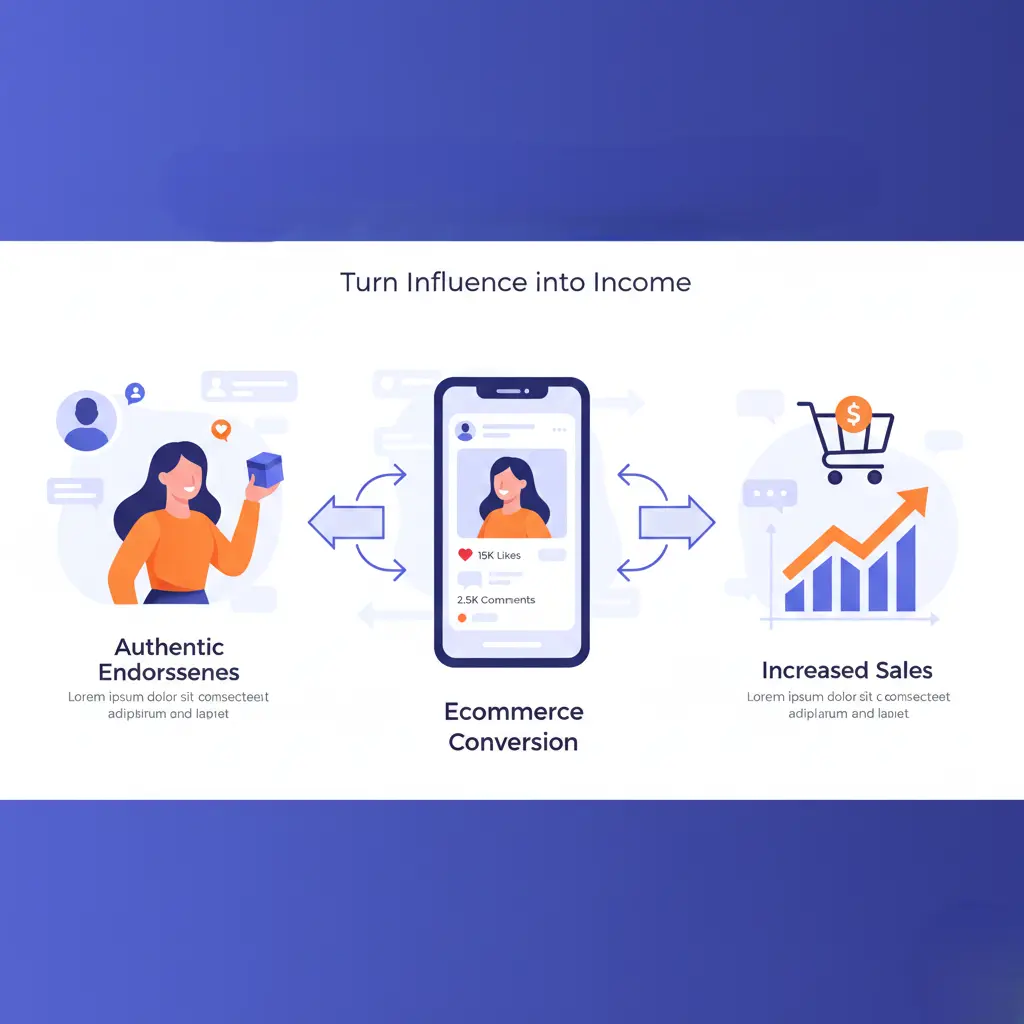
    Influencer marketing has become one of the most effective strategies for online retailers looking to increase visibility, build trust, and boost sales. By leveraging the reach and credibility of influencers, brands can connect with highly engaged audiences in a way that feels authentic and personal. If you want to grow your online store, influencer marketing can be a game-changer when implemented strategically.

    What Is Influencer Marketing?

    Influencer marketing involves partnering with individuals who have a significant following on social media or other online platforms to promote products or services. These influencers have the power to shape opinions, influence purchase decisions, and increase brand awareness.

    In the context of ecommerce, using influencer marketing can help you grow your online store by reaching audiences who are already interested in your niche or product category.

    Benefits of Influencer Marketing for Your Online Store

    1. Builds Trust and Credibility – People trust recommendations from influencers they follow more than traditional ads. A genuine endorsement can enhance your brand’s credibility and help you grow your online store.
    2. Expands Reach – Influencers provide access to audiences that your brand may not be able to reach on its own, increasing exposure and potential customer base.
    3. Drives Conversions – Influencer campaigns often result in higher engagement and conversions, especially when the content includes product demonstrations, reviews, or tutorials. This directly helps you grow your online store.
    4. Improves SEO and Social Presence – Collaborations can generate backlinks, user-generated content, and social signals that strengthen your online presence and help you grow your online store.

    How to Use Influencer Marketing to Grow Your Online Store

    1. Identify the Right Influencers

    Choosing influencers who align with your brand values, target audience, and niche is crucial. Micro-influencers with smaller, highly engaged audiences can often deliver better ROI than large influencers with passive followers. Partnering with the right influencer can accelerate your efforts to grow your online store.

    2. Set Clear Goals

    Decide what you want to achieve with influencer marketing. Goals can include increasing brand awareness, driving traffic to your online store, boosting sales, or collecting user-generated content. Clear goals help measure campaign success.

    3. Create Authentic Campaigns

    Authenticity is key in influencer marketing. Allow influencers creative freedom to present your product naturally. Sponsored content should feel genuine rather than forced to resonate with audiences and encourage purchases, which is essential to grow your online store.

    4. Offer Incentives and Track Performance

    Provide influencers with discount codes, affiliate links, or exclusive offers for their followers. Tracking clicks, sales, and engagement helps determine ROI and refine future campaigns.

    5. Build Long-Term Relationships

    Rather than one-off promotions, consider building long-term partnerships with influencers. Continuous collaboration strengthens trust with audiences and turns influencers into brand ambassadors who consistently support your online store.

    Conclusion

    Influencer marketing is a powerful strategy to grow your online store. By selecting the right influencers, creating authentic campaigns, and measuring performance, you can increase brand awareness, drive traffic, and boost sales. With thoughtful planning and consistent execution, influencer marketing can become a cornerstone of your online store’s growth strategy.

  • Influencer Marketing for Ecommerce Brands

    Influencer Marketing for Ecommerce Brands

    Influencer marketing for e-commerce brands has become one of the most effective strategies to drive traffic, build trust, and increase online sales. With consumers relying more on recommendations from people they trust, influencers help ecommerce businesses connect with their target audience in an authentic and measurable way.

    What Is Influencer Marketing in Ecommerce

    Influencer marketing involves partnering with content creators who have an engaged following on platforms such as Instagram, TikTok, YouTube, and blogs. These influencers promote products through reviews, tutorials, unboxings, and social media posts.

    Why Influencer Marketing Works for Ecommerce Brands

    Shoppers trust real people more than traditional ads. Influencers provide social proof, showcase real product usage, and help brands reach niche audiences. This leads to higher engagement, better conversion rates, and stronger brand awareness for ecommerce businesses.

    Types of Influencers Ecommerce Brands Can Use

    Choosing the right influencer is key to a successful ecommerce influencer marketing strategy.

    Micro-Influencers for Higher Engagement

    Micro-influencers typically have smaller but highly engaged audiences. They are cost-effective and often generate better trust and interaction, making them ideal for small and mid-sized ecommerce brands.

    Macro and Celebrity Influencers for Brand Reach

    Macro-influencers and celebrities offer massive exposure. While they require a higher budget, they are effective for product launches and campaigns focused on brand visibility and awareness.

    How to Build an Effective Influencer Marketing Strategy

    A structured approach ensures long-term success.

    Identify the Right Influencers

    Focus on influencers whose audience aligns with your target market. Look at engagement rates, content quality, and audience demographics. Relevance is more important than follower count for ecommerce influencer success.

    Set Clear Campaign Goals

    Define your objectives, such as increasing website traffic, boosting sales, or growing social media followers. Clear goals help measure ROI from influencer marketing and guide campaign execution.

    Best Practices for Influencer Content

    Authentic content performs better than scripted promotions.

    Encourage Creative Freedom

    Allow influencers to present your products in their own voice. Authentic storytelling builds trust and improves ecommerce conversion rates.

    Use Multiple Content Formats

    Product reviews, tutorials, unboxing videos, and live streams provide diverse content that engages different segments of your audience. This improves content visibility across platforms.

    Track Performance and Optimize Campaigns

    Measuring results is essential for scaling influencer efforts.

    Monitor Key Metrics

    Track metrics such as click-through rates, conversions, sales, and engagement. Use unique links or discount codes to accurately measure influencer marketing performance.

    Build Long-Term Influencer Relationships

    Ongoing partnerships create consistency and trust. Long-term collaborations help strengthen brand loyalty and provide sustainable growth for ecommerce brands.

    SEO and Influencer Marketing Benefits

    Influencer marketing also supports ecommerce SEO strategies. Influencer blogs, social mentions, and backlinks increase brand visibility and drive referral traffic. This improves domain authority and organic search performance.

    Increase Trust and Social Proof

    Consistent influencer mentions build credibility and reinforce your brand’s reputation. This leads to higher customer confidence and improved purchasing decisions.

    Final Thoughts on Influencer Marketing for Ecommerce Brands

    Influencer marketing for ecommerce brands is a powerful growth channel when done correctly. By partnering with the right influencers, creating authentic content, and tracking performance, ecommerce businesses can drive sustainable sales growth. With strong execution, influencer marketing enhances brand trust, customer engagement, and long-term revenue in a competitive digital marketplace.

  • Mobile Commerce Optimization Tips

    Mobile Commerce Optimization Tips

    Mobile commerce has transformed the way people shop online. With most users browsing, comparing, and purchasing products directly from their smartphones, optimizing your ecommerce store for mobile is no longer optional. A seamless mobile experience can significantly improve engagement, conversions, and customer loyalty. Below are essential mobile commerce optimization tips to help your business succeed in a mobile-first world.

    Design with a Mobile-First Approach

    Mobile optimization starts with design. Your website should be built for small screens before being adapted for desktops.

    Use Responsive Web Design

    A responsive design ensures your website automatically adjusts to different screen sizes and devices. This improves usability and helps maintain consistent branding across platforms.

    Simplify Layout and Navigation

    Mobile users prefer clean, uncluttered layouts. Use clear menus, visible icons, and minimal text to help users find products quickly without excessive scrolling or zooming.

    Improve Mobile Page Speed

    Page speed plays a critical role in mobile commerce success. Slow-loading pages lead to higher bounce rates and lost sales.

    Optimize Images and Media

    Compress images and videos without sacrificing quality. Large files can drastically slow down mobile load times.

    Reduce Unnecessary Scripts

    Limit heavy plugins, animations, and third-party scripts. A lightweight website loads faster and provides a smoother mobile experience.

    Enhance Mobile Checkout Experience

    A complicated checkout process is one of the biggest reasons for cart abandonment on mobile devices.

    Enable Guest Checkout

    Forcing users to create an account increases friction. Guest checkout allows faster purchases and improves conversion rates.

    Use Mobile-Friendly Forms

    Minimize the number of form fields and enable autofill options. Larger input fields and clear labels make typing easier on mobile screens.

    Offer Multiple Payment Options

    Support popular mobile payment methods such as digital wallets and one-tap payments to make checkout faster and more convenient.

    Optimize Product Pages for Mobile Users

    Your product pages should be designed to quickly communicate value and encourage action.

    Clear Product Images and Videos

    Use high-quality images that load quickly and allow zooming. Short product videos can also help users better understand the product.

    Concise Product Descriptions

    Mobile users scan rather than read. Use bullet points, short paragraphs, and clear headings to highlight key features and benefits.

    Strong Call-to-Action Buttons

    Make “Add to Cart” and “Buy Now” buttons large, visible, and easy to tap. Place them where users can easily reach with one hand.

    Leverage Mobile SEO and Search Features

    Search plays a major role in mobile shopping behavior.

    Optimize for Local and Mobile Search

    Use mobile-friendly keywords, local SEO strategies, and structured data to improve visibility in mobile search results.

    Implement Voice Search Optimization

    As voice search usage grows, optimizing for conversational and question-based queries can give your mobile commerce site a competitive edge.

    Use Personalization and Mobile Marketing Tools

    Personalization enhances user experience and drives repeat purchases.

    Personalized Recommendations

    Show relevant products based on browsing history, location, or past purchases to increase engagement and average order value.

    Mobile Push Notifications

    Use push notifications to share offers, cart reminders, and updates, but keep them relevant and non-intrusive to avoid user fatigue.

    Test, Analyze, and Continuously Improve

    Mobile optimization is an ongoing process.

    Track Mobile Performance Metrics

    Monitor metrics such as mobile conversion rate, bounce rate, page load time, and cart abandonment to identify problem areas.

    Conduct A/B Testing

    Test different layouts, buttons, checkout flows, and content variations to see what performs best for mobile users.

    Conclusion

    Implementing the right mobile commerce optimization tips can dramatically improve your ecommerce performance. By focusing on mobile-first design, faster load times, simplified checkout, and personalized experiences, businesses can meet the expectations of today’s mobile shoppers. As mobile commerce continues to grow, brands that prioritize user-friendly mobile experiences will gain a clear competitive advantage and drive long-term success.

  • The Role of Technology in Modern Warehousing

    The Role of Technology in Modern Warehousing

    Introduction to Technology in Modern Warehousing

    In today’s fast-paced global economy, modern warehousing has transformed into a highly advanced and technology-driven industry. Gone are the days when warehouses were simply storage spaces. The integration of technology has redefined the way businesses manage their inventories, streamline operations, and fulfill customer orders. From inventory management to automation, technology is playing a crucial role in optimizing warehousing processes, improving efficiency, and reducing operational costs.

    This blog explores the significant role of technology in modern warehousing, focusing on how innovations like automation, robotics, and artificial intelligence (AI) are revolutionizing the industry.

    Automation in Warehousing: Streamlining Operations

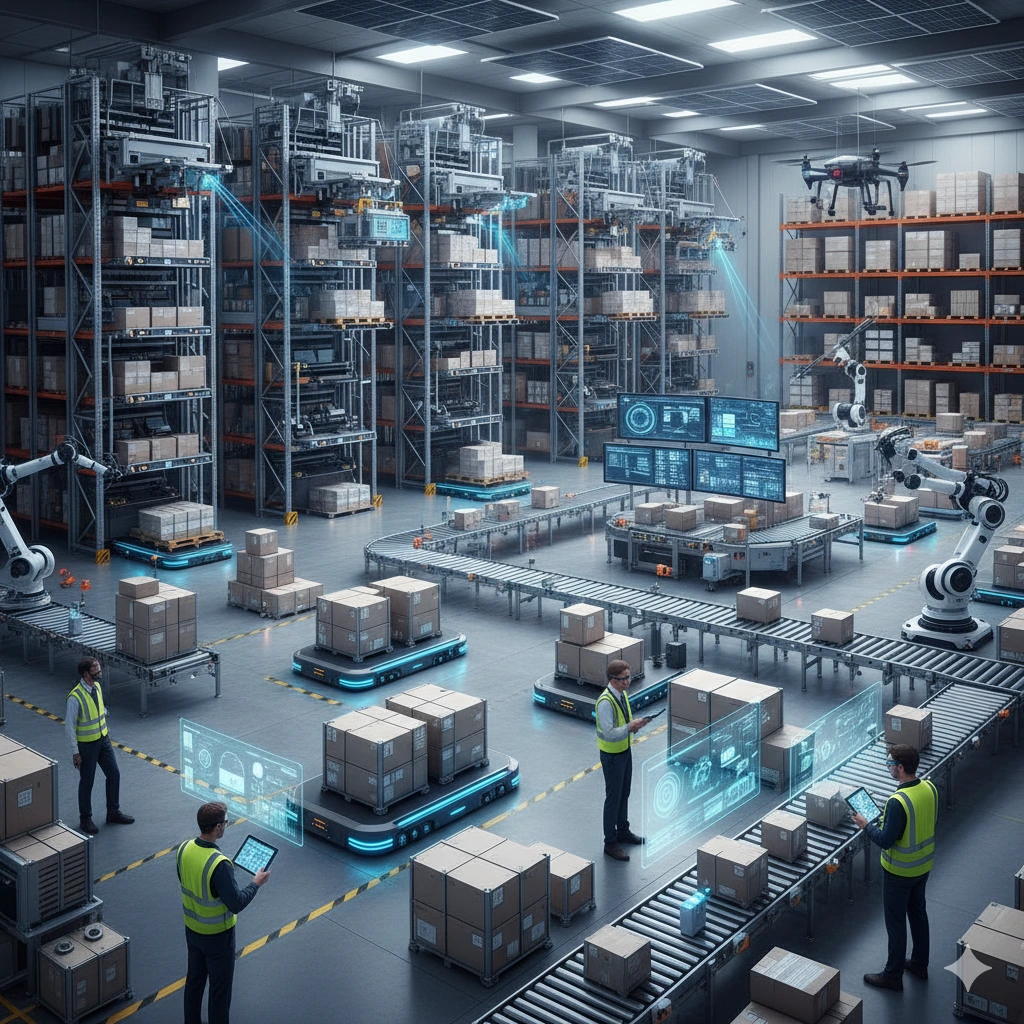
    One of the most significant advancements in modern warehousing is the automation of routine tasks. Automation involves the use of machines, robots, and software to handle repetitive tasks, thereby reducing human error, increasing speed, and improving accuracy. Automated guided vehicles (AGVs), conveyor systems, and robotic arms have made it possible to handle large volumes of goods with minimal human intervention.

    Benefits of Warehouse Automation

    • Increased Efficiency: Automation reduces the time required to move goods within the warehouse. Tasks like picking, packing, and sorting are completed faster and with greater precision.
    • Cost Reduction: By automating manual tasks, businesses can reduce labor costs and improve resource allocation. Automation also minimizes operational errors, leading to fewer costly mistakes.
    • Improved Accuracy: Automated systems are programmed to follow precise instructions, reducing the risk of picking errors and stock mismanagement.
    • Scalability: As businesses grow, automated systems can easily scale to meet increased demand without significant investments in additional labor.

    Robotics: Revolutionizing the Warehouse Environment

    Robotics technology is another key element driving innovation in modern warehousing. Robots are capable of performing a wide range of tasks, from sorting products to retrieving items from shelves. These machines can work alongside human workers, improving productivity and reducing strain on employees.

    Types of Warehouse Robotics

    1. Pick-and-Place Robots: These robots are designed to pick up products from one location and place them in another. They are especially useful in order fulfillment operations.
    2. Automated Storage and Retrieval Systems (ASRS): ASRS robots help store and retrieve items from high-bay racking systems, making them ideal for dense storage environments.
    3. Collaborative Robots (Cobots): These robots work directly with human operators to assist with tasks like picking and packing, allowing for more flexibility in workflows.

    Benefits of Robotics in Warehousing

    • Enhanced Speed: Robots can work continuously, reducing the time taken for various tasks, particularly order picking, which is one of the most time-consuming operations in a warehouse.
    • Greater Precision: Robots ensure a higher level of accuracy in order picking and inventory management, which ultimately reduces the risk of errors.
    • Safer Work Environment: By automating hazardous tasks such as lifting heavy objects, robots can help reduce the risk of injury to human workers.

    Artificial Intelligence and Machine Learning in Warehousing

    Artificial Intelligence (AI) and Machine Learning (ML) are reshaping how warehouses predict demand, manage inventory, and optimize operations. AI and ML algorithms are used to analyze data patterns, forecast trends, and make intelligent decisions based on real-time data.

    AI and ML Applications in Warehousing

    1. Demand Forecasting: AI-driven analytics tools help warehouses predict which products will be in high demand, allowing for smarter inventory management and better stock allocation.
    2. Inventory Optimization: AI can automatically adjust stock levels based on real-time sales data, reducing the chances of overstocking or understocking.
    3. Predictive Maintenance: AI can predict when warehouse equipment, such as conveyors or robotic arms, is likely to fail, allowing for proactive maintenance before a breakdown occurs.

    Benefits of AI and ML in Warehousing

    • Improved Decision-Making: AI and ML algorithms analyze large amounts of data to make more accurate predictions and data-driven decisions.
    • Inventory Control: By forecasting demand patterns and optimizing stock levels, AI helps businesses avoid stockouts and reduce excess inventory.
    • Reduced Downtime: AI’s predictive maintenance capabilities minimize the likelihood of equipment failure, ensuring the warehouse operates smoothly.

    Internet of Things (IoT): Enhancing Warehouse Connectivity

    The Internet of Things (IoT) is another transformative technology in modern warehousing. IoT involves embedding sensors and devices within warehouse equipment and products, enabling real-time tracking and monitoring. This network of connected devices provides valuable insights into the movement of goods, storage conditions, and overall warehouse performance.

    IoT Applications in Warehousing

    1. Real-Time Tracking: IoT sensors can track the movement of goods within the warehouse, ensuring that inventory levels are up-to-date and that products are in the right place at the right time.
    2. Environmental Monitoring: Sensors can monitor temperature, humidity, and other environmental factors in warehouses that store sensitive products, ensuring they remain in optimal conditions.
    3. Asset Management: IoT devices help track warehouse assets, such as pallets, trolleys, and forklifts, ensuring that these resources are efficiently used and not misplaced.

    Benefits of IoT in Warehousing

    • Enhanced Visibility: IoT enables real-time tracking of goods and equipment, which improves inventory management and reduces the likelihood of misplaced or lost items.
    • Better Resource Management: IoT devices help optimize the use of warehouse equipment, leading to more efficient workflows and reduced operational costs.
    • Improved Safety: IoT sensors can monitor warehouse conditions and alert managers to potential hazards, such as temperature changes or equipment malfunctions.

    Warehouse Management Systems (WMS): The Backbone of Efficient Operations

    A Warehouse Management System (WMS) is an essential software tool for modern warehouses. WMS allows businesses to manage inventory, track shipments, and optimize the flow of goods within the warehouse. Integrated with other technologies like IoT, AI, and robotics, a WMS provides real-time visibility into all aspects of warehouse operations.

    Features of a Modern WMS

    1. Inventory Management: A WMS tracks inventory levels, product locations, and order fulfillment in real-time, ensuring that the warehouse is always up to date.
    2. Order Fulfillment: A WMS automates the order picking process, ensuring that products are quickly retrieved and packed for shipment.
    3. Data Analytics: Many WMS solutions come with built-in analytics tools that provide insights into warehouse performance, helping managers make data-driven decisions.

    Benefits of a WMS

    • Improved Accuracy: A WMS reduces manual errors in inventory tracking and order fulfillment, increasing accuracy and customer satisfaction.
    • Optimized Operations: A WMS streamlines workflows, reducing bottlenecks and ensuring that goods are efficiently moved through the warehouse.
    • Real-Time Insights: A WMS provides managers with up-to-the-minute data, enabling them to make quick adjustments to improve performance.

    Conclusion: The Future of Technology in Warehousing

    Technology is undeniably transforming modern warehousing, enabling businesses to become more agile, efficient, and responsive to customer demands. As automation, robotics, AI, IoT, and WMS continue to evolve, warehouses will become even more interconnected, intelligent, and streamlined. The future of warehousing is undoubtedly high-tech, and businesses that embrace these technologies will be better positioned to thrive in an increasingly competitive landscape.

    By leveraging the power of technology, companies can not only optimize their warehousing operations but also deliver superior customer experiences, ultimately gaining a competitive edge in the marketplace.