Tag: international shipping

  • A Guide to Reverse Logistics and Returns for E-commerce

    A Guide to Reverse Logistics and Returns for E-commerce

    In the fast-growing world of online shopping, customer expectations are higher than ever. From fast delivery to easy returns, everything plays a crucial role in shaping overall satisfaction. One area that many businesses overlook is reverse logistics, a key component of the e-commerce ecosystem. As return rates continue to rise, especially in fashion, electronics, and consumer goods, having a strong e-commerce returns strategy has become essential for maintaining trust, efficiency, and profitability.

    What Is Reverse Logistics?

    Reverse logistics refers to the process of moving products from customers back to the retailer or manufacturer. Unlike traditional shipping, which focuses on getting products to buyers, reverse logistics manages returned items, exchanges, recycling, refurbishment, and restocking. This process ensures that returned products are handled efficiently, minimizing costs and maximizing customer satisfaction.

    Common parts of the reverse logistics process include:

    • Product returns
    • Replacement or exchanges
    • Repairs and refurbishment
    • Recycling or disposal
    • Restocking and redistribution

    Efficient reverse logistics can help e-commerce businesses reduce waste, cut costs, and improve brand loyalty.

    Why Returns Matter in E-commerce

    Returns are a natural part of online shopping. Since customers cannot physically inspect products, return rates tend to be higher compared to in-store purchases. This makes an effective e-commerce returns policy essential.

    A clear and customer-friendly returns process helps:

    • Build trust and confidence
    • Increase conversion rates
    • Encourage repeat purchases
    • Reduce customer service issues

    On the other hand, a complicated or costly returns process can damage a brand’s reputation and drive customers toward competitors.

    The Reverse Logistics Workflow

    To manage returns smoothly, businesses must understand each step of the reverse logistics workflow.

    Customer return initiation

    The process begins when a customer requests a return, usually through an online portal or customer support. A clear, simple interface improves customer satisfaction and reduces return-related inquiries.

    Product shipping back to the warehouse

    Once approved, customers send the item back. Pre-paid labels, drop-off locations, and easy packaging significantly improve the overall return experience.

    Inspection and processing

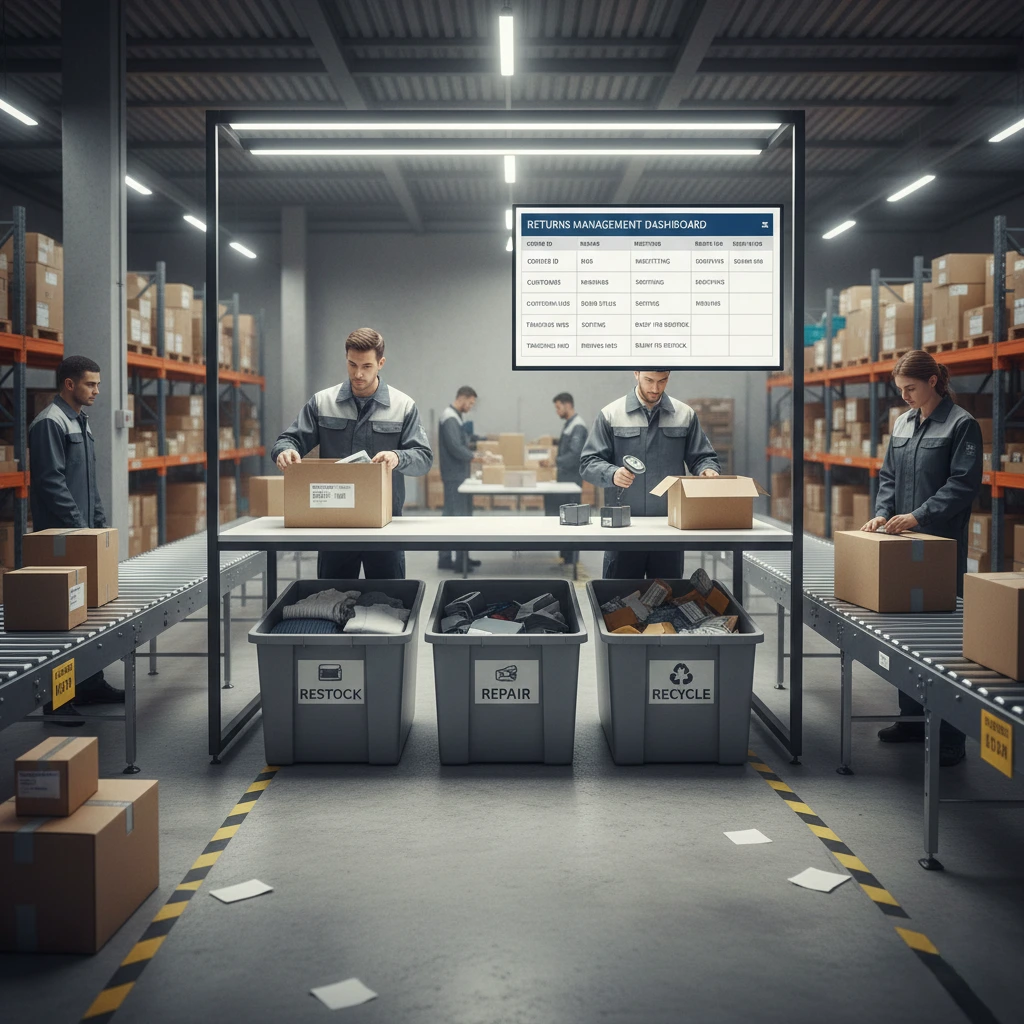
    After receiving the product, the warehouse team examines its condition. This determines whether it should be restocked, repaired, recycled, or disposed of.

    Refund or exchange

    Once the return is processed, the customer receives a refund or replacement. Fast refunds are crucial for a great e-commerce returns experience.

    Benefits of a Strong Reverse Logistics System

    A well-structured reverse logistics system can create both operational and financial advantages.

    Cost savings

    Proper returns management helps reduce shipping costs, labor expenses, and product loss.

    Enhanced customer satisfaction

    Customers value brands that offer hassle-free returns. A smooth experience increases loyalty and repeat purchases.

    Improved inventory management

    Returned items that are quickly inspected and restocked help maintain healthy inventory levels.

    Sustainability

    Recycling, refurbishing, or repurposing items supports environmentally friendly practices and reduces waste.

    Common Challenges in E-commerce Returns

    Even with a great system in place, businesses can face challenges. Understanding these helps create better solutions.

    High return volumes

    Industries like fashion and electronics often see high return rates, which require strong returns management processes.

    Fraudulent returns

    Some customers misuse return policies, costing businesses money.

    Slow processing

    Delays in refunds or product inspections lead to poor customer satisfaction.

    Shipping costs

    Reverse shipping can be expensive without optimized logistics.

    Addressing these challenges helps streamline the entire reverse logistics operation.

    Best Practices for Managing Reverse Logistics

    To create a seamless and efficient e-commerce returns strategy, businesses should follow proven best practices.

    Create a clear and transparent returns policy

    Your policy should outline timelines, conditions, costs, and instructions. A transparent returns policy reduces confusion and builds trust.

    Offer multiple return options

    Give customers choices such as drop-off points, pickup services, or in-store returns (if applicable).

    Use automation tools

    Automated returns portals make the process faster for customers and reduce manual workload for teams.

    Track and analyze return data

    Understanding why customers return products helps improve product quality, descriptions, and sizing accuracy. This makes data-driven returns management essential.

    Partner with reliable logistics providers

    Working with efficient carriers ensures faster reverse shipping and better customer satisfaction.

    The Role of Technology in Reverse Logistics

    Technology is transforming how businesses handle reverse logistics. From AI-powered forecasting to automated return labels, digital tools improve speed, accuracy, and customer experience.

    Key technologies include:

    • Real-time tracking
    • Warehouse automation
    • Smart return portals
    • Data analytics
    • Chatbots for customer support

    Technology creates a more efficient, scalable e-commerce returns process that can grow with the business.

    Creating a Customer-Centric Returns Experience

    Today’s customers expect convenience. To stay competitive, brands must make their returns experience as effortless as possible.

    Ways to improve customer experience:

    • Provide pre-paid return labels
    • Keep the process simple and intuitive
    • Offer fast refunds or store credit
    • Communicate status updates
    • Provide 24/7 support

    A positive experience can turn a potential loss into a repeat customer.

    The Future of Reverse Logistics in E-commerce

    As online shopping continues to expand, reverse logistics will become increasingly important. Trends shaping the future include:

    • Sustainability and eco-friendly packaging
    • Increased automation
    • AI-driven demand and return predictions
    • More flexible return policies
    • Fast, low-cost return shipping solutions

    Businesses that invest in a strong e-commerce returns strategy today will gain a major competitive advantage tomorrow.

    Final Thoughts

    Reverse logistics is no longer a back-end process—it’s a critical part of the customer journey. By creating a smooth, efficient, and customer-focused returns system, e-commerce brands can reduce costs, improve satisfaction, and build long-term loyalty. The key is understanding how returns flow, using technology to optimize operations, and offering a transparent, stress-free experience.

  • Things to Consider When Choosing a Fulfilment Company

    Things to Consider When Choosing a Fulfilment Company

    Selecting the right fulfilment company is one of the most important decisions for any e-commerce business. A reliable partner can streamline your operations, cut costs, and enhance customer satisfaction—while the wrong one can lead to delays, errors, and lost revenue. To help you make an informed choice, this guide covers the essential things to consider when choosing a fulfilment company, highlighting key factors that ensure smooth, scalable, and efficient order management.

    Understand Your Business Needs

    Before you begin searching, take time to understand your specific operational requirements. Every business has unique demands related to storage, order volume, product type, and shipping methods. Clarifying these needs helps you find a provider that aligns with your goals.

    Location and Warehouse Network

    Strategic Location

    A fulfilment partner’s warehouse location plays a huge role in delivery speed and cost-efficiency. Choosing a provider with strategically located fulfilment centres helps reduce shipping time and minimise costs. Look for companies that offer national or global coverage if you serve customers across multiple regions.

    Multi-Warehouse Advantage

    A fulfilment company with multiple warehouses offers added benefits such as faster delivery options, distributed inventory, and reduced risk during peak seasons. Keywords like “nationwide fulfilment network” and “multi-location warehousing” can guide your search.

    Technology and Software Integration

    Seamless Integrations

    Modern e-commerce relies on automation. Ensure the fulfilment provider offers easy integration with your e-commerce platforms such as Shopify, WooCommerce, Amazon, or eBay. The system should automatically sync orders, track inventory, and update shipping details.

    Real-Time Inventory Tracking

    A reliable provider should offer real-time inventory management, enabling you to monitor stock levels and avoid overselling. Access to a detailed dashboard improves forecasting and helps you make stronger business decisions.

    Order Accuracy Through Automation

    Automated systems help reduce picking and packing errors. Ask potential partners about tools like barcode scanning, batch processing, and automated sorting systems.

    Cost Structure and Transparency

    Understanding pricing is crucial, as fulfilment costs directly impact profitability. Review the provider’s pricing model carefully.

    Typical Costs Include

    • Storage fees
    • Picking and packing fees
    • Receiving charges
    • Shipping rates
    • Special handling fees

    Look for transparent pricing with no hidden charges. The ideal partner offers customised plans with cost-effective fulfilment solutions that scale with your business.

    Shipping Speed and Carrier Options

    Fast Shipping Capabilities

    Consumers expect quick and reliable shipping. The right fulfilment company should have strong relationships with reputable carriers and offer multiple delivery options such as standard, express, and international shipping.

    Discounted Shipping Rates

    Many fulfilment companies negotiate lower shipping rates with carriers due to high volumes. This can significantly reduce your operational costs, making it easier to offer competitive shipping prices to customers.

    Scalability and Growth Potential

    Handling Peak Seasons

    Choose a partner capable of managing sudden increases in order volume, especially during holidays, product launches, or promotional events. A scalable fulfilment provider ensures your business can grow without interruptions.

    Long-Term Partnership

    Your fulfilment needs may change as your business expands. A company with robust infrastructure, flexible services, and advanced technology can support you throughout your growth journey.

    Packaging Quality and Customisation

    Professional Packaging

    The packaging your customers receive is part of your brand identity. A dependable fulfilment company should use secure, high-quality packaging to protect your products during transit.

    Custom Packaging Options

    If your brand relies heavily on presentation, look for providers offering custom packaging, branded inserts, eco-friendly materials, or gift-wrapping options. These add a premium feel to the customer experience.

    Returns Management (Reverse Logistics)

    Hassle-Free Returns

    Returns are a natural part of e-commerce. Choose a fulfilment company that offers efficient returns processing, including inspection, restocking, and customer notifications. Smooth reverse logistics improves customer satisfaction and minimises financial losses.

    Transparent Return Policies

    Ask the provider how they handle return costs and processing time. A clear, structured method ensures a seamless experience for both you and your buyers.

    Customer Service and Support

    Dedicated Account Management

    A reliable fulfilment partner should provide prompt customer support through email, phone, or chat. A dedicated account manager helps you resolve issues quickly and ensures strong communication.

    Problem-Solving Response Time

    Whether it’s lost parcels, slow delivery, or tracking issues, the speed at which the fulfilment company responds matters. Look for providers known for responsive customer service and proactive problem-solving.

    Experience and Reputation

    Industry Expertise

    A company with years of experience in your product category understands the specific challenges involved. Look for fulfilment providers that specialise in your niche—whether it’s fashion, electronics, beauty, or subscription boxes.

    Reviews and Testimonials

    Check online reviews, case studies, and client testimonials. Feedback from other businesses gives insight into reliability, accuracy, and overall performance.

    Security and Compliance

    Warehouse Security

    Your fulfilment partner should prioritise security through surveillance systems, controlled access, safe storage methods, and damage prevention measures.

    Compliance with Regulations

    Depending on your product type, certain compliance measures may be necessary—such as handling fragile goods, medical supplies, or restricted items. Ensure the company follows legal and industry-specific regulations.

    Value-Added Services

    Many fulfilment companies now offer additional services that elevate the customer experience:

    • Kitting and assembly
    • Subscription box fulfilment
    • Cross-docking
    • Product labeling
    • Quality inspection

    These value-added fulfilment services can significantly enhance your operations and brand image.

    Final Thoughts

    Choosing the right fulfilment company is more than outsourcing logistics—it’s selecting a long-term partner that supports your growth, enhances customer experience, and improves operational efficiency. By considering factors such as location, technology, pricing, scalability, customer service, and packaging quality, you’ll be better equipped to find a provider who matches your business goals.

  • DDP vs DAP: Which Shipping Term Saves You More Money?

    DDP vs DAP: Which Shipping Term Saves You More Money?

    If you import or export goods, you’ve likely come across the terms DDP and DAP shipping. These are Incoterms® used to define who handles costs, responsibilities, and risks during international shipping. Understanding DDP vs DAP shipping is essential for avoiding unexpected fees, delivery delays, and frustrated customers. In this guide, we break down each term clearly so you can choose the right option for your shipments.

    What Does DDP Mean?

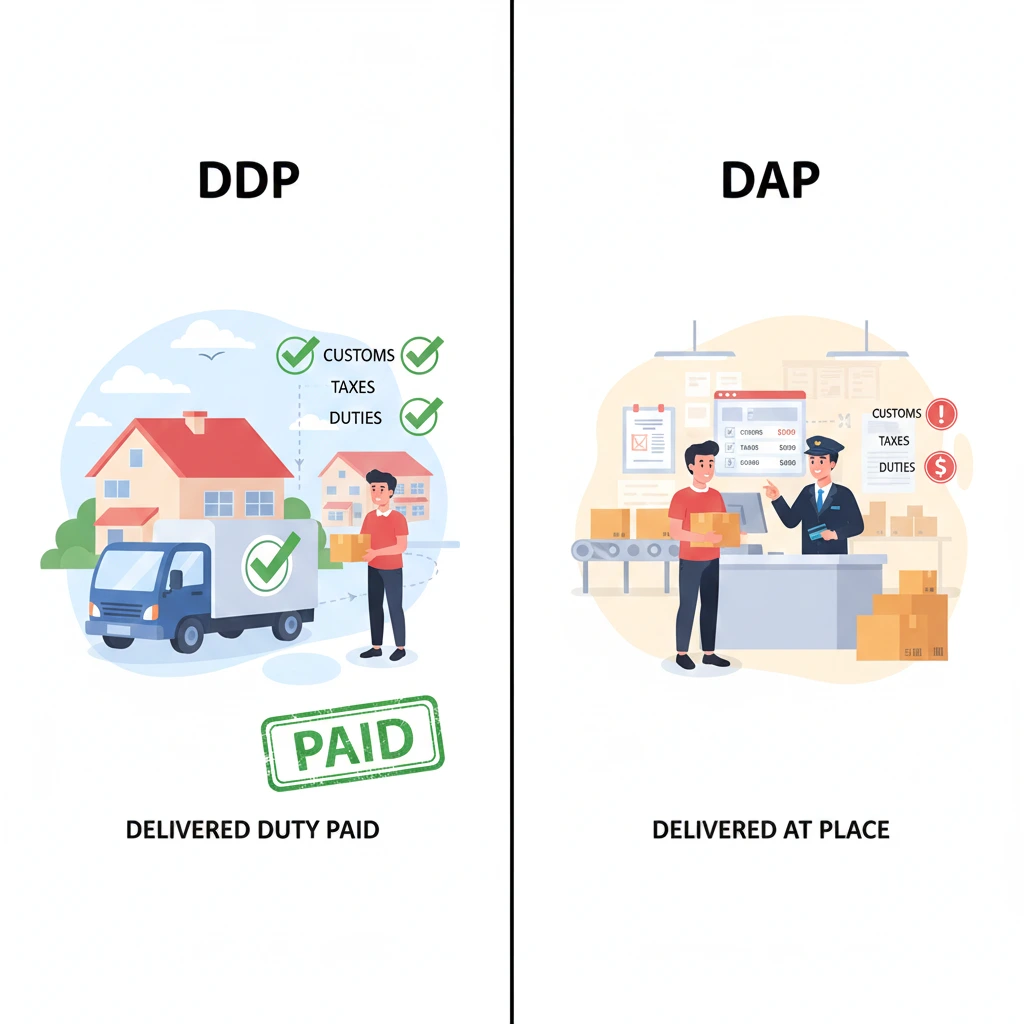
    DDP (Delivered Duty Paid) is a shipping term that places maximum responsibility on the seller. Under DDP shipping, the seller is responsible for:

    • Export customs
    • Shipping and freight
    • Import duties and taxes
    • Customs clearance
    • Final delivery to the buyer

    In simple terms, DDP shipping means the seller handles every part of the shipping process until the product reaches the buyer’s door.

    When to Use DDP

    DDP is ideal when the seller has strong logistics experience or wants to offer a seamless buying experience. It is commonly used in eCommerce, global wholesale, and dropshipping.

    Pros of DDP Shipping

    • Buyer has zero import responsibilities
    • Predictable total landing cost
    • Reduced delays at customs

    Cons of DDP Shipping

    • Seller must know import rules for the buyer’s country
    • Higher upfront costs for the seller
    • Incorrect declarations can create legal issues

    What Does DAP Mean?

    DAP (Delivered At Place) means the seller ships the goods to an agreed location, but the buyer is responsible for import duties, taxes, and customs clearance.

    Under DAP shipping, the seller covers:

    • Export customs
    • Shipping and freight
    • Transport to the delivery location

    The buyer covers:

    • Import duties
    • VAT or GST
    • Customs clearance fees

    When to Use DAP

    DAP is ideal when the buyer is familiar with their local customs regulations and prefers to control the import process.

    Pros of DAP Shipping

    • Lower cost for the seller
    • Buyer can choose their customs broker
    • Reduced risk for exporters

    Cons of DAP Shipping

    • Buyers may face surprise import taxes
    • Customs delays are more common
    • Buyers may not fully understand import requirements

    DDP vs DAP Shipping – The Key Differences

    Understanding the difference between DDP vs DAP shipping comes down to responsibility and cost.

    1. Who Pays Import Duties?

    • DDP: The seller pays import duties
    • DAP: The buyer pays import duties

    This is the biggest difference and the one that most directly affects the customer experience.

    2. Who Handles Customs Clearance?

    • DDP: The seller handles import customs clearance
    • DAP: The buyer must clear customs

    3. Who Bears the Risk?

    Risk shifts at different points depending on the Incoterm.

    • DDP: Seller holds risk until final delivery
    • DAP: Seller holds risk until the goods reach the agreed location (before customs clearance)

    4. Who Has the Most Control?

    • DDP: Seller controls the entire shipping process
    • DAP: Buyer controls the import process

    5. Cost Differences

    DDP is usually more expensive because the seller pays duties and taxes.
    DAP is usually cheaper for the seller but may be more expensive for the buyer at delivery.

    Table: DDP vs DAP at a Glance

    FactorDDPDAP
    Who pays import duties?SellerBuyer
    Who clears customs?SellerBuyer
    Final deliveryTo buyer’s doorTo agreed place (before customs)
    Risk for sellerHighMedium
    Cost for buyerHigher upfront but predictableLower upfront but taxes at delivery

    Which Is Better: DDP or DAP?

    Choosing between DDP vs DAP shipping depends on your role and priorities.

    Best for Sellers

    DDP shipping is better if you want to offer a frictionless buying experience—especially in global eCommerce. Customers prefer knowing the full cost upfront without surprise taxes.

    Best for Buyers

    DAP shipping is better if you prefer handling your own customs clearance or want to choose your own customs broker to reduce costs.

    Common Problems with DDP Shipping

    Although DDP offers convenience, it can also lead to challenges:

    1. Restricted Carrier Policies

    Some couriers have strict rules about third-party customs clearance, making DDP difficult.

    2. Miscalculated Duties

    If the seller miscalculates import taxes, they may face fines or delays.

    3. Country Restrictions

    Certain countries don’t allow DDP shipments due to local regulations.

    Common Problems with DAP Shipping

    DAP is more flexible for sellers, but buyers sometimes struggle with:

    1. Surprise Duty Fees

    Buyers may not know they must pay duties until the carrier requests payment.

    2. Customs Delays

    Incorrect paperwork or missing information can slow down delivery.

    3. Customer Frustration

    Online shoppers often dislike receiving a duty bill at their door.

    How to Choose Between DDP and DAP for Your Business

    Here’s a quick checklist to help you decide:

    Choose DDP if:

    • You want to offer a smooth customer experience
    • You understand international tax rules
    • You want fewer abandoned carts in eCommerce
    • You ship to countries with predictable customs fees

    Choose DAP if:

    • Your buyer prefers handling customs
    • You want to avoid high import taxes
    • Your shipments are high-risk or bulky
    • You’re unfamiliar with the buyer’s customs regulations

    Final Thoughts: DDP vs DAP Shipping – Which One Is Right for You?

    Both DDP and DAP shipping play important roles in international trade. The best choice depends on how much responsibility each party wants to take on. If you want to give your customers a stress-free, all-inclusive delivery, DDP shipping is the better option. But if your buyers prefer controlling customs or you want to avoid import complexities, DAP shipping is the smarter choice.

  • Shipping Insurance: Smart Protection or Wasted Money?

    Shipping Insurance: Smart Protection or Wasted Money?

    When you’re sending valuable or time-sensitive packages, one question often comes to mind: is shipping insurance worth it? Whether you run an eCommerce store or ship personal items, protecting your package from loss, theft, or damage can save you from unnecessary stress and financial loss. In this blog, we’ll break down what shipping insurance is, when you should consider it, and whether the cost truly matches the benefits.

    What Is Shipping Insurance?

    Shipping insurance is a service that protects your package in case it gets lost, damaged, or stolen during transit. Carriers like UPS, USPS, FedEx, and DHL offer insurance options, while third-party services often provide cheaper rates with broader coverage. For both businesses and individuals, insurance provides peace of mind—especially when sending high-value items.

    Why Do People Choose Shipping Insurance?

    Before asking is shipping insurance worth it, it’s important to understand why people use it at all. Some common reasons include:

    Protection Against Loss

    Packages sometimes go missing due to misrouting, human error, or carrier issues. With shipping insurance, the value of your item is protected.

    Coverage for Damage

    Fragile packages, electronics, and expensive goods are at higher risk. Insurance ensures you’re compensated if the item arrives broken.

    Compensation for Theft

    Package theft has increased dramatically in recent years, especially for doorstep deliveries. Insurance protects you if your parcel is stolen before reaching the recipient.

    When Is Shipping Insurance Worth It?

    Whether or not shipping insurance is worth it depends on several factors:

    1. The Value of Your Item

    If you are shipping something worth more than the carrier’s included coverage—often between $50–$100 depending on the service—insurance becomes a smart choice.

    2. Fragile or High-Risk Items

    Products like electronics, jewelry, glassware, or artwork are more likely to break. For these, shipping insurance is usually recommended.

    3. International Shipments

    International shipping increases the chances of loss, damage, customs delays, or mishandling. Insurance is extremely helpful when items travel long distances through multiple checkpoints.

    4. Business Shipments

    If you run a business, customer trust depends on reliable delivery. Losing an uninsured package could cost you money and reputation. Most eCommerce companies insure at least their high-value orders.

    How Much Does Shipping Insurance Cost?

    Costs vary depending on the carrier, the declared value, and the destination. On average:

    • USPS insurance: A few dollars for packages under $200
    • UPS and FedEx: Slightly higher but with detailed tracking
    • Third-party insurance: Often 30–50% cheaper than carriers

    If you ship frequently, these savings can add up. Many eCommerce sellers choose third-party providers for this reason.

    The Benefits of Shipping Insurance

    Financial Protection

    The biggest reason to get shipping insurance is to avoid paying out of pocket if something goes wrong. A small insurance fee can save you hundreds—or even thousands—of dollars.

    Peace of Mind

    Knowing your package is protected eliminates stress, especially for important items like documents, gifts, or valuable merchandise.

    Enhanced Customer Satisfaction

    For businesses, fast and fair replacements make customers feel more secure shopping with you. Offering insured shipping boosts professionalism and trust.

    The Drawbacks of Shipping Insurance

    Extra Cost

    Although it’s often affordable, the cost can add up for frequent shippers. Small businesses must decide if it’s worth the investment.

    Claim Processes Can Be Slow

    Some carriers have complicated or lengthy claim processes, requiring proof of value and packaging. Third-party insurers are usually faster.

    May Not Cover Everything

    Certain items—cash, perishable goods, or prohibited materials—may not qualify for coverage. Reading the fine print is essential.

    How to Decide If You Need Shipping Insurance

    Consider Your Item’s Value

    If replacing the item would hurt your budget, insurance is a smart choice.

    Think About the Shipping Distance

    Longer shipping routes increase risk. For international shipments, insurance is almost always worth it.

    Evaluate the Recipient’s Location

    Urban areas with high package-theft rates or remote locations with unpredictable delivery conditions add risk.

    Calculate Your Long-Term Costs

    Businesses should analyze annual losses versus insurance expenses. Most find that shipping insurance reduces overall costs.

    Tips for Using Shipping Insurance Effectively

    Keep Proof of Value

    Receipts, invoices, or purchase confirmations make claims easier.

    Package Items Securely

    Carriers may deny claims for poor packaging. Use bubble wrap, padding, and sturdy boxes.

    Use Tracking and Delivery Confirmation

    These services strengthen your claims and improve delivery accuracy.

    Compare Insurance Providers

    Different carriers and third-party companies offer varying rates and coverage. Choose the one that best fits your needs.

    Is Shipping Insurance Worth It for Businesses?

    For eCommerce stores, shipping insurance is typically worth it. Customers expect fast and reliable deliveries, and insurance helps businesses maintain that standard. Lost or damaged packages without insurance can lead to refunds, negative reviews, and profit loss.

    Some businesses use automated insurance platforms that insure every order over a specific value. This ensures consistency and protects the company from unexpected expenses.

    Is Shipping Insurance Worth It for Personal Packages?

    If you’re sending valuable gifts, important legal documents, or fragile items, then yes—personal shippers also benefit from insurance. However, if the item is inexpensive or easily replaceable, you may not need it.

    Final Verdict: Is Shipping Insurance Worth It?

    In most cases, shipping insurance is worth it, especially for high-value, fragile, or international shipments. While the extra cost may seem unnecessary for low-value items, insurance provides essential protection when the risk of loss or damage is high. Whether you’re a small business owner or an individual sending a priceless gift, shipping insurance can save you from financial and emotional stress.

    By evaluating item value, carrier reliability, and shipping risks, you can make an informed decision every time you ship.

  • Key Features of a Good E-Commerce Website

    Key Features of a Good E-Commerce Website

    A successful online store must do more than display products. It must provide a seamless, secure, and enjoyable shopping experience. Below are the most important key features of a good e-commerce website that help attract customers, boost conversions, and build long-term trust.

    1. User-Friendly Website Design

    A user-friendly design ensures visitors can browse your store easily. Clean layouts, readable fonts, clear navigation menus, and organized product categories help shoppers find what they need without confusion.

    Why it matters

    A simple and intuitive interface reduces bounce rates and improves overall customer satisfaction.

    2. Mobile-Responsive Layout

    More than half of global online shopping happens on mobile devices. A mobile-responsive e-commerce website automatically adjusts to different screen sizes, providing an optimal user experience across smartphones, tablets, and desktops.

    Why it matters

    A responsive layout improves SEO rankings and increases conversion rates on mobile users.

    3. Fast Loading Speed

    Fast websites perform better. A fast-loading e-commerce website keeps customers engaged, while slow pages lead to abandoned carts.

    Why it matters

    Google prioritizes fast websites, and users expect pages to load within 2–3 seconds.

    4. Secure Payment Gateway

    Security is one of the most important e-commerce website features. Customers trust websites that offer secure, encrypted, and reliable payment methods like SSL certificates, PCI compliance, and multiple payment options.

    Why it matters

    Security builds trust and reduces the risk of fraud and chargebacks.

    5. Easy Navigation

    Clear navigation menus, search bars, product filters, and breadcrumb links make browsing easier. Easy navigation helps customers locate products quickly and improves the overall shopping experience.

    Why it matters

    Better navigation increases the average time spent on the website and boosts sales.

    6. High-Quality Product Images and Descriptions

    A good e-commerce website relies on strong visuals. High-quality images, videos, and detailed product descriptions help shoppers make confident purchase decisions.

    Why it matters

    Accurate product information reduces returns and increases trust.

    7. Customer Reviews and Ratings

    Customer feedback is a powerful element of buying decisions. Adding reviews and ratings builds social proof and boosts credibility.

    Why it matters

    Shoppers trust other shoppers—and positive reviews improve conversion rates.

    8. Seamless Checkout Process

    A complicated checkout is a major cause of cart abandonment. A streamlined checkout should include guest checkout options, auto-fill forms, and minimal steps.

    Why it matters

    A simple checkout increases completed orders and reduces friction.

    9. Multiple Payment Options

    Offering various payment methods like credit cards, digital wallets, bank transfers, and buy now pay later (BNPL) ensures customers can pay their preferred way.

    Why it matters

    More payment options = more completed transactions.

    10. Strong Search Functionality

    A powerful search bar with auto-suggestions, filters, and sort options improves product discovery.

    Why it matters

    Customers can find specific items quickly, improving their shopping experience.

    11. Wishlist and Favourites

    A wishlist feature allows users to save items for later. It boosts engagement and encourages repeat visits.

    Why it matters

    Wishlists help convert future sales and support remarketing campaigns.

    12. Reliable Customer Support

    Customer support features such as live chat, FAQ pages, help centers, and chatbots improve customer confidence.

    Why it matters

    Quick support builds trust and improves brand reputation.

    13. Strong SEO Structure

    A search engine optimized e-commerce website includes optimized URLs, meta tags, schema markup, and fast loading.

    Why it matters

    Good SEO helps your store appear higher in search results, attracting more organic traffic.

    14. Order Tracking System

    Customers expect transparency. An order tracking feature lets buyers monitor their shipment from purchase to delivery.

    Why it matters

    Order tracking reduces customer queries and enhances trust.

    15. Integration With Social Media

    Social media integration enables easy sharing, login options, and product promotion through social platforms.

    Why it matters

    It increases brand visibility and brings more traffic to your store.