Tag: international shipping

  • What Is Fulfilment as a Service FaaS? A Complete Guide for Modern Ecommerce

    What Is Fulfilment as a Service FaaS? A Complete Guide for Modern Ecommerce

    In the fast-moving world of ecommerce, customers expect fast delivery, accurate order processing, and seamless shopping experiences. Businesses that fail to meet these expectations often lose customers to competitors who can. This is where Fulfilment as a Service (FaaS) comes in. As online shopping continues to expand, more brands are turning to FaaS solutions to streamline operations, reduce costs, and improve customer satisfaction. But what exactly is FaaS, and why is it becoming a game-changer for companies of all sizes? This blog explores everything you need to know.

    Understanding Fulfilment as a Service FaaS

    Fulfilment as a Service is a modern logistics model in which ecommerce businesses outsource their storage, packaging, and shipping operations to specialized fulfilment providers. These providers use advanced technology, automation, and strategically located warehouses to handle order fulfilment efficiently. With FaaS, brands gain access to professional logistics capabilities without needing to invest heavily in warehouses, staff, or shipping infrastructure.

    In simple terms, FaaS lets companies focus on marketing, product development, and growth while experts handle the behind-the-scenes logistics. This makes it especially valuable for startups and mid-sized businesses that want to scale operations quickly and cost-effectively.

    How Fulfilment as a Service Works

    To understand the value of FaaS, it helps to look at how the process typically works:

    1. Inventory Storage

    Businesses send their products to the fulfilment provider’s warehouse. These facilities often include high-tech systems, climate-controlled spaces, and optimized storage layouts. With smart inventory management, brands always know what’s in stock and where it’s stored.

    2. Order Processing

    When a customer places an order online, the FaaS system automatically receives the order details. Because everything is integrated through API-based platforms, the fulfilment center can pick, pack, and ship the item immediately.

    3. Packaging and Labelling

    The fulfilment provider uses standardized or custom packaging depending on the brand’s needs. Many providers offer eco-friendly packaging or custom-branded boxes, which improve customer experience.

    4. Shipping and Delivery

    The FaaS partner works with multiple carriers, ensuring fast and cost-effective delivery. Businesses benefit from bulk-shipping discounts, real-time tracking, and flexible delivery options.

    5. Returns Management

    Managing returns can be complicated, but FaaS providers streamline the process by inspecting returned items, updating inventory levels, and restocking products efficiently.

    Key Benefits of Fulfilment as a Service

    1. Cost Reduction

    One of the biggest advantages of FaaS is cost savings. Brands don’t need to invest in warehouses, staff, technology, or logistics equipment. Instead, they pay for fulfilment based on usage. By leveraging shared warehouse spaces and bulk-shipping rates, businesses can reduce overhead and lower shipping expenses.

    2. Fast and Accurate Delivery

    Consumers expect faster delivery than ever before. Thanks to automated fulfilment systems, AI-driven inventory tracking, and strategically placed warehouses, FaaS providers ensure orders reach customers quickly and accurately.

    3. Scalability

    Seasonal demand spikes can challenge internal operations. With Fulfilment as a Service, businesses can scale up or down as needed without worrying about temporary staff, additional storage, or shipping loads. This flexibility helps brands adapt to market trends effortlessly.

    4. Access to Advanced Technology

    Modern fulfilment providers invest in cutting-edge tools including warehouse automation, robotic picking systems, and real-time analytics. Small and medium businesses often lack the budget for this technology on their own, but through FaaS, they gain access to enterprise-level solutions.

    5. Improved Customer Experience

    A seamless fulfilment process leads to shorter delivery times, fewer errors, and better communication. With features like real-time order tracking, custom packaging, and reliable returns processing, customer satisfaction significantly increases.

    Why Businesses Are Adopting Fulfilment as a Service

    Many ecommerce companies struggle with managing fulfilment as order volumes grow. Errors increase, delays become more common, and warehouse operations become overwhelming. By adopting FaaS, businesses eliminate these bottlenecks.

    Additionally, global ecommerce expansion requires businesses to fulfil orders across regions and countries. Many FaaS providers offer international fulfilment networks, helping brands reach global markets faster while keeping shipping costs manageable.

    The rise of omnichannel retailing has also contributed to the popularity of FaaS. Businesses selling through multiple platforms—websites, marketplaces, and social media—need centralized fulfilment systems. FaaS unifies all channels into one simplified logistics solution.

    Who Should Use FaaS?

    Startups and Small Businesses

    New businesses benefit from FaaS because it removes the need for upfront logistics investment. Instead of worrying about warehousing and shipping, they can focus on product innovation and brand building.

    Growing Ecommerce Brands

    Brands experiencing rapid growth often struggle with scaling operations. FaaS ensures they can expand into new markets and handle increasing order volumes without disruptions.

    Global Retailers

    Companies selling internationally can use FaaS providers with worldwide networks to reduce delivery times and shipping costs.

    Subscription-Box Companies

    Subscription businesses require timely, recurring orders. FaaS providers streamline and automate this process.

    How to Choose the Right Fulfilment as a Service Provider

    When selecting a FaaS partner, consider these key factors:

    Technology Integration

    Choose a provider that easily integrates with your ecommerce platform through API systems, automated tracking, and analytics dashboards.

    Warehouse Locations

    Providers with multiple, strategically located warehouses reduce shipping times and costs.

    Shipping Pricing

    Look for transparent pricing, discounted carrier rates, and flexible delivery options.

    Return Management

    A strong returns system is essential for maintaining customer satisfaction.

    Custom Packaging Options

    If brand identity is important, choose a provider offering custom branding, packaging inserts, and unboxing experiences.

    The Future of FaaS

    As ecommerce continues to evolve, Fulfilment as a Service will become even more integral. We can expect increased automation, smarter AI-driven logistics systems, and more sustainable fulfilment practices. FaaS is shifting from a convenience to a necessity, helping businesses stay competitive in a high-demand market.

    Conclusion

    Fulfilment as a Service FaaS is transforming ecommerce by offering flexible, efficient, and scalable logistics solutions. Whether you’re a startup looking to reduce costs or a large retailer aiming to expand globally, FaaS provides the tools and technology needed to streamline operations and deliver exceptional customer experiences. By adopting a reliable fulfilment service, businesses can stay focused on growth while the experts handle logistics behind the scenes.

  • How to Reduce ACOS for E-Commerce Fulfilment

    How to Reduce ACOS for E-Commerce Fulfilment

    Reducing ACOS (Advertising Cost of Sale) is one of the most important goals for e-commerce brands that rely on paid advertising to drive sales. High ACOS means you are spending too much on ads compared to what you earn, which can cut into profits and make scaling difficult. The secret to lowering ACOS is not just better advertising—it also involves optimising your e-commerce fulfilment, product listings, pricing, and operations. When your fulfilment process is strong, customers receive orders faster, leave better reviews, and increase your conversion rate, all of which directly reduce ACOS.

    In this blog, we explore practical strategies to reduce ACOS through improved fulfilment operations, smarter advertising, and better optimisation across your entire e-commerce workflow.

    Understanding ACOS and Why It Matters

    ACOS is a key metric used in platforms like Amazon Ads, Walmart Ads, and other marketplaces. It is calculated as:

    ACOS = (Ad Spend ÷ Ad Revenue) × 100

    A lower ACOS means your ads are more efficient and generate more revenue relative to the cost. A higher ACOS indicates that your ads are underperforming, either due to low conversion, poor keyword targeting, or operational issues like slow fulfilment and high return rates.

    How E-Commerce Fulfilment Impacts ACOS

    Most sellers focus only on bidding strategies or keywords when trying to lower ACOS, but your fulfilment performance has a huge influence on ad efficiency. Poor fulfilment leads to:

    Lower conversion rate
    Lower product ranking
    Higher return rate
    Poor customer reviews
    Delayed delivery tags on listings
    Reduced Buy Box eligibility

    These issues reduce your conversions, meaning you need to spend more on ads to get the same number of sales. That pushes ACOS up.

    Improving fulfilment increases customer satisfaction, boosts conversions, and raises listing quality—all of which reduce ACOS.

    Top Strategies to Reduce ACOS for E-Commerce Fulfilment

    1. Improve Delivery Speed and Accuracy

    Fast delivery is now an expectation in e-commerce. Customers prefer products that arrive quickly and reliably. Slow fulfilment lowers conversion rates, forcing you to spend more on ads to compensate.

    How to improve delivery speed:
    Use distributed warehousing to store inventory closer to customers
    Leverage a reliable 3PL fulfilment partner
    Use automated systems for order processing
    Improve packaging and picking accuracy

    Faster delivery gives your listings “fast delivery” tags, which increases clicks and conversions—reducing ACOS.

    2. Maintain Healthy Inventory Levels

    Stockouts can destroy your ACOS. When your item runs out of stock, your ads stop converting, but you may still be charged for clicks. After restocking, your listing may lose ranking, increasing advertising costs.

    To avoid this:
    Use real-time inventory tracking
    Implement demand forecasting
    Keep safety stock
    Work with fulfilment partners who send inventory alerts

    Healthy stock levels ensure that your ads always drive conversions, lowering your ACOS.

    3. Improve Product Listings for Higher Conversion

    Well-optimised listings convert more customers from each ad click, reducing ACOS naturally.

    Optimise your listings with:
    High-quality images
    Clear product titles
    SEO-driven descriptions
    Bullet points that highlight benefits
    Accurate specifications
    Strong keywords

    Highlight e-commerce fulfilment features such as fast delivery, easy returns, and local warehousing. These increase customer trust.

    Higher conversion = lower ACOS.

    4. Use Keyword Optimisation and Negative Keywords

    Many brands waste ad spend on irrelevant keywords. This increases clicks but not sales, pushing ACOS higher.

    To fix this:
    Conduct keyword research
    Use negative keywords to filter irrelevant traffic
    Pause low-performing keywords
    Bid higher on high-converting terms
    Test long-tail keywords

    Smarter targeting leads to better ROI and reduces ACOS immediately.

    5. Reduce Return Rates Through Better Fulfilment

    Returns cost money and affect ACOS indirectly: when customers return products, your true profit shrinks, making ACOS look worse.

    Reduce returns by:
    Improving packaging
    Ensuring accurate product descriptions
    Offering reliable order tracking
    Using quality checks during fulfilment

    Lower returns lead to healthier margins and reduced ACOS.

    6. Improve Customer Reviews and Seller Ratings

    A poor rating reduces click-through rate (CTR) and conversion rate. A strong rating improves both, which reduces ACOS.

    Improve ratings by:
    Reliable fulfilment
    Faster shipping
    Proactive customer support
    Automated review requests

    Customers trust listings with strong ratings, which lowers your advertising cost per sale.

    7. Use Smart Pricing Strategies

    Pricing directly affects conversion rate. Even the best ads cannot convert if the price is too high compared to competitors.

    Optimise pricing with:
    Competitive pricing tools
    Bundle offers
    Seasonal discounts
    Inventory-based pricing

    Better pricing increases conversions and decreases ACOS.

    8. Automate Order Processing

    Manual fulfilment is slow and error-prone. Automation reduces fulfilment issues and speeds up delivery.

    Use tools that automate:
    Order routing
    Picking and packing
    Shipping label generation
    Inventory syncing

    Automation improves fulfilment efficiency, increases conversions, and supports lower ACOS.

    9. Use a 3PL to Enhance Fulfilment Efficiency

    A professional 3PL (third-party logistics) provider helps reduce ACOS by improving overall fulfilment performance. A good 3PL provides:

    Fast deliveries
    Optimised warehousing
    Real-time tracking
    Inventory forecasting
    Accurate order processing

    With better fulfilment, your ads convert more efficiently and cost less per sale.

    10. Monitor ACOS and Optimise Regularly

    ACOS should be reviewed frequently. Small improvements in fulfilment or listing quality can cause big changes.

    Monitor:
    Keyword performance
    Click-through rate
    Conversion rate
    Delivery speed
    Return rate
    Inventory levels

    A data-driven approach helps maintain a healthy ACOS over time.

    Final Thoughts

    Lowering ACOS for e-commerce fulfilment is not about cutting ad spend—it is about improving every stage of your selling process. From fast delivery and strong inventory management to optimised product listings and smart keyword targeting, each improvement boosts your conversion rate and reduces ad costs.

    By enhancing fulfilment operations, you build trust with customers, rank better on marketplaces, and make every advertising dollar more effective. This leads to lower ACOS, higher profit margins, and long-term business growth.

  • Top Trends in Logistics: Delivery Innovations in the Last Mile

    Top Trends in Logistics: Delivery Innovations in the Last Mile

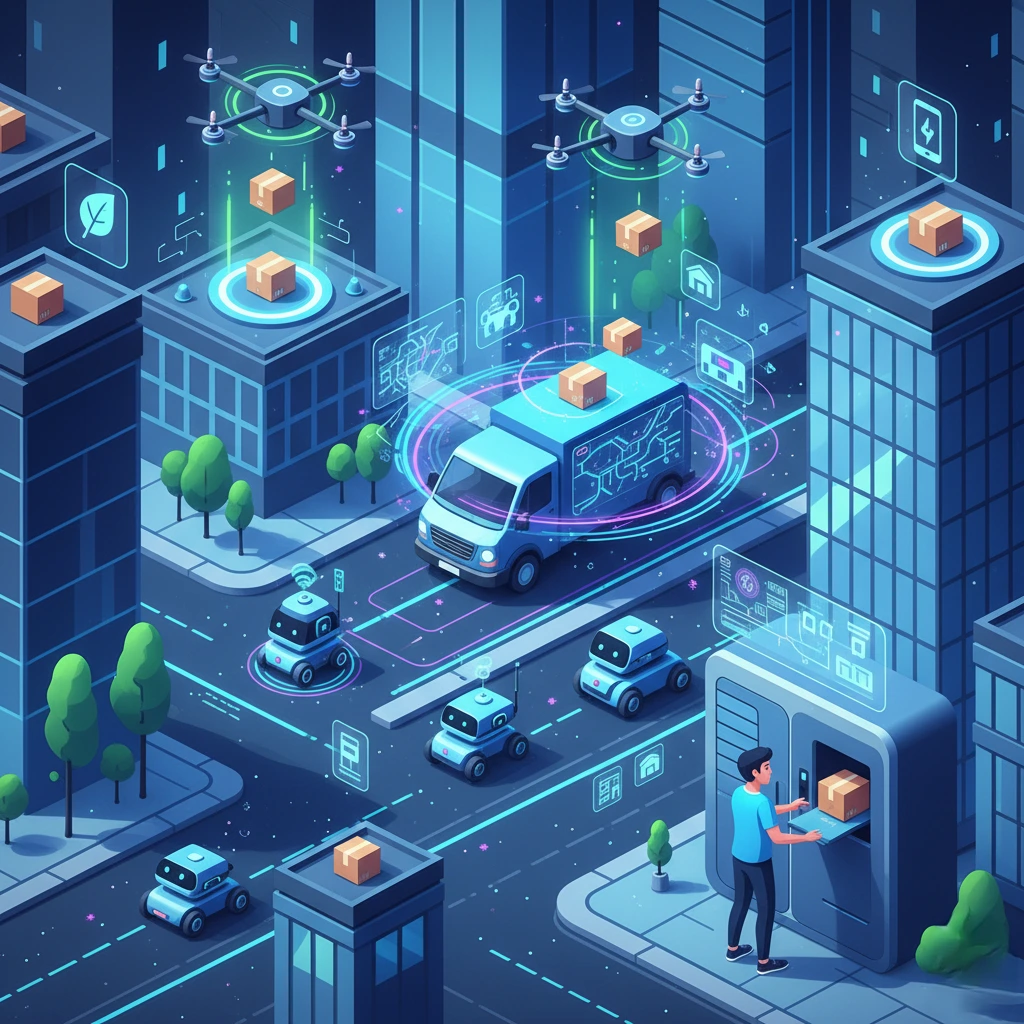
    In today’s fast-paced e-commerce world, last‑mile delivery has become one of the most critical—and challenging—aspects of the supply chain. As consumer expectations for speed, transparency, and sustainability grow, logistics companies are pushing the boundaries of innovation. Here are some of the top trends transforming last‑mile logistics and delivery operations.

    The Rise of Autonomous Delivery Vehicles

    One of the most disruptive delivery innovations is the use of autonomous vehicles. Self-driving vans, delivery robots, and even small self-navigating pods are being deployed to handle the last leg of a package’s journey. These autonomous solutions can dramatically reduce labor costs, minimize delivery times, and operate during off-peak hours without human supervision. For logistics companies, investing in robotic delivery systems offers a scalable way to tackle urban congestion and improve overall route efficiency.

    Drones Flying for Faster Deliveries

    Drone delivery is no longer a vision of the future—it’s happening now. Unmanned aerial vehicles (UAVs) are being used to deliver small, lightweight parcels directly to customers’ doorsteps. This technology is especially useful in remote or hard-to-reach areas where traditional vehicle-based delivery is inefficient. With regulatory progress and improvements in battery life, drones are accelerating ultra-fast delivery options and pushing the envelope on how quickly goods can reach customers.

    Micro‑fulfillment and Urban Warehousing

    To shorten delivery distances and speed up order fulfillment, logistics companies are embracing micro‑fulfillment centers in urban areas. These miniature warehouses are often located inside cities and use automated storage and retrieval systems (AS/RS) to rapidly pick and dispatch goods. By bringing inventory closer to customers, micro‑fulfillment helps reduce delivery times, lower transportation costs, and cut greenhouse gas emissions.

    Crowd‑Shipping and Peer‑to‑Peer Delivery

    Another emerging trend is crowd‑shipping, where everyday people act as couriers. In this model, local individuals pick up and deliver packages during their regular commute. This peer-to-peer approach leverages the community to handle last‑mile delivery, reducing reliance on traditional courier networks. It’s efficient, flexible, and scalable—especially in densely populated areas where people are already traveling frequently.

    Smart Routing Powered by AI and Data Analytics

    Advanced route optimization tools powered by AI, machine learning, and big data are reshaping how deliveries are planned. Instead of fixed routes, logistics companies now use real-time traffic data, weather forecasts, and delivery density patterns to dynamically adjust routes. These intelligent systems not only reduce fuel consumption but also improve delivery speed and driver productivity.

    Real‑Time Tracking and Customer Transparency

    Today’s consumers demand full visibility into their shipments—where the package is, when it will arrive, and any potential delays. Logistics providers are responding with real-time tracking systems, mobile delivery apps, and push notifications. Using GPS, IoT sensors, and smart logistics platforms, companies can offer more transparent last‑mile delivery experiences, helping to boost customer satisfaction.

    Eco‑Friendly and Electric Delivery Fleets

    Sustainability is no longer optional. Many logistics firms are switching to electric delivery vehicles, e-bikes, and even cargo scooters to reduce their carbon footprint. These eco‑friendly vehicles are ideal for urban deliveries because they produce fewer emissions, help reduce noise pollution, and are more energy‑efficient in stop-and-go city traffic. Adopting green fleets is becoming a key competitive differentiator for companies focused on sustainable last‑mile logistics.

    Smart Lockers and Pickup Points

    Parcel lockers, parcel boxes, and pickup points are becoming widespread in residential complexes, convenience stores, and public spaces. These contactless delivery options allow customers to collect packages at their convenience, cutting down on failed delivery attempts and reducing the number of miles driven by couriers. Smart lockers with digital access codes or QR-based opening mechanisms improve security and offer a seamless experience.

    Delivery Robots and Sidewalk Couriers

    Ground-level delivery robots are gaining traction, particularly in urban environments. These small autonomous devices travel on sidewalks and pavements, carrying parcels from micro‑hubs to customers’ homes. Equipped with sensors and cameras, these robots can navigate pedestrian areas safely. Robotic couriers offer a cost-effective, last-mile option that complements traditional delivery vehicles.

    Predictive Delivery and Demand Forecasting

    Predictive analytics is playing a growing role in logistics. By analyzing historical order data, seasonal trends, and real-time demand signals, logistics companies can forecast where and when packages will be needed. This capacity to predict demand enables them to position inventory strategically, allocate delivery resources efficiently, and reduce delivery times—all while minimizing costs.

    Subscription-Based Delivery and Scheduled Drops

    Subscription models and scheduled delivery windows are becoming increasingly popular. Customers can choose weekly, monthly, or recurring deliveries for items they regularly need (groceries, personal care products, etc.). Scheduled drops—where customers pick a time slot for delivery—allow logistics providers to batch orders intelligently and optimize delivery routes. This system improves efficiency and greatly enhances the customer experience.

    Augmented Reality (AR) for Delivery Planning

    Augmented Reality (AR) is being experimented with for delivery planning and driver assistance. AR apps can help drivers navigate complex buildings, find apartment units, or identify drop-off locations more easily. In dense or unfamiliar urban areas, AR navigation tools can reduce delivery time, avoid misdeliveries, and improve first‑time delivery success rates.

    Blockchain for Verification & Transparency

    Blockchain technology is being leveraged to increase transparency and security in the supply chain. By using blockchain-powered ledgers, logistics companies can create immutable records of package handling, chain of custody, and delivery confirmation. This helps build trust, reduce fraud, and ensure accountability in the last mile—especially for high-value items or sensitive shipments.

    Robotics and Automation in Sorting

    Advanced automation is not limited to vehicles; it also affects the sorting process. Robotic sorting systems, conveyor belts, and automatic parcel scanners in micro‑fulfillment centers enhance throughput and accuracy. These robotics-driven sorting operations reduce human error and help expedite the movement of packages from warehouse to final delivery.

    Challenges and Considerations

    Even with all these innovations, last‑mile delivery faces significant challenges. Scaling autonomous vehicles and drones requires regulatory approvals and infrastructure investment. Crowd‑shipping raises questions about liability, insurance, and customer trust. Deploying electric fleets demands access to charging infrastructure. Logistics companies must balance innovation with cost management, safety, and operational reliability.

    Looking Ahead: What’s Next for Last‑Mile Innovation?

    The future of the last mile is likely to be even more technology-driven, connected, and sustainable. We can expect wider adoption of hybrid delivery models combining drones, robots, and traditional fleets. 5G-enabled logistics will power real-time data sharing and ultra-low-latency route updates. AI-driven decision-making will further optimize everything from resource allocation to customer communications. With consumer demands climbing—and environmental pressures increasing—next‑generation delivery innovations will continue to reshape the logistics landscape.

  • How Automation is Revolutionising Logistics Operations

    How Automation is Revolutionising Logistics Operations

    The logistics industry is undergoing a massive transformation thanks to automation technologies. From warehouses to last-mile delivery, automation in logistics is streamlining processes, reducing costs, and improving efficiency. Businesses worldwide are adopting automated logistics solutions to stay competitive in a fast-paced market.

    Benefits of Automation in Logistics

    Automation is reshaping logistics operations in several ways. Automated systems reduce human error, increase productivity, and enhance supply chain visibility. Some key benefits include:

    • Increased operational efficiency
    • Real-time tracking and monitoring
    • Optimized inventory management
    • Reduced labor costs
    • Faster order fulfillment

    By integrating automation technologies into their operations, logistics companies can respond faster to customer demands while maintaining accuracy and reliability.

    Types of Automation in Logistics

    There are various types of logistics automation technologies being implemented across the industry:

    Warehouse Automation

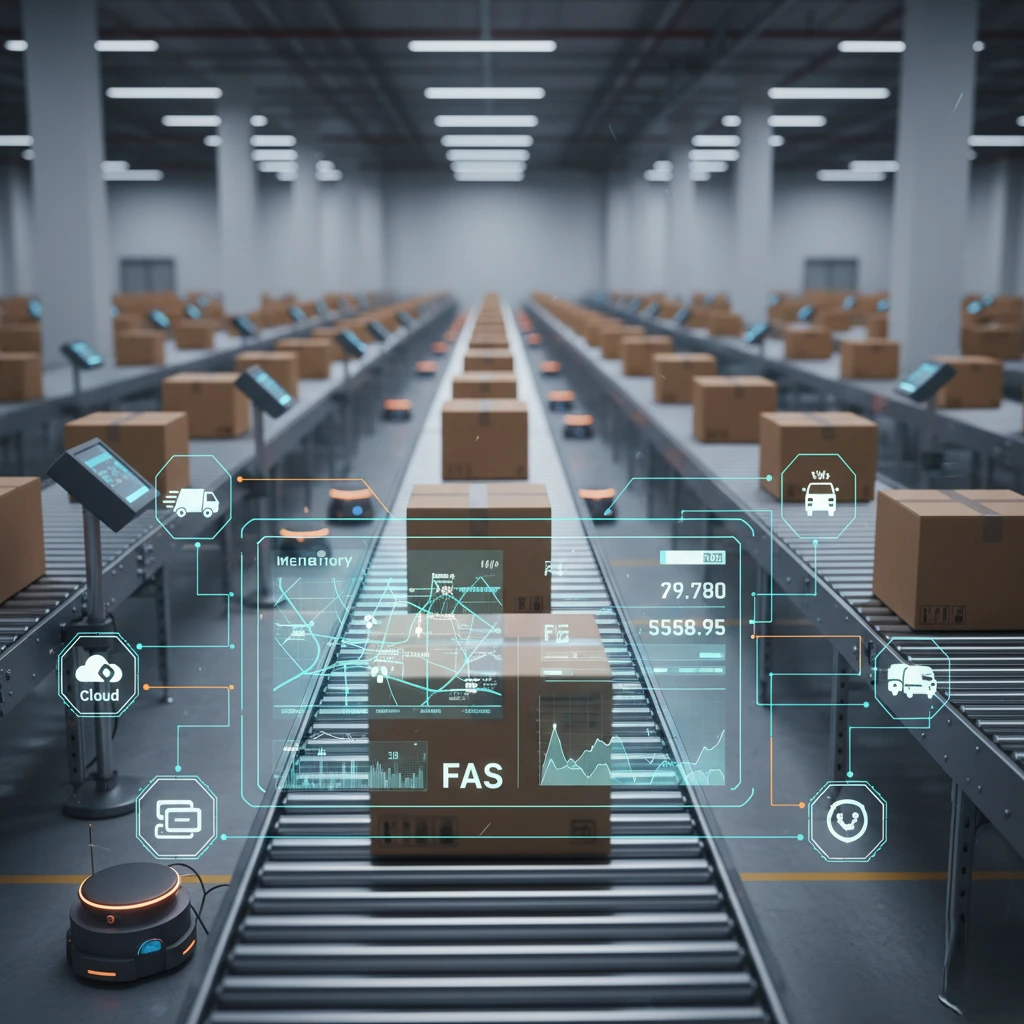
    Warehouse automation includes technologies like automated guided vehicles (AGVs), robotic picking systems, and automated sorting machines. These systems streamline inventory handling, reduce errors, and increase warehouse throughput. Smart warehouses leverage AI and IoT sensors to optimize storage and retrieval processes, improving overall efficiency.

    Transportation Automation

    Transportation automation focuses on optimizing fleet management and delivery processes. Autonomous delivery vehicles, route optimization software, and real-time tracking systems ensure timely and cost-effective deliveries. Companies are also using predictive analytics to anticipate delays and improve supply chain planning.

    Supply Chain Automation

    Supply chain automation integrates technology across procurement, inventory management, and distribution. ERP systems, AI-powered demand forecasting, and automated order processing allow businesses to maintain seamless operations. Automation in supply chains ensures better resource allocation, minimizes stockouts, and reduces operational bottlenecks.

    Impact of Automation on Workforce

    While automation in logistics improves efficiency, it also changes the workforce dynamics. Routine manual tasks are increasingly handled by machines, allowing employees to focus on strategic and analytical roles. Companies are investing in employee training programs to upskill workers for technology-driven logistics operations.

    Challenges in Implementing Logistics Automation

    Despite its benefits, logistics automation comes with challenges:

    • High initial investment costs
    • Integration with existing systems
    • Data security and privacy concerns
    • Maintenance and technical support requirements

    Businesses must carefully plan their automation strategy and choose scalable solutions that align with their operational goals.

    Future Trends in Logistics Automation

    The future of automated logistics looks promising. Emerging trends include:

    • AI-driven predictive logistics for smarter decision-making
    • Autonomous drones and vehicles for faster deliveries
    • IoT-enabled supply chain networks for real-time visibility
    • Robotic process automation (RPA) for administrative tasks

    These innovations are expected to revolutionize logistics operations, making them more agile, efficient, and customer-focused.

    Conclusion

    Automation is revolutionising logistics operations by improving efficiency, reducing costs, and enhancing customer satisfaction. Companies adopting automated logistics solutions gain a competitive advantage in today’s dynamic market. As technology continues to evolve, the integration of AI, robotics, and IoT will further transform logistics, creating smarter and more resilient supply chains.

  • The Role of Technology in Modern Warehousing

    The Role of Technology in Modern Warehousing

    The global supply chain has changed significantly over the last decade, driven by eCommerce growth, consumer expectations for fast shipping, and rising operational costs. These pressures have pushed companies to adopt smarter systems and digital tools to keep up. Technology in modern warehousing isn’t just a convenience—it’s a necessity for survival.

    Why Technology Matters in Today’s Warehouses

    Traditional warehousing methods can no longer meet the demands of modern logistics. Manual processes slow down operations, increase error rates, and create inefficiencies that cost businesses time and money. Technology offers solutions that enhance productivity, improve accuracy, reduce labor burdens, and provide real-time insights.

    Key Benefits of Technology in Modern Warehousing

    • Faster order fulfillment
    • Higher inventory accuracy
    • Improved worker safety
    • Lower operational costs
    • Enhanced decision-making with real-time data
    • Streamlined workflows from receiving to shipping

    These advantages highlight why digital transformation is at the core of warehouse success.

    How Warehouse Automation Is Revolutionizing Operations

    Automation is one of the biggest drivers of change in modern warehousing. Automated solutions help warehouses complete tasks more efficiently while reducing errors caused by manual labor.

    Automated Storage and Retrieval Systems ASRS

    ASRS systems use machines to automatically store and retrieve goods. These systems increase space utilization, speed up picking time, and minimize human error. Instead of workers walking long distances, robotic shuttles bring items directly to them.

    Autonomous Mobile Robots AMRs

    AMRs are intelligent robots that move around a warehouse without human intervention. They transport goods, assist with picking, and improve workflow efficiency. Their ability to navigate changing environments makes them more flexible than traditional automated guided vehicles.

    Conveyor and Sorting Automation

    Conveyor belts and automated sorting machines help warehouses process large volumes of orders quickly. These systems support eCommerce operations where fast, error-free delivery is essential.

    Artificial Intelligence AI Powering Smarter Warehousing

    AI plays a key role in modern warehousing by enhancing decision-making, forecasting demand, and optimizing workflows.

    AI-Driven Inventory Management

    AI software can predict inventory needs, reduce stockouts, and prevent overstock situations. It analyzes purchasing habits, seasonal trends, and supply chain data to ensure businesses always have the right products at the right time.

    Intelligent Demand Forecasting

    AI tools use historical data and market insights to forecast demand accurately. This helps companies plan staffing, inventory, and shipping schedules more effectively.

    AI in Quality Control

    AI-powered scanners and cameras inspect products for defects faster and more accurately than manual checks. This technology reduces returns and enhances customer satisfaction.

    The Power of Data Analytics in Warehouse Optimization

    Data analytics transforms raw information into actionable insights, enabling warehouse managers to make smarter decisions.

    Real-Time Tracking and Monitoring

    Modern warehouses use sensors, RFID tags, and IoT devices to track inventory movement and equipment conditions. This level of visibility helps prevent lost or misplaced items and ensures operations run smoothly.

    Performance Metrics and KPIs

    Analytics tools track key performance indicators such as picking accuracy, order lead time, and workforce productivity. Managers can use this data to identify bottlenecks and implement improvements.

    Predictive Maintenance

    Using IoT sensors, warehouses can predict when equipment needs maintenance before it breaks down. This reduces downtime, cuts repair costs, and keeps operations running efficiently.

    How Robotics Is Enhancing Efficiency and Safety

    Robotics is no longer futuristic—it’s a standard part of modern warehousing.

    Picking and Packing Robots

    Robotic arms and pickers handle repetitive tasks like selecting products from shelves and packing boxes. These robots work faster than humans and reduce the risk of injuries from repetitive movements.

    Automated Palletizers and Depalletizers

    These machines stack and unstack pallets with precision, eliminating the need for heavy lifting and improving worker safety.

    Collaborative Robots Cobots

    Cobots work alongside humans, assisting with tasks that require strength, precision, or repetition. They improve efficiency without eliminating the human workforce.

    Cloud Technology and Warehouse Management Systems WMS

    Cloud-based warehouse management systems play a critical role in connecting all aspects of modern warehousing.

    Centralized Real-Time Control

    A cloud-based WMS gives managers real-time visibility into inventory levels, order status, and worker productivity—accessible from anywhere.

    Improved Scalability

    As businesses grow, cloud systems scale easily without large hardware investments.

    Integration With Other Technologies

    WMS platforms integrate seamlessly with robotics, IoT devices, analytics tools, and eCommerce platforms, creating a unified ecosystem.

    The Rise of IoT in Smart Warehousing

    The Internet of Things is one of the most influential technologies in modern warehousing.

    IoT Sensors for Inventory and Equipment

    Sensors monitor everything from temperature and humidity to product movement and machine health, ensuring quality control and safety.

    Connected Forklifts and Vehicles

    IoT-enabled forklifts track usage, send safety alerts, and help prevent accidents.

    Environmental Monitoring

    Sensors maintain ideal conditions for temperature-sensitive products like food or pharmaceuticals.

    How Technology Improves Warehouse Safety

    Modern warehouses use technology to create a safer environment for workers.

    Wearable Tech

    Devices like smart helmets and vests monitor worker health and provide alerts in dangerous situations.

    Automated Safety Systems

    Robots reduce the need for hazardous tasks like climbing ladders or moving heavy inventory.

    Collision Avoidance Sensors

    Sensors on vehicles and machinery help prevent accidents and workplace injuries.

    The Future of Technology in Modern Warehousing

    Looking ahead, the future of warehousing will be driven by even smarter innovations.

    Emerging Technologies to Watch

    • Drone inventory scanning
    • Fully autonomous warehouses
    • Advanced robotics that mimic human dexterity
    • Augmented reality for training and picking
    • Blockchain for transparent supply chain tracking

    These advancements will continue shaping warehouses into more efficient, intelligent, and resilient operations.

    Final Thoughts: Technology Is the Backbone of Modern Warehousing

    Technology has transformed modern warehousing from traditional storage spaces into dynamic, data-driven, automated ecosystems. Businesses that embrace warehouse automation, AI, data analytics, robotics, IoT, and cloud-based systems position themselves for long-term success in an increasingly competitive market.

    The role of technology in modern warehousing is only growing—and companies willing to innovate will lead the future of logistics, productivity, and customer satisfaction.