Tag: online shopping

  • The Benefits of Outsourcing Order Fulfilment

    The Benefits of Outsourcing Order Fulfilment

    Outsourcing order fulfilment has quickly become one of the most effective strategies for growing businesses that want to streamline operations, cut costs, and improve customer satisfaction. With consumer expectations higher than ever, companies need fast shipping, accurate packing, and consistent delivery performance. Managing all of this in-house can be challenging, especially for small and mid-sized brands. That’s where third-party logistics providers come in. In this blog, we’ll explore the benefits of outsourcing order fulfilment and why it could be the competitive advantage your business needs.

    What Is Outsourcing Order Fulfilment?

    Outsourcing order fulfilment means handing over your storage, packing, and shipping processes to a specialist logistics company, often known as a 3PL. Instead of spending time on inventory management, shipping labels, returns, and customer queries about delivery, you allow experts to handle these responsibilities. This provides your company with more time and resources to focus on growth, marketing, and product development. For many brands, outsourcing is not just a convenience—it’s a powerful step toward scaling efficiently.

    Why Businesses Turn to Outsourced Fulfilment

    The rise of eCommerce and shifting customer expectations have pushed companies to consider outsourcing order fulfilment. A single delay or delivery mistake can cost repeat business, affect brand reputation, and lead to negative reviews. Efficient fulfilment is no longer optional; it’s essential. Outsourcing helps businesses keep up with demand spikes, reduce operational pressure, and deliver reliable service. Whether you’re a fast-growing online shop or an established retail brand, outsourcing provides an opportunity to stay competitive without overextending internal resources.

    Cost Savings and Increased Efficiency

    Reduced Operating Costs

    One of the biggest benefits of outsourcing order fulfilment is cost reduction. When you manage fulfilment internally, you must pay for warehouse space, staff, equipment, packing materials, and software. These expenses can quickly grow, especially during peak seasons or unexpected surges in demand. Outsourcing eliminates the need for high overheads because 3PL providers already have established infrastructure. You pay only for the space and services you use, making costs more predictable and scalable.

    More Efficient Operations

    Fulfilment companies are designed for high-accuracy, high-volume operations. They use advanced technology, automated systems, and trained staff to ensure orders are processed quickly and correctly. This reduces human error, improves speed, and enhances the customer experience. Instead of worrying about picking, packing, and shipping, your internal team can focus on strategic tasks that drive sales and brand development.

    Faster Shipping and Better Customer Satisfaction

    Access to Multiple Warehouses

    A major advantage of outsourcing is access to a network of fulfilment centres. Many 3PLs operate multiple warehouses across regions or even countries. This allows your products to be stored closer to your customers, reducing shipping times and costs. Faster delivery leads to higher customer satisfaction, which increases loyalty and repeat purchases.

    Improved Delivery Performance

    Fulfilment providers have strong relationships with major carriers and often negotiate discounted rates. This means your customers benefit from faster shipping at competitive prices. Outsourcing also ensures consistent delivery performance during busy periods like holidays, which can be difficult for small businesses to manage in-house.

    Scalability and Flexibility for Growth

    Easily Handle Seasonal Surges

    If your business experiences seasonal peaks, outsourcing order fulfilment gives you the flexibility to scale up or down as needed. A 3PL can quickly adapt to changing order volumes without requiring you to hire temporary staff or extend warehouse space. This flexibility helps maintain smooth operations during high-demand periods.

    Support for Business Expansion

    Outsourcing allows your business to grow without logistical limitations. Whether you’re launching new products, expanding into new markets, or entering international sales channels, fulfilment partners can support you with the necessary infrastructure. Instead of worrying about how to manage bigger operations, you can focus on expanding your brand.

    Access to Advanced Technology

    Real-Time Inventory Tracking

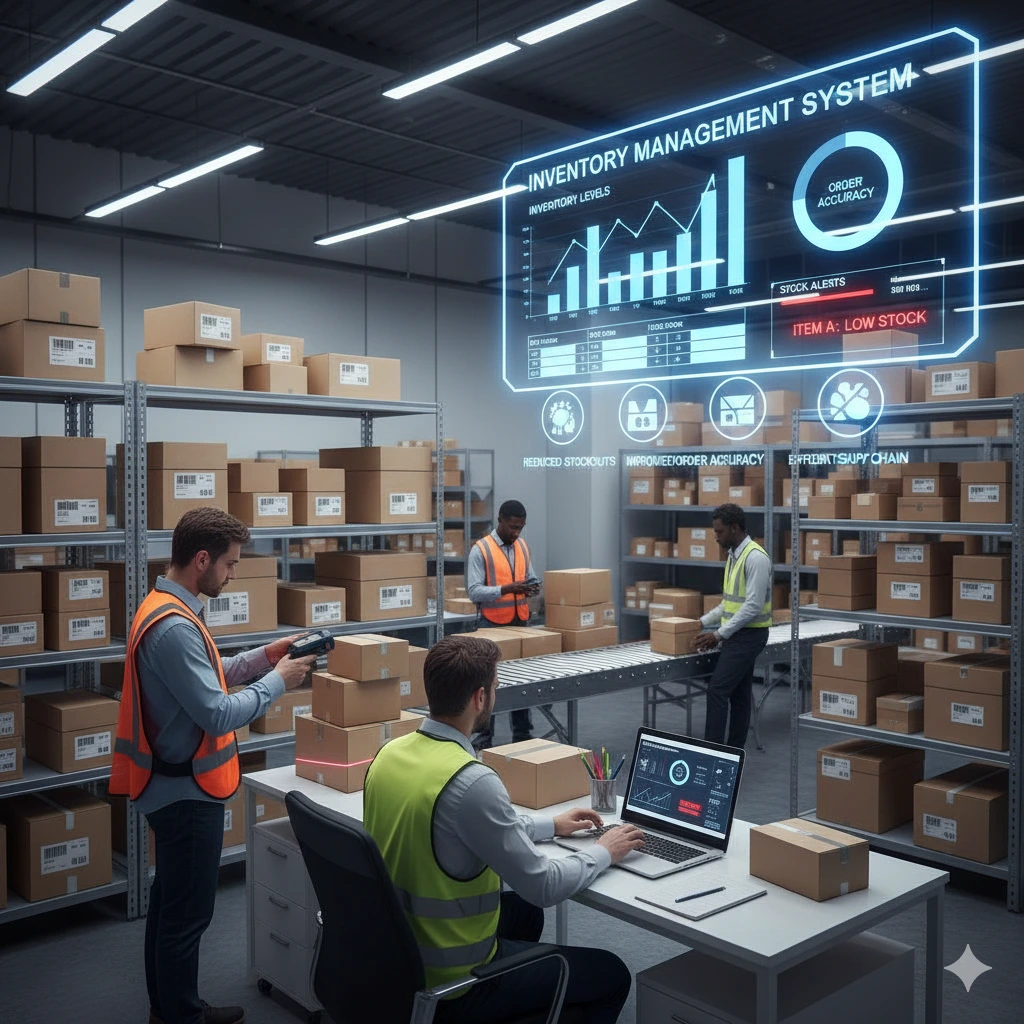
    Most fulfilment providers use sophisticated inventory management systems that allow you to track stock levels, order status, and shipping updates in real time. This level of visibility is essential for making informed decisions about product restocking, marketing campaigns, and forecasting. Having accurate data at your fingertips helps prevent stockouts and overselling.

    Automation and Optimisation

    Automation is a key component of modern order fulfilment. From automatic order routing to smart packaging solutions, fulfilment centres use technology to optimise every step of the process. This increases accuracy, reduces delays, and ensures efficient operations. For small businesses lacking their own advanced systems, outsourcing provides access to tools that would otherwise be too costly.

    Better Return Management

    Smooth and Hassle-Free Returns

    Handling returns can be time-consuming and complicated. Outsourcing return logistics ensures that items are inspected, processed, restocked, or disposed of according to your policies. A seamless returns process boosts customer trust and improves the overall shopping experience.

    Data Insights from Returns

    3PLs also provide detailed reports on return trends, helping you identify product defects, sizing issues, or packaging problems. This insight helps you improve product quality and reduce future returns.

    More Time to Focus on What Matters

    Focus on Core Business Activities

    When logistics is handled by professionals, you gain more time to focus on marketing, product development, customer engagement, and other high-value tasks. This leads to stronger growth and a better use of internal resources.

    Reduced Stress and Workload

    Managing fulfilment can be overwhelming, especially when order volumes rise. Outsourcing reduces stress and workload for your team, creating a more efficient and focused work environment.

    How Outsourcing Order Fulfilment Strengthens Your Brand

    Enhances Professionalism

    A smooth and reliable delivery experience reflects positively on your brand. Customers remember brands that ship quickly, communicate clearly, and deliver without issues. Outsourcing helps maintain a consistent, professional standard of service.

    Supports Long-Term Growth

    With better logistics, your business is equipped to handle long-term growth. Outsourced fulfilment provides the stability and support you need to evolve, expand, and stay ahead of competitors.

    Conclusion

    Outsourcing order fulfilment offers countless advantages, from reducing costs and improving efficiency to enhancing customer satisfaction and supporting business expansion. By partnering with a reliable 3PL provider, you gain access to advanced technology, expert support, and scalable solutions that help your business grow smoothly and sustainably. In a fast-paced eCommerce world, the brands that succeed are the ones that work smarter—not harder. Outsourcing fulfilment is one of the smartest strategies you can adopt to ensure long-term success and create a seamless experience for your customers.

  • Global Trade Unlocked International Shipping Challenges and Smart Solutions

    Global Trade Unlocked International Shipping Challenges and Smart Solutions

    In today’s interconnected world, international trade has become the backbone of the global economy. Businesses of all sizes depend on international shipping to move products across continents, connect with global customers, and expand their market reach. However, despite its vast opportunities, international shipping presents several complex challenges. Understanding these international shipping challenges and solutions is crucial for any business aiming to succeed in global logistics.

    The Growing Importance of International Shipping

    With the rapid rise of e-commerce and global supply chains, international shipping is more important than ever before. From small online retailers to multinational corporations, everyone relies on efficient shipping systems to ensure products reach customers worldwide.

    Globalization and digital technology have made it easier to sell across borders, but delivering those goods efficiently is another story. Shipping internationally involves navigating customs regulations, freight rates, transport delays, and currency fluctuations. To stay competitive, businesses must learn to overcome these obstacles strategically.

    Key Challenges in International Shipping

    When dealing with global logistics, businesses encounter several common problems. These issues can cause delays, increase costs, and affect customer satisfaction.

    1. Complex Customs Regulations

    Every country has its own customs rules, import restrictions, and tax requirements. Navigating these regulations can be confusing and time-consuming, especially for new exporters. Incomplete documentation or incorrect product classification can result in penalties, clearance delays, or even shipment returns.

    Customs procedures vary widely between countries, and what works in one region may not be accepted in another. Keeping track of documentation like commercial invoices, packing lists, and certificates of origin is essential to avoid costly mistakes.

    2. High Shipping Costs

    One of the biggest international shipping challenges is cost. Factors such as fuel prices, tariffs, currency exchange rates, and global demand directly affect shipping rates. Large or heavy shipments incur additional charges, and surcharges for remote destinations can further increase expenses.

    For small businesses, these costs can be overwhelming. Many companies struggle to find the balance between affordable shipping and reliable service.

    3. Long Transit Times

    Unlike domestic deliveries, international shipments can take days or even weeks to reach their destination. Delays due to customs clearance, weather conditions, or carrier schedules can disrupt supply chains and frustrate customers.

    In today’s fast-paced e-commerce environment, consumers expect quick delivery. Managing expectations while maintaining shipping efficiency is a major challenge for global sellers.

    4. Risk of Damage or Loss

    Shipping goods across long distances increases the risk of damage, theft, or loss. Handling goods through multiple transportation modes—air, sea, and land—exposes shipments to various risks. Fragile or high-value items require special packaging and insurance to ensure safety during transit.

    5. Currency and Payment Barriers

    Currency fluctuations can affect shipping costs and profit margins. When dealing with multiple international currencies, businesses must also ensure secure payment processing to prevent fraud and financial losses.

    6. Environmental Concerns

    Sustainability has become a growing focus in logistics. Consumers and governments are increasingly demanding eco-friendly shipping options. Balancing environmental responsibility with cost efficiency remains one of the toughest challenges in international logistics.

    Effective Solutions to Overcome International Shipping Challenges

    While international shipping may seem daunting, there are proven strategies that can help businesses simplify their operations and build efficient global logistics systems.

    1. Partner with Experienced Logistics Providers

    Choosing the right logistics partner is one of the most effective ways to manage global shipping. Reputable freight forwarders and logistics companies have the expertise and infrastructure to handle customs clearance, warehousing, and multi-modal transportation.

    These partners provide end-to-end visibility and ensure compliance with international trade laws, helping you avoid unnecessary complications.

    2. Use Advanced Technology and Automation

    Technology is revolutionizing the shipping industry. Businesses can now track shipments in real time, automate documentation, and use AI-based systems to predict delays.

    Software platforms such as Transportation Management Systems (TMS) and Warehouse Management Systems (WMS) streamline operations, optimize routes, and enhance efficiency. Automation reduces human error and speeds up international transactions.

    3. Optimize Packaging and Freight Planning

    Efficient packaging reduces shipping costs and minimizes the risk of damage. Use sturdy, lightweight materials and follow international packaging standards. Proper labeling and documentation make customs clearance faster.

    Freight planning is equally important. Consolidating shipments and using the most suitable transportation mode—air, sea, or land—can significantly cut expenses.

    4. Understand Customs Requirements in Advance

    To avoid customs delays, research the import regulations of your destination country. Properly classify goods using Harmonized System (HS) codes, and ensure all documentation is accurate and complete.

    Many businesses also use customs brokers to handle clearance processes. These professionals understand complex import laws and can help prevent costly mistakes.

    5. Offer Transparent Shipping Costs to Customers

    Hidden or unexpected costs can drive customers away. Be transparent about shipping fees, duties, and taxes at checkout. Offering Delivered Duty Paid (DDP) options can improve the buying experience, as customers know the total cost upfront.

    Transparency builds trust and improves your brand reputation in international markets.

    6. Choose the Right Shipping Method

    Selecting the best shipping method depends on your product type, destination, and budget.

    • Air Freight is fast but expensive, ideal for urgent or high-value goods.
    • Sea Freight is cost-effective for bulk shipments but slower.
    • Rail and Road Freight work well for regional or cross-border trade.

    A combination of these modes, known as multimodal shipping, often offers the best balance between cost and speed.

    7. Implement Sustainable Logistics Practices

    Sustainability is no longer optional. Businesses can adopt green logistics by optimizing packaging materials, reducing carbon emissions, and choosing carriers that invest in fuel-efficient transportation.

    Eco-friendly practices not only benefit the environment but also attract conscious consumers and strengthen your brand image.

    8. Insure and Track Your Shipments

    Insurance provides financial protection against loss or damage during transit. Always choose coverage that matches the value of your goods. Additionally, real-time tracking systems allow you and your customers to monitor shipments throughout the delivery journey.

    This transparency builds confidence and improves communication in case of unexpected delays.

    The Role of Data Analytics in Global Logistics

    Data analytics is transforming international shipping by offering insights that help businesses make smarter decisions. Predictive analytics can forecast demand, optimize routes, and reduce operational costs.

    By analyzing shipping data, businesses can identify patterns, measure performance, and continuously improve their logistics strategies.

    The Future of International Shipping

    As technology and trade evolve, the future of international shipping looks more digital, transparent, and sustainable. Innovations like blockchain, artificial intelligence, and robotic automation are revolutionizing supply chain management.

    Digital platforms are connecting shippers, carriers, and customs authorities seamlessly, making international logistics faster and more reliable. The integration of sustainability goals into global shipping is also reshaping how businesses approach logistics in the 21st century.

    Final Thoughts on International Shipping Challenges and Solutions

    The global shipping landscape is full of opportunities, but it also presents complex challenges that require smart solutions. Understanding customs regulations, optimizing costs, using technology, and choosing the right logistics partners can turn international shipping into a competitive advantage.

    By adopting innovative strategies and maintaining flexibility, businesses can overcome challenges and create a smooth, efficient, and customer-focused shipping experience.

    As global trade continues to grow, companies that embrace efficient international shipping solutions will be the ones leading the future of logistics with confidence, sustainability, and success.

  • Smart Shipping Secrets How to Pack Large Items for Shipping and Logistics

    Smart Shipping Secrets How to Pack Large Items for Shipping and Logistics

    When it comes to e-commerce and global trade, packing plays a critical role in ensuring safe and efficient delivery. Knowing how to pack large items for shipping and logistics is a vital skill for businesses and individuals who want to prevent damage, reduce costs, and improve customer satisfaction. Whether you are sending furniture, machinery, or oversized electronics, the right packing strategy can make all the difference.

    Understanding the Challenges of Shipping Large Items

    Shipping large or bulky items comes with unique challenges. These items often exceed standard shipping dimensions, require special handling, and may need customized packaging materials. Without proper preparation, businesses risk delays, damage, or high logistics costs.

    Large shipments can also attract extra fees from carriers, especially if they require freight shipping, palletization, or custom crating. Therefore, understanding the logistics involved before you pack your items can save you both time and money.

    Why Proper Packing Matters in Logistics

    Proper packing is more than just placing an item in a box. In the logistics industry, packing determines the safety, efficiency, and overall success of the shipping process. Poor packing can lead to damaged goods, insurance claims, and unhappy customers.

    From a business perspective, investing in quality packaging reduces returns and strengthens your reputation for reliability. For individuals, it ensures that valuable or fragile items arrive safely at their destination.

    Step-by-Step Guide on How to Pack Large Items for Shipping

    Let’s dive into the essential steps on how to pack large items for shipping and logistics effectively.

    Step 1 Assess Your Item and Shipping Method

    Start by evaluating the type, size, and weight of the item you are shipping. Determine if it’s fragile, heavy, or irregularly shaped. Knowing these details helps you choose the right packing materials and shipping method.

    For very large or heavy items, consider using freight shipping services or palletized shipping instead of standard parcel services. Freight carriers are better equipped to handle oversized goods safely.

    Step 2 Choose the Right Packing Materials

    The right materials are essential for protecting large items during transit. Common materials include:

    • Heavy-duty cardboard boxes for lightweight but large items
    • Wooden crates for heavy or delicate machinery
    • Foam padding and bubble wrap for cushioning
    • Stretch wrap or shrink film to secure items and prevent dust
    • Edge protectors to safeguard corners
    • Pallets for easy loading and unloading

    Always use durable materials rated for the item’s weight and size. Cutting corners here can lead to expensive damage during transportation.

    Step 3 Disassemble When Possible

    If your large item can be disassembled, do so before packing. For example, remove the legs from tables or the wings from large equipment. This not only reduces the package size but also makes handling easier.

    Place small components like screws, bolts, and brackets in labeled plastic bags and tape them securely to the main part of the item. Clear labeling ensures that reassembly is simple when the package arrives.

    Step 4 Protect Every Surface

    Before you pack the item, wrap all surfaces with protective materials. For furniture, use moving blankets, foam sheets, or corrugated cardboard. For delicate machinery, anti-static bubble wrap can help prevent damage caused by vibration or moisture.

    Always pay special attention to corners, edges, and glass components, which are most vulnerable to impact.

    Step 5 Use Proper Cushioning and Support

    Cushioning is one of the most important steps in packing large items for shipping. Line the bottom of the box or crate with several inches of padding material such as foam or air pillows.

    Once the item is placed inside, fill any empty spaces with packing peanuts or crumpled kraft paper to prevent shifting during transit. The goal is to ensure the item stays immobile throughout the journey.

    Step 6 Seal and Reinforce the Package

    Use industrial-grade packing tape to seal all seams and edges securely. Reinforce the bottom and top with multiple layers of tape, especially if the package is heavy. For crates, use screws or nails instead of regular tape.

    Label the package clearly with handling instructions such as Fragile, This Side Up, or Heavy. Proper labeling helps carriers handle the shipment carefully.

    Step 7 Secure the Shipment on a Pallet

    When shipping large or heavy items, it’s best to use a pallet for stability and safety. Pallets make it easier for forklifts and loaders to move your shipment without causing damage.

    Use straps or shrink wrap to secure the item firmly to the pallet. Make sure that the weight is evenly distributed and nothing hangs over the edge, as overhanging parts can get damaged during loading or unloading.

    Step 8 Consider Insurance and Tracking

    Even with the best packing methods, accidents can happen. Always choose a shipping insurance plan that covers the value of your goods. Additionally, use tracking services to monitor your shipment in real time.

    Having insurance and tracking in place not only protects your investment but also gives peace of mind throughout the shipping process.

    Best Practices for Packing Large Items

    To further enhance your packing and logistics efficiency, keep these best practices in mind:

    Use Standard Pallet Sizes

    Using standard pallet dimensions (48×40 inches in the US) ensures compatibility with most carriers and warehouses. It also reduces additional handling fees.

    Distribute Weight Evenly

    Avoid placing all the weight on one side of the box or crate. Uneven loads can shift during transit and cause damage.

    Avoid Overpacking

    Overpacking can cause stress on packaging materials and lead to ruptures. Always ensure your package is compact yet not overstuffed.

    Label Clearly and Accurately

    Include both the sender’s and receiver’s contact details on the outer and inner layers of the packaging. Accurate labeling ensures smooth customs clearance and delivery.

    Common Mistakes to Avoid When Packing Large Items

    Even experienced shippers can make costly mistakes. Here are a few to avoid:

    • Using weak or reused boxes for heavy items
    • Ignoring palletization for oversized shipments
    • Forgetting to use internal padding
    • Skipping moisture protection in humid environments
    • Not checking carrier size and weight limits

    Avoiding these pitfalls will save you from delays, extra costs, and customer complaints.

    The Role of Logistics in Shipping Large Items

    Efficient logistics management ensures that your large items move safely through every stage of transportation. A reliable logistics partner can help with packaging guidance, freight booking, customs documentation, and delivery coordination.

    Choosing a logistics company with global experience and modern technology can streamline your shipping operations and provide real-time visibility.

    Final Thoughts on How to Pack Large Items for Shipping and Logistics

    Mastering how to pack large items for shipping and logistics is essential for businesses that handle oversized or high-value products. The right packing approach prevents damage, minimizes costs, and enhances customer satisfaction.

    As e-commerce and global trade continue to expand, efficient packing and logistics practices will become even more crucial. By following these professional steps and best practices, you can ensure your large shipments arrive safely, securely, and on time.

    Whether you are an online seller, manufacturer, or individual shipper, investing in proper packaging and logistics solutions will pay off in every successful delivery.

  • From Click to Delivery: The Role of Automation in Seamless E-Commerce Logistics

    From Click to Delivery: The Role of Automation in Seamless E-Commerce Logistics

    E-commerce has transformed the way consumers shop, providing convenience and accessibility like never before. However, a great online shopping experience doesn’t end with a click—it extends to how quickly and efficiently products reach customers. In today’s competitive market, seamless logistics can make or break an e-commerce business. Automation is revolutionizing the entire supply chain, from order processing to last-mile delivery, ensuring that the journey from click to delivery is faster, smarter, and more reliable.

    Understanding E-Commerce Logistics

    E-commerce logistics encompasses the entire process of getting a product from the warehouse to the customer’s doorstep. This includes inventory management, order processing, picking and packing, shipping, and last-mile delivery. Traditional logistics often involve manual operations, which can be time-consuming and prone to errors. Automated systems are now bridging these gaps, improving accuracy, efficiency, and customer satisfaction.

    Why Logistics Matter in E-Commerce

    Fast, reliable delivery is one of the top factors influencing online purchase decisions. Customers expect real-time tracking, predictable delivery times, and error-free orders. Poor logistics can lead to delayed shipments, lost packages, or damaged goods, resulting in dissatisfied customers and negative reviews. Automation addresses these challenges by streamlining operations and reducing human error.

    Automation in Inventory Management

    Efficient inventory management is the backbone of successful e-commerce logistics. Automated inventory systems track stock levels in real time, preventing stockouts and overstock situations.

    Real-Time Stock Monitoring

    Automation allows businesses to monitor inventory across multiple warehouses simultaneously. AI-powered systems predict demand trends, identify slow-moving products, and suggest restocking schedules. This ensures that popular items are always available while minimizing excess inventory, reducing costs, and increasing customer satisfaction.

    Smart Warehousing

    Automated warehouses use robotics and conveyor systems to optimize storage, picking, and packing processes. Robots can quickly locate products, reduce human errors, and accelerate order fulfillment. These systems not only save labor costs but also increase the speed at which orders are processed, enabling faster deliveries.

    Streamlining Order Processing

    The moment a customer clicks “buy,” order processing begins. Automation makes this step seamless and error-free, which is critical for a positive e-commerce experience.

    Automated Order Verification

    AI systems automatically verify order details, payment confirmation, and shipping information. This reduces mistakes caused by manual entry and ensures orders are ready for fulfillment without delays.

    Integration with Supply Chain Partners

    Automated systems integrate with suppliers, manufacturers, and third-party logistics providers to ensure smooth operations. Orders are instantly communicated to relevant parties, inventory is updated in real time, and shipping schedules are optimized for efficiency.

    Enhancing Fulfillment with Automation

    Order fulfillment is often the most time-sensitive aspect of logistics. Automation accelerates this process while maintaining accuracy and reducing operational costs.

    Robotic Picking and Packing

    Robots can pick products from shelves, package them efficiently, and label them for shipment. These systems minimize human error, speed up the packing process, and maintain consistency, especially during peak shopping seasons.

    AI-Optimized Packaging

    AI can determine the most efficient packaging size for each order, reducing material waste and shipping costs. Proper packaging also ensures that products arrive in perfect condition, improving customer satisfaction.

    Automated Shipping and Delivery

    Shipping is the final step in e-commerce logistics and often the most visible to customers. Automation enhances speed, accuracy, and transparency throughout this stage.

    Route Optimization

    AI-powered systems analyze traffic patterns, weather conditions, and delivery schedules to determine the fastest and most cost-effective routes. This reduces delivery times and fuel costs while ensuring timely arrivals.

    Real-Time Tracking

    Automation enables real-time tracking of packages from the warehouse to the customer’s doorstep. Customers receive instant updates via email or mobile apps, increasing transparency and trust.

    Last-Mile Delivery Innovations

    Last-mile delivery is the most expensive and challenging part of e-commerce logistics. Automation is revolutionizing this phase with innovations such as delivery drones, autonomous vehicles, and smart lockers. These solutions reduce human labor, increase speed, and provide flexible delivery options for customers.

    Benefits of Automation in E-Commerce Logistics

    Implementing automation across logistics processes offers several advantages for both businesses and customers.

    Faster Delivery Times

    Automated warehouses, robotic picking, and AI-driven route optimization significantly reduce the time between order placement and delivery, meeting customer expectations for same-day or next-day shipping.

    Improved Accuracy

    Automation minimizes human errors in inventory management, order processing, and packaging. Accurate orders reduce returns, enhance customer satisfaction, and build brand loyalty.

    Cost Efficiency

    By streamlining operations, reducing labor costs, and optimizing shipping routes, automation lowers operational expenses. Businesses can reinvest these savings into growth, marketing, or enhanced customer experiences.

    Scalability

    Automated systems handle high volumes of orders efficiently, making it easier for businesses to scale operations during peak seasons, sales, or promotions without compromising quality or speed.

    Challenges and Considerations

    While automation offers significant benefits, businesses must consider certain challenges.

    Initial Investment

    Implementing automated systems requires upfront capital for technology, robotics, and software. However, long-term savings and increased efficiency often outweigh the initial costs.

    System Integration

    Automation works best when integrated across the entire supply chain. Businesses must ensure compatibility between inventory systems, order management platforms, and shipping solutions.

    Workforce Adaptation

    Automation may require reskilling employees to manage, monitor, and maintain automated systems. Proper training ensures a smooth transition and maximizes the benefits of technology.

    The Future of E-Commerce Logistics

    The future of e-commerce logistics will be increasingly automated, data-driven, and customer-centric. Emerging technologies such as AI-powered demand forecasting, autonomous delivery vehicles, drone logistics, and blockchain-based tracking are poised to further enhance efficiency, reduce costs, and improve transparency. Businesses that embrace automation now will be better positioned to meet customer expectations and gain a competitive advantage in the rapidly evolving e-commerce landscape.

    Conclusion

    From click to delivery, automation is transforming e-commerce logistics into a seamless, efficient, and customer-focused process. By leveraging AI, robotics, and automated systems in inventory management, order processing, fulfillment, and delivery, businesses can reduce errors, speed up operations, lower costs, and enhance customer satisfaction. In today’s fast-paced e-commerce world, seamless logistics is not just an operational goal—it is a key driver of customer loyalty, repeat purchases, and long-term business success. Adopting automation in logistics ensures that every click results in a smooth, reliable, and satisfying delivery experience for your customers.

  • The Rise of Service as a Product SAAP What It Is and Why It Matters for Small Businesses

    The Rise of Service as a Product SAAP What It Is and Why It Matters for Small Businesses

    The digital economy has revolutionized the way people buy, sell, and interact with services. What used to be complex, intangible, and relationship-driven has now evolved into something more structured, predictable, and scalable. This transformation has given rise to a new concept called Service as a Product (SAAP). At vCue Store, we believe this model is reshaping how small businesses and professionals deliver value to customers. It’s not just a trend—it’s a future-ready way of doing business that empowers both service providers and clients.

    Understanding Service as a Product SAAP

    In simple terms, Service as a Product (SAAP) means packaging a service as if it were a product. Instead of offering open-ended or custom service agreements, providers define clear deliverables, timelines, and pricing. For example, instead of saying “I offer marketing services,” a small agency could sell a fixed package like “30-day social media management with 10 posts and engagement tracking.”

    This approach removes confusion and increases transparency for both sellers and buyers. Customers know exactly what they’re paying for, and service providers can streamline operations, automate processes, and scale more efficiently.

    At vCue Store, we have adopted this concept to give professionals, freelancers, and small businesses a platform where they can list, price, and sell their services just like physical products. Whether you are a designer, consultant, developer, or content creator, you can convert your expertise into tangible offerings with clear descriptions and instant purchasing options.

    Why SAAP Is Changing the Game for Small Businesses

    The SAAP model bridges the gap between traditional service-based work and modern eCommerce. For small businesses, it means less dependence on manual negotiations, easier marketing, and improved scalability. Here’s why it’s a game-changer.

    1. Simplified Selling Process

    Selling a service used to involve lengthy discussions, proposals, and contracts. With SAAP, that complexity disappears. Services are listed like products—complete with titles, pricing, images, and descriptions. Buyers can instantly purchase a service package that suits their needs.

    This streamlined process saves time for both parties and increases conversion rates. Small businesses no longer have to chase leads; their services become discoverable and purchasable instantly.

    2. Predictable Revenue and Workflows

    Traditional service providers often face inconsistent income due to fluctuating client demand. SAAP introduces predictability by turning recurring services into structured offerings. Monthly packages, fixed-rate tasks, or subscription-based services can all create steady cash flow.

    This predictability helps small business owners plan ahead, manage their resources better, and grow sustainably without worrying about feast-or-famine cycles.

    3. Enhanced Customer Trust

    Transparency is key to building trust. When services are clearly defined with measurable outcomes and fixed prices, customers feel more confident buying them. The SAAP model eliminates hidden costs, vague deliverables, or surprise invoices.

    At vCue Store, verified service providers can showcase ratings, testimonials, and previous projects. This visibility helps customers make informed decisions and fosters long-term business relationships.

    4. Scalability and Automation

    SAAP allows small businesses to scale more effectively. Instead of customizing each project from scratch, service providers can develop standardized packages that can be sold repeatedly. With automation tools like booking calendars, email templates, and online payment systems, the entire service delivery process becomes more efficient.

    By productizing services, entrepreneurs can focus more on quality, marketing, and innovation rather than administrative tasks.

    5. Competitive Advantage in the Marketplace

    As eCommerce continues to dominate, customers increasingly prefer quick, convenient, and transparent transactions. SAAP helps service providers meet those expectations. It gives them a competitive edge over traditional service providers who still rely on manual quoting and offline processes.

    Platforms like vCue Store provide small businesses with digital storefronts, SEO tools, and AI-driven recommendations that improve their visibility and conversion rates.

    Examples of Service as a Product

    To understand SAAP in action, let’s look at some real-world examples.

    A graphic designer can offer “Logo Design Starter Pack – 3 Concepts and 2 Revisions” with a fixed price and timeline.
    A digital marketer can sell “30-Day Instagram Growth Package” that includes content planning, hashtags, and analytics.
    A consultant might list “1-Hour Strategy Call + Action Plan PDF” as a ready-to-purchase product.
    A photographer could offer “Product Photography Package – 10 Edited Images” directly through their online shop.

    These clearly defined services simplify purchasing decisions and open doors to a broader online audience.

    How vCue Store Supports SAAP Sellers

    At vCue Store, our mission is to empower local entrepreneurs and service providers by making digital selling easier and more transparent. Our SAAP model gives small businesses the tools they need to succeed in today’s economy.

    Seamless Listing and Selling

    We make it easy for service providers to upload their offerings, set prices, and showcase their expertise. Each service gets its own page with optimized descriptions and visuals that attract customers. Sellers can manage everything from one dashboard—bookings, messages, and payments included.

    AI-Powered Recommendations

    Our intelligent recommendation system ensures that the right customers discover the right services. By analyzing browsing behavior and keywords, our AI highlights relevant SAAP listings to increase engagement and conversions.

    Fair Commissions and Transparent Policies

    Unlike traditional marketplaces that impose high fees, vCue Store maintains fair and transparent policies. Service providers retain most of their earnings, allowing them to reinvest in growth, skill development, or marketing efforts.

    Empowering Freelancers and Micro-Businesses

    Freelancers and micro-entrepreneurs often struggle to compete with large agencies. By providing a professional storefront, secure payments, and built-in marketing tools, vCue Store levels the playing field. It allows independent professionals to build credibility and scale without huge overhead costs.

    The Future of SAAP and Digital Entrepreneurship

    As more businesses embrace digital transformation, the SAAP model will continue to gain traction. The rise of remote work, gig economy platforms, and automation tools all point toward a world where expertise is productized and sold online.

    For small businesses, adopting SAAP means greater efficiency, better customer experience, and increased revenue potential. It encourages clarity, consistency, and confidence in service delivery.

    The combination of technology, accessibility, and entrepreneurial spirit makes SAAP a revolutionary step forward. It aligns perfectly with vCue Store’s mission—to empower individuals and local businesses to thrive in the digital marketplace.

    Final Thoughts

    The rise of Service as a Product (SAAP) represents a powerful shift in how we think about services. For small businesses, it’s an opportunity to simplify, scale, and succeed in a competitive online world. By packaging expertise into clear, valuable offerings, entrepreneurs can turn their skills into sustainable businesses.

    At vCue Store, we are proud to be at the forefront of this transformation—providing tools, visibility, and community support to help service providers grow. Whether you’re a freelancer, consultant, or creative professional, the time to embrace SAAP is now.