Tag: online shopping

  • Dark Patterns in E-Commerce: The Ethics of Online Persuasion

    Dark Patterns in E-Commerce: The Ethics of Online Persuasion

    Introduction

    In today’s digital shopping landscape, E-commerce platforms are designed with precision to influence how consumers browse, click, and buy. Every color, button, and notification you see on a shopping website has a psychological purpose. But what happens when persuasion turns into manipulation? This is where dark patterns in E-commerce come into play. These deceptive design practices exploit user behavior to drive sales, collect data, or lock customers into unwanted commitments. As ethical E-commerce design becomes a growing concern in 2025, understanding and addressing dark patterns is crucial for building customer trust and brand loyalty.

    What Are Dark Patterns in E-Commerce?

    Dark patterns are user interface (UI) and user experience (UX) design choices that intentionally mislead users into taking actions they didn’t intend. These can include tactics like pre-checked boxes for subscriptions, hidden fees revealed at checkout, or misleading “limited stock” messages. While these methods may increase short-term conversions, they ultimately damage long-term brand reputation.

    Common examples include:

    • Forced Continuity: Customers sign up for a free trial, only to find themselves charged automatically once it ends.
    • Hidden Costs: Extra charges appear just before checkout, discouraging cart abandonment.
    • Confirmshaming: Making users feel guilty for opting out of offers (e.g., “No thanks, I don’t like saving money”).
    • Trick Questions: Complex wording that confuses users into agreeing to something they don’t want.
    • Sneak into Basket: Adding extra items to a cart without explicit consent.

    These manipulative techniques prey on human psychology, using scarcity, urgency, and social proof to drive impulsive decisions.

    Why E-Commerce Brands Use Dark Patterns

    The primary motive behind dark patterns is conversion optimization. Online retailers constantly compete for consumer attention and sales. The difference between a customer completing a purchase or abandoning a cart can depend on subtle design cues. Many digital marketing teams use A/B testing, behavioral analytics, and conversion rate optimization (CRO) to maximize engagement. Unfortunately, this data-driven approach can blur the line between persuasion and deception.

    With rising customer acquisition costs and competitive marketplaces like Amazon, Shopify, and WooCommerce, businesses often feel pressured to use any means necessary to boost sales. However, while dark patterns might yield short-term revenue spikes, they undermine long-term customer retention and brand credibility.

    The Ethical Implications of Dark Patterns

    In 2025, ethical design has become more than a buzzword—it’s a business necessity. Customers are becoming more aware of manipulative tactics, and they’re quick to call out unethical behavior on social media. Platforms like Reddit and X (formerly Twitter) are filled with user complaints about deceptive checkout flows, misleading ads, and unauthorized subscriptions.

    Ethically, dark patterns violate the principle of informed consent. They exploit cognitive biases and limit user autonomy. For instance, when an online retailer hides the “unsubscribe” button or requires multiple steps to cancel a subscription, they’re prioritizing profit over transparency. This can lead to customer distrust, legal scrutiny, and brand boycotts.

    Legal and Regulatory Response

    Regulators are taking action against deceptive design practices. The European Union’s Digital Services Act (DSA) and General Data Protection Regulation (GDPR) both include clauses addressing transparency and user rights. In the United States, the Federal Trade Commission (FTC) has also begun cracking down on dark patterns that mislead consumers.

    In 2025, several major E-commerce brands have faced penalties for using misleading countdown timers, fake scarcity messages, and hidden data collection. These cases set a precedent for stricter enforcement. Compliance with UX transparency standards and consumer protection laws is now not just ethical but also financially prudent.

    Building Ethical E-Commerce Experiences

    To move beyond dark patterns, brands must embrace ethical UX design that prioritizes clarity, honesty, and user empowerment. Here are several strategies:

    1. Transparency in Pricing: Clearly display product prices, taxes, and shipping costs before checkout.
    2. Easy Opt-Out Options: Simplify subscription cancellation or account deletion processes.
    3. Honest Scarcity Messaging: Use real-time inventory updates instead of fake urgency tactics.
    4. Consent-Based Data Collection: Request explicit permission for cookies and marketing emails.
    5. User-Centric Design: Test design decisions with diverse audiences to ensure they serve genuine user needs.

    By implementing these principles, E-commerce businesses can cultivate trust-based customer relationships, which are far more valuable than one-time sales.

    The Role of Technology and AI in Ethical Design

    Interestingly, the same artificial intelligence (AI) tools that power dark patterns can also be used for ethical personalization. AI can analyze user behavior to enhance customer experience without manipulation. For example, AI-driven recommendation engines can suggest products based on genuine interests rather than urgency triggers.

    Moreover, machine learning models can detect unethical design trends and flag them for revision. Some forward-thinking E-commerce companies are even developing ethical AI frameworks to ensure transparency in product recommendations and pricing algorithms.

    Impact on Brand Reputation and Customer Loyalty

    Consumers today are more tech-savvy and conscious about online ethics. A single viral post exposing manipulative practices can harm a brand’s image overnight. On the other hand, companies that practice transparency and respect user autonomy are rewarded with organic loyalty and positive social media engagement.

    A study from 2024 showed that 73% of online shoppers prefer brands that clearly communicate terms, pricing, and privacy policies. Ethical design not only reduces complaints and refunds but also strengthens Customer Lifetime Value (CLV).

    The Future of E-Commerce Ethics

    As digital commerce continues to evolve, ethical design will become a competitive differentiator. The next wave of successful E-commerce platforms will be those that integrate ethical UX, AI transparency, and sustainable business practices. Consumers will increasingly expect brands to act responsibly, from packaging choices to data privacy policies.

    Future innovations like Web3 commerce, decentralized marketplaces, and blockchain-based verification will further empower users with greater control over their transactions and data. Ethical design won’t just be a choice—it will be the foundation of every credible online business.

    Conclusion

    Dark patterns in E-commerce highlight the tension between profit and principle. While manipulative designs can drive immediate sales, they erode the foundation of trust that long-term success depends on. In the era of ethical consumerism and AI-driven personalization, transparency, fairness, and respect for user autonomy must guide every design decision.

    The ethics of online persuasion are evolving rapidly, and E-commerce brands that align with ethical standards will thrive in a marketplace increasingly defined by integrity and accountability. In 2025 and beyond, the question is not how to make users buy more—it’s how to help them buy better, smarter, and with full confidence.
  • Voice, Visual & Virtual: Shopping in the 2025 Metaverse Era

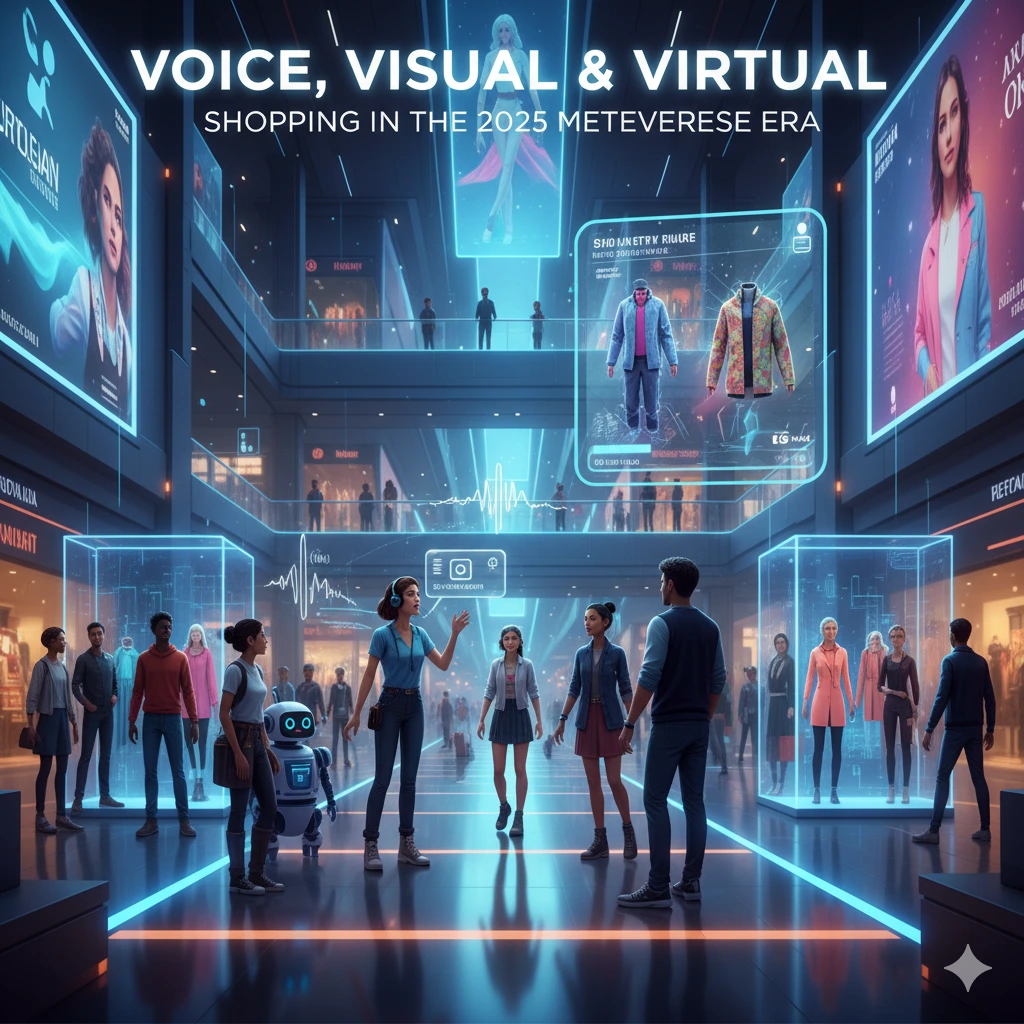
    Voice, Visual & Virtual: Shopping in the 2025 Metaverse Era

    The world of e-commerce is changing faster than ever, and 2025 has become the year where voice, visual, and virtual experiences redefine how we shop online. With consumers craving personalization, immersion, and instant gratification, metaverse shopping has stepped up as the ultimate retail revolution. This new era merges AI, AR, VR, and automation to create experiences that are more human, engaging, and addictive than traditional e-commerce.

    In the past, online shopping meant scrolling through endless product pages, adding items to a cart, and waiting for delivery. But the digital transformation of retail is far beyond that now. Today, customers can walk into a virtual store, interact with digital avatars, test products in augmented reality, and even talk to AI voice assistants who guide them through the entire shopping journey. Welcome to the future of retail—where your virtual identity and shopping experience are seamlessly connected.

    The Rise of Voice Commerce

    One of the biggest breakthroughs in e-commerce automation is voice commerce. Smart devices like Alexa, Google Assistant, and Siri have already entered millions of homes, but in 2025, their capabilities have skyrocketed. Voice commands now control entire shopping journeys—from product search to payment confirmation. Shoppers simply say, “Order me a new pair of running shoes,” and automation takes care of the rest.

    Brands are investing heavily in voice search optimization, a vital SEO trend for 2025. As more users shift to hands-free browsing, optimizing product listings with long-tail keywords, conversational content, and AI-driven recommendations has become essential. For example, instead of typing “best smartwatch,” users now say, “What’s the best smartwatch for fitness tracking under $300?” This subtle shift demands that brands rethink their content strategy to match real-world speech patterns.

    Voice commerce also adds a personal touch to automation. AI assistants remember user preferences, suggest personalized deals, and can even use predictive analytics to anticipate future purchases. With AI-powered personalization and voice-enabled shopping bots, brands are not just selling—they’re building relationships.

    Visual Commerce: Seeing is Believing

    In 2025, visuals dominate the digital landscape. With shorter attention spans and rising expectations for authenticity, visual commerce has become the new frontier. It combines AI, image recognition, and augmented reality to make product discovery interactive and fun. Instead of relying on static photos, customers now experience 3D product views, virtual try-ons, and AR-powered product demos right from their smartphones.

    Retail giants and small brands alike are embracing tools like Shopify AR, Snap AR Shopping, and Instagram Visual Search to make products come alive. Imagine pointing your camera at a friend’s sneakers and instantly finding the same model online with a “Buy Now” button. That’s the power of visual search technology—instant identification and seamless conversion.

    In this visual-first era, user-generated content plays a massive role too. Reviews, real-life videos, and influencer partnerships fuel social commerce automation. Platforms like TikTok Shop and Instagram Checkout have blurred the lines between content and commerce, turning every post, reel, and story into a potential sale. The mantra of the year? “If you can see it, you can shop it.”

    Virtual Shopping in the Metaverse

    Now comes the most exciting transformation: virtual shopping in the metaverse. The metaverse—a shared digital world powered by VR and blockchain technology—has evolved into a trillion-dollar marketplace. Here, shoppers explore immersive 3D environments, interact with brands as avatars, and even attend live fashion shows or product launches virtually.

    Major brands like Nike, Gucci, and Samsung are already leading the way with virtual stores and NFT-based loyalty programs. In 2025, virtual malls are not science fiction—they are thriving ecosystems where digital identities and real-world purchases merge. Customers can browse new collections, pay using crypto wallets, and receive both digital goods for avatars and physical items delivered to their doorsteps.

    The beauty of metaverse e-commerce lies in its automation. Every aspect—from customer service chatbots to logistics tracking—is integrated through AI, machine learning, and IoT-powered systems. This automation ensures hyper-personalization, efficiency, and 24/7 engagement, all while reducing operational costs for businesses.

    The Role of Automation in a Virtual World

    Behind the glitz of voice, visual, and virtual experiences lies the real driver—e-commerce automation. In 2025, automation isn’t just about convenience; it’s about scalability and data-driven precision. Smart systems now manage inventory forecasting, dynamic pricing, personalized marketing, and predictive customer behavior.

    For example, automation tools powered by machine learning algorithms can analyze millions of interactions in real time, adjusting promotions or stock levels automatically. Chatbots and AI shopping assistants provide instant answers, improving the customer experience while reducing human workload.

    Even logistics have entered the automation wave with robotic fulfilment centers, drone deliveries, and micro-warehousing. These technologies shorten delivery times, enhance sustainability, and give smaller retailers a chance to compete with global giants.

    Sustainability Meets Smart Tech

    Another 2025 trend redefining e-commerce is sustainable automation. Consumers are becoming eco-conscious, pushing brands to adopt green logistics, recyclable packaging, and carbon-neutral delivery. Technologies like AI route optimization and smart inventory management help minimize waste and energy use. Virtual stores also reduce the need for physical outlets, cutting down environmental impact.

    In the metaverse, sustainability takes a digital twist. Virtual fashion reduces material waste, and NFT-based digital goods are becoming collectibles with zero carbon footprint. Brands that combine eco-friendly automation with immersive technology are earning customer trust faster than ever.

    The Power of Data and Personalization

    As automation grows, so does the importance of data-driven personalization. Every click, voice command, and virtual movement generates valuable insights. Businesses can now predict what customers want before they even ask, thanks to AI analytics and predictive modeling.

    This level of personalization makes shopping feel natural, even intuitive. Imagine walking into a virtual mall, and the store layout automatically adjusts to display your favorite categories, colors, and price ranges. That’s not the future—it’s happening right now.

    Challenges in the New Shopping Reality

    Of course, the rise of AI-powered e-commerce and metaverse automation comes with challenges. Data privacy, digital identity theft, and ethical AI use are major concerns. Consumers need assurance that their data is secure and that automation doesn’t lead to manipulation or bias.

    Regulators worldwide are catching up with AI transparency laws, while brands are focusing on trust-building strategies through blockchain verification and secure payment gateways. The key to success in this new era is balance—innovation without intrusion.

    What’s Next for E-Commerce Automation?

    Looking beyond 2025, the fusion of voice, visual, and virtual will continue to evolve. We can expect mixed reality shopping, wearable-integrated payments, and even emotion-recognition AI that tailors offers based on mood. The future of shopping will be fluid, personal, and powered by automation at every level.

    For businesses, now is the time to invest in AI tools, automation platforms, and immersive tech that bridge the gap between digital and physical worlds. For consumers, the future promises a more convenient, personalized, and sustainable way to shop.

    In the end, e-commerce in 2025 isn’t just about selling—it’s about storytelling, experience, and connection. The brands that embrace voice commerce, visual AI, and metaverse automation are the ones that will define the next decade of digital retail.

    The line between reality and virtuality is fading fast. And in this new world, every voice command, every virtual try-on, and every AI-powered recommendation brings us closer to a future where shopping feels more like living.

  • Gamified Shopping Journeys – Turning E-Commerce into Entertainment

    Gamified Shopping Journeys – Turning E-Commerce into Entertainment

    The Rise of Entertainment Commerce

    E-commerce is no longer just about convenience and transactions — it’s about creating experiences. In today’s digital world, where customers are bombarded with choices, gamified shopping journeys are emerging as one of the most powerful ways to engage, entertain, and retain consumers. Gamification transforms online shopping from a passive activity into an interactive adventure — making customers feel like players in a rewarding game rather than just shoppers.

    This new trend, often called “shoppertainment” or entertainment commerce, is reshaping the landscape of digital retail. By blending game mechanics such as rewards, levels, points, badges, and challenges into online shopping, brands are making the experience more immersive and emotionally engaging. It’s no longer about what customers buy, but how they feel while buying it.

    Understanding Gamified Shopping

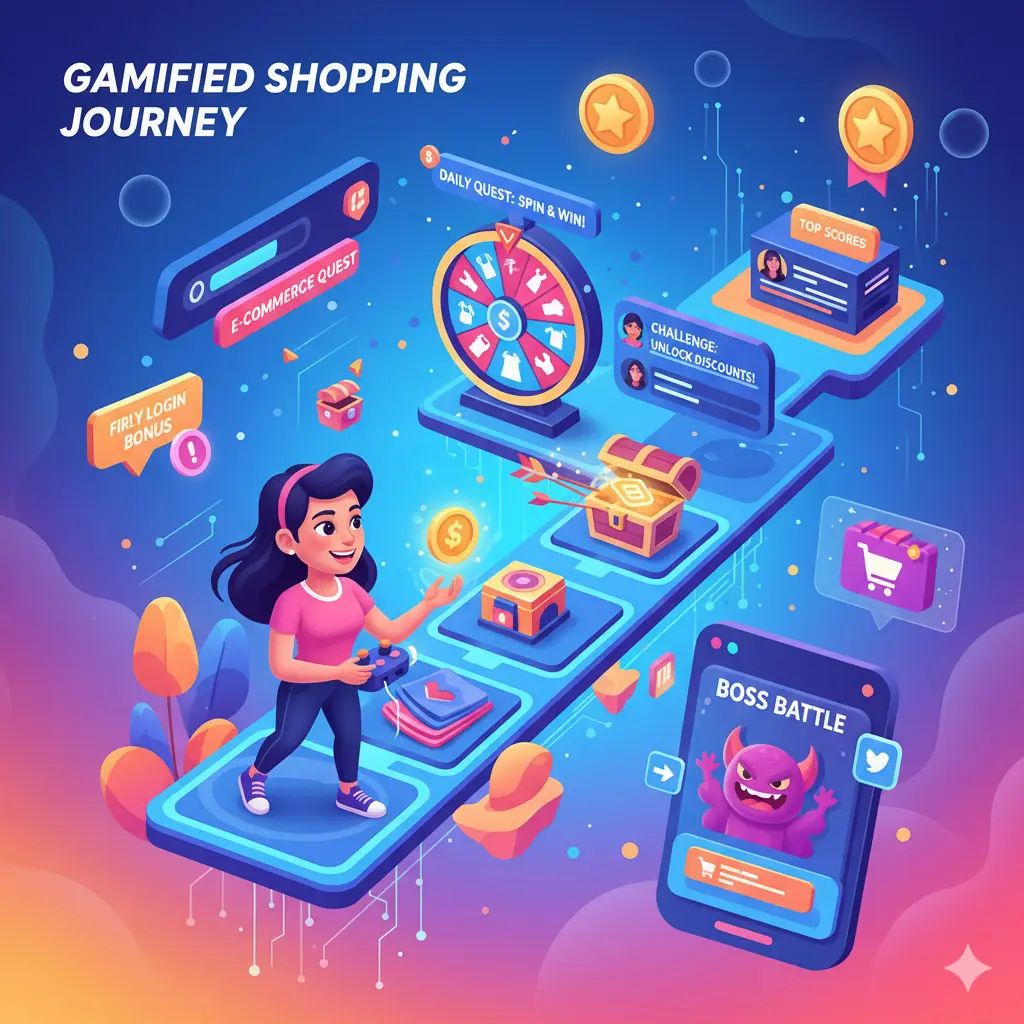
    Gamification in e-commerce means applying elements from video games — like challenges, leaderboards, and achievements — to the shopping process. The goal is to trigger intrinsic motivation, such as curiosity, competition, and satisfaction. Instead of scrolling through endless product listings, customers participate in mini-games, spin virtual wheels, complete missions, or unlock discounts as they interact with the brand.

    This approach taps into psychology. Humans love goals, progress, and rewards. Gamified shopping triggers the brain’s dopamine system, making users more likely to stay longer, explore more, and return frequently. When done right, gamification transforms ordinary shopping into a memorable experience that drives sales and loyalty simultaneously.

    How Gamified E-Commerce Works

    At its core, gamified e-commerce combines three elements: engagement, progression, and reward. Here’s how it works:

    1. Engagement – Users are invited to interact with fun, game-like activities. Examples include spin-the-wheel offers, trivia quizzes, or virtual treasure hunts on websites.
    2. Progression – As customers engage, they earn points, badges, or levels that unlock new rewards or exclusive access. This creates a sense of achievement and anticipation.
    3. Reward – Players are rewarded with discounts, coupons, loyalty points, or early access to limited products. The satisfaction of “winning” drives repeat engagement.

    Many brands now integrate augmented reality (AR) and AI personalization to make these experiences even more interactive. For example, customers can play AR-based games to virtually “try on” products or complete digital challenges that align with their interests.

    Examples of Successful Gamified Shopping

    Leading global brands have already embraced the gamification wave:

    • Nike Run Club connects physical activity with rewards. Users earn badges, achievements, and product discounts based on their running goals — blending fitness, competition, and shopping seamlessly.
    • AliExpress and Shopee host in-app games like “Shake & Win” and “Daily Coins,” where users earn virtual currency by completing tasks or sharing promotions with friends.
    • Sephora’s Beauty Insider Program gamifies loyalty by assigning tiers (Insider, VIB, Rouge) that unlock different privileges based on spending and engagement.
    • Starbucks Rewards allows customers to collect “stars” for each purchase, which can be redeemed for drinks, merchandise, or experiences — an example of gamified loyalty at scale.

    These strategies have proven effective in boosting user engagement, encouraging repeat purchases, and enhancing brand loyalty.

    The Role of Technology in Gamification

    Modern technology is the driving force behind gamified shopping. AI, AR, and data analytics allow brands to design personalized experiences that feel unique to each user.

    • Artificial Intelligence (AI) analyzes customer behavior to tailor challenges and rewards. For instance, an AI system might suggest different games or achievements based on a shopper’s browsing history.
    • Augmented Reality (AR) turns shopping into an adventure. Customers can explore virtual stores, participate in scavenger hunts, or visualize products in real-life settings through their smartphones.
    • Mobile Apps and Progressive Web Apps (PWAs) offer smooth, game-like interactions — from instant feedback animations to progress tracking.
    • Blockchain and NFTs are introducing new layers of digital ownership. Customers can win collectible digital items or exclusive membership tokens through gameplay, merging e-commerce with Web3 experiences.

    As technology continues to evolve, the line between gaming, shopping, and social interaction is becoming increasingly blurred.

    Benefits of Gamified Shopping for Brands

    Gamification offers more than just entertainment; it delivers measurable business benefits:

    1. Higher Engagement – Interactive elements encourage users to spend more time on websites and apps. The longer customers engage, the higher the conversion rates.
    2. Stronger Loyalty – Rewards and progress systems foster a sense of connection and achievement, motivating customers to return.
    3. Viral Growth – Social sharing features built into games help brands reach new audiences organically.
    4. Enhanced Data Collection – Games provide valuable behavioral insights. Brands can analyze how customers interact, what rewards motivate them, and which products attract attention.
    5. Emotional Connection – Gamification makes shopping fun and memorable, building emotional ties that traditional e-commerce often lacks.

    The Psychology Behind Gamified Shopping

    Gamified e-commerce works because it leverages key psychological drivers of motivation:

    • Achievement – Customers love completing challenges and earning recognition.
    • Competition – Leaderboards or timed events stimulate excitement and urgency.
    • Curiosity – Mystery boxes, spin wheels, and surprise rewards trigger curiosity-driven behavior.
    • Reward Anticipation – The thrill of potentially winning something — even a small discount — creates dopamine-driven engagement.

    This combination of pleasure and anticipation keeps customers returning. It’s not about discounts alone; it’s about how those discounts are earned.

    Challenges and Risks

    Despite its benefits, gamified e-commerce requires balance. Poorly designed games or overly complex mechanics can frustrate users instead of engaging them. There’s also the risk of “reward fatigue,” where customers lose interest once the novelty wears off.

    To avoid this, brands must ensure that their gamified systems are authentic, relevant, and user-centered. Rewards should feel meaningful, not manipulative. Additionally, gamification must integrate naturally with the shopping experience rather than disrupt it.

    Data privacy is another consideration. As gamified platforms collect user data for personalization, transparency and ethical data use become critical for maintaining trust.

    The Future of Gamified Shopping

    As digital and physical retail merge, gamification will play an even bigger role in shaping the future of e-commerce. Emerging technologies like virtual reality (VR), metaverse platforms, and AI-powered personalization will allow brands to create immersive, game-like shopping universes.

    Imagine entering a virtual store in the metaverse, completing mini-missions to unlock exclusive drops, or competing with friends in live shopping tournaments. These experiences blend entertainment, community, and commerce in unprecedented ways.

    Moreover, social gamification — combining live streaming, influencer collaborations, and interactive shopping games — is set to dominate in the coming years. Platforms like TikTok Shop and YouTube Shopping are already integrating playful, community-based experiences that turn shopping into social entertainment.

    Conclusion

    Gamified shopping journeys represent the next evolution of e-commerce — a fusion of fun, engagement, and innovation. By transforming the act of shopping into an entertaining experience, brands can deepen emotional connections, boost loyalty, and stand out in a crowded market.

    As AI, AR, and immersive technologies continue to evolve, the boundary between gaming and shopping will disappear entirely. The future of e-commerce isn’t just transactional; it’s experiential. Gamified shopping is the bridge between consumer enjoyment and commercial success — turning every purchase into play and every shopper into a player.

  • Subscription 3.0 – Smarter, Flexible, and Sustainable Subscription Models

    Subscription 3.0 – Smarter, Flexible, and Sustainable Subscription Models

    The Evolution of Subscription Commerce

    The subscription economy has evolved far beyond simple monthly boxes and recurring billing. From entertainment platforms like Netflix to software services and even everyday essentials, subscriptions have changed how people consume. However, consumers today demand more control, personalization, and sustainability. This shift has given rise to Subscription 3.0 — a new era of smarter, flexible, and eco-conscious subscription models designed for the modern digital shopper.

    In the early stages, Subscription 1.0 focused on convenience and automation. People enjoyed the ease of having products delivered regularly without reordering. Subscription 2.0 introduced personalization, allowing customers to tailor their subscriptions to their preferences. But now, as markets mature and customer expectations rise, Subscription 3.0 focuses on empowerment, adaptability, and responsible consumption.

    Smarter Subscriptions Driven by AI and Data

    One of the defining features of Subscription 3.0 is intelligence. Artificial Intelligence and machine learning have made it possible for brands to anticipate customer needs before they are even expressed. AI-powered predictive analytics can track user behavior, purchase history, and preferences to deliver hyper-personalized subscription experiences.

    For instance, beauty brands now use AI to recommend products that match a subscriber’s skin tone, climate, and past purchases. Streaming services like Spotify and Netflix already utilize machine learning to personalize content delivery, and e-commerce companies are quickly catching up. These AI-driven subscription models not only increase customer satisfaction but also reduce churn rates by providing continuous value.

    Data-driven insights also allow businesses to forecast demand, optimize inventory, and minimize waste — crucial factors for profitability and sustainability. With the right integration of predictive AI, companies can deliver smarter, faster, and more relevant experiences, turning casual shoppers into long-term subscribers.

    Flexibility as the New Loyalty

    The rigid subscription models of the past are no longer appealing to modern consumers. Today’s subscribers want the freedom to pause, modify, or cancel their plans at any time. Flexibility has become the new definition of customer loyalty.

    Subscription 3.0 is all about adaptability. Brands are offering customizable delivery schedules, interchangeable product choices, and on-demand subscription management through mobile apps. For example, fitness brands now allow members to switch between online and in-person classes, while food subscription services let customers change meal plans weekly based on dietary needs or lifestyle shifts.

    This flexibility builds trust. When customers know they are in control, they are more likely to stay subscribed. Moreover, transparent pricing, easy cancellation policies, and seamless user interfaces help create a positive brand experience. In 2025, subscription flexibility isn’t a bonus feature — it’s a fundamental expectation.

    Sustainability at the Core

    Another key pillar of Subscription 3.0 is sustainability. Modern consumers are increasingly conscious of their environmental impact, and they expect the brands they support to share their values. Sustainable subscription models prioritize eco-friendly packaging, carbon-neutral shipping, and products made from responsibly sourced materials.

    Circular economy concepts are becoming central to subscription commerce. Brands are introducing programs that allow customers to return used items for recycling or reuse. For example, fashion subscription services like Rent the Runway and Nuuly promote clothing reuse and reduce textile waste. Similarly, refillable subscription systems for household goods, beauty products, and cleaning supplies are gaining momentum.

    In addition, companies are leveraging blockchain technology to provide supply chain transparency, ensuring that every product delivered aligns with ethical and environmental standards. Subscription 3.0 embraces sustainability not just as a trend but as a core value — one that appeals to eco-aware customers and builds long-term brand equity.

    The Role of Technology in Subscription 3.0

    Technology is the backbone of modern subscription models. From AI-driven personalization to secure payment systems and data analytics, tech innovations are reshaping the subscription experience. The rise of Internet of Things (IoT) devices adds a new dimension — smart products that can automatically reorder supplies when running low.

    For example, a connected coffee machine might track usage and place an automatic order for coffee pods before they run out. Similarly, fitness wearables can suggest nutrition or training subscriptions based on performance metrics. These smart subscription ecosystems merge convenience with intelligence, making daily life more efficient for consumers.

    Blockchain also enhances trust and transparency by providing immutable records of transactions, ensuring that every recurring payment and delivery is verifiable. Additionally, modern CRM systems powered by AI help brands predict churn and send proactive engagement offers to retain customers.

    Personalization and Customer Experience

    Personalization remains the cornerstone of successful subscription models. With access to big data and behavioral insights, brands can tailor every touchpoint of the customer journey. From onboarding surveys to dynamic pricing and personalized rewards, every interaction can be optimized for relevance.

    Customers no longer want generic experiences. They expect brands to know their preferences and anticipate their needs. Subscription 3.0 uses predictive personalization, which analyzes micro-interactions — clicks, pauses, and even voice data — to deliver curated product selections or exclusive content.

    Moreover, the integration of emotion AI and conversational commerce allows customers to interact naturally with chatbots for assistance or recommendations. This seamless blend of automation and empathy enhances satisfaction while maintaining efficiency.

    Economic and Social Impact

    The shift to smarter, flexible, and sustainable subscription models also impacts the global economy. Businesses benefit from predictable revenue streams and improved customer retention, while consumers enjoy better value and convenience. However, the true value lies in fostering long-term relationships rather than short-term transactions.

    Subscription 3.0 supports local economies by enabling small businesses to launch scalable subscription services through digital platforms. It also promotes conscious consumption — customers buy only what they need when they need it, reducing waste and overproduction.

    Socially, the rise of ethical and transparent brands helps rebuild consumer trust in e-commerce. As more companies adopt fair trade practices, renewable packaging, and carbon offsetting initiatives, subscription commerce becomes a powerful vehicle for positive change.

    The Future of Subscription 3.0

    Looking ahead, the subscription economy is expected to reach trillions in global market value. Future models will integrate AI, blockchain, and green technology even more seamlessly. The focus will move from “ownership” to “access,” as consumers prioritize experiences and convenience over accumulation.

    We may also see the rise of metaverse subscriptions, offering digital goods, experiences, and memberships across virtual spaces. As augmented and virtual reality become mainstream, immersive subscription experiences will redefine engagement and retention.

    Ultimately, Subscription 3.0 is not just about recurring payments — it’s about building sustainable relationships through technology, personalization, and ethical practices. Brands that embrace flexibility, data intelligence, and eco-conscious innovation will lead the next wave of e-commerce growth.

    Conclusion

    Subscription 3.0 represents the evolution of consumer commerce — smarter, flexible, and sustainable. It aligns technology with human values, offering meaningful, convenient, and responsible experiences. Businesses that invest in AI-driven personalization, adaptable subscription plans, and green initiatives will not only retain customers but also create lasting impact.

    As consumers continue to demand transparency and choice, the brands that listen, adapt, and innovate will thrive. Subscription 3.0 isn’t just a trend — it’s the future of e-commerce, redefining how we buy, connect, and sustain in a digital-first world.

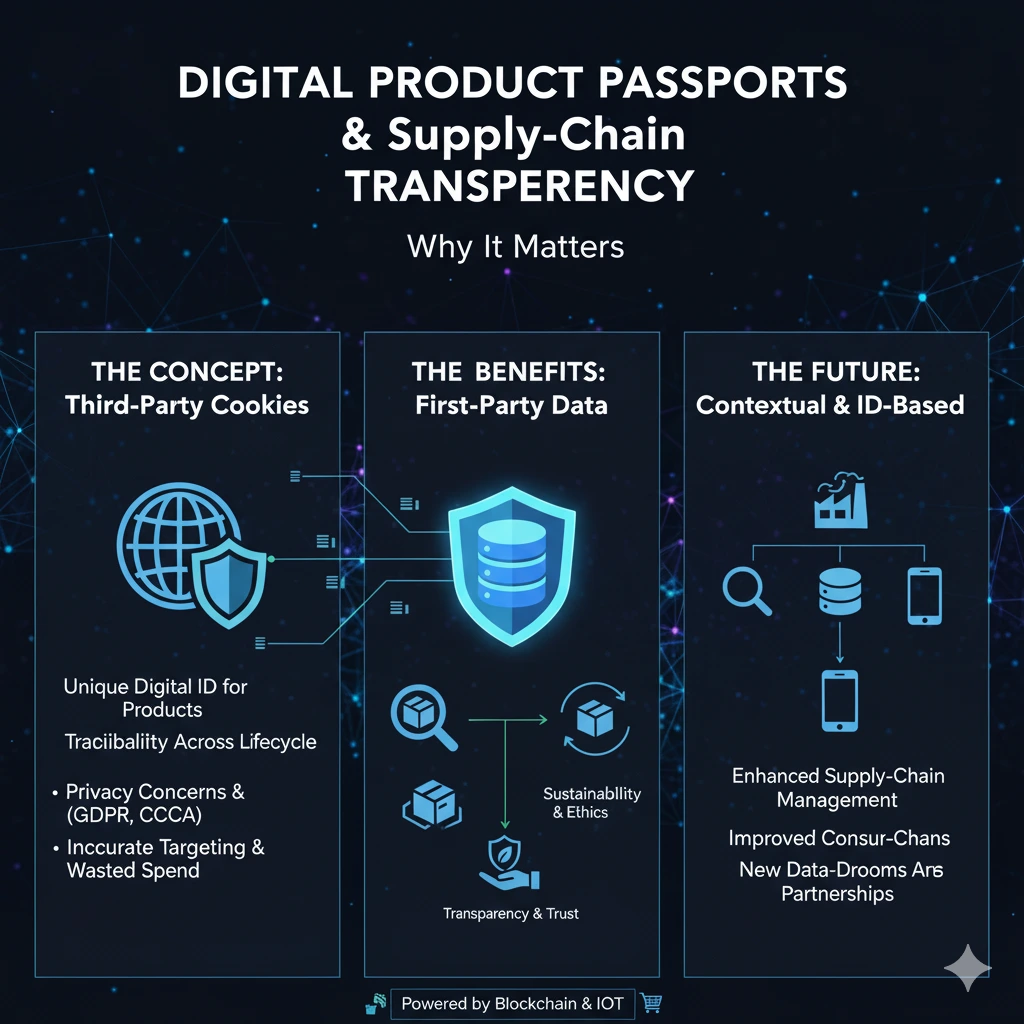
  • Digital Product Passports & Supply-Chain Transparency: Why It Matters

    Digital Product Passports & Supply-Chain Transparency: Why It Matters

    In today’s fast-changing global economy, sustainability and transparency have become non-negotiable for modern businesses. Consumers, regulators, and investors increasingly demand visibility into how products are made, sourced, and distributed. As industries transition toward circular economies and ethical production, Digital Product Passports (DPPs) are emerging as a powerful innovation. These digital identifiers are reshaping supply-chain management, ensuring authenticity, compliance, and sustainability from raw materials to end-of-life recycling.

    Understanding Digital Product Passports

    A Digital Product Passport is a secure digital record that contains key information about a product’s materials, manufacturing process, and lifecycle. It functions like a digital identity card for goods—accessible via QR code, RFID chip, or blockchain ledger. By scanning the code, stakeholders across the value chain—manufacturers, retailers, regulators, and consumers—can view verified data about sourcing, carbon footprint, and recyclability.

    The European Union’s Circular Economy Action Plan has made DPPs a cornerstone of its sustainability goals. By 2027, digital product passports will be mandatory for certain sectors, such as textiles, batteries, and electronics. This global shift marks the beginning of a new era of traceable, transparent, and data-driven commerce.

    Why Supply-Chain Transparency Matters

    Transparency builds trust. In a world where greenwashing and counterfeit products are rampant, consumers want proof of authenticity and sustainability claims. Supply-chain transparency ensures that every stage—from raw material extraction to product delivery—is visible and verifiable.

    For businesses, transparency is not only a compliance issue but also a strategic advantage. Companies that disclose sourcing details and sustainability data can strengthen their brand reputation, attract conscious consumers, and meet growing ESG (Environmental, Social, and Governance) expectations.

    Moreover, transparency allows organizations to identify inefficiencies, monitor emissions, and reduce waste. By integrating real-time supply-chain visibility tools, businesses can anticipate disruptions, enhance risk management, and improve overall resilience.

    The Technology Behind Digital Product Passports

    1. Blockchain for Trust and Immutability

    Blockchain technology underpins many digital product passport systems. It provides a tamper-proof and decentralized ledger, ensuring that data entered along the supply chain remains immutable. Every transaction—from raw material certification to shipping—is recorded in real time. This makes it nearly impossible to falsify sustainability credentials or hide unethical sourcing practices.

    Blockchain’s traceability feature is particularly valuable for industries like luxury goods, pharmaceuticals, and electronics, where counterfeit risks are high. By linking physical items to secure digital identities, blockchain enhances authenticity and consumer confidence.

    2. IoT and Smart Sensors

    Internet of Things (IoT) devices play a crucial role in capturing real-time data for digital product passports. Smart sensors embedded in packaging or products can track temperature, location, and handling conditions. This data helps verify product integrity during transportation and ensures compliance with safety standards.

    In agriculture and food supply chains, IoT-enabled DPPs can trace produce from farm to fork, documenting every step to guarantee freshness, origin, and ethical sourcing.

    3. Artificial Intelligence and Data Analytics

    AI complements digital product passports by analyzing complex data sets to reveal insights about performance, carbon emissions, and supply-chain risks. Machine learning algorithms can predict potential bottlenecks, detect anomalies, and suggest optimizations. With AI-powered analytics, businesses gain actionable intelligence that drives both sustainability and profitability.

    Benefits of Digital Product Passports

    Enhanced Consumer Trust and Engagement

    Today’s consumers care deeply about where and how products are made. DPPs empower shoppers to verify sustainability claims instantly. By scanning a QR code, customers can learn about recycled content, fair-trade sourcing, and product lifespan. This transparency fosters loyalty, builds trust, and strengthens brand differentiation in a competitive marketplace.

    Regulatory Compliance and Risk Reduction

    Global sustainability regulations are tightening rapidly. From the EU’s Eco-Design for Sustainable Products Regulation (ESPR) to carbon disclosure mandates, brands must provide traceable data. DPPs simplify compliance by consolidating all necessary documentation in one secure digital format. This reduces administrative costs and minimizes the risk of penalties for non-compliance.

    Circular Economy and Product Lifecycle Management

    One of the biggest advantages of digital product passports is enabling circular economy models. By storing detailed information about materials and components, DPPs make it easier to repair, reuse, or recycle products at the end of their life. This supports zero-waste goals and promotes resource efficiency across industries such as fashion, automotive, and electronics.

    Improved Supply-Chain Efficiency

    With end-to-end visibility, organizations can track shipments, monitor supplier performance, and optimize logistics in real time. DPPs enhance operational efficiency by connecting all players in the value chain through a shared, trustworthy data ecosystem. This reduces duplication, delays, and resource waste.

    Digital Product Passports Across Industries

    1. Fashion and Textiles

    The fashion industry is among the earliest adopters of digital product passports. Fast fashion’s environmental footprint has prompted brands to embrace DPPs for greater transparency. By tagging garments with digital IDs, consumers can access details about fiber content, dyeing methods, and working conditions. Brands like Stella McCartney and H&M have begun experimenting with blockchain-backed DPPs to track sustainable materials and circular recycling initiatives.

    2. Electronics and Technology

    E-waste is one of the world’s fastest-growing waste streams. Digital product passports in electronics can store repair manuals, component details, and recycling instructions, enabling right-to-repair movements and sustainable disposal. Manufacturers gain better control over materials, while consumers gain confidence that their devices are responsibly sourced.

    3. Automotive and Batteries

    As electric vehicles become mainstream, battery passports are emerging to track the origin and lifecycle of lithium, cobalt, and nickel. This data helps ensure ethical mining practices and supports safe battery recycling. Automotive brands are adopting DPPs to prove sustainability commitments and comply with upcoming EU regulations.

    Challenges to Implementation

    Despite their potential, digital product passports face adoption barriers. The biggest challenges include data standardization, interoperability, and cost of infrastructure. Different industries and countries use varying systems, making it difficult to integrate data across the supply chain. Additionally, privacy concerns arise when handling sensitive business information.

    To overcome these challenges, industry collaboration and government support are essential. Developing global interoperability standards, promoting open data frameworks, and ensuring cybersecurity will accelerate widespread adoption.

    The Future of Supply-Chain Transparency

    The future of supply-chain transparency will be powered by connected ecosystems where every product has a digital twin. Next-gen technologies like Web3, digital twins, and AI-driven automation will merge with DPPs to create smarter, self-regulating supply networks.

    In the coming years, we can expect to see real-time traceability platforms integrated with carbon accounting systems, enabling automatic sustainability scoring. Consumers will be able to check the environmental and social impact of every purchase instantly, redefining how trust and responsibility are built in commerce.

    Conclusion

    Digital product passports are more than a compliance tool—they are the foundation of a transparent, circular, and sustainable economy. By linking data, people, and products through secure digital ecosystems, DPPs empower businesses to prove their commitments and empower consumers to make informed choices.

    As global supply chains become more complex, transparency is not just a trend—it’s the future of business. Companies that adopt digital product passports early will not only meet regulatory demands but also lead the next generation of ethical, intelligent, and accountable commerce.