Tag: online shopping

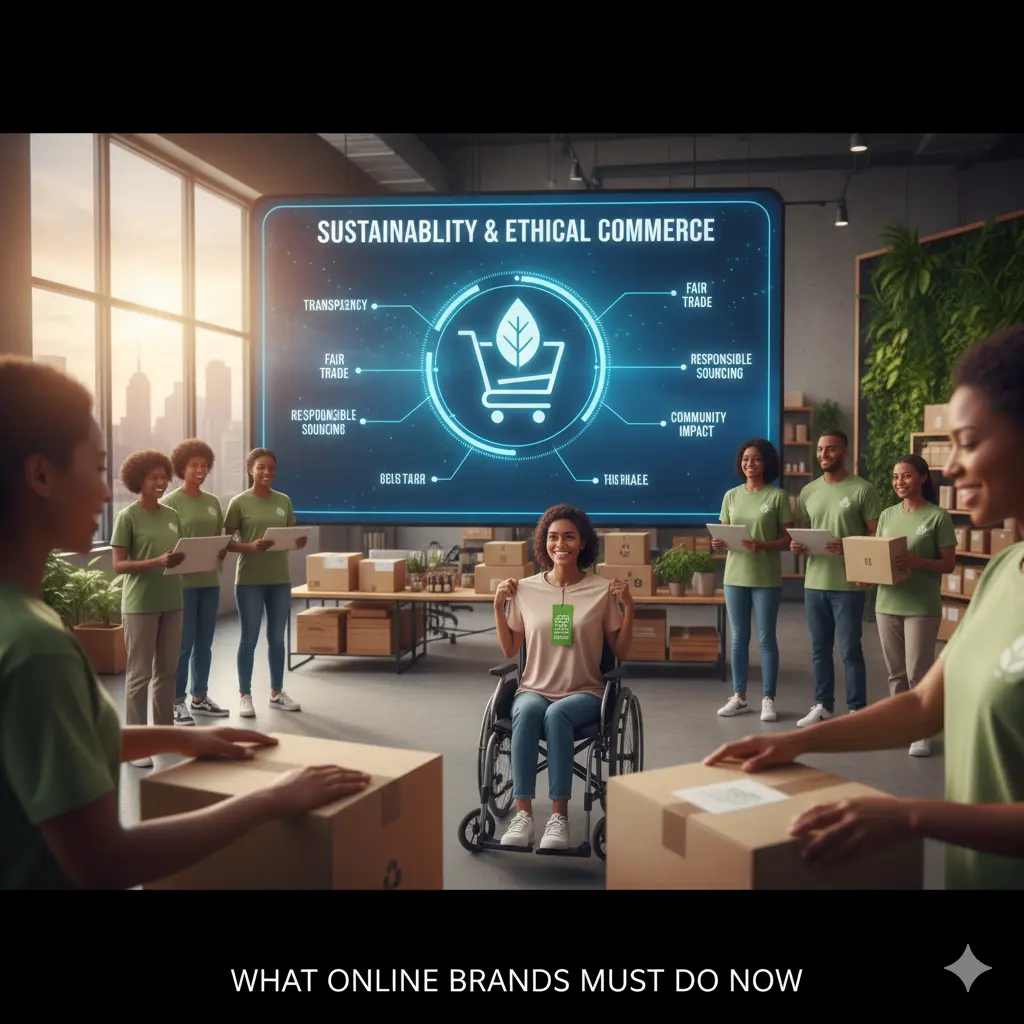
  • Sustainability & Ethical Commerce: What Online Brands Must Do Now

    Sustainability & Ethical Commerce: What Online Brands Must Do Now

    In the digital-first era, where consumer awareness and transparency define brand loyalty, sustainability and ethical commerce are no longer optional—they’re essential. Modern consumers, especially Gen Z and Millennials, are holding online brands accountable for the environmental and social impact of their operations. They want to know that the companies they support are making conscious choices—from product sourcing and packaging to labor practices and carbon footprint reduction.

    For e-commerce brands, the message is clear: building a sustainable and ethical business isn’t just about doing good—it’s about staying relevant, competitive, and profitable in an era where values drive purchasing decisions.

    The Rise of Conscious Consumerism

    The shift toward sustainability is powered by a new generation of conscious consumers. According to a 2024 NielsenIQ report, 78% of global shoppers say sustainability influences their purchasing decisions. Consumers are choosing brands that reflect their values—favoring eco-friendly packaging, fair labor, and transparent sourcing.

    This change represents a massive opportunity for online retailers. By embedding sustainability into their core strategy, brands can differentiate themselves, attract loyal audiences, and future-proof their business against evolving regulations and market demands.

    What Ethical Commerce Really Means

    Ethical commerce goes beyond “greenwashing” or using buzzwords like “eco-friendly.” It’s about creating a business model rooted in integrity and respect—for people, planet, and profit. True ethical commerce covers three main pillars:

    1. Environmental Responsibility: Reducing carbon emissions, minimizing waste, and promoting circular economy practices.
    2. Social Responsibility: Ensuring fair labor, diversity, and community impact across the supply chain.
    3. Economic Sustainability: Building transparent business models that prioritize long-term value over short-term gain.

    Together, these principles form the foundation of a sustainable digital brand—one that balances innovation with responsibility.

    Why Online Brands Must Act Now

    1. Consumers Demand Transparency

    Digital shoppers have unprecedented access to information. With a few clicks, they can research a brand’s supply chain, carbon footprint, and labor policies. If a company’s ethics don’t align with their values, they’ll switch to a competitor instantly. Transparency is no longer optional—it’s a trust currency.

    2. Regulations Are Tightening

    Governments worldwide are introducing stricter ESG (Environmental, Social, and Governance) standards. From carbon labeling to anti-greenwashing laws, online retailers that fail to comply risk financial penalties and reputational damage. Proactive sustainability efforts safeguard brands from future regulatory disruptions.

    3. Competitive Advantage

    Ethical commerce isn’t just about compliance—it’s a powerful differentiator. Sustainable brands enjoy higher engagement, stronger customer loyalty, and better employee retention. In an age of saturated markets, doing good is the new growth strategy.

    Practical Steps for Building a Sustainable Online Brand

    1. Audit Your Supply Chain

    Start with a sustainability audit. Identify where your products come from, how they’re made, and who’s involved in the process. Partner only with suppliers who follow fair labor practices and sustainable production methods. Tools like Sedex and EcoVadis can help assess ethical performance across your supply chain.

    2. Adopt Eco-Friendly Packaging

    Packaging is often a brand’s biggest environmental impact point. Use biodegradable, recyclable, or compostable materials. Minimize excess packaging and eliminate single-use plastics. Brands like Patagonia and Lush have set strong examples by integrating sustainable packaging at every level.

    3. Embrace Carbon Neutrality

    Offset your emissions by investing in renewable energy, carbon capture, or reforestation projects. Many brands use certified programs such as ClimatePartner or Carbonfund.org to achieve neutrality. Displaying your carbon status builds trust and demonstrates accountability.

    4. Promote Circular Economy Practices

    Encourage product reuse, recycling, and upcycling. Offer repair programs, resale platforms, or buy-back incentives. Brands like Levi’s and IKEA are leading the way by helping customers extend the lifecycle of products and reduce waste.

    5. Showcase Ethical Storytelling

    Use your brand’s storytelling power to highlight the real impact behind your products. Share authentic narratives about artisans, eco-initiatives, or community projects. Consumers resonate with stories that connect human experience with purpose.

    6. Partner with Ethical Influencers

    Collaborate with creators who genuinely advocate for sustainability and transparency. Influencer partnerships should focus on education and awareness rather than simple promotion. Authentic voices amplify your brand’s ethical commitment.

    Leveraging Technology for Sustainable Impact

    Digital innovation is key to scaling ethical commerce. Online brands can use technology to make sustainability measurable and actionable:

    • AI for Supply Chain Transparency: Track and analyze sourcing, logistics, and production emissions in real time.
    • Blockchain for Traceability: Use blockchain to verify authenticity and ethical sourcing of materials.
    • Data Analytics for Optimization: Identify inefficiencies in operations that contribute to waste or excess energy use.
    • Augmented Reality (AR): Reduce product returns (and carbon footprint) by enabling virtual try-ons and better product visualization.

    By combining sustainability with technology, brands can create a data-driven, transparent, and efficient ecosystem that benefits both business and the planet.

    Building Consumer Trust Through Ethical Practices

    Trust is the cornerstone of modern e-commerce. When consumers believe in your ethical commitments, they’re more likely to engage, advocate, and return. Here’s how to cultivate that trust:

    • Certifications and Labels: Obtain recognized certifications such as Fair Trade, B Corp, or FSC to validate your claims.
    • Transparent Communication: Share impact reports, progress updates, and sustainability goals openly on your website.
    • Community Involvement: Support local initiatives, donate to environmental causes, or collaborate with NGOs that align with your values.

    Every ethical decision—no matter how small—strengthens your relationship with conscious consumers.

    Avoiding Greenwashing

    As sustainability becomes mainstream, some brands engage in greenwashing—making exaggerated or false claims about their eco efforts. Consumers are quick to spot it, and the backlash can be severe. To avoid this, ensure your messaging is:

    • Evidence-Based: Support claims with data and certifications.
    • Specific: Avoid vague terms like “eco-friendly” without context.
    • Consistent: Ensure your sustainability message aligns across all marketing and operations.

    Transparency and honesty will always win over perfection. Consumers don’t expect brands to be flawless—they expect them to be authentic and committed to progress.

    The Future of Ethical E-Commerce

    The next phase of online retail will be defined by regenerative business models, not just sustainable ones. Future-forward brands will aim to restore ecosystems, empower communities, and design products for longevity.

    Emerging trends include:

    • Regenerative Packaging: Materials that return nutrients to the environment.
    • AI-Powered Sustainability Analytics: Predicting carbon impact before production.
    • Decentralized Ethical Marketplaces: Platforms connecting conscious consumers directly with ethical producers.

    As technology, ethics, and commerce converge, the line between profitability and responsibility will blur. The brands that succeed will be those that see sustainability as innovation, not obligation.

    Final Thoughts

    Sustainability and ethical commerce are not marketing trends—they’re the future of business. Online brands that act with transparency, accountability, and purpose will earn more than customer loyalty—they’ll earn cultural relevance.

    In a world facing climate change, social inequality, and digital overconsumption, brands have a moral and strategic duty to lead with responsibility. The call to action is clear: be sustainable, be ethical, and be the change your customers expect to see.

  • E-Commerce Logistics Made Easy: Tips for Faster Delivery and Happy Customers

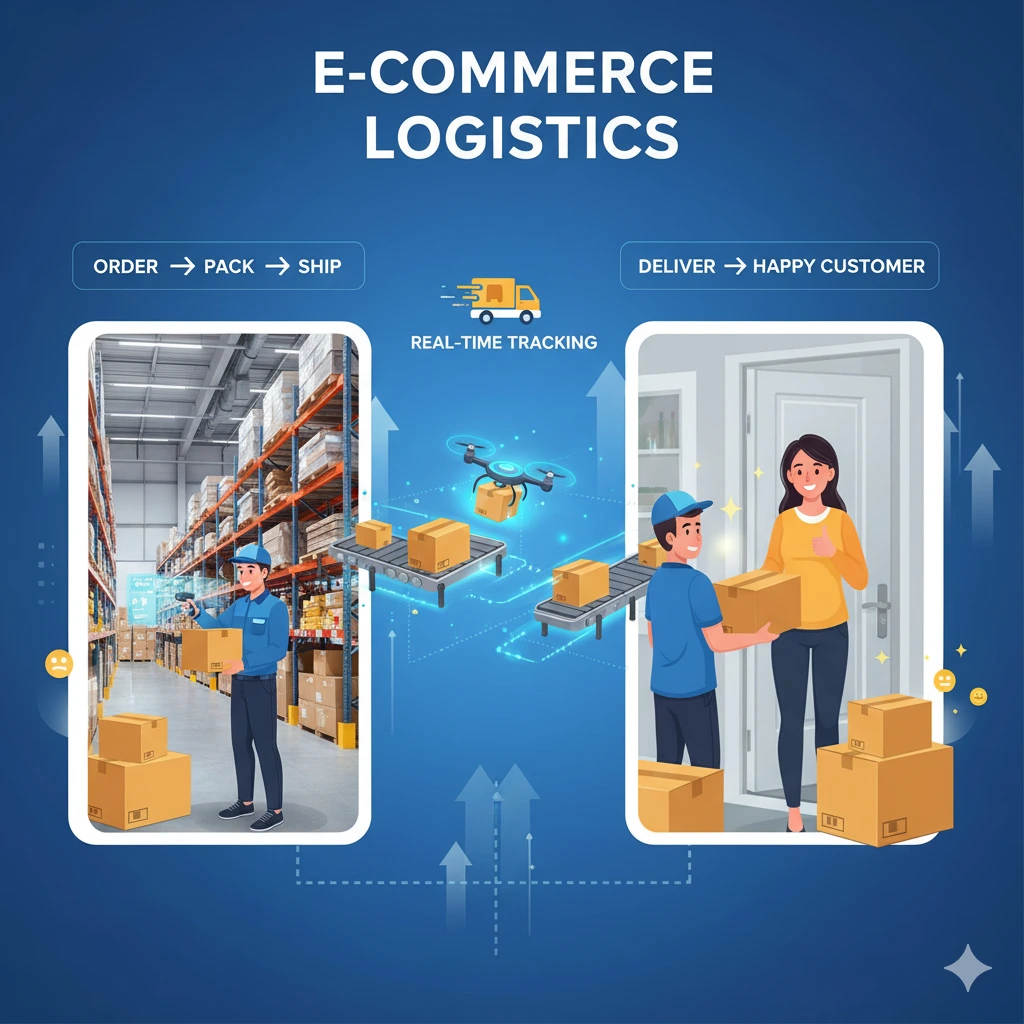
    E-Commerce Logistics Made Easy: Tips for Faster Delivery and Happy Customers

    In the fast-paced world of e-commerce, delivery speed and reliability can make or break a customer’s experience. Even if your products are top-notch, slow or complicated shipping can lead to abandoned carts, negative reviews, and lost repeat business. Streamlining logistics is not just about moving packages—it’s about creating a seamless, satisfying customer journey.

    Why Efficient E-Commerce Logistics Matters

    • Customer Satisfaction: Fast, reliable deliveries enhance trust and loyalty.
    • Competitive Advantage: In a crowded online market, quick shipping differentiates your brand.
    • Lower Operational Costs: Efficient logistics reduces errors, returns, and wastage.
    • Scalability: A streamlined system allows your business to grow without chaos.

    Step 1: Choose the Right Shipping Partners

    Partnering with reliable logistics providers is crucial. Consider:

    • Coverage: Ensure they deliver to all your target areas efficiently.
    • Speed: Compare standard, express, and same-day delivery options.
    • Pricing: Look for competitive rates without compromising reliability.
    • Technology: Track shipments, integrate APIs, and automate notifications for smoother operations.

    Combining multiple couriers for domestic and international shipments can also minimize delays and optimize costs.

    Step 2: Optimize Your Inventory

    Inventory management is the backbone of fast delivery. Tips include:

    • Centralized Inventory: Keep your stock in one location or strategically distribute it across multiple warehouses.
    • Real-Time Stock Updates: Avoid selling products that are out of stock, which leads to cancellations and unhappy customers.
    • Demand Forecasting: Use historical data and trends to predict popular products and stock them in advance.

    A well-organized inventory ensures that orders are fulfilled quickly and accurately.

    Step 3: Automate Order Processing

    Manual order processing slows down shipping and increases the risk of errors. Consider:

    • E-Commerce Platform Integration: Automate order data flow from your store to the logistics provider.
    • Automated Picking and Packing: Use barcode scanners and software to reduce mistakes.
    • Shipment Notifications: Automatically update customers with tracking information to enhance transparency.

    Automation not only speeds up delivery but also improves operational efficiency.

    Step 4: Offer Multiple Delivery Options

    Customers appreciate choice. Offering multiple options can improve satisfaction:

    • Standard Shipping: Cost-effective, suitable for non-urgent orders.
    • Express Delivery: For customers willing to pay a premium for speed.
    • Scheduled Delivery: Lets customers choose convenient delivery times.
    • Click-and-Collect: In-store pickup or locker options for local customers.

    Providing flexibility increases convenience and reduces the likelihood of missed deliveries.

    Step 5: Focus on Packaging

    Efficient logistics isn’t just about speed; packaging plays a key role:

    • Protect Products: Reduce damage with sturdy, appropriate packaging materials.
    • Compact Packaging: Minimize box sizes to save on shipping costs.
    • Branded Packaging: Creates a memorable unboxing experience, boosting customer loyalty.

    Smart packaging protects your products while reinforcing your brand identity.

    Step 6: Leverage Technology

    Modern logistics relies heavily on technology. Useful tools include:

    • Route Optimization Software: Reduces delivery times and fuel costs.
    • Inventory Management Systems: Tracks stock levels, predicts demand, and triggers reorders.
    • Customer Communication Tools: Automated SMS/email notifications for shipping updates.
    • Analytics Dashboards: Monitor delivery times, returns, and courier performance to improve operations.

    Investing in technology helps scale your logistics smoothly and efficiently.

    Step 7: Handle Returns Efficiently

    Returns are inevitable in e-commerce. A smooth returns process:

    • Builds trust and encourages repeat purchases.
    • Reduces customer frustration with clear policies and quick refunds.
    • Minimizes operational disruption when integrated with your logistics system.

    Offer prepaid return labels, easy pickup options, and automated refund notifications to make returns hassle-free.

    Step 8: Monitor Performance and Improve

    Continuous improvement is essential:

    • Track delivery times, customer complaints, and missed deliveries.
    • Collect feedback from customers about shipping experience.
    • Optimize warehouse layout, courier partnerships, and route planning based on data.

    Even small tweaks can significantly improve delivery speed and customer satisfaction.

    Conclusion

    Efficient e-commerce logistics is more than just moving packages from point A to B. It’s a critical part of the customer experience. By choosing reliable partners, optimizing inventory, automating processes, offering flexible delivery, and leveraging technology, you can ensure faster deliveries, happier customers, and higher repeat business.

    Happy customers lead to positive reviews, brand loyalty, and long-term growth. In e-commerce, logistics excellence isn’t optional—it’s a competitive necessity.

  • Immersive Marketing: AR, VR & the Experience Shift That Brands Can’t Ignore

    Immersive Marketing: AR, VR & the Experience Shift That Brands Can’t Ignore

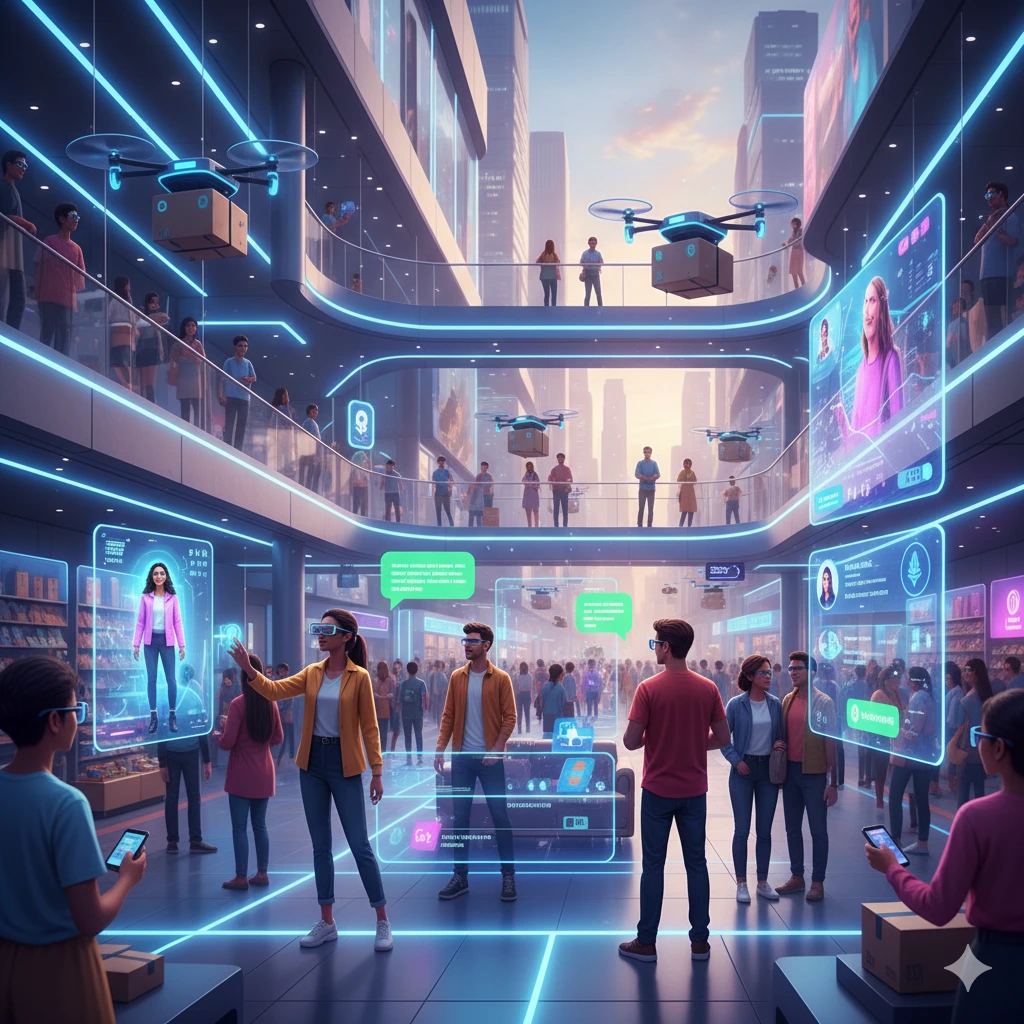
    The world of marketing is evolving faster than ever, and brands are no longer just selling products — they’re selling experiences. Augmented Reality (AR) and Virtual Reality (VR) have emerged as transformative tools that allow consumers to engage with brands in ways that were once unimaginable. From virtual try-ons to immersive brand storytelling, these technologies are shifting consumer expectations and redefining how brands connect with their audiences.

    The Rise of Immersive Marketing

    Immersive marketing leverages AR, VR, and mixed reality to create interactive, engaging, and memorable experiences. Unlike traditional advertising, which relies on static visuals or passive consumption, immersive experiences actively involve the consumer.

    Brands across industries — from fashion and retail to real estate and automotive — are adopting these technologies to provide deeper engagement. By offering hands-on virtual experiences, brands can differentiate themselves, increase brand recall, and drive customer loyalty.

    AR vs VR: Understanding the Difference

    Augmented Reality (AR) overlays digital content onto the real world. Examples include AR filters on Instagram, Snapchat, or virtual try-on tools for eyewear and cosmetics. AR enhances reality rather than replacing it, making it ideal for interactive marketing campaigns.

    Virtual Reality (VR), on the other hand, creates a fully immersive digital environment. VR experiences can transport users to virtual showrooms, interactive brand worlds, or product simulations. While VR requires more hardware like headsets, it delivers a highly engaging and memorable experience.

    Both technologies enable brands to interact with consumers on a deeper level, transforming traditional marketing into a multi-sensory journey.

    Why Brands Can’t Ignore the Experience Shift

    Consumer expectations are evolving. Today’s audiences crave interactive, personalized, and memorable experiences rather than simple advertisements. Immersive marketing fulfills this demand by:

    • Allowing try-before-you-buy experiences online
    • Creating gamified interactions that engage users
    • Delivering storytelling that resonates emotionally

    For example, IKEA’s AR app lets customers visualize furniture in their homes before making a purchase, enhancing confidence and reducing returns. Similarly, Nike’s VR campaigns provide interactive storytelling that immerses users in the brand’s ethos, forging a stronger emotional connection.

    The Role of AR in Retail and E-Commerce

    AR has revolutionized retail and e-commerce by bridging the gap between online and offline experiences. Consumers can use AR to try on clothes, experiment with makeup, or see how furniture fits into their homes. This not only enhances the shopping experience but also boosts conversion rates and reduces cart abandonment.

    Social media platforms have amplified the impact of AR. Filters, lenses, and interactive AR ads allow brands to engage younger audiences while collecting valuable data on preferences and behaviors. AR creates a fun, interactive, and shareable experience, turning users into brand ambassadors.

    VR: Redefining Storytelling and Engagement

    While AR enhances reality, VR replaces it entirely, offering fully immersive brand experiences. VR is particularly powerful for storytelling, training, and simulations. Travel brands, for instance, use VR to transport users to destinations, giving them a taste of the experience before booking. Automotive brands allow users to explore cars virtually, from interior features to test drives.

    VR creates emotional engagement, a key factor in driving brand loyalty. When consumers feel immersed in a narrative, they form stronger memories and connections to the brand. This level of engagement is hard to achieve with traditional media.

    Measuring the Impact of Immersive Marketing

    Investing in AR and VR is not just about novelty; it’s about measurable outcomes. Brands track engagement rates, dwell time, conversion rates, and social shares to assess the effectiveness of immersive campaigns. High engagement often translates into increased sales, brand awareness, and customer retention.

    Additionally, immersive marketing provides data-driven insights. Interactions within AR and VR environments can reveal user preferences, behavior patterns, and engagement points, allowing brands to optimize future campaigns.

    Challenges and Considerations

    Despite its potential, immersive marketing comes with challenges:

    • Cost and accessibility: VR hardware and AR app development require investment
    • User adoption: Not all consumers are familiar with immersive technologies
    • Content creation: Developing high-quality AR/VR experiences demands creativity and technical expertise

    Brands must weigh these factors and start small, experimenting with AR filters, interactive apps, or VR showrooms before scaling immersive campaigns. The key is to deliver value and usability, not just gimmicks.

    The Future of Brand Experiences

    The future of marketing is experiential. As AR glasses, VR headsets, and mixed reality devices become mainstream, immersive marketing will become a standard rather than a novelty. Brands that adopt these technologies early will set new benchmarks for engagement, personalization, and loyalty.

    AI integration will further enhance immersive experiences, creating adaptive and personalized interactions. Imagine entering a virtual store where every product is curated based on your preferences, or attending a live virtual concert tailored to your music tastes. Immersive marketing will redefine how consumers interact, shop, and experience brands.

    Conclusion: Embracing the Experience Shift

    AR and VR are no longer optional tools for brands — they are essential components of modern marketing. Immersive marketing allows brands to create memorable experiences, strengthen emotional connections, and differentiate themselves in an increasingly crowded digital landscape.

    The shift from traditional advertising to experiential engagement is clear. Brands that embrace AR, VR, and immersive storytelling will not only capture attention but also build lasting loyalty in an age where consumers crave interaction, personalization, and authenticity.

  • How E-Commerce Brands Can Turn Festive Seasons into Storytelling Seasons

    How E-Commerce Brands Can Turn Festive Seasons into Storytelling Seasons

    Festive seasons are more than just periods of high sales and discounts; they are prime opportunities for e-commerce brands to connect with customers on an emotional level. In an age where consumers crave meaningful experiences, transforming marketing campaigns into compelling stories can create lasting brand loyalty, increase engagement, and boost conversions. Storytelling during festive seasons is not just about selling products — it’s about weaving a narrative that resonates with customers’ emotions, traditions, and aspirations.

    Why Storytelling Matters in E-Commerce

    Storytelling is a powerful marketing tool because humans are naturally drawn to narratives. Brands that craft stories during festive seasons can:

    • Differentiate themselves from competitors
    • Build emotional connections with consumers
    • Make promotions feel authentic rather than transactional

    During festivals, people are already in a celebratory and emotional mindset, making it the perfect time for brands to engage beyond discounts and deals. Instead of focusing solely on products, brands that focus on experiences, memories, and values create stronger, longer-lasting impressions.

    Emotional Connection Drives Conversions

    Consumers are more likely to purchase when they feel a personal connection to a brand. Storytelling taps into nostalgia, joy, family values, and festive traditions, turning ordinary transactions into memorable experiences. For example, a brand showcasing how its products enhance family celebrations or create meaningful moments can resonate deeply with shoppers.

    Tactics for Turning Festive Seasons into Storytelling Seasons

    1. Craft a Festive Narrative

    Begin by defining a storyline that aligns with both the brand’s identity and the festive spirit. A good narrative highlights:

    • The emotions associated with the festival
    • How the brand enhances the celebration
    • A clear call-to-action without sounding pushy

    For instance, a home décor brand can focus on the warmth and togetherness of family gatherings, showing how its products create memorable festive settings.

    2. Leverage Visual Storytelling

    Festive campaigns thrive on visual content. High-quality imagery, videos, and animations can convey narratives more effectively than words alone. Brands should:

    • Use festive colors, motifs, and designs
    • Showcase real-life usage scenarios of products
    • Incorporate UGC (user-generated content) to add authenticity

    Platforms like Instagram, TikTok, and Pinterest are ideal for visual storytelling, allowing brands to engage audiences with immersive and shareable content.

    3. Personalize Festive Experiences

    Personalization is key to making festive campaigns feel special. Brands can:

    • Send customized emails and messages featuring relevant products
    • Recommend gifts based on past purchases or browsing behavior
    • Highlight exclusive offers for loyal customers

    Personalized campaigns demonstrate that the brand understands and values the consumer, enhancing engagement and conversion rates.

    4. Use Story-Driven Product Bundles

    Festive seasons are perfect for curated product bundles that tell a story. Bundles can be themed around:

    • Family celebrations
    • Friendships and gifting
    • Festive rituals and traditions

    By presenting bundles as ready-made solutions for festive needs, brands simplify shopping while reinforcing their narrative.

    5. Engage Customers with Interactive Campaigns

    Festive storytelling can extend beyond ads and emails through interactive campaigns. Brands can:

    • Host contests and challenges that encourage users to share their festive stories
    • Use AR filters or gamified experiences related to the festival
    • Launch social media campaigns that highlight customer participation

    Interactive storytelling creates a community feeling, making customers feel part of the brand’s festive journey.

    Measuring the Impact of Festive Storytelling

    To ensure campaigns are effective, brands should track metrics such as:

    • Engagement rates on social media and emails
    • Conversion rates from storytelling-driven campaigns
    • UGC participation and shares
    • Customer sentiment and feedback

    Data from these metrics helps refine future storytelling campaigns, making them even more targeted and impactful.

    Challenges and Considerations

    While festive storytelling offers immense potential, brands should be mindful of:

    • Cultural sensitivity: Ensure campaigns respect diverse traditions and beliefs
    • Over-commercialization: Focus on stories and experiences, not just selling
    • Consistency: Maintain narrative consistency across all channels for maximum impact

    Balancing authenticity, relevance, and creativity ensures that festive campaigns resonate meaningfully with audiences.

    Conclusion: Transforming Festive Seasons into Storytelling Seasons

    For e-commerce brands, festive seasons are a golden opportunity to move beyond transactional marketing. By embracing storytelling, personalization, visual engagement, and interactive campaigns, brands can turn ordinary promotions into memorable experiences that strengthen emotional connections with consumers.

    The ultimate goal is to make shoppers feel that the brand is part of their festive moments, not just a source of products. In doing so, brands can drive higher engagement, boost sales, and cultivate long-term loyalty. In the world of e-commerce, festive storytelling is more than marketing — it’s a way to celebrate, connect, and create lasting memories.

  • Top 10 Online Shopping Trends Shaping 2025

    Top 10 Online Shopping Trends Shaping 2025

    Introduction
    The world of e-commerce is evolving faster than ever before. As technology advances and customer expectations rise, online shopping continues to redefine the retail experience. In 2025, consumers demand convenience, personalization, sustainability, and seamless digital interactions. Businesses that adapt to these changes will lead the market, while those that don’t may struggle to stay relevant. In this blog, we will explore the top ten online shopping trends shaping 2025 and how they are transforming the way consumers shop and brands sell.

    1. The Rise of AI-Powered Personalization
    Artificial intelligence is revolutionizing the online shopping experience. AI-driven algorithms now analyze browsing history, purchase patterns, and even social media behavior to deliver hyper-personalized recommendations. In 2025, AI personalization is not just about suggesting products but predicting what customers might want next. E-commerce platforms like Vcue are leveraging AI to enhance user engagement, increase conversion rates, and improve overall customer satisfaction. This technology creates smarter product suggestions, personalized email campaigns, and dynamic homepage experiences tailored to each visitor’s preferences.

    2. Voice Commerce Becomes Mainstream
    With the growing use of smart speakers and voice assistants such as Alexa, Siri, and Google Assistant, voice commerce is becoming a key part of the digital shopping experience. Consumers now use voice commands to search for products, compare prices, and even complete purchases hands-free. By 2025, optimizing online stores for voice search is a must. Businesses must focus on conversational keywords, natural language optimization, and local SEO to stay competitive. As customers embrace convenience, voice shopping is set to become one of the fastest-growing e-commerce trends.

    3. Augmented Reality (AR) Shopping Experiences
    Augmented reality is transforming how customers shop online. Instead of imagining how a product might look, they can now visualize it in real time using AR technology. In 2025, AR shopping will be the norm for categories like fashion, furniture, and beauty. Customers can virtually “try on” outfits, test furniture placement in their homes, or see how a lipstick shade looks on their skin tone. Retailers using AR tools have reported higher engagement rates and reduced product returns, making this trend a major win for both buyers and sellers.

    4. Social Commerce Dominates Online Shopping
    Social media platforms are no longer just for entertainment—they are now powerful sales channels. With features like Instagram Shops, TikTok Shop, and Facebook Marketplace, social commerce is expected to dominate in 2025. Brands are focusing on influencer collaborations, shoppable posts, and live streaming to boost sales directly through social media. Consumers prefer interactive, community-driven shopping experiences, and social media offers exactly that. For e-commerce platforms like Vcue, integrating social commerce tools helps drive traffic and conversions by meeting customers where they already spend their time.

    5. Sustainability and Ethical Shopping
    Sustainability is no longer a buzzword—it’s a movement. Modern shoppers care about the environmental and social impact of their purchases. In 2025, customers will increasingly choose brands that practice transparency, use eco-friendly packaging, and promote fair trade. Online stores are now featuring “green badges” or sustainability filters to help conscious consumers find eco-friendly products easily. Platforms like Vcue that adopt green logistics, carbon-neutral delivery, and recyclable packaging gain a competitive edge in building trust and loyalty among environmentally aware customers.

    6. The Growth of Mobile-First Shopping
    Smartphones have become the primary tool for online shopping. With mobile users expected to make up over 75% of all e-commerce traffic in 2025, a mobile-first approach is essential. Websites must be fast, responsive, and optimized for small screens. Mobile wallets, one-click payments, and intuitive app interfaces enhance the shopping experience. Additionally, integrating mobile-exclusive deals and push notifications keeps customers engaged and encourages repeat purchases. For e-commerce brands like Vcue, mobile optimization is no longer optional—it’s fundamental to success.

    7. The Power of Data-Driven Marketing
    In 2025, data will continue to be the fuel that powers digital marketing success. Retailers are investing heavily in advanced analytics to understand customer behavior, predict trends, and make smarter decisions. Data-driven marketing helps brands personalize offers, target the right audience, and measure campaign performance more accurately. With the help of AI and machine learning, platforms like Vcue can analyze vast amounts of consumer data in real time, allowing them to create targeted marketing strategies that drive conversions and maximize ROI.

    8. Fast and Flexible Delivery Options
    Speed and flexibility are now top priorities for online shoppers. Consumers expect same-day or next-day delivery, hassle-free returns, and multiple shipping options. In 2025, e-commerce platforms are focusing on logistics innovation, from drone deliveries to micro-warehousing, to meet these demands. Flexible delivery times, local pickup points, and real-time tracking enhance the customer experience. Companies that provide fast, transparent, and sustainable delivery options will stand out in the competitive e-commerce landscape.

    9. Subscription-Based Shopping Models
    Subscription services are changing the way consumers shop. From fashion boxes to grocery deliveries, subscription-based models offer convenience, value, and a sense of exclusivity. In 2025, more e-commerce brands are adopting subscription systems to build recurring revenue and long-term customer relationships. These models not only simplify shopping but also allow brands to collect valuable insights into customer preferences. Personalized subscription boxes, loyalty discounts, and flexible cancellation options keep customers engaged while ensuring consistent business growth.

    10. The Integration of Blockchain in E-commerce
    Blockchain technology is introducing a new era of transparency and security in online transactions. In 2025, blockchain will play a crucial role in building consumer trust by enabling verified product origins, secure payment systems, and transparent supply chains. Customers will be able to track the journey of their products from manufacturer to doorstep, ensuring authenticity and ethical sourcing. For e-commerce platforms like Vcue, adopting blockchain can strengthen credibility, reduce fraud, and enhance customer satisfaction.

    Conclusion
    The future of online shopping in 2025 is dynamic, intelligent, and customer-centric. From AI-driven personalization and AR experiences to sustainability and blockchain technology, each trend is shaping a smarter, faster, and more ethical e-commerce ecosystem. Consumers are no longer just looking for products; they are seeking meaningful experiences and trustworthy brands. For platforms like Vcue, embracing these trends means more than staying competitive—it means leading the transformation of digital retail. As technology continues to evolve, one thing is certain: the future of online shopping is innovative, immersive, and designed around the customer.