Tag: online shopping

  • How to Write Product Descriptions That Sell

    How to Write Product Descriptions That Sell

    Well-crafted e-commerce product descriptions do more than explain what a product is—they persuade, build trust, and motivate customers to click the “Buy Now” button. In a competitive online market, your product description can be the deciding factor between a sale and an abandoned cart. Learning how to write product descriptions strategically is essential if you want to improve online sales and create a strong brand presence.

    Why Product Descriptions Matter in E-Commerce

    Product descriptions act as your digital salesperson. Since customers cannot touch, feel, or try products online, your words must bridge that gap. Effective e-commerce product descriptions answer customer questions, reduce uncertainty, and clearly communicate value. They also play a critical role in SEO, helping your products rank higher in search results and attract qualified traffic.

    Know Your Target Audience Before You Write

    Before you start to write product descriptions, you must understand who you are selling to. Identify your ideal customer’s needs, pain points, and motivations. A description written for busy professionals will sound very different from one targeting teenagers or hobbyists.

    Use language your audience relates to. Focus on benefits that solve their problems rather than just listing features. When customers feel that a product was designed specifically for them, they are far more likely to purchase.

    Focus on Benefits, Not Just Features

    Many brands make the mistake of listing features without explaining why they matter. Features tell; benefits sell. To improve online sales, always connect each feature to a real-world benefit.

    Turn Features Into Benefits

    For example, instead of saying “Made with stainless steel,” explain how it “offers long-lasting durability and resistance to rust for everyday use.” This approach helps customers visualize how the product improves their life.

    Use Clear, Persuasive, and Scannable Language

    Online shoppers skim. Your e-commerce product descriptions should be easy to read and visually appealing.

    Use Bullet Points and Short Paragraphs

    Break information into digestible sections. Bullet points work well for highlighting key benefits, while short paragraphs keep readers engaged without overwhelming them.

    Write in an Active and Confident Tone

    Strong action words and confident language build trust. Avoid vague phrases and focus on clarity. When you write product descriptions with authority, customers feel more secure in their buying decision.

    Appeal to Emotions and Create Desire

    Buying decisions are often emotional. Great product descriptions tap into how a product makes the customer feel. Whether it’s confidence, comfort, convenience, or excitement, emotional triggers are powerful tools to improve online sales.

    Use sensory words that help customers imagine using the product. Describe textures, experiences, and outcomes to make the product feel real and desirable.

    Optimize Product Descriptions for SEO

    SEO-friendly e-commerce product descriptions help search engines understand your products while still appealing to humans. Naturally include relevant keywords, especially in titles and opening lines, without keyword stuffing.

    Ensure every product has a unique description. Duplicate content weakens SEO and reduces your chances of ranking well in search results.

    Build Trust With Social Proof and Guarantees

    Adding elements like customer reviews, testimonials, certifications, or guarantees strengthens credibility. Trust signals reassure shoppers and remove hesitation, making it easier to improve online sales.

    Test, Analyze, and Refine

    Writing high-performing product descriptions is an ongoing process. Track metrics such as conversion rates, bounce rates, and time on page. Test different tones, formats, and benefit-focused messaging to see what resonates most with your audience.

    When you master how to write product descriptions that combine clarity, persuasion, and SEO best practices, your product pages become powerful sales tools. With the right strategy, e-commerce product descriptions can significantly boost engagement, build confidence, and consistently improve online sales.
  • Managing Returns Without Losing Customers

    Managing Returns Without Losing Customers

    Introduction: Turning Returns Into Relationship Builders

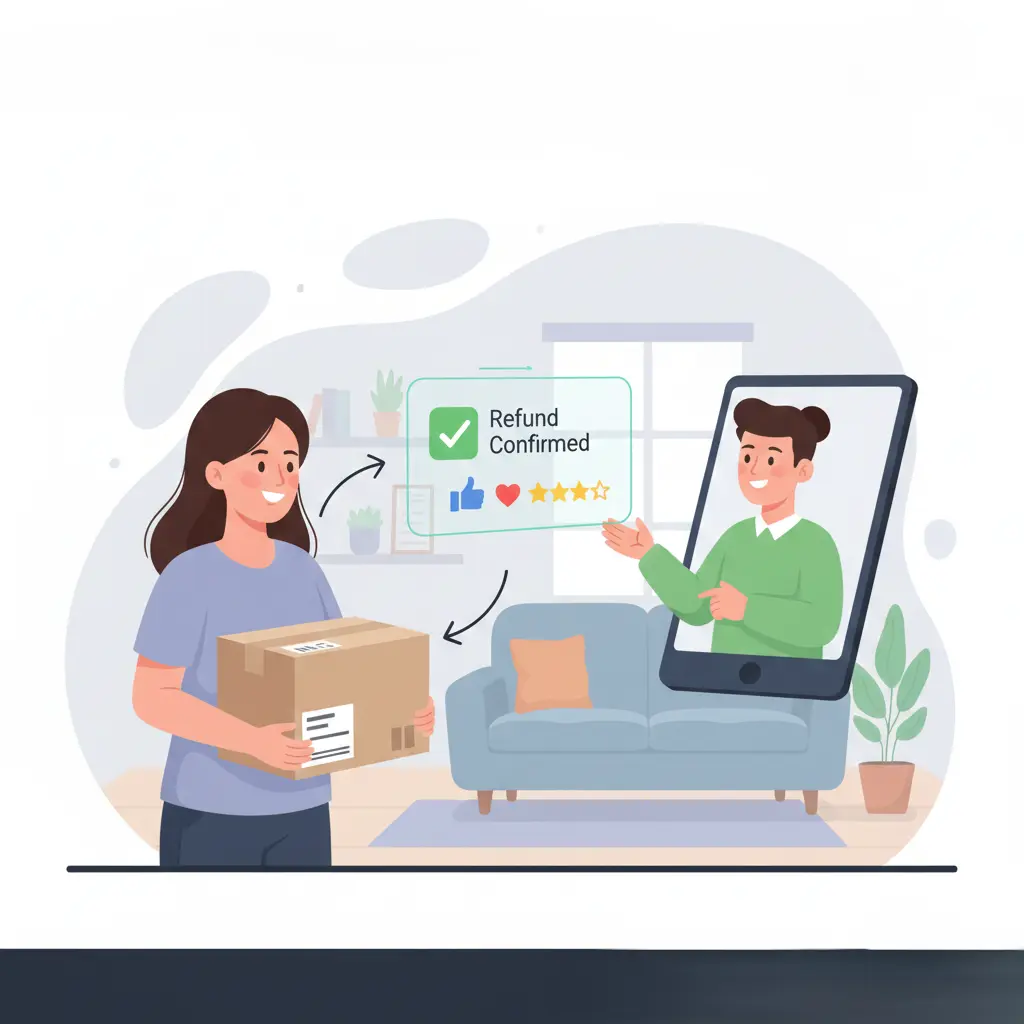
    Product returns are an unavoidable part of modern commerce, especially in ecommerce-driven markets. However, the way a brand handles returns can determine whether a customer leaves frustrated or stays loyal. Managing Returns Without Losing Customers is not just about logistics; it is about trust, transparency, and customer experience. A well-planned return strategy can strengthen relationships instead of damaging them.

    Why Returns Matter More Than Ever

    Customers today expect flexibility, convenience, and fairness. Complicated or unclear return policies often result in negative reviews and lost repeat business.

    The Impact of Poor Return Experiences

    When return processes are slow or confusing, customers associate that frustration with the brand itself. On the other hand, Managing Returns Without Losing Customers helps businesses protect brand reputation and maintain long-term value, even when a purchase does not work out.

    Designing a Customer-Centric Return Policy

    A clear and fair return policy sets expectations before the purchase is made.

    Keep Policies Simple and Transparent

    Easy-to-understand return rules reduce anxiety and build confidence. Clear timelines, eligibility criteria, and refund methods show that the brand values honesty. This clarity plays a critical role in Managing Returns Without Losing Customers by minimizing misunderstandings.

    Offer Flexible Return Options

    Multiple return methods such as store drop-offs, pickup services, or digital return labels provide convenience. Flexibility shows empathy for customer needs and encourages repeat purchases.

    Streamlining the Returns Process

    Speed and Communication Matter

    Fast processing and regular updates reassure customers that their issue is being handled. Automated notifications and tracking links help reduce uncertainty.

    Efficient workflows are essential for Managing Returns Without Losing Customers, as delays often lead to dissatisfaction and support complaints.

    Empower Customer Support Teams

    Well-trained support teams can turn a return request into a positive interaction. Empathy, quick resolution, and problem-solving skills make customers feel valued rather than blamed.

    Using Returns as a Learning Opportunity

    Analyze Return Data

    Returns provide valuable insights into product quality, sizing issues, or misleading descriptions. Tracking reasons for returns helps brands improve products and reduce future issues.

    By learning from data, businesses strengthen Managing Returns Without Losing Customers while improving overall operations.

    Improve Product Content and Expectations

    Accurate descriptions, size guides, and visuals reduce unnecessary returns. When customers know exactly what to expect, satisfaction increases.

    Building Loyalty After a Return

    Incentives and Follow-Up Engagement

    Offering discounts, store credits, or personalized recommendations after a return can encourage customers to give the brand another chance.

    These gestures reinforce Managing Returns Without Losing Customers by showing appreciation beyond the transaction.

    Focus on Long-Term Relationships

    A return does not have to signal the end of a customer journey. Thoughtful follow-ups and proactive engagement turn short-term setbacks into long-term loyalty.

    Technology’s Role in Return Management

    Automation tools, return management software, and integrated CRM systems simplify the process for both customers and internal teams. Technology reduces errors, speeds up refunds, and supports Managing Returns Without Losing Customers at scale.

    Conclusion: From Cost Center to Competitive Advantage

    Returns are often seen as a loss, but they can be a powerful opportunity when handled correctly. Managing Returns Without Losing Customers requires a balance of efficiency, empathy, and transparency. Brands that invest in customer-friendly return strategies not only reduce churn but also build trust, loyalty, and long-term growth. When customers feel respected during a return, they are far more likely to come back.

  • Ecommerce Customer Journey Mapping: Improve UX and Boost Conversions

    Ecommerce Customer Journey Mapping: Improve UX and Boost Conversions

    Introduction: Understanding the Digital Buying Path

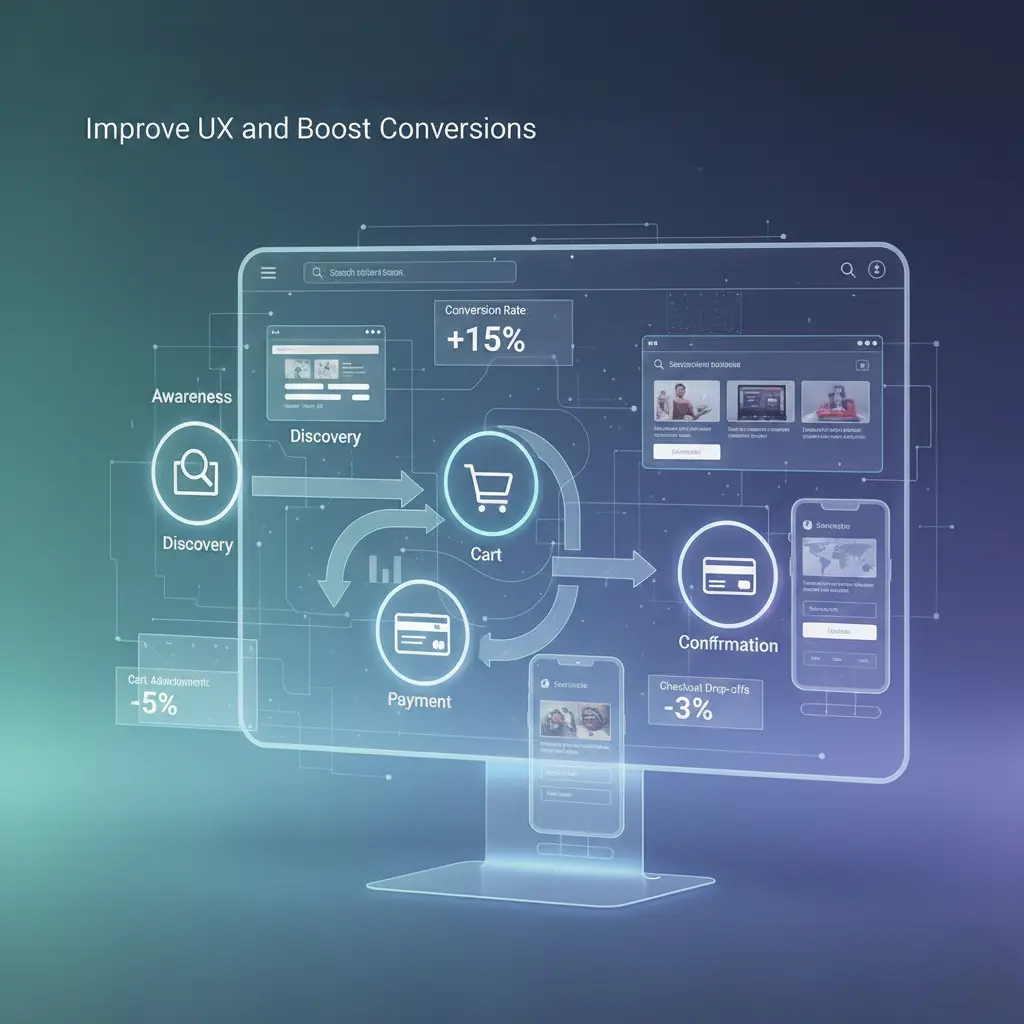
    In the competitive world of online retail, understanding how customers interact with your brand is critical. Ecommerce Customer Journey Mapping helps businesses visualize every touchpoint a customer experiences, from initial awareness to post-purchase engagement. By clearly mapping this journey, brands can identify gaps, remove friction, and create seamless shopping experiences that drive conversions and loyalty.

    What Is Ecommerce Customer Journey Mapping?

    Ecommerce Customer Journey Mapping is the process of analyzing and documenting each step a customer takes while interacting with an online store. This includes website visits, product searches, cart actions, checkout, and follow-up communication.

    Why Customer Journey Mapping Matters

    When businesses apply Ecommerce Customer Journey Mapping, they gain deeper insight into customer behavior, preferences, and pain points. This understanding enables more personalized interactions and smarter marketing strategies.

    Key Stages of the Ecommerce Customer Journey

    Awareness Stage

    At this stage, customers discover your brand through search engines, social media, or paid ads. Clear messaging and strong brand presence are essential. Effective Ecommerce Customer Journey Mapping ensures that first impressions are engaging and relevant.

    Consideration Stage

    Customers compare products, read reviews, and evaluate options. Product descriptions, visuals, and trust signals play a crucial role here. Mapping this stage helps brands address objections and guide customers toward confident decisions.

    Purchase Stage

    The checkout process is where many conversions are won or lost. A complicated or slow checkout can lead to cart abandonment. Through Ecommerce Customer Journey Mapping, businesses can simplify payments, reduce steps, and improve conversion rates.

    Post-Purchase Experience and Retention

    Customer Support and Communication

    After a purchase, timely order updates, support access, and clear return policies are essential. These touchpoints are often overlooked, yet they strongly influence customer satisfaction.

    Using Ecommerce Customer Journey Mapping, brands can optimize post-purchase interactions and turn one-time buyers into repeat customers.

    Loyalty and Advocacy

    Happy customers are more likely to leave reviews and recommend your store. Loyalty programs and personalized offers enhance long-term value. A well-defined journey map helps nurture these relationships effectively.

    Benefits of Ecommerce Customer Journey Mapping

    Improved Personalization

    With accurate journey insights, brands can deliver personalized product recommendations and targeted campaigns.

    Higher Conversion Rates

    By identifying friction points, Ecommerce Customer Journey Mapping allows businesses to streamline processes and reduce drop-offs.

    Stronger Brand Relationships

    Understanding customer needs at every stage builds trust and emotional connection.

    Conclusion: Turn Insights Into Growth

    Ecommerce Customer Journey Mapping is not a one-time exercise but an ongoing strategy for growth. When businesses continuously analyze and refine the customer journey, they create smoother experiences, stronger engagement, and higher revenue. By focusing on the full journey, brands can stay competitive and customer-centric in the evolving ecommerce landscape.

  • Stripe: Driving the New Era of E-Commerce

    Stripe: Driving the New Era of E-Commerce

    Stripe is transforming how online businesses accept payments and scale globally. In today’s fast-moving digital economy, seamless transactions, security, and flexibility are critical for success. Modern online stores need payment solutions that are reliable, developer-friendly, and built for growth, and that is exactly what Stripe delivers.

    The Evolution of E-Commerce Payments

    E-commerce has evolved far beyond simple online checkouts. Customers now expect fast payments, multiple currency options, digital wallets, and secure experiences across devices. Traditional payment systems often struggle to keep up with these demands, creating friction that can lead to abandoned carts and lost revenue. This shift has opened the door for innovative payment technology that supports global commerce at scale, and Stripe is at the forefront of this change.

    How Modern Payment Infrastructure Supports Growth

    With Stripe, businesses gain access to a powerful payment infrastructure designed for startups, enterprises, and global brands alike. Online merchants can accept credit cards, digital wallets, and local payment methods from customers around the world. This flexibility allows businesses to expand into new markets without rebuilding their payment systems from scratch.

    Developer-Friendly and Scalable Technology

    The Stripe platform is known for its robust APIs and clear documentation, making integration simple for development teams. Companies can customize their checkout experience, automate billing, and manage subscriptions with ease. As businesses grow, the technology scales smoothly, supporting higher transaction volumes without compromising performance or security.

    Security and Compliance at the Core

    Using Stripe allows businesses to meet strict security and compliance standards. Built-in fraud detection, encryption, and compliance with global regulations help protect both merchants and customers. This focus on security builds trust, which is essential for long-term success in e-commerce.

    Empowering the Subscription Economy

    Recurring revenue models are a major part of modern online business. Subscription services, SaaS platforms, and membership-based websites rely on reliable recurring billing systems. As e-commerce grows, Stripe continues to support these models with automated invoicing, flexible pricing structures, and detailed analytics that help businesses understand customer behaviour.

    Enhancing the Global Customer Experience

    A successful e-commerce strategy is centered on the customer experience. Fast checkouts, localized payment options, and transparent pricing all contribute to higher conversion rates. Payment platforms that support multiple currencies and languages help businesses reach international audiences while maintaining a smooth user journey.

    The Future of Online Commerce

    Stripe is shaping the future of digital payments by enabling innovation across industries. From small online stores to global marketplaces, businesses are building faster, smarter, and more customer-focused e-commerce experiences. As online shopping continues to expand worldwide, modern payment solutions like Stripe will remain a key driver of sustainable growth and digital transformation.

  • Influencer Marketing for Ecommerce Brands

    Influencer Marketing for Ecommerce Brands

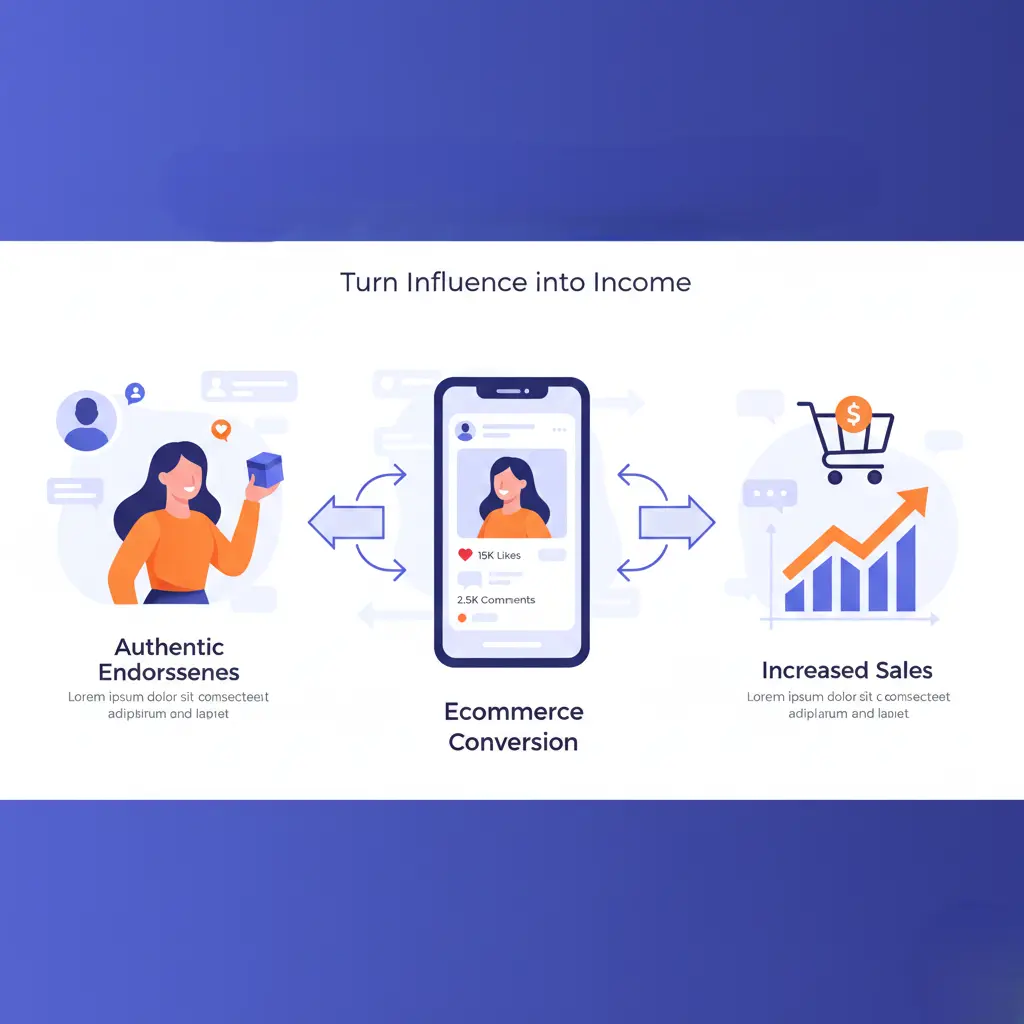
    Influencer marketing for e-commerce brands has become one of the most effective strategies to drive traffic, build trust, and increase online sales. With consumers relying more on recommendations from people they trust, influencers help ecommerce businesses connect with their target audience in an authentic and measurable way.

    What Is Influencer Marketing in Ecommerce

    Influencer marketing involves partnering with content creators who have an engaged following on platforms such as Instagram, TikTok, YouTube, and blogs. These influencers promote products through reviews, tutorials, unboxings, and social media posts.

    Why Influencer Marketing Works for Ecommerce Brands

    Shoppers trust real people more than traditional ads. Influencers provide social proof, showcase real product usage, and help brands reach niche audiences. This leads to higher engagement, better conversion rates, and stronger brand awareness for ecommerce businesses.

    Types of Influencers Ecommerce Brands Can Use

    Choosing the right influencer is key to a successful ecommerce influencer marketing strategy.

    Micro-Influencers for Higher Engagement

    Micro-influencers typically have smaller but highly engaged audiences. They are cost-effective and often generate better trust and interaction, making them ideal for small and mid-sized ecommerce brands.

    Macro and Celebrity Influencers for Brand Reach

    Macro-influencers and celebrities offer massive exposure. While they require a higher budget, they are effective for product launches and campaigns focused on brand visibility and awareness.

    How to Build an Effective Influencer Marketing Strategy

    A structured approach ensures long-term success.

    Identify the Right Influencers

    Focus on influencers whose audience aligns with your target market. Look at engagement rates, content quality, and audience demographics. Relevance is more important than follower count for ecommerce influencer success.

    Set Clear Campaign Goals

    Define your objectives, such as increasing website traffic, boosting sales, or growing social media followers. Clear goals help measure ROI from influencer marketing and guide campaign execution.

    Best Practices for Influencer Content

    Authentic content performs better than scripted promotions.

    Encourage Creative Freedom

    Allow influencers to present your products in their own voice. Authentic storytelling builds trust and improves ecommerce conversion rates.

    Use Multiple Content Formats

    Product reviews, tutorials, unboxing videos, and live streams provide diverse content that engages different segments of your audience. This improves content visibility across platforms.

    Track Performance and Optimize Campaigns

    Measuring results is essential for scaling influencer efforts.

    Monitor Key Metrics

    Track metrics such as click-through rates, conversions, sales, and engagement. Use unique links or discount codes to accurately measure influencer marketing performance.

    Build Long-Term Influencer Relationships

    Ongoing partnerships create consistency and trust. Long-term collaborations help strengthen brand loyalty and provide sustainable growth for ecommerce brands.

    SEO and Influencer Marketing Benefits

    Influencer marketing also supports ecommerce SEO strategies. Influencer blogs, social mentions, and backlinks increase brand visibility and drive referral traffic. This improves domain authority and organic search performance.

    Increase Trust and Social Proof

    Consistent influencer mentions build credibility and reinforce your brand’s reputation. This leads to higher customer confidence and improved purchasing decisions.

    Final Thoughts on Influencer Marketing for Ecommerce Brands

    Influencer marketing for ecommerce brands is a powerful growth channel when done correctly. By partnering with the right influencers, creating authentic content, and tracking performance, ecommerce businesses can drive sustainable sales growth. With strong execution, influencer marketing enhances brand trust, customer engagement, and long-term revenue in a competitive digital marketplace.