Tag: online shopping

  • Dropshipping vs Private Label: Which Is Better for Your eCommerce Business?

    Dropshipping vs Private Label: Which Is Better for Your eCommerce Business?

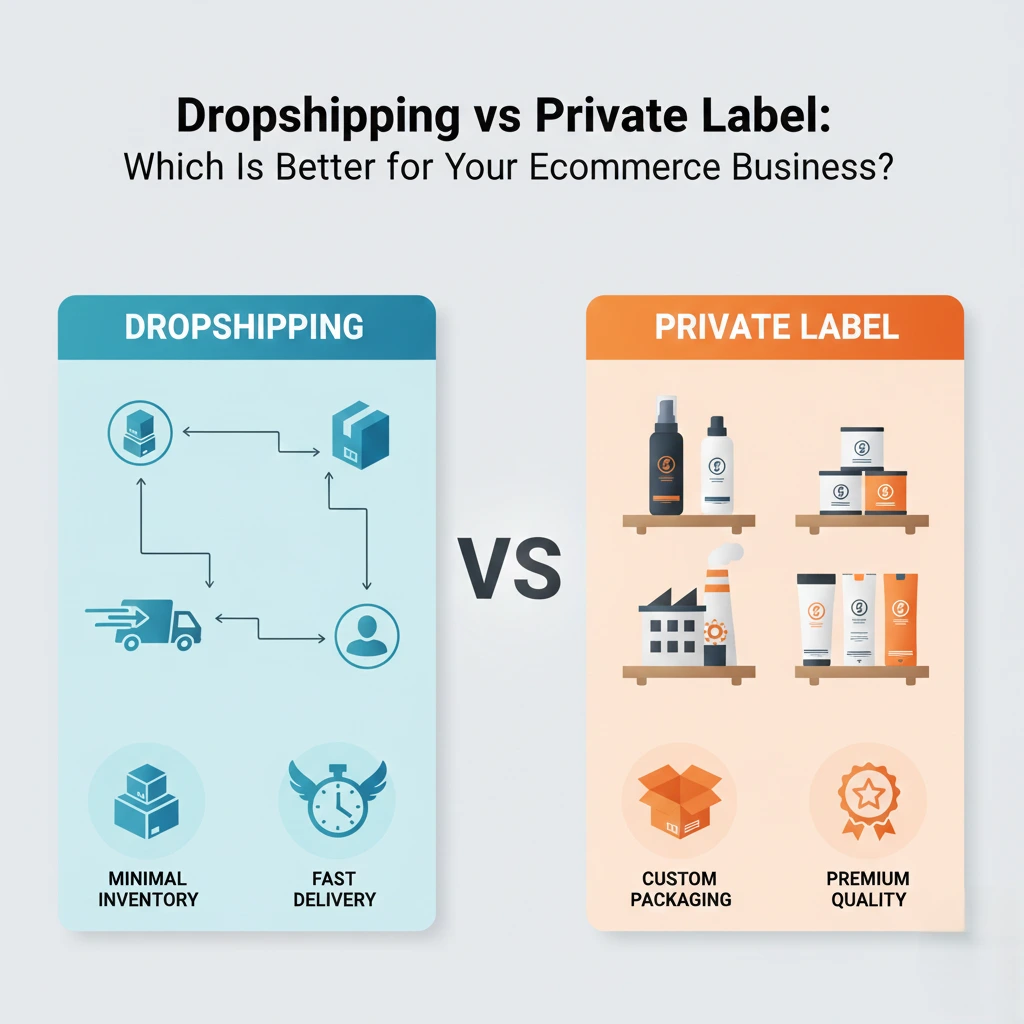
    Choosing the right business model is one of the most important decisions when starting an eCommerce business. Two of the most popular options are dropshipping and private label. Both models allow you to sell products online, but they differ greatly in control, cost, branding, and long-term growth potential. This guide breaks down dropshipping vs private label to help you decide which is better for your goals.

    What Is Dropshipping?

    Dropshipping is an eCommerce model where you sell products without holding inventory. When a customer places an order, the product is shipped directly from a third-party supplier to the customer.

    Advantages of Dropshipping

    • Low startup cost with no inventory investment
    • Easy to launch and manage
    • Wide product selection
    • Minimal operational risk

    This model is ideal for beginners who want to test products quickly without large financial commitments.

    Disadvantages of Dropshipping

    • Low profit margins
    • Limited control over product quality and shipping
    • High competition
    • Weak brand differentiation

    Because many sellers offer the same products, standing out can be challenging.

    What Is Private Label?

    Private label means selling products manufactured by a third party but branded under your own name. You control branding, packaging, pricing, and product positioning.

    Advantages of Private Label

    • Strong brand identity
    • Higher profit margins
    • Greater control over product quality
    • Better customer loyalty and repeat purchases

    This model is best for entrepreneurs focused on building a long-term, scalable brand.

    Disadvantages of Private Label

    • Higher upfront investment
    • Inventory storage and management required
    • Longer setup time
    • Greater financial risk

    Private label businesses require more planning but offer more control.

    Dropshipping vs Private Label: Key Differences

    Startup Cost and Risk

    Dropshipping requires very little upfront capital, making it lower risk initially. Private label involves costs for manufacturing, branding, and inventory, but offers better long-term returns.

    Branding and Customization

    Private label wins in branding. You create a unique product experience, while dropshipping limits branding opportunities since products are generic.

    Profit Margins

    Private label products typically have higher margins because you control pricing. Dropshipping profits are lower due to competition and supplier pricing.

    Inventory and Fulfillment

    With dropshipping, suppliers handle inventory and shipping. With private label, you manage inventory or use third-party fulfillment services.

    Scalability

    Private label eCommerce businesses scale more effectively because they build brand equity. Dropshipping can scale quickly but is harder to sustain long term.

    Which Is Better for Beginners?

    For beginners with limited budget and experience, dropshipping is often the better starting point. It allows you to learn marketing, customer service, and product research with minimal risk.

    However, many successful entrepreneurs use dropshipping as a testing phase before transitioning to private label.

    Which Is Better for Long-Term Success?

    For long-term growth, private label is usually the better option. Strong branding, higher margins, and customer loyalty make it more sustainable in competitive markets.

    Final Verdict: Dropshipping vs Private Label

    There is no one-size-fits-all answer to dropshipping vs private label. The better choice depends on your budget, goals, and experience level.

    • Choose dropshipping if you want low risk, quick setup, and flexibility
    • Choose private label if you want brand control, higher profits, and long-term growth

    Many successful eCommerce brands start with dropshipping and evolve into private label businesses as they grow.

  • How to Start an eCommerce Business Step-by-Step: A Beginner’s Guide

    How to Start an eCommerce Business Step-by-Step: A Beginner’s Guide

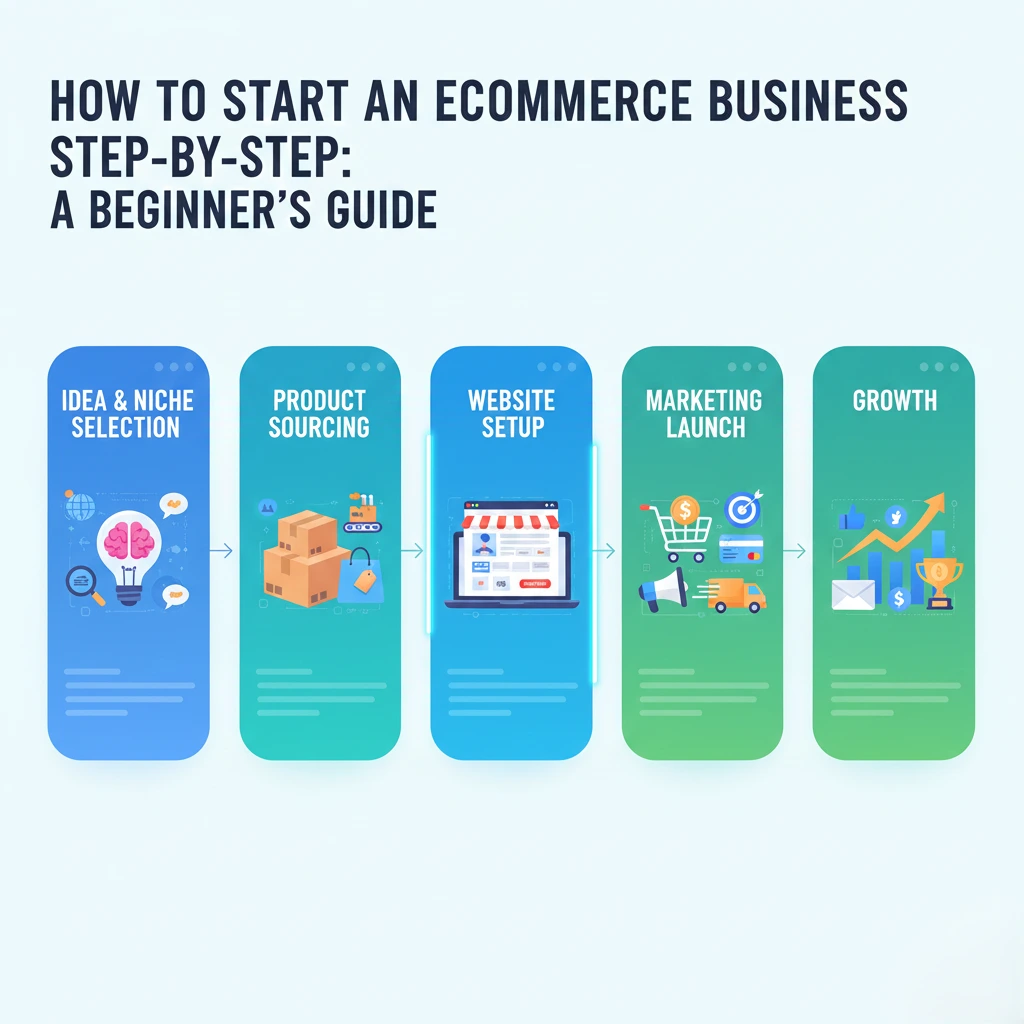
    Starting an eCommerce business is one of the most effective ways to build an online income stream. With the right planning, tools, and strategy, anyone can launch a successful online store. This step-by-step guide explains how to start an eCommerce business clearly and practically, with important keywords highlighted for easy SEO optimization.

    Step 1: Choose a Profitable eCommerce Niche

    The foundation of a successful eCommerce business is selecting the right niche. A niche defines your target audience and the type of products you sell.

    Focus on:

    • Solving a specific problem
    • Products with consistent demand
    • A clearly defined audience
    • Reasonable competition

    Popular eCommerce niches include health products, fashion accessories, home essentials, digital products, and eco-friendly goods.

    Step 2: Conduct Market Research and Validate Your Idea

    Before investing money, validate your business idea. Research competitors, analyze pricing, and study customer reviews to identify gaps in the market.

    Key validation methods:

    • Keyword research for online shopping trends
    • Competitor analysis
    • Social media demand analysis
    • Customer pain point identification

    Strong market research reduces risk and increases success chances.

    Step 3: Decide on a Business Model

    Choose the eCommerce business model that suits your goals and budget.

    Common models include:

    • Dropshipping
    • Wholesale and bulk selling
    • Print-on-demand
    • Digital products
    • Subscription-based eCommerce

    Each model has different startup costs, inventory needs, and profit margins.

    Step 4: Create a Business Plan

    A clear eCommerce business plan helps guide decisions and attract potential partners or investors.

    Your plan should include:

    • Brand mission and goals
    • Target audience profile
    • Product pricing strategy
    • Marketing and sales plan
    • Budget and revenue projections

    Planning early helps avoid costly mistakes.

    Step 5: Choose the Right eCommerce Platform

    Selecting a reliable eCommerce platform is crucial for store performance and scalability.

    Popular platforms include:

    • Shopify
    • WooCommerce
    • BigCommerce
    • Wix eCommerce

    Look for features such as mobile optimization, secure payments, SEO tools, and easy customization.

    Step 6: Register Your Business Name and Domain

    Pick a unique business name that reflects your brand. Then register a matching domain name for your online store.

    Tips for choosing a domain:

    • Keep it short and memorable
    • Avoid numbers and hyphens
    • Use relevant keywords if possible

    Brand consistency builds trust and recognition.

    Step 7: Source or Create Your Products

    Your products determine your success. Focus on quality, reliability, and customer value.

    Product sourcing options:

    • Manufacturers or suppliers
    • Handmade products
    • Private labeling
    • Digital product creation

    Always test product quality before launching your eCommerce store.

    Step 8: Build and Design Your Online Store

    A professional online store design improves conversions and customer trust.

    Key design elements:

    • Clear navigation
    • High-quality product images
    • Mobile-friendly layout
    • Fast loading speed
    • Secure checkout process

    User experience plays a major role in eCommerce success.

    Step 9: Set Up Payment Gateways and Shipping

    Enable secure payment gateways such as credit cards, digital wallets, and buy-now-pay-later options.

    Shipping setup should include:

    • Transparent shipping costs
    • Reliable delivery partners
    • Clear return and refund policies

    Trust and convenience drive higher sales.

    Step 10: Optimize for SEO and eCommerce Marketing

    SEO helps your eCommerce website rank on search engines and attract organic traffic.

    Essential optimization steps:

    • Keyword-optimized product descriptions
    • SEO-friendly URLs
    • Meta titles and descriptions
    • Fast site speed
    • Image optimization

    Combine SEO with content marketing, social media, and email marketing for better reach.

    Step 11: Launch Your eCommerce Business

    Before launch, test your website thoroughly:

    • Check all links and pages
    • Test checkout and payments
    • Review mobile responsiveness
    • Fix errors and bugs

    A smooth launch creates a strong first impression.

    Step 12: Analyze, Improve, and Scale

    After launch, track performance using analytics tools. Monitor traffic, conversion rates, and customer behavior.

    To scale your eCommerce business:

    • Expand product lines
    • Improve marketing strategies
    • Automate operations
    • Focus on customer retention

    Continuous improvement leads to long-term growth.

    Final Thoughts

    Learning how to start an eCommerce business step-by-step makes the process manageable and achievable. By choosing the right niche, building a strong brand, optimizing for SEO, and focusing on customer experience, you can create a profitable and sustainable online business.

  • Effective Pinterest Marketing for eCommerce

    Effective Pinterest Marketing for eCommerce

    Pinterest marketing for eCommerce is a powerful yet often underutilized strategy for driving high-intent traffic and consistent sales. Unlike other social platforms, Pinterest functions as a visual search engine where users actively plan purchases, discover products, and save ideas for later. When used correctly, Pinterest can become a long-term revenue channel for eCommerce brands.

    Why Pinterest Marketing Works for eCommerce Brands

    Pinterest users are planners and buyers. They search with intent, save products for future purchase, and return when they are ready to buy. This makes Pinterest marketing for eCommerce highly effective compared to short-lived social content.

    High Purchase Intent Audience

    Most Pinterest users visit the platform to discover products, compare options, and plan purchases. This makes Pinterest ideal for fashion, home decor, beauty, lifestyle, food, and digital products.

    Long Content Lifespan

    Unlike social media posts that disappear in hours, Pinterest Pins can drive traffic for months or even years. This long lifespan creates compounding returns for eCommerce businesses.

    Setting Up Pinterest for eCommerce Success

    Create a Pinterest Business Account

    A business account gives you access to analytics, ads, and rich product features. Optimize your profile with:

    • Brand name and logo
    • Keyword-rich business description
    • Website link
    • Clear niche positioning

    Claim and Verify Your Website

    Claiming your website allows Pinterest to track performance, display your brand name on Pins, and unlock analytics that help improve your Pinterest marketing strategy.

    Optimizing Your Product Pins for Visibility

    Use SEO-Optimized Keywords

    Pinterest relies heavily on search. Use Pinterest SEO by adding relevant keywords in:

    • Pin titles
    • Pin descriptions
    • Board names
    • Board descriptions

    Research keywords directly inside Pinterest search to understand what users are looking for.

    Create Eye-Catching Visuals

    High-quality vertical images perform best. Use:

    • A 2:3 aspect ratio
    • Clear product focus
    • Readable text overlays
    • Consistent brand colors

    Strong visuals increase saves, clicks, and conversions.

    Using Rich Pins for eCommerce Growth

    What Are Product Rich Pins

    Product Rich Pins automatically pull product details like price, availability, and descriptions from your website. They keep your product information up to date and increase trust.

    Benefits of Rich Pins

    Rich Pins help users make quicker buying decisions and improve click-through rates. They also make your Pins stand out in search results.

    Pinterest Boards That Drive Sales

    Create Keyword-Focused Boards

    Each board should target a specific theme or product category. For example:

    • Summer fashion outfits
    • Minimalist home decor
    • Skincare essentials

    This helps Pinterest understand your content and improves discoverability.

    Organize for the Buyer Journey

    Create boards that match different buying stages, such as inspiration, comparison, and decision. This supports users throughout their shopping journey.

    Pinterest Content Strategy for eCommerce

    Mix Product and Lifestyle Content

    Only posting product images can limit engagement. Combine:

    • Product Pins
    • Lifestyle images
    • Tutorials and how-to content
    • User-generated content

    This builds trust and keeps your content fresh.

    Use Video Pins and Idea Pins

    Video Pins showcase products in action and increase engagement. Idea Pins help tell stories, demonstrate product usage, and build brand authority.

    Driving Traffic With Pinterest Ads

    Promoted Pins for eCommerce

    Pinterest Ads allow you to amplify your best-performing Pins. Promoted Pins blend naturally into feeds and feel less intrusive than traditional ads.

    Targeting Options That Convert

    Pinterest offers targeting by keywords, interests, demographics, and retargeting. Retargeting website visitors is especially effective for increasing conversions.

    Tracking Pinterest Marketing Performance

    Key Metrics to Monitor

    Measure success using:

    • Impressions
    • Saves
    • Clicks
    • Conversion rate
    • Revenue from Pinterest

    Pinterest Analytics provides insights to refine your eCommerce Pinterest strategy.

    Optimize Based on Data

    Double down on high-performing Pins, update underperforming visuals, and refine keywords regularly to improve results.

    Scaling Pinterest Marketing for eCommerce

    Consistent Pinning Schedule

    Consistency is more important than volume. Use scheduling tools to pin daily and maintain visibility without burnout.

    Integrate Pinterest With Your eCommerce Funnel

    Use Pinterest to drive traffic to optimized landing pages, product collections, and seasonal campaigns. Combine Pinterest with email and retargeting ads for maximum ROI.

    Final Thoughts on Pinterest Marketing for eCommerce

    Effective Pinterest marketing for eCommerce is about visibility, consistency, and value. By optimizing for search, creating high-quality visuals, and aligning content with buyer intent, eCommerce brands can build a sustainable traffic and sales channel.

    When treated as a long-term strategy rather than a quick win, Pinterest becomes a powerful engine for brand growth, discovery, and conversion.

  • How to Create Digital Products for Free

    How to Create Digital Products for Free

    Creating digital products for free is one of the smartest ways to start an online business with zero investment. With the right skills, tools, and strategy, anyone can build profitable digital products without spending money upfront. This guide explains how to create digital products step by step using free resources while setting yourself up for long-term success.

    What Are Digital Products

    Digital products are downloadable or online-access items that do not require physical inventory. Once created, they can be sold repeatedly with little to no ongoing cost.

    Popular Types of Digital Products

    Some of the most common digital products include:

    • eBooks and guides
    • Online courses and workshops
    • Templates and planners
    • Checklists and workbooks
    • Digital art and design assets
    • Stock photos and videos

    These products are ideal for creators, freelancers, educators, and entrepreneurs.

    Why Create Digital Products for Free

    Creating digital products without spending money lowers risk and increases profit margins. You can validate your idea, build an audience, and generate income before investing in paid tools.

    Zero Startup Cost Advantage

    Free tools allow you to focus on value creation instead of expenses. This is perfect for beginners and side hustlers.

    Scalable Income Potential

    Once created, digital products can be sold unlimited times without additional production costs.

    Step 1 Identify a Profitable Digital Product Idea

    The first step in creating digital products for free is choosing the right idea.

    Solve a Real Problem

    The best digital products solve specific problems. Ask yourself:

    • What do people struggle with?
    • What questions do they ask repeatedly?
    • What skills do I already have?

    Validate Your Idea for Free

    Use free platforms like social media, online communities, and comment sections to see what people are asking for. If a problem appears often, it is a strong product opportunity.

    Step 2 Choose the Right Free Tools

    You do not need expensive software to create high-quality digital products.

    Free Tools for Creating Digital Products

    Some popular free tools include:

    • Google Docs for eBooks and guides
    • Google Slides for presentations and courses
    • Canva free version for templates and designs
    • Notion for planners and workbooks
    • Audacity for audio products

    These tools are beginner-friendly and powerful enough for professional results.

    Step 3 Create High-Value Content

    Content quality determines whether your digital product succeeds.

    Structure Your Digital Product Clearly

    Break your content into clear sections or modules. A logical flow improves usability and perceived value.

    Focus on Actionable Results

    Avoid fluff. Provide step-by-step instructions, examples, and practical exercises that help users achieve results quickly.

    Step 4 Design Your Digital Product for Free

    Presentation matters even for free-created products.

    Simple Design Best Practices

    Use clean layouts, readable fonts, and consistent colors. Canva’s free templates can help you create professional-looking designs without design skills.

    Add Branding Elements

    Include your logo, brand colors, or name to make your digital product look polished and trustworthy.

    Step 5 Package and Export Your Product

    Once content and design are ready, export your product in a user-friendly format.

    Best Formats for Digital Products

    Common formats include:

    • PDF for eBooks, planners, and templates
    • MP4 for video lessons
    • MP3 for audio content

    PDF is the most popular and easiest format for beginners.

    Step 6 Host and Deliver Your Digital Product for Free

    You can deliver digital products without paying for hosting.

    Free Hosting Options

    Some free delivery methods include:

    • Google Drive download links
    • Dropbox basic
    • Notion shared pages
    • Gumroad free plan

    Make sure access is easy and instructions are clear.

    Step 7 Set Up Free Sales and Distribution Channels

    You do not need a paid website to sell digital products.

    Where to Sell Digital Products for Free

    You can sell or distribute your product through:

    • Social media platforms
    • Email newsletters
    • Online communities
    • Marketplaces with free plans

    Direct messaging and bio links work well in the beginning.

    Step 8 Market Your Digital Product Without Spending Money

    Marketing is key to success, even when your product is free to create.

    Use Content Marketing

    Share tips, tutorials, and previews related to your product on social media. This builds trust and positions you as an expert.

    Leverage Email Marketing

    Offer a free version or sample to collect emails. Email remains one of the most effective ways to sell digital products.

    Step 9 Improve and Scale Over Time

    Start simple and improve based on feedback.

    Collect User Feedback

    Ask buyers or users what they liked and what could be improved. Use this feedback to update your product.

    Turn Free Tools Into Paid Systems Later

    Once you start earning, you can upgrade tools, improve design, and expand your product line.

    Common Mistakes to Avoid

    Avoid creating overly broad products, skipping validation, or waiting for perfection. Launch fast, learn, and improve.

    Final Thoughts on Creating Digital Products for Free

    Learning how to create digital products for free gives you freedom, flexibility, and unlimited income potential. With free tools, clear problem-solving content, and consistent marketing, anyone can launch a profitable digital product without upfront investment.

    The most important step is to start. Create your first digital product today, refine it tomorrow, and scale it over time.

  • Best Niches for eCommerce Startups

    Best Niches for eCommerce Startups

    Launching an online store is easier than ever, but choosing the right niche is what determines long-term success. With rising competition and changing consumer behavior, eCommerce startups must focus on high-demand, scalable, and profitable niches. The right niche helps you stand out, attract loyal customers, and grow sustainably.

    This guide explores the best niches for eCommerce startups and highlights why they work in today’s digital marketplace.

    Why Choosing the Right eCommerce Niche Matters

    A niche defines your target audience, product strategy, and marketing approach. Instead of competing with massive marketplaces, niche-focused eCommerce brands build authority and trust faster.

    Benefits of a Strong eCommerce Niche

    • Lower competition compared to broad markets
    • Clear target audience for marketing and branding
    • Higher conversion rates due to relevance
    • Stronger customer loyalty

    Selecting the right niche is the foundation of a successful eCommerce startup strategy.

    Health and Wellness Products

    The health and wellness niche continues to grow as consumers prioritize physical and mental well-being.

    Popular Products in This Niche

    • Organic supplements and vitamins
    • Fitness equipment and accessories
    • Mental wellness products like journals and stress-relief tools

    This niche benefits from repeat purchases, strong brand loyalty, and rising global awareness around healthy lifestyles.

    Sustainable and Eco-Friendly Products

    Sustainability is no longer a trend—it’s an expectation. The eco-friendly eCommerce niche appeals strongly to conscious consumers.

    High-Demand Eco-Friendly Products

    • Reusable household items
    • Sustainable fashion and accessories
    • Biodegradable packaging and products

    Brands that align with environmental values can create powerful emotional connections and long-term customer trust.

    Beauty and Personal Care

    The beauty and personal care niche remains one of the most profitable eCommerce segments, especially for startups with unique positioning.

    Sub-Niches to Explore

    • Clean and organic beauty products
    • Men’s grooming solutions
    • Personalized skincare and haircare

    Consumers are drawn to authenticity, transparency, and results, making branding critical in this niche.

    Pet Products and Accessories

    Pet owners are willing to spend generously on their pets, making pet eCommerce niches highly lucrative.

    Trending Pet Product Ideas

    • Premium pet food and treats
    • Smart pet accessories
    • Eco-friendly pet toys and supplies

    This niche benefits from emotional buying decisions and consistent demand.

    Digital Products and Online Services

    Digital products offer high margins and scalability, making them ideal for eCommerce startups.

    Examples of Digital eCommerce Niches

    • Online courses and educational content
    • Design templates and digital tools
    • Subscription-based memberships

    With no inventory or shipping costs, this niche allows startups to scale quickly.

    Fashion with a Niche Focus

    Instead of competing in mass fashion, startups succeed by targeting specific fashion niches.

    Profitable Fashion Sub-Niches

    • Athleisure and activewear
    • Plus-size or inclusive fashion
    • Cultural or handmade clothing

    A clear identity and community-driven branding are key success factors here.

    Home and Lifestyle Products

    The home and lifestyle niche has seen strong growth due to remote work and lifestyle upgrades.

    Popular Product Categories

    • Home organization solutions
    • Smart home accessories
    • Minimalist and aesthetic décor

    Products that combine functionality with design perform especially well.

    Baby and Parenting Products

    Parents actively seek quality, safety, and convenience, making this a trusted eCommerce niche for startups.

    High-Performing Product Ideas

    • Organic baby essentials
    • Parenting support products
    • Educational toys for children

    Trust, reviews, and product quality are essential for success in this niche.

    Tech Accessories and Smart Gadgets

    The tech accessories niche thrives on innovation and frequent upgrades.

    Trending Tech Products

    • Mobile and laptop accessories
    • Wearable tech add-ons
    • Smart lifestyle gadgets

    Startups can stand out by offering unique designs or solving everyday tech problems.

    How to Validate Your eCommerce Niche

    Before launching, validate your niche to reduce risk.

    Key Validation Steps

    • Research market demand and trends
    • Analyze competitors and pricing
    • Test products using minimum viable inventory
    • Gather early customer feedback

    Validation ensures your niche has real demand and growth potential.

    Conclusion

    Choosing from the best niches for eCommerce startups can significantly impact your brand’s success. Whether it’s health and wellness, eco-friendly products, digital goods, or pet accessories, the key is alignment between market demand, brand passion, and long-term scalability.

    A focused niche allows startups to build authority, connect deeply with customers, and grow profitably in a crowded eCommerce landscape. The most successful brands don’t try to sell everything—they master one niche and expand from there.