Tag: online shopping

  • Top 10 Influencer Marketing Tips for Online Stores

    Top 10 Influencer Marketing Tips for Online Stores

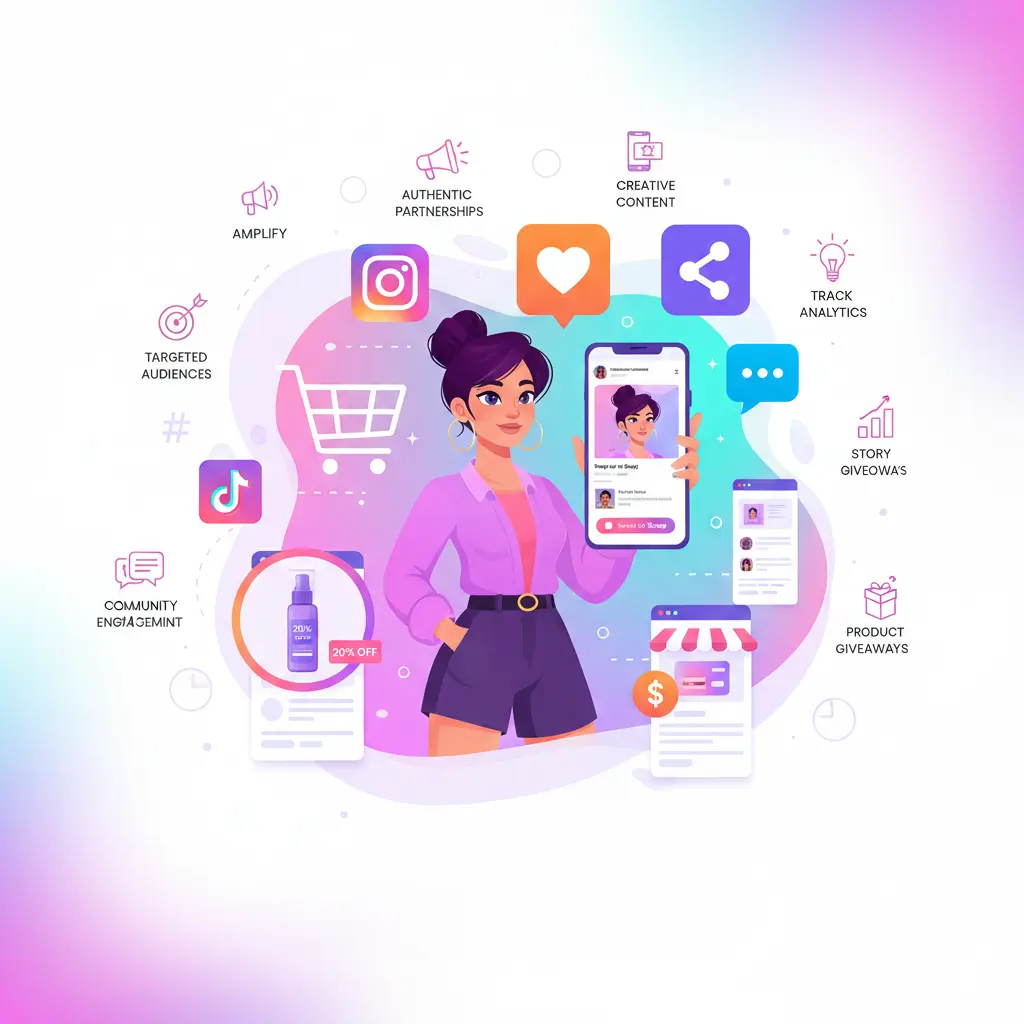
    Influencer marketing has become a powerhouse strategy for online stores looking to boost brand awareness, drive traffic, and increase sales. When executed correctly, partnering with influencers can create authentic connections with your target audience and amplify your brand message. Here are the top 10 influencer marketing tips every online store should know.

    1. Define Clear Goals

    Before reaching out to influencers, identify what you want to achieve. Are you aiming for brand awareness, more sales, or social media growth? Clear goals help you choose the right influencers and measure ROI effectively.

    2. Know Your Target Audience

    Understanding your audience is crucial. Identify demographics, interests, and platforms they use most. This ensures the influencers you work with align with your audience, making your campaigns more relevant and effective.

    3. Choose the Right Influencers

    Not all influencers are a good fit. Look for those whose values, tone, and aesthetics match your brand. Consider engagement rate, authenticity, and niche relevance over follower count. Micro-influencers often provide higher engagement and more trust with their followers.

    4. Build Authentic Relationships

    Influencer marketing works best when relationships are genuine. Engage with potential influencers on social media, comment on their posts, and show appreciation for their work before pitching collaborations. Authentic partnerships resonate better with audiences.

    5. Create Compelling Campaigns

    Collaborate with influencers to craft creative campaigns that showcase your products naturally. Encourage storytelling, unboxing videos, tutorials, and reviews. Authentic content performs better than overly promotional messages.

    6. Leverage Multiple Platforms

    Don’t limit your campaigns to Instagram alone. Depending on your audience, consider TikTok, YouTube, Pinterest, or even LinkedIn. Each platform has its unique style, and leveraging multiple channels increases visibility.

    7. Provide Clear Guidelines

    While creative freedom is important, clear guidelines help influencers align with your brand. Outline expectations regarding messaging, hashtags, content format, and posting schedule, while allowing flexibility for authenticity.

    8. Track Performance Metrics

    Monitor KPIs such as engagement rate, website traffic, and conversion rates. Tools like UTM links and promo codes help measure the direct impact of influencer campaigns on your online store’s sales.

    9. Encourage User-Generated Content

    Influencers can inspire their followers to create content around your brand. Reposting user-generated content builds trust, fosters community, and provides social proof that drives future sales.

    10. Build Long-Term Partnerships

    One-off campaigns can generate results, but long-term influencer relationships build stronger brand loyalty. Consistent collaborations create credibility, trust, and repeat exposure, ultimately boosting conversions.

    Influencer marketing is a strategic way for online stores to expand reach, build credibility, and increase revenue. By following these 10 tips, your store can leverage authentic partnerships, craft engaging campaigns, and turn influencer collaborations into a sustainable growth engine.
  • How to Start an Online Shopify Store in 2026

    How to Start an Online Shopify Store in 2026

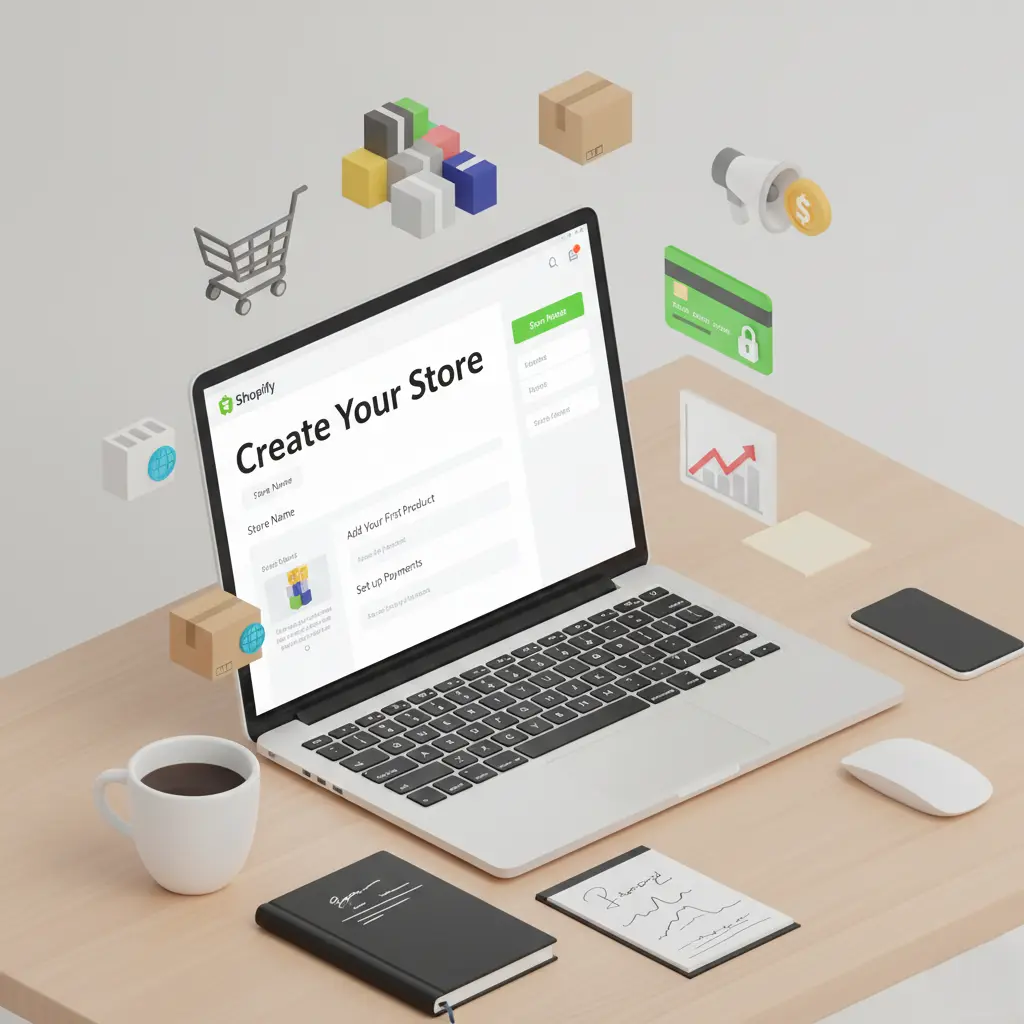
    Starting an online Shopify store in 2026 is one of the best ways to launch a business and reach a global audience. With the e-commerce industry continuing to grow, Shopify remains a top choice for entrepreneurs due to its ease of use, flexibility, and powerful features.

    Step 1: Choose Your Niche and Products

    Before you start an online Shopify store in 2026, it’s essential to choose a niche that aligns with your interests and market demand. Conduct market research to identify trending products, understand customer needs, and analyze competitors. Selecting the right niche ensures that your store has a strong foundation from the beginning.

    Step 2: Sign Up and Set Up Your Shopify Store

    Once your niche is decided, visit Shopify and sign up for an account. You can start with a trial plan to explore the platform. After signing up, choose a theme that reflects your brand and customize it using Shopify’s drag-and-drop editor. Proper setup is critical when you want to start an online Shopify store in 2026 successfully.

    Step 3: Add Products and Optimize Pages

    Next, add your products with detailed descriptions, high-quality images, and clear pricing. Use SEO-friendly titles and meta descriptions for better visibility. Optimizing product pages will help your store stand out when potential customers search for similar products online.

    Step 4: Set Up Payment and Shipping

    Integrate secure payment gateways and configure shipping options. Shopify supports multiple payment methods, making it easy for customers worldwide to make purchases. This step is crucial for ensuring a smooth shopping experience in your online Shopify store in 2026.

    Step 5: Launch and Promote Your Store

    Before launching, test your store to ensure everything works seamlessly. Once ready, promote it via social media, email marketing, and paid ads. Consistent marketing will drive traffic and increase conversions, which is key to a thriving online Shopify store in 2026.

    Step 6: Monitor Performance and Scale

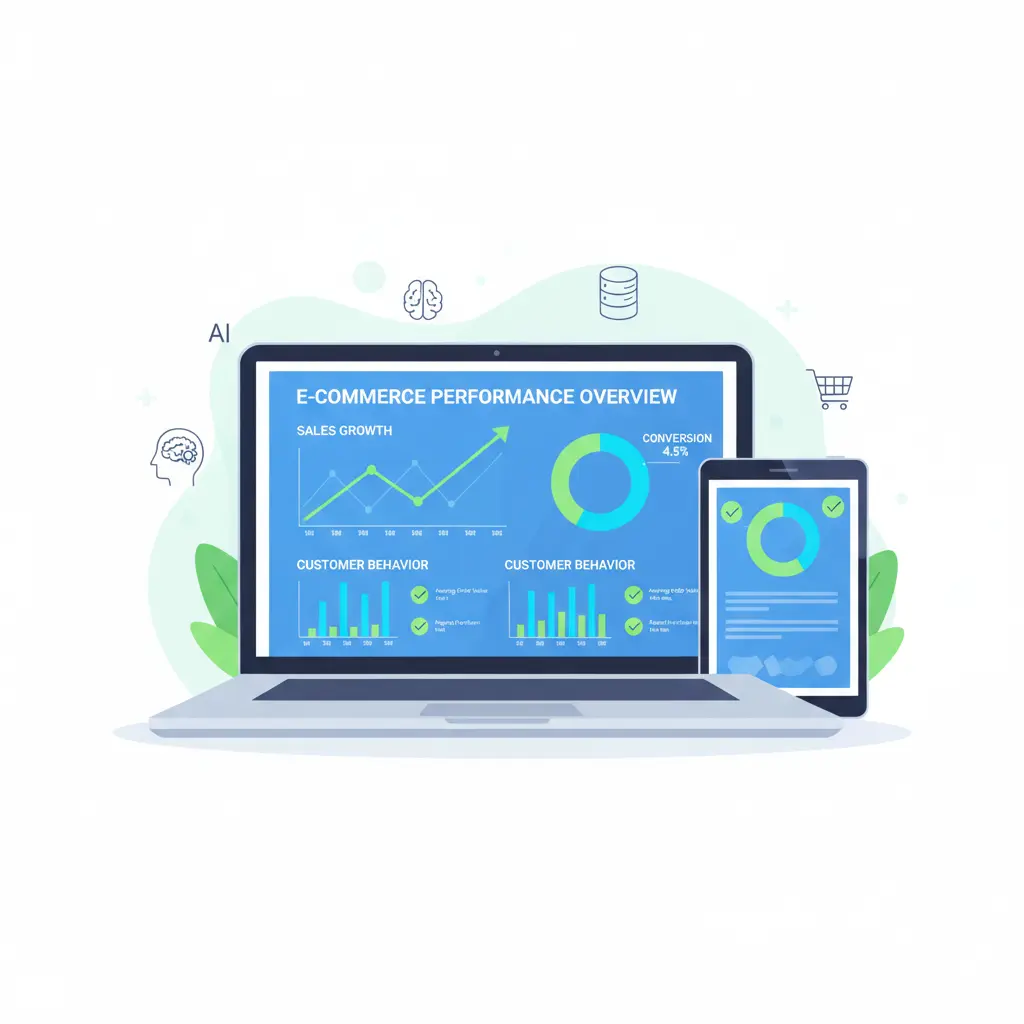
    After launch, use Shopify’s analytics to track sales, customer behavior, and traffic sources. Optimize your strategy based on data, add new products, and scale your store for long-term growth. Following these steps ensures that your online Shopify store in 2026 remains competitive and profitable.

  • Leveraging Data Analytics to Boost Online Sales

    Leveraging Data Analytics to Boost Online Sales

    In today’s competitive digital marketplace, data analytics has become a critical tool for businesses looking to increase revenue and optimise marketing strategies. Leveraging data-driven insights helps companies understand customer behaviour, identify trends, and make smarter decisions that directly impact online sales growth.

    What is Data Analytics in E-Commerce?

    Data analytics refers to the process of collecting, processing, and analyzing data to extract actionable insights. In the context of e-commerce, this includes tracking metrics such as website traffic, conversion rates, customer demographics, purchasing behavior, and more. By analyzing these patterns, businesses can optimize their sales strategies, improve customer experience, and maximize revenue.

    How Data Analytics Boosts Online Sales

    1. Understanding Customer Behavior

    Knowing how customers interact with your website is vital for boosting online sales. Data analytics tools track user behavior, such as pages visited, products viewed, and cart abandonment rates. These insights allow marketers to personalize offers, optimize product placement, and create targeted campaigns that increase conversion rates.

    2. Optimizing Marketing Campaigns

    Leveraging data analytics allows businesses to measure the effectiveness of marketing campaigns. By analyzing metrics like click-through rates, ad engagement, and ROI, companies can allocate resources efficiently and focus on campaigns that generate the highest revenue. Marketing performance optimization ensures that every marketing dollar contributes to online sales growth.

    3. Enhancing Customer Experience

    A seamless customer experience is essential for boosting online sales. Analytics can identify friction points in the customer journey, such as slow-loading pages or complicated checkout processes. By addressing these issues, businesses can reduce bounce rates, improve satisfaction, and increase repeat purchases.

    4. Predicting Trends and Demand

    Predictive analytics uses historical data to forecast future trends and customer demand. Businesses can anticipate popular products, seasonal spikes, and inventory needs. This proactive approach allows companies to optimize stock levels, plan promotions, and maximize e-commerce revenue.

    Tools to Leverage Data Analytics

    Several tools help businesses make the most of data analytics for online sales:

    • Google Analytics – Tracks website traffic and user behavior
    • Hotjar – Provides heatmaps and session recordings
    • Tableau – Visualizes complex data for strategic decisions
    • HubSpot – Combines marketing analytics with CRM insights

    Using these tools, businesses can turn raw data into actionable strategies for boosting online sales.

    Conclusion

    Leveraging data analytics is no longer optional for e-commerce businesses—it’s essential. From understanding customer behavior to optimizing marketing campaigns and predicting trends, data-driven strategies empower companies to make smarter decisions and maximize revenue. Implementing robust data analytics practices ensures sustained online sales growth, stronger customer engagement, and long-term business success.

  • Headless Commerce Explained (Without the Jargon)

    Headless Commerce Explained (Without the Jargon)

    Headless commerce sounds complicated, technical, and intimidating—but it doesn’t have to be. At its core, headless commerce is simply a smarter, more flexible way to build and scale modern ecommerce experiences without being locked into one rigid system.

    This guide explains what headless commerce is, why it matters, and whether it’s right for your business—without buzzwords or technical overload.

    What Is Headless Commerce?

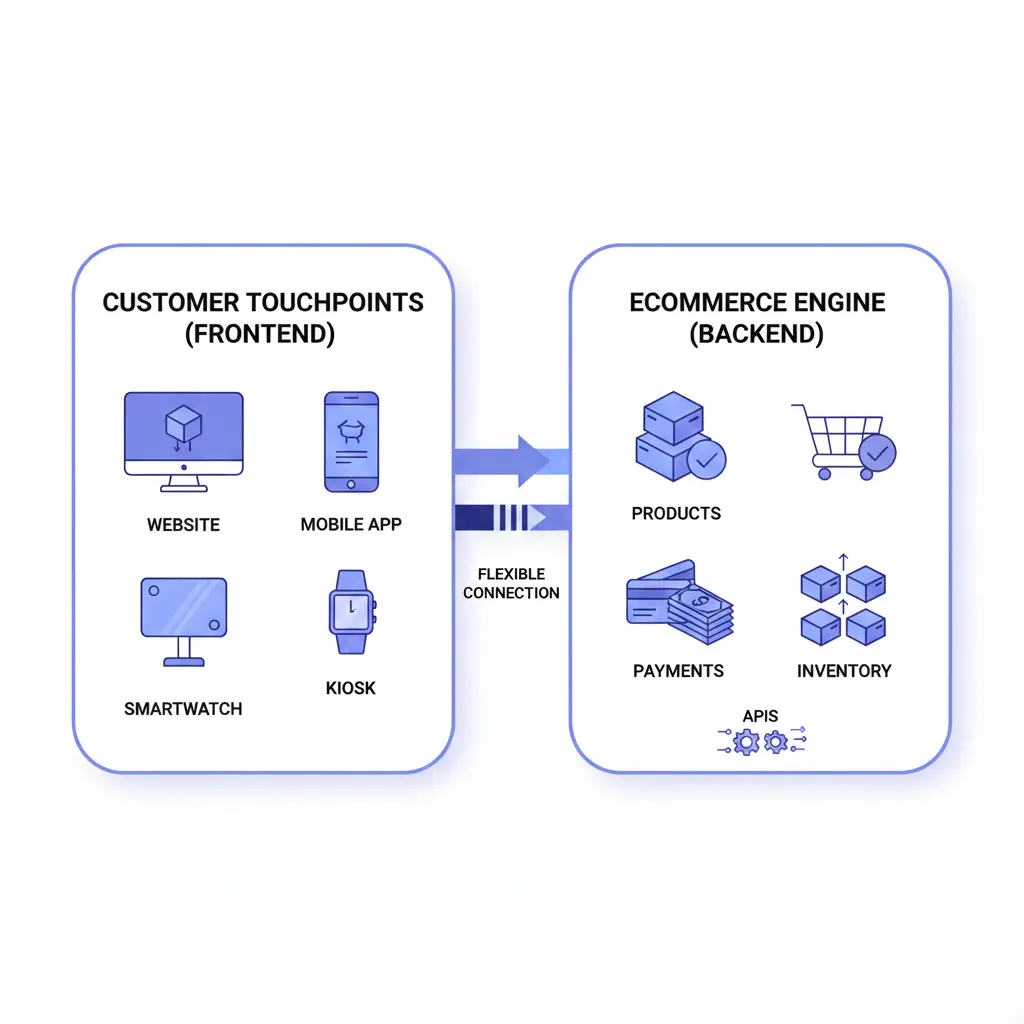
    Traditional ecommerce platforms tightly connect the front end (what customers see) and the back end (where products, orders, and data live). Headless commerce breaks that connection.

    In headless commerce architecture, the front end and back end operate independently. They communicate through APIs, allowing each side to evolve without disrupting the other.

    A Simple Way to Think About It

    Think of the back end as the brain and the front end as the face. With headless commerce, you can change the face without touching the brain—and vice versa.

    This means your website, mobile app, kiosks, or even smart devices can all pull data from the same backend while delivering different experiences.

    Why Businesses Are Moving to Headless Commerce

    Faster, More Flexible Experiences

    Traditional platforms can be slow and restrictive. Headless commerce allows developers to build fast, custom front ends using modern frameworks. This results in quicker page loads and smoother user experiences.

    Speed matters—not just for customers, but for SEO and conversions.

    Total Design Freedom

    With headless commerce, your design is no longer limited by templates. Brands can create unique, highly customized storefronts that match their identity and customer expectations.

    This is especially valuable for brands competing in crowded ecommerce markets.

    How Headless Commerce Improves Customer Experience

    Omnichannel Made Simple

    Customers don’t just shop on websites anymore. They shop on mobile apps, social platforms, marketplaces, and even in-store screens.

    Headless commerce solutions make omnichannel selling easier by delivering consistent product and pricing data across every touchpoint.

    Personalization Without Complexity

    Because the front end is independent, businesses can personalize content, offers, and layouts without touching core commerce logic. This makes personalization faster, safer, and more scalable.

    Is Headless Commerce Only for Big Brands?

    When Headless Commerce Makes Sense

    Headless commerce is ideal if you:

    • Need high-performance, fast-loading pages
    • Want deep customization and flexibility
    • Sell across multiple channels
    • Plan to scale or expand internationally

    Many growing mid-sized brands are adopting headless ecommerce to future-proof their tech stack.

    When It Might Be Overkill

    If you’re a small store with simple needs and limited development resources, a traditional platform may be sufficient. Headless commerce requires more upfront planning and technical expertise.

    Common Myths About Headless Commerce

    Myth 1: It’s Too Technical

    While headless commerce involves APIs, many modern platforms offer pre-built integrations and tools that simplify implementation. You don’t need to be a tech giant to go headless.

    Myth 2: It Replaces Your Ecommerce Platform

    Headless commerce doesn’t remove your platform—it enhances it. You still use a backend system for products, orders, and payments. You just gain more control over how customers experience your brand.

    The Real Benefit of Headless Commerce

    The biggest advantage of headless commerce architecture is future flexibility. As customer expectations change and new channels emerge, your business can adapt without rebuilding everything from scratch.

    You’re no longer boxed in by technology—you’re enabled by it.

    Final Thoughts

    Headless commerce isn’t about complexity—it’s about freedom. Freedom to design better experiences, move faster, and scale without limits.

    If your ecommerce growth is being slowed by rigid platforms or outdated templates, headless commerce may be the upgrade that helps you stay competitive, adaptable, and customer-first in a rapidly evolving digital landscape.

  • Why Mobile Commerce Is Dominating E-commerce Growth

    Why Mobile Commerce Is Dominating E-commerce Growth

    Mobile commerce, also known as m-commerce, is reshaping the way people shop online. As smartphones become more powerful and internet access becomes more ubiquitous, mobile commerce is dominating e-commerce growth around the world. In this post, we explore the key reasons behind this rapid shift, the trends shaping mobile shopping behavior, and what it means for businesses looking to thrive in the digital marketplace.

    What Is Mobile Commerce?

    Mobile commerce refers to buying and selling goods and services through mobile devices such as smartphones and tablets. While traditional e-commerce includes shopping via desktop computers, m-commerce prioritizes the mobile experience — from browsing and purchasing to payment and delivery tracking.

    The Rise of Mobile Shopping Trends

    Convenience and On-the-Go Access

    One of the primary reasons mobile commerce is dominating e-commerce growth is convenience. Consumers carry smartphones everywhere, allowing them to browse products and make purchases anytime and anywhere. Whether someone is commuting to work, waiting in line, or relaxing at home, mobile shopping fits easily into daily life.

    Increasing Smartphone Penetration

    Global smartphone adoption continues to climb. With more people owning mobile devices than ever before, the potential audience for mobile commerce grows every year. Affordable smartphones and improved mobile networks — including 4G and 5G — have made mobile shopping faster and more accessible.

    Improvements in Mobile Technology and UX

    Mobile apps and mobile-optimized websites have drastically improved the shopping experience. Fast loading speeds, intuitive navigation, and secure payment gateways make mobile shopping simple and stress-free. Retailers that invest in mobile-first design often see higher conversion rates, reinforcing why mobile commerce is dominating e-commerce growth.

    Key Drivers Fueling Mobile Commerce Growth

    Social Commerce and Influencer Marketing

    Social media platforms like Instagram, TikTok, and Pinterest have made it easier than ever for users to shop directly from posts, reels, and ads. Influencers promote products seamlessly via mobile feeds, driving traffic and conversions. Features like shoppable tags and in-app checkout blur the line between browsing and buying.

    Mobile Payments and Wallets

    Mobile wallets and one-tap payment solutions such as Apple Pay, Google Wallet, and regional alternatives have simplified the checkout process. These secure and fast payment options reduce friction, making users more likely to complete purchases on mobile devices. The convenience of mobile payments is a major reason why mobile commerce is dominating e-commerce growth.

    Personalized Shopping Experiences

    Mobile devices collect valuable data about shopping habits and preferences. Retailers use this insight to personalize recommendations, push notifications, and special offers. Personalized experiences lead to higher engagement and repeat purchases — a powerful growth driver for m-commerce.

    Faster Internet and Better Connectivity

    Advancements in mobile network technology, especially 5G, provide lightning-fast internet speeds and more reliable connections. Faster loading times reduce bounce rates and enhance user experience, encouraging mobile users to shop more frequently and confidently.

    Challenges and Future of Mobile Commerce

    Balancing Security and Convenience

    While mobile commerce offers unmatched convenience, concerns about data security and privacy remain. Retailers must implement robust security measures like encryption, two-factor authentication, and transparent user consent policies to build trust and protect customer information.

    Continued Innovation Is Essential

    To stay ahead, businesses must continue innovating. Technologies like augmented reality (AR), voice search, and mobile chatbots are already enhancing mobile shopping experiences. Brands that adopt these trends early will benefit as mobile commerce continues to grow.

    Final Thoughts: The Future Is Mobile

    Mobile commerce is dominating e-commerce growth for good reason. A combination of consumer behavior shifts, technological advancements, and improved mobile experiences has created an environment where purchasing on a smartphone is often easier than on a desktop. As digital ecosystems continue to evolve, mobile commerce is poised to remain at the forefront of the global e-commerce revolution.