Tag: Shopping

  • E-Commerce in Emerging Markets: Opportunities in 2026

    E-Commerce in Emerging Markets: Opportunities in 2026

    E-commerce is transforming rapidly, and emerging markets are at the forefront of this growth. In 2026, countries in Asia, Africa, and Latin America are showing tremendous potential for online retail, driven by increasing internet penetration, mobile adoption, and rising consumer spending. For entrepreneurs, investors, and brands, understanding e-commerce in emerging markets is crucial to tap into new growth opportunities and gain a competitive edge.

    Why Emerging Markets Are Key for E-Commerce Growth

    Emerging markets offer unique advantages for e-commerce expansion. Unlike saturated markets in North America and Europe, these regions have a large population of first-time online shoppers. Increased smartphone usage, affordable mobile data, and expanding digital payment infrastructure have accelerated online buying.

    Growing Middle Class

    A growing middle class is one of the biggest drivers of e-commerce in emerging markets. Rising disposable income enables more consumers to shop online for electronics, fashion, health products, and groceries. Brands that understand local preferences and pricing sensitivities are likely to see strong adoption.

    Mobile-First Consumers

    In many emerging markets, mobile devices are the primary gateway to the internet. Businesses focusing on mobile-optimized e-commerce platforms, apps, and social commerce are more likely to capture these consumers. Mobile-friendly websites, fast loading speeds, and simple checkout processes are critical for success.

    Digital Payments and Fintech Integration

    The growth of digital wallets, UPI systems, and QR-based payments has reduced friction in online transactions. In 2026, seamless payment options will continue to drive consumer trust and conversion rates. Companies that integrate local fintech solutions gain a significant advantage in emerging markets.

    Key E-Commerce Opportunities in Emerging Markets

    Understanding high-potential sectors can help businesses prioritize investments and tailor their strategies.

    Online Retail and Marketplaces

    Online retail is booming, particularly in fashion, electronics, home goods, and personal care. Marketplaces that aggregate multiple sellers are highly popular because they provide convenience, variety, and competitive pricing. Platforms like Jumia in Africa, Flipkart in India, and MercadoLibre in Latin America are leading the charge.

    Social Commerce

    Social commerce is gaining momentum in emerging markets. Platforms like TikTok, Instagram, and WhatsApp are being used to showcase products and facilitate purchases directly through social media channels. Small businesses and individual sellers can leverage social commerce to reach new audiences with minimal marketing spend.

    Niche and Specialty Products

    Emerging market consumers increasingly value convenience and access to specialty products that may not be available locally. Businesses that focus on niche categories—organic foods, eco-friendly products, or imported goods—can find loyal customer bases.

    Logistics and Delivery Services

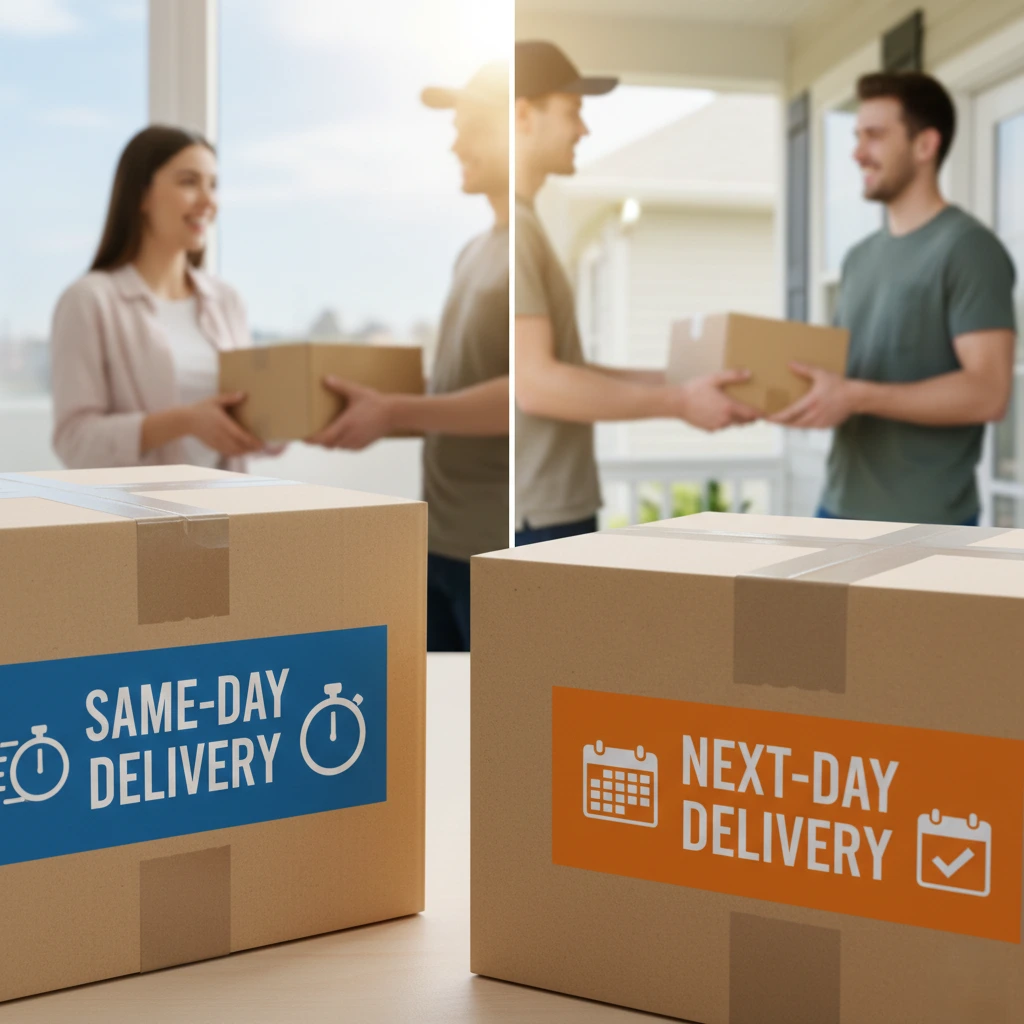
    Efficient logistics remain a challenge but also an opportunity. Companies that provide reliable shipping, cash-on-delivery options, and flexible delivery windows can gain a competitive edge. Investment in local fulfillment centers and last-mile delivery technology is critical in these markets.

    Challenges in Emerging Market E-Commerce

    While opportunities are abundant, businesses must navigate certain challenges to succeed.

    Infrastructure Limitations

    Internet connectivity, transportation networks, and warehousing infrastructure can vary widely. Companies need strategies to overcome these limitations, such as hybrid delivery models or partnerships with local logistics providers.

    Payment and Fraud Risks

    Despite fintech growth, digital payment adoption is uneven. Cash-on-delivery remains popular in some regions, but it increases operational risk. Fraud prevention and secure payment systems are essential for long-term growth.

    Cultural and Regulatory Differences

    Understanding local consumer behavior, language preferences, and regulations is critical. Businesses must adapt marketing messages, product selection, and pricing strategies to local contexts to build trust and credibility.

    Strategies for Success in Emerging Market E-Commerce

    Localization of Products and Content

    Adapting products, marketing campaigns, and website content to local languages and cultural preferences increases engagement and conversion rates. Tailored product recommendations and region-specific promotions are highly effective.

    Leveraging Mobile and Social Platforms

    Mobile-optimized websites, apps, and social commerce integration are essential to capture mobile-first audiences. Video content, influencer marketing, and interactive campaigns can significantly boost visibility.

    Building Trust with Customers

    Customer trust is a key factor in e-commerce adoption. Transparent return policies, responsive customer support, and reliable delivery services help build confidence. Positive reviews and social proof are especially important in emerging markets.

    Partnerships with Local Players

    Collaborating with local payment providers, logistics companies, and marketing agencies can accelerate growth and reduce operational risks. Partnerships provide valuable insights into local preferences and regulatory requirements.

    Future Outlook: E-Commerce in Emerging Markets 2026

    By 2026, e-commerce in emerging markets is expected to continue its rapid growth. Analysts predict double-digit annual growth rates across many regions, driven by mobile-first consumers, improved logistics, and digital payments adoption. Businesses that act now, understand local trends, and invest in scalable infrastructure will benefit from first-mover advantages.

    Sustainability and Social Responsibility

    Consumers in emerging markets are increasingly aware of sustainability and ethical practices. Brands that emphasize eco-friendly products, responsible sourcing, and social impact initiatives are more likely to win loyalty and differentiate themselves.

    Technology and AI Integration

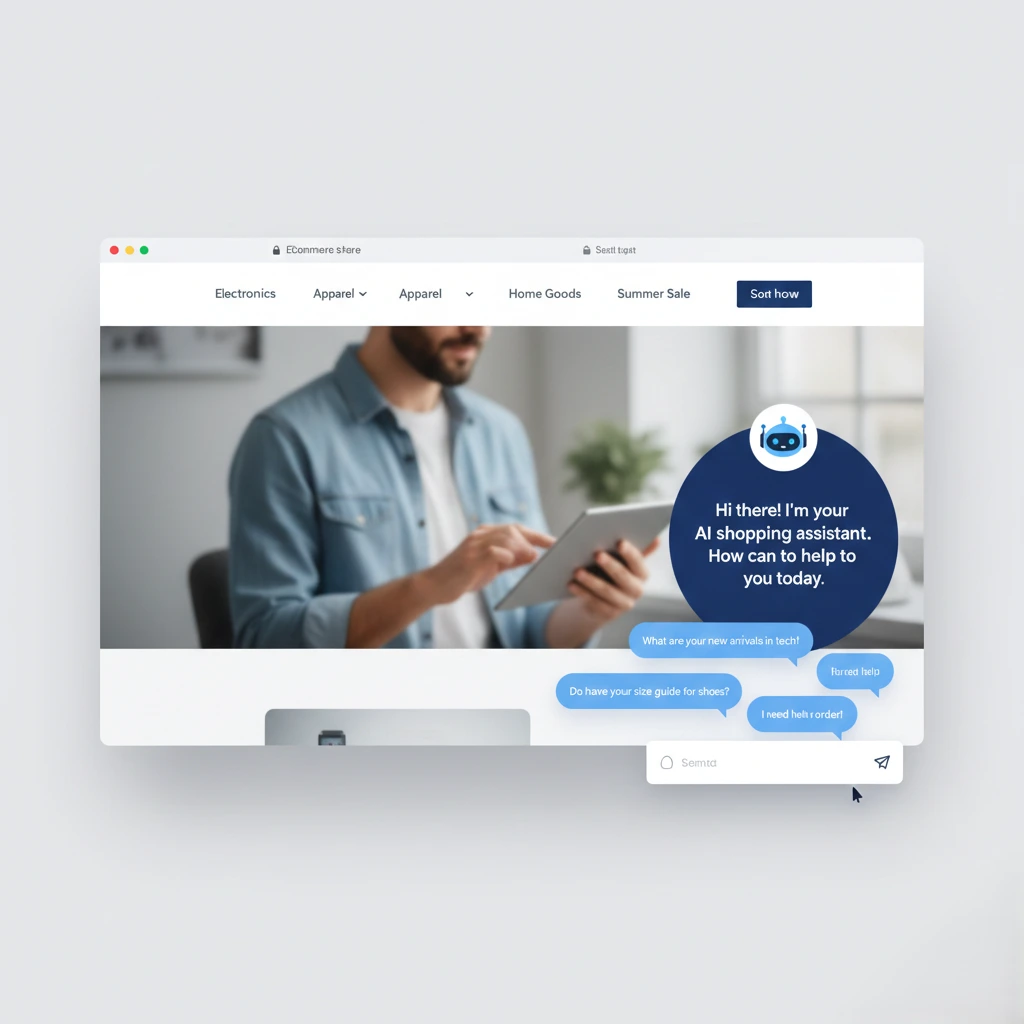
    Artificial intelligence, personalized recommendations, and automated customer support are becoming standard in leading e-commerce platforms. Leveraging AI for inventory management, pricing optimization, and targeted marketing will be a key differentiator in emerging markets.

    Final Thoughts on E-Commerce in Emerging Markets

    E-commerce in emerging markets represents one of the most promising growth opportunities in 2026. With a mobile-first population, rising middle class, and increasing digital payment adoption, these regions are ripe for online business expansion. Companies that focus on localization, customer trust, social commerce, and innovative logistics will capture market share and build sustainable growth.

    For entrepreneurs and brands seeking global expansion, emerging markets offer an exciting frontier where e-commerce can thrive. Understanding local behavior, adapting products and marketing strategies, and leveraging technology are critical to success in these dynamic markets.

  • Is Marketplace Marketing Worth ₹9,999? Real Value Explained for Vcue Store Sellers

    Is Marketplace Marketing Worth ₹9,999? Real Value Explained for Vcue Store Sellers

    Marketplace marketing has become one of the most powerful growth tools for online sellers and local businesses. But many entrepreneurs still ask a critical question: Is marketplace marketing worth ₹9,999? In this blog, we break down the real value behind this investment and explain how Vcue Store marketplace marketing delivers measurable returns through branding, visibility, and sales growth.

    Understanding Marketplace Marketing in Today’s Digital Economy

    Vcue Store Marketplace marketing is not just about listing products online. It is a complete ecosystem that combines product visibility, targeted promotion, brand trust, and scalable growth. With rising competition, sellers need more than basic exposure—they need a structured marketing system that works consistently.

    For ₹9,999, businesses often expect reach, conversions, and brand recognition. The key is choosing a platform that delivers long-term value, not just short-term traffic.

    What Makes Vcue Store Marketplace Marketing Different

    Vcue Store offers a comprehensive suite of promotional and branding solutions designed to support both new and growing sellers. Unlike traditional marketplaces that focus only on listings, Vcue Store provides end-to-end marketing support.

    Free Product Listing for Easy Entry

    Sellers can start without worrying about upfront listing costs. Free product listing reduces risk and allows businesses to test the marketplace before scaling.

    Organic and Paid Promotion for Balanced Growth

    Vcue Store supports both organic and paid promotion strategies (T&C Apply). Organic promotion builds trust and long-term visibility, while paid campaigns help boost reach during high-demand periods.

    Local Business Setup and Scaling Support

    For local brands, Vcue Store helps with business setup and gradual scaling. This is especially valuable for small businesses looking to expand beyond their immediate area.

    Marketing Benefits That Justify the ₹9,999 Investment

    Social Media Marketing That Builds Brand Awareness

    Vcue Store actively promotes sellers through social media marketing, helping brands connect with the right audience across platforms. This increases engagement and recall value.

    Website Traffic Growth with Targeted Reach

    Traffic alone is not enough. Vcue Store focuses on relevant website traffic growth, ensuring visitors are more likely to convert into customers.

    Audience Segmentation for Better Conversions

    With smart audience segmentation, marketing campaigns reach users who are genuinely interested in specific product categories, improving conversion rates and ROI.

    Cost Efficiency Compared to Industry Standards

    9% Fixed Commission – Lowest in the Industry

    One of the biggest advantages of Vcue Store is its 9% fixed commission, which is among the lowest in the entire marketplace industry. This means sellers keep more of their profits while still benefiting from strong marketing support.

    Exclusivity for Brand Protection

    Exclusivity options (T&C Apply) help sellers stand out and reduce direct competition within the platform, enhancing brand value.

    Additional Branding and Media Advantages

    Print Media Promotion for Offline Visibility

    Print media promotion (T&C Apply) helps brands reach audiences beyond digital channels, adding credibility and trust.

    Professional Product Shoots

    Vcue Store offers shoots for up to 10 products, ensuring high-quality visuals that improve product appeal and conversion rates.

    AI Video for Modern Marketing

    AI-powered videos (T&C Apply) help sellers create engaging content without high production costs, perfect for ads and social media promotions.

    Is Marketplace Marketing Worth ₹9,999 with Vcue Store?

    When you consider free product listing, multi-channel promotion, low commission, professional branding support, and scalable growth opportunities, the ₹9,999 investment becomes highly cost-effective. Instead of spending separately on ads, shoots, and marketing tools, Vcue Store bundles everything into one structured solution.

    Final Verdict on Vcue Store Marketplace Marketing

    For sellers looking to grow visibility, sales, and brand trust, marketplace marketing with Vcue Store is absolutely worth ₹9,999. It is not just an expense—it is a strategic investment that supports long-term success in a competitive digital marketplace.

  • Headless Commerce Explained (Without the Jargon)

    Headless Commerce Explained (Without the Jargon)

    Headless commerce sounds complicated, technical, and intimidating—but it doesn’t have to be. At its core, headless commerce is simply a smarter, more flexible way to build and scale modern ecommerce experiences without being locked into one rigid system.

    This guide explains what headless commerce is, why it matters, and whether it’s right for your business—without buzzwords or technical overload.

    What Is Headless Commerce?

    Traditional ecommerce platforms tightly connect the front end (what customers see) and the back end (where products, orders, and data live). Headless commerce breaks that connection.

    In headless commerce architecture, the front end and back end operate independently. They communicate through APIs, allowing each side to evolve without disrupting the other.

    A Simple Way to Think About It

    Think of the back end as the brain and the front end as the face. With headless commerce, you can change the face without touching the brain—and vice versa.

    This means your website, mobile app, kiosks, or even smart devices can all pull data from the same backend while delivering different experiences.

    Why Businesses Are Moving to Headless Commerce

    Faster, More Flexible Experiences

    Traditional platforms can be slow and restrictive. Headless commerce allows developers to build fast, custom front ends using modern frameworks. This results in quicker page loads and smoother user experiences.

    Speed matters—not just for customers, but for SEO and conversions.

    Total Design Freedom

    With headless commerce, your design is no longer limited by templates. Brands can create unique, highly customized storefronts that match their identity and customer expectations.

    This is especially valuable for brands competing in crowded ecommerce markets.

    How Headless Commerce Improves Customer Experience

    Omnichannel Made Simple

    Customers don’t just shop on websites anymore. They shop on mobile apps, social platforms, marketplaces, and even in-store screens.

    Headless commerce solutions make omnichannel selling easier by delivering consistent product and pricing data across every touchpoint.

    Personalization Without Complexity

    Because the front end is independent, businesses can personalize content, offers, and layouts without touching core commerce logic. This makes personalization faster, safer, and more scalable.

    Is Headless Commerce Only for Big Brands?

    When Headless Commerce Makes Sense

    Headless commerce is ideal if you:

    • Need high-performance, fast-loading pages
    • Want deep customization and flexibility
    • Sell across multiple channels
    • Plan to scale or expand internationally

    Many growing mid-sized brands are adopting headless ecommerce to future-proof their tech stack.

    When It Might Be Overkill

    If you’re a small store with simple needs and limited development resources, a traditional platform may be sufficient. Headless commerce requires more upfront planning and technical expertise.

    Common Myths About Headless Commerce

    Myth 1: It’s Too Technical

    While headless commerce involves APIs, many modern platforms offer pre-built integrations and tools that simplify implementation. You don’t need to be a tech giant to go headless.

    Myth 2: It Replaces Your Ecommerce Platform

    Headless commerce doesn’t remove your platform—it enhances it. You still use a backend system for products, orders, and payments. You just gain more control over how customers experience your brand.

    The Real Benefit of Headless Commerce

    The biggest advantage of headless commerce architecture is future flexibility. As customer expectations change and new channels emerge, your business can adapt without rebuilding everything from scratch.

    You’re no longer boxed in by technology—you’re enabled by it.

    Final Thoughts

    Headless commerce isn’t about complexity—it’s about freedom. Freedom to design better experiences, move faster, and scale without limits.

    If your ecommerce growth is being slowed by rigid platforms or outdated templates, headless commerce may be the upgrade that helps you stay competitive, adaptable, and customer-first in a rapidly evolving digital landscape.

  • The Ecommerce Growth Framework: From First Sale to 7 Figures

    The Ecommerce Growth Framework: From First Sale to 7 Figures

    Scaling an ecommerce business is not about luck or viral products. Sustainable success comes from systems, strategy, and consistent execution. The ecommerce growth framework provides a clear roadmap that takes brands from their first sale to seven-figure revenue and beyond.

    This guide breaks down the essential stages of ecommerce growth and explains what to focus on at each phase.

    Stage 1: Achieving Your First Ecommerce Sale

    Validating Product-Market Fit

    The first milestone in ecommerce is proving that customers are willing to pay for your product. At this stage, the goal is not scale—it’s validation. Successful brands focus on identifying a real problem, a defined audience, and a compelling value proposition.

    Key Focus Areas

    Early-stage ecommerce growth strategies include:

    • Simple product pages with clear messaging
    • Strong product-market alignment
    • Initial traffic from organic, social, or paid channels
    • Basic analytics to track conversions

    Once the first consistent sales come in, it’s time to move beyond experimentation.

    Stage 2: Building a Repeatable Sales System

    Optimizing the Ecommerce Funnel

    After initial traction, brands must focus on conversion optimization. This includes improving product pages, checkout flow, and customer trust signals such as reviews, FAQs, and guarantees.

    Traffic Channel Testing

    Growing ecommerce brands test multiple traffic sources:

    • Paid ads on Google, Meta, or TikTok
    • SEO-driven content marketing
    • Influencer and affiliate partnerships
    • Email and SMS remarketing

    The objective is to identify at least one reliable acquisition channel that can be scaled profitably.

    Stage 3: Retention and Customer Lifetime Value

    Why Retention Fuels Ecommerce Growth

    Most ecommerce brands fail because they focus only on acquiring new customers. Long-term profitability comes from retention. Increasing customer lifetime value allows you to spend more on acquisition without sacrificing margins.

    Retention Strategies That Work

    High-performing ecommerce growth frameworks prioritize:

    • Email and SMS automation
    • Personalized product recommendations
    • Loyalty and referral programs
    • Post-purchase education and engagement

    Retention transforms one-time buyers into brand advocates.

    Stage 4: Scaling to Six Figures

    Systems, Not Hustle

    At the six-figure level, operational efficiency becomes critical. Brands that scale successfully rely on systems rather than constant manual effort.

    What to Optimize at This Stage

    Key priorities include:

    • Inventory management and forecasting
    • Outsourcing fulfillment and customer support
    • Advanced analytics and attribution
    • Streamlined ad creatives and offers

    Scaling without systems leads to burnout and inconsistent growth.

    Stage 5: Brand Building and Authority

    Transitioning From Store to Brand

    Seven-figure ecommerce brands think beyond transactions. They invest in brand storytelling, community building, and long-term positioning. This creates differentiation in competitive markets.

    Content and Social Proof

    Strong brands leverage:

    • User-generated content
    • Social proof and testimonials
    • Educational and lifestyle content
    • Consistent brand voice across channels

    Brand trust reduces acquisition costs and increases conversion rates.

    Stage 6: Scaling to 7 Figures and Beyond

    Expanding Channels and Markets

    At this stage, growth comes from expansion. This may include new products, international markets, wholesale partnerships, or marketplaces like Amazon.

    Data-Driven Decision Making

    Seven-figure brands rely heavily on data. Every decision is backed by performance metrics, customer insights, and profitability analysis. This ensures sustainable, predictable growth.

    Final Thoughts

    The journey from first sale to seven figures requires focus at every stage. The ecommerce growth framework is not about shortcuts—it’s about mastering fundamentals, building systems, and scaling with intention.

  • Influencer Seeding vs Paid Influencers: Which Strategy Delivers Better Results?

    Influencer Seeding vs Paid Influencers: Which Strategy Delivers Better Results?

    Influencer marketing has become a powerful growth channel for brands, but choosing the right approach can be challenging. Two popular strategies dominate the space: influencer seeding and paid influencers. While both can drive awareness and conversions, they work very differently. Understanding the strengths, limitations, and best-use cases of each approach helps brands build smarter and more cost-effective campaigns.

    What Is Influencer Seeding?

    Influencer seeding is a strategy where brands send free products to influencers without guaranteed posting requirements. The goal is to encourage authentic content creation and organic brand mentions.

    How Influencer Seeding Works

    Brands identify creators who align with their values and audience, then ship products hoping influencers genuinely enjoy and share them. There is no formal contract or payment involved.

    Key Benefits of Influencer Seeding

    Influencer seeding is cost-effective, especially for startups and small brands. Because content is voluntary, it often feels more authentic and trustworthy. This approach also helps brands build long-term relationships with creators.

    What Are Paid Influencers?

    Paid influencers are creators who receive monetary compensation in exchange for agreed-upon deliverables, such as posts, reels, or stories.

    How Paid Influencer Campaigns Work

    Brands negotiate contracts outlining content format, posting timelines, usage rights, and performance expectations. Paid campaigns are structured and results-driven.

    Key Benefits of Paid Influencers

    Paid influencer marketing offers predictability and scale. Brands can control messaging, timelines, and campaign objectives, making it ideal for product launches and performance-focused goals.

    Influencer Seeding vs Paid Influencers: Key Differences

    Cost and Budget Flexibility

    Influencer seeding requires minimal financial investment, making it ideal for brands with limited budgets. Paid influencers, on the other hand, can be expensive but offer measurable reach and guaranteed exposure.

    Content Authenticity and Trust

    Seeded content often feels more genuine because influencers are not obligated to post. In contrast, paid collaborations may appear more promotional, though high-quality creators can still deliver authentic messaging.

    Reach and Scalability

    Paid influencer campaigns provide immediate reach and scalability. Influencer seeding delivers slower, organic growth that builds over time.

    When to Choose Influencer Seeding

    Ideal Use Cases for Influencer Seeding

    Influencer seeding works best for brand awareness, community building, and product feedback. It is especially effective for beauty, fashion, lifestyle, and consumer brands looking to generate organic buzz.

    When to Choose Paid Influencers

    Ideal Use Cases for Paid Influencer Marketing

    Paid influencers are better suited for sales-driven campaigns, new product launches, and time-sensitive promotions. Brands seeking guaranteed impressions and ROI often rely on paid collaborations.

    Combining Influencer Seeding and Paid Influencers

    Many successful brands use a hybrid approach. Influencer seeding helps identify high-performing creators, while paid influencer partnerships amplify results.

    Building a Balanced Influencer Marketing Strategy

    Start with seeding to test creator alignment, then invest in paid campaigns with influencers who already love your product. This reduces risk and improves campaign performance.

    Final Thoughts on Influencer Seeding vs Paid Influencers

    There is no one-size-fits-all answer in the debate between influencer seeding vs paid influencers. Seeding delivers authenticity and long-term brand value, while paid influencers provide control and scalability. The most effective strategy depends on your goals, budget, and timeline. Brands that understand how to leverage both approaches strategically will gain a stronger competitive edge in influencer marketing.