Tag: Shopping

  • SEO Tips Every eCommerce Store Needs

    SEO Tips Every eCommerce Store Needs

    Running a successful online store requires more than great products and design. To compete in search results and attract ready-to-buy customers, you need a strong eCommerce SEO strategy. Search visibility helps potential buyers find your products at the exact moment they are searching, making SEO a critical growth channel for any online store SEO effort.

    Why eCommerce SEO Matters

    eCommerce SEO focuses on optimizing your online store so search engines can easily understand, rank, and recommend your pages. Unlike paid ads, SEO delivers long-term value by bringing consistent, high-intent traffic. When implemented correctly, it helps product and category pages rank higher, leading to more qualified visitors and better sales opportunities.

    Strong online store SEO also builds trust. Shoppers tend to trust organic search results more than ads, which means higher credibility and improved conversion potential over time.

    Optimize Product and Category Pages

    Product and category pages are the backbone of any online store. Clear titles, keyword-focused descriptions, and optimized images help search engines understand what each page is about. Applying eCommerce SEO best practices here ensures your most important pages can rank for purchase-focused searches.

    Use descriptive product names, write unique descriptions, and include customer reviews where possible. These elements improve relevance and engagement, both of which support stronger rankings.

    Focus on Technical SEO for Performance

    Site performance has a direct impact on rankings and user experience. Slow-loading pages and broken links can hurt visibility and sales. Technical improvements such as fast hosting, mobile-friendly design, and clean URL structures support eCommerce SEO by making your site easier to crawl and index.

    A well-structured website also improves online store SEO by helping search engines discover all products and categories efficiently.

    Create Content That Supports Buyer Intent

    Beyond product pages, content plays an important role in attracting and educating shoppers. Buying guides, FAQs, and comparison content help users make informed decisions. This content strengthens eCommerce SEO by targeting informational searches that lead customers into your sales funnel.

    When content aligns with search intent, it increases engagement and encourages repeat visits, both of which positively influence rankings.

    Build Internal Links and Authority

    Internal linking connects related products, categories, and content. This helps search engines understand page importance and improves navigation for users. Consistent internal linking enhances eCommerce SEO by distributing authority across your site and keeping visitors engaged longer.

    External backlinks from reputable websites also improve authority and visibility, making link building an essential part of online store SEO.

    Conclusion

    A successful online store depends on visibility, usability, and trust. By investing in eCommerce SEO, businesses can improve rankings, attract high-intent shoppers, and grow sustainably without relying entirely on paid ads. Combined with strong technical foundations and helpful content, eCommerce SEO becomes one of the most powerful tools for long-term eCommerce success.

  • How to Measure Trust and Brand Equity in Ecommerce

    How to Measure Trust and Brand Equity in Ecommerce

    Introduction to How to Measure Trust and Brand Equity in Ecommerce

    In the competitive world of online shopping, trust and brand equity are as important as product quality and pricing. Understanding How to Measure Trust and Brand Equity in Ecommerce allows businesses to evaluate not just sales, but the strength of their customer relationships, loyalty, and long-term growth potential. While traffic and conversions indicate activity, trust and brand equity measure influence and credibility—assets that drive sustainable success.

    Why Trust and Brand Equity Matter in Ecommerce

    Trust Builds Loyalty

    Customers are more likely to purchase repeatedly from brands they trust. In ecommerce, where physical interaction is absent, trust becomes a key differentiator. Understanding How to Measure Trust and Brand Equity in Ecommerce helps companies identify weak points in the customer journey and improve retention strategies.

    Brand Equity Drives Premium Value

    Strong brand equity allows businesses to command higher prices, increase customer lifetime value, and expand market share. Unlike immediate sales metrics, brand equity reflects long-term perception and recognition, making it vital to monitor alongside traditional KPIs.

    Metrics to Measure Trust in Ecommerce

    Customer Reviews and Ratings

    Positive reviews, high star ratings, and user testimonials indicate that a brand is reliable and credible. Tracking review frequency and sentiment is an essential method for How to Measure Trust and Brand Equity in Ecommerce.

    Net Promoter Score (NPS)

    NPS gauges customer willingness to recommend a brand to others. A high NPS score shows strong trust, while a low score indicates areas needing improvement. Measuring NPS regularly is key for understanding How to Measure Trust and Brand Equity in Ecommerce.

    Return and Complaint Rates

    A high rate of returns or complaints may signal issues with product quality or service. Analyzing these metrics helps ecommerce businesses assess trust and identify problem areas. Tracking them is critical to How to Measure Trust and Brand Equity in Ecommerce.

    Social Proof and Engagement

    Social shares, mentions, and engagement on platforms like Instagram or TikTok demonstrate credibility and influence. Monitoring these interactions provides insight into customer trust levels and overall brand perception.

    Metrics to Measure Brand Equity in Ecommerce

    Brand Awareness

    Brand awareness can be measured through search volume, direct traffic, and social media mentions. High awareness reflects recognition and positions your brand strongly in the market, a core part of How to Measure Trust and Brand Equity in Ecommerce.

    Brand Preference and Loyalty

    Tracking repeat purchase rates, subscription renewals, and customer retention indicates whether customers prefer your brand over competitors. These metrics are central to How to Measure Trust and Brand Equity in Ecommerce.

    Perceived Quality

    Surveys and sentiment analysis reveal how customers perceive the quality of your products or services. Positive perception increases willingness to pay and strengthens brand equity, making it an essential measure in ecommerce strategy.

    Brand Associations

    Understanding which values, emotions, or attributes customers associate with your brand can be achieved through surveys and social listening. Strong positive associations reinforce trust and enhance brand equity.

    Best Practices for Measuring Trust and Brand Equity

    Combine Quantitative and Qualitative Data

    Metrics like NPS, retention, and social engagement provide quantitative insights, while surveys, focus groups, and reviews offer qualitative understanding. Using both approaches ensures a comprehensive view of trust and brand equity.

    Track Metrics Over Time

    Trust and brand equity are long-term assets. Continuous monitoring allows businesses to see trends, evaluate strategies, and respond to changes in customer perception effectively.

    Benchmark Against Competitors

    Comparing trust and brand equity metrics with competitors provides context and helps identify areas for differentiation in ecommerce markets.

    Conclusion: Sustaining Growth Through Trust and Brand Equity

    Mastering How to Measure Trust and Brand Equity in Ecommerce is vital for sustainable success. Trust builds loyalty, while strong brand equity allows premium pricing and market expansion. By tracking reviews, NPS, engagement, awareness, and brand perception, ecommerce businesses can create strategies that strengthen both relationships and revenue. In a world where customers have endless options, brands that measure and cultivate trust and equity will always stay ahead.

  • E-Commerce in Emerging Markets: Opportunities in 2026

    E-Commerce in Emerging Markets: Opportunities in 2026

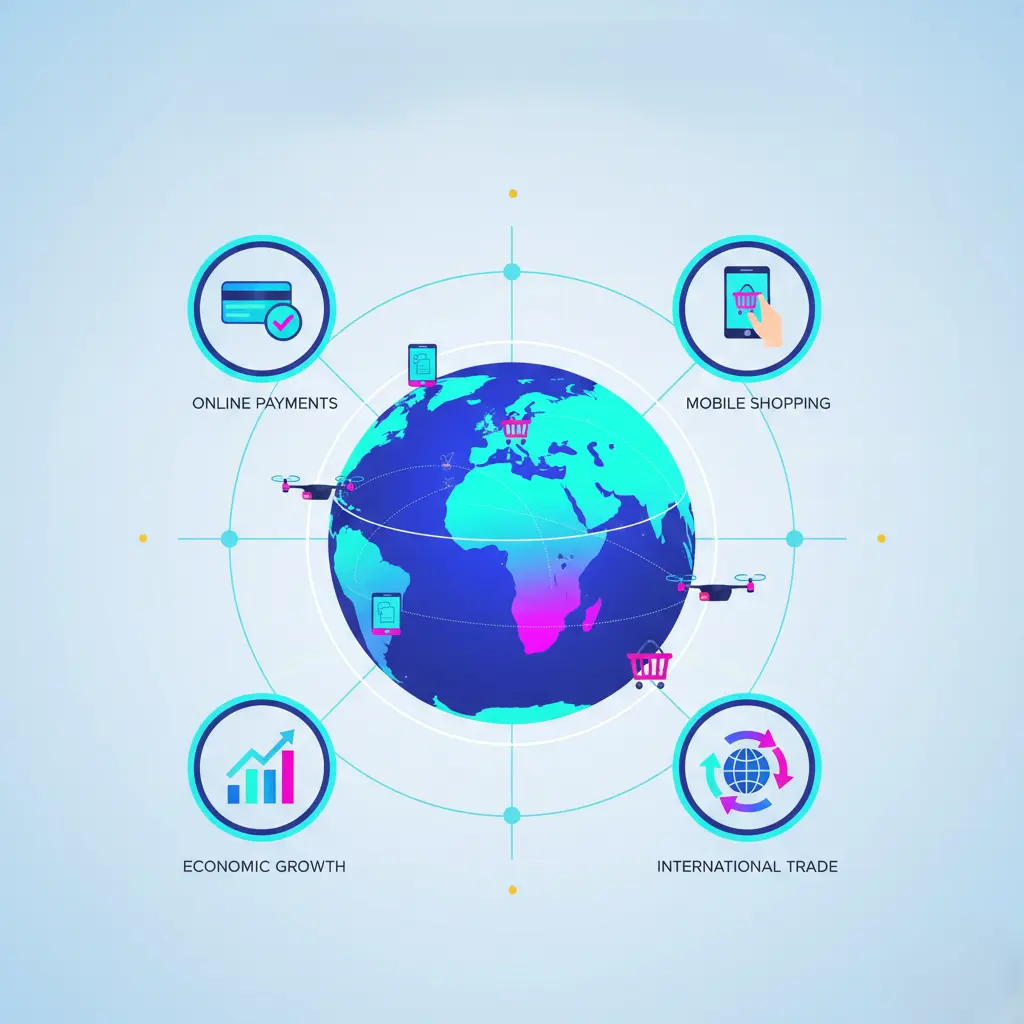
    E-commerce is transforming rapidly, and emerging markets are at the forefront of this growth. In 2026, countries in Asia, Africa, and Latin America are showing tremendous potential for online retail, driven by increasing internet penetration, mobile adoption, and rising consumer spending. For entrepreneurs, investors, and brands, understanding e-commerce in emerging markets is crucial to tap into new growth opportunities and gain a competitive edge.

    Why Emerging Markets Are Key for E-Commerce Growth

    Emerging markets offer unique advantages for e-commerce expansion. Unlike saturated markets in North America and Europe, these regions have a large population of first-time online shoppers. Increased smartphone usage, affordable mobile data, and expanding digital payment infrastructure have accelerated online buying.

    Growing Middle Class

    A growing middle class is one of the biggest drivers of e-commerce in emerging markets. Rising disposable income enables more consumers to shop online for electronics, fashion, health products, and groceries. Brands that understand local preferences and pricing sensitivities are likely to see strong adoption.

    Mobile-First Consumers

    In many emerging markets, mobile devices are the primary gateway to the internet. Businesses focusing on mobile-optimized e-commerce platforms, apps, and social commerce are more likely to capture these consumers. Mobile-friendly websites, fast loading speeds, and simple checkout processes are critical for success.

    Digital Payments and Fintech Integration

    The growth of digital wallets, UPI systems, and QR-based payments has reduced friction in online transactions. In 2026, seamless payment options will continue to drive consumer trust and conversion rates. Companies that integrate local fintech solutions gain a significant advantage in emerging markets.

    Key E-Commerce Opportunities in Emerging Markets

    Understanding high-potential sectors can help businesses prioritize investments and tailor their strategies.

    Online Retail and Marketplaces

    Online retail is booming, particularly in fashion, electronics, home goods, and personal care. Marketplaces that aggregate multiple sellers are highly popular because they provide convenience, variety, and competitive pricing. Platforms like Jumia in Africa, Flipkart in India, and MercadoLibre in Latin America are leading the charge.

    Social Commerce

    Social commerce is gaining momentum in emerging markets. Platforms like TikTok, Instagram, and WhatsApp are being used to showcase products and facilitate purchases directly through social media channels. Small businesses and individual sellers can leverage social commerce to reach new audiences with minimal marketing spend.

    Niche and Specialty Products

    Emerging market consumers increasingly value convenience and access to specialty products that may not be available locally. Businesses that focus on niche categories—organic foods, eco-friendly products, or imported goods—can find loyal customer bases.

    Logistics and Delivery Services

    Efficient logistics remain a challenge but also an opportunity. Companies that provide reliable shipping, cash-on-delivery options, and flexible delivery windows can gain a competitive edge. Investment in local fulfillment centers and last-mile delivery technology is critical in these markets.

    Challenges in Emerging Market E-Commerce

    While opportunities are abundant, businesses must navigate certain challenges to succeed.

    Infrastructure Limitations

    Internet connectivity, transportation networks, and warehousing infrastructure can vary widely. Companies need strategies to overcome these limitations, such as hybrid delivery models or partnerships with local logistics providers.

    Payment and Fraud Risks

    Despite fintech growth, digital payment adoption is uneven. Cash-on-delivery remains popular in some regions, but it increases operational risk. Fraud prevention and secure payment systems are essential for long-term growth.

    Cultural and Regulatory Differences

    Understanding local consumer behavior, language preferences, and regulations is critical. Businesses must adapt marketing messages, product selection, and pricing strategies to local contexts to build trust and credibility.

    Strategies for Success in Emerging Market E-Commerce

    Localization of Products and Content

    Adapting products, marketing campaigns, and website content to local languages and cultural preferences increases engagement and conversion rates. Tailored product recommendations and region-specific promotions are highly effective.

    Leveraging Mobile and Social Platforms

    Mobile-optimized websites, apps, and social commerce integration are essential to capture mobile-first audiences. Video content, influencer marketing, and interactive campaigns can significantly boost visibility.

    Building Trust with Customers

    Customer trust is a key factor in e-commerce adoption. Transparent return policies, responsive customer support, and reliable delivery services help build confidence. Positive reviews and social proof are especially important in emerging markets.

    Partnerships with Local Players

    Collaborating with local payment providers, logistics companies, and marketing agencies can accelerate growth and reduce operational risks. Partnerships provide valuable insights into local preferences and regulatory requirements.

    Future Outlook: E-Commerce in Emerging Markets 2026

    By 2026, e-commerce in emerging markets is expected to continue its rapid growth. Analysts predict double-digit annual growth rates across many regions, driven by mobile-first consumers, improved logistics, and digital payments adoption. Businesses that act now, understand local trends, and invest in scalable infrastructure will benefit from first-mover advantages.

    Sustainability and Social Responsibility

    Consumers in emerging markets are increasingly aware of sustainability and ethical practices. Brands that emphasize eco-friendly products, responsible sourcing, and social impact initiatives are more likely to win loyalty and differentiate themselves.

    Technology and AI Integration

    Artificial intelligence, personalized recommendations, and automated customer support are becoming standard in leading e-commerce platforms. Leveraging AI for inventory management, pricing optimization, and targeted marketing will be a key differentiator in emerging markets.

    Final Thoughts on E-Commerce in Emerging Markets

    E-commerce in emerging markets represents one of the most promising growth opportunities in 2026. With a mobile-first population, rising middle class, and increasing digital payment adoption, these regions are ripe for online business expansion. Companies that focus on localization, customer trust, social commerce, and innovative logistics will capture market share and build sustainable growth.

    For entrepreneurs and brands seeking global expansion, emerging markets offer an exciting frontier where e-commerce can thrive. Understanding local behavior, adapting products and marketing strategies, and leveraging technology are critical to success in these dynamic markets.


  • Is Marketplace Marketing Worth ₹9,999? Real Value Explained for Vcue Store Sellers

    Is Marketplace Marketing Worth ₹9,999? Real Value Explained for Vcue Store Sellers

    Marketplace marketing has become one of the most powerful growth tools for online sellers and local businesses. But many entrepreneurs still ask a critical question: Is marketplace marketing worth ₹9,999? In this blog, we break down the real value behind this investment and explain how Vcue Store marketplace marketing delivers measurable returns through branding, visibility, and sales growth.

    Understanding Marketplace Marketing in Today’s Digital Economy

    Vcue Store Marketplace marketing is not just about listing products online. It is a complete ecosystem that combines product visibility, targeted promotion, brand trust, and scalable growth. With rising competition, sellers need more than basic exposure—they need a structured marketing system that works consistently.

    For ₹9,999, businesses often expect reach, conversions, and brand recognition. The key is choosing a platform that delivers long-term value, not just short-term traffic.

    What Makes Vcue Store Marketplace Marketing Different

    Vcue Store offers a comprehensive suite of promotional and branding solutions designed to support both new and growing sellers. Unlike traditional marketplaces that focus only on listings, Vcue Store provides end-to-end marketing support.

    Free Product Listing for Easy Entry

    Sellers can start without worrying about upfront listing costs. Free product listing reduces risk and allows businesses to test the marketplace before scaling.

    Organic and Paid Promotion for Balanced Growth

    Vcue Store supports both organic and paid promotion strategies (T&C Apply). Organic promotion builds trust and long-term visibility, while paid campaigns help boost reach during high-demand periods.

    Local Business Setup and Scaling Support

    For local brands, Vcue Store helps with business setup and gradual scaling. This is especially valuable for small businesses looking to expand beyond their immediate area.

    Marketing Benefits That Justify the ₹9,999 Investment

    Social Media Marketing That Builds Brand Awareness

    Vcue Store actively promotes sellers through social media marketing, helping brands connect with the right audience across platforms. This increases engagement and recall value.

    Website Traffic Growth with Targeted Reach

    Traffic alone is not enough. Vcue Store focuses on relevant website traffic growth, ensuring visitors are more likely to convert into customers.

    Audience Segmentation for Better Conversions

    With smart audience segmentation, marketing campaigns reach users who are genuinely interested in specific product categories, improving conversion rates and ROI.

    Cost Efficiency Compared to Industry Standards

    9% Fixed Commission – Lowest in the Industry

    One of the biggest advantages of Vcue Store is its 9% fixed commission, which is among the lowest in the entire marketplace industry. This means sellers keep more of their profits while still benefiting from strong marketing support.

    Exclusivity for Brand Protection

    Exclusivity options (T&C Apply) help sellers stand out and reduce direct competition within the platform, enhancing brand value.

    Additional Branding and Media Advantages

    Print Media Promotion for Offline Visibility

    Print media promotion (T&C Apply) helps brands reach audiences beyond digital channels, adding credibility and trust.

    Professional Product Shoots

    Vcue Store offers shoots for up to 10 products, ensuring high-quality visuals that improve product appeal and conversion rates.

    AI Video for Modern Marketing

    AI-powered videos (T&C Apply) help sellers create engaging content without high production costs, perfect for ads and social media promotions.

    Is Marketplace Marketing Worth ₹9,999 with Vcue Store?

    When you consider free product listing, multi-channel promotion, low commission, professional branding support, and scalable growth opportunities, the ₹9,999 investment becomes highly cost-effective. Instead of spending separately on ads, shoots, and marketing tools, Vcue Store bundles everything into one structured solution.

    Final Verdict on Vcue Store Marketplace Marketing

    For sellers looking to grow visibility, sales, and brand trust, marketplace marketing with Vcue Store is absolutely worth ₹9,999. It is not just an expense—it is a strategic investment that supports long-term success in a competitive digital marketplace.

  • Headless Commerce Explained (Without the Jargon)

    Headless Commerce Explained (Without the Jargon)

    Headless commerce sounds complicated, technical, and intimidating—but it doesn’t have to be. At its core, headless commerce is simply a smarter, more flexible way to build and scale modern ecommerce experiences without being locked into one rigid system.

    This guide explains what headless commerce is, why it matters, and whether it’s right for your business—without buzzwords or technical overload.

    What Is Headless Commerce?

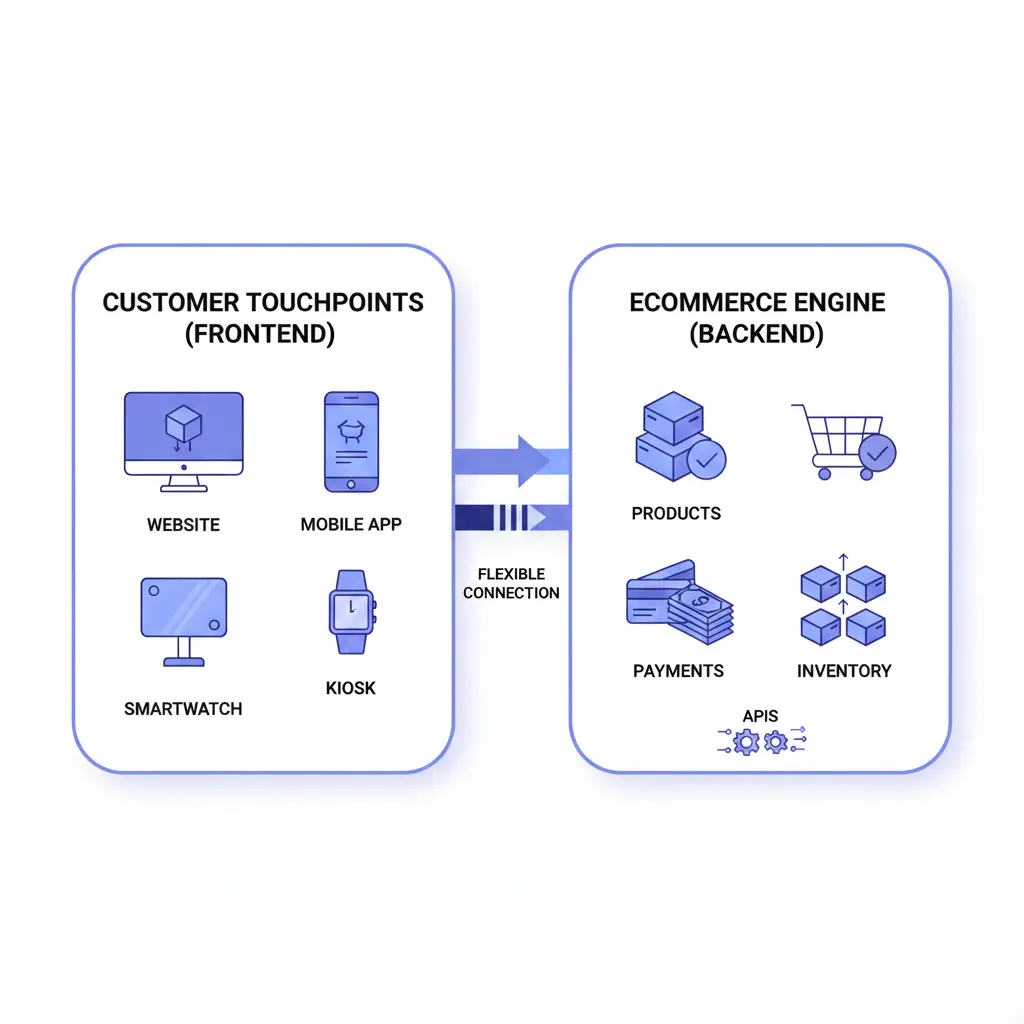
    Traditional ecommerce platforms tightly connect the front end (what customers see) and the back end (where products, orders, and data live). Headless commerce breaks that connection.

    In headless commerce architecture, the front end and back end operate independently. They communicate through APIs, allowing each side to evolve without disrupting the other.

    A Simple Way to Think About It

    Think of the back end as the brain and the front end as the face. With headless commerce, you can change the face without touching the brain—and vice versa.

    This means your website, mobile app, kiosks, or even smart devices can all pull data from the same backend while delivering different experiences.

    Why Businesses Are Moving to Headless Commerce

    Faster, More Flexible Experiences

    Traditional platforms can be slow and restrictive. Headless commerce allows developers to build fast, custom front ends using modern frameworks. This results in quicker page loads and smoother user experiences.

    Speed matters—not just for customers, but for SEO and conversions.

    Total Design Freedom

    With headless commerce, your design is no longer limited by templates. Brands can create unique, highly customized storefronts that match their identity and customer expectations.

    This is especially valuable for brands competing in crowded ecommerce markets.

    How Headless Commerce Improves Customer Experience

    Omnichannel Made Simple

    Customers don’t just shop on websites anymore. They shop on mobile apps, social platforms, marketplaces, and even in-store screens.

    Headless commerce solutions make omnichannel selling easier by delivering consistent product and pricing data across every touchpoint.

    Personalization Without Complexity

    Because the front end is independent, businesses can personalize content, offers, and layouts without touching core commerce logic. This makes personalization faster, safer, and more scalable.

    Is Headless Commerce Only for Big Brands?

    When Headless Commerce Makes Sense

    Headless commerce is ideal if you:

    • Need high-performance, fast-loading pages
    • Want deep customization and flexibility
    • Sell across multiple channels
    • Plan to scale or expand internationally

    Many growing mid-sized brands are adopting headless ecommerce to future-proof their tech stack.

    When It Might Be Overkill

    If you’re a small store with simple needs and limited development resources, a traditional platform may be sufficient. Headless commerce requires more upfront planning and technical expertise.

    Common Myths About Headless Commerce

    Myth 1: It’s Too Technical

    While headless commerce involves APIs, many modern platforms offer pre-built integrations and tools that simplify implementation. You don’t need to be a tech giant to go headless.

    Myth 2: It Replaces Your Ecommerce Platform

    Headless commerce doesn’t remove your platform—it enhances it. You still use a backend system for products, orders, and payments. You just gain more control over how customers experience your brand.

    The Real Benefit of Headless Commerce

    The biggest advantage of headless commerce architecture is future flexibility. As customer expectations change and new channels emerge, your business can adapt without rebuilding everything from scratch.

    You’re no longer boxed in by technology—you’re enabled by it.

    Final Thoughts

    Headless commerce isn’t about complexity—it’s about freedom. Freedom to design better experiences, move faster, and scale without limits.

    If your ecommerce growth is being slowed by rigid platforms or outdated templates, headless commerce may be the upgrade that helps you stay competitive, adaptable, and customer-first in a rapidly evolving digital landscape.