Tag: Shopping

  • The Beginner’s Guide to Instagram and Facebook Shop

    The Beginner’s Guide to Instagram and Facebook Shop

    Selling online has never been easier, thanks to Instagram Shop and Facebook Shop. These two platforms give businesses a powerful way to showcase products, reach new customers, and generate sales directly through social media. Whether you’re just starting an online store or expanding your digital presence, this beginner-friendly guide will help you understand how to set up, manage, and grow your social commerce business on both platforms. Here is your complete Beginner’s Guide to Instagram and Facebook Shop.

    What Are Instagram and Facebook Shops?

    Instagram Shop and Facebook Shop are digital storefronts that allow businesses to display and sell products inside the Meta ecosystem. Customers can browse items without leaving the app and even check out directly, depending on your region. For beginners, these platforms offer a low-cost, easy-to-use way to enter the world of social commerce.

    Key Benefits

    Increased reach, built-in audience targeting, seamless shopping experience, and direct product discovery through posts, stories, and ads.

    1. Set Up Your Meta Business Account

    To use Instagram Shop and Facebook Shop, you first need a Meta Business Account and a connected Business Page.

    How to Get Started

    Create (or convert) your Instagram account into a Professional Business Account. Link your Instagram profile to your Facebook Page through the Meta Business Suite. Having everything connected makes it easier to manage your catalog, insights, and messages from one place.

    2. Upload Your Product Catalog

    A product catalog is the foundation of your shop. This contains your product names, images, prices, and descriptions. You can upload it manually or connect it to an e-commerce platform like Shopify or WooCommerce.

    Catalog Tips

    Use high-quality images, keep titles clear, and write SEO-friendly descriptions. Make sure your prices and stock levels are updated regularly.

    3. Set Up Your Instagram Shop

    Once your catalog is ready, you can enable Instagram Shopping. Meta will review your account for eligibility, which usually takes a few days.

    After Approval

    You can tag products in posts, reels, stories, and even livestreams. Product tags make it easy for users to move from content to checkout instantly.

    4. Set Up Your Facebook Shop

    Your Facebook Shop appears on your business page under the “Shop” tab. It acts as a mini store where visitors can browse collections, view product details, and purchase items.

    Shop Features

    Customize your shop layout, create product collections like “New Arrivals,” and add featured items to guide customer browsing.

    5. Optimize Your Product Listings

    Great product listings increase clicks and conversions. Use clear, bright images and write detailed descriptions highlighting features and benefits.

    SEO Optimization Tips

    Include keywords like “handmade jewelry,” “organic skincare,” “affordable fashion,” or category-specific terms your customers search for. Add multiple images and short videos to make listings more compelling.

    6. Use Shopping Tags in Your Content

    Shopping tags are one of the biggest advantages of Instagram and Facebook Shops. They allow you to turn your content into direct sales opportunities.

    Where to Use Tags

    Use tags in posts, reels, stories, and carousel ads. Influencers can also tag your products through Branded Content partnerships, boosting your visibility even further.

    7. Promote Your Products with Meta Ads

    Paid advertising helps you reach more customers and increase conversions. Meta Ads allow precise audience targeting based on interests, behavior, and demographics.

    Ad Formats to Try

    Collection Ads, Carousel Ads, Reels Ads, and Product Catalog Sales Ads. Use retargeting ads to reach customers who viewed your products but didn’t buy.

    8. Engage with Your Audience

    Social commerce thrives on engagement. Responding quickly to comments and DMs helps build trust and encourages purchases.

    Ways to Increase Engagement

    Use Instagram Stories daily, host live product demos, post user-generated content, and share behind-the-scenes videos. Engaged audiences convert at a higher rate.

    9. Track Performance with Insights

    Meta provides powerful insights to analyze your store’s performance. You can view data such as product views, clicks, add-to-cart actions, and purchases.

    What to Monitor

    Best-selling products, traffic sources, customer demographics, and conversion rates. Use this data to improve your strategy and refine your product catalog.

    10. Build Trust with Social Proof

    Customers rely on social proof before purchasing from a new business. The more authentic engagement you show, the faster your shop grows.

    Effective Ways to Build Trust

    Showcase customer reviews, share real unboxing videos, post testimonials, and highlight repeat buyers. Social proof increases credibility and boosts sales.

    Final Thoughts

    Instagram and Facebook Shops offer the perfect entry point for beginners to start selling online with minimal cost and maximum visibility. By setting up your product catalog, optimizing your listings, using shopping tags, and promoting your products through Meta Ads, you can build a profitable presence on both platforms. With consistent engagement and smart analytics, your shop can grow quickly and attract loyal customers. If you’re ready to begin your journey in social commerce, Instagram and Facebook Shop are the best places to start.
  • Key Features of a Good E-Commerce Website

    Key Features of a Good E-Commerce Website

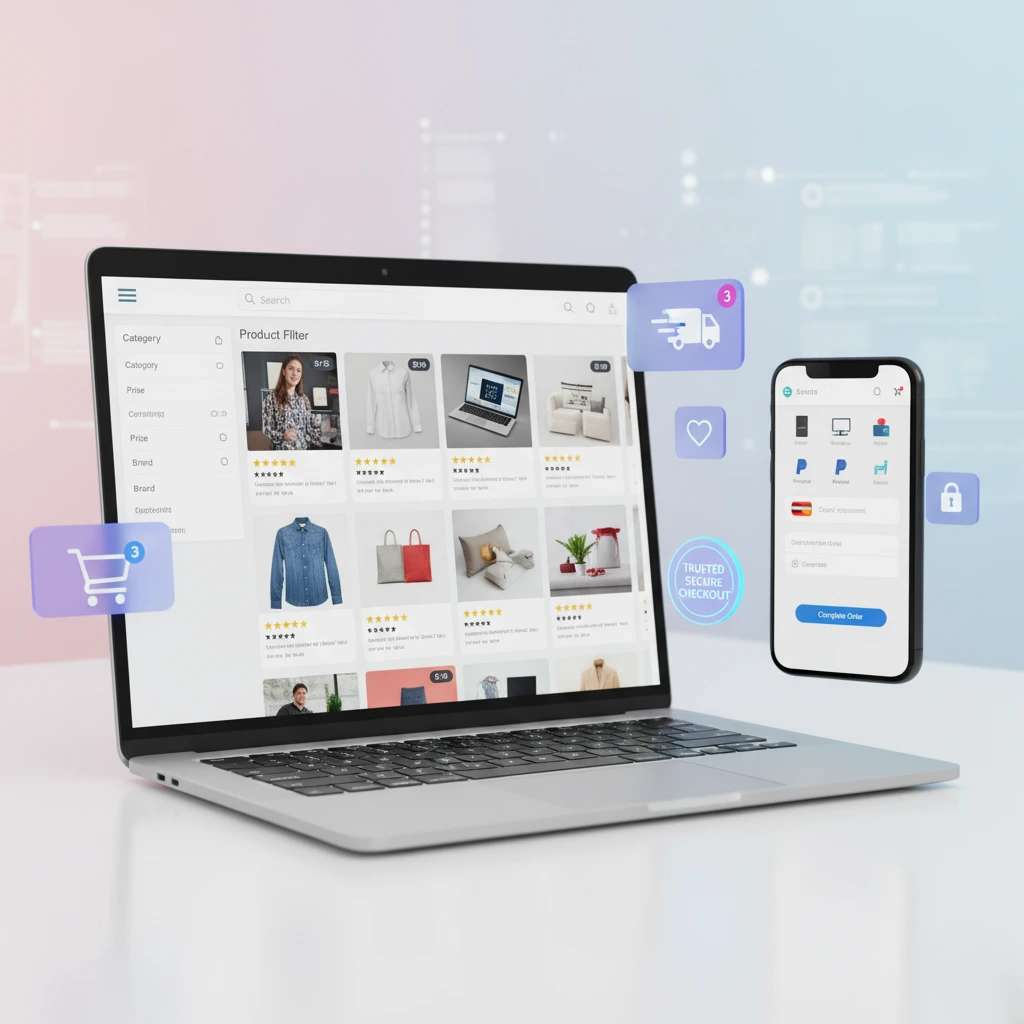
    A successful online store must do more than display products. It must provide a seamless, secure, and enjoyable shopping experience. Below are the most important key features of a good e-commerce website that help attract customers, boost conversions, and build long-term trust.

    1. User-Friendly Website Design

    A user-friendly design ensures visitors can browse your store easily. Clean layouts, readable fonts, clear navigation menus, and organized product categories help shoppers find what they need without confusion.

    Why it matters

    A simple and intuitive interface reduces bounce rates and improves overall customer satisfaction.

    2. Mobile-Responsive Layout

    More than half of global online shopping happens on mobile devices. A mobile-responsive e-commerce website automatically adjusts to different screen sizes, providing an optimal user experience across smartphones, tablets, and desktops.

    Why it matters

    A responsive layout improves SEO rankings and increases conversion rates on mobile users.

    3. Fast Loading Speed

    Fast websites perform better. A fast-loading e-commerce website keeps customers engaged, while slow pages lead to abandoned carts.

    Why it matters

    Google prioritizes fast websites, and users expect pages to load within 2–3 seconds.

    4. Secure Payment Gateway

    Security is one of the most important e-commerce website features. Customers trust websites that offer secure, encrypted, and reliable payment methods like SSL certificates, PCI compliance, and multiple payment options.

    Why it matters

    Security builds trust and reduces the risk of fraud and chargebacks.

    5. Easy Navigation

    Clear navigation menus, search bars, product filters, and breadcrumb links make browsing easier. Easy navigation helps customers locate products quickly and improves the overall shopping experience.

    Why it matters

    Better navigation increases the average time spent on the website and boosts sales.

    6. High-Quality Product Images and Descriptions

    A good e-commerce website relies on strong visuals. High-quality images, videos, and detailed product descriptions help shoppers make confident purchase decisions.

    Why it matters

    Accurate product information reduces returns and increases trust.

    7. Customer Reviews and Ratings

    Customer feedback is a powerful element of buying decisions. Adding reviews and ratings builds social proof and boosts credibility.

    Why it matters

    Shoppers trust other shoppers—and positive reviews improve conversion rates.

    8. Seamless Checkout Process

    A complicated checkout is a major cause of cart abandonment. A streamlined checkout should include guest checkout options, auto-fill forms, and minimal steps.

    Why it matters

    A simple checkout increases completed orders and reduces friction.

    9. Multiple Payment Options

    Offering various payment methods like credit cards, digital wallets, bank transfers, and buy now pay later (BNPL) ensures customers can pay their preferred way.

    Why it matters

    More payment options = more completed transactions.

    10. Strong Search Functionality

    A powerful search bar with auto-suggestions, filters, and sort options improves product discovery.

    Why it matters

    Customers can find specific items quickly, improving their shopping experience.

    11. Wishlist and Favourites

    A wishlist feature allows users to save items for later. It boosts engagement and encourages repeat visits.

    Why it matters

    Wishlists help convert future sales and support remarketing campaigns.

    12. Reliable Customer Support

    Customer support features such as live chat, FAQ pages, help centers, and chatbots improve customer confidence.

    Why it matters

    Quick support builds trust and improves brand reputation.

    13. Strong SEO Structure

    A search engine optimized e-commerce website includes optimized URLs, meta tags, schema markup, and fast loading.

    Why it matters

    Good SEO helps your store appear higher in search results, attracting more organic traffic.

    14. Order Tracking System

    Customers expect transparency. An order tracking feature lets buyers monitor their shipment from purchase to delivery.

    Why it matters

    Order tracking reduces customer queries and enhances trust.

    15. Integration With Social Media

    Social media integration enables easy sharing, login options, and product promotion through social platforms.

    Why it matters

    It increases brand visibility and brings more traffic to your store.

  • How to Optimise Your E Commerce Fulfilment Process for Maximum Growth

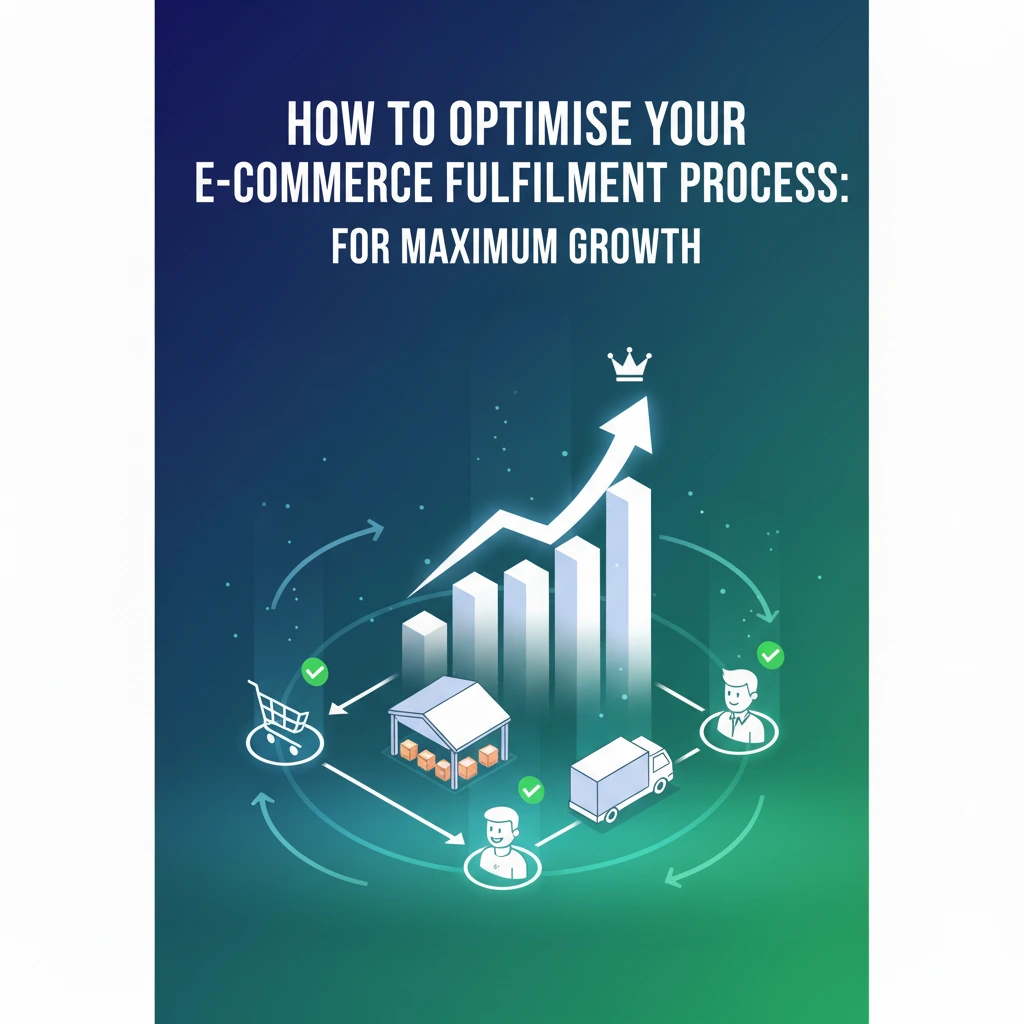
    How to Optimise Your E Commerce Fulfilment Process for Maximum Growth

    Optimising your e commerce fulfilment process is one of the most powerful ways to boost customer satisfaction, increase sales, and streamline operations. With online shopping continuing to grow rapidly, shoppers expect fast, accurate, and hassle free delivery every time. If your order fulfilment process can’t keep up, your business risks losing customers to competitors who can deliver a smoother experience. In this blog, we’ll explore how to optimise your e commerce fulfilment process using proven strategies, smart technology, and efficient workflows. By the end, you’ll have a clear roadmap to elevate your operations and stay ahead in the competitive e commerce space.

    Why E Commerce Fulfilment Optimisation Matters

    A strong fulfilment process is far more than a back end operation. It’s a direct reflection of your brand and one of the most important touchpoints in the customer journey. When fulfilment runs smoothly, customers receive their orders quickly and in perfect condition, leading to better reviews, loyalty, and repeat purchases. When fulfilment fails, delays, errors, and poor communication can harm your brand’s reputation.

    Optimising your process helps you cut costs, scale efficiently, reduce errors, and create a shopping experience that customers trust. For businesses of all sizes, fulfilment excellence is no longer optional—it’s essential.

    Understanding the Core Stages of E Commerce Fulfilment

    Before you can improve your fulfilment process, it’s important to understand the main stages involved. A typical e commerce fulfilment workflow includes receiving inventory, storing products, processing orders, picking and packing, shipping, and handling returns. Each of these steps must work smoothly and efficiently for the entire system to perform well. Even small inefficiencies can slow production, increase errors, or create bottlenecks that cause delays.

    Streamline Your Inventory Management

    Use Real Time Inventory Tracking

    One of the best ways to optimise your e commerce fulfilment process is by implementing real time inventory tracking software. Real time visibility ensures you know exactly how much stock you have, preventing overselling and stockouts. Customers expect products to be available when they place an order, and nothing hurts trust like discovering an item is unavailable after purchase.

    Organise Your Warehouse Layout

    A well organised warehouse improves picking speed and reduces fulfilment time. Group bestselling products near packing stations, arrange items logically, and use clear labels. A more organised space means fewer mistakes and faster processing times.

    Forecast Demand to Avoid Shortages

    Analysing your sales data allows you to predict demand more accurately. This helps ensure you reorder stock before levels get too low. Better forecasting leads to fewer delays and happier customers.

    Improve Your Order Processing Efficiency

    Automate Order Processing

    Automation is a key tool in optimising e commerce fulfilment. Automated order processing syncs your sales channels, reduces manual work, and minimises human error. When an order is placed, it’s instantly sent to your fulfilment system, speeding up the entire workflow.

    Prioritise Orders Strategically

    Some orders need faster processing than others. High value customers, next day delivery orders, and urgent customer requests should be prioritised. This ensures your fulfilment process remains both efficient and customer focused.

    Optimise Your Picking and Packing Operations

    Use Batch Picking Methods

    Batch picking reduces the time your team spends walking around the warehouse. By collecting multiple orders at once, pickers work more efficiently and fulfil orders faster. This method is especially useful during peak seasons when order volumes surge.

    Standardise Your Packaging

    Standardised packaging saves time and reduces costs. Using a selection of box sizes and materials that work for most products simplifies the packing process. It also ensures a consistent unboxing experience, which many shoppers value.

    Invest in Quality Packing Materials

    Damaged items lead to returns, refunds, and unhappy customers. High quality packaging protects your products during transit and improves overall delivery success. Better packaging also reduces breakage and replacement costs.

    Speed Up Your Shipping Process

    Partner with Multiple Couriers

    Working with more than one courier gives you flexibility and ensures faster delivery options. Different couriers specialise in different regions, speeds, and parcel types. By partnering with several providers, you can select the best option for each order.

    Offer a Range of Shipping Speeds

    Customers appreciate choices. Offering express, standard, and economy delivery options lets shoppers pick a speed that suits their needs and budget. Providing clear shipping times also reduces customer service enquiries.

    Use Automated Shipping Labels

    Automated shipping label tools reduce manual entry and eliminate mistakes. When labels are generated automatically, orders move through the fulfilment pipeline more quickly.

    Simplify and Improve Your Returns Management

    Create a Clear Returns Policy

    A transparent returns policy improves customer confidence and reduces confusion. Make sure your policy is easy to understand and readily available on your website. Customers appreciate upfront clarity.

    Use a Streamlined Returns Workflow

    Efficient returns processing ensures items are inspected, restocked, or refunded quickly. A smooth returns experience encourages repeat purchases and strengthens customer trust.

    Analyse Return Data

    Understanding why customers return items helps you identify product issues or sizing problems. Data driven adjustments reduce overall return rates and improve product satisfaction.

    Leverage Technology to Boost Fulfilment Performance

    Use a Fulfilment Management System

    A fulfilment management system connects your inventory, orders, shipping, and tracking in one place. This technology saves time, reduces errors, and offers valuable insights into performance. A centralised system is essential for scaling your fulfilment as your business grows.

    Integrate Your Sales Channels

    If you sell on multiple platforms such as Shopify, Amazon, Etsy, or eBay, integration ensures your stock levels update automatically across all channels. This prevents overselling and enhances customer experience.

    Use Automation Wherever Possible

    Automation tools can assist with forecasting, batching, order routing, and even customer notifications. Automating repetitive tasks frees up time for your team to focus on more important work.

    Consider Outsourcing Your Fulfilment

    When to Outsource

    If your order volumes are growing faster than your team can manage, or if fulfilment is taking time away from marketing and product development, outsourcing may be the ideal solution. A third party fulfilment provider (3PL) handles storage, packing, and shipping for you.

    Benefits of Outsourcing

    Outsourcing offers faster shipping, lower operational costs, access to advanced technology, and improved accuracy. Many businesses choose 3PL partners to scale more efficiently and focus on growth.

    Final Thoughts

    Knowing how to optimise your e commerce fulfilment process is essential for improving customer satisfaction, reducing costs, and staying competitive in today’s online market. By enhancing your inventory management, streamlining picking and packing, speeding up shipping, and leveraging automation, you can build a fulfilment system that is fast, accurate, and scalable. Whether you keep operations in house or partner with a fulfilment provider, focusing on efficiency will help your business grow and succeed long term.

  • The Benefits of Outsourcing Order Fulfilment

    The Benefits of Outsourcing Order Fulfilment

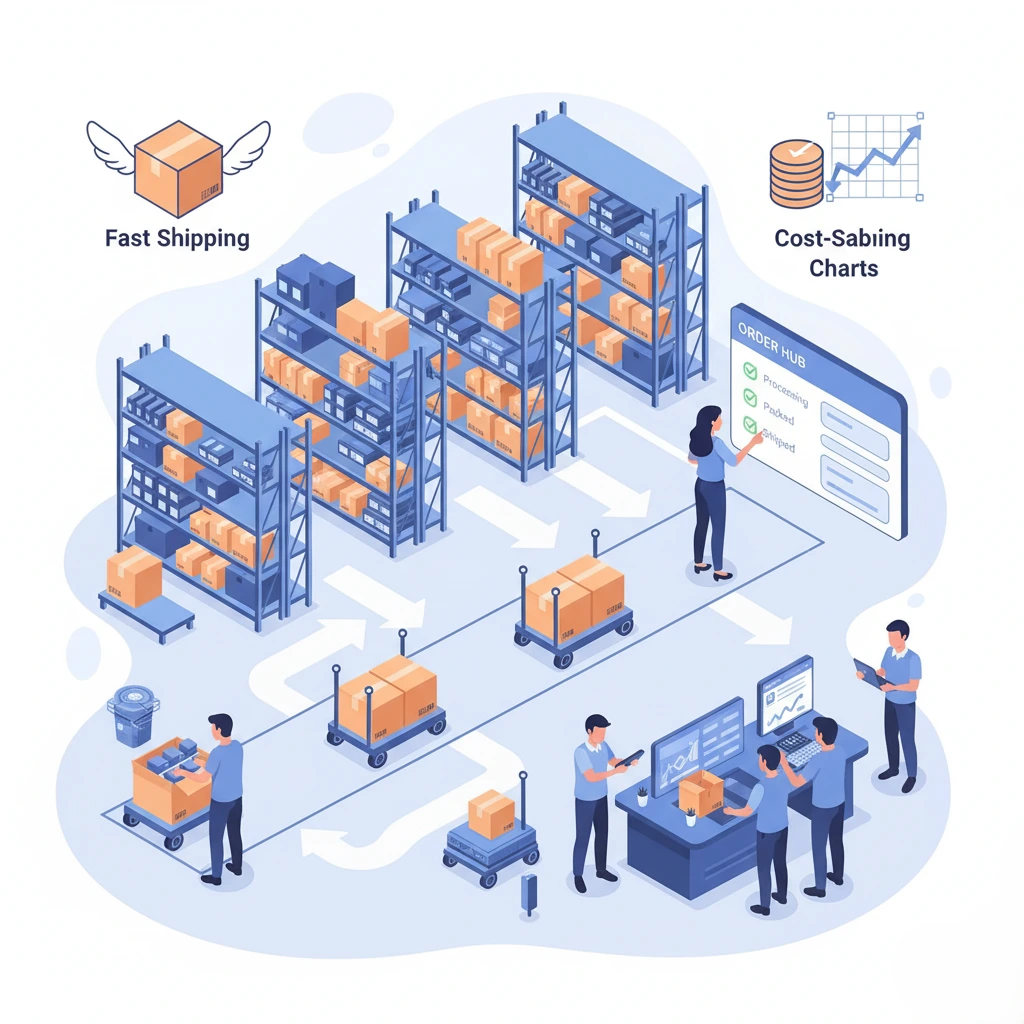
    Outsourcing order fulfilment has quickly become one of the most effective strategies for growing businesses that want to streamline operations, cut costs, and improve customer satisfaction. With consumer expectations higher than ever, companies need fast shipping, accurate packing, and consistent delivery performance. Managing all of this in-house can be challenging, especially for small and mid-sized brands. That’s where third-party logistics providers come in. In this blog, we’ll explore the benefits of outsourcing order fulfilment and why it could be the competitive advantage your business needs.

    What Is Outsourcing Order Fulfilment?

    Outsourcing order fulfilment means handing over your storage, packing, and shipping processes to a specialist logistics company, often known as a 3PL. Instead of spending time on inventory management, shipping labels, returns, and customer queries about delivery, you allow experts to handle these responsibilities. This provides your company with more time and resources to focus on growth, marketing, and product development. For many brands, outsourcing is not just a convenience—it’s a powerful step toward scaling efficiently.

    Why Businesses Turn to Outsourced Fulfilment

    The rise of eCommerce and shifting customer expectations have pushed companies to consider outsourcing order fulfilment. A single delay or delivery mistake can cost repeat business, affect brand reputation, and lead to negative reviews. Efficient fulfilment is no longer optional; it’s essential. Outsourcing helps businesses keep up with demand spikes, reduce operational pressure, and deliver reliable service. Whether you’re a fast-growing online shop or an established retail brand, outsourcing provides an opportunity to stay competitive without overextending internal resources.

    Cost Savings and Increased Efficiency

    Reduced Operating Costs

    One of the biggest benefits of outsourcing order fulfilment is cost reduction. When you manage fulfilment internally, you must pay for warehouse space, staff, equipment, packing materials, and software. These expenses can quickly grow, especially during peak seasons or unexpected surges in demand. Outsourcing eliminates the need for high overheads because 3PL providers already have established infrastructure. You pay only for the space and services you use, making costs more predictable and scalable.

    More Efficient Operations

    Fulfilment companies are designed for high-accuracy, high-volume operations. They use advanced technology, automated systems, and trained staff to ensure orders are processed quickly and correctly. This reduces human error, improves speed, and enhances the customer experience. Instead of worrying about picking, packing, and shipping, your internal team can focus on strategic tasks that drive sales and brand development.

    Faster Shipping and Better Customer Satisfaction

    Access to Multiple Warehouses

    A major advantage of outsourcing is access to a network of fulfilment centres. Many 3PLs operate multiple warehouses across regions or even countries. This allows your products to be stored closer to your customers, reducing shipping times and costs. Faster delivery leads to higher customer satisfaction, which increases loyalty and repeat purchases.

    Improved Delivery Performance

    Fulfilment providers have strong relationships with major carriers and often negotiate discounted rates. This means your customers benefit from faster shipping at competitive prices. Outsourcing also ensures consistent delivery performance during busy periods like holidays, which can be difficult for small businesses to manage in-house.

    Scalability and Flexibility for Growth

    Easily Handle Seasonal Surges

    If your business experiences seasonal peaks, outsourcing order fulfilment gives you the flexibility to scale up or down as needed. A 3PL can quickly adapt to changing order volumes without requiring you to hire temporary staff or extend warehouse space. This flexibility helps maintain smooth operations during high-demand periods.

    Support for Business Expansion

    Outsourcing allows your business to grow without logistical limitations. Whether you’re launching new products, expanding into new markets, or entering international sales channels, fulfilment partners can support you with the necessary infrastructure. Instead of worrying about how to manage bigger operations, you can focus on expanding your brand.

    Access to Advanced Technology

    Real-Time Inventory Tracking

    Most fulfilment providers use sophisticated inventory management systems that allow you to track stock levels, order status, and shipping updates in real time. This level of visibility is essential for making informed decisions about product restocking, marketing campaigns, and forecasting. Having accurate data at your fingertips helps prevent stockouts and overselling.

    Automation and Optimisation

    Automation is a key component of modern order fulfilment. From automatic order routing to smart packaging solutions, fulfilment centres use technology to optimise every step of the process. This increases accuracy, reduces delays, and ensures efficient operations. For small businesses lacking their own advanced systems, outsourcing provides access to tools that would otherwise be too costly.

    Better Return Management

    Smooth and Hassle-Free Returns

    Handling returns can be time-consuming and complicated. Outsourcing return logistics ensures that items are inspected, processed, restocked, or disposed of according to your policies. A seamless returns process boosts customer trust and improves the overall shopping experience.

    Data Insights from Returns

    3PLs also provide detailed reports on return trends, helping you identify product defects, sizing issues, or packaging problems. This insight helps you improve product quality and reduce future returns.

    More Time to Focus on What Matters

    Focus on Core Business Activities

    When logistics is handled by professionals, you gain more time to focus on marketing, product development, customer engagement, and other high-value tasks. This leads to stronger growth and a better use of internal resources.

    Reduced Stress and Workload

    Managing fulfilment can be overwhelming, especially when order volumes rise. Outsourcing reduces stress and workload for your team, creating a more efficient and focused work environment.

    How Outsourcing Order Fulfilment Strengthens Your Brand

    Enhances Professionalism

    A smooth and reliable delivery experience reflects positively on your brand. Customers remember brands that ship quickly, communicate clearly, and deliver without issues. Outsourcing helps maintain a consistent, professional standard of service.

    Supports Long-Term Growth

    With better logistics, your business is equipped to handle long-term growth. Outsourced fulfilment provides the stability and support you need to evolve, expand, and stay ahead of competitors.

    Conclusion

    Outsourcing order fulfilment offers countless advantages, from reducing costs and improving efficiency to enhancing customer satisfaction and supporting business expansion. By partnering with a reliable 3PL provider, you gain access to advanced technology, expert support, and scalable solutions that help your business grow smoothly and sustainably. In a fast-paced eCommerce world, the brands that succeed are the ones that work smarter—not harder. Outsourcing fulfilment is one of the smartest strategies you can adopt to ensure long-term success and create a seamless experience for your customers.

  • Global Trade Unlocked International Shipping Challenges and Smart Solutions

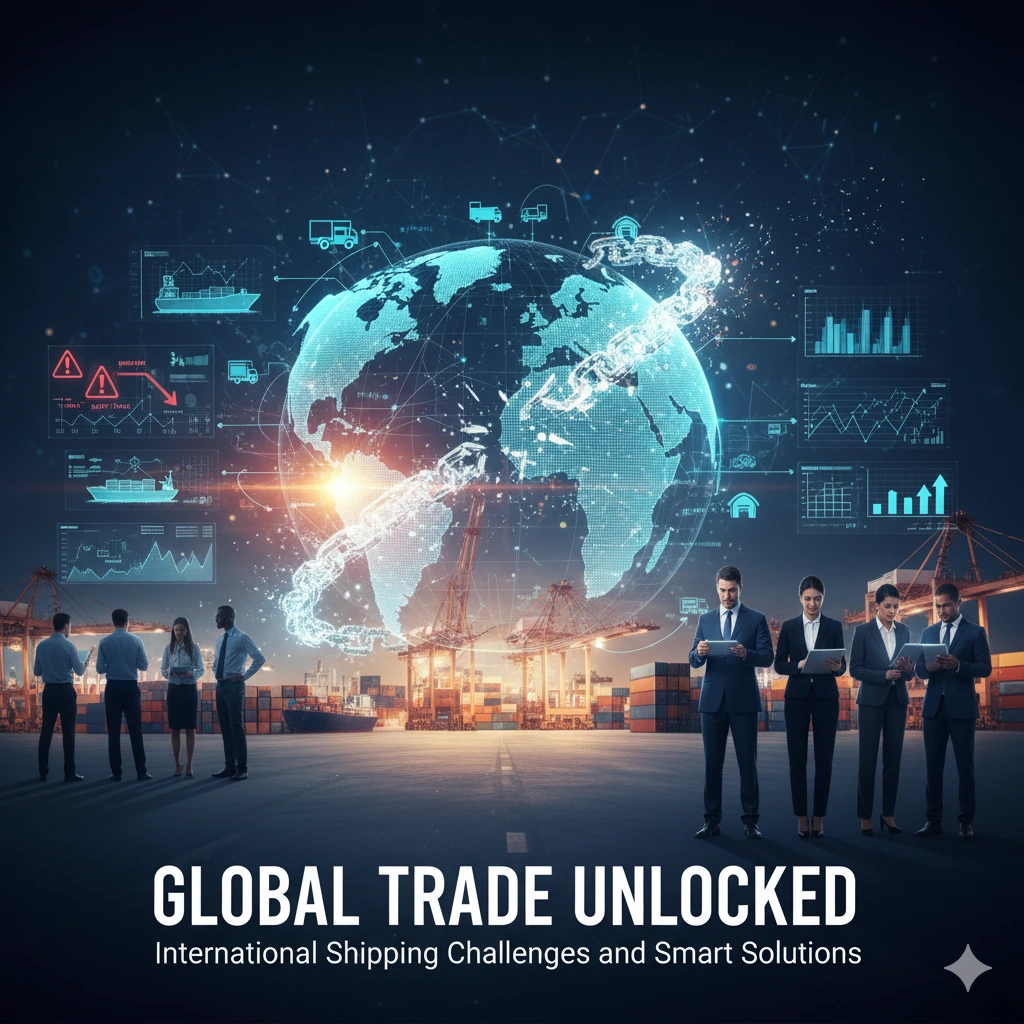
    Global Trade Unlocked International Shipping Challenges and Smart Solutions

    In today’s interconnected world, international trade has become the backbone of the global economy. Businesses of all sizes depend on international shipping to move products across continents, connect with global customers, and expand their market reach. However, despite its vast opportunities, international shipping presents several complex challenges. Understanding these international shipping challenges and solutions is crucial for any business aiming to succeed in global logistics.

    The Growing Importance of International Shipping

    With the rapid rise of e-commerce and global supply chains, international shipping is more important than ever before. From small online retailers to multinational corporations, everyone relies on efficient shipping systems to ensure products reach customers worldwide.

    Globalization and digital technology have made it easier to sell across borders, but delivering those goods efficiently is another story. Shipping internationally involves navigating customs regulations, freight rates, transport delays, and currency fluctuations. To stay competitive, businesses must learn to overcome these obstacles strategically.

    Key Challenges in International Shipping

    When dealing with global logistics, businesses encounter several common problems. These issues can cause delays, increase costs, and affect customer satisfaction.

    1. Complex Customs Regulations

    Every country has its own customs rules, import restrictions, and tax requirements. Navigating these regulations can be confusing and time-consuming, especially for new exporters. Incomplete documentation or incorrect product classification can result in penalties, clearance delays, or even shipment returns.

    Customs procedures vary widely between countries, and what works in one region may not be accepted in another. Keeping track of documentation like commercial invoices, packing lists, and certificates of origin is essential to avoid costly mistakes.

    2. High Shipping Costs

    One of the biggest international shipping challenges is cost. Factors such as fuel prices, tariffs, currency exchange rates, and global demand directly affect shipping rates. Large or heavy shipments incur additional charges, and surcharges for remote destinations can further increase expenses.

    For small businesses, these costs can be overwhelming. Many companies struggle to find the balance between affordable shipping and reliable service.

    3. Long Transit Times

    Unlike domestic deliveries, international shipments can take days or even weeks to reach their destination. Delays due to customs clearance, weather conditions, or carrier schedules can disrupt supply chains and frustrate customers.

    In today’s fast-paced e-commerce environment, consumers expect quick delivery. Managing expectations while maintaining shipping efficiency is a major challenge for global sellers.

    4. Risk of Damage or Loss

    Shipping goods across long distances increases the risk of damage, theft, or loss. Handling goods through multiple transportation modes—air, sea, and land—exposes shipments to various risks. Fragile or high-value items require special packaging and insurance to ensure safety during transit.

    5. Currency and Payment Barriers

    Currency fluctuations can affect shipping costs and profit margins. When dealing with multiple international currencies, businesses must also ensure secure payment processing to prevent fraud and financial losses.

    6. Environmental Concerns

    Sustainability has become a growing focus in logistics. Consumers and governments are increasingly demanding eco-friendly shipping options. Balancing environmental responsibility with cost efficiency remains one of the toughest challenges in international logistics.

    Effective Solutions to Overcome International Shipping Challenges

    While international shipping may seem daunting, there are proven strategies that can help businesses simplify their operations and build efficient global logistics systems.

    1. Partner with Experienced Logistics Providers

    Choosing the right logistics partner is one of the most effective ways to manage global shipping. Reputable freight forwarders and logistics companies have the expertise and infrastructure to handle customs clearance, warehousing, and multi-modal transportation.

    These partners provide end-to-end visibility and ensure compliance with international trade laws, helping you avoid unnecessary complications.

    2. Use Advanced Technology and Automation

    Technology is revolutionizing the shipping industry. Businesses can now track shipments in real time, automate documentation, and use AI-based systems to predict delays.

    Software platforms such as Transportation Management Systems (TMS) and Warehouse Management Systems (WMS) streamline operations, optimize routes, and enhance efficiency. Automation reduces human error and speeds up international transactions.

    3. Optimize Packaging and Freight Planning

    Efficient packaging reduces shipping costs and minimizes the risk of damage. Use sturdy, lightweight materials and follow international packaging standards. Proper labeling and documentation make customs clearance faster.

    Freight planning is equally important. Consolidating shipments and using the most suitable transportation mode—air, sea, or land—can significantly cut expenses.

    4. Understand Customs Requirements in Advance

    To avoid customs delays, research the import regulations of your destination country. Properly classify goods using Harmonized System (HS) codes, and ensure all documentation is accurate and complete.

    Many businesses also use customs brokers to handle clearance processes. These professionals understand complex import laws and can help prevent costly mistakes.

    5. Offer Transparent Shipping Costs to Customers

    Hidden or unexpected costs can drive customers away. Be transparent about shipping fees, duties, and taxes at checkout. Offering Delivered Duty Paid (DDP) options can improve the buying experience, as customers know the total cost upfront.

    Transparency builds trust and improves your brand reputation in international markets.

    6. Choose the Right Shipping Method

    Selecting the best shipping method depends on your product type, destination, and budget.

    • Air Freight is fast but expensive, ideal for urgent or high-value goods.
    • Sea Freight is cost-effective for bulk shipments but slower.
    • Rail and Road Freight work well for regional or cross-border trade.

    A combination of these modes, known as multimodal shipping, often offers the best balance between cost and speed.

    7. Implement Sustainable Logistics Practices

    Sustainability is no longer optional. Businesses can adopt green logistics by optimizing packaging materials, reducing carbon emissions, and choosing carriers that invest in fuel-efficient transportation.

    Eco-friendly practices not only benefit the environment but also attract conscious consumers and strengthen your brand image.

    8. Insure and Track Your Shipments

    Insurance provides financial protection against loss or damage during transit. Always choose coverage that matches the value of your goods. Additionally, real-time tracking systems allow you and your customers to monitor shipments throughout the delivery journey.

    This transparency builds confidence and improves communication in case of unexpected delays.

    The Role of Data Analytics in Global Logistics

    Data analytics is transforming international shipping by offering insights that help businesses make smarter decisions. Predictive analytics can forecast demand, optimize routes, and reduce operational costs.

    By analyzing shipping data, businesses can identify patterns, measure performance, and continuously improve their logistics strategies.

    The Future of International Shipping

    As technology and trade evolve, the future of international shipping looks more digital, transparent, and sustainable. Innovations like blockchain, artificial intelligence, and robotic automation are revolutionizing supply chain management.

    Digital platforms are connecting shippers, carriers, and customs authorities seamlessly, making international logistics faster and more reliable. The integration of sustainability goals into global shipping is also reshaping how businesses approach logistics in the 21st century.

    Final Thoughts on International Shipping Challenges and Solutions

    The global shipping landscape is full of opportunities, but it also presents complex challenges that require smart solutions. Understanding customs regulations, optimizing costs, using technology, and choosing the right logistics partners can turn international shipping into a competitive advantage.

    By adopting innovative strategies and maintaining flexibility, businesses can overcome challenges and create a smooth, efficient, and customer-focused shipping experience.

    As global trade continues to grow, companies that embrace efficient international shipping solutions will be the ones leading the future of logistics with confidence, sustainability, and success.