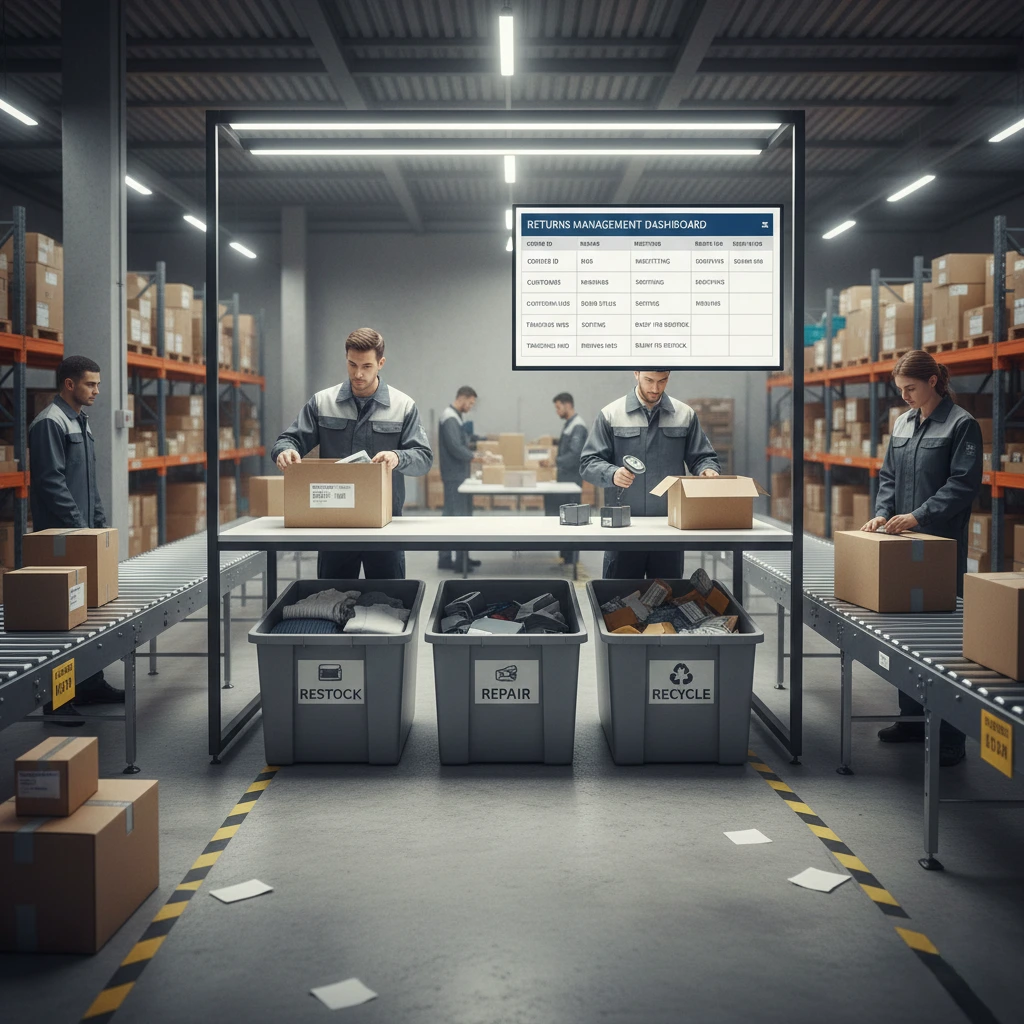
In the fast-growing world of online shopping, customer expectations are higher than ever. From fast delivery to easy returns, everything plays a crucial role in shaping overall satisfaction. One area that many businesses overlook is reverse logistics, a key component of the e-commerce ecosystem. As return rates continue to rise, especially in fashion, electronics, and consumer goods, having a strong e-commerce returns strategy has become essential for maintaining trust, efficiency, and profitability.
What Is Reverse Logistics?
Reverse logistics refers to the process of moving products from customers back to the retailer or manufacturer. Unlike traditional shipping, which focuses on getting products to buyers, reverse logistics manages returned items, exchanges, recycling, refurbishment, and restocking. This process ensures that returned products are handled efficiently, minimizing costs and maximizing customer satisfaction.
Common parts of the reverse logistics process include:
- Product returns
- Replacement or exchanges
- Repairs and refurbishment
- Recycling or disposal
- Restocking and redistribution
Efficient reverse logistics can help e-commerce businesses reduce waste, cut costs, and improve brand loyalty.
Why Returns Matter in E-commerce
Returns are a natural part of online shopping. Since customers cannot physically inspect products, return rates tend to be higher compared to in-store purchases. This makes an effective e-commerce returns policy essential.
A clear and customer-friendly returns process helps:
- Build trust and confidence
- Increase conversion rates
- Encourage repeat purchases
- Reduce customer service issues
On the other hand, a complicated or costly returns process can damage a brand’s reputation and drive customers toward competitors.
The Reverse Logistics Workflow
To manage returns smoothly, businesses must understand each step of the reverse logistics workflow.
Customer return initiation
The process begins when a customer requests a return, usually through an online portal or customer support. A clear, simple interface improves customer satisfaction and reduces return-related inquiries.
Product shipping back to the warehouse
Once approved, customers send the item back. Pre-paid labels, drop-off locations, and easy packaging significantly improve the overall return experience.
Inspection and processing
After receiving the product, the warehouse team examines its condition. This determines whether it should be restocked, repaired, recycled, or disposed of.
Refund or exchange
Once the return is processed, the customer receives a refund or replacement. Fast refunds are crucial for a great e-commerce returns experience.
Benefits of a Strong Reverse Logistics System
A well-structured reverse logistics system can create both operational and financial advantages.
Cost savings
Proper returns management helps reduce shipping costs, labor expenses, and product loss.
Enhanced customer satisfaction
Customers value brands that offer hassle-free returns. A smooth experience increases loyalty and repeat purchases.
Improved inventory management
Returned items that are quickly inspected and restocked help maintain healthy inventory levels.
Sustainability
Recycling, refurbishing, or repurposing items supports environmentally friendly practices and reduces waste.
Common Challenges in E-commerce Returns
Even with a great system in place, businesses can face challenges. Understanding these helps create better solutions.
High return volumes
Industries like fashion and electronics often see high return rates, which require strong returns management processes.
Fraudulent returns
Some customers misuse return policies, costing businesses money.
Slow processing
Delays in refunds or product inspections lead to poor customer satisfaction.
Shipping costs
Reverse shipping can be expensive without optimized logistics.
Addressing these challenges helps streamline the entire reverse logistics operation.
Best Practices for Managing Reverse Logistics
To create a seamless and efficient e-commerce returns strategy, businesses should follow proven best practices.
Create a clear and transparent returns policy
Your policy should outline timelines, conditions, costs, and instructions. A transparent returns policy reduces confusion and builds trust.
Offer multiple return options
Give customers choices such as drop-off points, pickup services, or in-store returns (if applicable).
Use automation tools
Automated returns portals make the process faster for customers and reduce manual workload for teams.
Track and analyze return data
Understanding why customers return products helps improve product quality, descriptions, and sizing accuracy. This makes data-driven returns management essential.
Partner with reliable logistics providers
Working with efficient carriers ensures faster reverse shipping and better customer satisfaction.
The Role of Technology in Reverse Logistics
Technology is transforming how businesses handle reverse logistics. From AI-powered forecasting to automated return labels, digital tools improve speed, accuracy, and customer experience.
Key technologies include:
- Real-time tracking
- Warehouse automation
- Smart return portals
- Data analytics
- Chatbots for customer support
Technology creates a more efficient, scalable e-commerce returns process that can grow with the business.
Creating a Customer-Centric Returns Experience
Today’s customers expect convenience. To stay competitive, brands must make their returns experience as effortless as possible.
Ways to improve customer experience:
- Provide pre-paid return labels
- Keep the process simple and intuitive
- Offer fast refunds or store credit
- Communicate status updates
- Provide 24/7 support
A positive experience can turn a potential loss into a repeat customer.
The Future of Reverse Logistics in E-commerce
As online shopping continues to expand, reverse logistics will become increasingly important. Trends shaping the future include:
- Sustainability and eco-friendly packaging
- Increased automation
- AI-driven demand and return predictions
- More flexible return policies
- Fast, low-cost return shipping solutions
Businesses that invest in a strong e-commerce returns strategy today will gain a major competitive advantage tomorrow.
Final Thoughts
Reverse logistics is no longer a back-end process—it’s a critical part of the customer journey. By creating a smooth, efficient, and customer-focused returns system, e-commerce brands can reduce costs, improve satisfaction, and build long-term loyalty. The key is understanding how returns flow, using technology to optimize operations, and offering a transparent, stress-free experience.
Leave a Reply