Tag: Influencer Marketing

  • Behind the Scenes at Vcue: How We’re Redefining Online Shopping

    Behind the Scenes at Vcue: How We’re Redefining Online Shopping

    Introduction
    Online shopping is no longer just a convenience—it’s an experience. At Vcue, we are redefining what it means to shop online by focusing on innovation, sustainability, and customer-centric design. From cutting-edge technology to curated product selections, Vcue is reshaping the e-commerce landscape to make shopping smarter, faster, and more enjoyable. In this behind-the-scenes look, we’ll explore how Vcue operates, the strategies driving our success, and the ways we continue to elevate the online shopping experience.

    Our Vision for Online Shopping
    At Vcue, our vision goes beyond simply selling products. We aim to create a platform where customers feel empowered, informed, and inspired. This means providing personalized recommendations, ensuring transparent product information, and offering a seamless, intuitive interface. By combining technology with deep insights into consumer behavior, Vcue transforms shopping from a routine task into a delightful experience.

    Technology That Powers Vcue
    The backbone of Vcue’s innovation is its technology. Advanced algorithms and AI analyze customer preferences to provide tailored recommendations, predictive search results, and dynamic pricing. Smart logistics tools optimize inventory management and delivery routes, ensuring faster shipping and reduced environmental impact. Additionally, Vcue’s intuitive user interface is designed for simplicity, helping shoppers easily find what they need without friction. By harnessing technology, Vcue creates a shopping experience that is both efficient and enjoyable.

    Curated Product Selections
    One of Vcue’s key differentiators is its curated product selection. Our team carefully evaluates products for quality, relevance, and trend alignment. This curation ensures that customers have access to the best products in every category, from tech and fashion to home décor and wellness. By removing the clutter often associated with online marketplaces, Vcue makes discovering new products a joy rather than a chore.

    Sustainability and Ethical Practices
    Sustainability is central to Vcue’s operations. We prioritize eco-friendly packaging, carbon-conscious shipping, and ethical sourcing to reduce our environmental footprint. Our circular economy initiatives encourage recycling, refurbishment, and responsible consumption. By integrating sustainability into every aspect of the business, Vcue gives customers the opportunity to shop responsibly without compromising on convenience or style.

    The Vcue Customer Experience
    Customer satisfaction drives every decision at Vcue. We invest heavily in user-friendly design, responsive customer support, and easy return processes. From personalized product recommendations to interactive reviews and community feedback, Vcue ensures shoppers feel informed and valued. Our goal is to provide a seamless experience where customers can shop confidently, knowing they are supported at every step.

    Behind-the-Scenes Operations
    While customers see a sleek, seamless interface, a lot happens behind the scenes. Vcue’s teams manage logistics, supplier relationships, and quality control to ensure every order meets our high standards. Warehouse automation, real-time inventory tracking, and predictive demand forecasting all contribute to faster, more reliable fulfillment. These behind-the-scenes innovations ensure that every shopping experience is smooth, efficient, and satisfying.

    Innovation and Continuous Improvement
    Vcue is committed to continuous improvement. Our teams monitor trends, analyze user behavior, and integrate feedback to enhance the platform constantly. We experiment with emerging technologies like augmented reality for product visualization, AI chat assistants for personalized support, and smart recommendation engines. By staying ahead of the curve, Vcue consistently redefines what shoppers can expect from an online marketplace.

    Building a Community of Shoppers
    Shopping at Vcue is about more than just transactions—it’s about building a community. We encourage users to share reviews, tips, and experiences, creating a collaborative environment. Vcue also engages with customers through blogs, newsletters, and social media, offering insights, deals, and inspiration. By fostering community, Vcue transforms online shopping into a shared, engaging experience.

    The Future of Shopping at Vcue
    Looking ahead, Vcue aims to further revolutionize online shopping by integrating more AI-driven personalization, expanding sustainable practices, and enhancing the customer experience with innovative tools. We envision a future where online shopping is not only convenient but also responsible, immersive, and tailored to each individual’s lifestyle and values.

    Conclusion
    Behind the scenes at Vcue, innovation, sustainability, and customer focus converge to create a new standard in online shopping. By combining advanced technology, curated selections, and ethical practices, Vcue is redefining the way people shop online. The result is an experience that is smarter, faster, more enjoyable, and more responsible—a true reflection of the future of e-commerce.


  • From Add to Cart to Add to Heart: Why Emotional Commerce Is the Future of Online Retail

    From Add to Cart to Add to Heart: Why Emotional Commerce Is the Future of Online Retail

    The world of e-commerce is evolving rapidly. No longer is it enough for brands to focus solely on product listings, discounts, or fast shipping. Today’s consumers crave connection, purpose, and meaningful experiences. Enter emotional commerce, a trend that shifts online shopping from a transactional activity to a deeply engaging, emotion-driven journey. Small and large brands alike are discovering that by appealing to customers’ hearts, they can foster loyalty, advocacy, and long-term growth.

    What is Emotional Commerce?

    Emotional commerce is the practice of designing shopping experiences that resonate with customers on an emotional level. Instead of simply asking, “Do you want this product?” brands focus on:

    • Why the product matters
    • How it aligns with the customer’s values or lifestyle
    • How it makes the customer feel

    This approach transforms the conventional “add to cart” action into “add to heart,” where the purchase is motivated by genuine connection, not just necessity or price.

    Why Emotional Commerce Matters

    1. Emotional Connection Drives Loyalty

    When customers feel connected to a brand, they’re far more likely to return. Emotional engagement builds trust and fosters long-term relationships, which are especially crucial for small e-commerce brands competing with industry giants.

    2. Stories Sell, Not Just Products

    Humans are wired to respond to stories. Sharing the brand story, product origin, or customer experiences creates a narrative that customers can relate to. This emotional resonance makes the shopping experience memorable and encourages repeat purchases.

    3. Differentiation in a Competitive Market

    In a crowded digital marketplace, emotional commerce helps small and niche brands stand out. When customers feel seen, understood, and valued, price becomes secondary, and brand preference strengthens.

    How Brands Implement Emotional Commerce

    1. Story-Driven Product Pages

    Rather than listing specifications, brands can craft narratives around how a product enhances lifestyle, solves a problem, or reflects values. For instance:

    • A sustainable clothing brand shares stories about ethical production and environmental impact.
    • A pet care brand like Pawma’s Kitchen highlights the care, nutrition, and love behind each meal, making pet parents feel emotionally connected to the brand.

    2. Social Proof and Community Stories

    Customer testimonials, user-generated content, and social media interactions humanize a brand and amplify emotional resonance. Showcasing real-life experiences builds trust and makes the shopping journey feel personal.

    3. Interactive and Immersive Experiences

    Interactive tools like quizzes, virtual try-ons, and AR experiences increase engagement by making shopping fun and emotionally rewarding. Personalized recommendations also make customers feel understood and valued.

    4. Cause-Driven Marketing

    Brands that support social or environmental causes appeal to customers’ sense of purpose. Integrating meaningful initiatives into products or campaigns can transform purchases into acts of emotional investment.

    The Benefits of Emotional Commerce

    • Higher Conversion Rates: Emotionally engaged customers are more likely to buy.
    • Brand Advocacy: Customers who connect emotionally often become brand ambassadors.
    • Long-Term Loyalty: Emotional connections encourage repeat purchases and subscriptions.
    • Premium Pricing: Shoppers are willing to pay more for products that resonate with their values or identity.

    Examples of Emotional Commerce in Action

    • Pawma’s Kitchen: By focusing on pets’ health and nutrition, the brand connects with pet owners’ emotions, turning routine purchases into acts of care.
    • Handmade Jewelry Brands: Sharing the artisan’s journey and inspiration behind each piece creates a bond with customers.
    • Eco-Friendly Home Products: Highlighting the positive environmental impact of purchases makes buyers feel they are contributing to a larger mission.

    These examples show how emotional commerce can elevate a brand’s story and transform ordinary shopping into an emotionally engaging experience.

    Tips for Brands to Embrace Emotional Commerce

    1. Know Your Audience Deeply: Understand their values, desires, and pain points.
    2. Craft Authentic Stories: Avoid generic marketing; authenticity is key to trust.
    3. Leverage Visual and Interactive Content: Videos, behind-the-scenes glimpses, and interactive experiences enhance emotional engagement.
    4. Highlight Impact: Show how the product, purchase, or brand mission creates positive change.
    5. Foster Community: Encourage customers to share experiences and participate in the brand’s journey.

    Final Thoughts

    The future of online retail is emotional, not just transactional. By shifting from “add to cart” to “add to heart,” brands can cultivate deeper relationships, increase loyalty, and stand out in a competitive landscape. Emotional commerce isn’t just a trend—it’s a powerful strategy that turns shoppers into advocates, products into experiences, and brands into stories people love to share.

    Small e-commerce brands, especially those offering personalized, purpose-driven, or story-rich products, are perfectly positioned to harness this approach and thrive in the age of emotional commerce.

  • How Small E-Commerce Brands Are Winning Big with Story-Driven Shopping Experiences

    How Small E-Commerce Brands Are Winning Big with Story-Driven Shopping Experiences

    In today’s crowded online marketplace, small e-commerce brands face stiff competition from giants with massive advertising budgets. Yet, many small players are thriving by leveraging story-driven shopping experiences that connect deeply with their customers. Instead of competing solely on price or inventory, these brands are winning big by telling compelling stories that make their products memorable, relatable, and desirable.

    Why Storytelling Matters in E-Commerce

    Traditional e-commerce often focuses on product listings, reviews, and discounts. While functional, this approach can feel transactional and impersonal. Story-driven shopping experiences go beyond the product, engaging customers emotionally and creating a connection with the brand.

    • Emotional Engagement: Stories evoke emotions, making customers feel part of the brand’s journey.
    • Differentiation: A strong narrative sets a small brand apart from competitors selling similar products.
    • Customer Loyalty: People remember stories, not just products, leading to repeat purchases and word-of-mouth promotion.

    For small e-commerce businesses, this emotional resonance can be the key to competing against larger brands.

    How Small Brands Build Story-Driven Experiences

    1. Sharing the Brand’s Origin Story

    Customers love knowing the “why” behind a product. Whether it’s a passion project, a family tradition, or a mission-driven endeavor, sharing the brand’s origin story humanizes the business.

    For example:

    • A boutique candle brand might highlight how the founder began crafting scents in her kitchen.
    • A pet food startup like Pawma’s Kitchen could share stories about their commitment to fresh, nutritious meals for dogs.

    These narratives make customers feel they’re supporting a real person or cause, not just buying a product.

    2. Highlighting Customer Stories

    Small brands often leverage user-generated content and testimonials to create authentic stories. Sharing customer experiences, reviews, or social media posts can turn buyers into brand advocates and create a sense of community.

    • Feature customer photos using products in their homes.
    • Share short video testimonials on social media or your website.
    • Highlight transformations or unique ways customers use products.

    3. Crafting Product-Centric Narratives

    Instead of simply listing features, small e-commerce brands can describe how a product fits into a lifestyle or solves a real problem.

    For instance:

    • A skincare brand might tell a story about a founder experimenting with natural ingredients to soothe sensitive skin.
    • A home décor brand could show how their handmade pieces transform ordinary spaces into cozy, personalized homes.

    These narratives turn product pages into mini-stories that engage, inspire, and persuade.

    The Role of Digital Tools in Story-Driven Shopping

    1. Visual Storytelling

    Images, videos, and graphics play a crucial role in conveying stories. High-quality visuals, behind-the-scenes clips, and interactive media allow small brands to:

    • Showcase the product in action
    • Share the crafting or production process
    • Evoke emotion through lifestyle imagery

    2. Social Media Integration

    Platforms like Instagram, TikTok, and Pinterest are ideal for story-driven content. Small brands can reach their audience organically by:

    • Posting short-form storytelling videos
    • Running interactive polls or Q&A sessions
    • Sharing founder insights and behind-the-scenes moments

    3. Personalized Shopping Experiences

    Story-driven shopping often overlaps with personalization. By understanding customer preferences, small brands can tailor narratives, product recommendations, and marketing campaigns that resonate on an individual level.

    • Email campaigns featuring personalized stories
    • Product suggestions based on past purchases
    • Loyalty programs that share the brand’s journey and mission

    Benefits of Story-Driven Shopping for Small E-Commerce Brands

    • Higher Conversion Rates: Engaged customers are more likely to complete purchases.
    • Stronger Brand Loyalty: Emotional connections keep customers coming back.
    • Organic Growth: Stories are shareable, leading to free word-of-mouth marketing.
    • Brand Recognition: Unique narratives make the brand memorable in a competitive market.

    Small brands are often more agile and authentic than big corporations, allowing them to experiment with creative storytelling and form genuine relationships with their audience.

    Case Studies of Success

    Many small e-commerce brands have successfully embraced story-driven shopping:

    • Pawma’s Kitchen: A pet food brand that shares its mission to provide fresh, healthy meals for dogs. Their storytelling emphasizes pet wellbeing, real ingredients, and the founder’s passion for animal care, creating loyal customers who feel part of the journey.
    • Boutique Handmade Jewelry Brands: These brands highlight the artisan’s craftsmanship, inspiration, and personal touch, which makes each piece feel special.
    • Sustainable Home Products: Brands that focus on eco-friendly practices and ethical sourcing use storytelling to highlight the environmental impact of each purchase, connecting with conscious consumers.

    These examples show that small brands can turn authenticity into a competitive advantage.

    Tips for Small E-Commerce Brands to Implement Story-Driven Shopping

    1. Know Your Audience: Understand what resonates emotionally and craft stories accordingly.
    2. Be Authentic: Avoid over-hyped narratives; honesty builds trust.
    3. Use Multiple Channels: Share stories across websites, emails, and social media for maximum impact.
    4. Focus on Experiences, Not Just Products: Highlight the lifestyle, benefits, and values associated with your products.
    5. Measure Engagement: Track clicks, shares, and conversions to see which stories resonate most.

    Final Thoughts

    Small e-commerce brands are proving that story-driven shopping experiences can rival, and even outperform, traditional retail strategies. By focusing on authenticity, emotional connection, and creative storytelling, these brands create memorable experiences that encourage loyalty, repeat purchases, and organic growth.

    In a marketplace dominated by algorithms and mass production, stories are what set small brands apart. Whether you’re a boutique startup or a niche e-commerce store, embracing story-driven shopping can transform how customers perceive your brand and ultimately, help you win big.

  • The Ultimate Guide to Safe Online Shopping in 2025

    The Ultimate Guide to Safe Online Shopping in 2025

    Why Safe Online Shopping Matters More Than Ever


    In 2025, online shopping has become the go-to method for millions of consumers worldwide. With just a few clicks, you can order anything—from groceries to gadgets—delivered straight to your door. But as e-commerce continues to grow, so do cyber threats. Scammers, hackers, and fake websites are becoming more sophisticated, targeting unsuspecting shoppers with convincing schemes. That’s why learning how to shop safely online is no longer optional—it’s essential. Protecting your data, money, and identity ensures you can enjoy the convenience of digital shopping without falling victim to online fraud.

    Recognizing Trusted E-Commerce Stores


    The first step toward safe online shopping is knowing where to buy. Always choose trusted and reputable e-commerce stores like Amazon, eBay, or official brand websites. Look for clear contact information, customer service numbers, and verified business addresses. Check for HTTPS in the website’s URL—it means the site is secure and encrypts your data. Avoid deals that seem too good to be true, especially from unknown sellers. Reading reviews and checking ratings can also help confirm whether a store is legitimate.

    Understanding the Importance of Secure Payment Methods


    When shopping online, choosing the right payment method can make a big difference in security. Use credit cards, digital wallets, or trusted payment platforms like PayPal, Google Pay, or Apple Pay instead of debit cards. These methods often include fraud protection and dispute resolution in case of unauthorized transactions. Avoid wire transfers, cryptocurrency, or direct bank transfers for unknown sellers—they’re nearly impossible to trace or recover. Always confirm that the payment gateway is secure and never enter card details on pop-up pages or unfamiliar links.

    Protecting Your Personal and Financial Information


    Data protection is at the heart of safe online shopping. Avoid sharing unnecessary personal information—legitimate stores don’t need your Social Security number or banking passwords. Create strong, unique passwords for each shopping account, combining letters, numbers, and symbols. Enable two-factor authentication (2FA) whenever possible for an extra layer of protection. Using a virtual private network (VPN) while shopping on public Wi-Fi can also keep your data secure from hackers trying to intercept your connection.

    Spotting Fake Websites and Online Scams


    Cybercriminals often create fake websites that mimic real stores to trick shoppers. These fraudulent sites can steal your payment information or deliver counterfeit products. To identify scams, look for spelling errors, poor-quality images, and strange domain names. Avoid clicking on links from unsolicited emails or social media ads claiming massive discounts. If a website lacks secure payment options or customer reviews, it’s best to move on. You can also use online tools like Whois to verify when and where a website was registered—scam sites are often very new.

    Staying Safe on Mobile Shopping Apps


    In 2025, more than 70% of e-commerce transactions happen on smartphones. While mobile apps make shopping easy, they also introduce new security risks. Download apps only from official stores like Google Play or Apple App Store. Check the app’s developer details, permissions, and user ratings. Be cautious of fake apps that mimic popular retailers—they may steal your data or display misleading ads. Keep your mobile device’s software and security patches updated to guard against malware and data theft.

    The Role of Cybersecurity in Online Shopping


    Modern cybersecurity measures are more advanced than ever, yet they rely on user awareness to be effective. Many e-commerce platforms use AI-driven fraud detection, end-to-end encryption, and biometric authentication to safeguard user information. Still, individual vigilance is crucial. Avoid saving payment details on every website, and regularly review your bank and credit card statements for unusual activity. The best defense against cyber threats is a proactive mindset combined with up-to-date digital protection.

    How to Handle Suspicious Emails and Phishing Attempts


    Phishing emails remain one of the most common online threats in 2025. These scams often appear as official messages from banks, retailers, or shipping companies, urging you to click on links or share information. Always check the sender’s email address and avoid downloading attachments from unknown sources. Legitimate companies will never ask for sensitive data via email. If you suspect an email is fake, go directly to the company’s official website instead of using the provided links.

    Safe Shopping Habits for Everyday Shoppers


    Building smart shopping habits helps maintain long-term online safety. Shop only from secure networks—avoid making purchases over public Wi-Fi. Log out after each session, especially when using shared or public devices. Regularly update your browser and antivirus software to protect against new threats. Consider using privacy-focused browsers or password managers to keep your online accounts safe. By developing these habits, you can reduce the chances of cyberattacks while enjoying a seamless shopping experience.

    The Importance of Reading Return and Refund Policies


    Before buying anything online, take a moment to read the return and refund policies. Reputable stores clearly outline procedures for product returns, replacements, and cancellations. Fraudulent websites often have vague or hidden terms designed to prevent refunds. Understanding store policies also helps manage expectations and avoid disappointment if something goes wrong with your purchase. Transparency is a hallmark of trustworthy e-commerce platforms, so don’t skip this step.

    Leveraging Technology for Safer Online Shopping


    Emerging technologies are making online shopping safer and smarter. Blockchain-based payment systems are adding transparency and traceability to transactions. Biometric authentication, such as fingerprint or facial recognition, ensures only you can access your accounts. AI-powered security systems can now detect unusual spending behavior and alert you instantly. These innovations are transforming how consumers protect themselves online, turning technology into a powerful ally in cybersecurity.

    How to Recover from an Online Scam


    If you ever fall victim to an online scam, act quickly. Contact your bank or payment provider immediately to report unauthorized charges and freeze your account if necessary. File a complaint with your local consumer protection agency and report the website to cybersecurity authorities. Change your passwords for all connected accounts and run a full security scan on your devices. Recovering from a scam can be stressful, but taking swift action minimizes damage and prevents further losses.

    Final Thoughts: Shop Smart, Stay Safe, and Enjoy the Convenience


    Online shopping in 2025 offers unparalleled convenience and variety—but it also demands awareness and responsibility. By sticking to trusted stores, using secure payment methods, and staying alert for scams, you can shop confidently and safely. Embrace tools like VPNs, password managers, and two-factor authentication to protect your data. The future of e-commerce is bright, filled with innovation and accessibility, but safety must always come first. With these best practices, you can enjoy the freedom of digital shopping while keeping your information and finances secure every step of the way.

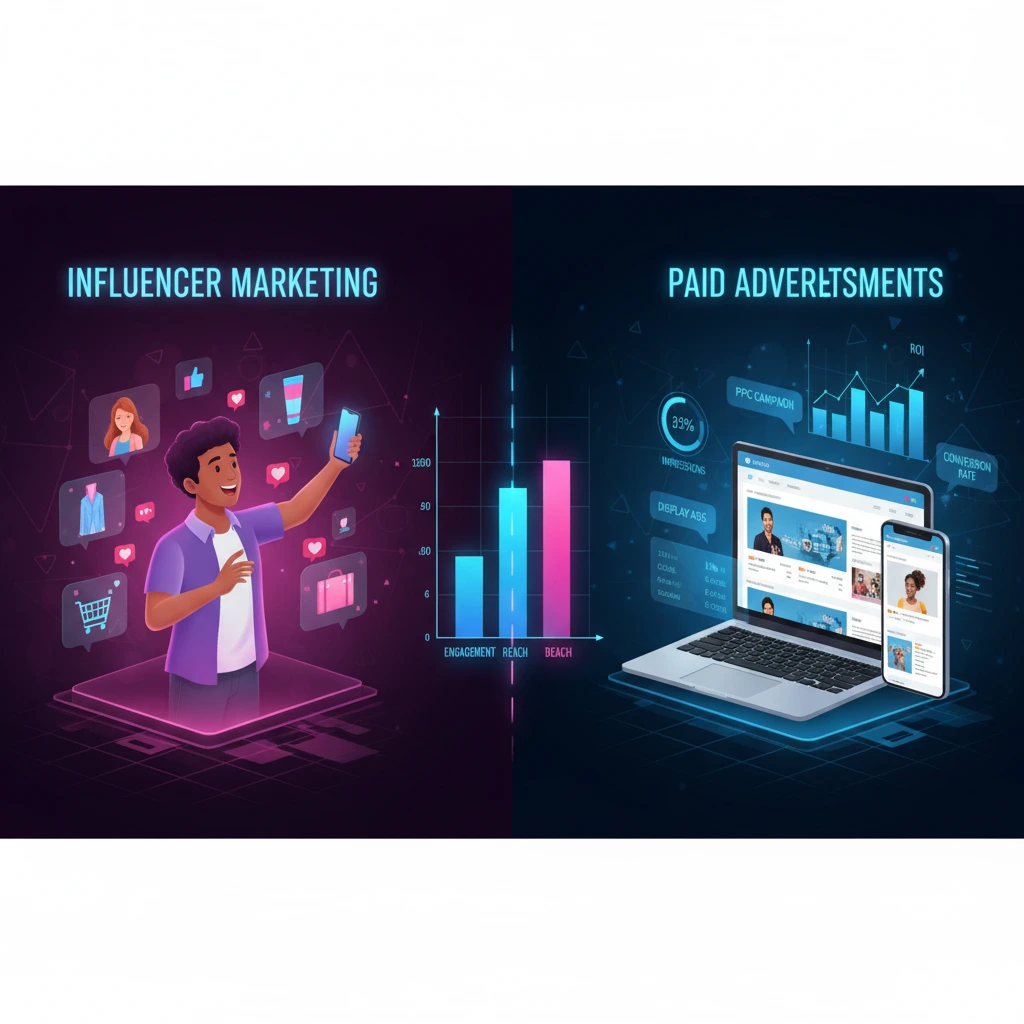
  • Influencer Marketing vs Paid Ads: Which Works Better for E-Commerce Brands?

    Influencer Marketing vs Paid Ads: Which Works Better for E-Commerce Brands?

    E-commerce brands are constantly looking for strategies to drive traffic, increase sales, and build brand awareness. Two of the most popular approaches are influencer marketing and paid advertising. Both strategies have their benefits, but they serve different purposes and deliver different results. Understanding the strengths and limitations of each can help brands optimize marketing budgets and achieve long-term growth.

    What Is Influencer Marketing?

    Influencer marketing involves collaborating with social media personalities or content creators to promote your products. These influencers have built trust with their audience and can sway purchasing decisions through authentic content. Platforms like Instagram, TikTok, and YouTube have made influencer campaigns more accessible, even for small e-commerce businesses.

    Influencers can be categorized by their follower count:

    • Nano-influencers (1k-10k followers) often have highly engaged niche audiences.
    • Micro-influencers (10k-100k followers) provide a balance of reach and engagement.
    • Macro-influencers (100k-1M followers) and mega-influencers (1M+ followers) offer broad visibility but come at a higher cost.

    The key benefit of influencer marketing is authenticity. Followers trust influencers’ opinions, which often translates into higher engagement and conversion rates compared to traditional ads.

    What Are Paid Ads?

    Paid advertising refers to promotional campaigns where businesses pay to display ads across platforms like Google, Facebook, Instagram, TikTok, or programmatic ad networks. Paid ads come in many forms:

    • Search Ads target users actively searching for products or services.
    • Display Ads appear on websites and apps, often using visuals to grab attention.
    • Social Media Ads reach audiences based on demographics, interests, and behavior.
    • Retargeting Ads focus on users who have previously visited your website or engaged with your content.

    The main advantage of paid ads is control. Brands can define budgets, target audiences, and campaign duration precisely, and measure performance using analytics and ROI metrics.

    Influencer Marketing vs Paid Ads: Key Differences

    1. Trust and Authenticity

    Influencer marketing thrives on credibility. Consumers are more likely to purchase a product recommended by someone they follow and trust. Influencers can create relatable content that feels natural, making the brand message less intrusive.

    Paid ads, on the other hand, are often seen as promotional and can be ignored by users who use ad-blockers or scroll past sponsored content. While ads offer exposure, they don’t inherently build trust.

    2. Reach and Scalability

    Paid advertising provides instant scalability. You can reach thousands or even millions of potential customers immediately, adjust targeting, and scale campaigns quickly based on performance data.

    Influencer marketing grows more organically. While viral campaigns can reach massive audiences, most collaborations are limited by the influencer’s following. Scaling requires engaging multiple influencers, which can be time-consuming and complex.

    3. Cost and ROI

    Influencer marketing can be cost-effective for niche audiences, especially with micro or nano-influencers. Brands often pay via free products, commissions, or flat fees, and ROI depends on engagement and conversions.

    Paid ads offer predictable costs. Platforms allow precise bidding, targeting, and budget control, making it easier to measure ROI. However, competition can increase cost-per-click (CPC) or cost-per-acquisition (CPA), especially in competitive e-commerce niches.

    4. Long-Term Brand Value

    Influencers can contribute to brand storytelling and long-term awareness. Consistent partnerships help build a loyal customer base, create social proof, and improve brand credibility over time.

    Paid ads are more transactional and typically generate short-term results. Once the budget stops, traffic and sales may decline unless sustained campaigns are maintained. They’re excellent for immediate conversions but less effective for long-term brand loyalty.

    When Influencer Marketing Works Best

    Influencer marketing is ideal when your goal is:

    • Building brand awareness with niche or targeted audiences.
    • Creating authentic content that resonates with consumers.
    • Launching new products where social proof matters.
    • Engaging younger demographics like Gen Z or millennials, who value peer recommendations.

    Campaigns that incorporate user-generated content, influencer takeovers, or unboxing videos often see higher engagement and organic reach.

    When Paid Ads Work Best

    Paid advertising is most effective for:

    • Driving immediate sales during promotions or seasonal campaigns.
    • Targeting broad or specific demographics quickly.
    • Retargeting customers who visited your website but didn’t convert.
    • Scaling successful campaigns with measurable ROI.

    Paid ads are particularly useful when you need predictable results and want to complement organic strategies like influencer marketing or SEO.

    Combining Influencer Marketing and Paid Ads

    The most successful e-commerce brands often combine both strategies. For example, an influencer campaign can generate organic buzz, and paid ads can amplify that content to a wider audience. This hybrid approach leverages the trust and engagement of influencers while using the precision and scalability of paid advertising.

    Brands can also repurpose influencer content as ad creatives. User-generated videos and images perform better than traditional stock visuals in paid campaigns because they feel authentic and relatable.

    Measuring Success

    To evaluate which strategy works better for your e-commerce brand, track key metrics:

    • Influencer Marketing: Engagement rate, follower growth, website traffic from influencer links, and conversions.
    • Paid Ads: Click-through rate (CTR), cost-per-click (CPC), conversion rate, and return on ad spend (ROAS).

    Combining analytics from both channels can help identify which approach drives long-term growth versus short-term sales.

    Conclusion

    Both influencer marketing and paid ads have unique strengths for e-commerce brands. Influencers excel at building trust, authenticity, and long-term brand value, while paid ads provide control, scalability, and immediate results.

    The key is not to choose one over the other but to strategically integrate both. Influencer collaborations can create buzz and credibility, while paid ads can amplify reach and conversions. By combining these approaches, e-commerce brands can maximize visibility, engagement, and sales in a competitive online market.

    In 2025, the brands that succeed will be those that understand the balance between authentic storytelling and data-driven advertising—leveraging influencers to build trust and paid ads to scale results.