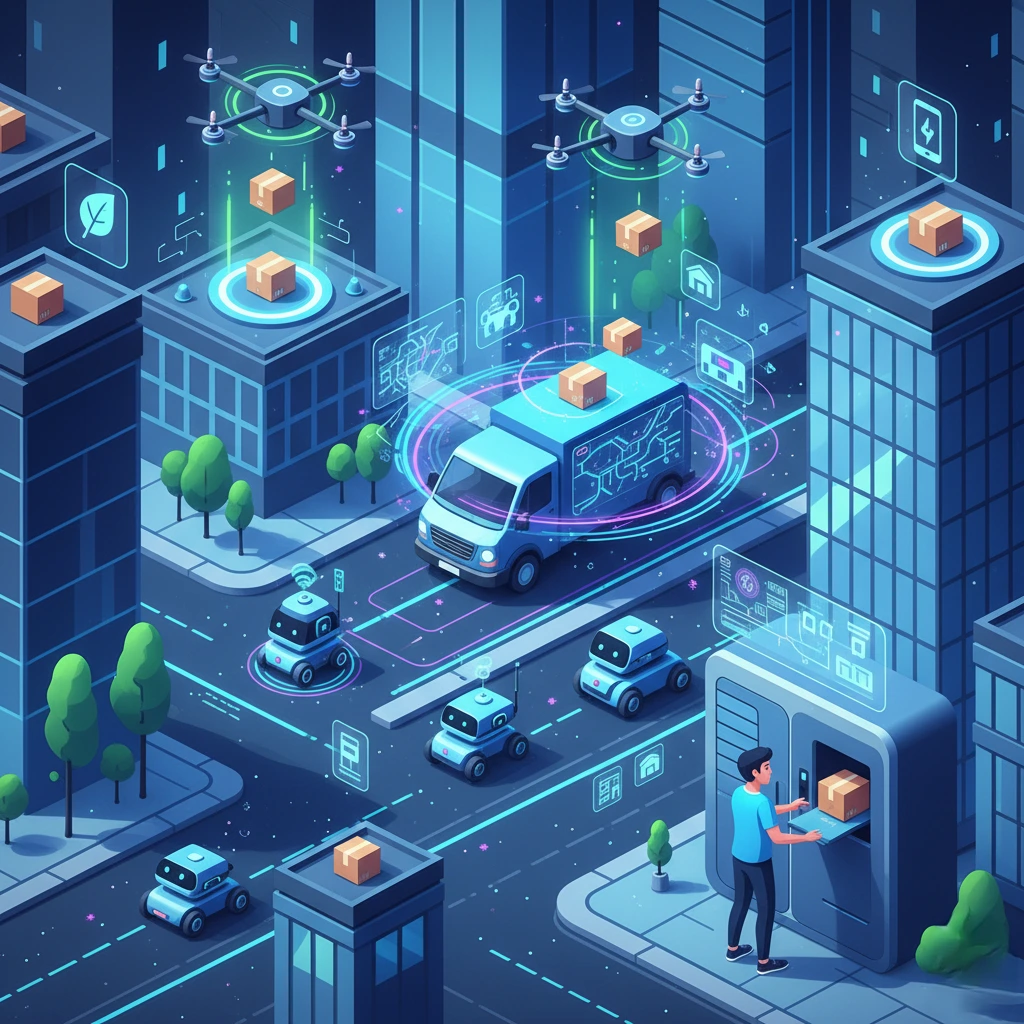
In today’s fast-paced e-commerce world, last‑mile delivery has become one of the most critical—and challenging—aspects of the supply chain. As consumer expectations for speed, transparency, and sustainability grow, logistics companies are pushing the boundaries of innovation. Here are some of the top trends transforming last‑mile logistics and delivery operations.
The Rise of Autonomous Delivery Vehicles
One of the most disruptive delivery innovations is the use of autonomous vehicles. Self-driving vans, delivery robots, and even small self-navigating pods are being deployed to handle the last leg of a package’s journey. These autonomous solutions can dramatically reduce labor costs, minimize delivery times, and operate during off-peak hours without human supervision. For logistics companies, investing in robotic delivery systems offers a scalable way to tackle urban congestion and improve overall route efficiency.
Drones Flying for Faster Deliveries
Drone delivery is no longer a vision of the future—it’s happening now. Unmanned aerial vehicles (UAVs) are being used to deliver small, lightweight parcels directly to customers’ doorsteps. This technology is especially useful in remote or hard-to-reach areas where traditional vehicle-based delivery is inefficient. With regulatory progress and improvements in battery life, drones are accelerating ultra-fast delivery options and pushing the envelope on how quickly goods can reach customers.
Micro‑fulfillment and Urban Warehousing
To shorten delivery distances and speed up order fulfillment, logistics companies are embracing micro‑fulfillment centers in urban areas. These miniature warehouses are often located inside cities and use automated storage and retrieval systems (AS/RS) to rapidly pick and dispatch goods. By bringing inventory closer to customers, micro‑fulfillment helps reduce delivery times, lower transportation costs, and cut greenhouse gas emissions.
Crowd‑Shipping and Peer‑to‑Peer Delivery
Another emerging trend is crowd‑shipping, where everyday people act as couriers. In this model, local individuals pick up and deliver packages during their regular commute. This peer-to-peer approach leverages the community to handle last‑mile delivery, reducing reliance on traditional courier networks. It’s efficient, flexible, and scalable—especially in densely populated areas where people are already traveling frequently.
Smart Routing Powered by AI and Data Analytics
Advanced route optimization tools powered by AI, machine learning, and big data are reshaping how deliveries are planned. Instead of fixed routes, logistics companies now use real-time traffic data, weather forecasts, and delivery density patterns to dynamically adjust routes. These intelligent systems not only reduce fuel consumption but also improve delivery speed and driver productivity.
Real‑Time Tracking and Customer Transparency
Today’s consumers demand full visibility into their shipments—where the package is, when it will arrive, and any potential delays. Logistics providers are responding with real-time tracking systems, mobile delivery apps, and push notifications. Using GPS, IoT sensors, and smart logistics platforms, companies can offer more transparent last‑mile delivery experiences, helping to boost customer satisfaction.
Eco‑Friendly and Electric Delivery Fleets
Sustainability is no longer optional. Many logistics firms are switching to electric delivery vehicles, e-bikes, and even cargo scooters to reduce their carbon footprint. These eco‑friendly vehicles are ideal for urban deliveries because they produce fewer emissions, help reduce noise pollution, and are more energy‑efficient in stop-and-go city traffic. Adopting green fleets is becoming a key competitive differentiator for companies focused on sustainable last‑mile logistics.
Smart Lockers and Pickup Points
Parcel lockers, parcel boxes, and pickup points are becoming widespread in residential complexes, convenience stores, and public spaces. These contactless delivery options allow customers to collect packages at their convenience, cutting down on failed delivery attempts and reducing the number of miles driven by couriers. Smart lockers with digital access codes or QR-based opening mechanisms improve security and offer a seamless experience.
Delivery Robots and Sidewalk Couriers
Ground-level delivery robots are gaining traction, particularly in urban environments. These small autonomous devices travel on sidewalks and pavements, carrying parcels from micro‑hubs to customers’ homes. Equipped with sensors and cameras, these robots can navigate pedestrian areas safely. Robotic couriers offer a cost-effective, last-mile option that complements traditional delivery vehicles.
Predictive Delivery and Demand Forecasting
Predictive analytics is playing a growing role in logistics. By analyzing historical order data, seasonal trends, and real-time demand signals, logistics companies can forecast where and when packages will be needed. This capacity to predict demand enables them to position inventory strategically, allocate delivery resources efficiently, and reduce delivery times—all while minimizing costs.
Subscription-Based Delivery and Scheduled Drops
Subscription models and scheduled delivery windows are becoming increasingly popular. Customers can choose weekly, monthly, or recurring deliveries for items they regularly need (groceries, personal care products, etc.). Scheduled drops—where customers pick a time slot for delivery—allow logistics providers to batch orders intelligently and optimize delivery routes. This system improves efficiency and greatly enhances the customer experience.
Augmented Reality (AR) for Delivery Planning
Augmented Reality (AR) is being experimented with for delivery planning and driver assistance. AR apps can help drivers navigate complex buildings, find apartment units, or identify drop-off locations more easily. In dense or unfamiliar urban areas, AR navigation tools can reduce delivery time, avoid misdeliveries, and improve first‑time delivery success rates.
Blockchain for Verification & Transparency
Blockchain technology is being leveraged to increase transparency and security in the supply chain. By using blockchain-powered ledgers, logistics companies can create immutable records of package handling, chain of custody, and delivery confirmation. This helps build trust, reduce fraud, and ensure accountability in the last mile—especially for high-value items or sensitive shipments.
Robotics and Automation in Sorting
Advanced automation is not limited to vehicles; it also affects the sorting process. Robotic sorting systems, conveyor belts, and automatic parcel scanners in micro‑fulfillment centers enhance throughput and accuracy. These robotics-driven sorting operations reduce human error and help expedite the movement of packages from warehouse to final delivery.
Challenges and Considerations
Even with all these innovations, last‑mile delivery faces significant challenges. Scaling autonomous vehicles and drones requires regulatory approvals and infrastructure investment. Crowd‑shipping raises questions about liability, insurance, and customer trust. Deploying electric fleets demands access to charging infrastructure. Logistics companies must balance innovation with cost management, safety, and operational reliability.
Looking Ahead: What’s Next for Last‑Mile Innovation?
The future of the last mile is likely to be even more technology-driven, connected, and sustainable. We can expect wider adoption of hybrid delivery models combining drones, robots, and traditional fleets. 5G-enabled logistics will power real-time data sharing and ultra-low-latency route updates. AI-driven decision-making will further optimize everything from resource allocation to customer communications. With consumer demands climbing—and environmental pressures increasing—next‑generation delivery innovations will continue to reshape the logistics landscape.
Leave a Reply