Tag: online shopping

  • Importance of Stock Control for E-Commerce Businesses

    Importance of Stock Control for E-Commerce Businesses

    In the fast-paced world of online retail, effective stock control plays a critical role in ensuring smooth operations, customer satisfaction, and long-term business growth. As e-commerce continues to expand globally, the ability to manage inventory efficiently has become more important than ever. Understanding the importance of stock control for e-commerce businesses can help you reduce costs, avoid errors, and create a seamless shopping experience for customers.

    What Is Stock Control?

    Stock control, also known as inventory management, refers to tracking the quantity, location, and movement of products within your business. For e-commerce companies, this includes monitoring online orders, warehouse stock, supplier deliveries, and fulfillment processes. Proper stock control ensures that the right products are available at the right time and in the right quantities.

    Why Stock Control Matters for E-Commerce

    Stock control is essential for maintaining business efficiency. Without proper systems in place, e-commerce businesses risk losing sales, damaging their reputation, and overspending on excess inventory. Below are the major reasons why inventory management is crucial in e-commerce.

    1. Prevents Stockouts and Lost Sales

    One of the biggest challenges e-commerce businesses face is running out of stock. When customers are unable to purchase an item due to unavailability, they quickly turn to competitors.

    How Stock Control Helps

    • Tracks product levels in real time
    • Sends low-stock alerts
    • Improves order forecasting

    By maintaining accurate inventory levels, you can reduce the risk of lost sales and keep customers satisfied.

    2. Reduces Excess Inventory Costs

    Holding too much stock ties up your money and warehouse space. Excess inventory can lead to wasted resources, outdated products, and lower profit margins.

    Benefits of Efficient Stock Control

    • Minimizes storage costs
    • Reduces the risk of dead stock
    • Helps maintain healthy cash flow

    With better stock control, e-commerce businesses can maintain a balanced inventory that improves profitability.

    3. Improves Order Accuracy

    Accurate orders build trust and credibility with customers. Poor stock control can lead to shipping delays, incorrect deliveries, or canceled orders.

    Stock Control Improves Accuracy By:

    • Providing updated product availability
    • Automating order processing
    • Synchronizing data across channels

    These improvements lead to fewer mistakes and a smoother shopping experience.

    4. Enhances Customer Satisfaction

    Customers expect fast, reliable service. Effective inventory management supports quick delivery times and high order fulfillment accuracy.

    Customer Benefits Include

    • Faster shipping
    • Reliable availability
    • Better communication about delivery status

    Happy customers are more likely to return and recommend your store to others.

    5. Supports Better Forecasting

    To grow your e-commerce business, you must understand market demand. Stock control systems help you predict future sales trends and plan inventory accordingly.

    Forecasting Helps You:

    • Identify popular products
    • Plan seasonal stock levels
    • Avoid over-ordering

    This data-driven approach supports smarter decision-making and long-term growth.

    6. Improves Cash Flow Management

    Poor stock control can trap money in unsold products. Effective inventory management ensures your capital is used efficiently.

    Strong Cash Flow Means:

    • More investment opportunities
    • Better supplier relationships
    • Increased business stability

    When you maintain the right amount of stock, your business runs more smoothly and profitably.

    7. Provides Real-Time Inventory Visibility

    E-commerce businesses often sell on multiple platforms—websites, marketplaces, and social media stores. Real-time inventory visibility ensures all channels display accurate stock levels.

    Benefits Include:

    • Fewer overselling incidents
    • Better syncing between warehouses
    • Improved multi-channel operations

    Visibility is essential for preventing mistakes and improving efficiency.

    8. Boosts Efficiency Through Automation

    Modern stock control systems automate repetitive tasks that once took hours to complete manually.

    Automation Can:

    • Track stock levels
    • Update product listings
    • Process orders automatically

    Using tools like inventory management software helps your team save time and focus on strategic tasks.

    9. Strengthens Supplier Relationships

    Effective stock control helps you maintain consistent communication with suppliers. When you can accurately forecast and communicate your needs, suppliers are more likely to deliver on time.

    Strong Supplier Relationships Lead To:

    • Better pricing
    • Faster restocking
    • Improved reliability

    This enhances your supply chain and reduces operational risks.

    10. Reduces Operational Errors

    Manual inventory tracking increases the likelihood of human error. Automated stock control systems help prevent mistakes that can harm your business.

    Errors That Stock Control Reduces:

    • Duplicate orders
    • Miscounts
    • Mismatched stock data

    Accurate tracking ensures smoother operations and improved customer satisfaction.

    Final Thoughts

    The importance of stock control for e-commerce businesses cannot be overstated. From preventing stockouts and reducing costs to improving customer satisfaction and streamlining operations, effective inventory management is vital for success in online retail. By investing in the right tools and strategies, you can build a reliable, efficient system that supports your e-commerce growth and keeps customers coming back.

  • How to Create an Effective Returns Solution

    How to Create an Effective Returns Solution

    Creating an efficient and customer-friendly returns solution is essential for any e-commerce business aiming to improve customer satisfaction, retain long-term buyers, and streamline operations. As online shopping grows, customers expect a smooth and transparent returns process that makes sending back products easy and stress-free. A well-designed returns strategy doesn’t just reduce frustration—it strengthens brand trust and can even boost repeat sales. Here’s how to create an effective returns solution that enhances both customer experience and business efficiency.

    Why an Effective Returns Solution Matters

    A strong returns management system helps businesses maintain profitability, reduce operational costs, and build customer loyalty. Studies consistently show that customers are more likely to buy again when the return experience is easy. A clear, accessible, and fast return process reflects professionalism and reliability—two essential qualities in today’s competitive e-commerce environment.

    1. Develop a Clear and Transparent Returns Policy

    Your returns solution starts with a well-written and easy-to-understand returns policy. Customers should know exactly what to expect before making a purchase.

    What Your Policy Should Include

    • Return eligibility (time limits, product conditions)
    • Exchange or refund options
    • Shipping costs and responsibilities
    • Processing times

    A transparent returns policy reduces confusion and prevents customer disputes. Make sure it is prominently displayed on your website, product pages, and checkout pages.

    2. Simplify the Customer Experience

    An effective returns solution focuses on convenience. If your return process is complicated, customers are less likely to shop with you again.

    Ways to Improve Customer Convenience

    • Offer pre-paid return labels
    • Provide step-by-step return instructions
    • Allow customers to initiate returns through their account dashboard
    • Offer multiple return methods (drop-off points, courier pickups, etc.)

    A seamless process enhances brand loyalty and encourages repeat purchases.

    3. Automate Your Returns Management System

    Automation is essential for handling returns efficiently. Modern returns management software can help you process returns faster while reducing manual work.

    Benefits of Automation

    • Real-time tracking updates
    • Reduced errors
    • Faster refund or exchange approvals
    • Centralized inventory and order data

    Automation makes your returns solution scalable as your business grows.

    4. Offer Multiple Refund and Exchange Options

    Customers value flexibility. Offering different solutions increases satisfaction and reduces friction in the return process.

    Effective Options Include

    • Full refunds
    • Store credit
    • Product exchanges
    • Upgrades to different items

    Providing variety empowers customers and improves their overall return experience.

    5. Use Return Merchandise Authorization (RMA) Systems

    An RMA system helps ensure that returns are processed in an organized and efficient manner. It assigns unique tracking numbers to each return, making it easier to monitor progress and validate items.

    RMA Benefits

    • Prevents unauthorized returns
    • Helps track return reasons
    • Enhances inventory accuracy
    • Supports better customer service

    RMAs keep your operations structured and reduce returns processing time.

    6. Analyze Return Data to Identify Problems

    Every return provides valuable insights. Tracking the reasons behind returns can help you identify trends and make strategic improvements.

    Key Insights to Analyze

    • Defective or damaged items
    • Incorrect sizing or product descriptions
    • Customer dissatisfaction with product quality
    • Packaging issues

    Using returns analytics, you can pinpoint weak areas in your supply chain, product listings, or customer communication.

    7. Improve Packaging and Delivery Accuracy

    Many returns happen because of preventable issues like damaged products or incorrect items. Strengthening your fulfillment process reduces return rates and costs.

    Solutions Include

    • Durable packaging
    • Clear product labeling
    • Quality control checks
    • Accurate picking and packing systems

    A reliable fulfillment process leads to fewer headaches for both your business and your customers.

    8. Offer a Free or Low-Cost Returns Option

    Customers are more likely to buy when the risk is low. While offering free returns may incur upfront costs, it often leads to increased sales and customer loyalty.

    Benefits of Free or Low-Cost Returns

    • Higher conversion rates
    • Increased trust and confidence
    • More repeat purchases
    • Reduced return friction

    If full free returns aren’t possible, consider offering them selectively—such as for exchanges or members of a loyalty program.

    9. Communicate Clearly Throughout the Process

    Customers want updates on their return status. Clear communication prevents uncertainty and improves customer experience.

    Communication Touchpoints

    • Return request confirmation
    • Shipping instructions
    • Package tracking updates
    • Refund or exchange approval notifications

    Simple and consistent communication builds trust throughout the returns journey.

    10. Make Returns Environmentally Friendly

    Consumers today care about sustainability. Implementing eco-friendly returns solutions improves brand reputation and reduces waste.

    Eco-Friendly Practices

    • Encourage exchanges over refunds
    • Provide paperless return options
    • Reuse packaging materials
    • Partner with green logistics providers

    Sustainability appeals to modern shoppers and creates a positive brand image.

    Final Thoughts

    Knowing how to create an effective returns solution is vital for improving customer satisfaction, reducing operational costs, and enhancing long-term business success. By building a transparent policy, automating your return processes, analyzing return data, and offering flexible options, you create a returns system that benefits both your business and your customers. A smooth returns experience encourages trust, loyalty, and repeat sales—making it a critical component of any successful e-commerce strategy.

  • The 2026 Guide to WooCommerce

    The 2026 Guide to WooCommerce

    As eCommerce continues to evolve, WooCommerce remains one of the most powerful, flexible, and scalable platforms for building an online store. With new updates, smarter integrations, and advanced AI-powered features shaping the digital marketplace, 2026 presents more opportunities than ever for businesses using WooCommerce. Whether you’re launching your first store or optimizing an existing one, this 2026 guide to WooCommerce will help you understand the latest tools, strategies, and best practices for running a successful online business.

    What Makes WooCommerce a Top Choice in 2026

    Built on WordPress, WooCommerce offers adaptability, customization, and full ownership of your store. In 2026, it continues to stand out because it gives merchants unlimited control and scalability—something closed platforms can’t match.

    Key Advantages

    Open-source flexibility
    Thousands of plugins and themes
    SEO-friendly framework
    Full ownership of data
    Highly customizable checkout flows
    Seamless WordPress integration

    With improved security tools, faster hosting solutions, and advanced automation plugins, WooCommerce has become even more powerful for businesses of all sizes.

    Setting Up Your WooCommerce Store in 2026

    Launching your store correctly sets the foundation for long-term growth.

    Choose Reliable Hosting

    In 2026, optimized WooCommerce hosting plays a crucial role in speed, security, and performance. Look for:
    dedicated WooCommerce servers
    built-in caching
    automatic updates
    CDN integration
    24/7 support

    Install WooCommerce on WordPress

    After selecting your host, install WordPress, then add the WooCommerce plugin. The setup wizard walks you through store essentials including currency, payment methods, and shipping settings.

    Select a High-Performance Theme

    Your store’s theme impacts user experience and SEO. Choose a WooCommerce-compatible theme designed for fast loading, clean code, and mobile responsiveness.

    Essential WooCommerce Plugins for 2026

    Plugins enhance functionality and help you scale. Here are must-have categories:

    SEO Plugins

    Tools like Rank Math and Yoast help optimize product pages and improve search visibility.

    Speed Optimization Plugins

    Caching, image compression, and lazy loading tools ensure faster performance—a critical ranking factor.

    AI-Powered Tools

    In 2026, AI integrations assist with:
    product recommendations
    dynamic pricing
    automated customer support
    predictive sales forecasting

    Marketing Plugins

    Email automation, CRM tools, pop-ups, and social media integrations help boost conversions.

    Payment and Security Plugins

    Secure gateways, fraud prevention modules, and two-factor authentication protect your business and customers.

    Designing a High-Converting WooCommerce Store

    Great design is key to turning visitors into customers.

    Optimize Product Pages

    Include:
    high-quality images
    360-degree product previews
    clear CTAs
    detailed descriptions
    SEO-rich keywords

    Simplify Navigation

    A clean, intuitive layout helps shoppers find what they need quickly.

    Improve Checkout Experience

    WooCommerce now supports advanced one-page checkout flows and AI-driven form autofill, reducing cart abandonment.

    Using AI and Automation in WooCommerce

    2026 brings smarter automation tools that save time and enhance customer experience.

    AI-Powered Product Recommendations

    Machine learning personalizes product suggestions, increasing average order value.

    Automated Email Marketing

    Send personalized messages based on user behavior—such as abandoned carts, product views, and purchase history.

    Advanced Chatbots

    AI chatbots answer questions, assist with purchases, and provide post-sale support.

    Predictive Analytics

    WooCommerce integrates with analytics tools to predict trends and optimize inventory decisions.

    WooCommerce Marketing Strategies for 2026

    A strong marketing plan ensures your store attracts traffic and converts effectively.

    SEO Optimization

    Focus on keyword-rich content, mobile-friendly pages, and structured data to improve search rankings.

    Social Commerce Integration

    WooCommerce now connects seamlessly with TikTok Shop, Instagram Shopping, and other social platforms to boost visibility and sales.

    Email and SMS Campaigns

    Use automation to deliver timely messages, exclusive deals, and re-engagement campaigns.

    Paid Advertising

    Integrate WooCommerce with Google Ads, Facebook Ads, and AI-driven ad optimization tools to improve ROI.

    Managing Inventory and Orders Efficiently

    Real-Time Inventory Sync

    Apps now sync inventory in real time across marketplaces like Amazon, eBay, and Etsy.

    Automated Order Processing

    AI assigns shipping labels, updates customers, and manages order routing based on warehouse availability.

    Smart Inventory Forecasting

    Predict demand patterns to avoid overstocking or running out of key products.

    Enhancing WooCommerce Security in 2026

    Security remains a top priority for online stores.

    Implement Strong Security Measures

    SSL certificates
    firewalls
    anti-malware scans
    secure payment gateways
    regular backups

    WooCommerce’s new security dashboard (launched 2025) makes monitoring easier and more effective.

    Improving Store Performance

    Speed and performance significantly impact rankings and conversions.

    Optimize Images

    Use next-generation formats like WebP and AVIF.

    Use a CDN

    Content delivery networks reduce load times globally.

    Clean Up Unused Plugins

    Fewer plugins improve stability and minimize vulnerabilities.

    Mobile Optimization for 2026

    With mobile shopping at an all-time high, your WooCommerce site must be mobile-first.

    Best Mobile Practices

    fast loading
    sticky add-to-cart buttons
    mobile-friendly menus
    touch-friendly product sliders
    streamlined checkout

    WooCommerce Analytics and Reporting

    Advanced reporting tools provide insights into:
    customer behavior
    product performance
    traffic sources
    conversion rates

    WooCommerce’s 2026 AI analytics extension provides automated insights to help you make smarter decisions.

    Scaling Your WooCommerce Store

    When your business grows, WooCommerce grows with you.

    Scale With:

    multistore setups
    global shipping integrations
    multi-currency support
    wholesale pricing systems
    headless commerce setups

    With the right tools, WooCommerce can support thousands of products and millions of visitors.

    Final Thoughts

    The 2026 Guide to WooCommerce proves that the platform continues to evolve, offering merchants more power, flexibility, and advanced features than ever before. With the right strategy—spanning setup, design, SEO, automation, security, and scaling—WooCommerce can help you build a successful and future-proof online store. Embrace the latest tools and trends, and your business will thrive in the fast-changing world of eCommerce.

  • The 2026 Guide to Selling on Amazon and Meesho

    The 2026 Guide to Selling on Amazon and Meesho

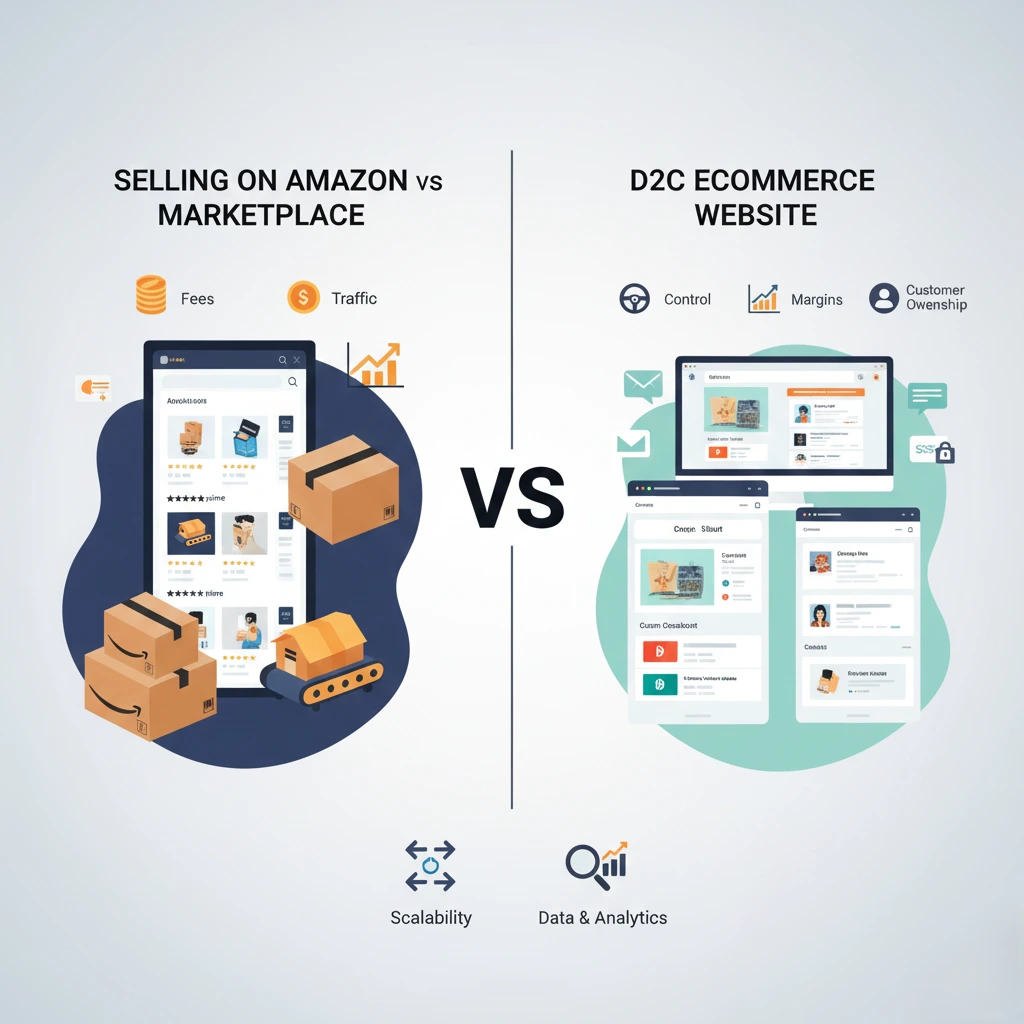
    E-commerce in 2026 continues to evolve rapidly, offering sellers more opportunities than ever before. Platforms like Amazon and Meesho have become essential marketplaces for small businesses, D2C brands, and aspiring entrepreneurs looking to scale online. Whether you want to reach global buyers on Amazon or tap into India’s fast-growing social commerce market through Meesho, this guide breaks down everything you need to succeed. Here is your complete 2026 guide to selling on Amazon and Meesho.

    Why Amazon and Meesho Matter in 2026

    Amazon remains one of the world’s most trusted online marketplaces, offering sellers access to millions of active customers, advanced logistics through FBA (Fulfilled by Amazon), and powerful advertising tools.

    Meesho, on the other hand, has become India’s leading zero-commission platform for small sellers, social sellers, and resellers. Its mobile-first, low-cost entry model makes it ideal for entrepreneurs entering e-commerce for the first time.

    Together, these platforms cover both global e-commerce and affordable social commerce, giving sellers a balanced growth ecosystem.

    Selling on Amazon in 2026

    1. Set Up Your Amazon Seller Account

    To begin, register either as an Individual Seller or Professional Seller based on your business size. Ensure your documents—such as GST number, PAN, bank account, and business address—are accurate and up to date.

    Key Tip

    In 2026, Amazon’s verification system has become faster, but accuracy in documentation is essential for account approval without delays.

    2. Choose the Right Fulfillment Method

    Amazon offers multiple fulfillment options:

    Fulfilled by Amazon (FBA)

    Amazon stores, packs, and ships your products. This boosts your Buy Box chances and helps you scale faster.

    Fulfilled by Merchant (FBM)

    You store and dispatch orders yourself, ideal for custom or bulky products.

    Easy Ship

    Amazon picks up and delivers your orders without storing your products.

    Selecting the right method is crucial for your profits, product category, and delivery speed.

    3. Optimize Product Listings for SEO

    A winning Amazon listing includes:

    • High-quality images
    • SEO-optimized titles
    • Keyword-rich bullet points
    • A compelling product description
    • Backend keywords

    Why It Matters

    Amazon’s A9 algorithm in 2026 rewards listings with strong SEO, high click-through rates, and positive customer engagement.

    4. Price Competitively

    Pricing in 2026 is more dynamic, with Amazon automatically suggesting optimized prices based on demand and competition.

    Smart Pricing Strategy

    Use Automated Pricing to stay competitive without manually updating prices every day.

    5. Use Amazon Advertising

    Amazon Ads have become essential for new sellers. Use:

    • Sponsored Products
    • Sponsored Brands
    • Sponsored Display Ads

    Advertising Tip

    Start with low-budget automatic campaigns, then refine with manual keyword targeting once you gather data.

    Selling on Meesho in 2026

    1. Register as a Meesho Seller

    Meesho allows sellers to join with minimal paperwork. You can sell as a:

    • Manufacturer
    • Distributor
    • Reseller
    • Small retail business

    Advantage

    Meesho’s zero commission model helps sellers retain maximum margins—making it ideal for beginners.

    2. Upload Quality Product Listings

    High-quality images, simple titles, and clear descriptions are essential on Meesho. Users on this platform prefer straightforward listings and budget-friendly items.

    SEO Tip

    Use keywords based on customer search behavior, such as affordable kurti,” “trendy home décor,” “budget smartphone accessories,” etc.

    3. Use Meesho’s Logistics Network

    Meesho offers a strong logistics system with:

    • Low delivery charges
    • Doorstep pickup
    • Real-time tracking

    Benefit

    Sellers don’t need third-party couriers or a warehouse; Meesho handles it all.

    4. Focus on Competitive Pricing

    Meesho is a price-sensitive marketplace. Keep your products affordable while maintaining profit margins.

    Pricing Tip

    Source products directly from manufacturers or wholesalers to reduce cost per unit.

    5. Maintain High Ratings and Fast Order Processing

    Customer satisfaction is crucial. Higher ratings increase product visibility and help you rank better in search results.

    Ways to Improve Ratings

    • Ship items quickly
    • Provide accurate descriptions
    • Avoid poor-quality packaging
    • Respond quickly to customer queries

    Amazon vs. Meesho: Which Should You Choose in 2026?

    Best For Amazon

    • Global selling
    • Premium products
    • Fast scaling
    • Strong advertising tools

    Best For Meesho

    • Budget-friendly products
    • Small home businesses
    • Social selling
    • Simple onboarding

    Many successful sellers use both platforms to diversify their customer base and maximize revenue.

    Tips for Selling Successfully on Both Platforms

    1. Maintain Quality and Consistency

    Customers in 2026 are more quality-conscious than ever. Providing consistent product quality builds long-term trust.

    2. Keep Inventory Updated

    Use inventory management tools to avoid stockouts and overselling.

    3. Use Data and Analytics

    Both Amazon and Meesho offer dashboards to help monitor:

    • Sales trends
    • Traffic
    • Conversion rate
    • Customer behavior

    4. Expand Your Product Range

    Start small, then add more products once you understand customer preferences.

    5. Invest in Branding

    Strong branding—packaging, logo, tone—helps you stand out in crowded marketplaces.

    Final Thoughts

    Selling on Amazon and Meesho in 2026 provides incredible opportunities for entrepreneurs of all levels. Amazon offers reach, scalability, and global trust, while Meesho delivers affordability, simplicity, and powerful social commerce tools. By optimizing your listings, pricing strategically, and focusing on quality, you can thrive on both platforms and build a profitable online business. The future of e-commerce is bright—now is the perfect time to start.

  • A Guide to Reverse Logistics and Returns for E-commerce

    A Guide to Reverse Logistics and Returns for E-commerce

    In the fast-growing world of online shopping, customer expectations are higher than ever. From fast delivery to easy returns, everything plays a crucial role in shaping overall satisfaction. One area that many businesses overlook is reverse logistics, a key component of the e-commerce ecosystem. As return rates continue to rise, especially in fashion, electronics, and consumer goods, having a strong e-commerce returns strategy has become essential for maintaining trust, efficiency, and profitability.

    What Is Reverse Logistics?

    Reverse logistics refers to the process of moving products from customers back to the retailer or manufacturer. Unlike traditional shipping, which focuses on getting products to buyers, reverse logistics manages returned items, exchanges, recycling, refurbishment, and restocking. This process ensures that returned products are handled efficiently, minimizing costs and maximizing customer satisfaction.

    Common parts of the reverse logistics process include:

    • Product returns
    • Replacement or exchanges
    • Repairs and refurbishment
    • Recycling or disposal
    • Restocking and redistribution

    Efficient reverse logistics can help e-commerce businesses reduce waste, cut costs, and improve brand loyalty.

    Why Returns Matter in E-commerce

    Returns are a natural part of online shopping. Since customers cannot physically inspect products, return rates tend to be higher compared to in-store purchases. This makes an effective e-commerce returns policy essential.

    A clear and customer-friendly returns process helps:

    • Build trust and confidence
    • Increase conversion rates
    • Encourage repeat purchases
    • Reduce customer service issues

    On the other hand, a complicated or costly returns process can damage a brand’s reputation and drive customers toward competitors.

    The Reverse Logistics Workflow

    To manage returns smoothly, businesses must understand each step of the reverse logistics workflow.

    Customer return initiation

    The process begins when a customer requests a return, usually through an online portal or customer support. A clear, simple interface improves customer satisfaction and reduces return-related inquiries.

    Product shipping back to the warehouse

    Once approved, customers send the item back. Pre-paid labels, drop-off locations, and easy packaging significantly improve the overall return experience.

    Inspection and processing

    After receiving the product, the warehouse team examines its condition. This determines whether it should be restocked, repaired, recycled, or disposed of.

    Refund or exchange

    Once the return is processed, the customer receives a refund or replacement. Fast refunds are crucial for a great e-commerce returns experience.

    Benefits of a Strong Reverse Logistics System

    A well-structured reverse logistics system can create both operational and financial advantages.

    Cost savings

    Proper returns management helps reduce shipping costs, labor expenses, and product loss.

    Enhanced customer satisfaction

    Customers value brands that offer hassle-free returns. A smooth experience increases loyalty and repeat purchases.

    Improved inventory management

    Returned items that are quickly inspected and restocked help maintain healthy inventory levels.

    Sustainability

    Recycling, refurbishing, or repurposing items supports environmentally friendly practices and reduces waste.

    Common Challenges in E-commerce Returns

    Even with a great system in place, businesses can face challenges. Understanding these helps create better solutions.

    High return volumes

    Industries like fashion and electronics often see high return rates, which require strong returns management processes.

    Fraudulent returns

    Some customers misuse return policies, costing businesses money.

    Slow processing

    Delays in refunds or product inspections lead to poor customer satisfaction.

    Shipping costs

    Reverse shipping can be expensive without optimized logistics.

    Addressing these challenges helps streamline the entire reverse logistics operation.

    Best Practices for Managing Reverse Logistics

    To create a seamless and efficient e-commerce returns strategy, businesses should follow proven best practices.

    Create a clear and transparent returns policy

    Your policy should outline timelines, conditions, costs, and instructions. A transparent returns policy reduces confusion and builds trust.

    Offer multiple return options

    Give customers choices such as drop-off points, pickup services, or in-store returns (if applicable).

    Use automation tools

    Automated returns portals make the process faster for customers and reduce manual workload for teams.

    Track and analyze return data

    Understanding why customers return products helps improve product quality, descriptions, and sizing accuracy. This makes data-driven returns management essential.

    Partner with reliable logistics providers

    Working with efficient carriers ensures faster reverse shipping and better customer satisfaction.

    The Role of Technology in Reverse Logistics

    Technology is transforming how businesses handle reverse logistics. From AI-powered forecasting to automated return labels, digital tools improve speed, accuracy, and customer experience.

    Key technologies include:

    • Real-time tracking
    • Warehouse automation
    • Smart return portals
    • Data analytics
    • Chatbots for customer support

    Technology creates a more efficient, scalable e-commerce returns process that can grow with the business.

    Creating a Customer-Centric Returns Experience

    Today’s customers expect convenience. To stay competitive, brands must make their returns experience as effortless as possible.

    Ways to improve customer experience:

    • Provide pre-paid return labels
    • Keep the process simple and intuitive
    • Offer fast refunds or store credit
    • Communicate status updates
    • Provide 24/7 support

    A positive experience can turn a potential loss into a repeat customer.

    The Future of Reverse Logistics in E-commerce

    As online shopping continues to expand, reverse logistics will become increasingly important. Trends shaping the future include:

    • Sustainability and eco-friendly packaging
    • Increased automation
    • AI-driven demand and return predictions
    • More flexible return policies
    • Fast, low-cost return shipping solutions

    Businesses that invest in a strong e-commerce returns strategy today will gain a major competitive advantage tomorrow.

    Final Thoughts

    Reverse logistics is no longer a back-end process—it’s a critical part of the customer journey. By creating a smooth, efficient, and customer-focused returns system, e-commerce brands can reduce costs, improve satisfaction, and build long-term loyalty. The key is understanding how returns flow, using technology to optimize operations, and offering a transparent, stress-free experience.